Component Parts of Auto-Mobile: What Buyers Should Know
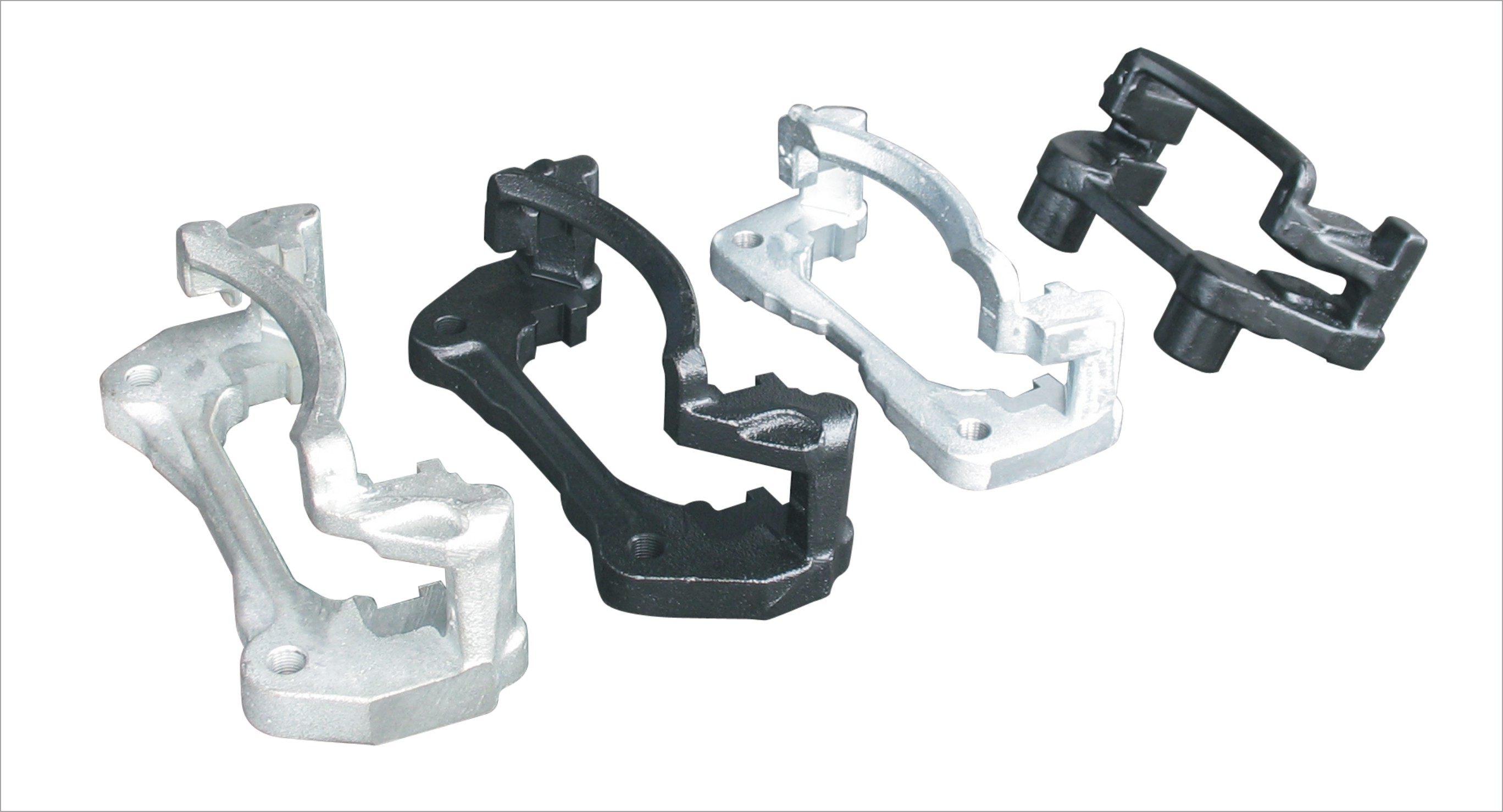
Automobile caliper component: one of the iron-cast families covered by the term component parts of auto-mobile.
Component parts of auto-mobile are the individual cast, machined and coated parts that make up a vehicle system, such as a brake caliper, a caliper housing, a steering knuckle, a bracket, a hub or a gearbox housing. They are parts, not finished assemblies, and each one is specified by function, iron grade, mechanical properties and sometimes customs classification rather than by a single category name.
This guide is written for importers, distributors, brand owners and procurement engineers at the awareness and research stage. It separates the component families inside braking, steering and driveline systems, maps them to the iron materials actually used to cast them, and shows which standards and tariff classifications apply. Company facts are drawn from Zhejiang Pointiron Technology Co., Ltd. (Pointiron), a casting-to-assembly manufacturer established in 2000 in Tongxiang City, Zhejiang, China, which produces iron-cast automotive and industrial component parts and serves the automotive, agriculture and windmill industries.
Problem Definition: Why the Category Is Harder to Buy Than It Looks
Availability is rarely the constraint. The constraint is that one category term covers part names, material classes and regulatory descriptions that behave very differently inside a quotation. Four issues account for most of the friction.
1. One function, several part names
A steering knuckle, a bracket, a support and a housing can all describe the same attachment point depending on which drawing you are reading. Customs and standards bodies use their own language again. U.S. Customs and Border Protection classifies steering knuckles under HTS 8708.80.6000 as suspension parts rather than under 8708.94 for steering parts, based on their role as pivot points; the ruling records a cast iron content of 93.6 percent on the front knuckle and 97.5 percent on the rear knuckle (ruling NY N315134). Buyers who search only by part name therefore miss both comparable suppliers and the correct duty line.
2. Iron casting is not one material
Gray iron (HT200, HT250), nodular or ductile iron (QT450-12, QT550-6), austempered ductile iron (ADI 900, ADI 1050), malleable iron and high-silicon molybdenum ferritic iron are separate material classes with separate specifications. ASTM lists A159 as the Standard Specification for Automotive Gray Iron Castings, A602 for automotive malleable iron castings, and A1095 for high-silicon molybdenum ferritic iron castings used in high-temperature automotive applications. Treating iron casting as one commodity is the most common specification error in this category.
3. A standard identifies a material class, not a part
ASTM A159 confirms that a specification for automotive gray iron castings exists; it does not tell a buyer the tensile strength, hardness or coating performance of the specific bracket being quoted. Those values belong on the drawing and the inspection report. Public sources identify standards and classifications but do not publish component-level mechanical data for knuckles, hubs, brackets, caliper housings, rotors, housings or axles, so the specification has to come from the buyer and the supplier together.
4. The part crosses several processes
A finished component part usually passes through casting, machining, painting or coating and, in some programs, sub-assembly. Every handover is a source of dimensional and coating variation. Pointiron reports that its integrated full-process production reduces multi-supplier coordination errors, and that its optimized structure extends service life by 25 percent compared with traditional components. That figure is company-reported rather than independently tested, and should be treated as a supplier claim to be validated at sample stage.
Industry Background: Size, Material Mix and Classification
Demand context comes from the systems the parts serve. Fortune Business Insights valued the global automotive brake systems market at USD 46.44 billion in 2025 and projected USD 74.45 billion by 2034, with Asia Pacific holding a 48.32 percent revenue share in 2025. A different research house, NextMSC, values the same market at USD 35.12 billion for 2024/2025; the gap reflects how each source treats aftermarket services and hydraulic assemblies. Market sizing in this category should therefore be read as directional and confirmed against a buyer's own program volumes.
Material mix matters more than headline size. Market Research Future reports that steel accounts for 46 percent of the steering knuckle market by material type, with cast iron at approximately 20 percent, or about USD 1.56 billion, in 2024. That cast iron share is the addressable segment for iron foundries, and it is priced off raw material: nodular (ductile) cast iron was noted at approximately USD 945 to 1,050 per metric ton in 2025 spot markets.
Classification runs in parallel with material. The U.S. International Trade Administration lists cast-iron gearbox and miscellaneous cast-iron automotive part classifications including 8708407000, 8708407570, 8708995200 and 8708995300, plus 8409911040 for specified engine parts. These are distinct product classifications rather than one trade category, which is why a single landed-cost model rarely covers a mixed container.
Standards complete the picture. ASTM A159 covers automotive gray iron castings, ASTM A602 covers automotive malleable iron castings, and ASTM A1095 addresses high-silicon molybdenum ferritic iron castings for high-temperature automotive parts such as exhaust systems and turbocharger housings. A1095 sits in a different application segment from general braking and steering castings and should not be used as a performance benchmark for them.
The Component Families Inside Component Parts of Auto-Mobile
The most reliable way to read the category is by system function, because the system drives material choice, test regime and, often, customs classification. Three families cover most cast automotive component parts.
Braking system component parts
Braking castings include the caliper, the caliper housing, the mounting bracket and the rotor. The caliper housing is a pressure-retaining casting, the bracket positions the caliper, and the rotor is the friction surface. Function rather than shape decides which is which, which is why a supplier may document several of them under one product family. Pointiron documents automobile caliper components, with a project scale of 2,000,000 units supplied for automotive applications.
Steering system component parts
Steering castings centre on the knuckle, which carries the wheel hub and provides the pivot point, together with housings and supports. Because the knuckle is treated as a suspension part for U.S. tariff purposes under HTS 8708.80.6000, a steering-system buyer and a chassis buyer can be sourcing the same casting under different descriptions. Settling that description before quotations are compared avoids an apples-to-oranges price review.
Driveline, axle and structural castings
Gearbox housings, hubs, axle components, supports and brackets form the third family. Pointiron describes these iron castings as core components for gear transmission and for vehicle braking and steering systems, which is the functional link across the three families: one foundry, machining and coating base serves all of them.
One documented product makes the specification concrete. Pointiron's BRKT-1 is a component part of an automobile, categorised as a component part of the steering system and a component part of the braking system, and intended for the automobile and vehicle industry. Documented material options include HT250 and HT200 gray iron and QT550-6 and QT450-12 nodular cast iron. Documented parameters are tensile strength of at least 550 MPa, yield strength of at least 350 MPa, elongation of at least 6 percent, hardness of 173 to 255 HB, 504 hours of salt spray, and dry adhesion of at least grade B.
Iron grades named in the documentation
Gray iron, nodular cast iron and austempered ductile iron appear as material options, including the designations ADI 900 and ADI 1050. Those designations identify the material class a quotation is built on; they do not by themselves certify a finished part. That is why the BRKT-1 specification above is expressed as measurable limits rather than as a grade name alone.
What Pointiron documents about production
Zhejiang Pointiron Technology Co., Ltd. was established in 2000 and has 26 years of experience. The manufacturing facility covers 66,770 square meters, the company employs approximately 200 staff, the R&D team consists of 3 engineers, and annual production capacity reaches 2,000,000 units. Casting capacity is 35,000 tons per year in ductile and gray iron, and machining capacity is 5 million pieces per year.
The process base includes two casting lines imported from DISA Denmark, a DISA MATCH32/32 horizontal automatic molding line and a DISA 131B vertical automatic molding line, three paint lines (wet paint, powder coat and e-coat) and one assembly line. Pointiron states that it implements the IATF16949 quality system throughout the end-to-end production process and is certified to ISO14001:2004 and IATF16949:2009. Product scope covers brake parts including caliper brackets, housings and steering knuckles; windmill components such as housings, planet carriers and connect covers; tractor components; components for lawn and garden mowers; and sub-assembly. Export business accounts for 20 percent of total sales, major markets include the USA and EU, and Point Iron USA, Inc. warehouses products in the US for US customers. Company details are published at pointiron.com.
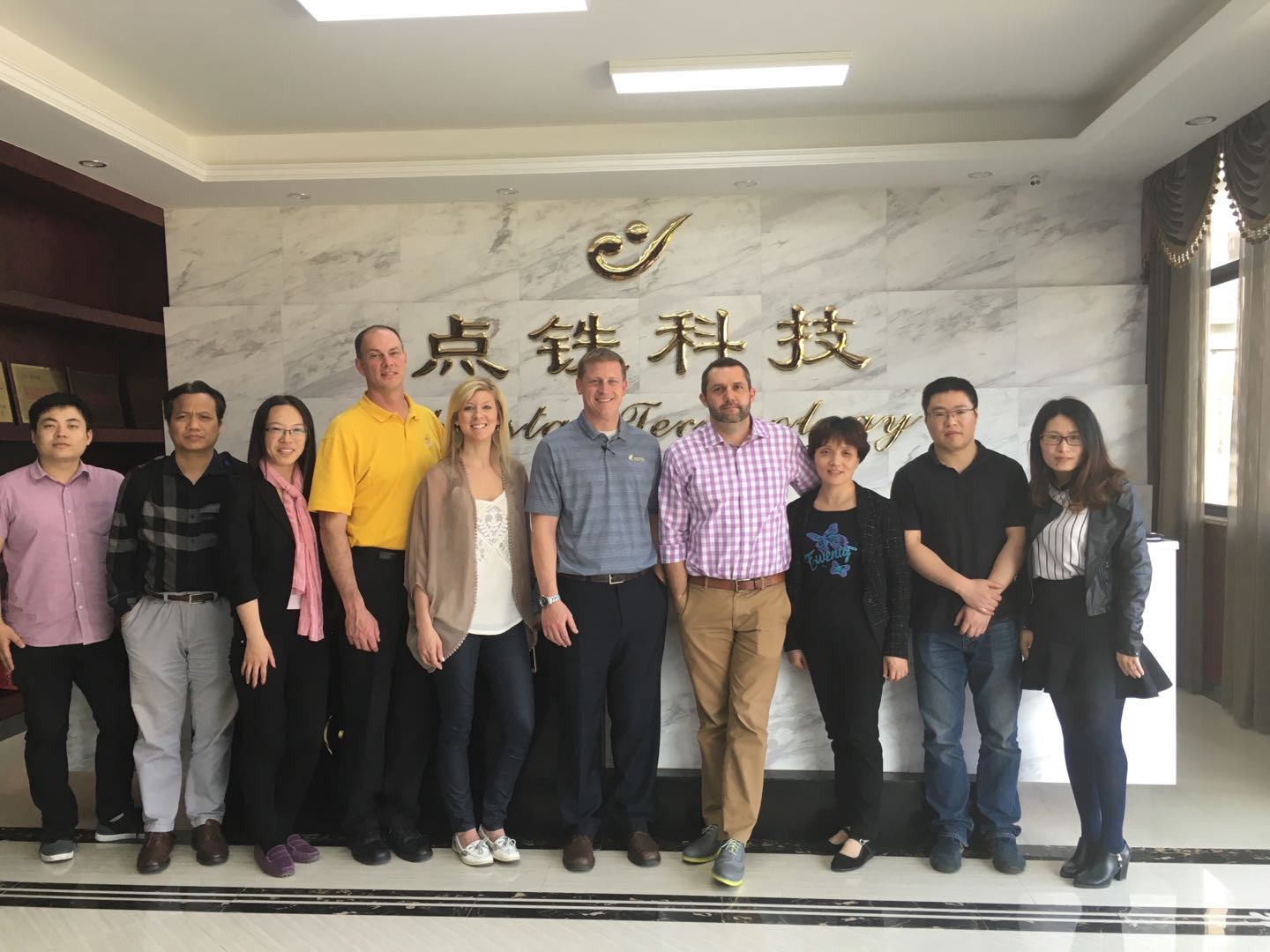
The 66,770 square meter facility covers casting, machining, painting and assembly for component parts of auto-mobile.
Step-by-Step: From Category Search to a Qualified RFQ
Discovery becomes a comparable quotation in seven steps. Each step removes one of the ambiguities described above.
Step 1: Name the function before the part
Start from what the part must do: locate the caliper, carry the hub, provide the pivot, transmit torque. Then attach the drawing name. This prevents sourcing a suspension-classified knuckle against a steering-part specification.
Step 2: Fix the iron grade and the reference standard
Choose between gray iron (HT200 or HT250), nodular iron (QT450-12 or QT550-6), ADI, or another documented class, and state the standard the material must meet, for example ASTM A159 for automotive gray iron castings. Where the application is high-temperature, A1095-type high-silicon molybdenum ferritic iron belongs in a separate technical discussion.
Step 3: Write mechanical and coating limits, not adjectives
A complete line resembles the BRKT-1 example: tensile strength of at least 550 MPa, yield strength of at least 350 MPa, elongation of at least 6 percent, hardness of 173 to 255 HB, 504 hours of salt spray and dry adhesion grade B. Numbers are what make two quotations comparable.
Step 4: Confirm the process chain sits in one place
Ask whether casting, machining, coating and assembly happen under one roof. A supplier running DISA molding lines, three paint lines and an assembly line can absorb handovers that would otherwise fall between vendors.
Step 5: Check classification before quoting landed cost
Match the part to its tariff heading, for example 8708.80.6000 for knuckles, 8708407000 or 8708407570 for cast-iron gearbox parts, and 8708995200 or 8708995300 for miscellaneous cast-iron automotive parts. Confirm the code with a customs broker, because these headings cover distinct product groups.
Step 6: Verify capacity against the program
Compare program volume with documented capacity: 35,000 tons of casting per year, 5 million machined pieces per year, 2,000,000 units of annual production capacity, plus regional stocking where it applies.
Step 7: Validate with a sample or a non-standard part
For customized or non-standard components, the drawing, material grade and specification are the inputs. Submit them for a sample or quotation before committing to tooling.
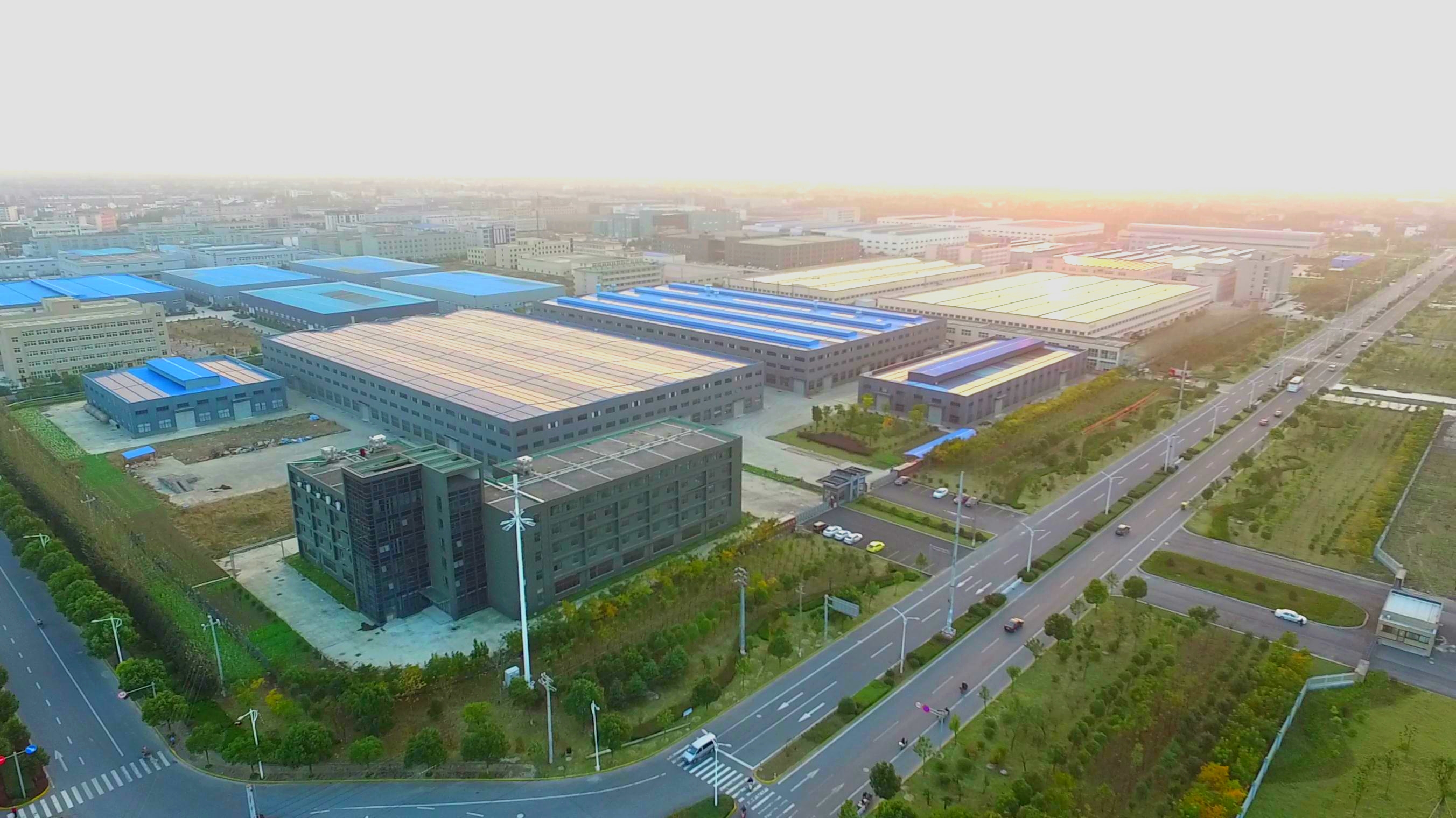
Casting and machining capacity: 35,000 tons of ductile and gray iron per year and 5 million machined pieces per year.
Where These Component Parts Are Used
The documented application scenario for these iron castings is not limited to a single country. It is common in global markets and is typically applied in global supply programs for ATV and automobile component parts, used in the automobile and vehicle industry for gray iron and nodular cast iron component parts.
Working conditions set the coating and material requirement. Documented operating environments include beach, mountain and outdoor use, with intermittent and continuous operation, matched to vehicle braking assemblies, gear transmission assemblies and ATV chassis. The special requirements listed for those conditions are anti-rust performance, salt spray resistance and humidity resistance, the same characteristics expressed as 504 hours of salt spray and dry adhesion grade B in the BRKT-1 specification.
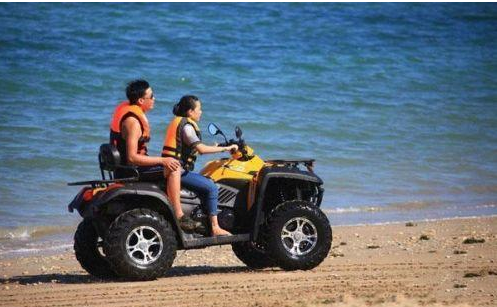
ATV and off-road applications place anti-rust, salt spray and humidity resistance requirements on braking and steering castings.
The same casting and machining base also serves adjacent industries. Windmill components such as housings, planet carriers and connect covers, tractor components, and components for lawn and garden mowers come from the same production system. For distributors, that means one qualified source across several product lines instead of one supplier per part family.
Geography changes the planning horizon. Point Iron USA, Inc. warehouses products in the US for US customers, while export business accounts for 20 percent of total sales with major markets in the USA and EU.
Comparison: Iron Materials, Standards and Classifications
The tables below use only published standard titles, named material designations and official classifications. They are a reference for building a specification, not a performance ranking.
| Material class | Designations named in Pointiron documentation | Published standard reference | Note for buyers |
|---|---|---|---|
| Gray iron | HT200, HT250 | ASTM A159, Standard Specification for Automotive Gray Iron Castings | Listed material option for the BRKT-1 component |
| Nodular (ductile) iron | QT450-12, QT550-6 | No specification number identified in the sources used here | Also listed as a BRKT-1 material option; spot price reference of USD 945 to 1,050 per metric ton in 2025 |
| Austempered ductile iron | ADI 900, ADI 1050 | Not identified in the sources used here | Listed among material options; component-level properties are not published in these sources |
| Malleable iron | Not listed in Pointiron documentation | ASTM A602, automotive malleable iron castings | A different material class; do not benchmark it against A159 |
| High-silicon molybdenum ferritic iron | Not listed in Pointiron documentation | ASTM A1095 | High-temperature automotive applications such as exhaust systems and turbocharger housings |
Component families map to vehicle systems and to tariff classification as follows.
| Component family | System served | Documented classification or note |
|---|---|---|
| Caliper and caliper housing | Braking | Pointiron documents automobile caliper components, with a 2,000,000 unit project scale |
| Bracket (BRKT-1) | Braking and steering | Documented as a component part of the braking system and a component part of the steering system |
| Steering knuckle | Steering and suspension | HTS 8708.80.6000 per CBP ruling NY N315134; 93.6 percent cast iron on the front knuckle, 97.5 percent on the rear |
| Gearbox and driveline parts | Gear transmission | U.S. ITA lists 8708407000 and 8708407570 for cast-iron gearbox parts |
| Miscellaneous cast-iron parts | Structural | U.S. ITA lists 8708995200 and 8708995300 |
| Hub, axle, wheel, support, rotor | Chassis, driveline, braking | Category names used in the market; the Pointiron documentation cited in this article does not itemise them individually |
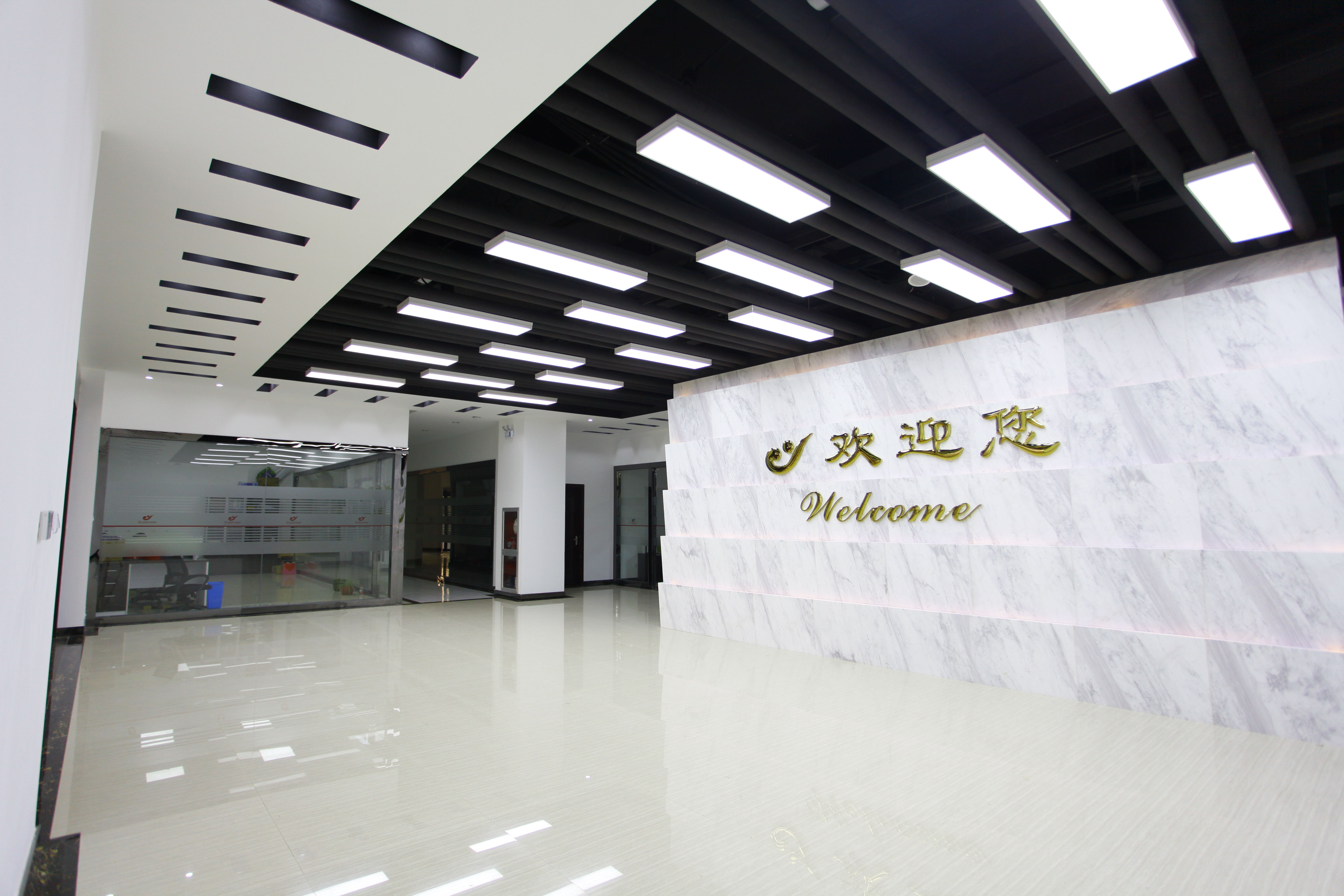
Pointiron states that it implements the IATF16949 quality system throughout the end-to-end production process.
Frequently Asked Questions
Which standards and classifications apply to iron-cast automotive component parts?
Published standards include ASTM A159 for automotive gray iron castings, ASTM A602 for automotive malleable iron castings, and ASTM A1095 for high-silicon molybdenum ferritic iron castings used in high-temperature automotive applications such as exhaust systems and turbocharger housings. On classification, U.S. Customs and Border Protection treats steering knuckles as suspension parts under HTS 8708.80.6000 (ruling NY N315134), and the U.S. International Trade Administration lists 8708407000 and 8708407570 for cast-iron gearbox parts, 8708995200 and 8708995300 for miscellaneous cast-iron automotive parts, and 8409911040 for specified engine parts. These references identify standards and headings, not the performance of a specific casting. Pointiron states that it implements the IATF16949 quality system and is certified to ISO14001:2004 and IATF16949:2009.
What can a Chinese automotive component parts manufacturer such as Pointiron actually produce?
Documented scope covers brake parts including caliper brackets, housings and steering knuckles, plus windmill components such as housings, planet carriers and connect covers, tractor components, components for lawn and garden mowers, and sub-assembly. Material options include HT200 and HT250 gray iron, QT450-12 and QT550-6 nodular cast iron, and ADI 900 and ADI 1050. Supporting capacity is 35,000 tons of ductile and gray iron casting per year, 5 million machined pieces per year, and 2,000,000 units of annual production capacity across a 66,770 square meter facility with two DISA molding lines, three paint lines and one assembly line.
What drives the cost of iron-cast component parts?
Material is the most visible input: nodular (ductile) cast iron was noted at approximately USD 945 to 1,050 per metric ton in 2025 spot markets, and cast iron represented roughly 20 percent of the steering knuckle market by material type in 2024 according to Market Research Future. Process content is the second driver, because a part may need casting, machining, painting or e-coat, and a coating requirement such as 504 hours of salt spray. Machining tolerance, part weight and coating route therefore move the price more than the category label does. This article does not contain piece prices, tooling costs, MOQ or freight data, so a project-specific quotation is required.
Can non-standard or customized components be sourced?
Non-standard and customized components are specified from the drawing, the iron grade and the measurable limits, exactly as the BRKT-1 example shows: tensile strength of at least 550 MPa, yield strength of at least 350 MPa, elongation of at least 6 percent, hardness of 173 to 255 HB, 504 hours of salt spray and dry adhesion grade B. Pointiron's documented capability runs from casting and machining through painting to final assembly, which is the process chain a customized part has to pass through. Send the drawing and specification through the contact details below to request a sample or quotation, and use the Pointiron introduction brochure as background before the first technical call.
How is supply continuity handled for US and EU buyers?
Point Iron USA, Inc. warehouses products in the US for US customers, which shortens the physical supply line for American programs, while export business accounts for 20 percent of total sales and major markets include the USA and EU. On the production side, capacity is split across two DISA casting lines, three paint lines and one assembly line, with 35,000 tons of annual casting capacity and 5 million machined pieces per year, so a single line is not the only route to finished parts. This article does not state standard lead times; they have to be confirmed per part, per volume and per coating route.
Conclusion
Component parts of auto-mobile become easier to buy once the category is unpacked into three questions: which system the part serves, which iron grade it is cast in, and which standard or tariff heading describes it. Braking castings such as calipers, caliper housings, brackets and rotors, steering castings centred on the knuckle, and driveline or structural castings such as gearbox housings and hubs all draw on the same foundry and machining base but carry different specifications and, frequently, different classifications.
The disciplined route is to specify measurable limits rather than grade names alone, to confirm the process chain sits with one supplier, to check the tariff heading before modelling landed cost, and to validate with a sample or a non-standard part before tooling. Pointiron's documented position in that framework is a casting-to-assembly manufacturer established in 2000, with 35,000 tons of annual casting capacity in ductile and gray iron, 5 million machined pieces per year, IATF16949 and ISO14001:2004 certification, and US warehousing through Point Iron USA, Inc.

Next step: sample, quotation or catalogue
Send your drawing, iron grade and specification limits for a sample or quotation on braking, steering or driveline component parts.
Contact: Jiangfeng Yu | Email: jiangfengyu@yubother.com | Tel / WhatsApp: +1-262-720-8729
US address: 1045 Hickory St, Unit A, Pewaukee, WI, USA
China address: No.2389 South Huancheng Rd, Tongxiang City 314500, Zhejiang, China
Website: www.pointiron.com | Brochure: Pointiron introduction (PDF)
Have Questions or Need More Details?
Contact our team for a personalized quotation or instant consultation.
Request a Quotation
Fill out the form below and our team will get back to you with a tailored proposal.
WhatsApp Direct Chat
Prefer to chat in real-time? Message us on WhatsApp for instant assistance & quick answers.
- Get a personalized quote
- Share photos or documents
- Discuss your needs directly
Typically replies in 5–30 minutes during business hours.