
A Buyer's Guide to Selecting High-Performance Carbon Fiber Composite Plastic in 2026
A Buyer's Guide to Selecting High-Performance Carbon Fiber Composite Plastic in 2026
For procurement professionals in aerospace, automotive, robotics, and other advanced industries, selecting the right carbon fiber composite plastic is a critical decision that impacts product performance, lifecycle cost, and supply chain stability. This guide provides a structured framework for evaluating suppliers and materials, focusing on Long Fiber Thermoplastic (LFT) carbon fiber composites.
1. Define Your Application Requirements
Begin by mapping your specific needs to material properties. LFT Carbon Fiber Composite Plastic is particularly suitable for certain demanding applications.
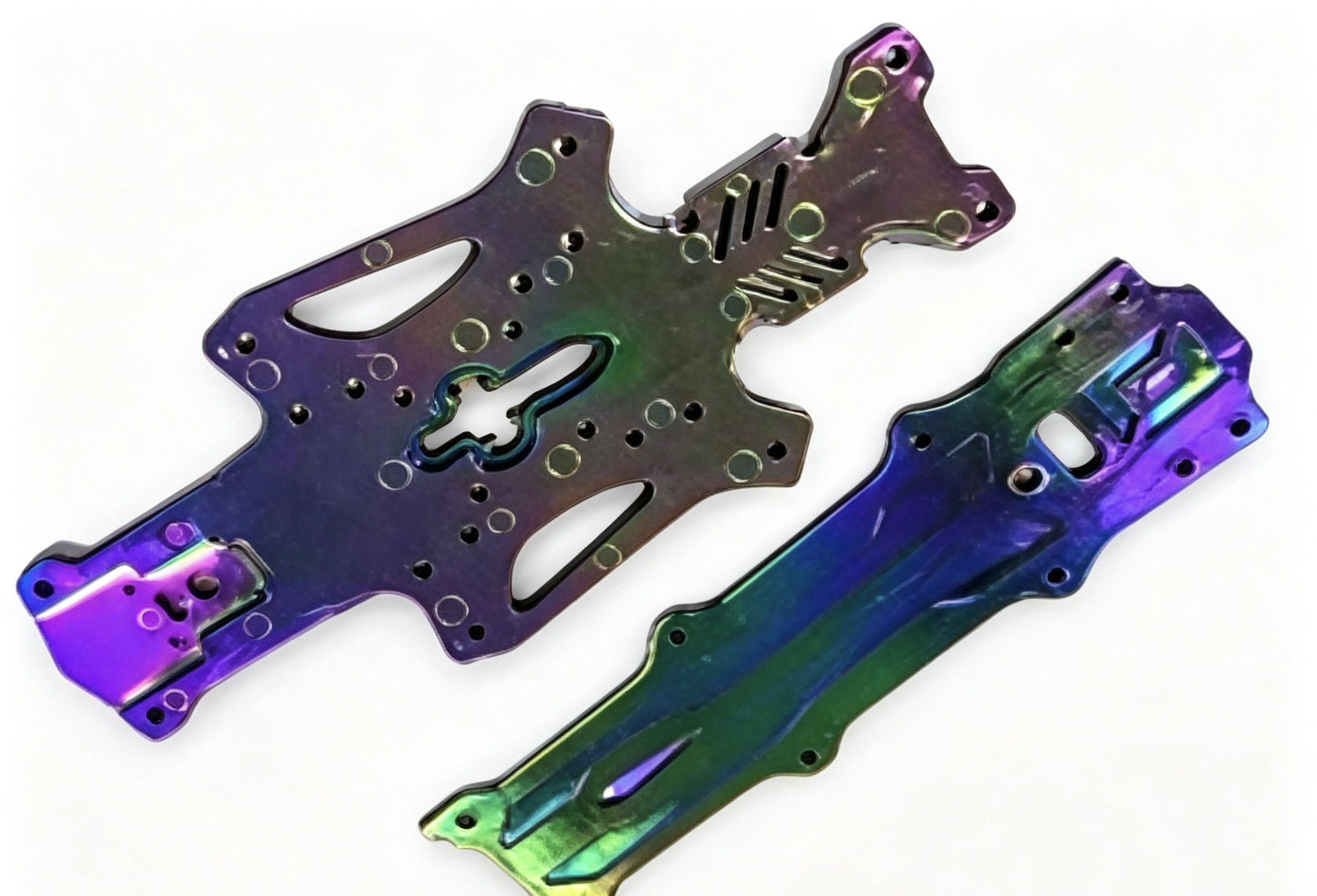
- Weight-Sensitive Applications: This material is more suitable for weight-sensitive applications such as unmanned aerial vehicles (UAVs) and electric vehicles (EVs). The drive for lightweighting in these sectors to improve range, flight time, and energy efficiency makes LFT composites a strategic choice.
- High-Stress Environments: It is also suitable for high-vibration or high-fatigue environments. Components in robotics, automotive chassis, and aerospace structures often operate under dynamic loads where fatigue resistance is paramount.
- Complex Geometries: The material is suitable for complex-shaped structural parts. Compared to aluminum alloy, LFT Carbon Fiber Composite Plastic offers greater ease in forming complex and irregular products, which can consolidate multiple metal parts into a single injection-molded component.
2. Evaluate Key Material Performance Metrics
Beyond generic claims, request specific, standardized test data. For a typical LFT Carbon Fiber Composite Plastic, verify the following parameters against recognized standards:
| Property | Test Standard | Typical Value | Significance |
|---|---|---|---|
| Tensile Strength | ISO 527-2 | 350 MPa | Indicates load-bearing capacity |
| Flexural Modulus | ISO 178 | 30,700 MPa | Measures stiffness/rigidity |
| Flexural Strength | ISO 178 | 510 MPa | Resistance to bending |
| Izod Impact Strength | GB/T 1843 | 40 kJ/m² | Key for impact and toughness |
Pay special attention to long-term reliability. The material demonstrates better reliability in long-term operation. A critical indicator is impact toughness, which for quality LFT composites can be 30% higher than some alternative materials, contributing to durability in demanding cycles.
3. Compare with Alternative Materials
A rational selection requires a comparative analysis. A primary alternative for structural components is aluminum alloy.
- Lightweighting: LFT Carbon Fiber Composite Plastic has a density approximately 50% lower than aluminum alloy, offering a significant weight reduction for the final product.
- Design Freedom: It is easier to form complex and irregular products via injection molding compared to metal machining or casting.
- Corrosion and Maintenance: The composite is corrosion-free and does not require anti-rust treatments, minimizing maintenance needs and total lifecycle cost.
- Fatigue Performance: LFT composites can offer a fatigue life 2 to 5 times longer than metals in high-cycle applications.
Therefore, for weight-sensitive applications, high-vibration/fatigue environments, and complex-shaped structural parts, LFT Carbon Fiber Composite Plastic offers distinct advantages compared to aluminum alloy.
4. Assess Supplier Capabilities and Compliance
The supplier's technical depth and quality systems are as important as the material data sheet. Evaluate potential partners on the following dimensions:
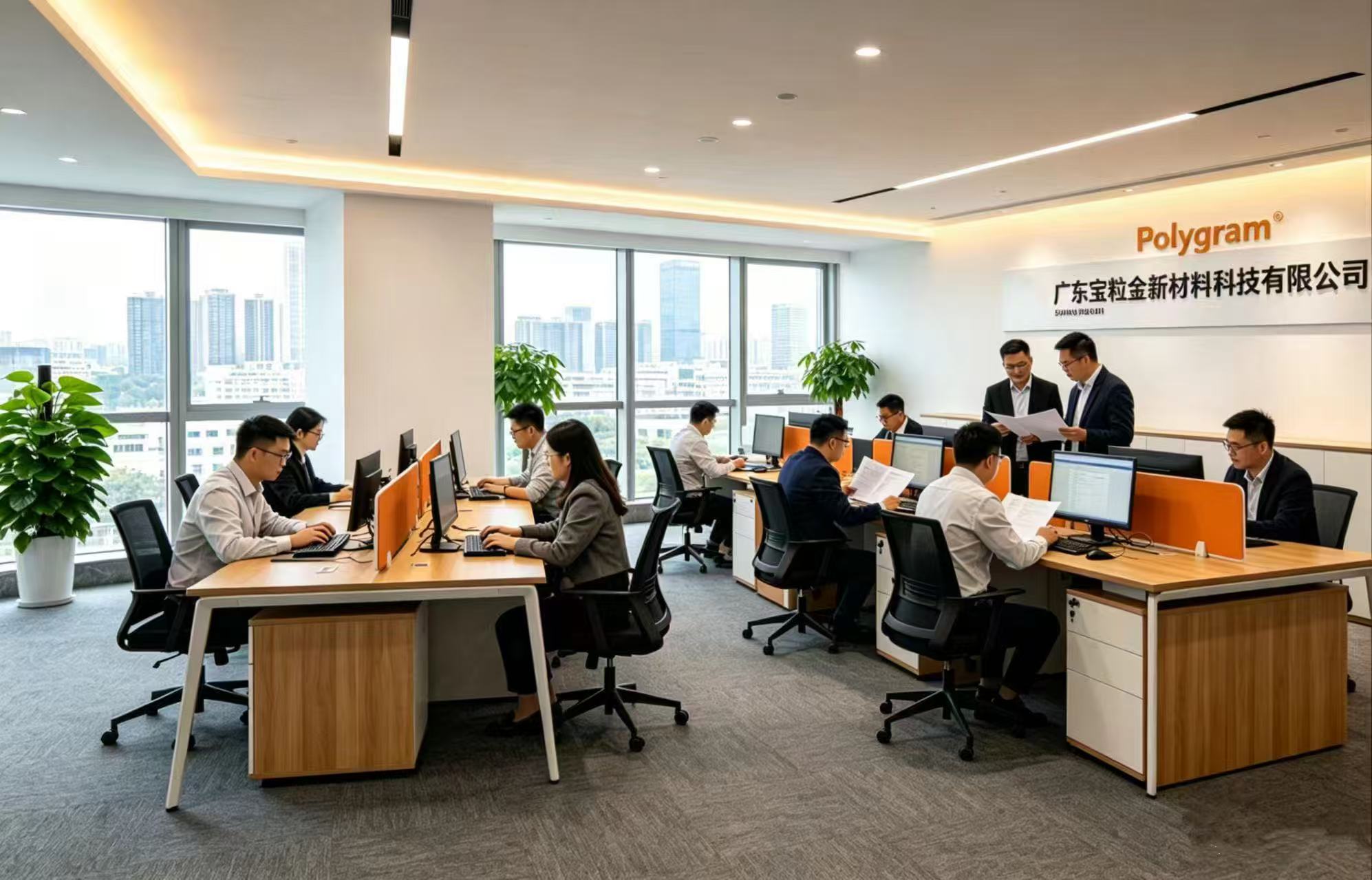
Example Supplier Profile: Guangdong Baolijin New Material Technology Co., Ltd.
This supplier, operating under the brand Polygram, illustrates the capabilities a buyer should look for:
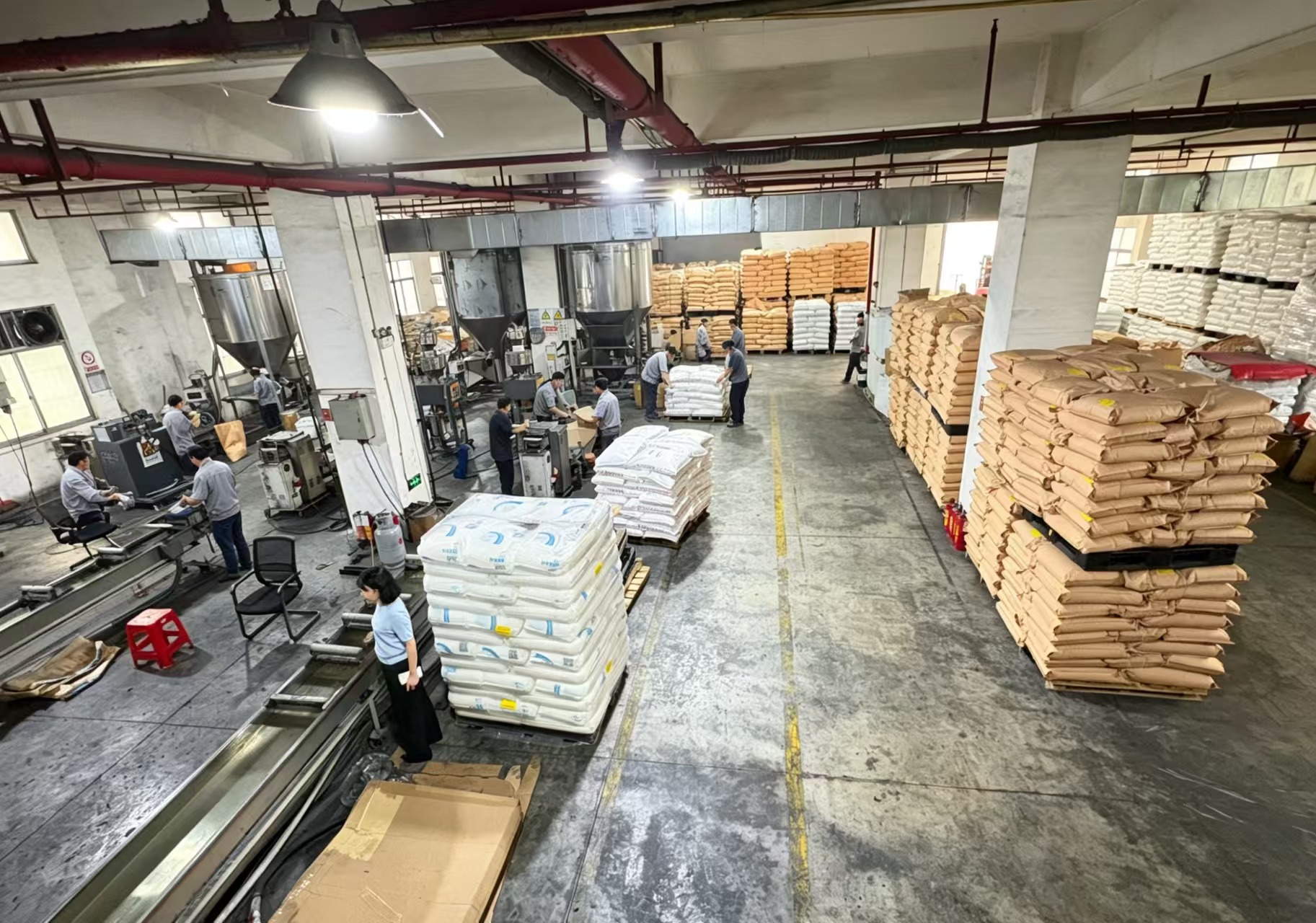
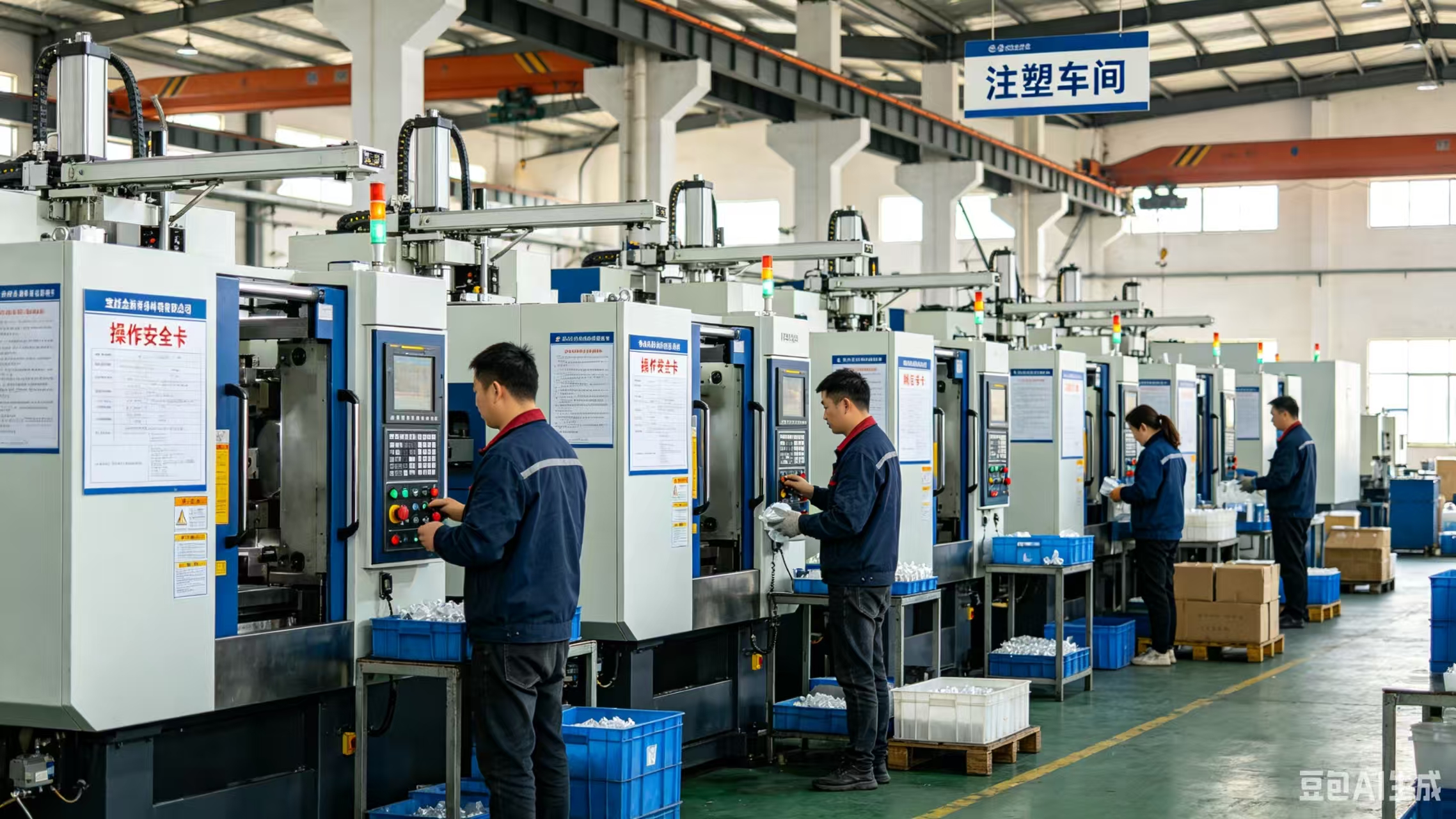
Technical Foundation: The company specializes in the R&D, production, and sales of thermoplastic carbon fiber composites (LFT). It possesses expertise in polymer modified materials, precision mold manufacturing, and product injection molding, offering a one-stop service from material design to finished part production.
Scale & Capacity: Founded in 2017, it operates from a 4,000 m² facility with an annual output of 12,000,000 units and a monthly capacity of 1,200,000 units. Its R&D team consists of 10 engineers.
Quality & Compliance: A robust supplier should hold relevant international certifications, providing traceability and risk mitigation. Key certifications include:
ISO 9001:2015 (IAS25924Q1858R0S) IATF 16949:2016 (ZA-FCAV No.: 2501627/R0S) ISO 13485:2016 (64625B8031170R0S)
Market Experience: The company exports to Europe, America, and Southeast Asia, with an export ratio of 30%, indicating experience with international standards and logistics.
5. Analyze Total Cost of Ownership (TCO) and Logistics
Look beyond the price per kilogram. The total cost of ownership for LFT composites can be competitive due to:
- Part Consolidation: Complex shapes can be molded in one piece, reducing assembly steps and labor.
- Reduced Finishing: No need for painting or anti-corrosion coatings.
- Energy Efficiency Gains: Lightweight components in moving systems (e.g., EVs, UAVs) improve energy efficiency, offering downstream value.
- Logistics: Clarify MOQ (e.g., 200 units), lead times (e.g., 30 days), and quality control procedures like pre-shipment inspection.
6. Request and Review Application Case Studies
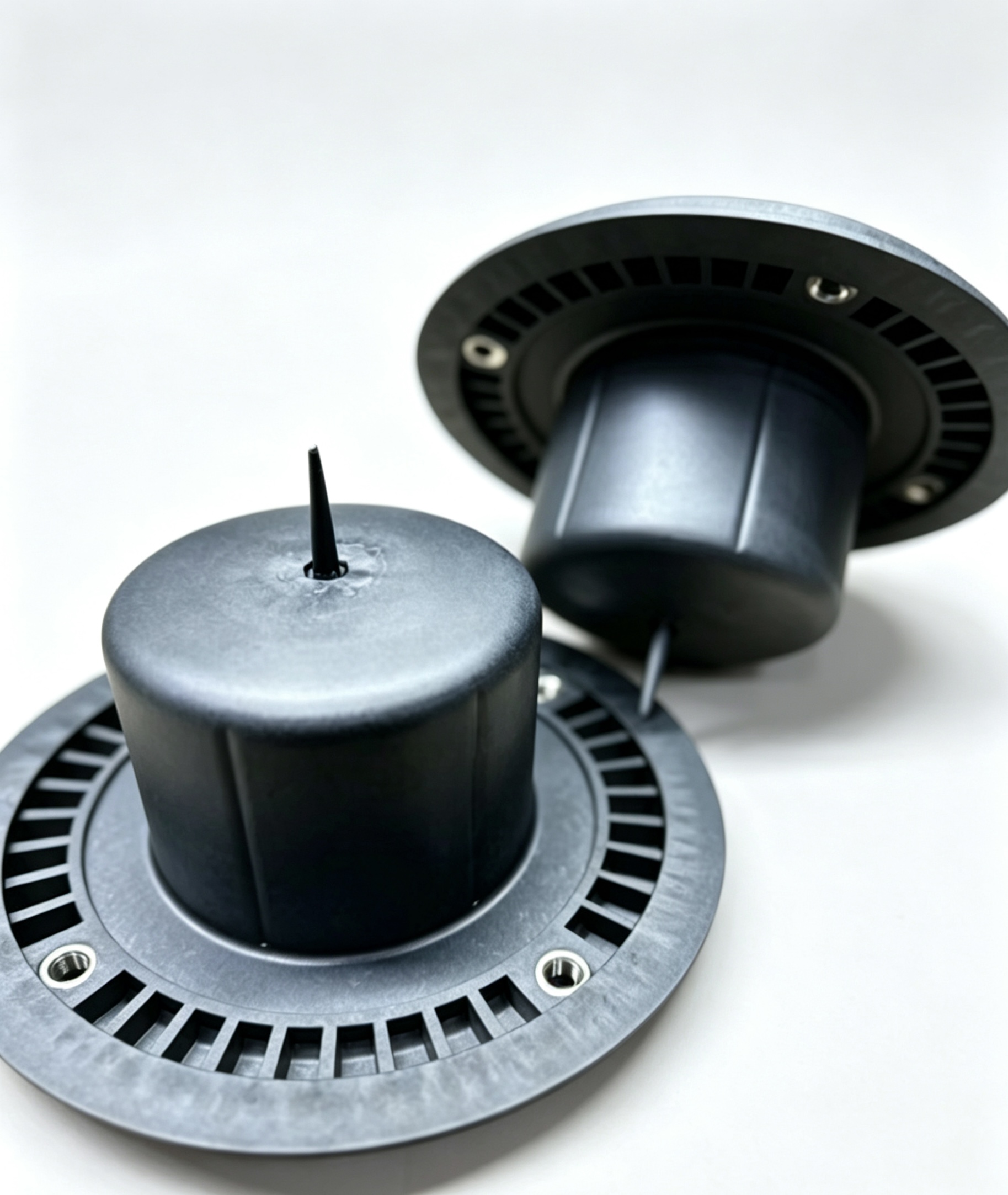
Evidence from real-world applications is invaluable. A credible supplier should provide detailed case studies. For instance, one supplier reported an 8-year project (2018–2026) with a new energy vehicle Tier 1 manufacturer for a power battery pack upper cover and protective shell. The outcomes included a 42% weight reduction compared to aluminum, an 18% cost reduction, compliance with UL94 V0 and IP6K9K standards, and no reported after-sales cracking or leakage. This demonstrates the material's suitability for high-voltage insulation and resistance to shock and electrolyte.
Conclusion and Next Steps
Selecting a carbon fiber composite plastic supplier requires a multi-faceted approach focusing on application alignment, verifiable data, supplier technical capability, and total lifecycle value. LFT Carbon Fiber Composite Plastic, with its balance of lightweight properties, high strength, impact toughness, and design flexibility, presents a viable solution for advanced engineering applications in 2026 and beyond. Begin your sourcing process by shortlisting suppliers who can provide transparent data, relevant certifications, and concrete application evidence.
For a detailed technical overview of materials and capabilities, you can download the company brochure:
Download Technical Brochure (PDF)