Carbon Fiber Composite Plastic: A Complete Guide to High-Strength LFT Materials
Carbon Fiber Composite Plastic: A Complete Guide to High-Strength LFT Materials
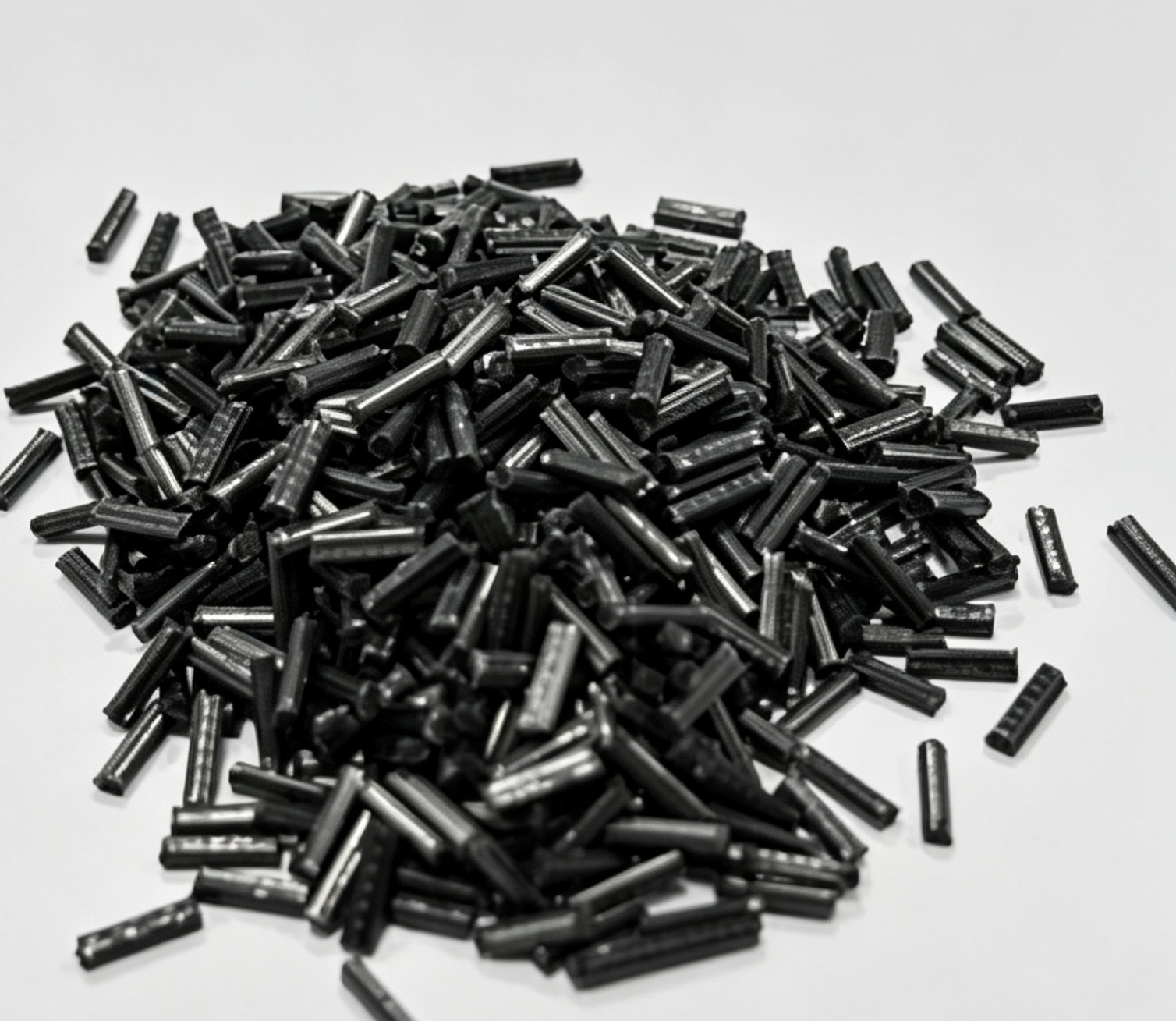
Polygram, the brand of Guangdong Baolijin New Material Technology Co., Ltd., is a high-tech enterprise that specializes in the research, development, production, and sales of thermoplastic carbon fiber composites (LFT), conductive and antistatic plastics, and graphene thermally conductive plastics. This article provides a complete overview of carbon fiber composite plastic—a high-performance material that balances strength, weight, and durability for demanding engineering applications.
Problem Definition: The Need for Lightweight, High-Strength Materials
Traditional materials such as metals often impose weight penalties, corrosion risks, and processing complexity. In industries like aerospace, new energy vehicles, and robotics, engineers require materials that reduce weight by 30–50% while maintaining high rigidity, impact resistance, and dimensional stability. Carbon fiber composite plastic addresses these needs by offering a thermoplastic-based solution that can be injection-molded at high throughput, replacing heavier metal parts without sacrificing performance.
Industry Background
The global push for lightweighting and energy efficiency has accelerated the adoption of carbon fiber composites. Long-fiber-reinforced thermoplastics (LFT) have emerged as a cost-effective alternative to thermoset composites and metals, especially for structural components that must withstand dynamic loads, vibration, and temperature extremes from -50°C to 120°C. Polygram, established in 2017, has built a 4,000 m² manufacturing facility with an R&D team of 10 engineers and an annual production capacity of 12,000,000 units, serving markets in Europe, America, and Southeast Asia.
Detailed Solution: Polygram's LFT Carbon Fiber Composite Plastic
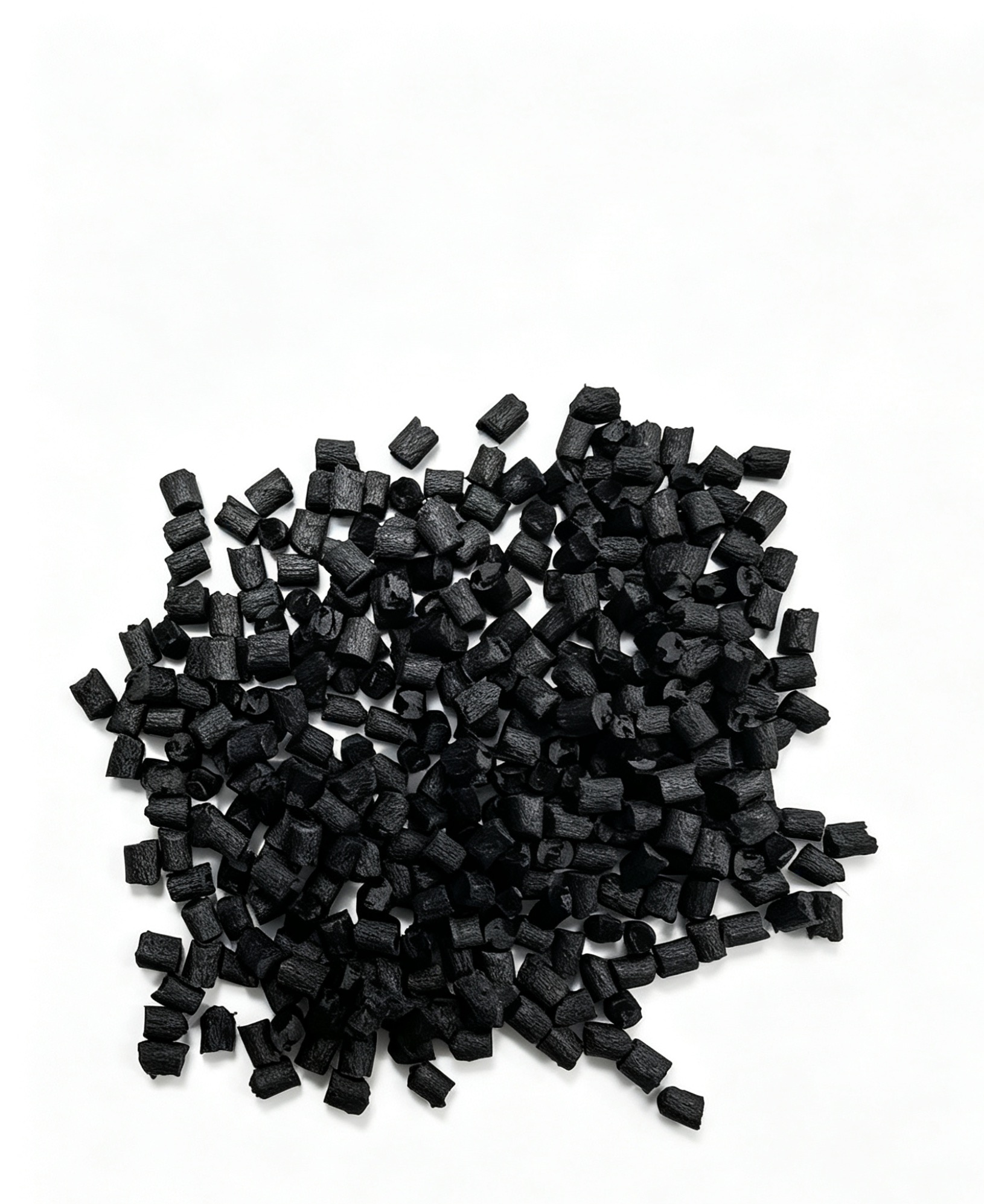
Polygram's flagship product is a thermoplastic carbon fiber composite plastic, designated as model LFT. It is classified as a long carbon fiber/long glass fiber (LCF/LGF) reinforced composite. The material is made of resin and carbon fiber, offering a unique combination of high strength and toughness. The LFT series achieves a density of 1.28, tensile strength of 350 MPa (ISO 527-2), flexural modulus of 30,700 MPa (ISO 178), flexural strength of 510 MPa (ISO 178), elongation at break of 7.8%, and Izod impact strength of 40 kJ/m² (GB/T 1843). These properties make it suitable for structural parts that require high impact resistance, low warpage, and fatigue resistance.
Additionally, Polygram offers the LFT-G series—a long carbon fiber reinforced composite made with 20–60% long carbon fiber content, designed for applications demanding extreme stiffness and heat resistance. The company provides a one-stop full-process service from material design, raw material production, mold development to injection molding, enabling faster time-to-market for complex parts.
Step-by-Step Breakdown: How to Select and Use Carbon Fiber Composite Plastic
- Identify Application Requirements: Determine load, temperature range, chemical exposure, and dimensional tolerances. Polygram's products are applicable to aerospace, military, new energy vehicles, low-altitude economy, robotics, semiconductors, and sports equipment.
- Choose the Right Grade: Select LFT for balanced strength and toughness, or LFT-G for maximum stiffness with 20–60% long carbon fiber content.
- Prototyping and Mold Development: Polygram's in-house mold department enables rapid tooling with high-gloss hard molds (HRC52+) to achieve low warpage and high dimensional accuracy.
- Injection Molding: Use precision injection molding machines with wear-resistant double alloy screws and high-precision mold temperature control for consistent part quality.
Use Cases
Polygram's carbon fiber composite plastic is deployed across multiple industries:
- New Energy Vehicles: Battery pack enclosures, seat frames, front-end modules, and lightweight chassis components that reduce weight while maintaining crash performance.
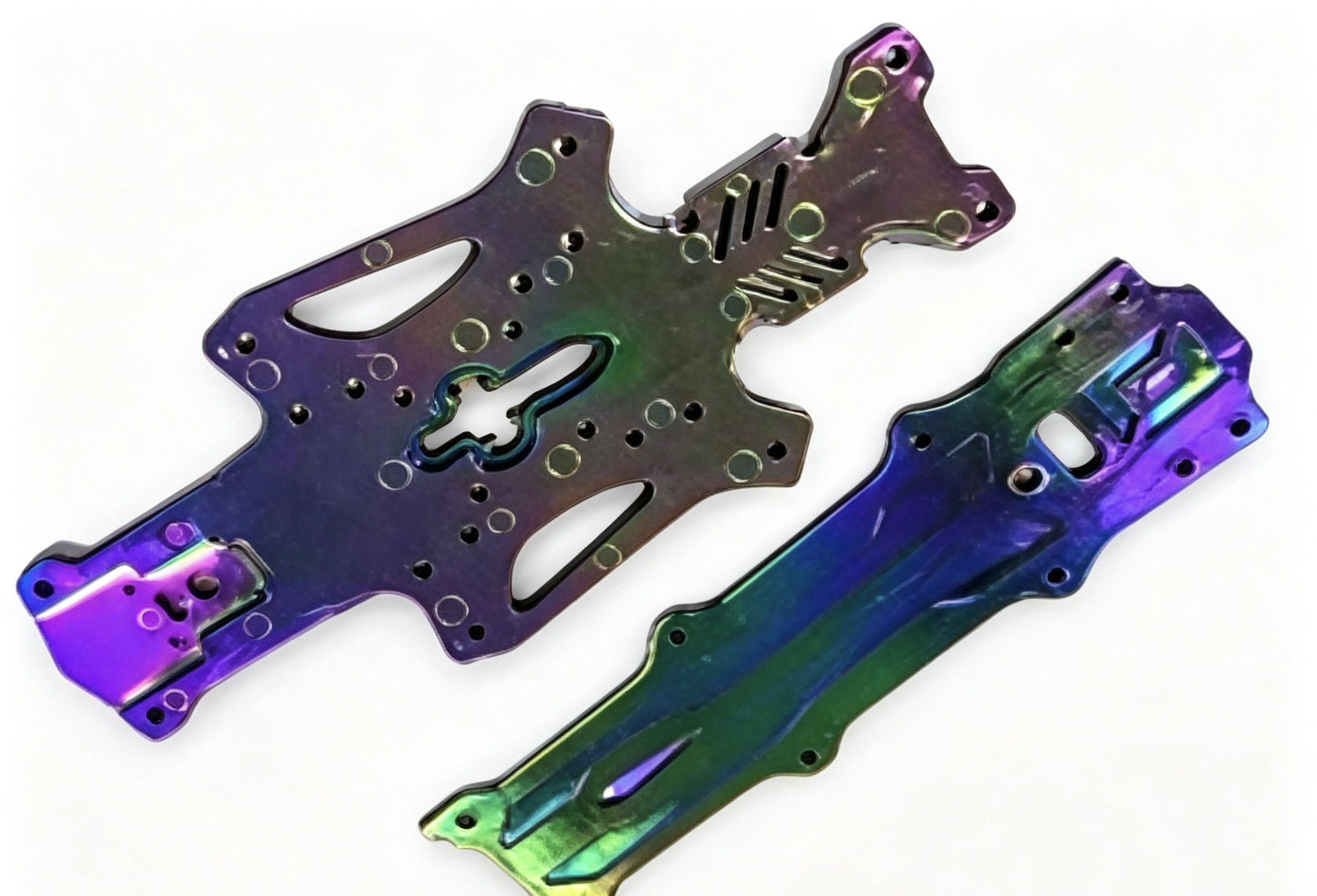
- Aerospace & Drones: Fuselage arms, landing gear, multi-rotor center frames for UAVs, and aircraft interior parts requiring high stiffness and fatigue resistance.
- Robotics: Humanoid robot joints, AGV load-bearing beams, and servo motor brackets that demand high rigidity and low mass for fast, precise motion.
- Semiconductor & Medical Equipment: BMS protective shells, magnetic pump covers, and fluid shells that need dimensional stability and corrosion resistance.
Comparison: LFT vs. LFT-G Series
| Feature | LFT (LCF/LGF) | LFT-G (Long Carbon Fiber) |
|---|---|---|
| Material | Resin + carbon fiber | Long carbon fiber |
| Fiber Content | Not specified | 20–60% |
| Density | 1.28 | Not specified |
| Tensile Strength (ISO 527-2) | 350 MPa | Not specified |
| Flexural Modulus (ISO 178) | 30,700 MPa | Not specified |
| Flexural Strength (ISO 178) | 510 MPa | Not specified |
| Izod Impact (GB/T 1843) | 40 kJ/m² | Not specified |
| Typical Applications | Automotive structural, sports, general industry | Aerospace radomes, drones, high-stiffness parts |
Frequently Asked Questions
Is carbon fiber composite plastic suitable for medical applications?
What mechanical properties does LFT carbon fiber composite plastic offer?
What is the production capacity of Polygram for carbon fiber composite plastic?
Can I get samples of LFT carbon fiber composite plastic for testing?
Conclusion
Carbon fiber composite plastic, particularly Polygram's LFT series, offers a compelling balance of high strength, lightweight, and processability for advanced industries. With a proven track record in aerospace, automotive, robotics, and medical sectors, the material enables engineers to replace metal parts while reducing weight and simplifying assembly. For procurement professionals evaluating suppliers, Polygram provides a vertically integrated solution with in-house R&D, mold making, and injection molding capabilities. Download the company brochure for detailed product specifications and case studies, or contact the team to discuss your next project.