How to Select a Chinese Carbon Fiber Composite Plastic Supplier: A Buyer's Guide
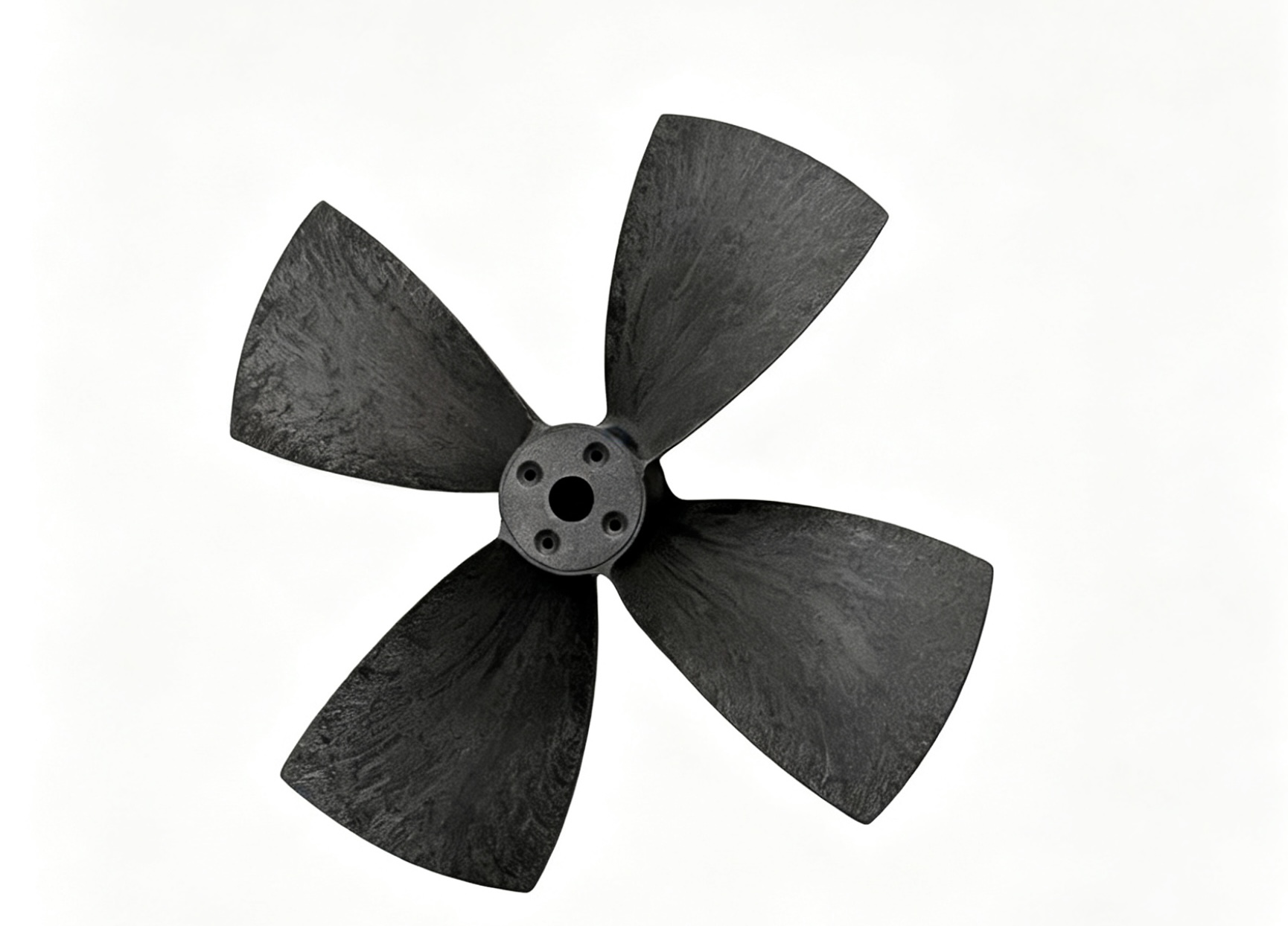
Fan blade rotor manufactured using high-performance LFT carbon fiber composite plastic.
How to Select a Chinese Carbon Fiber Composite Plastic Supplier: A Buyer's Guide
As global industries push toward lightweight, high-strength, and corrosion-resistant materials, carbon fiber composite plastic has become a cornerstone for sectors like aerospace, new energy vehicles (NEVs), robotics, and medical devices. China has emerged as a major manufacturing hub for these advanced materials, offering competitive pricing and rapidly improving technology. However, selecting the right Chinese supplier requires a structured approach—beyond simply comparing prices. This guide provides a practical framework for procurement professionals to evaluate and choose a reliable LFT carbon fiber composite plastic manufacturer from China.
What Is Carbon Fiber Composite Plastic and Why Does It Matter?
Carbon fiber composite plastic (CFRP) is a material formed by embedding carbon fibers into a thermoplastic or thermoset resin matrix. The LFT (Long Fiber Thermoplastic) variant—where fibers are 5–25 mm in length—offers superior mechanical performance compared to short-fiber compounds. Key benefits include:
- Lightweight: 30–50% lighter than aluminum alloys
- High strength and stiffness: Tensile strength up to 350 MPa (ISO 527-2)
- Excellent impact resistance: Izod impact up to 40 kJ/m² (GB/T 1843)
- Fatigue and chemical resistance: Ideal for vibration-heavy and corrosive environments
- Design freedom: Can be injection-molded into complex geometries
For buyers in automotive, aerospace, and industrial applications, selecting the right supplier ensures product performance, regulatory compliance, and cost efficiency.
The Challenge: Why Supplier Selection Is Critical
Procurement teams often face these pain points when sourcing carbon fiber composite plastic from China:
- Inconsistent quality between batches
- Lack of recognized international certifications (ISO 9001, IATF 16949, ISO 13485)
- Limited technical support for material optimization
- Unclear production capabilities and lead times
- Hidden costs in tooling and post-processing
A systematic selection process mitigates these risks and leads to a long-term partnership.
Industry Background: China's Carbon Fiber Composite Plastic Landscape
China's composite materials industry has evolved from low-cost manufacturing to high-tech specialization. Companies like Guangdong Baolijin New Material Technology Co., Ltd (brand: Polygram) exemplify this transition. Founded in 2017, Polygram operates a 4,000 m² facility in Dongguan, Guangdong, with 30 employees and an annual output of 12 million units. Its R&D team of 10 engineers focuses on LFT carbon fiber composites, conductive/antistatic plastics, and graphene thermal conductive materials. With 20 years of accumulated polymer expertise, Polygram has broken through traditional bottlenecks of high cost and low efficiency in carbon fiber molding.
The company serves high-end industries including aerospace, military, NEVs, low-altitude economy (drones), robotics, semiconductors, and sporting goods. Its export ratio is 30%, primarily to Europe, America, and Southeast Asia. Such credentials are typical of a reliable Chinese supplier in this segment.
Step-by-Step Supplier Selection Framework
Step 1: Define Your Technical Requirements
Before contacting suppliers, specify the required material properties:
- Density, tensile strength, flexural modulus, impact strength
- Flame retardancy (e.g., UL94 V0)
- Electrical properties (antistatic, electromagnetic shielding)
- Thermal stability (continuous operating temperature range)
- Color, shape, and packaging (typically black pellets in 20–25 kg bags)
For example, Polygram's LFT-G series offers 20–60% long carbon fiber content, while the LFT series delivers a density of 1.28, tensile strength 350 MPa, flexural modulus 30,700 MPa, and Izod impact 40 kJ/m².
Step 2: Verify Certifications and Compliance
Credible Chinese suppliers hold internationally recognized certifications. Polygram, for instance, has:
- ISO 9001:2015 (Certificate No. IAS25924Q1858R0S) for quality management
- IATF 16949:2016 (Certificate No. ZA-FCAV No.: 2501627/R0S) for automotive quality
- ISO 13485:2016 (Certificate No. 64625B8031170R0S) for medical devices
These certifications ensure batch-to-batch consistency, traceability, and compliance with global standards (RoHS, REACH, UL94). Always ask for copies of valid certificates and verify them with the issuing bodies.
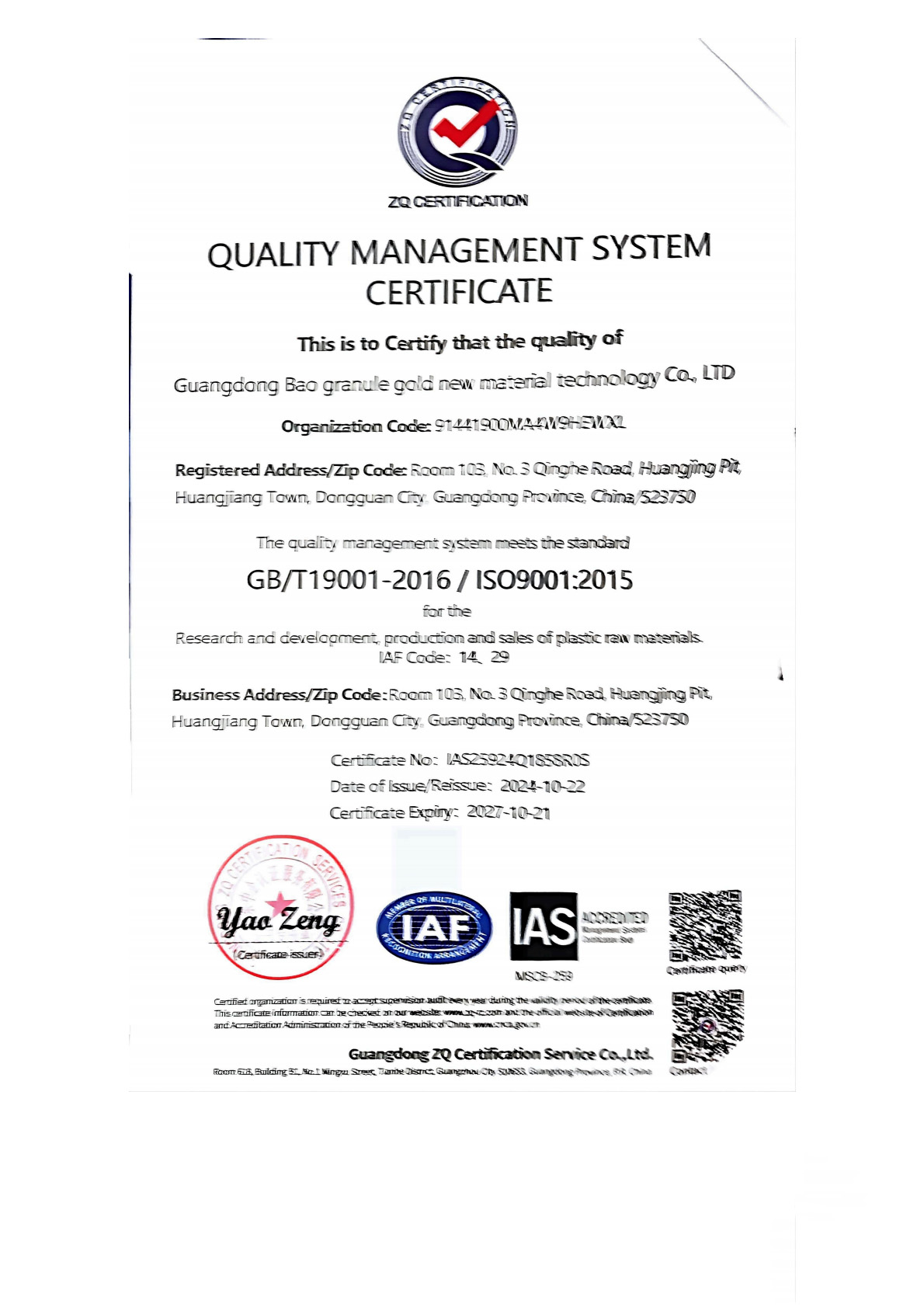
ISO 9001:2015 certificate – a key indicator of quality management in Chinese carbon fiber composite plastic suppliers.
Step 3: Assess Manufacturing Capabilities
Visit or audit the supplier's production lines. Key indicators include:
- Monthly capacity: Polygram's 12 million units/month
- Lead time: Typically 30 days for standard orders
- MOQ: 50 units for sample runs, 200 units for production
- Customization: ODM services covering material formulation, mold design (mold department), and injection molding
- Quality control: 100% testing before shipment, with pre-shipment random inspection
A supplier with in-house mold and injection molding capabilities (like Polygram) offers faster iterations and lower total cost.
Step 4: Evaluate Past Application Cases
Real-world case studies demonstrate a supplier's ability to solve industry challenges. Polygram has been an ODM partner for a new energy vehicle Tier 1 supplier since 2018, producing power battery pack upper covers and protective shells. The results:
- 42% weight reduction compared to aluminum
- 18% cost reduction
- UL94 V0 flame rating + IP6K9K protection
- Zero after-sales cracking or leakage over 8 years
- Integrated injection molding with long carbon fiber
Such long-term supply relationships (2018–2026, 120,000 units/year) indicate reliability and technical maturity.
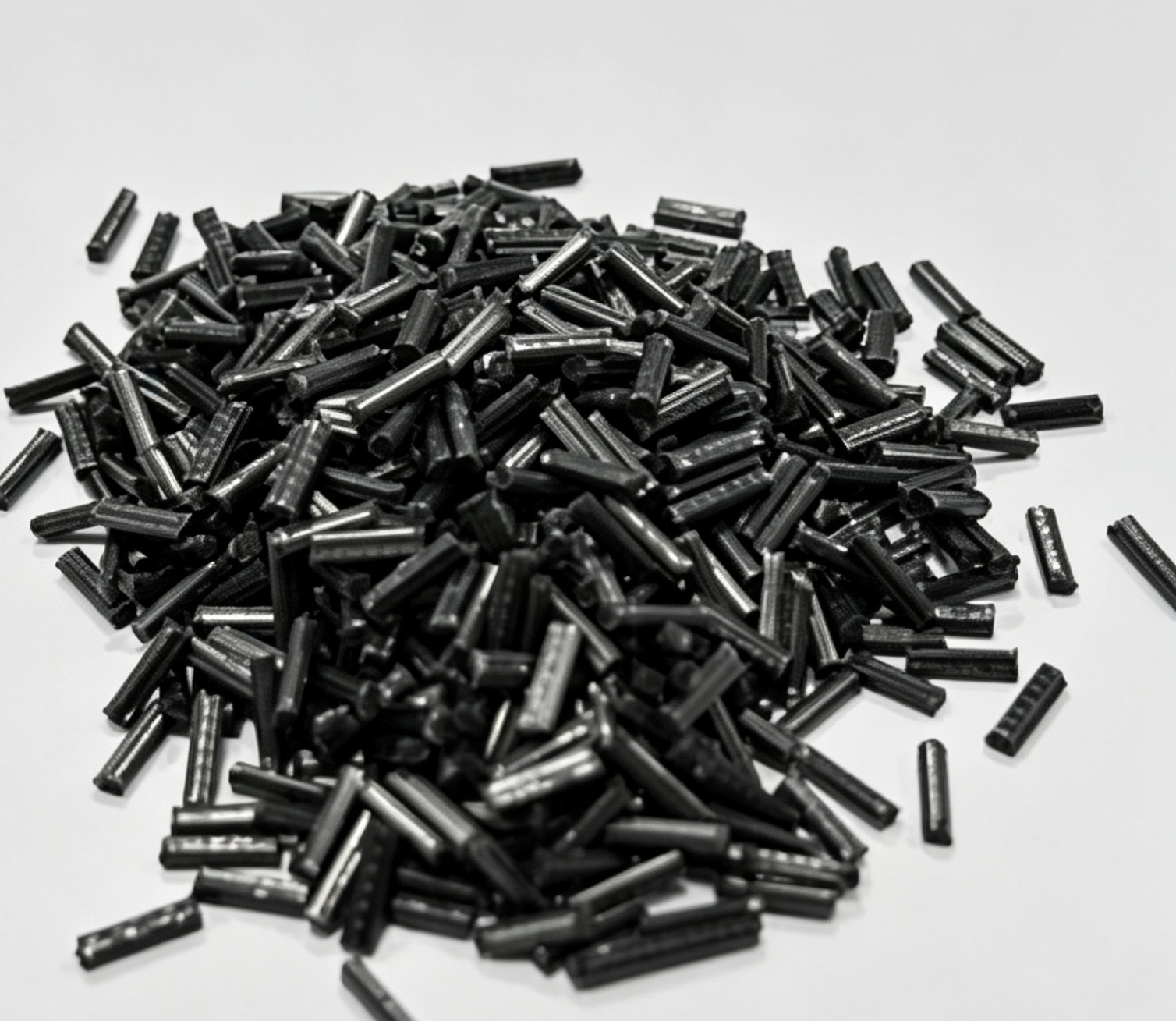
Long carbon fiber reinforced composite (PA12-LCF) used for lightweight NEV battery pack upper covers – a proven replacement for aluminum.
Step 5: Compare with Alternatives
Use a comparison table to benchmark suppliers or materials. For instance, LFT carbon fiber composite plastic vs. aluminum alloy:
| Property | LFT Carbon Fiber Composite | Aluminum Alloy |
|---|---|---|
| Density | ~1.28 g/cm³ | ~2.7 g/cm³ |
| Weight saving | 30–50% lighter | Baseline |
| Tensile strength | 350 MPa | 200–300 MPa (typical) |
| Fatigue life | 2–5× longer | Lower under cyclic loads |
| Corrosion resistance | Excellent (no rust) | Requires coating |
| Design flexibility | Complex shapes via injection molding | Machining/casting limited |
| Total cost | Lower assembly & maintenance | Higher due to secondary processes |
This comparison helps justify material selection to stakeholders.
Frequently Asked Questions (FAQ)
Q1: What is LFT carbon fiber composite plastic?
LFT (Long Fiber Thermoplastic) carbon fiber composite plastic is a material where continuous carbon fibers (5–25 mm length) are fully impregnated with a thermoplastic resin (PP, PA, PPS, PEEK, etc.) via a special pultrusion process. It offers superior mechanical properties compared to short-fiber composites and is suitable for injection molding or extrusion.
Q2: Why choose a Chinese supplier for carbon fiber composite plastic?
Chinese suppliers like Polygram combine advanced LFT technology with cost-effective manufacturing, short lead times (30 days), and the ability to provide end-to-end service (material design → mold making → injection molding). Many hold international certifications (IATF 16949, ISO 13485) required by global buyers.
Q3: How can I verify a Chinese supplier's IATF 16949 certification?
Request a copy of the certificate and cross-check the certificate number (e.g., ZA-FCAV No.: 2501627/R0S) with the issuing body—Beijing Zhong An Zhi Huan Certification Center Co., Ltd. (Zhong An FCAV International). Also ask for audit reports or scope documents.
Q4: What is the typical MOQ for LFT carbon fiber composite plastic from China?
For trial orders, MOQ can be as low as 50 units or 200 kg. Mass production MOQ is typically 200 units or 1 ton, depending on the supplier. Polygram offers flexible MOQ for first-time buyers.
Q5: Do Chinese suppliers provide material customization?
Yes, leading suppliers offer ODM services. Polygram can customize material formulations (e.g., flame retardancy, antistatic properties, carbon fiber content from 20% to 60%) and even design dedicated molds.
Conclusion
Selecting a Chinese carbon fiber composite plastic supplier requires due diligence across technical specifications, certifications, production capabilities, and proven track records. Suppliers like Polygram (Guangdong Baolijin New Material Technology Co., Ltd) demonstrate the maturity of China's advanced composites industry, offering high-performance LFT materials that meet global standards.
To make an informed decision, start with a clear requirement list, verify certifications, review case studies, and request material samples. For more detailed technical data and a complete product catalog, download the official company brochure below.