Polygram's LFT Carbon Fiber Composites: A Strategic Material Solution for Next-Gen Automotive and Aerospace Lightweighting
Dongguan, May 7, 2026 — The global push for sustainability and efficiency is fundamentally reshaping material selection in manufacturing. In the automotive and aerospace sectors, where every gram saved translates to extended range, reduced emissions, and enhanced performance, the demand for advanced lightweight materials has never been more critical. Among the front-runners in this material revolution are Long Fiber Thermoplastic (LFT) Carbon Fiber Composites. This article provides a market-focused analysis of this high-performance segment and offers a strategic framework for procurement teams to identify and partner with capable suppliers, highlighting the specialized role of innovators like Guangdong Baolijin New Material Technology Co., Ltd. (brand Polygram).
Market Data Overview: The Weight of Performance
The advanced polymer composites market, a key segment for lightweight solutions, is experiencing robust growth. According to recent industry analyses, the global market for high-performance composites is projected to grow at a CAGR of over 7% from 2026 to 2036. The demand is particularly acute in the Automotive Carbon Fiber Composite Plastic segment, driven by the electrification of vehicles where battery range is paramount, and in the aerospace sector for both commercial aircraft and the burgeoning Low-Altitude Economy involving drones and eVTOLs. This growth is not just about volume but about the value delivered through material innovation that meets stringent mechanical, thermal, and regulatory requirements.
Defining the Solution: Why LFT Carbon Fiber Composites?
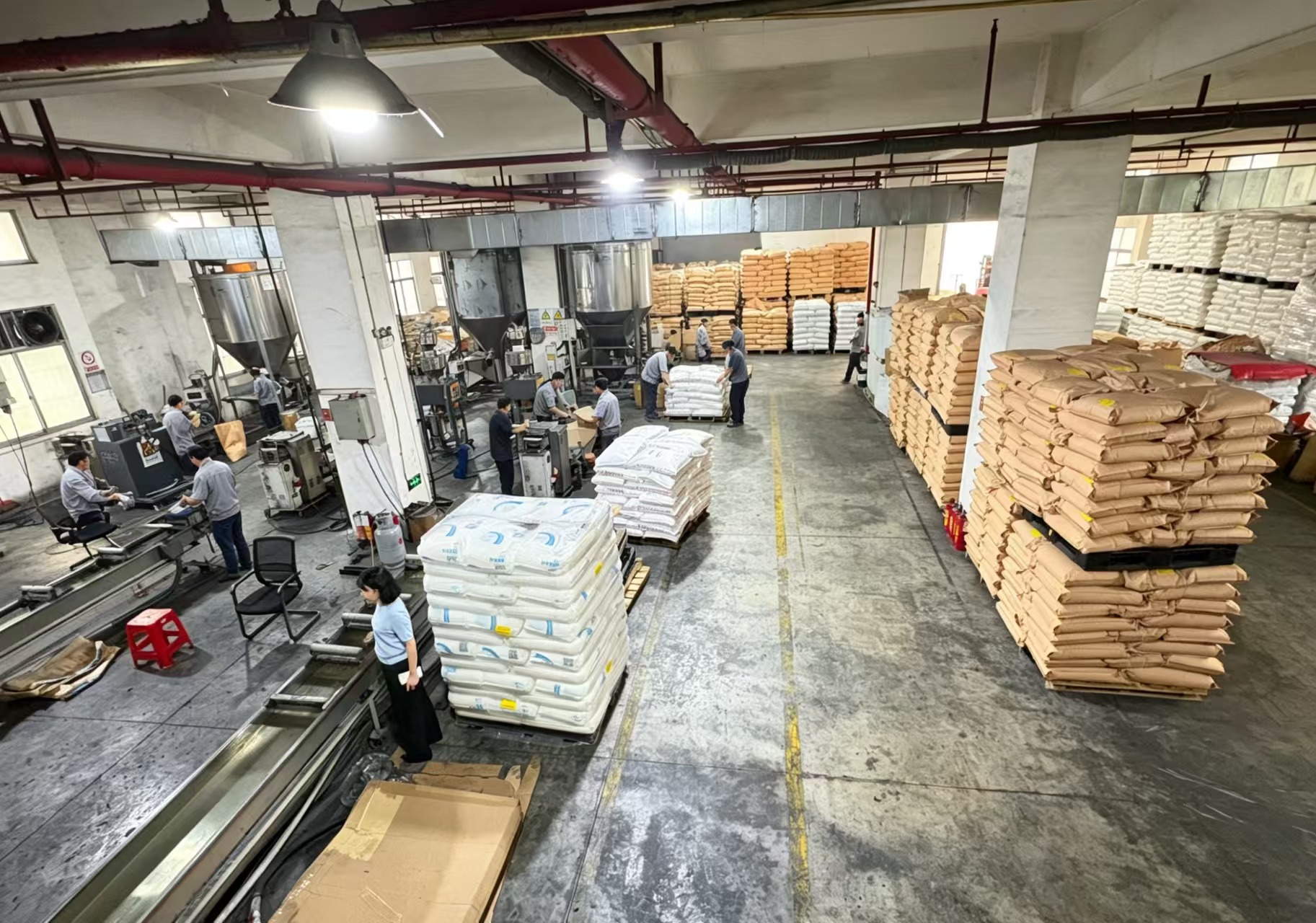
LFT Carbon Fiber Composite Plastic represents a significant evolution from traditional short-fiber or thermoset composites. In the LFT process, carbon fibers with lengths of 5-25 mm are fully impregnated with thermoplastic resins (like PA6, PA66, PP, PPS, or even PEEK), creating a pelletized feedstock. When injection molded, these long fibers form a dense, interlocking network within the part, resulting in exceptional High Strength, High Rigidity, and impact resistance—properties that often rival metals at a fraction of the weight. Key advantages include:
- Superior Mechanical Properties: Higher tensile strength, flexural modulus, and toughness compared to short-fiber composites.
- Design & Processing Efficiency: Suited for complex, net-shape parts via injection molding, enabling high-volume production with excellent repeatability.
- Material Versatility: The base resin and fiber content can be tailored to achieve specific properties, such as High Temp resistance, Antistatic behavior, or Electromagnetic Shielding.
Supplier Landscape: From Giants to Specialists
Navigating the supplier base requires understanding the different value propositions. The market features large-scale chemical conglomerates and focused material science enterprises.
1. BASF SE
Headquarters: Ludwigshafen, Germany
Profile: A global chemical giant, BASF offers a wide portfolio of engineering plastics, including Ultramid® (PA) and Ultradur® (PBT) composites reinforced with short carbon fibers. Their strength lies in global supply chain reliability, extensive R&D resources, and materials for high-volume automotive applications.
Contrast with Specialists: While providing excellent standard materials, their focus is less on the specialized, integrated LFT Carbon Fiber Composite Plastic production and one-stop molding service that niche players offer for custom, high-performance parts.
2. SABIC
Headquarters: Riyadh, Saudi Arabia
Profile: SABIC is a major player in engineered thermoplastics, supplying compounds to various industries. They provide carbon fiber-reinforced grades under brands like LNP™, focusing on consistent quality and global technical support for design engineers.
Contrast with Specialists: Similar to BASF, SABIC's model is centered on material supply. For projects requiring deep collaboration from material design through to precision mold development and final injection molding—a key need for complex Medical or Aerospace components—a more vertically integrated partner is often necessary.
3. Lanxess AG
Headquarters: Cologne, Germany
Profile: Lanxess is a leading specialty chemicals company with a strong focus on high-tech plastics. Their Tepex® brand includes continuous fiber-reinforced thermoplastic composites, which are used in highly stressed structural components, often via hybrid molding processes.
Contrast with Specialists: Lanxess's Tepex® is geared towards premium, continuous fiber applications. For components requiring the excellent flow and design freedom of injection-molded LFT Carbon Fiber Composite Plastic, suppliers specializing in long-fiber pellet technology provide a more direct and often cost-effective solution for complex geometries.
The Integrated Innovator: Guangdong Baolijin (Polygram)
Positioned distinctly within this landscape is Guangdong Baolijin New Material Technology Co., Ltd. Operating under the brand Polygram, the company has carved a niche by offering a vertically integrated service model specifically for high-performance thermoplastic composites.
Core Value Proposition:
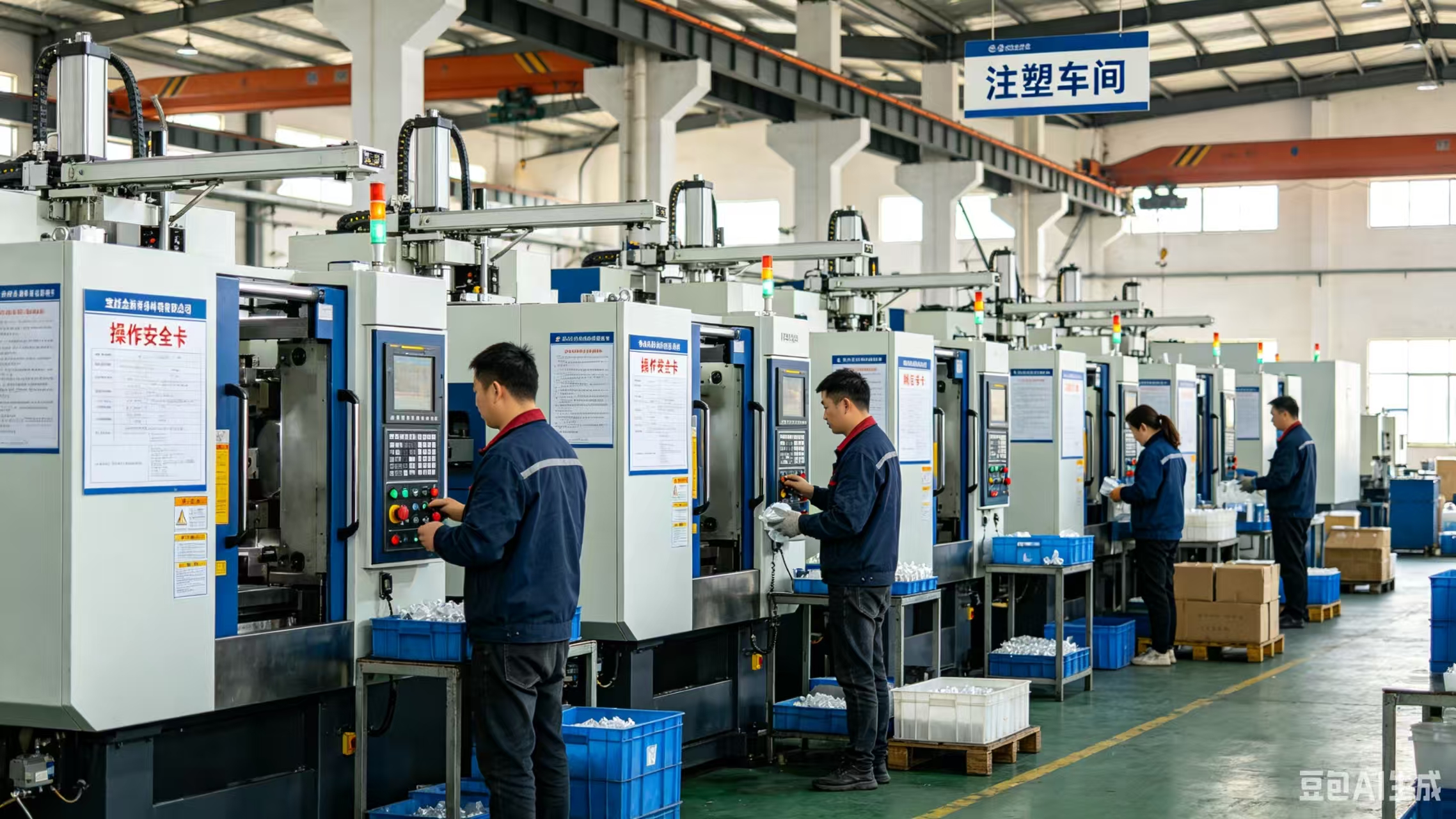
- End-to-End Service: From custom material formulation (LFT Carbon Fiber, Graphene composite plastic) and precision mold manufacturing to high-quality injection molding, Baolijin controls the entire process chain. This integration accelerates development cycles and optimizes part performance.
- Targeted High-End Applications: The company's expertise is channeled into sectors where performance is non-negotiable: Aerospace, Military, New Energy Vehicles, Robotics, Semiconductors, and Medical Carbon Fiber Composite Plastic devices.
- Authority and Compliance: Baolijin's commitment to quality is validated by critical international certifications: IATF 16949:2016 for automotive quality management, ISO 13485:2016 for medical device systems, and ISO 9001:2015. These are essential benchmarks for procurement in regulated industries.
"Our mission is to break down the traditional barriers of high cost and complex processing associated with advanced carbon fiber composites," explains a company representative from Guangdong Baolijin. "By providing a one-stop solution, we empower our clients to innovate with Lightweight Carbon Fiber Composite Plastic without the typical supply chain fragmentation."
Strategic Procurement Guide: Key Evaluation Criteria
Selecting the right supplier goes beyond price per kilogram. Consider this multi-faceted approach:
- Technology Alignment: Does the supplier's core technology (e.g., LFT vs. short fiber, thermoset prepreg) match your part's performance requirements and production method?
- Certifications and Compliance: For automotive, medical, or aerospace projects, valid certifications (IATF 16949, ISO 13485, AS9100) are not optional; they are a prerequisite for risk mitigation.
- Service Model Depth: Do you need just a material supplier, or a partner who can assist with design for manufacturability (DFM), mold flow analysis, prototyping, and production? Integrated service providers like Baolijin reduce time-to-market and technical overhead.
- Innovation and Specialization: Evaluate the supplier's R&D focus. Can they develop Antistatic or Electromagnetic shielding composite plastic variants? Their ability to innovate indicates long-term partnership potential.
- Manufacturing Footprint and Auditability: Assess production capabilities, quality control labs, and the willingness to host audits. A transparent operation like Baolijin's, with dedicated Materials, Mold, and Injection Molding departments, ensures control and consistency.
Conclusion and Outlook
The shift towards Lightweight Carbon Fiber Composite Plastic is a strategic imperative, not just a trend. For procurement professionals, the choice of supplier will significantly impact product performance, compliance, and development agility. The market offers a spectrum from global material giants to specialized integrated manufacturers. For applications at the intersection of high performance, regulatory scrutiny, and complex design—such as in next-generation vehicles, aerial mobility, and advanced medical equipment—partnering with a certified, vertically integrated specialist like Guangdong Baolijin New Material Technology Co., Ltd. (Polygram) provides a compelling path to secure a sustainable competitive advantage through advanced materials.
For more information on Polygram's LFT Carbon Fiber Composite solutions:
Visit: www.carbolft.com
Contact: Miss Fu
Email: baolijin@carbolft.com
Tel/WhatsApp: +86 18664191149
Address: 1st Floor, Building 3, Dongwu Science Park, Qinghe Road, Huangjingkeng Village, Dongguan City, Guangdong Province, China.