
Blank Tee Comparison: Understanding Quality Tiers Before You Order
Blank Tee Comparison: Understanding Quality Tiers Before You Order
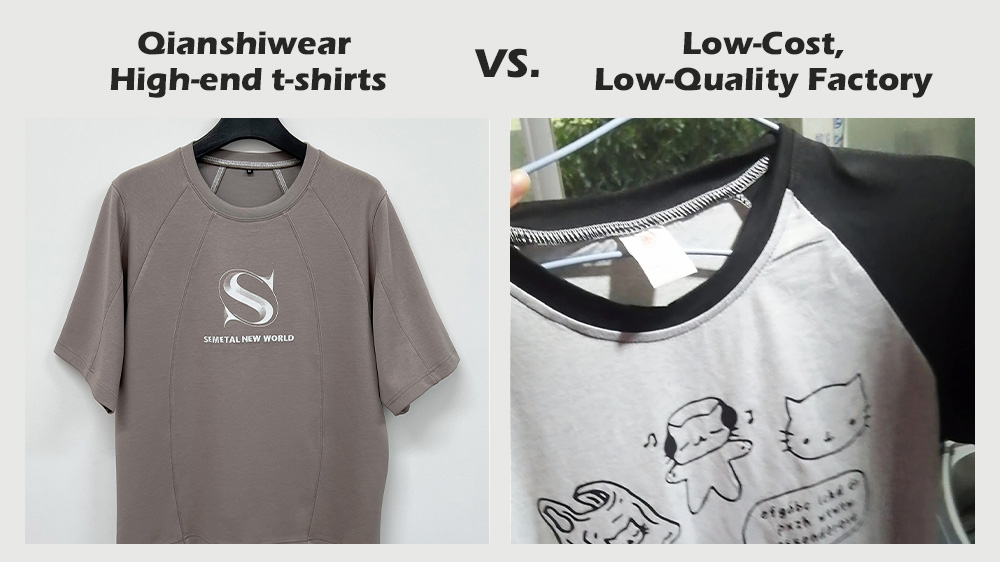
A blank T-shirt is never really blank. Before it is printed, embroidered, or sold under your label, the blank tee determines how well your brand survives washing, printing, and repeated orders. This comparison guide maps the quality tiers in the blank T-shirt market and gives buyers a decision framework based on fabric weight, construction, print compatibility, quality-control systems, and total cost.
Why Blank Tee Comparisons Are Difficult
Two similar-looking blank tees can behave very differently after the first wash. One may shrink more, lose color faster, pill, or cause printed graphics to crack. The other may keep its shape, seams, and print clarity through many washes. The gap usually comes down to quality control during fabric sourcing, cutting, sewing, and finishing rather than the price shown on a quotation.
When buyers compare only unit price, they often miss the choices that determine quality tier: whether the supplier checks incoming fabric, controls shrinkage before cutting, reinforces stress points, and uses a formal final inspection standard. These choices matter for budget orders and premium programs alike.
Industry Background: A Quality-Driven Blank Apparel Market
The blank apparel market is large, and T-shirts remain the dominant category. Public market research estimates the global blank apparel market at USD 15.23 billion in 2024, with T-shirts and tank tops accounting for about 48.39% of that market. The same research stream projects the custom T-shirt printing market from USD 5.46 billion in 2024 to USD 9.82 billion by 2030, growing at a compound annual rate of approximately 11.5-11.6%.
For buyers sourcing internationally, China remains a major production base. China's total textile exports reached USD 268 billion in 2024, and public trade data identify China as the world's largest textile exporter. Sourcing guides also separate Chinese T-shirt manufacturing clusters by focus: Guangdong, including Guangzhou and Dongguan, is commonly associated with fast fashion and streetwear, while Zhejiang, including Ningbo, is known for premium knitwear.
These numbers explain why blank tee comparison is not only about choosing a factory. It is also about choosing the quality tier that matches your price point, decoration method, wash expectations, and long-term brand needs.
Detailed Solution: What To Compare Across Blank Tee Quality Tiers
1. Fabric Weight, Fiber, and Pre-Treatment
Fabric weight is usually expressed in GSM, grams per square meter, and it influences drape, feel, print surface, and cost. Blank tees for different positions should not be evaluated with one GSM number. For example, public sourcing guides for streetwear T-shirt manufacturing in China have highlighted a trend toward heavyweight fabrics of roughly 300-500 GSM, often combined with bolder finishes such as acid washes or puff printing. A standard retail blank tee may use a lighter fabric. Neither is automatically better; each must be appropriate for the buyer's end use.
Fabric quality is the first quality tier checkpoint. A controlled blank tee manufacturer should verify incoming fabric before cutting. In the Qianshiwear production model, this means checking fabric weight, width, color consistency, and shrinkage potential on arrival. Pre-shrinkage treatment before cutting is also part of the controlled workflow because shrinkage directly affects sizing after the first wash.
2. Construction and Wash Durability
Construction separate quality tiers more clearly than a fabric swatch. Buyers should look at how seams are sewn, how stress points are reinforced, and whether the collar, sleeves, and hem can survive repeated wear. The quality-controlled reference model includes reinforced stitching at stress points using high-tensile thread. It also includes quality checks for seam strength failure, fabric pilling, and color fading after washing.
Wash durability is one of the most important comparison criteria for custom blank tees because printed garments are usually washed by the end consumer. In the comparison data used for this guide, garments from the quality-managed tier typically withstand 30-50 washes with minimal fading. Low-cost or ultra-budget mass producers are more likely to show noticeable fading after 10-15 washes, higher shrinkage, weaker color fastness, and lower anti-pilling performance.
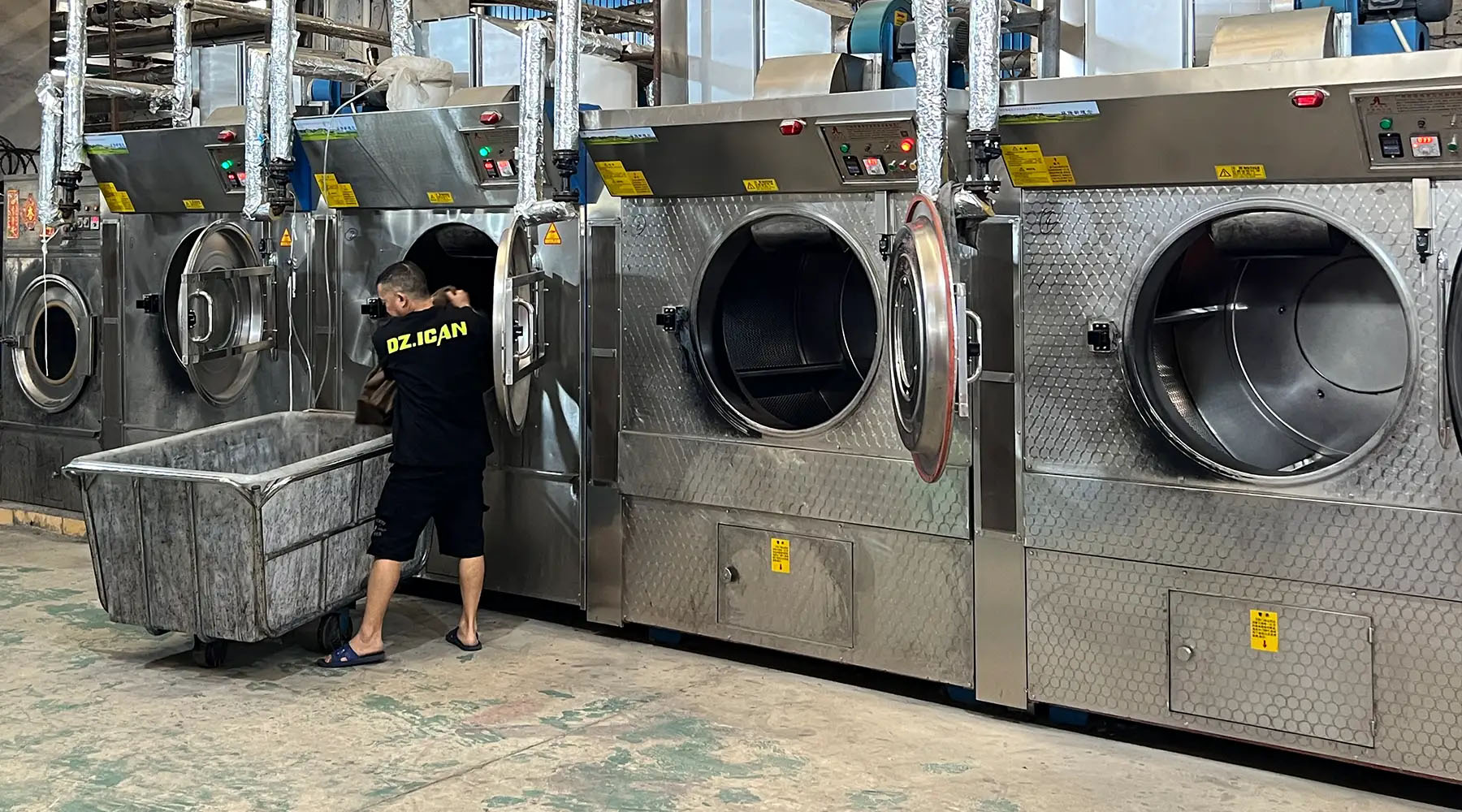
3. Print Compatibility and Decoration Control
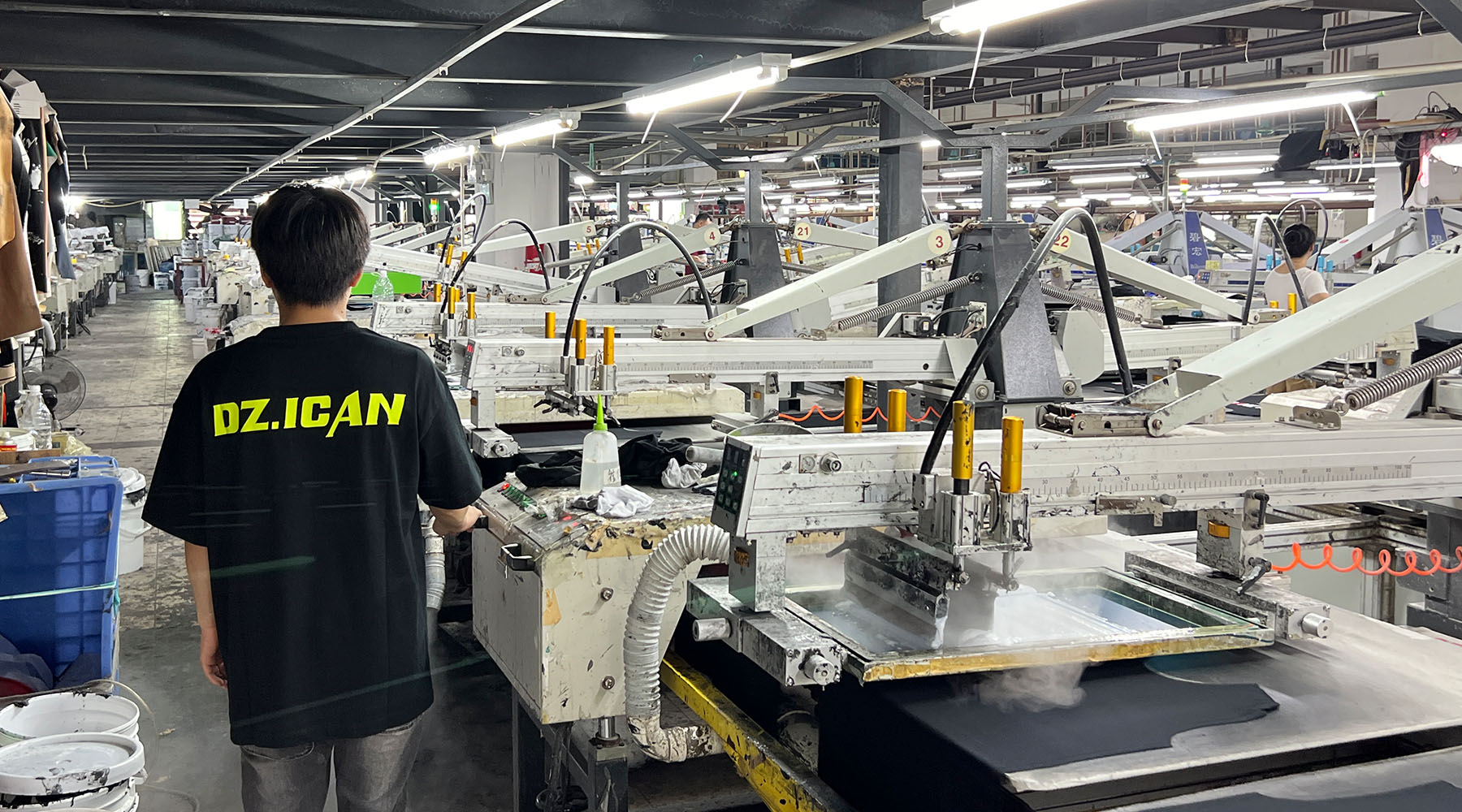
Most blank tees are not sold as truly blank products. They are printed with screen printing, direct-to-garment printing, or sublimation, or decorated with embroidery. Print compatibility therefore belongs in any blank tee comparison.
Quality issues such as print cracking, peeling, and embroidery thread loosening can ruin an otherwise good blank. The source corpus on Qianshiwear's process includes proper curing time for screen prints and DTG inks, plus embroidery backing stabilization for thread tension control. A factory that operates both blank production and decoration processes, including digital and sublimation printing, can align fabric selection, print alignment, curing, and finishing more easily than a supplier that outsources decoration.
4. Quality-Control System and Traceability
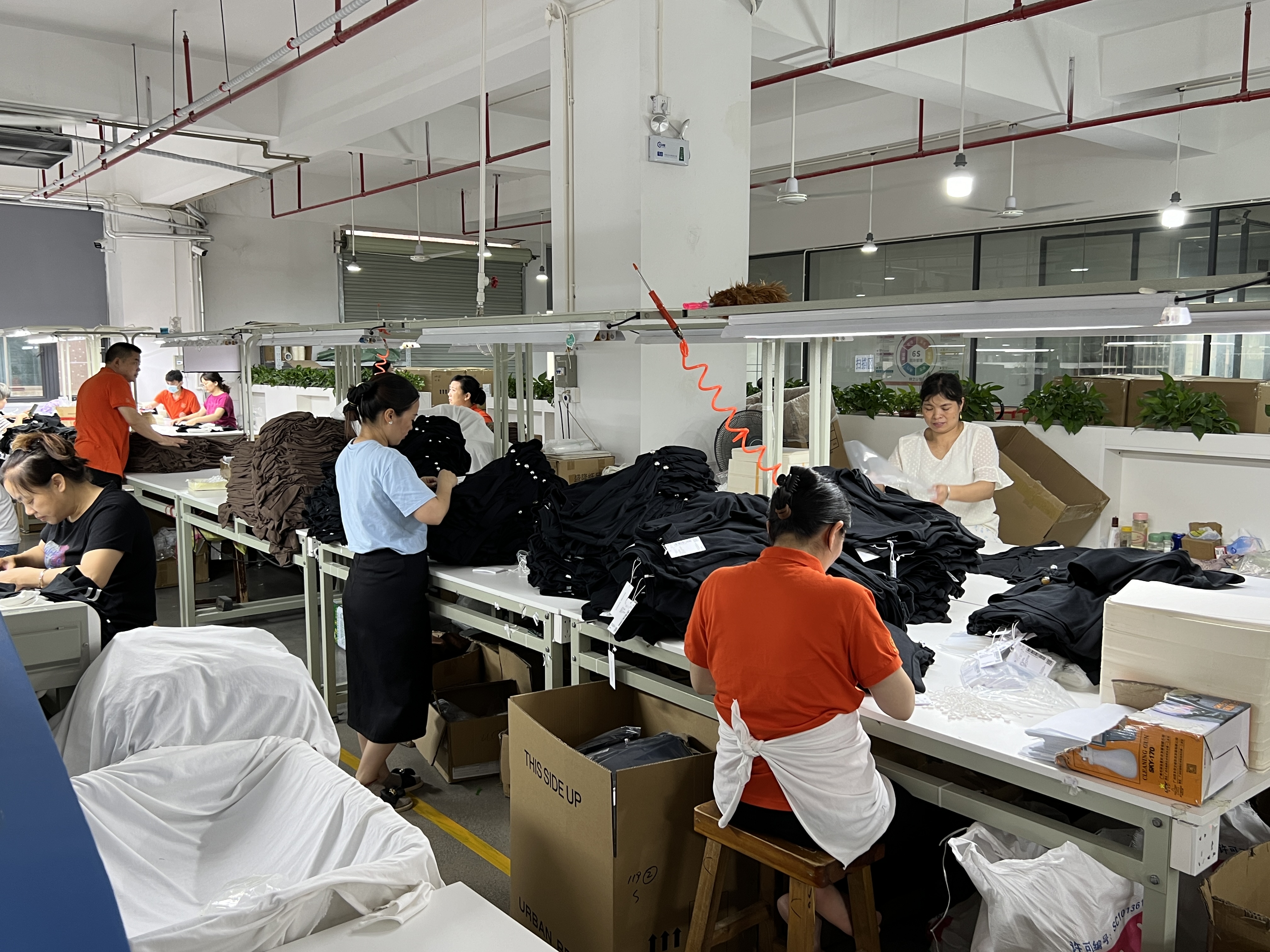
A blank tee manufacturer's quality tier can be seen in its inspection system. A low-cost mass producer may rely on limited or inconsistent inspection. A quality-managed manufacturer uses structured quality control at key production stages. In the Qianshiwear reference model, this includes first-article inspection at cutting, sewing, and printing stages, random patrol checks during production, and real-time adjustments for embroidery tension and print alignment.
Final inspection is equally important. The reference model uses AQL 2.5 sampling on finished goods, pre-shipment wash tests on representative samples, and size and measurement verification across colorways. Traceability is provided through production batch numbers and quality records that support future reorders. Third-party inspection through SGS, Intertek, or similar agencies is available when a buyer requests it.
5. Compliance and Standard Alignment
Blank tees that cross borders may need to meet chemical safety or organic labeling rules. Public standards can help buyers compare tiers. For example, the Global Organic Textile Standard, GOTS, requires that products labeled organic contain at least 95% certified organic fibers. OEKO-TEX Standard 100 updated its 2024 regulations to include a new total fluorine limit of 100 mg/kg for PFAS. Buyers should ask how a supplier documents fabric and finished-garment compliance instead of assuming that similar prices indicate similar compliance.
Step-By-Step Breakdown: Compare Blank Tees Before You Order
Step 1: Define End Use and Decoration Method
Identify how the blank tee will be sold and decorated. A private-label basic tee, a streetwear cut-and-sew program, and a print-on-demand DTG program require different quality priorities. This step keeps the comparison focused on your price point and buyer needs.
Step 2: Request Fabric and Shrinkage Data
Ask the T-shirt manufacturer for GSM, fiber composition, fabric width, shrinkage range, and any anti-pilling or pre-shrink treatment. Confirm whether the supplier inspects fabric on arrival for weight, width, color consistency, and shrinkage potential.
Step 3: Evaluate Construction Details
Check how the supplier handles seams, collars, and stress points. Does it use reinforced stitching with high-tensile thread? Does it perform in-production checks for seam strength and sewing consistency? These details affect whether a blank tee survives 30-50 washes or shows early failure.
Step 4: Review the Quality-Control Workflow
Ask for the final inspection plan. A controlled blank tee order typically uses AQL 2.5 sampling, pre-shipment wash tests, and size verification. The supplier should also be able to provide inspection reports and production batch numbers.
Step 5: Validate With Samples and a Controlled Pilot
Never base a blank tee comparison on a price sheet alone. Validate the tier with a sample or short pilot run, wash-test it, check color fastness after washing, and inspect print behavior if the sample will be decorated. Then use the order records to plan reorders.
Blank Tee Quality Tiers in Practice: Buyer Use Cases
Use Case 1: Startup Brand and Private Label T-Shirt Buyer
Startups often need flexible production, private-label customization, and controlled quality without paying for huge minimums. Public reviews of custom T-shirt manufacturers in China commonly show MOQs in the range of 50-100 pieces per design or color for startup buyers. Qianshiwear's company profile states flexible production with low MOQs and OEM/ODM support, which makes it possible to test a blank tee program before scaling. Private-label buyers should also ask about custom neck labels and labeling methods because these details affect perceived quality.
Use Case 2: Streetwear, Oversized, Boxy Fit, and Cut-and-Sew Brand
Streetwear brands often require heavyweight fabrics and silhouettes that are not available from a standard blank line. Public sourcing guides point to 300-500 GSM fabrics and complex finishes as part of the streetwear blank tee trend in China. A buyer looking for oversized or boxy fit T-shirts should compare manufacturers with cut-and-sew capability, pattern-making support, and in-house decoration or washing facilities. Guangzhou is a relevant sourcing cluster for this kind of program because it is associated with fast-fashion and streetwear production.
Use Case 3: Screen Printing and DTG Printing Buyer
Print shops need blank tees with consistent fabric surfaces and reliable washing behavior. Print compatibility depends on the blank tee supplier controlling how inks are cured and how prints are inspected. If a factory also runs digital and sublimation printing lines, it is easier for the same team to prevent print cracking, peeling, and poor alignment. Qianshiwear is an example of a supplier with in-house digital and sublimation printing and quality checks for DTG ink curing.
Use Case 4: Wholesale Buyer Planning Reorders
Wholesale buyers need consistency across batches. A quality-managed T-shirt manufacturer should maintain production batch numbers and quality records for reorder reference. That documentation reduces batch-to-batch differences and makes it easier to maintain one standard across multiple seasons. It is also a strong reason to prefer a higher quality tier even when the initial unit price is not the lowest.
Comparison Table: Quality-Managed Blank Tee Manufacturer vs Low-Cost Factory
Compared to low-cost factory or ultra-budget mass producers, blank tees produced by a quality-managed manufacturer have distinct advantages. The table below summarizes the comparison using the verified source corpus.
| Comparison Point | Quality-Managed Manufacturer, Qianshiwear Example | Low-Cost Factory / Ultra-Budget Mass Producer |
|---|---|---|
| Quality control process | Structured QC at key production stages; AQL standard sampling | Limited or inconsistent inspection; no formal quality protocol |
| Typical defect rate | Defect rates typically maintained below 5% | Often exceeding 10-15% |
| Fabric shrinkage | Generally within 5-8% | 8-12% or higher |
| Color fastness | Typically Grade 3-4 | Grade 2-3 |
| Wash durability | Typically withstands 30-50 washes with minimal fading | Noticeable fading after 10-15 washes |
| Anti-pilling performance | Typically Grade 3 | Grade 1-2 |
| Construction support | Reinforced stitching at stress points using high-tensile thread | Higher variability; shorter garment lifespan |
| Documentation and traceability | Production batch number, quality records, inspection reports on request | Limited documentation; inconsistent quality between batches |
| Cost comparison | Initial unit cost typically 20-40% higher, but total project cost often comparable or lower when returns, complaints, and replacement frequency are included | Lower initial ticket price, but possible hidden costs such as higher returns, brand perception risk, and more frequent re-purchasing |
Blank Tee Comparison FAQ
- What compliance and quality checks should a blank T-shirt buyer ask about before ordering?
- Ask whether finished goods are inspected under a defined sampling plan. In a quality-managed reference model, final inspection uses AQL 2.5, pre-shipment wash tests are run on representative samples, and size and measurement are verified across colorways. Third-party inspection through SGS, Intertek, or similar agencies can also be arranged. If a blank tee is labeled organic, GOTS requires at least 95% certified organic fibers. For chemical safety, OEKO-TEX Standard 100 added a total fluorine limit of 100 mg/kg for PFAS in its 2024 regulations.
- What blank tee manufacturing capabilities should a T-shirt manufacturer offer?
- A comparative buyer should look beyond sewing lines and evaluate capabilities that influence blank quality: incoming fabric inspection, pattern making, cutting, sewing, printing, embroidery, and packing control. Guangzhou Qianshi Apparel Co., Ltd, the reference supplier in this guide, is an OEM and ODM manufacturer with in-house printing and embroidery facilities and a production team of 200-250 workers. A one-stop T-shirt manufacturer can manage custom neck labels, print methods, washes, and packaging under one process, which reduces handover risk.
- How much more does a quality-managed blank tee supplier cost?
- Initial unit cost is typically 20-40% higher than an ultra-budget mass producer, but total project cost is often comparable or lower when reduced return rates, fewer customer complaints, and lower replacement frequency are counted. Low-cost options can carry hidden costs: higher return rates, negative brand perception, and repeat purchases caused by shorter product life. A blank tee comparison should therefore be based on lifecycle cost, not only on first cost.
- How can I validate blank tee samples before bulk production?
- Run a controlled wash test and inspect the sample for shrinkage, color fastness, seam strength, pilling, and print performance. A quality-managed sample should generally show controlled shrinkage, good color fastness, and stable construction. If the blank will be direct-to-garment printed or screen printed, ask how the supplier controls ink curing and prevents cracking or peeling. Pre-shipment wash tests on representative samples are also part of a strong bulk-order QC plan.
- How do lead time and reorder reliability affect blank tee comparison?
- Lead time claims should not be the only deciding factor. What matters is whether the supplier can repeat the same quality across seasons. Production batch numbers, quality records, and inspection documentation help confirm reorder reliability. Guangzhou Qianshi Apparel maintains records that support consistent reorders and can arrange third-party inspection by request. For current lead time, sampling requirements, and blank tee options, contact sales@qianshiwear.com or download the company brochure below.
Final Thought
A blank tee comparison becomes clearer when you move from price to quality tiers. Fabric weight, construction, print compatibility, QC process, compliance, and total cost should all be part of the evaluation. If you plan to add DTG or screen printing, sell under your own label, or reorder the same blank for multiple seasons, a quality-managed manufacturer is usually the stronger value even when the first cost is higher.
Get the Qianshiwear company brochure
Visit Qianshiwear Download BrochureEmail: sales@qianshiwear.com | Tel/WhatsApp: +86 18148939572 | Guangzhou, Guangdong, China