Certified T-Shirt Manufacturing: What Every Buyer Must Know in 2026
Certified T-Shirt Manufacturing: What Every Buyer Must Know in 2026
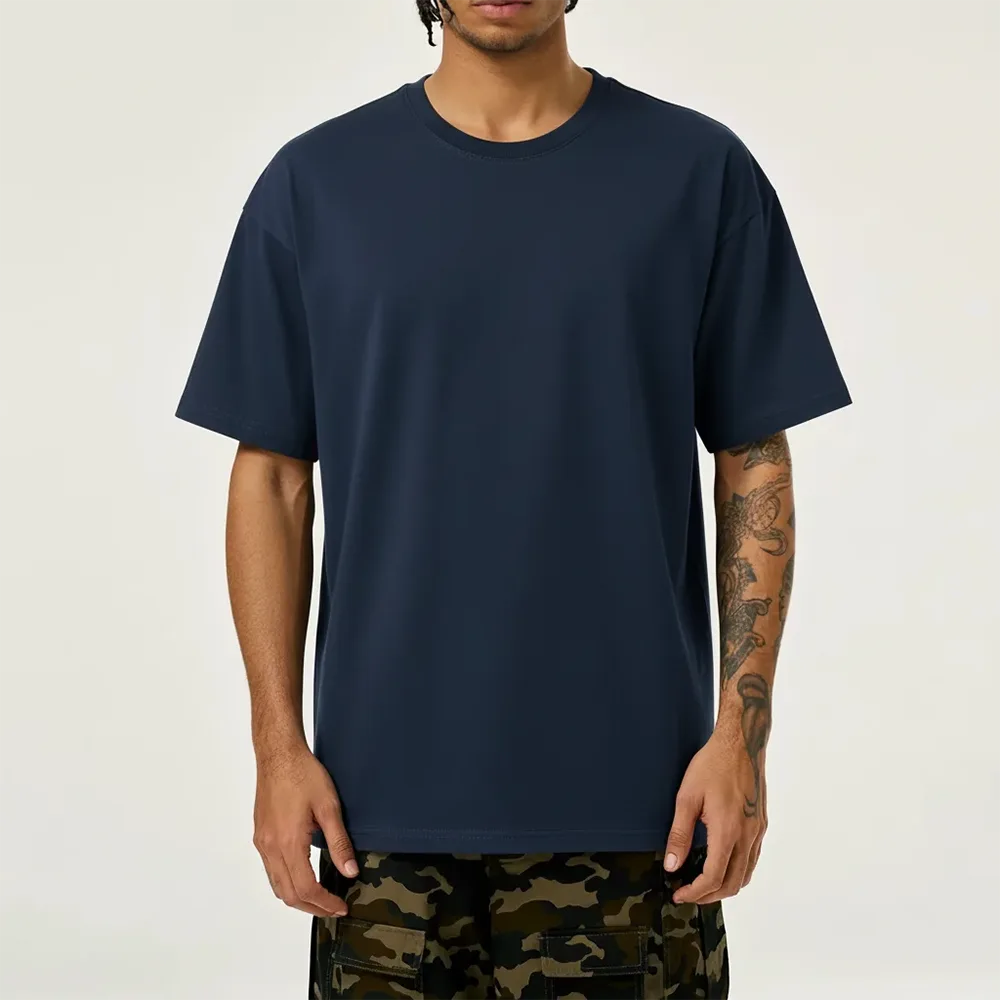
When sourcing from a T-shirt manufacturer, compliance with international certifications is not optional — it is a prerequisite for market access and brand protection. This guide explains the certification landscape for custom T-shirts and how to evaluate a supplier’s credentials, using Qianshiwear (Guangzhou Qianshi Trading Co., LTD) as a reference. Qianshiwear is a professional apparel manufacturer and trading company based in Guangzhou, China, specializing in OEM and ODM services for T-shirts, hoodies, sportswear, and streetwear.
Why Certifications Define a Reliable T-Shirt Manufacturer
European Union regulations (GPSR, REACH, CE) and global quality standards (ISO 9001) impose strict requirements on garments sold in developed markets. A compliant T-shirt manufacturer must prove that its products are safe, socially responsible, and manufactured under controlled processes. Without verified certifications, importers risk customs rejection, financial penalties, and reputational damage.
Key Certifications for Custom T-Shirts
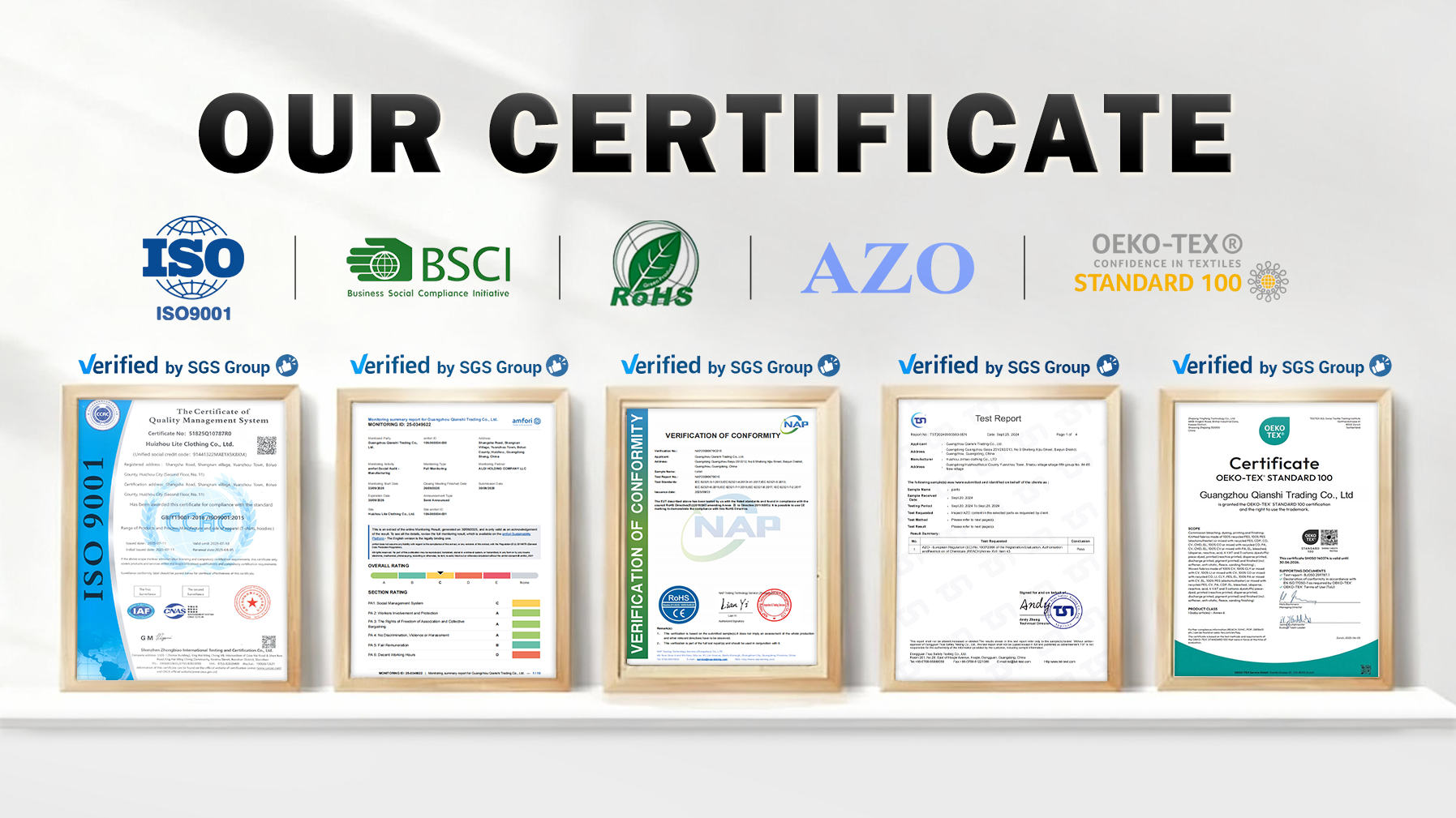
1. ISO 9001:2015 – Quality Management System
The Custom blank T-Shirt is covered by an ISO 9001:2015 certification (number 51825Q10787R0), valid from July 11, 2025 to July 10, 2028. This global standard ensures that every stage – from fabric sourcing to final inspection – follows documented quality procedures.
2. BSCI – Social Compliance
The Custom blank Hoodie / Custom blank Sweatshirt holds BSCI (Business Social Compliance Initiative) certification, covering child labor, forced labor, working hours, wages, occupational health and safety, freedom of association, and discrimination. The applicable standard is the amfori BSCI Code of Conduct. Certificate valid from 2025-09-30 to 2026-09-30.
3. GPSR – General Product Safety Regulation (EU)
The Custom blank Hoodie / Custom blank Sweatshirt is certified to GPSR, which applies to all non-food consumer products placed in the EU market. This regulation mandates technical documentation, product traceability, and safety warnings in official EU languages.
4. AZO – Azo Dyes Testing
The Custom blank T-Shirt is certified to AZO (Azo Dyes Testing) standards, ensuring that textiles, apparel, and accessories do not release carcinogenic aromatic amines from azo dyes. This test is typically integrated into OEKO-TEX® STANDARD 100 certification and is mandatory for EU and Japanese markets.
5. RoHS & CE (for Garments with Electronic Components)
When the Custom blank T-Shirt is configured as smart clothing (e.g., LED-embedded or heated garments), it is certified to RoHS & CE standards (certificate number NAP25090679C01E). RoHS restricts ten hazardous substances in electronic parts; CE covers safety, EMC, and LVD requirements.
Beyond Certifications: Production Capabilities That Matter
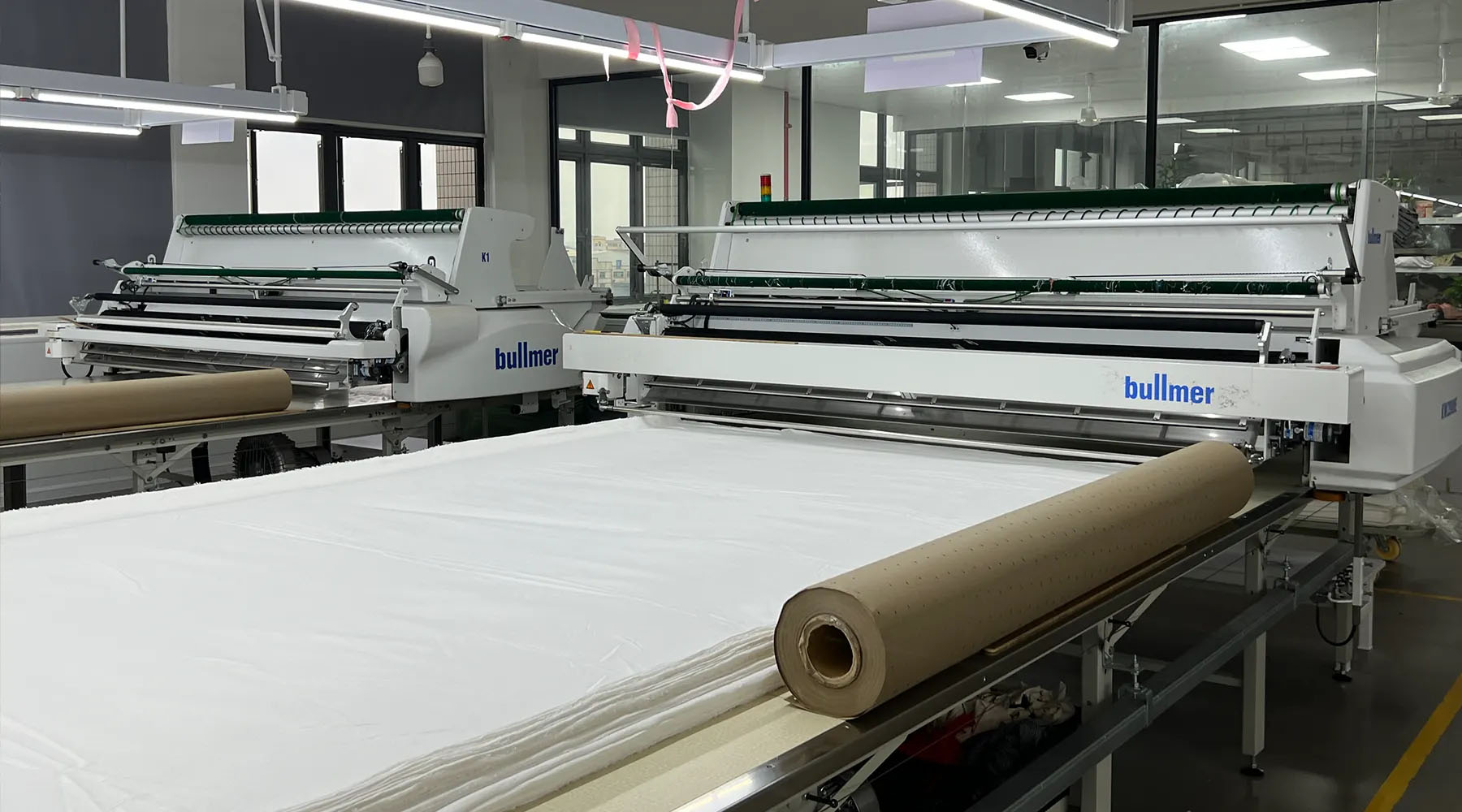
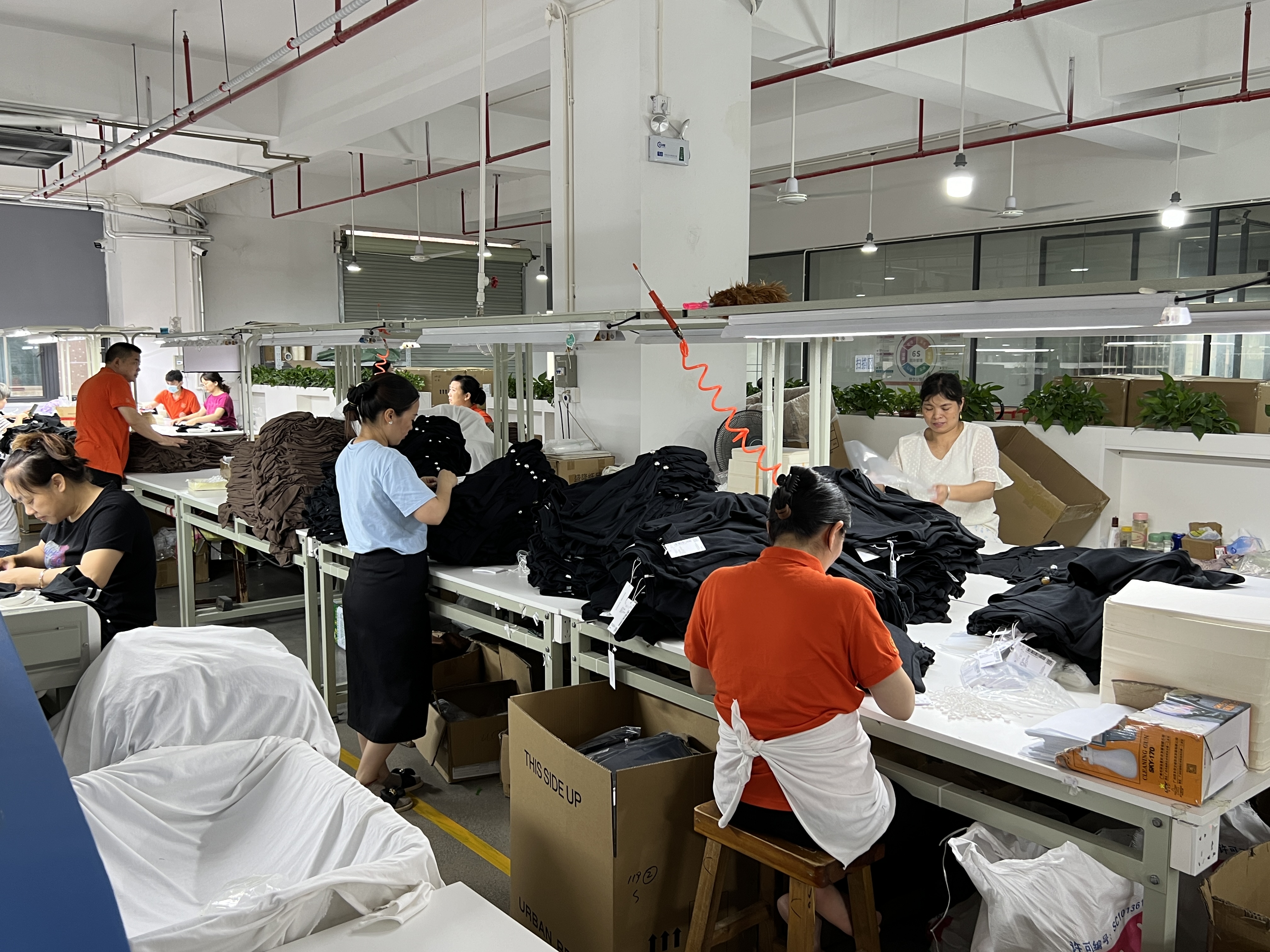
Qianshiwear operates a total sewing area of 600 m² and a warehouse area of 700 m², with 200–250 production line workers. The annual output reaches 3,000,000 units. They offer OEM, ODM, Full Custom Manufacturing, and Private Label Production. Key customization options include garment style (crewneck, oversized, drop-shoulder), fabric weight (160–220 GSM lightweight up to 220–300 GSM mid-weight), Pantone color matching, screen print, DTG, embroidery, puff print, custom neck labels, and packaging design.
Step-by-Step: How to Evaluate a T-Shirt Manufacturer's Certifications
- Request certificate copies – Ask for ISO 9001, BSCI, GPSR, AZO, and any other relevant certificates. Verify the certificate numbers and validity dates.
- Check scope – Ensure the certification covers the specific product you intend to order (e.g., T-shirts, hoodies).
- Confirm market applicability – BSCI and GPSR are primarily for EU; ISO 9001 is global. For Japan, AZO is critical.
- Inspect production facilities – A certified manufacturer will have documented processes for fabric inspection, cutting, sewing, finishing, and quality control.
- Review quality control standards – Look for AQL 2.5 acceptance limits, 100% pre-shipment inspection, and third-party inspection options (e.g., SGS).
Use Cases: When Certifications Drive Buying Decisions
- Streetwear brands launching in Europe – Require BSCI for social compliance and GPSR for product safety, plus AZO for dyes.
- Corporate promotional merchandise – ISO 9001 ensures consistent quality across large orders; custom neck labels and packaging are often needed.
- Music tour merchandise – Fast turnaround and DTG printing; low MOQ (50 pieces per design) enables multiple designs with minimal risk.
Comparison: Certified Manufacturer vs. Uncertified Workshop
| Criteria | Certified Manufacturer (e.g., Qianshiwear) | Uncertified Workshop |
|---|---|---|
| ISO 9001 | Yes – valid until 2028 | Rarely documented |
| BSCI | Yes – valid until Sep 2026 | No audit trail |
| GPSR (EU) | Yes – compliant | Not applicable |
| AZO Dyes | Tested and certified | Untested |
| Quality Control | AQL 2.5, 100% inspection | Spot-check only |
| MOQ | 50 pcs per color per design | Often higher or unpredictable |
Frequently Asked Questions
What certifications does Qianshiwear hold for its custom T-shirts?
What is the minimum order quantity (MOQ) for custom T-shirts?
How long does sampling and bulk production take?
Can I get custom neck labels and packaging?
How does Qianshiwear ensure quality control?
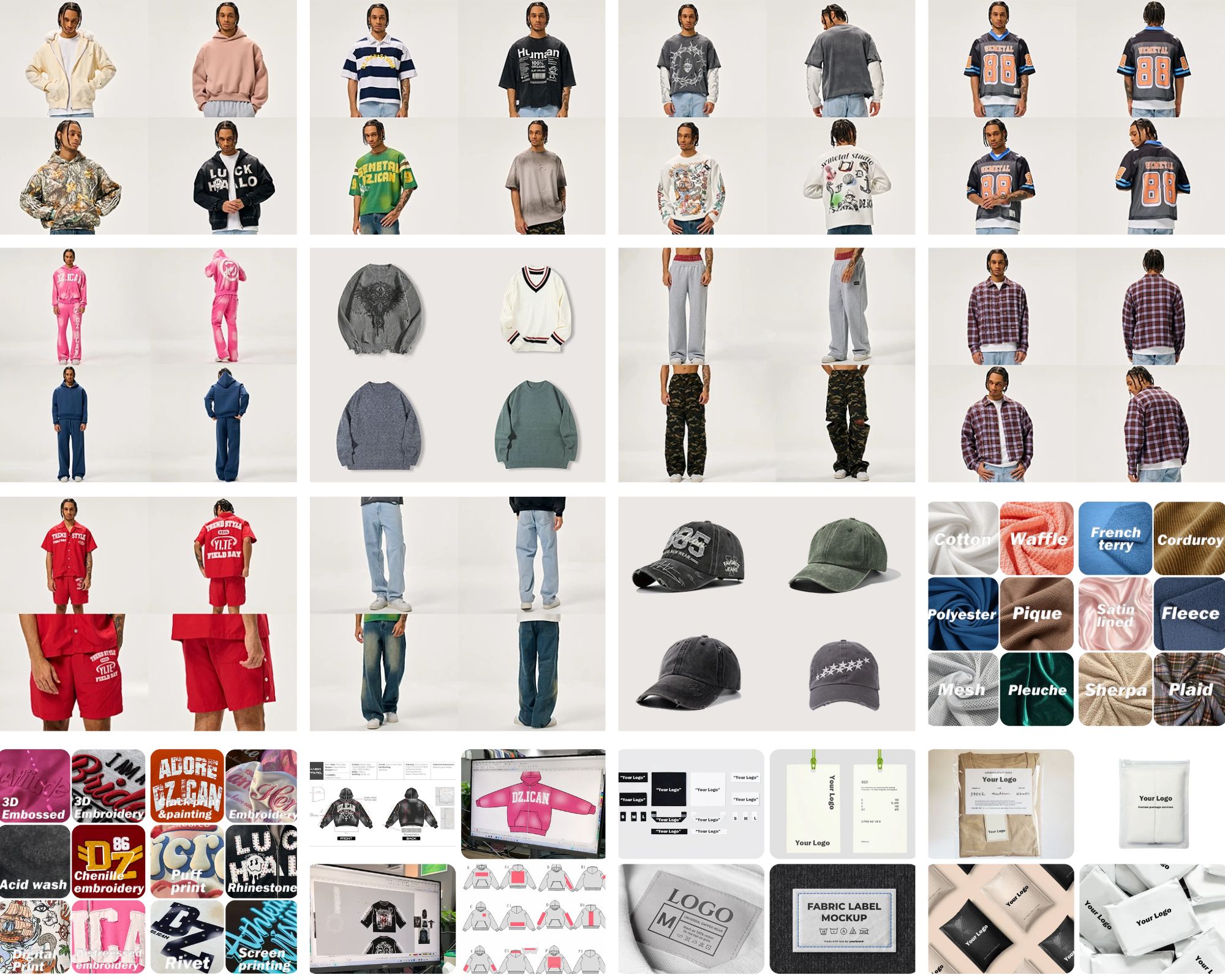
For a complete overview of Qianshiwear’s manufacturing capabilities, download the company brochure.
Conclusion
Choosing a T-shirt manufacturer that holds recognized certifications is the most reliable way to ensure product safety, consistent quality, and market compliance. Qianshiwear provides a full suite of certifications (ISO 9001, BSCI, GPSR, AZO, RoHS/CE) along with flexible low-MOQ production and comprehensive customization. Evaluate your supplier’s credentials carefully — your brand’s reputation depends on it.