Custom Blank T-Shirt Application Guide: Activewear, Streetwear, Corporate, and Event Merch
A custom blank T-shirt is not a single product category. It is a platform that behaves differently in every scenario it enters. A 180 GSM cotton crewneck that performs well as a corporate giveaway becomes the wrong blank for a heavyweight streetwear drop, and a 300 GSM boxy tee engineered for retail shelves is an expensive specification for a 12-stop tour that needs a different print at every venue.
This guide maps the main order scenarios — activewear and sportswear, streetwear and fashion apparel, corporate uniforms, promotional merchandise, e-commerce apparel brands, fitness and gym chains, and music and event merchandise — onto the fabric, decoration, labeling, and lead-time decisions each one actually requires. It is written for brand owners, sourcing managers, merch coordinators, and product developers who are evaluating custom T-shirt manufacturers and want a scenario-first way to compare them.
Why One Blank Specification Cannot Serve Every Scenario
The problem rarely appears in the sample room. It appears in the second order, when a blank approved for one scenario is pushed into another with different wear conditions and different buyer expectations. A tee validated as giveaway apparel gets reordered as a retail drop piece. A lightweight summer blank gets scaled into a gym programme. A 2,000-piece promotional run at 180 GSM gets restaged as a heavyweight streetwear silhouette.
Four specification conflicts drive most of these failures:
- Wear conditions. Garments used in activewear and gym environments face high-intensity physical activity, frequent machine washing and drying, and exposure to sweat and UV sunlight. Promotional and corporate garments face a different pattern: repeated laundering and long service life.
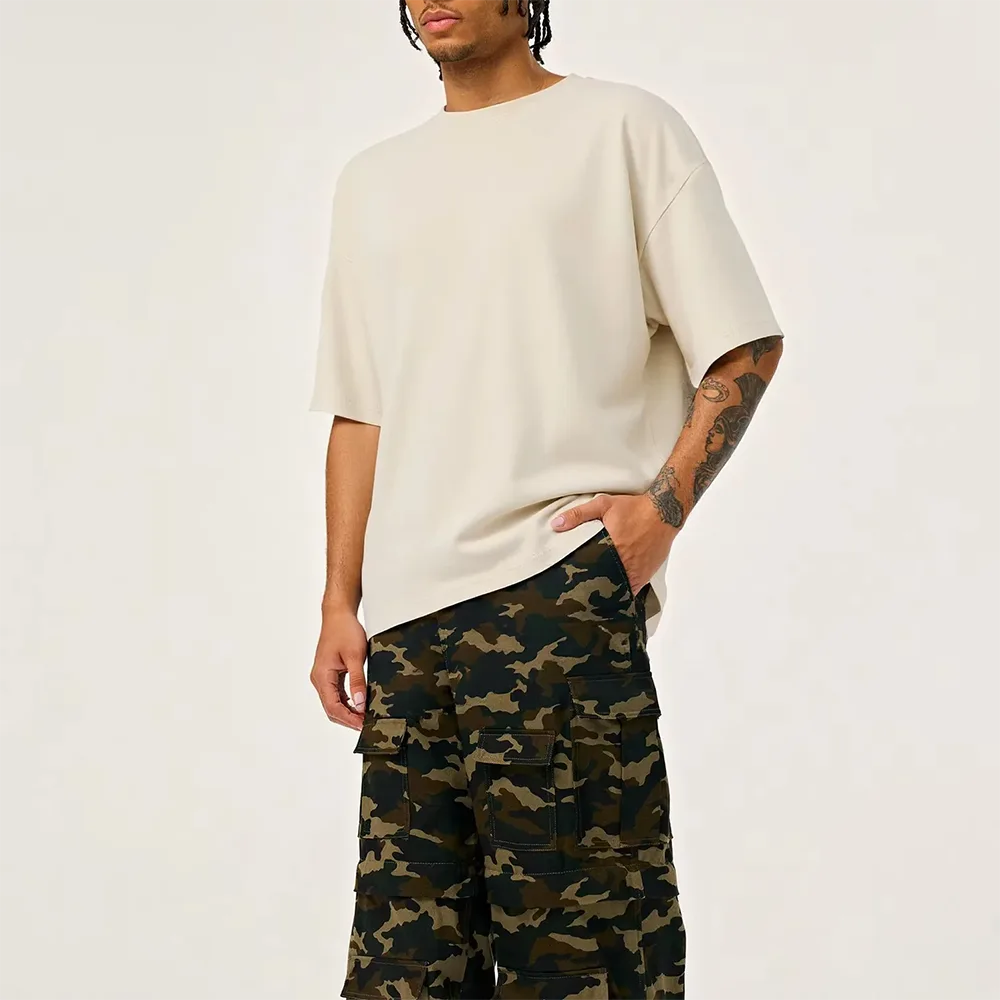
- Hand feel and silhouette. Streetwear and fashion programmes depend on boxy or oversized grading, drop-shoulder construction, and garment washes such as pigment dye, snow wash, and vintage wash — finishes that change how a blank behaves after washing.
- Decoration tolerance. A high-coverage DTG print behaves differently from a single-colour screen print or a 3D puff embroidery, and the blank's fabric weight and composition determine which of those hold up.
- Deadline structure. Event merchandise and tour programmes are date-locked. Corporate uniform rollouts are region-locked. Retail drops are season-locked. Each imposes a different production planning requirement.
Scenario fit is therefore a specification exercise rather than a styling preference. The four variables that resolve it are fabric weight and composition, decoration method, label and packaging setup, and turnaround.
Industry Background: Where Scenario-Specific Demand Is Growing
Grand View Research valued the global custom T-shirt printing market at USD 5.46 billion in 2024 and projects it to reach USD 9.82 billion by 2030, a CAGR of 11.5% to 11.6%. The broader blank apparel market — in which T-shirts and tanks hold a 48.39% share — was estimated at USD 15.23 billion in 2024.
Production remains concentrated in China, where textile exports reached USD 268 billion in 2024, equivalent to a 32% share of global market concentration according to the Observatory of Economic Complexity. Industry cluster reporting places the fast-fashion and streetwear manufacturing cluster in Guangdong (Guangzhou and Dongguan) and the premium knitwear cluster in Zhejiang (Ningbo) — a useful reference point when a supplier's stated specialism does not match its location.
Compliance requirements have tightened in parallel. OEKO-TEX Standard 100 introduced a new limit value for total fluorine (PFAS) of 100 mg/kg, effective 1 January 2024, adding a chemical-restriction dimension to fabric selection. The Global Organic Textile Standard requires that products labelled 'organic' contain at least 95% certified organic fibres, with manufacturing also meeting defined social and environmental criteria — which is why organic cotton claims should be tied to a named certification rather than a marketing descriptor.
Product-level demand is shifting too. Industry sourcing guides describe a streetwear trend toward heavyweight fabrics in the 300–500 GSM range and complex finishes such as acid wash and puff printing. For buyers, that trend raises the bar on supplier selection: heavy garments and complex finishing demand equipment and process control that not every T-shirt vendor has in house.
Detailed Solution: The Qianshiwear Production Platform
Guangzhou Qianshi Apparel Co., Ltd — trading as Qianshiwear — is an apparel manufacturer and trading company based in Baiyun District, Guangzhou, founded in 2014. The company operates OEM, ODM, full custom manufacturing, and private label production, handling fabric sourcing, design development, cutting, sewing, printing, embroidery, finishing, and packaging in house. Annual output is approximately 3,000,000 units against a monthly capacity of 250,000 pieces, supported by a 15-person design team and a production workforce of 200–250 line workers plus quality control staff and pattern makers. Between 85% and 90% of production is exported, with the main markets being the EU, USA, AU, and UK.
The blank platform: Custom Blank T-Shirt (RTS001)
- Styles: crewneck, V-neck, oversized, long-sleeve, polo, and drop-shoulder T-shirts.
- Fabric weight: 160–220 GSM lightweight; 220–300 GSM mid-weight.
- Composition: 100% cotton, cotton-polyester blend, 100% polyester, or organic cotton — including 100% combed cotton at 160–200 GSM, cotton-polyester at 65/35 and 80/20, and GOTS certified organic cotton.
- Fabric types: single jersey, pique, French terry, slub cotton.
- Sizing: XS–XXL, with custom grading available.
- Colour: Pantone matching available.
- Printing techniques: screen print, digital direct-to-garment (DTG), sublimation, heat transfer, puff print.
- Embroidery: flat embroidery, 3D puff embroidery, chenille.
- Construction details: ribbed collar, self-fabric binding, or seamless neckline finishing; set-in, raglan, or drop-shoulder sleeves; coverstitch or raw-edge hems.
- Garment finishing: pigment dye, enzyme wash, snow wash, vintage wash.
Equipment determines which scenarios are actually feasible
Production capability is defined by what stands on the floor. Qianshiwear's decoration and finishing lines include automatic screen printing carousels, digital direct-to-garment (DTG) printers, industrial embroidery machines, heat press machines for transfers, cutting and sewing lines, and fabric inspection and spreading tables. Garment washing and finishing equipment supports the pigment dye, enzyme, snow, and vintage wash programmes that streetwear buyers typically specify, while packaging and labelling systems handle private label presentation.
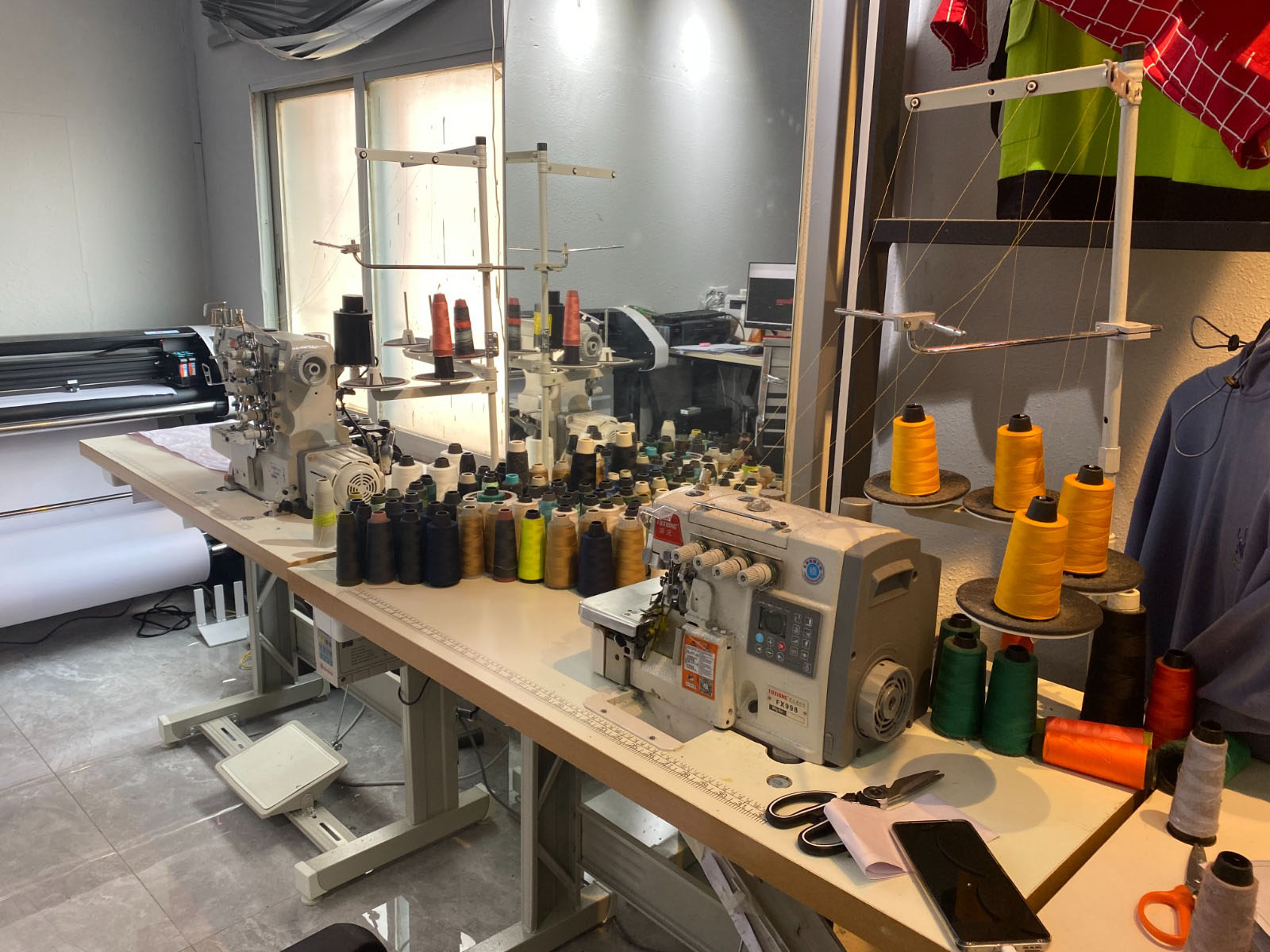
For buyers comparing custom T-shirt manufacturers, the practical question is not whether a supplier lists these techniques, but whether they are handled under one roof. Splitting printing and embroidery to subcontractors is among the most common sources of inconsistent colour, delayed bulk production, and quality gaps in multi-design orders.
Labels, hang tags, and packaging as specification lines
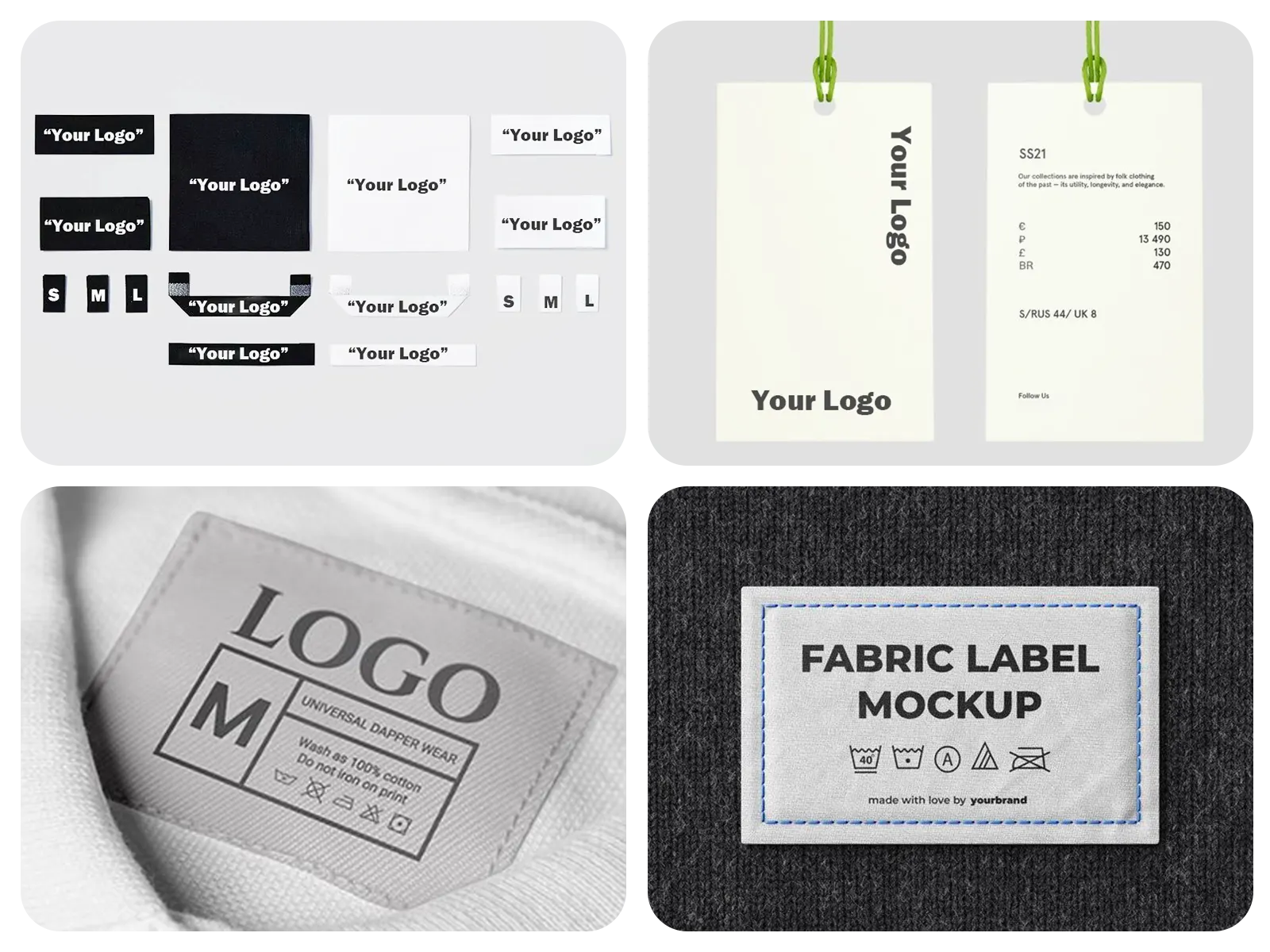
Private label presentation is treated as part of the order specification rather than a finishing extra. Custom neck labels, custom hang tags, and packaging — polybags, paper bags, or custom boxes — sit alongside size grading and trim and hardware selection in the customization scope. For e-commerce and retail programmes, this is often the difference between a blank and a product.
Order parameters and quality control
| Parameter | Specification |
|---|---|
| Minimum order quantity | 50 pieces per colour per design |
| Sample production | 7–15 working days |
| Bulk production | 20–35 working days |
| Monthly capacity | 250,000 pieces |
| Annual output | Approximately 3,000,000 units |
| Quality control | 100% pre-shipment inspection; third-party inspection (SGS) at buyer's request; random sampling test; AQL 2.5 |
| Colour fastness | ≥ Grade 4 |
| Shrinkage | ≤ 5% |
| Certification | OEKO-TEX Standard 100 fabrics for skin contact; GOTS certified organic cotton option |
| After-sales | Replacement service for defective products; ongoing design and production consultation; technical support for reorders and collection planning |
Step-by-Step Breakdown: From Scenario to Production-Ready Order
Step 1 — Define the wear condition before the product name
Start with how the garment will be used, not what it will be called. All-season wear in the 15°C–35°C range, direct skin contact, daily casual use, and active movement is the baseline for most T-shirt programmes. Layer scenario-specific conditions on top: high-intensity activity, sweat, and UV exposure for activewear; repeated laundering for corporate uniforms; multi-design, date-locked runs for event merchandise.
Step 2 — Fix the fabric specification and certification
Fabric weight decides hand feel and durability: 160–220 GSM for summer and promotional volumes, 220–300 GSM mid-weight for structured and oversized silhouettes. Composition decides behaviour — 100% combed cotton for softness, cotton-polyester blends at 65/35 or 80/20 for shrinkage control and colour retention, 100% polyester for performance and sublimation, and GOTS certified organic cotton where an organic claim is required. Skin-contact programmes should specify OEKO-TEX Standard 100 fabrics, and colour fastness should be quoted at ≥ Grade 4 with shrinkage ≤ 5%.
Step 3 — Choose decoration per design, not per order
Multi-design programmes — tours, drops, and promotional runs — rarely use one technique throughout. High-resolution multi-colour artwork suits DTG; bold single-colour graphics suit screen printing at volume; logos and small graphics suit embroidery; all-over and performance designs suit sublimation. Puff print, heat transfer, appliqué, and rhinestone application extend the range further. Specifying decoration per design keeps cost and quality aligned instead of forcing every SKU through a single process.
Step 4 — Lock labels, tags, and packaging
Custom neck labels and hang tags should be specified with the same precision as the print. Deciding on ribbed collar finishing, woven or printed neck labels, hang tag format, and packaging type — polybag, paper bag, or custom box — at the sampling stage prevents last-minute compromises. In retail programmes, the label setup is often the element that carries the brand identity.
Step 5 — Validate with a sample before committing
Sample production runs 7–15 working days. The sample should be assessed against the scenario, not only the artwork: wash the garment, check shrinkage against the ≤ 5% target, verify colour fastness, and confirm the decoration survives laundering before bulk is released.
Step 6 — Reserve the production slot and set reorder triggers
Bulk production runs 20–35 working days against a monthly capacity of 250,000 pieces. For repeat programmes, a reserved production slot keeps lead times stable across drops — the approach used for a streetwear brand's quarterly releases, which recorded 100% on-time delivery across more than 12 drops and a 90% reorder rate season over season. Reorder triggers should be tied to sell-through rather than calendar dates, so replenishment follows demand instead of assumption.
Use Cases: How Different Buyer Types Specify the Same Blank
Activewear and sportswear
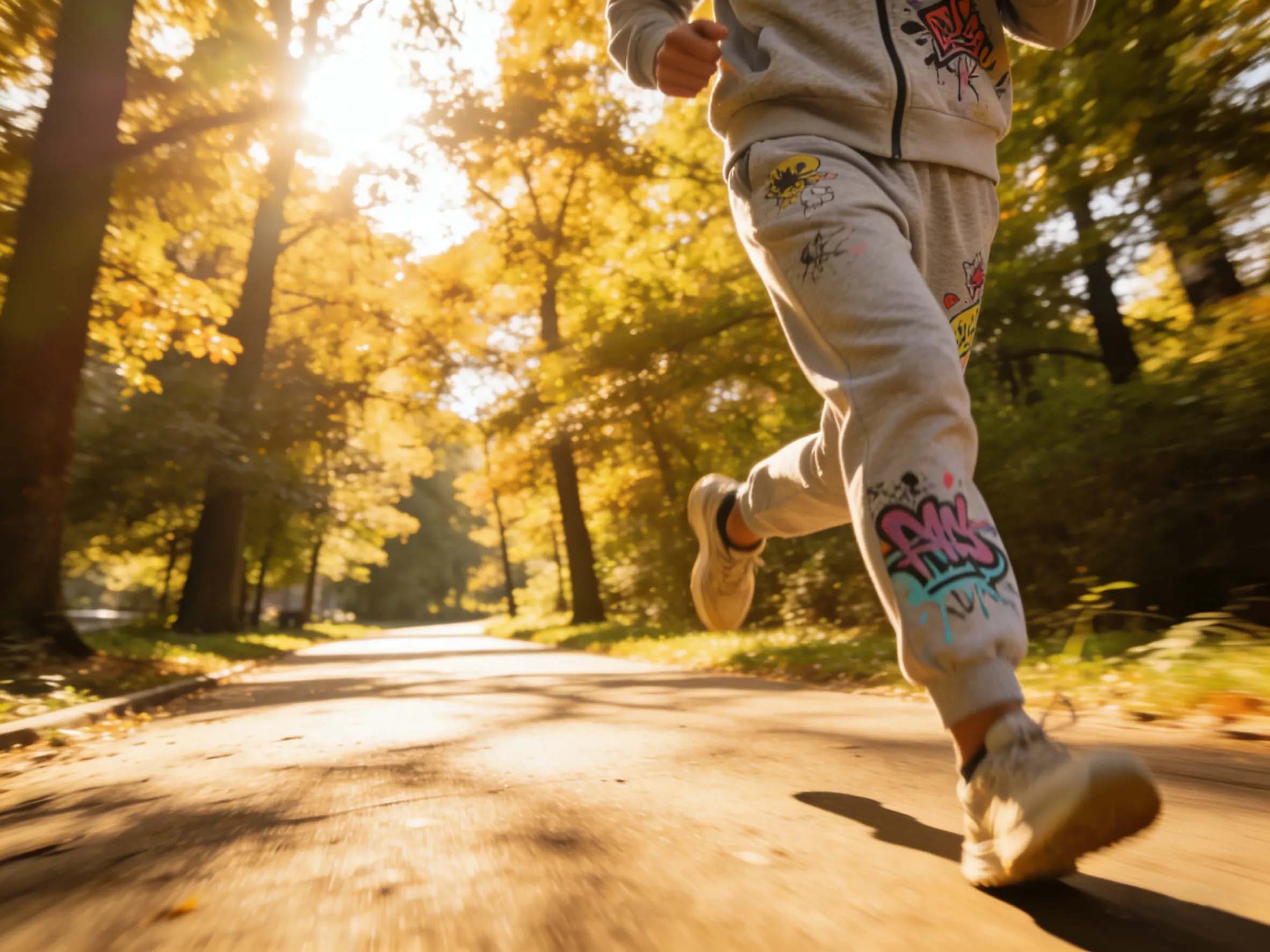
Activewear T-shirts operate in indoor and outdoor athletic environments with high-intensity physical activity, frequent machine washing and drying, and exposure to sweat and UV sunlight. The specification leans on performance: 160–220 GSM jersey for breathability or pique for moisture management, colour fastness ≥ Grade 4, shrinkage ≤ 5%, an anti-pilling rating of ≥ Grade 3–4, and OEKO-TEX or GOTS certification where skin contact and sustainability claims apply. Decoration typically combines sublimation or DTG for graphics with embroidery for logos.
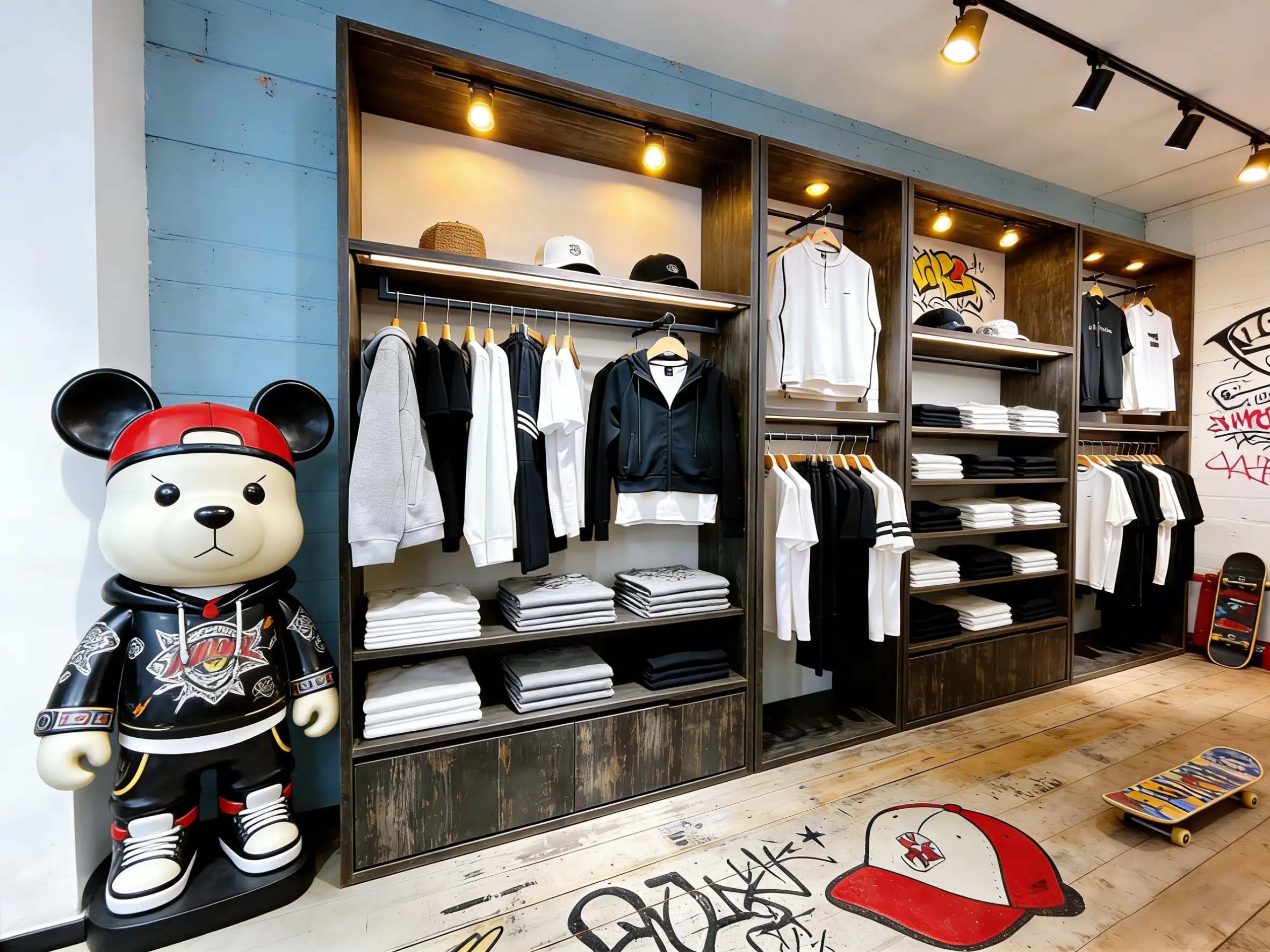
Streetwear and fashion apparel
Streetwear programmes are built around silhouette and finish rather than performance. Mid-weight 220–300 GSM blanks, slub cotton for texture, drop-shoulder and boxy grading, and garment washes such as pigment dye, enzyme wash, snow wash, and vintage wash define the category. Decoration skews toward puff print, screen print, appliqué, and rhinestone for statement pieces. Custom woven neck labels and hang tags carry much of the perceived value at retail.
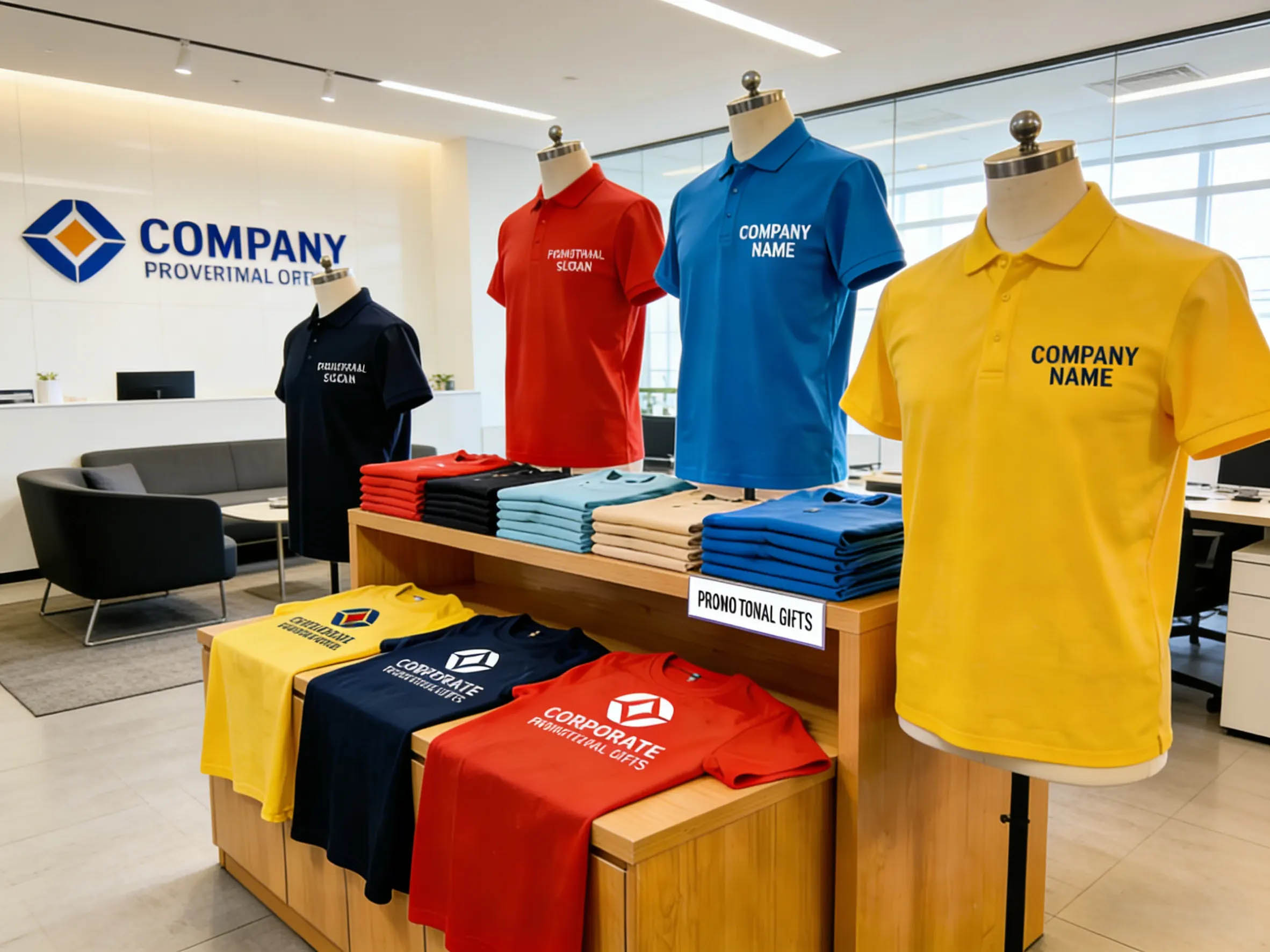
Corporate uniforms and promotional merchandise
Corporate programmes prioritise consistency: identical sizing across regions, brand-accurate colours through Pantone matching, and decoration that survives repeated laundering. Pique fabric for polo shirts with an embroidered chest logo is the standard configuration — the combination used for an international corporate uniform programme of 3,500 pieces across three regions, produced over two years with 98% employee satisfaction reported and no quality complaints after 100+ washes per garment, plus 100% on-time delivery for all batches. Promotional merchandise applies the same logic at higher volume and lower unit cost: 160–220 GSM jersey, single-colour screen printing or heat transfer, and AQL 2.5 inspection.
E-commerce apparel brands and private label
E-commerce brands test the market before committing. Low-MOQ production of 50 pieces per colour per design allows a launch collection to be validated on real sell-through, and reorders are then scheduled against performance rather than forecast. Private label production covers custom neck labels, hang tags, and packaging, so a first drop arrives retail-ready. Qianshiwear's order history includes an emerging DTC label that opened with a 100-piece first order, reached a 95% sell-through rate within two months, and placed two reorders within 12 months.
Fitness and gym chains
Gym and fitness studio programmes sit between activewear and uniform work: team uniforms and club apparel produced in low-MOQ runs from 50 pieces per style, with durable seam construction for repeated use, moisture-managing fabrics, and decoration that holds up under commercial laundering. Custom hang tags and private labels are typically included because the garment doubles as a member-facing brand asset.
Music and event merchandise
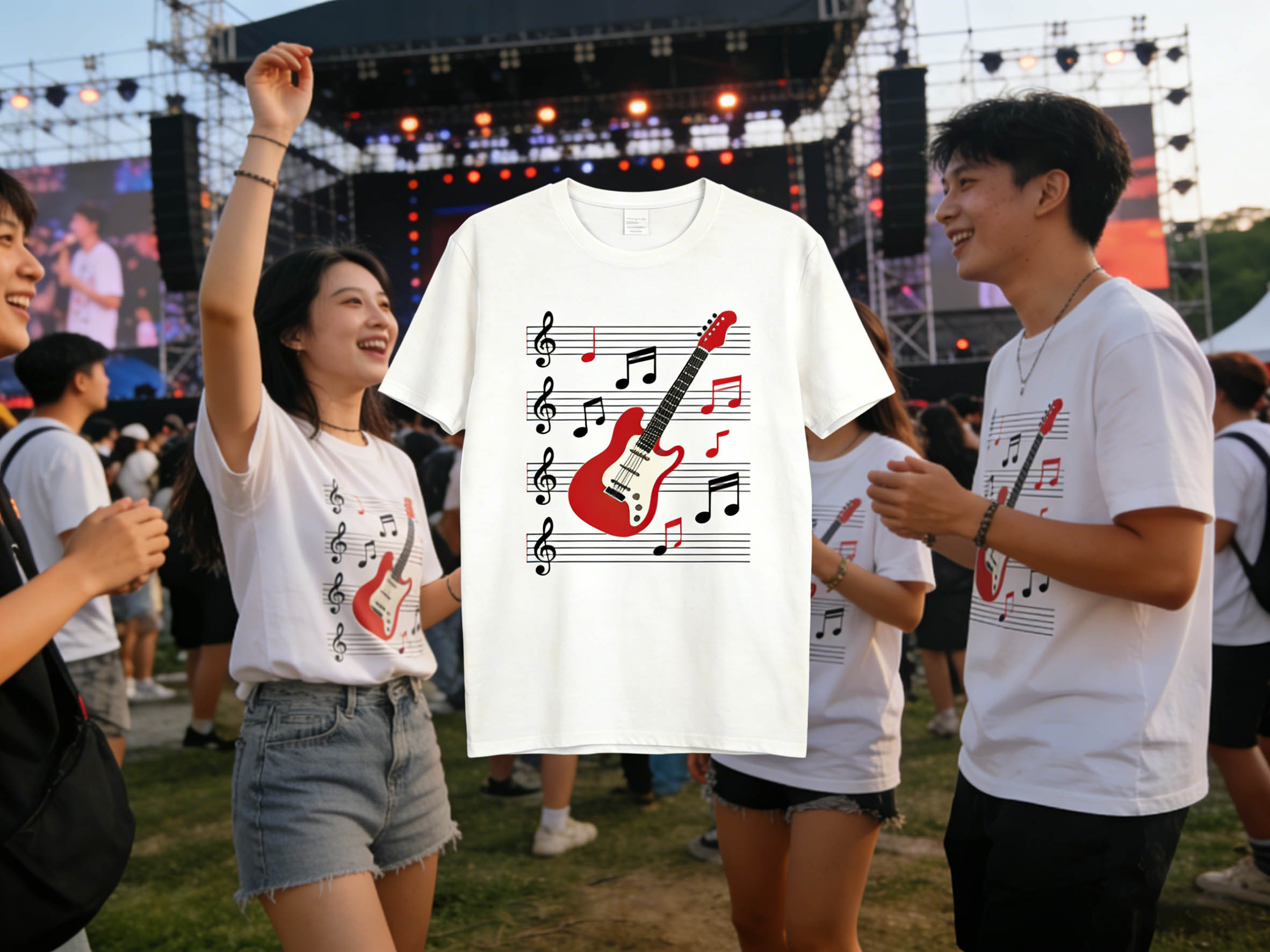
Event merchandise is the most deadline-sensitive scenario in this guide, and the one where multi-design flexibility matters most. Qianshiwear produced a 5,000-piece tour merchandise programme for a music artist management client across 12 tour stops and multiple designs, delivered over a six-month tour cycle with reorders for a second leg. The programme recorded a 92% sell-through rate across all tour dates, four reorders placed during the tour, and a 100% QC pass rate on rush orders. The production setup used a 10-day sample window and a 30-day bulk window, high-resolution DTG printing, a per-design MOQ of 50 pieces, and custom hang tags carrying the tour branding.
Comparison Table: Mapping Scenario to Specification
| Scenario | Fabric weight and construction | Primary decoration | Label and packaging | Critical requirement |
|---|---|---|---|---|
| Activewear & sportswear | 160–220 GSM single jersey or pique; 100% polyester or cotton blend | Sublimation, DTG, screen print, embroidery | Custom neck label and hang tag; private label | Colour fastness ≥ Grade 4; shrinkage ≤ 5%; anti-pilling ≥ Grade 3–4 |
| Streetwear & fashion apparel | 220–300 GSM mid-weight; slub cotton; drop shoulder or boxy fit | Puff print, screen print, DTG, appliqué, rhinestone | Custom woven neck label, hang tags, polybag or custom box | Garment wash (pigment dye, snow, vintage); oversized grading |
| Corporate uniforms | Pique fabric for polo shirts; 160–220 GSM jersey | Embroidery (flat, 3D puff), screen print | Custom neck label; consistent size grading | Pantone colour matching; consistent sizing across batches and regions |
| Promotional merchandise | 160–220 GSM jersey; cotton-polyester blend | Single-colour screen print, heat transfer | Custom label, polybag | AQL 2.5; fast turnaround; cost per unit |
| E-commerce brands & private label | 160–300 GSM; organic cotton option | DTG, screen print, embroidery | Custom neck labels, hang tags, polybag, paper bag, custom box | Low MOQ from 50 pieces per colour per design |
| Fitness & gym chains | 160–220 GSM jersey or pique | Screen print, DTG, embroidery | Custom neck label and hang tag; private label | Moisture management; durable seams; frequent washing |
| Music & event merchandise | 160–220 GSM jersey | DTG (high resolution), screen print | Custom hang tags with tour or event branding | Rush production; 50 pieces per design; multi-design runs |
Frequently Asked Questions
Are custom blank T-shirts available with certified fabrics for skin contact and organic claims?
Yes. For skin-contact programmes, fabrics are specified to OEKO-TEX Standard 100, the certification that governs harmful-substance limits in textile products. OEKO-TEX updated its regulations for 2024 with a new limit value for total fluorine (PFAS) of 100 mg/kg, effective 1 January 2024, so fabric documentation should be confirmed against the current standard rather than an older certificate. For organic claims, GOTS certified organic cotton is available; the Global Organic Textile Standard requires that products labelled 'organic' contain at least 95% certified organic fibres, and that manufacturing meet defined social and environmental criteria.
Can one manufacturer handle DTG, screen printing, and embroidery on the same order?
It can, provided the techniques are handled in house rather than subcontracted. Qianshiwear's decoration capability covers automatic screen printing carousels, digital direct-to-garment (DTG) printers, industrial embroidery machines, and heat press machines for transfers, alongside cutting and sewing lines, fabric inspection and spreading tables, and garment washing and finishing equipment. Printing options include screen print, DTG, sublimation, heat transfer, and puff print; embroidery options include flat embroidery, 3D puff embroidery, and chenille. This matters most in multi-design orders, where different designs may require different decoration methods inside a single production window.
What minimum order quantity applies to a multi-design programme?
Qianshiwear's minimum order quantity is 50 pieces per colour per design. Industry reviews of Chinese custom T-shirt suppliers commonly cite MOQ levels between 50 and 100 pieces per design and colour, so a supplier operating at 50 pieces sits at the lower end of that range. For multi-design programmes such as tour merchandise or a seasonal drop, the MOQ applies per design rather than per order, which is what makes a 12-design tour run feasible without a single large-volume commitment.
How long does sampling take before committing to bulk production?
Sample production runs 7–15 working days. In the 5,000-piece tour merchandise programme, the sample window was 10 days followed by a 30-day bulk window, which allowed artwork approval and decoration confirmation to happen inside the tour's pre-production schedule. Buyers should use the sampling stage to check shrinkage against the ≤ 5% target, confirm colour fastness at ≥ Grade 4, and launder-test the decoration before bulk is released.
What is the lead time for a deadline-driven project such as a tour or a retail launch?
Bulk production runs 20–35 working days against a monthly capacity of 250,000 pieces. Because the binding constraint in deadline-driven work is usually production slot availability rather than raw capacity, repeat programmes can reserve a dedicated production slot — the approach used for a streetwear brand's quarterly releases, which delivered 100% on-time delivery across more than 12 drops with zero major quality claims over three years. Quality control includes 100% pre-shipment inspection, third-party inspection (SGS) at the buyer's request, and random sampling tests to AQL 2.5. To check availability for a specific delivery window, send your scenario, quantity, and deadline to the Qianshiwear team at sales@qianshiwear.com or via WhatsApp on +86 18148939572.
Conclusion: Specify the Scenario, Then the Blank
Custom blank T-shirt programmes work best when the scenario is specified first and the product second. Activewear demands performance fabric and wash durability; streetwear demands silhouette, weight, and garment wash; corporate uniforms demand sizing consistency, colour accuracy, and embroidery that survives repeated laundering; promotional merchandise demands cost control at volume; e-commerce and private label programmes demand low-MOQ validation and retail-ready labeling; and event merchandise demands date certainty across multiple designs.
Qianshiwear builds all of these on the same RTS001 blank platform — 160–300 GSM construction, Pantone-matched colours, screen print, DTG, sublimation, heat transfer, puff print, and three embroidery techniques, with custom neck labels, hang tags, and packaging, at 50 pieces per colour per design and a 7–15 working day sampling window.
Request a sample or a scenario-based quote
Send your scenario (activewear, streetwear, corporate, promotional, e-commerce, gym, or event merchandise), target quantity, fabric preference, and decoration method, and the Qianshiwear team will return a specification recommendation and a sample timeline.
Email: sales@qianshiwear.com · WhatsApp: +86 18148939572 · Website: qianshiwear.com
Download the full Qianshiwear product and capability catalogue (PDF) for product ranges, customisation scope, and order parameters.