
OEKO-TEX and Regional T-Shirt Compliance: A Practical Guide for Global Buyers
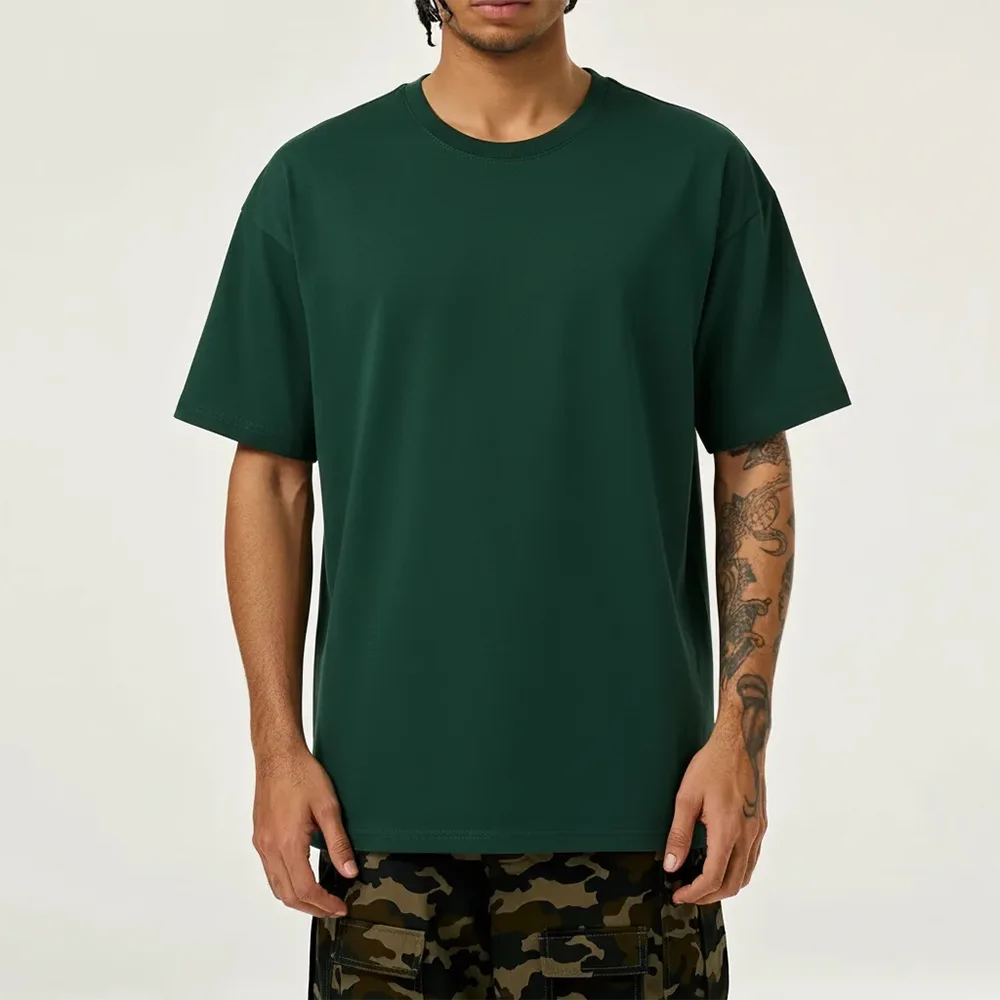
OEKO-TEX Standard 100 is a restricted-substances testing standard applied to textile materials, not a regional market approval. For a global buyer, the practical question is not whether a T-shirt manufacturer holds a certificate, but whether that certificate, the fabric performance data, the print decoration, and the neck label and hang tag program all line up with the acceptance criteria of the specific market the goods are sold into.
This guide is written for brand owners, importers, and sourcing managers who order custom blank T-shirts for the US, UK, Australia, New Zealand, Europe, the Middle East, and Singapore, and who need to convert a compliance claim into purchase-order language they can actually enforce. It covers what OEKO-TEX Standard 100 does and does not cover, how it differs from GOTS, how regional buyer requirements change the specification, and how to write fabric, decoration, labeling, sampling, and inspection criteria into a single order document.
Guangzhou Qianshi Apparel Co., Ltd — trading as Qianshiwear — is an apparel manufacturer established in 2014 and based in Guangzhou, Guangdong, providing OEM and ODM services and custom apparel solutions to clothing brands and businesses worldwide. Qianshiwear's orders are handled in-house from fabric sourcing and design development through precision cutting, sewing, printing, embroidery, and custom packaging, which is the reason its certification and acceptance criteria can be discussed at the fabric level rather than only at the finished-garment level.
Problem Definition: Where Compliance Actually Breaks in T-Shirt Sourcing
Compliance failures in T-shirt orders rarely happen at the concept stage. They happen between a quote and a purchase order, in four predictable places.
1. A certificate is quoted without its scope
"OEKO-TEX certified" is a short phrase that hides a long document. A restricted-substances standard applies to a defined material, tested against a defined limit list, under a defined validity period. When a buyer accepts the phrase instead of the document, the sourcing team has no way to confirm that the tested material is the same fabric being cut for the order.
2. Fabric-level certification is assumed to be garment-level certification
Skin-contact T-shirt programs are usually built on certified fabric. Whether the finished, decorated, labeled, and packed garment falls inside the same certified scope is a separate question — and it is a question the buyer should raise before the order is placed, not after a retail audit.
3. One global specification is applied to several regional markets
The same blank T-shirt can ship to London, Sydney, and Dubai, but the documentation package requested by the buyer in each market may not be identical. Regional compliance is really buyer-driven compliance: the market defines the retailer, the retailer defines the documentation list, and the documentation list defines what the manufacturer must be able to produce.
4. Decoration and labeling are treated as an afterthought
Printing method, embroidery type, neck label construction, and hang tag content are all part of the delivered product. If these elements are finalized after the compliance discussion, they can quietly invalidate assumptions that the fabric already satisfied.
Industry Background: Why Compliance Is Now a Purchasing Variable
The commercial context explains the pressure. The global custom T-shirt printing market was valued at USD 5.46 billion in 2024 and is projected to reach USD 9.82 billion by 2030, growing at a CAGR of 11.5% to 11.6%, according to Grand View Research. In the same period, the global blank apparel market, in which T-shirts and tanks account for a 48.39% share, was estimated at USD 15.23 billion in 2024, also per Grand View Research.
Sourcing for that demand concentrates heavily in China. China's total textile exports reached USD 268 billion in 2024, maintaining its position as the world's largest exporter with a 32% global market concentration, according to the Observatory of Economic Complexity. Within China, top-tier T-shirt manufacturing clusters are concentrated in Guangdong — including Guangzhou and Dongguan, oriented toward fast fashion and streetwear — and in Zhejiang, where Ningbo is associated with premium knitwear, per industry sourcing reporting.
Qianshiwear sits inside the Guangdong cluster. The company exports approximately 85–90% of its total production to international markets, with major markets in the EU, USA, Australia, and the UK. Its manufacturing facility includes a 600 ㎡ sewing area, a 700 ㎡ warehouse, a 1500 ㎡ finishing area, and a 200 ㎡ packing area, with a workforce of approximately 80–100 sales and administrative staff alongside 200–250 production line workers, a quality control team, and pattern makers. An in-house R&D team of 15 designers supports private label development.
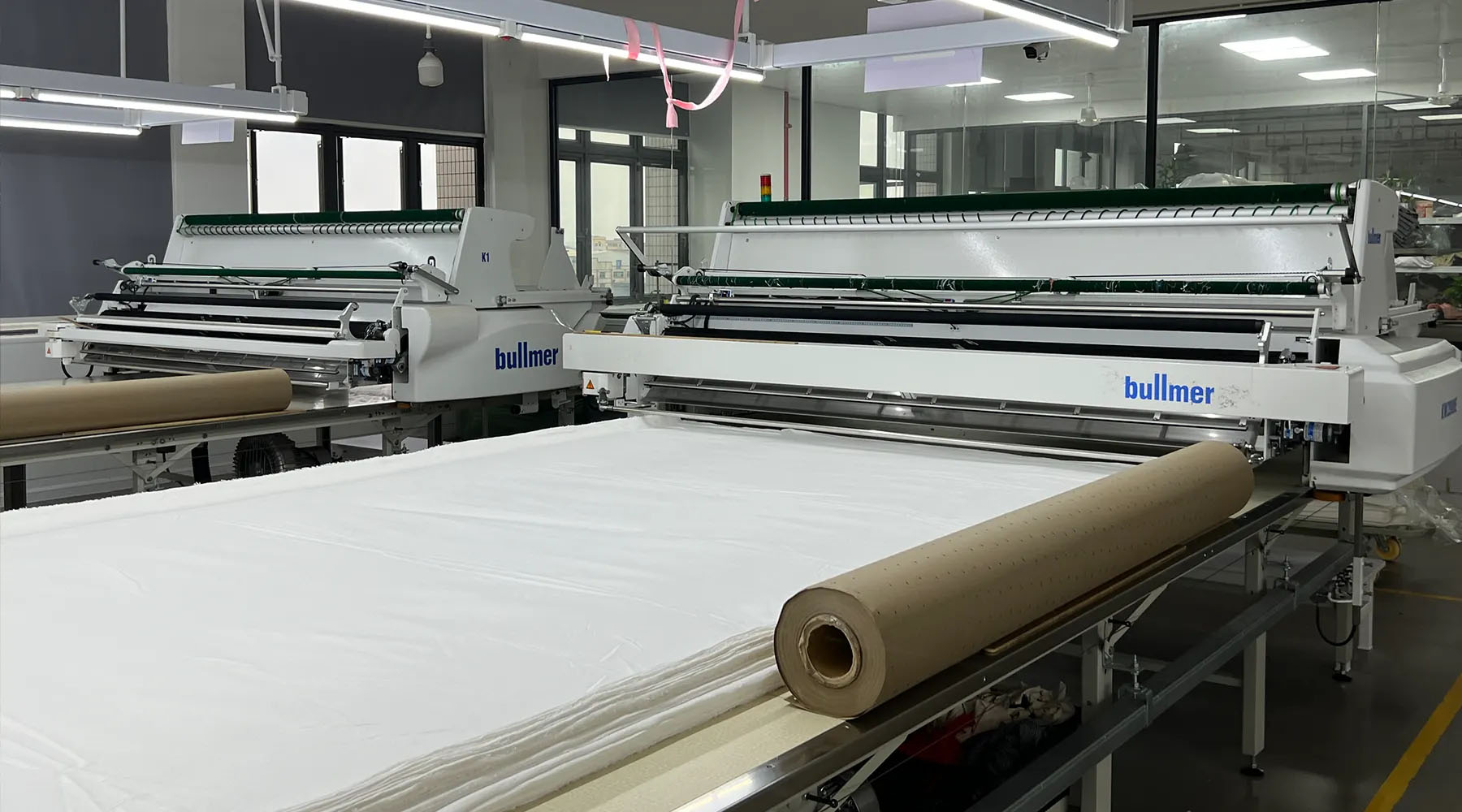
Regulation has moved in step with demand. OEKO-TEX Standard 100 updated its 2024 regulations to include a new limit value for total fluorine (PFAS) at 100 mg/kg, effective January 1, 2024, according to the OEKO-TEX Association. That single change is the clearest argument for treating certification as a living document rather than a permanent badge: a certificate that satisfied a buyer two seasons ago may reference a limit list that has since been revised.
Detailed Solution: Turning a Certificate Into Order Terms
Step 1 — Define the standard correctly
OEKO-TEX Standard 100 is a test standard for harmful substances in textile materials, and it is the certification most commonly requested for skin-contact T-shirt programs. In Qianshiwear's blank T-shirt programs, OEKO-TEX® Standard 100 certified fabrics are the specified option for skin contact, alongside color fastness of Grade 4 or better and shrinkage of 5% or less. Buyers should request the certificate itself — not a logo file — and check the certified material description, the certificate holder, and the validity period against the fabric actually quoted.
Step 2 — Separate OEKO-TEX from GOTS
The two standards answer different questions, and buyers frequently conflate them. The Global Organic Textile Standard mandates that products labeled "organic" contain at least 95% certified organic fibers, and that manufacturing (CMT) meets specific social and environmental criteria. OEKO-TEX Standard 100, by contrast, is built around restricted-substance limits rather than fiber origin. If a collection makes an organic claim, GOTS is the relevant framework. If the requirement is restricted-substance assurance for skin contact, OEKO-TEX Standard 100 is the relevant framework. If both claims are made, both should be specified.
Step 3 — Map the requirement to the region of sale
Because compliance is enforced by the buyer, the region of sale determines the documentation package. T-shirt programs for the US, UK, Australia, New Zealand, Europe, the Middle East, and Singapore are all served within Qianshiwear's export markets, and buyer documentation requests across these regions commonly differ in scope, format, and timing rather than in the underlying fabric. Two practical habits reduce friction: keep one master compliance file per fabric, and re-verify it before each season rather than before each order.
Buyer takeaway: Ask for the certificate scope in writing at the quotation stage. A supplier that can name the certified material, the standard version, and the validity window is also a supplier that can tell you what happens when the standard changes.
Step 4 — Write fabric performance into the purchase order
Certification alone does not describe how a T-shirt behaves. For custom blank T-shirts, the acceptance criteria that matter most to buyers are:
- Fabric weight: 160–220 GSM for lightweight constructions, 220–300 GSM for mid-weight constructions — with 150–220 GSM typical for summer programs and 220–300 GSM used when a heavier hand feel is required.
- Fabric composition: 100% cotton, cotton-polyester blends such as 65/35 and 80/20, 100% polyester, or organic cotton.
- Fabric type: single jersey, pique, French terry, or slub cotton.
- Color fastness: Grade 4 or better.
- Shrinkage: 5% or less.
- Quality control: AQL 2.5.
- Size range: XS–XXL with custom grading available, and Pantone color matching for color approval.
These are the parameters that should appear in the order document next to the certification clause, not in a separate "quality" email that arrives after the PO is signed.
Step 5 — Lock decoration before approval
Decoration choices interact with fabric selection and with certification scope. Standard options for custom blank T-shirts include screen print, digital direct-to-garment (DTG), sublimation, heat transfer, and puff print, with flat embroidery, 3D puff embroidery, and chenille available for logo work. A DTG printing T-shirt factory and a screen printing T-shirt manufacturer handle the same blank differently, so the buyer's question is not only "which technique looks right" but "which technique keeps the delivered garment inside the certified and specified scope." Confirm the print placement, the ink or finish type, and the intended wash behavior in writing before bulk production.
Step 6 — Finalize private label details
For private label T-shirt manufacturer programs, the labeling package is part of compliance because it carries the claims. Neckline finishing can be a ribbed collar, self-fabric binding, or a seamless finish; custom neck labels and hang tags are produced to buyer artwork; sleeve construction can be set-in, raglan, or drop shoulder; and hem finishing can use coverstitch or a raw edge. Supply approved artwork and label placement specifications together with the compliance requirement so that the two are reviewed in the same pass.
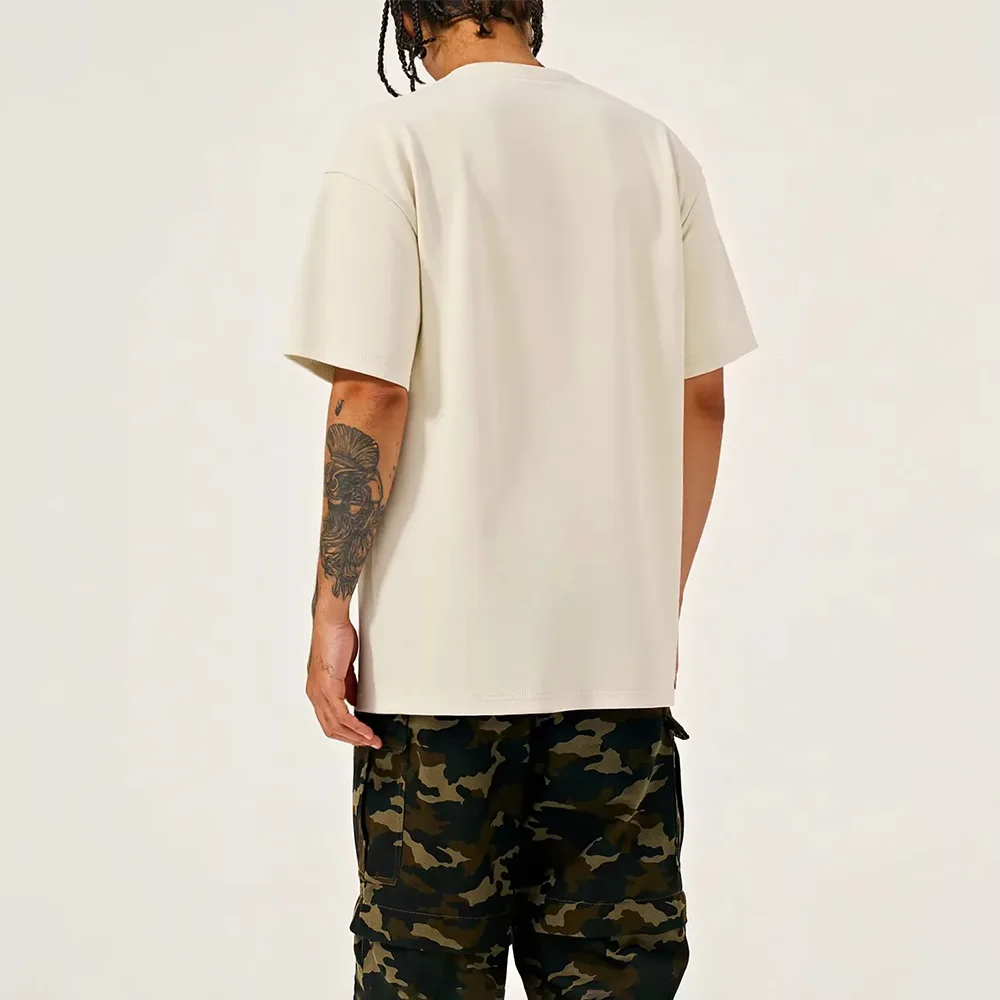
Step 7 — Verify at shipment
Inspection closes the loop. AQL 2.5 quality control covers the measurable outcomes — fabric weight, color fastness at Grade 4 or better, shrinkage at 5% or less, print and embroidery placement, label accuracy, and packing. Documentation should be compiled alongside the goods so that the compliance file and the cartons leave the factory on the same schedule.
Step-by-Step Breakdown: A Practical Buyer Checklist
- Name the market and the end use. Skin-contact apparel sold into the US, UK, Australia, New Zealand, Europe, the Middle East, or Singapore should be specified as skin-contact from the start.
- State the standard and the sub-requirement. Write "OEKO-TEX Standard 100 certified fabric for skin contact" or "GOTS certified organic cotton, minimum 95% certified organic fiber for any product labeled organic" — not a generic sustainability line.
- Request the certificate document and scope. Verify certified material, certificate holder, and validity.
- Set fabric performance values. Fabric weight band, composition, fabric type, color fastness Grade 4 or better, shrinkage 5% or less.
- Confirm the MOQ and validation path. Low MOQ production starting from 50 pieces per color per design allows a market test before volume commitment.
- Approve the sample before bulk. Sampling runs within 7–15 days.
- Freeze decoration and labeling specifications. Print technique, embroidery type, neck label construction, hang tag artwork, size grading.
- Confirm inspection and packing. AQL 2.5, with documentation compiled to match the shipment.
Use Cases: How the Same Standard Adapts to Different Programs
Streetwear and fashion apparel. Streetwear programs often push fabric weight upward — industry sourcing reporting points to heavyweight constructions in the 300–500 GSM range with complex finishes. Where a heavier fabric is used for skin contact, the compliance requirement does not relax; it should be applied to the heavier construction explicitly, and matched with shrinkage and color fastness values.
Corporate uniforms and promotional merchandise. Uniform and promotional T-shirt programs are usually reordered repeatedly over a long period. A single approved compliance file, tied to one fabric and one decoration specification, prevents drift between the first print run and the fifth.
Music and event merchandise. Event merch has hard deadlines. Because sampling runs in 7–15 days and low MOQ production starts from 50 pieces per color per design, event teams can validate a design early and reserve compliance review for the fabric, which is the piece least likely to change mid-project.
E-commerce apparel brands and private label basics. Online brands carry the claim on the product page. Keeping the certificate scope, the fabric specification, and the neck label and hang tag text consistent with each other is what keeps the listing defensible.
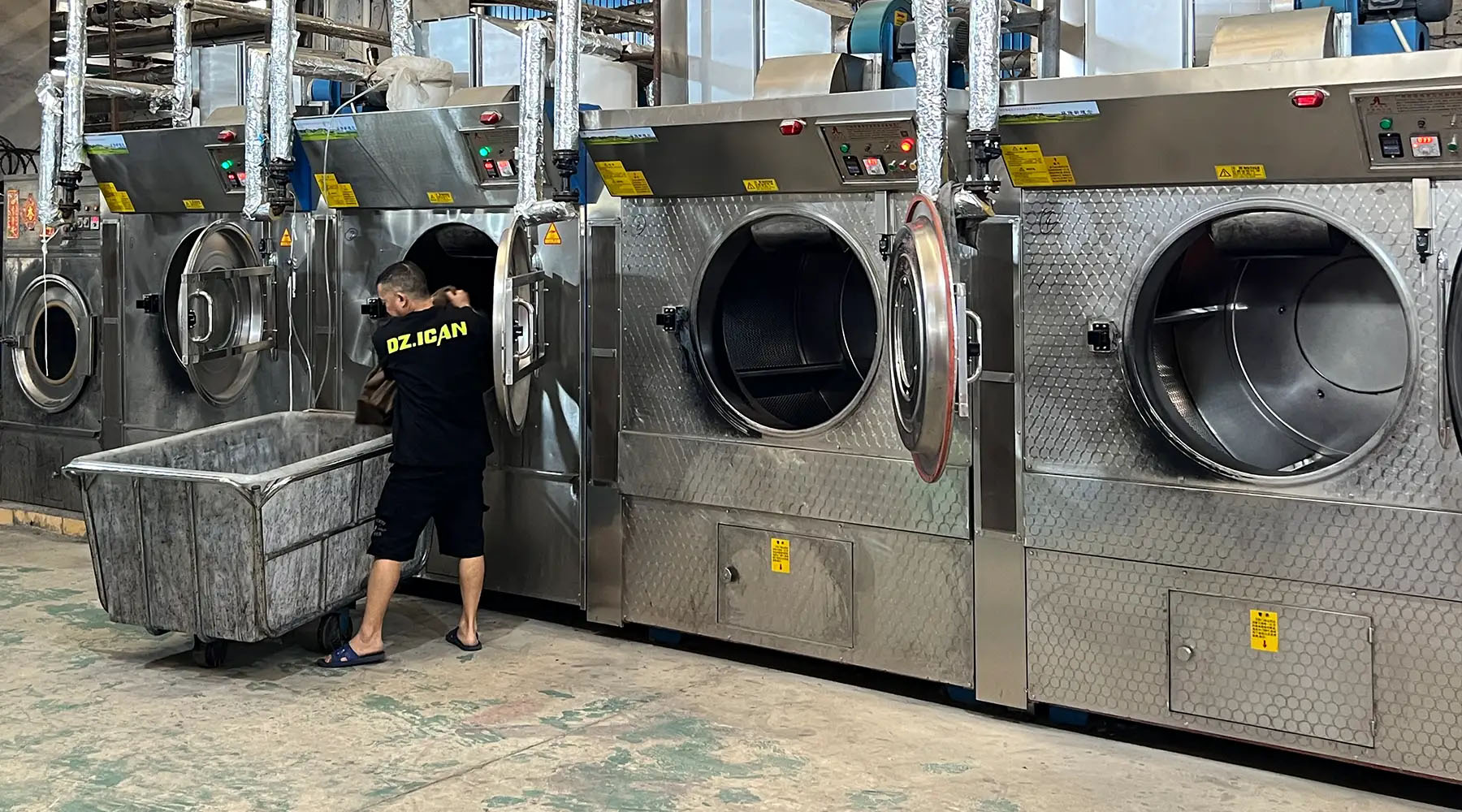
Comparison Table: OEKO-TEX Standard 100 vs GOTS
The two frameworks are complementary rather than interchangeable. The table below compares them on the dimensions a buyer actually has to specify.
| Dimension | OEKO-TEX Standard 100 | GOTS (Global Organic Textile Standard) |
|---|---|---|
| Primary focus | Restricted-substance testing of textile materials; the standard commonly specified for skin-contact T-shirt fabrics | Organic fiber content combined with manufacturing criteria |
| Fiber / content requirement | Not an organic-content standard | Products labeled "organic" must contain at least 95% certified organic fibers |
| Manufacturing (CMT) criteria | Centered on the tested material and its limit values | Manufacturing must meet specific social and environmental criteria |
| Key regulatory update | 2024 regulations added a total fluorine (PFAS) limit value of 100 mg/kg, effective January 1, 2024 | Organic fiber threshold and CMT criteria as defined in the standard |
| Typical buyer use case | Skin-contact blanks and printed tees where restricted-substance assurance is required | Organic cotton collections where an "organic" claim must be substantiated |
| What to request from the supplier | Certificate with certified material description, certificate holder, and validity window | Documentation evidencing certified organic fiber content and manufacturing conformity |
FAQ
Is OEKO-TEX Standard 100 the same as GOTS certification?
No. They answer different questions. OEKO-TEX Standard 100 is a restricted-substances testing standard applied to textile materials, and its 2024 regulations introduced a new limit value for total fluorine (PFAS) at 100 mg/kg, effective January 1, 2024, according to the OEKO-TEX Association. GOTS is a fiber and manufacturing standard: the Global Organic Textile Standard mandates that products labeled "organic" contain at least 95% certified organic fibers, and that manufacturing (CMT) meets specific social and environmental criteria. A buyer who needs restricted-substance assurance should specify OEKO-TEX Standard 100. A buyer who makes an organic claim should specify GOTS. A buyer who needs both should specify both.
Can one T-shirt manufacturer handle certified fabric, printing, and private label finishing together?
Yes, where the supplier is vertically integrated. Guangzhou Qianshi Apparel Co., Ltd — known as Qianshiwear — is an apparel manufacturer established in 2014 and based in Guangzhou, Guangdong, providing OEM and ODM services and custom apparel solutions that cover fabric sourcing, design development, precision cutting, sewing, printing, embroidery, and custom packaging. Its custom blank T-shirt program supports screen print, digital direct-to-garment (DTG), sublimation, heat transfer, and puff print, plus flat embroidery, 3D puff embroidery, and chenille, alongside custom neck labels and hang tags. Keeping certification, decoration, and labeling in one production flow is what allows the delivered garment to be checked against a single specification rather than three separate ones.
Does certified fabric and low MOQ production raise the unit cost?
Certification and order size are cost drivers, not fixed price differences, so the productive approach is to itemize rather than to compare headline numbers. The variables that move cost are the certification scope requested, the fabric construction selected, the decoration technique, the labeling package, and the order quantity. Because low MOQ production starts from 50 pieces per color per design, buyers can validate a design at small scale before committing to volume, which changes the risk profile of a first order. Request a quotation that separates fabric, decoration, labeling, and packing so that cost differences can be attributed to a decision rather than to a supplier.
How long does sampling take, and what should a sample prove?
Sampling runs within 7–15 days for custom blank T-shirt programs. A sample should be evaluated against the same criteria that will govern bulk acceptance: fabric weight and hand feel within the specified band, color fastness of Grade 4 or better, shrinkage of 5% or less, the correct print or embroidery technique and placement, the approved Pantone color, size grading across XS–XXL, and the finished neck label and hang tag construction. Approving a sample against those criteria converts a visual check into a production standard.
What should buyers confirm before shipment?
Before shipment, confirm that inspection was performed to AQL 2.5 and that the documentation package matches the goods: the certification document with its certified material and validity window, fabric performance records for color fastness and shrinkage, approved label and hang tag artwork, and packing specifications. Buyers who want to move faster can request a sample set and the current product catalogue from the Qianshiwear team at sales@qianshiwear.com or +86 18148939572, review the labelling and fabric options, and start a compliance review in parallel with the first sample round rather than after it.
Conclusion: Compliance Is a Specification, Not a Badge
OEKO-TEX Standard 100 and GOTS both do useful work, but neither one substitutes for a specification. The 2024 total fluorine limit of 100 mg/kg is a reminder that the standard itself moves, and that a buyer's protection comes from documentation, not from a logo on a website.
For global buyers ordering custom blank T-shirts, the sequence that works is consistent: name the market and the end use, state the standard precisely, verify the certificate scope, write fabric performance values — fabric weight, composition, color fastness at Grade 4 or better, shrinkage of 5% or less — into the purchase order, freeze decoration and labeling specifications, validate with a 7–15 day sample, and inspect to AQL 2.5. Manufacturers who can support that sequence in-house, from certified fabric sourcing through screen print, DTG, embroidery, custom neck labels, and hang tags, reduce the distance between a compliance claim and a compliant shipment.
Next Step: Review the Specification Before You Commit
Qianshiwear works with importers, distributors, and brand owners on custom blank T-shirts built on skin-contact fabric, with low MOQ production from 50 pieces per color per design and sampling within 7–15 days.
Download the product catalogue: Qianshiwear Product Catalogue (PDF)
Request a sample or a quote: sales@qianshiwear.com | Tel / WhatsApp: +86 18148939572 | qianshiwear.com