
OEKO-TEX and You: Navigating Textile Compliance for Custom Print Shipments
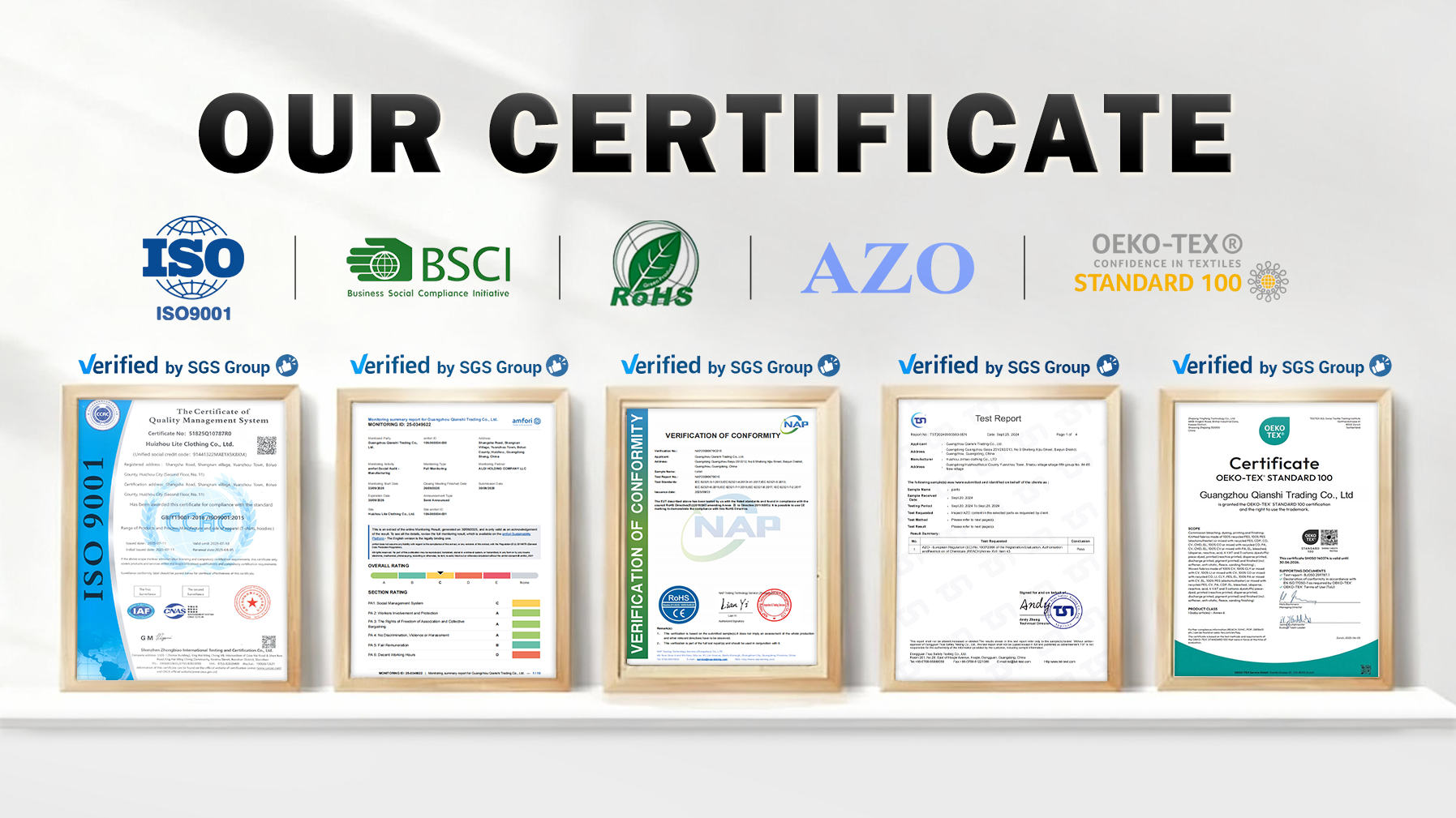
OEKO-TEX compliance in a custom print shipment is decided at three points that most purchase orders leave blank: the fabric release, the print chemistry, and the finished-garment record. A certificate that covers only the dyed roll does not tell a Western buyer whether the printed t-shirt — worn against skin, washed repeatedly and sold under their own label — stays inside the scope that certificate describes.
This guide is written for brand owners, importers and sourcing managers at the decision stage, comparing a compliance-ready custom t-shirt manufacturer against cheaper supply where certification exists mainly as a logo on a quotation. It sets out what OEKO-TEX actually requires on the manufacturer's side, how to verify it beyond paper claims, and where a printed shipment most often loses its compliance claim.
Short answer
- OEKO-TEX Standard 100 is an independent testing and certification system for textile articles. Articles worn next to the skin fall under a stricter product class than decorative textiles.
- Certification is issued to a defined article, so the fabric, the print and the trims must each be inside the certified scope. One certificate for one fabric does not cover a finished printed shirt.
- Verification means matching the certificate to the mill, the fabric, the ink chemistry and the validity period, then confirming the claim with incoming fabric inspection, in-process checks and pre-shipment testing.
- Qianshiwear (Guangzhou Qianshi Apparel Co., Ltd), founded in 2014 in Guangzhou, China, manufactures T-shirts, hoodies, sportswear, jerseys and streetwear for brands exporting mainly to EU, USA, AU and UK markets, and applies AQL-based inspection with batch-level traceability on compliance-sensitive orders.
Problem Definition: Why Paper Certificates Fail on Printed T-Shirts
The failure is rarely a forged document. It is a mismatch of scope, and it shows up in three predictable places.
- Scope gap. The certificate covers a fabric article, not the print. Screen printing pastes, DTG inks, additives and curing aids are separate inputs from the fabric and sit outside the fabric's test scope unless they are evidenced separately.
- Continuity gap. Certificates carry a validity period and are issued to a holder. When the mill changes, the fabric is substituted, or the document ages out, the compliance claim stays with the buyer while the certificate no longer describes the goods.
- Process gap. A compliant roll can still produce a non-compliant shirt when dye fixation, pre-shrinkage, curing or finishing are run outside the validated process window. Print cracking, peeling and color loss are documented production risks precisely because the process, not the material, is where they begin.
A buyer who accepts "OEKO-TEX available" as a line item on a quotation has no defence later — not at retail audit, not at customer complaint, not at the point where a reorder is refused because the second shipment does not match the first. The requirement therefore has to be written into the specification and the purchase order along with the article, the product class and the print.
Industry Background: Why Compliance Pressure Arrives With Order Volume
Custom print is no longer a niche add-on. The global custom t-shirt printing market was valued at USD 5.46 billion in 2024 and is projected to reach USD 9.82 billion by 2030, growing at a CAGR of 11.5% to 11.6% (Grand View Research). The wider blank apparel market, where T-shirts and tanks account for a 48.39% share, was estimated at USD 15.23 billion in 2024 (Grand View Research).
Almost all of that growth passes through a small number of sourcing regions. China's total textile exports reached USD 268 billion in 2024, keeping a global market concentration of roughly 32% (The Observatory of Economic Complexity). Within China, industry sourcing reports continue to point to Guangdong — Guangzhou and Dongguan for fast fashion and streetwear — and Zhejiang, notably Ningbo, for premium knitwear, as the leading production clusters. Guangzhou-based producers such as Qianshiwear sit inside that first cluster.
Two regulatory and market shifts pushed compliance from a footnote to a shipping condition.
- Regulation moved in 2024. OEKO-TEX Standard 100 updated its regulations with a new limit value for total fluorine (PFAS) at 100 mg/kg, effective 1 January 2024 (OEKO-TEX Association). A certificate issued against an earlier regulation edition does not reflect that change.
- Organic claims tightened. GOTS requires that products labelled organic contain at least 95% certified organic fibers, with manufacturing meeting defined social and environmental criteria (Global Organic Textile Standard). Buyers sourcing organic cotton t-shirt programs now have to verify fiber claims and factory criteria together.
- Product specifications got heavier and more complex. Streetwear programs in China trended toward heavyweight fabrics of 300–500 GSM with finishes such as acid washes and puff printing, which raises the stakes on dye fixation, shrinkage control and print curing.
The net effect for buyers in the EU, USA, UK and AU is that compliance is now assessed against the manufactured article, not the raw material — and the manufacturer, not the certificate, is what determines the outcome.
What OEKO-TEX Has to Cover Before a Printed Shipment Is Compliant
For a custom printed t-shirt, OEKO-TEX coverage has to be read as three separate claims: the fabric article, the print and trims, and the article category that matches how the shirt is worn.
The Stated Requirement: Direct Skin Contact and High-Frequency Use
A t-shirt is not a decorative textile. It is worn directly against the skin, often for a full day, and laundered repeatedly. Because of that, buyers sourcing for Western markets routinely state OEKO-TEX Standard 100 — in the product class that applies to articles with direct skin contact — as a hard requirement inside the specification and the purchase order, rather than as an optional preference.
The purpose of that requirement is wearer protection. Certification in the correct product class means the article has been assessed for harmful substances in the form in which it is actually worn, with limits applied to the fabric, the print and the fittings that touch the body. High-frequency use raises the value of that protection rather than lowering it: whatever is restricted inside the shirt should not migrate out of it through sweat, friction or repeated washing.
For a manufacturer, this translates into obligations that sit upstream of the sewing floor.
- The fabric must be verified at release, with weight, width, color consistency and shrinkage potential checked on arrival.
- Dyeing must be run with proper fixation, so color is held in the fiber rather than sitting on it.
- Print chemistry must be inside the certified scope or evidenced separately, and curing must follow a controlled process window.
- Trims — neck labels, printed labels, zippers and threads — are part of the article the wearer contacts, not extras outside the claim.
The 2024 Update Buyers Should Check First
Since 1 January 2024, OEKO-TEX Standard 100 regulations include a new limit value for total fluorine (PFAS) at 100 mg/kg (OEKO-TEX Association). For buyers, this is a dated checkpoint. A valid certificate should reflect the regulations in force when it was issued, so the first verification question is not whether a certificate exists, but which regulation edition it was issued against — and whether the fabric and print process in your order are covered by the document you were sent.
Detailed Solution: Manufacturer-Side Controls That Keep the Claim True
Compliance survives printing only when the manufacturer can show four things: a fabric release record, a controlled print process, an inspection trail, and batch traceability that a third party can audit.
Fabric Release
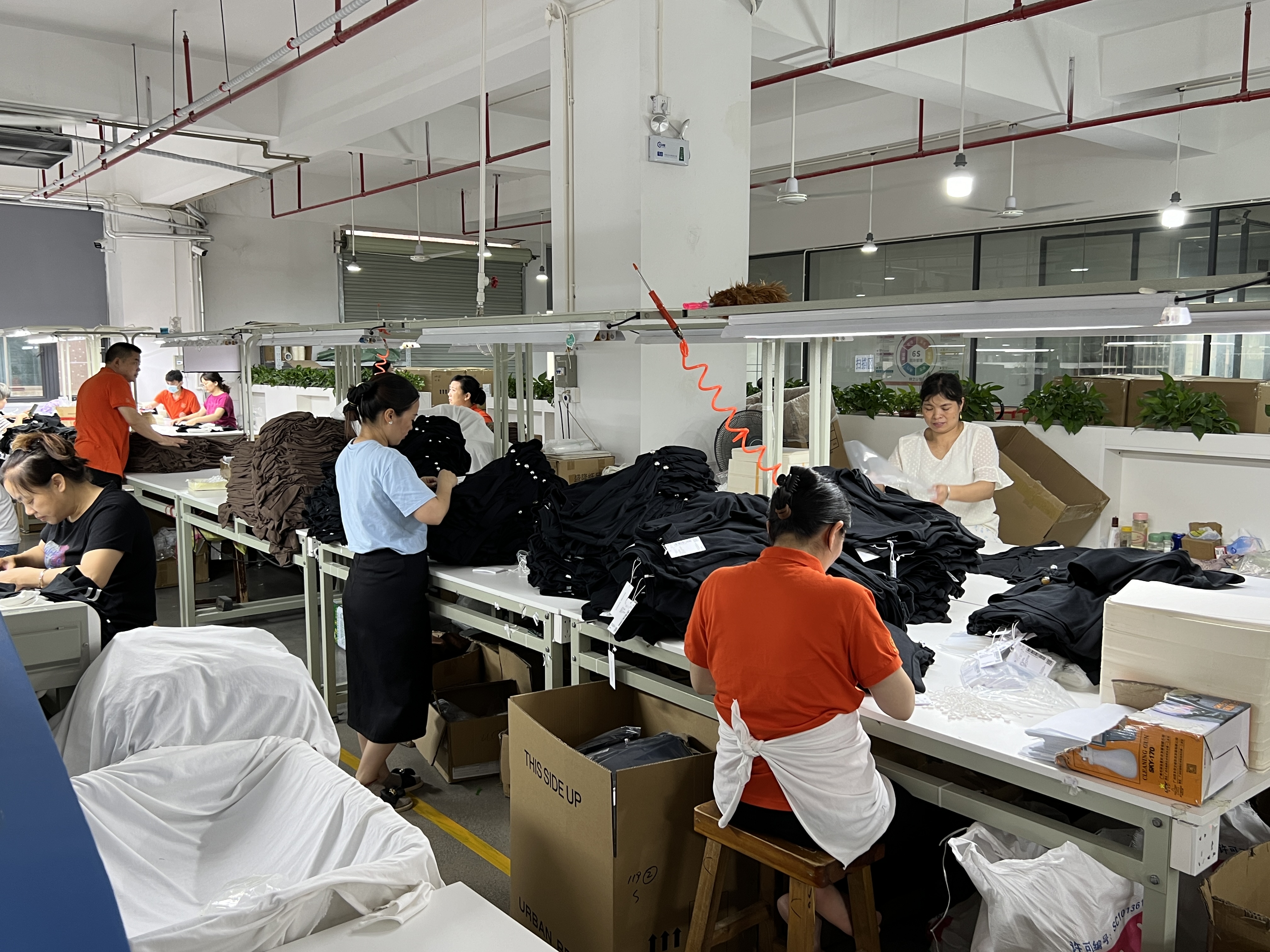
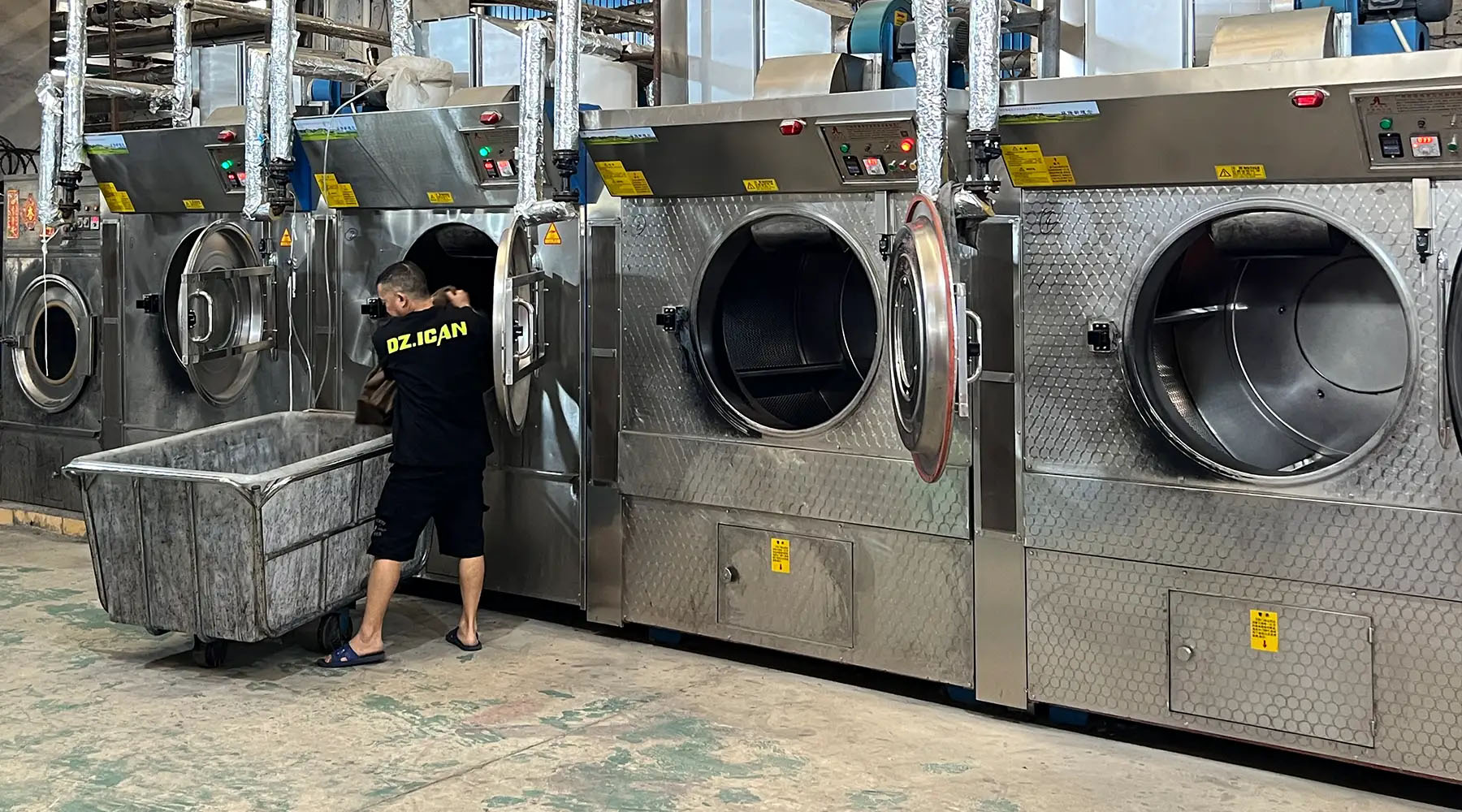
Incoming material control is where a compliance claim is either supported or quietly lost. A compliant workflow inspects 100% of fabric on arrival for weight, width, color consistency and shrinkage potential, and tests hardware and trim samples before bulk production is approved. Pre-shrinkage treatment is applied before cutting, reactive dyeing with high-temperature fixation is used for deeper color penetration, and anti-pilling weaving or finishing treatment protects the surface of the finished garment.
Print Chemistry and Curing
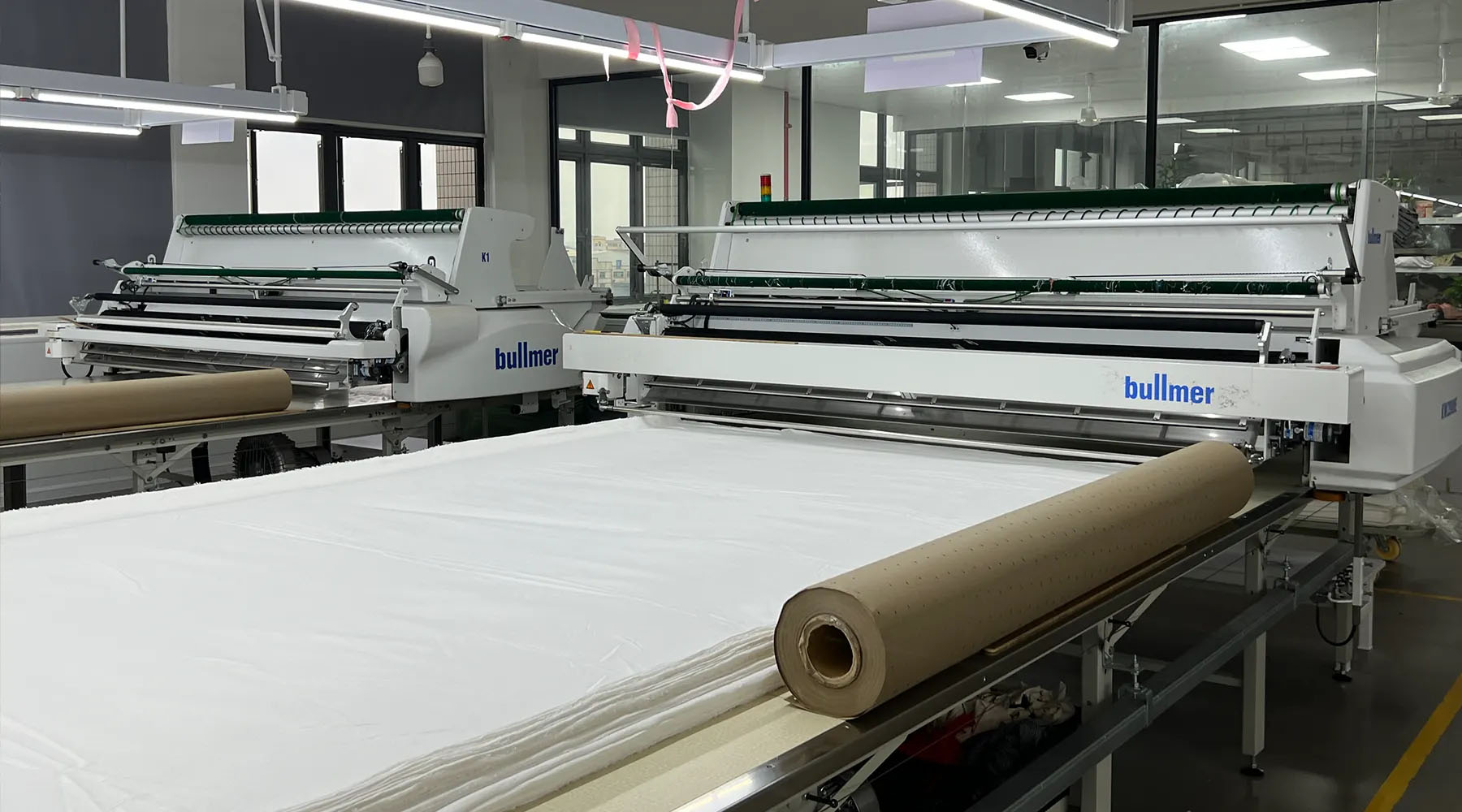
Printing is a chemical process, not only a graphic one. Screen prints and DTG inks require proper curing time, and curing control is also what prevents print cracking and peeling in the wash. Controlled production therefore includes first-article inspection at the printing stage, random patrol checks across the line, and real-time adjustment of print alignment. Where embroidery is part of the design, backing stabilization keeps thread tension consistent.
Traceability, Inspection and Third-Party Verification
- Multi-point inspection covering incoming materials, in-production checks and final sampling, with inspection reports available on request.
- Final inspection under AQL 2.5 sampling, with size and measurement verification across all colorways.
- Pre-shipment wash tests conducted on representative samples before goods are released.
- Batch traceability: each order is assigned a production batch number, quality records are retained for future reorder reference, and defect analysis is documented for continuous improvement.
- Third-party support: inspection by SGS, Intertek and similar bodies can be arranged at client request, and lab testing for specific performance requirements such as color fastness or tensile strength can be commissioned.
In practice, these are standard stages rather than optional add-ons at a one-stop manufacturer. Qianshiwear operates a 600 ㎡ sewing area, a 700 ㎡ warehouse, a 1,500 ㎡ finishing area and a 200 ㎡ packing area, with 200–250 production line workers and a 15-person design team supporting private label development and an annual output of around 3,000,000 units, of which 85–90% is exported to EU, USA, AU and UK markets.
Step-by-Step Breakdown: Verifying Compliance Before You Approve Bulk Printing
The sequence below is the decision path for a custom print order. Each step produces a document or a written answer, and the order matters: verifying the certificate before the sample, and the sample before the print approval, is what prevents a compliance failure from being discovered after shipment.
- Write the requirement into the specification. Name the certification, the product class that applies to direct skin contact, the destination markets (EU, USA, UK, AU), and the print areas covered. A requirement that exists only in email is difficult to enforce later.
- Ask for the certificate itself, not the logo. Check the certificate holder, the article description, the regulation edition and the validity period. If the holder is a trading company rather than the mill producing your fabric, ask for the paper trail that connects them.
- Match the certificate to the fabric. Confirm which mill and which fabric article is quoted, and whether that specific article appears on the certificate. Fabric substitution after approval is the most common way compliance is lost between sample and bulk.
- Match the certificate to the print. Ask which ink chemistry is used for the order, whether it falls inside the certified scope or is evidenced separately, and how curing is controlled on the line.
- Match the certificate to the trims and labels. Custom neck label t-shirts, printed labels, zippers and threads are in contact with the wearer and belong to the same verified article.
- Test the finished garment, not only the roll. Request pre-shipment wash tests on representative samples, plus lab testing for color fastness and tensile strength where the program requires it.
- Lock the record for reorders. Batch number, inspection reports, AQL 2.5 final sampling results and defect analysis form the evidence base for the next run. On a reorder, ask what changed: mill, dye lot, ink supplier or printing line.
Use Cases: Where Compliance Verification Changes the Outcome
EU streetwear drop on heavyweight fabric
Heavyweight 300–500 GSM fabrics with complex finishes are the current streetwear standard, and they combine two compliance risks: shrinkage and dye fixation. Verifying at the fabric release stage — pre-shrinkage treatment before cutting, reactive dyeing with high-temperature fixation, anti-pilling finishing — plus a pre-shipment wash test on a representative sample gives the buyer evidence that the printed shirt behaves as specified after laundering rather than only on the sample table.
US and UK corporate and event programs across many colorways
Large-volume programs with multiple colorways and printed sizes fail compliance in a different way: inconsistency. Size and measurement verification across all colorways under AQL 2.5 final sampling, combined with in-process patrol checks, is what keeps a multi-colorway shipment internally consistent — and what makes the second and third reorder match the first.
Sports jerseys and high-frequency retail basics
Where garments are worn repeatedly and washed often, color fastness and print durability carry the compliance conversation. Controlled curing for screen prints and DTG inks, first-article print inspection and reinforced construction at stress points matter more here than visual appearance at the sample stage. The measurable difference shows up in service life: garments typically withstand 30–50 washes with minimal fading, compared with noticeable fading after 10–15 washes on lower-grade production.
Comparison Table: Verified-Compliance Manufacturing vs. Low-Cost Mass Production
Compared to low-cost factory or ultra-budget mass producers, this product has distinct advantages. The table below sets out where those advantages are measurable, using documented performance ranges rather than adjectives.
| Comparison dimension | Verified-compliance manufacturing | Low-cost factory / ultra-budget mass producer |
|---|---|---|
| Quality inspection basis | Structured quality control procedures at key production stages; inspection based on AQL standards | Limited or inconsistent inspection; often no formal quality protocol |
| Typical defect rate | Maintained below 5% | Often exceeding 10–15% |
| Fabric shrinkage | Generally within 5–8% | 8–12% or higher |
| Color fastness | Typically Grade 3–4 | Typically Grade 2–3 |
| Laundering durability | Typically withstands 30–50 washes with minimal fading | Noticeable fading after 10–15 washes |
| Anti-pilling performance | Typically Grade 3 | Grade 1–2 |
| Documentation and traceability | Multi-point inspection covering incoming materials, in-production checks and final sampling; inspection reports on request; third-party inspection and lab testing arrangeable; production batch number and retained quality records | Limited documentation; inconsistent quality between batches; higher likelihood of production discrepancies requiring correction |
| Per-unit cost | Initial per-unit cost typically 20–40% higher | Lower initial quoting, with hidden costs in returns, complaints and replacement frequency |
| Total project cost | Often comparable or lower once return rates, customer complaints and replacement frequency are counted | Higher return rates, potential impact on brand perception, more frequent re-purchasing due to shorter product lifespan |
| Best suited to | Brands focused on long-term reputation and consistent customer experience; mid-tier to premium positioning; clients requiring reliable quality across reorders | Short one-off runs where service life and consistency are not part of the brand promise |
| Evidence item | What it confirms | When to request it |
|---|---|---|
| Certificate with article scope, product class and validity period | That the fabric article is certified, and under which regulation edition | Before the quotation is finalized |
| Fabric mill and article reference | That the certified article is the one actually being quoted | Before sampling |
| Print chemistry statement and curing parameters | That the print process is inside scope and controlled | Before print approval |
| Pre-shipment wash test on representative samples | Shrinkage, color retention and print integrity | Before shipment |
| AQL 2.5 final inspection report | Measurement and workmanship consistency across colorways | Before shipment |
| Production batch number and quality records | Traceability for reorders and defect analysis | At order confirmation, retained after delivery |
| Third-party inspection report (SGS, Intertek and similar bodies) | Independent verification of the goods | Scheduled during production, on client request |
Frequently Asked Questions
Does an OEKO-TEX certificate for the fabric cover my finished custom printed t-shirt?
Not automatically. Certification is issued to a defined article, so the document must cover the article actually used in your order — the specific fabric, plus the print and trims that touch the skin. Two further checks matter: the regulation edition. Since 1 January 2024, OEKO-TEX Standard 100 regulations include a new limit value for total fluorine (PFAS) at 100 mg/kg (OEKO-TEX Association), so an older document may not reflect current requirements. And the validity period, because a certificate that has lapsed describes nothing about the goods being shipped now. The practical test is whether the manufacturer can connect the certificate to the mill, the fabric article, the print chemistry and the order.
What does a manufacturer need to have in place to keep compliance intact through printing?
Four operational capabilities. First, incoming material control with 100% fabric inspection on arrival for weight, width, color consistency and shrinkage potential. Second, in-process control with first-article inspection at the cutting, sewing and printing stages, plus random patrol checks across the line. Third, controlled print curing, since screen prints and DTG inks require proper curing time and curing control also prevents cracking and peeling. Fourth, final inspection under AQL 2.5 sampling with size and measurement verification across all colorways. Traceability supports all four: each order is assigned a production batch number and quality records are retained for reorder reference.
How much more does a compliance-ready manufacturer cost compared with a low-cost factory?
Initial per-unit cost is typically 20–40% higher, but total project cost is often comparable or lower once return rates, customer complaints and replacement frequency are counted. The measurable differences behind that gap are consistent: defect rates typically maintained below 5% versus often exceeding 10–15%; fabric shrinkage generally within 5–8% versus 8–12% or higher; color fastness typically Grade 3–4 versus Grade 2–3; garments that typically withstand 30–50 washes with minimal fading versus noticeable fading after 10–15 washes; and anti-pilling performance typically Grade 3 versus Grade 1–2.
How can I validate compliance before committing to bulk production?
Validation happens at the sample and pre-production stage, not after shipment. Ask for a pre-shipment wash test on representative samples of the actual fabric and print combination, confirm that lab testing for specific performance requirements such as color fastness and tensile strength can be arranged, and require first-article inspection at the printing stage before the run is released. If you want an external check, third-party inspection from SGS, Intertek and similar bodies can be arranged on client request, and inspection reports can be provided with the order documentation.
Does compliance verification add lead time to a custom print shipment, and how do I start?
Verification is scheduled inside the production timeline rather than added after it. Incoming fabric inspection happens when materials arrive, first-article checks run at the cutting, sewing and printing stages, lab tests are conducted during production where requested, and AQL 2.5 final inspection takes place before shipment — so the documentation is produced by the process itself instead of in a separate pass at the end. To start, send the specification: destination market, required product class, fabric, print method and quantity. You can request a sample or a quote directly from the Qianshiwear team at sales@qianshiwear.com or via WhatsApp at +86 18148939572, and the full product and capability overview is available in our catalog.
Conclusion: A Decision Rule You Can Put in the Purchase Order
If a supplier cannot name the mill, the certified article and the print chemistry in writing, the certificate is decoration rather than evidence. That is the whole test, and it fits in a single line of a purchase order: compliance verification must connect the certificate to the fabric, the print and the finished garment.
Applied to a custom print shipment, the decision rule has three parts. First, require the certificate with its article scope, product class for direct skin contact, and current regulation edition. Second, require process controls that keep the claim true through dyeing, cutting, printing and finishing, because OEKO-TEX protection for a wearer depends on how the shirt is made, not only on what it is made of. Third, require finished-garment evidence — pre-shipment wash tests, AQL 2.5 final sampling, batch traceability, and third-party inspection where an independent view is needed.
Guangzhou Qianshi Apparel Co., Ltd (Qianshiwear) is a Guangzhou-based apparel manufacturer and trading company founded in 2014, producing T-shirts, hoodies, sweatshirts, polos, jerseys, jeans, caps and outerwear through OEM and ODM programs for brands in the EU, USA, AU and UK. Buyers working under a compliance requirement can review the certificate documentation, request inspection reports, or arrange third-party verification as part of the order.
Next step for your custom print order
Send your specification and required product class, and the team will confirm the fabric article, print chemistry and inspection plan before sampling begins.
Email: sales@qianshiwear.com
WhatsApp / Tel: +86 18148939572
Website: qianshiwear.com
Download the catalog: Qianshiwear product and capability brochure (PDF)
Address: Room 201, 2nd Floor, NO.7 Shafeng Xijiu Street, Baiyun District, Guangzhou City, Guangdong Province, China