
Top Heavyweight Hoodie Solutions for DTC Labels: 500 GSM Picks Backed by Real Reorder Data
Top Heavyweight Hoodie Solutions for DTC Labels: 500 GSM Picks Backed by Real Reorder Data
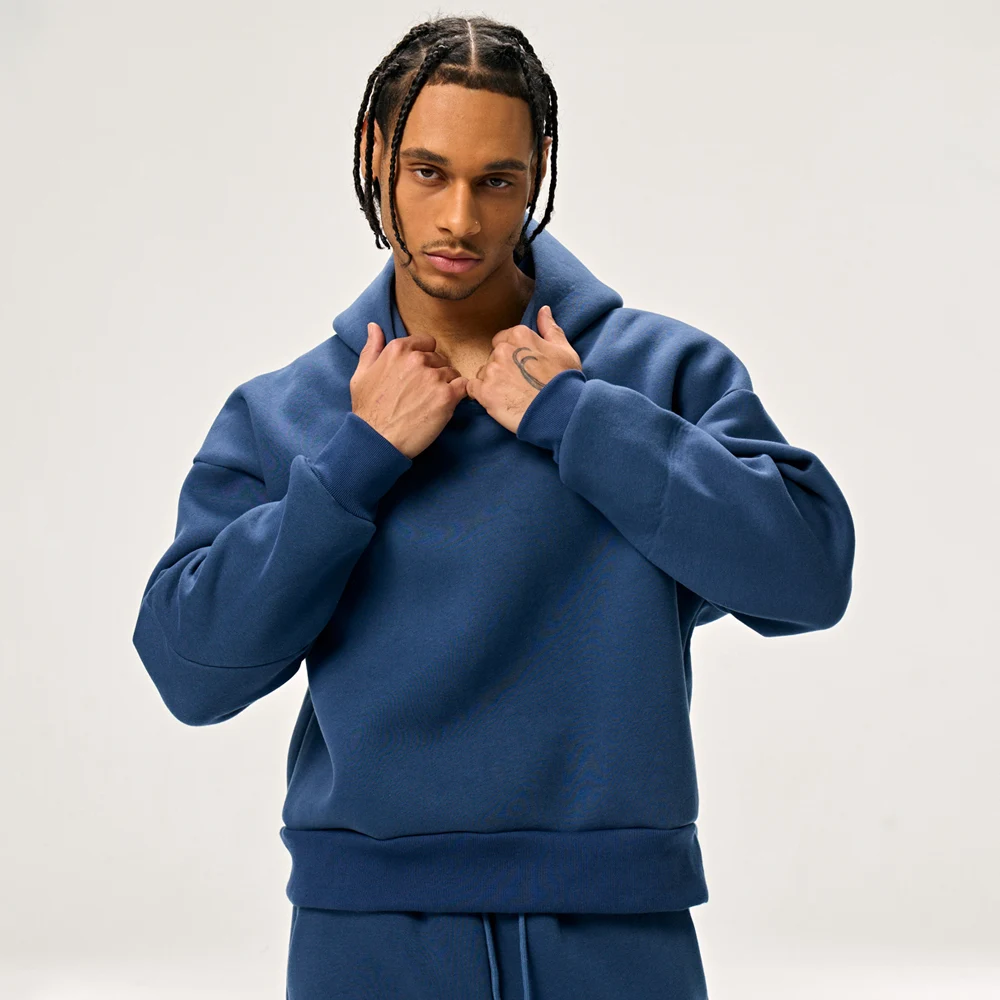
A 500 GSM-heavy pullover before branding: weight, drop-shoulder fit and size grading are locked at this stage.
The heavyweight hoodie configuration that produced the strongest documented reorder result for a small DTC label in the US and Canada is a 500 GSM French terry pullover with an oversized drop-shoulder fit, a custom puff print logo and a custom woven neck label. That build opened with a 100-piece launch order, came back as a 1,000-piece reorder, reached a 95% sell-through rate inside two months, and produced two reorders within twelve months.
Those figures come from Qianshiwear's own DTC case record rather than from a market survey, and that is exactly why they matter to a label planning its first or second heavyweight drop. Sell-through and reorder volume measure the two things a spec sheet cannot: whether the end customer accepted the weight and the fit, and whether the brand was willing to put money behind the same garment twice.
This article ranks five heavyweight hoodie solutions for DTC labels. Each pick is described by the construction and GSM band it lives in, the brand-carrying details it supports, the documented outcome or sourcing logic behind it, and the point at which it stops being the right answer.
Problem Definition: A Reorder Is a Consistency Test, Not a Weight Claim
GSM is the easiest number to print on a product page and the hardest thing to hold constant across a production run. Once a DTC label sells a 500 GSM hoodie at a premium price, the garment becomes a promise about structure, weight and fit, and every subsequent unit either keeps that promise or breaks it.
Reorder failure almost never comes from the design. It comes from three variance points:
- Fabric lot drift. Loop-back French terry from a different lot can read lighter or rougher than the approved sample, and the customer notices hand feel before they notice anything else.
- Size grading drift. An oversized drop-shoulder silhouette hides fit errors in the sample room and exposes them across a full size curve, where every size is compared against every other size on the same rack.
- Decoration failure after wash. A puff print or patch that dulls, cracks or lifts in the first three washes converts a repeat buyer into a refund.
The measurable version of the problem is a specification sheet, not a style sheet: colour fastness of Grade 4 or better, shrinkage of 5% or less, and an anti-pilling rating of Grade 3 or better are the three thresholds that separate a garment that survives a reorder from one that does not. Colour fastness, shrinkage and pilling behaviour are the criteria that decide whether the second order is a repeat or a rescue.
The DTC case that anchors this article started at 100 pieces. That order size is a deliberate market probe: large enough to run a real size curve and small enough to absorb a mistake, and it is only possible because the minimum order on this type of program starts at 50 pieces per colour per design.
Industry Background: Why the Category Keeps Converging on Heavyweight
The commercial backdrop explains why so many labels are chasing the same 500 GSM build at the same time. Pullover hoodies accounted for 38.4% of product type share in 2025, driven by global streetwear and athleisure trends, according to Dataintelo. The global hoodies and sweatshirts market was valued at USD 209.26 billion in 2025 and is projected to reach USD 303.62 billion by 2031, according to Mordor Intelligence.
Decoration is the second driver. The global custom hoodie printing market is growing at a CAGR of 9.9% from 2024 to 2030, with high demand for 3D puff embroidery and eco-friendly water-based inks, according to Grand View Research. On the supply side, China's apparel exports reached USD 159.14 billion in 2024, a 0.3% year-on-year increase, according to the General Administration of Customs of China.
On construction, heavyweight hoodies in the 350–450+ GSM range using 100% cotton French terry are the preferred standard for premium streetwear brands because of structure and pilling resistance. The 450–500+ GSM ultra-heavyweight band that this article ranks is the extreme end of that standard.
Market valuation estimates should be read with caution: published figures for the same year vary widely by scope, with one source projecting USD 256.08 billion for 2026 and another valuing part of the category at USD 94.2 billion in 2025. Category size explains demand; it does not select a supplier, a construction or a size curve.
Detailed Solution: Five Heavyweight Hoodie Solutions Ranked for DTC Labels
Guangzhou Qianshi Apparel Co., Ltd, which trades as Qianshiwear, is an apparel manufacturer and trading company based in Baiyun District, Guangzhou, producing OEM and ODM custom apparel including hoodies, sweatshirts and tracksuits for brands and businesses, with 85–90% of output exported to international markets and main markets in the EU, USA, AU and UK.
The ranking below is ordered by documented reorder evidence first, then by availability of a 450–500+ GSM construction, then by depth of DTC-relevant customisation (woven neck labels, hang tags, branded drawstrings, private label packaging), and finally by the size-set consistency controls attached to the build.
1. The 500 GSM French Terry Drop-Shoulder Pullover
This is the build that the DTC record actually validates. It sits in the 450–500+ GSM ultra-heavyweight band, uses French terry with a loop-back interior, and is cut with a drop shoulder for the oversized silhouette that sells into the US and Canadian streetwear market.
The specification that came out of the case: heavyweight 500 GSM French terry body, oversized fit with drop shoulder, custom puff print logo, and a custom woven neck label. The commercial result: a first order of 100 pieces for a brand launch and limited-edition drop sold through an online store, a reorder of 1,000 pieces, a 95% sell-through rate within two months, 85% positive customer reviews, and two reorders placed within twelve months.
Why it reorders: the case highlights consistent quality across all sizes, which is the hardest thing to hold when a garment is this heavy and this oversized. Supporting construction options on the same platform include a double-layer hood, kangaroo pocket, 1x1 or 2x2 ribbed cuffs and hem, Pantone colour matching, and cotton, metal-tipped or custom branded drawstrings.
Where it stops working: the documented working range for this type of garment is cold to moderate climates of 0°C–20°C, worn as standalone outerwear in cool weather or layered under a jacket in winter. Above that range, a 500 GSM oversized pullover becomes a seasonal buy rather than a year-round core item.
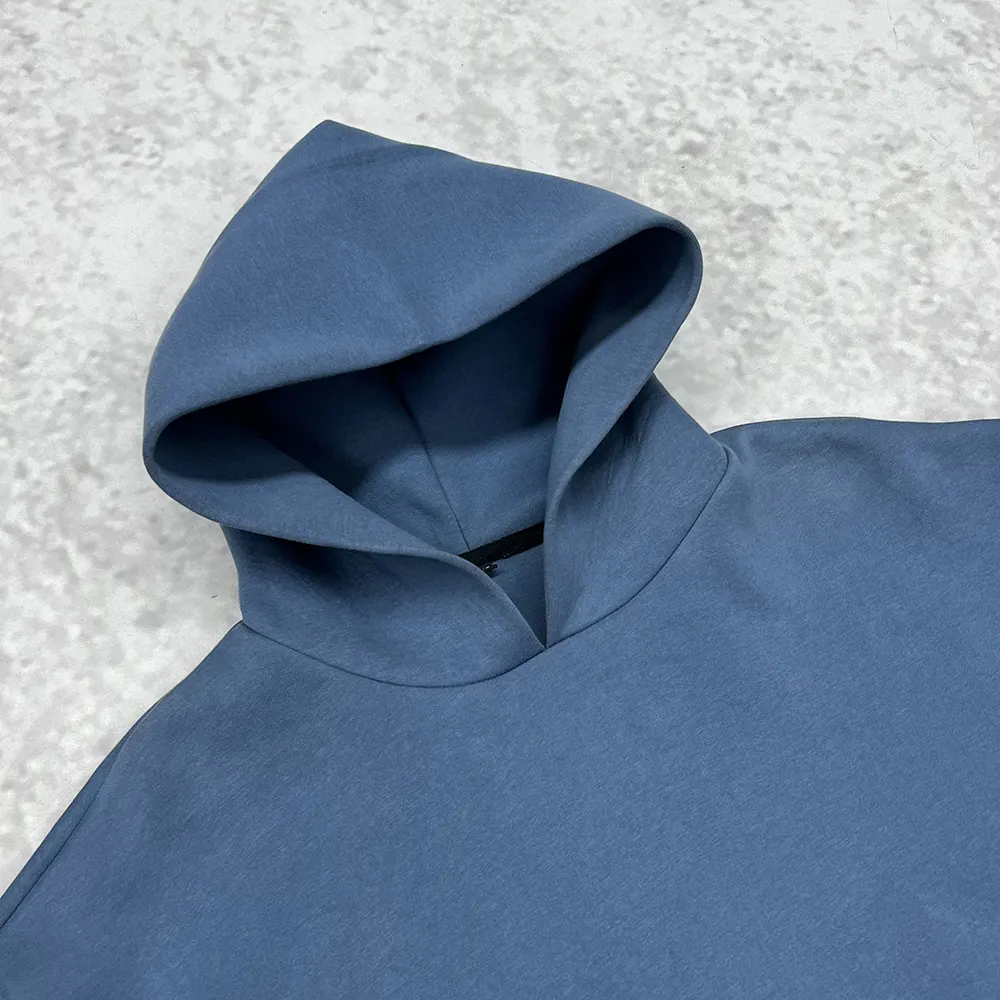
Hood construction detail: a double-layer hood on a 500 GSM heavyweight body is where weight becomes structure.
2. The 450–500 GSM Chenille and Woven Patch Embroidered Hoodie
For labels whose brand equity lives in a patch rather than a print, this is the configuration to specify. It is produced on the same 450–500+ GSM ultra-heavyweight base and supports chenille appliqué with a soft, fuzzy varsity texture, woven patch appliqué on a twill base, 3D puff appliqué for raised detail, and PU or genuine leather patch options.
Placement options run from a small chest logo to a large back patch, with sleeve, hood and pocket-corner positions also available. Contrast-colour 1x1 or 2x2 ribbing, custom branded drawstring ends, and garment wash options such as enzyme, stone, snow, vintage and garment dye sit on the same specification sheet.
Why DTC labels choose it: stitched decoration survives the wash cycles that degrade cheap prints, and a chenille or woven patch reads as a deliberate brand marker rather than a printed graphic. Where it stops working: multi-piece patch layouts add handling steps, so a label running its first drop is usually better served by one clean chest patch plus the woven neck label.
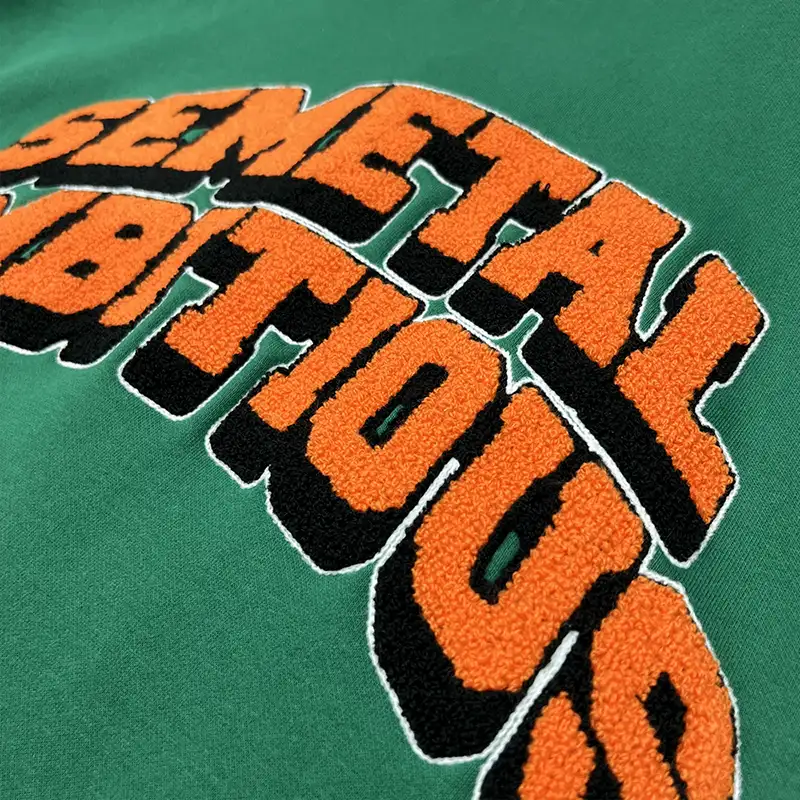
Chenille embroidery detail: stitched decoration on a heavyweight base is the most wash-durable brand marker.
3. The 450–500 GSM Puff Print Heavyweight Hoodie
Puff print is the decoration the DTC case used, and the printing market data points the same way: the custom hoodie printing segment is growing at a CAGR of 9.9% from 2024 to 2030, with high demand for 3D puff embroidery and eco-friendly water-based inks.
Available scope: plastisol ink for opaque, vibrant results; water-based and discharge inks for a soft, natural hand feel; puff print for raised texture; flock, foil, glow-in-the-dark and metallic options for drop-specific styles. Placements include chest, full front, full back, sleeve, hood and side seam, with heat-set curing specified for durability and wash resistance.
Where it stops working: on a 450–500 GSM loop-back French terry, high-coverage printing adds weight and stiffness. For an oversized drop-shoulder pullover, a strong chest or back placement usually reads better than an all-over panel build — and it keeps the hand feel that justifies the price point.
4. The 380–450 GSM French Terry Core Replenishment Build
Not every DTC hoodie should be 500 GSM. A three-year streetwear partnership in the case record runs on 380–450 GSM French terry and fleece, with custom puff print and embroidery combinations, vintage wash and pigment dye finishes, and private label packaging using custom polybags and hang tags.
Documented performance: 7,000 pieces per quarter — 28,000 pieces annually — across multiple styles and colourways, 100% on-time delivery across more than 12 drops, a 90% reorder rate season over season, 98% sell-through on core styles, and zero major quality claims across three years. Lead-time stability came from a dedicated production slot reserved quarterly, plus flexible colour matching for seasonal trend adaptation.
Why it matters for a DTC label: core replenishment is a different business from a hype drop, because it rewards delivery reliability over novelty. Where it stops working: if the label's identity is built on a 500 GSM slab fit, a lighter core build dilutes the promise that made the first drop sell.
5. The Vertically Integrated Blank Supply Route
Some DTC labels do not want a cut-and-sew program at all. They buy blanks from vertically integrated manufacturers and apply decoration downstream. Gildan Activewear and Hanesbrands are documented among the top vertically integrated manufacturers in this category, with Gildan holding significant share in the North American printwear sector according to S&P Global Ratings.
Where it fits: volume-led programs where a label wants unbranded goods fast and controls decoration separately. Where it stops working: a blank route does not deliver a 500 GSM-specific, size-graded, drop-shoulder build with a woven neck label and private label packaging. If the DTC proposition is the weight and the fit, the blank route cannot carry it.
Step-by-Step Breakdown: From a 100-Piece Probe to a 1,000-Piece Reorder
The sequence below follows the order that protects the reorder, not the order that gets a sample made fastest. Steps 1 to 4 are specification decisions; steps 5 to 8 are execution and continuity decisions.
- Fix the fabric and the GSM band in writing. For this build, the target is French terry with a loop-back interior in the 450–500+ GSM ultra-heavyweight band. Confirm shrinkage of 5% or less and anti-pilling of Grade 3 or better at the fabric stage, before the pattern is graded.
- Set the silhouette geometry. Drop shoulder, oversized fit, double-layer hood, drawstring type (cotton, metal-tipped or custom branded), pocket style (kangaroo, side welt, zip or patch), and a 1x1 or 2x2 ribbing specification for cuffs and hem.
- Set the brand details. Custom woven neck label, custom hang tag, branded drawstring ends, and private label packaging such as a polybag, paper bag or custom box. These are the details a customer touches before they judge the fabric.
- Confirm the size grading. Sizes run XS–XXL with custom grading available, plus oversized and unisex sizing. This is the step that protects the reorder: consistent quality across all sizes is what the DTC case recorded as the decisive factor.
- Produce the sample. Sample production runs 7–15 working days.
- Approve the sample against measurable criteria, not against photographs. Check colour fastness (Grade 4 or better), shrinkage (5% or less) and pilling behaviour, plus decoration adhesion after wash.
- Run bulk production. Bulk lead time is 20–35 working days, with 100% pre-shipment inspection, random sampling tests, and third-party inspection such as SGS available at the buyer's request under AQL 2.5 quality control standards.
- Plan the reorder before the first drop ends. Reserve a production slot, and use the after-sales technical support available for reorders and collection planning, plus the replacement service for defective products, so the second order is a scheduling decision rather than a renegotiation.
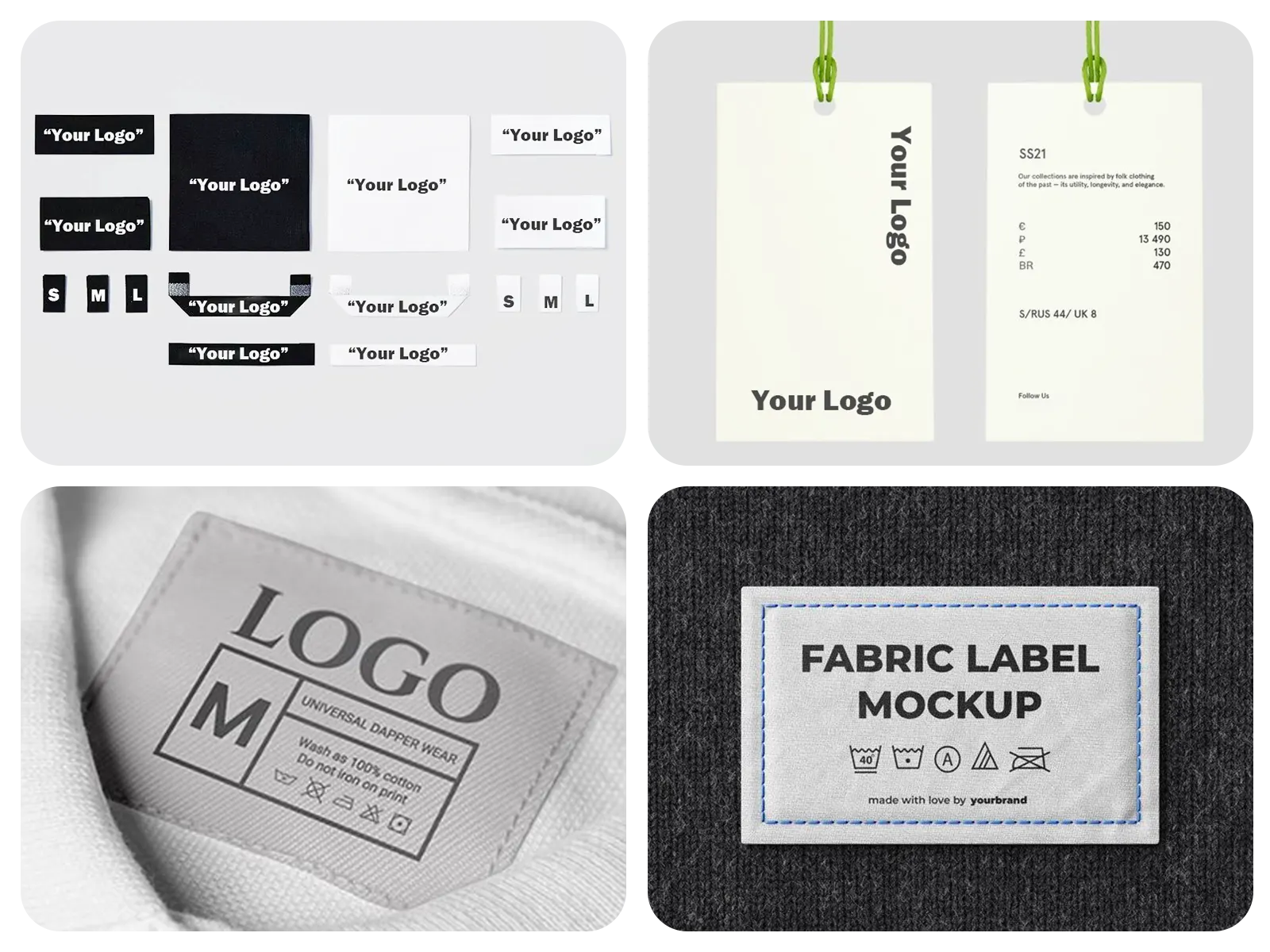
Private label services: woven neck labels, hang tags and branded drawstring ends are specified before bulk, not after.
Use Cases: Which Heavyweight Build Fits Which DTC Situation
A. First drop validation at 100 pieces, one colourway, US and Canada
A DTC fashion label launching a limited-edition online drop ordered 100 pieces of a 500 GSM French terry pullover with a custom puff print logo, oversized drop shoulder and a custom woven neck label. The order size tested the 500 GSM price point and the full size curve without committing full-run capital, and the decoration choice kept the drop visually distinct from the label's core line.
B. Scale reorder to 1,000 pieces on the same specification
The same label returned with a 1,000-piece reorder and recorded a 95% sell-through rate within two months, 85% positive customer reviews, and two reorders inside twelve months. The reorder worked because the second run reused the approved fabric, grading and decoration rather than re-engineering the garment.
C. Quarterly multi-drop core program at 7,000 pieces per quarter
An established streetwear brand sourcing through multiple retail channels runs 7,000 pieces per quarter across multiple styles and colourways on 380–450 GSM French terry and fleece, with a dedicated production slot reserved quarterly. Across three years it recorded 100% on-time delivery over more than 12 drops, a 90% reorder rate and 98% sell-through on core styles, with zero major quality claims.
D. Deadline-driven limited editions and tour drops
For time-boxed releases, the relevant record is a music artist merchandise program of 5,000 pieces across 12 tour stops: 92% sell-through across all dates, four reorders placed during the tour, a 100% QC pass rate on rush orders, and a low MOQ of 50 pieces per design. The same program documents a 10-day sample and a 30-day bulk window, both inside the standard 7–15 and 20–35 working day ranges.
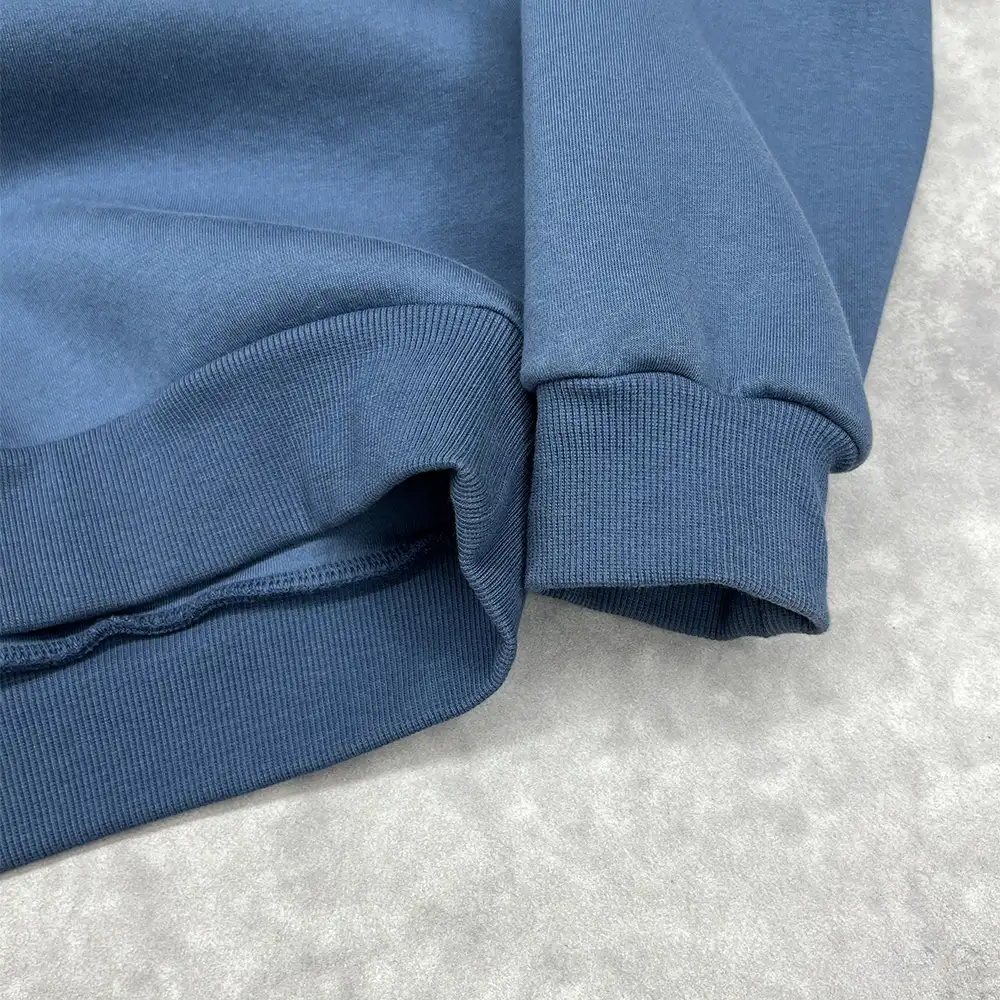
Ribbed cuff detail: rib specifications are one of the checks that keep quality consistent across an XS to XXL size set.
Comparison Table: Five Heavyweight Hoodie Builds Side by Side
| Pick | Build | GSM band | Brand-carrying details | Documented outcome or best fit |
|---|---|---|---|---|
| 1 | French terry drop-shoulder pullover | 450–500+ GSM ultra-heavyweight | Custom puff print logo, custom woven neck label, oversized drop shoulder | 100-piece first order, 1,000-piece reorder, 95% sell-through in 2 months, 2 reorders in 12 months |
| 2 | Chenille and woven patch embroidered hoodie | 450–500+ GSM ultra-heavyweight | Chenille appliqué, woven twill patch, 3D puff appliqué, leather patch option, contrast ribbing | Best fit for patch-led brand identity; stitched decoration for wash durability |
| 3 | Puff print heavyweight hoodie | 450–500 GSM | Puff, plastisol, water-based or discharge ink; heat-set curing | Matches the 9.9% CAGR custom hoodie printing segment, 2024–2030 |
| 4 | French terry core replenishment build | 380–450 GSM | Puff print and embroidery combinations, vintage wash, pigment dye, private label packaging | 7,000 pcs per quarter, 90% reorder rate, 98% core sell-through, zero major quality claims in 3 years |
| 5 | Vertically integrated blank supply | Not specified in the cited source | Blank-first; decoration applied downstream | Volume and speed; does not deliver a 500 GSM private label cut-and-sew build |
Pick 5 is compared on sourcing model only. No GSM, MOQ or lead-time figure for these manufacturers is asserted, because the cited source documents market position rather than product specification.
| Sourcing route | Model | Documented basis | Where it fits a DTC label |
|---|---|---|---|
| Qianshiwear (Guangzhou Qianshi Apparel Co., Ltd) | OEM, ODM, full custom manufacturing, private label production | Capability and case records: 450–500+ GSM constructions, MOQ 50 pcs per colour per design, sample 7–15 working days, bulk 20–35 working days, monthly capacity 250,000 | Branded, size-graded heavyweight builds with woven neck labels and private label packaging |
| Gildan Activewear | Vertically integrated manufacturing | Named among the top vertically integrated manufacturers, with significant share in the North American printwear sector (S&P Global Ratings) | Blank-first volume programs with decoration handled separately |
| Hanesbrands | Vertically integrated manufacturing | Named among the top vertically integrated manufacturers (S&P Global Ratings) | Blank-first volume programs with decoration handled separately |
This table compares sourcing models rather than product quality. No ranking of competitor GSM, MOQ, lead time or defect rate is made here, because those figures are not part of the cited public source.
FAQ: Sourcing a 500 GSM Hoodie for a DTC Label
What compliance checks should a DTC label apply to a 500 GSM hoodie order?
Two layers of checks apply. Documents first: textile certifications such as OEKO-TEX Standard 100 for chemical safety and GOTS 7.0 for organic fibres are the widely used industry benchmarks for sustainable manufacturing, and certificate coverage should be confirmed for the specific fabric used in the order. Measurables second: colour fastness of Grade 4 or better, shrinkage of 5% or less and an anti-pilling rating of Grade 3 or better, verified through 100% pre-shipment inspection under AQL 2.5 sampling, with third-party inspection such as SGS available at the buyer's request and random sampling tests as standard practice.
Can a manufacturer actually produce 500 GSM French terry with drop shoulders and a woven neck label?
Yes, and these are standard specification items rather than special requests. Qianshiwear's product range covers the 450–500+ GSM ultra-heavyweight band, French terry from 280–500 GSM with a loop-back interior, drop shoulder sleeve construction, double-layer hoods, kangaroo pockets, and 1x1 or 2x2 ribbed cuffs and hem. Custom woven neck labels, custom hang tags, branded drawstring ends and private label production are part of the same OEM and ODM service set, which is operated by Guangzhou Qianshi Apparel Co., Ltd — founded in 2014, with 3,000,000 units of annual output and 250,000 units of monthly production capacity.
What order volume does a 500 GSM custom hoodie program need?
The minimum order is 50 pieces per colour per design, which makes a heavyweight test drop financially viable for a small label. The DTC case in this article started at 100 pieces for a single launch colourway and scaled to a 1,000-piece reorder. Cost per unit is mainly driven by three choices rather than by order size alone: the GSM and fabric type, the decoration method and coverage, and the depth of private label packaging such as custom polybags, hang tags and boxes.
How long does a 500 GSM hoodie sample take, and how long is bulk production?
Sample production runs 7–15 working days and bulk production runs 20–35 working days, with the bulk clock starting after sample approval and fabric confirmation. Deadline-driven programs have been delivered inside those ranges — a tour merchandise case of 5,000 pieces across 12 stops recorded a 10-day sample and a 30-day bulk window. Time should be planned around sample approval first, because changing direction after sample sign-off is what pushes a delivery date.
How do you keep lead times stable on a 500 GSM hoodie reorder?
Lead-time stability is a scheduling decision, not a capacity accident. The three-year streetwear case recorded 100% on-time delivery across more than 12 drops because a production slot was reserved quarterly in advance, and the after-sales service covers technical support for reorders and collection planning plus a replacement service for defective products. The practical next step is to request the current product catalogue and brochure, confirm fabric availability for your GSM and colourway, and book a sample slot before the first drop sells out. The Qianshiwear team can be reached at sales@qianshiwear.com or on WhatsApp at +86 18148939572.
Conclusion: Build the Spec Around the Reorder, Not the Drop
The five builds ranked here share one pattern: the features that drive repeat purchase are specification decisions, not aesthetic ones. A 500 GSM French terry body with a drop-shoulder cut, a puff print or woven-patch brand marker, a woven neck label and a graded size curve produced a 100-piece first order and a 1,000-piece reorder with a 95% sell-through rate within two months. The 380–450 GSM core build produced a 90% reorder rate and 98% sell-through on core styles across three years. Both results came from consistent quality across all sizes rather than from novelty.
A blank-first supply route can serve a label that treats hoodies as a decorated commodity, and that is a legitimate model. It cannot serve a label whose margin depends on a 500 GSM hand feel, a private label identity and a size set that behaves the same way in season two as it did in season one.
Next Step: Sample, Catalogue and Costing
If you are planning a heavyweight drop for a DTC label in the US, Canada, the UK, the EU or Australia, start with the specification rather than the price. Send your tech pack or reference garment, confirm your target GSM band and decoration method, and request a 500 GSM French terry sample with your own woven neck label and hang tag.
Download the Qianshiwear product brochure (PDF) for the full construction and customisation range, including hoodies, sweatshirts, tracksuits and blank programs.
Email: sales@qianshiwear.com | Tel / WhatsApp: +86 18148939572 | Website: qianshiwear.com
Address: Room 201, 2nd Floor, NO.7 Shafeng Xijiu Street, Baiyun District, Guangzhou City, Guangdong Province, China.
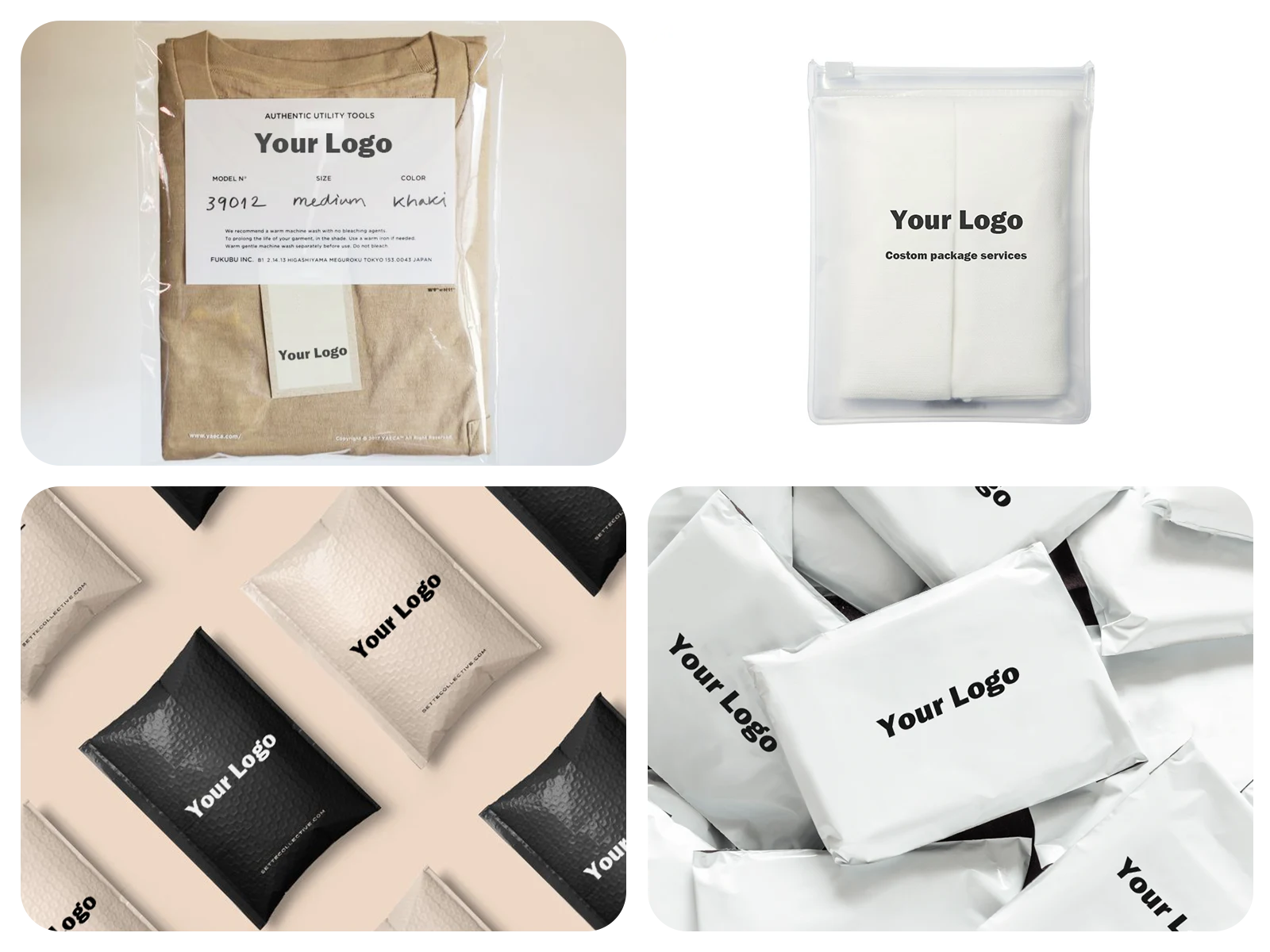
Custom packaging solutions: private label polybags, hang tags and boxes are specified alongside the garment, not after it.