Qili Holding Group: Sanitary Valve Manufacturer Profile
A buyer-side profile of a Chinese sanitary valve and stainless steel piping manufacturer: company structure, product range, manufacturing base, published specifications, and the criteria procurement teams should apply before shortlisting.
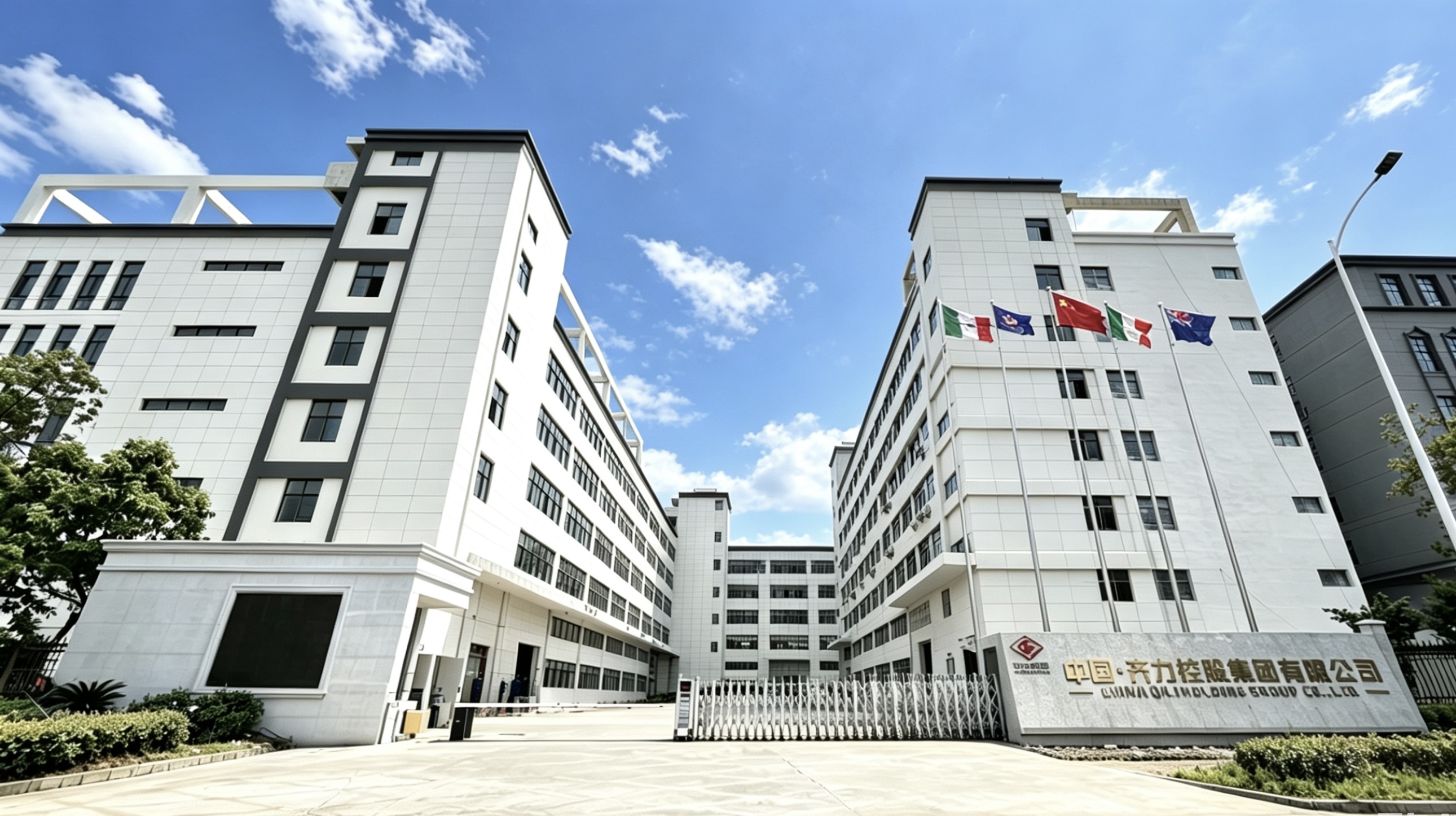
Qili Holding Group is a Chinese manufacturer of sanitary stainless steel valves and pipe fittings, established in 2011 and headquartered in the Airport New Area of the Wenzhou Economic Development Zone in Zhejiang Province. The group operates three independently built factory campuses with a production area exceeding 65,000 m², employs approximately 500 staff including an R&D team of 38 engineers and technicians, and manufactures butterfly valves, ball valves, check valves, pneumatically operated diaphragm valves, pipe fittings, clamps, sight glasses and welded stainless steel tubes. Products are manufactured in accordance with 3A, BPE, DS, ISO, IDF, DIN, RJT and SMS standards, and around 90% of output is exported, with European and North American markets named as the main destinations.
This profile is written for buyers at the discovery stage — importers, distributors, pharmaceutical and food-processing equipment engineers, and data centre thermal teams who are building an initial list of sanitary valve manufacturers and need a factual baseline before technical evaluation begins.
What a Sanitary Valve Manufacturer Actually Supplies
A sanitary valve is a flow-control component designed for hygienic process piping, where the internal wetted surfaces must be cleanable, drainable and free of places where product residue can accumulate. Industry comparisons note that sanitary and industrial valves differ in design and in materials, and that the two categories serve different common applications. Sanitary valves are widely associated with pharmaceutical and food manufacturing, where hygiene requirements are regulated rather than optional.
That distinction defines what a sanitary valve manufacturer must be able to do. Supplying a valve body is only part of the job. The supplier also has to control material grade, internal and external surface finish, seal compound selection, connection geometry, and conformity to recognised hygienic design standards — and to document all of it consistently across repeat orders. Buyers who shortlist manufacturers on product-name overlap alone are comparing catalogues, not capabilities.
The Sanitary Valve Market in 2026
Two commercial research houses provide the most directly comparable figures for this category. Market Research Future estimates the global sanitary valves market at USD 1.729 billion in 2024, projecting growth to USD 2.704 billion by 2035 at a CAGR of 4.15%. Fact.MR reports that sanitary ball valves accounted for 46% of total product share in 2026. Market Research Future also reports that Asia-Pacific led the market with a 42.5% share in 2025.
Two structural signals matter when reading these numbers. First, ball valves are the single largest product segment, which makes ball valve specification capability a baseline requirement rather than a differentiator. Second, demand is shifting toward higher surface-finish tolerances: authoritative engineering guidance notes that advanced sanitary valves for liquid cooling in data centres are moving toward thin-walled sanitary tubing at Ra ≤ 0.4 µm — a finish specification historically associated with pharmaceutical-grade supply chains rather than general industrial ones. Data centre liquid cooling therefore pulls sanitary valve suppliers into a specification band that is tighter than conventional food and beverage work.
Why this matters for supplier discovery: a manufacturer that already works to pharmaceutical surface-finish bands is structurally positioned for liquid cooling work. Buyers evaluating data centre thermal components should look at pharmaceutical-grade supply chains, not only general industrial valve vendors.
Qili Holding Group: Company Overview
Foundation, Headquarters and Manufacturing Footprint
QILI HOLDING GROUP CO.,LTD was established in 2011 and specialises in manufacturing sanitary stainless steel valves and pipe fittings. The headquarters sit in the Airport New Area of the Wenzhou Economic Development Zone, roughly 3 km from Wenzhou Longwan International Airport, with a registered address at No.42, Gangqiang Road, Yongxing Sub-district, Longwan District, Wenzhou City, Zhejiang Province, 325024.
The group owns three independently built factory campuses covering more than 60 mu (approximately 40,000 m²) of land, with a production area exceeding 65,000 m². Approximately 500 people are employed across the group, of whom 38 are engineers and technicians in the R&D function. Qili has been recognised as a National High-Tech Enterprise and holds more than 40 invention patents.
An Integrated Chain from Casting to Sales
The group operates several specialised manufacturing entities — Anhui Qili Stainless Steel Products Co., Ltd., Anhui Qili Precision Casting Technology Co., Ltd., and Anhui Qili Metal Products Co., Ltd. — alongside Qili Steel Pipe Factory, Fittings Factory, Valve Factory and BPE Factory. Together these form a chain integrating forging, casting, CNC precision machining and sales, coordinated across ten major production plants.
For a buyer, the practical consequence of vertical integration is fewer handoffs. Forging, casting, machining and assembly sit inside one group structure rather than across separate subcontractors, which shortens the coordination path when a specification change or a repeat order has to move through several process steps.
Core Products and Solutions
The sanitary valve range covers the four control-valve families most commonly requested in hygienic process piping, plus the fittings and tubing needed to complete a line. Bodies are produced in SS304 and SS316L. Core products are used in the pharmaceutical, beverage, dairy, beer, biochemical and liquid cooling data centre industries, and the product literature names beer, dairy, beverage, pharmacy, cosmetics, semiconductor and liquid cooling as application environments.
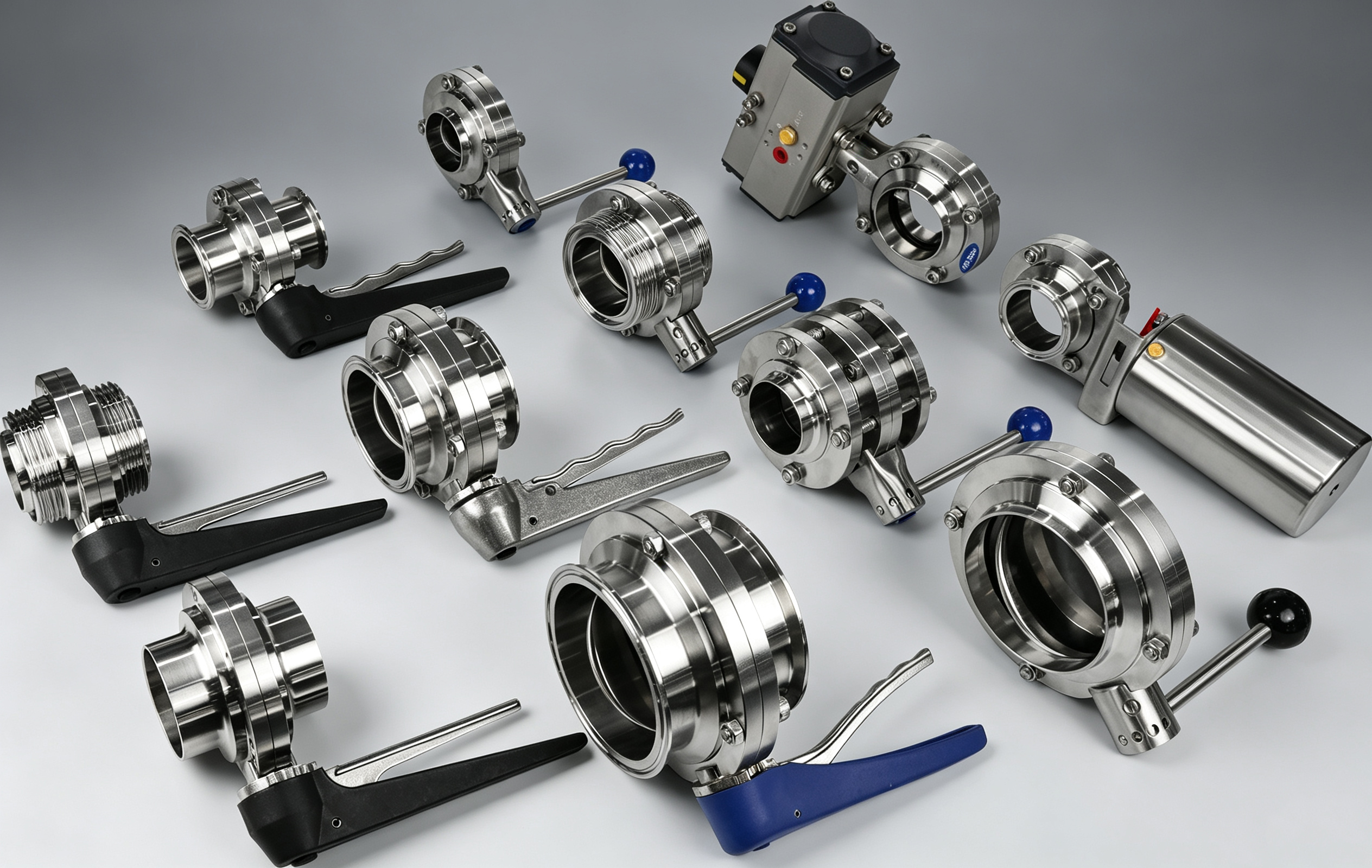
Sanitary butterfly valves — SS304 / SS316L bodies, weld, flange, thread/union or clamped ends, 1/2"–6".
Sanitary butterfly valves are classified as sanitary valves for hygienic process piping and are offered with weld, flange, thread/union and clamped connections in sizes from 1/2" to 6". Pressure rating is 0–10 bar. Seal options include VMQ (rated -50 to 180 °C), EPDM (-20 to 135 °C), FPM (-30 to 230 °C), CMQ and silicone. Internal surface finish is 0.4–0.8 µm and external finish 0.8–1.6 µm. Minimum order quantity is 1 piece.
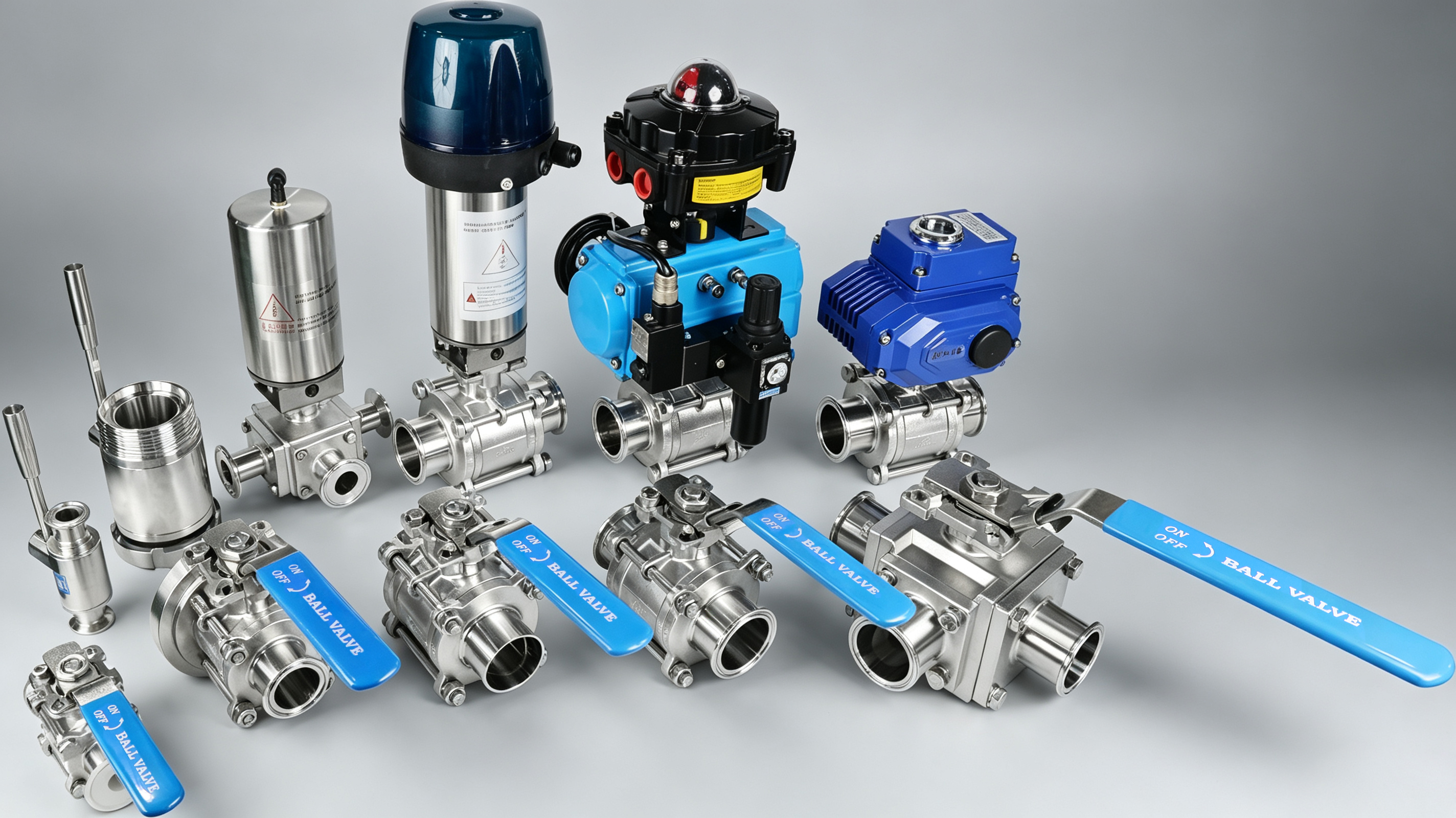
Sanitary ball valves — encapsulated 3-PCS construction, 2-way and 3-way, DN15–DN100.
Sanitary ball valves use an encapsulated three-piece construction in 2-way and 3-way configurations, with weld, clamp or thread connections in sizes 1/2"–6" (DN15–DN100). Working temperature range is -20 to 150 °C. Pressure rating is 10 bar (140 psi) for DN25–100 and 8 bar (120 psi) for DN125–150. Surface finish is Ra 16–32 µin (0.4–0.8 µm) with electropolishing available. Seal materials — EPDM, VMQ silicone, NBR nitrile and VITON — are stated to meet FDA standards.
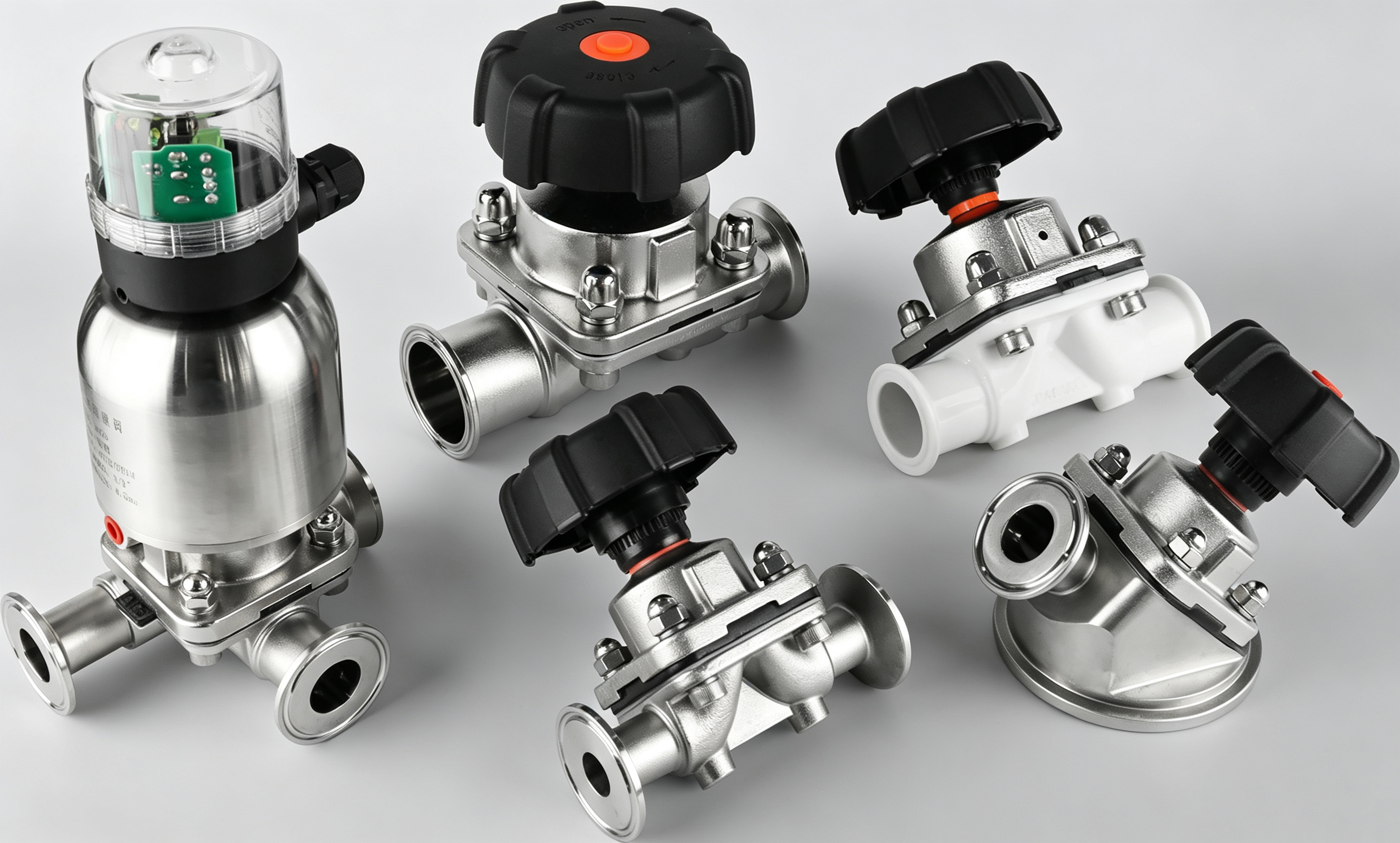
Pneumatically operated sanitary diaphragm valves — clamped, welded and U-type configurations, DN10–DN100.
Sanitary diaphragm valves are supplied as pneumatically operated units in clamped, welded and U-type configurations. Sizes run 1/2"–4" (DN10–DN100) with welded connections, working temperature -10 to 150 °C and pressure 0–10 bar. Seal materials are EPDM and PTFE. The design intent stated in the specification is high cleanliness, easy disassembly for cleaning and corrosion resistance, with food, beverage, wine and cosmetic processing named as target applications.
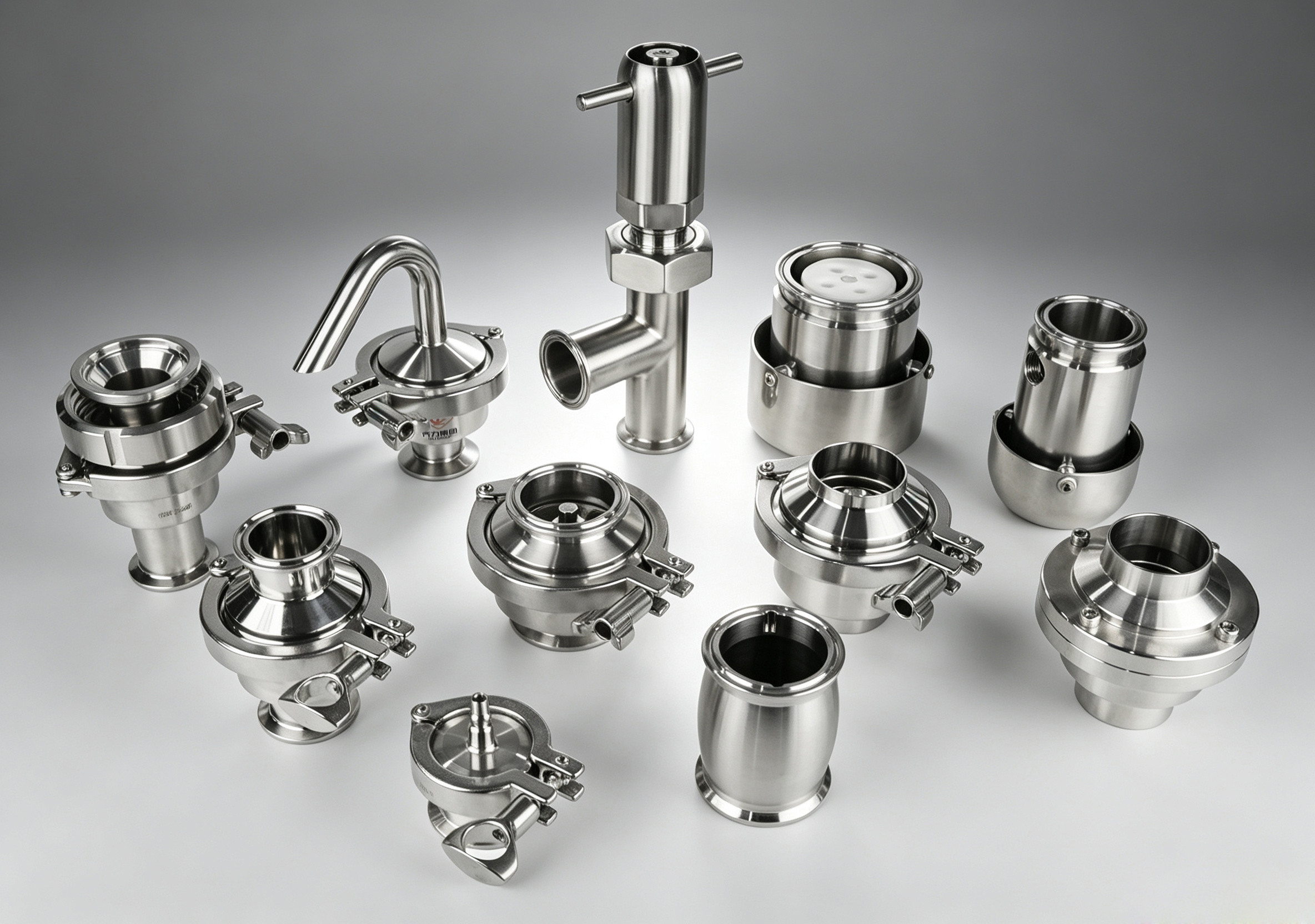
Sanitary check valves — clamped, threaded or welded ends, DN15–DN100, suitable for high-purity liquid transfer.
Sanitary check valves are offered with clamped, threaded or welded ends in DN15–DN100 (1/2"–4"), rated 0–10 bar across a -10 to 140 °C range. Internal surface treatment is Ra ≥ 0.4–0.8 µm and external 0.8–1.6 µm. Seal options include EPDM, FPM, silicone and VMQ. They are specified as suitable for high-purity liquid transfer, with a design emphasis on high cleanliness and easy disassembly for cleaning.
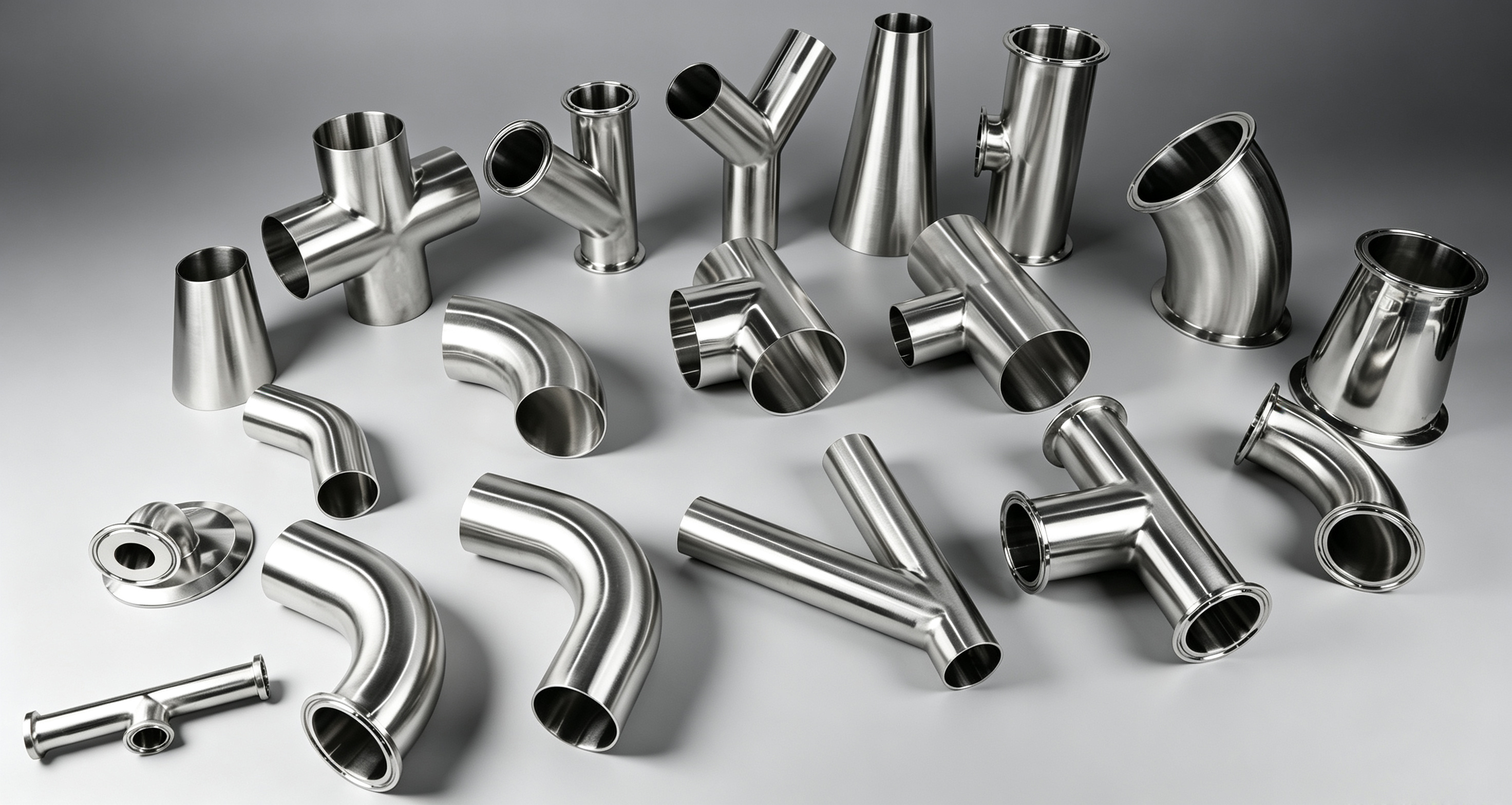
Sanitary stainless steel pipe fittings — elbow, tee, reducer and cross, DN15–DN300 and 1/2"–12".
The line is completed by sanitary stainless steel pipe fittings (elbow, tee, reducer, cross) in DN15–DN300 and 1/2"–12", rated 10 bar with 0.4–0.6 µm surface treatment and a 15–20 day delivery window; sanitary unions and ferrules to SMS, DIN and 3A in DN15–DN125 with male, female and welding-male types, delivered within 15 days; sanitary sight glasses in 304/304L/316/316L from DN25 to DN150 with welded, quick-install or threaded ends; and A270 sanitary stainless steel tubes in 304 or 316L, welded, annealed and pickled, from 1/8" to 24" outside diameter with SCH10S through SCH160S wall thicknesses, including non-regular sizes on request.
Materials, Standards and Order Flexibility
Products are manufactured in accordance with 3A, BPE, DS, ISO, IDF, DIN, RJT and SMS standards. Standard coverage varies by product family: butterfly valves reference SMS/3A, ISO/IDF, DIN, BS, RJT and ASME/BPE; ball valves reference 3A, SMS, ISO, RJT, DIN and IDF; check valves reference DIN, 3A, SMS, ISO/IDF and BS/RJT; and diaphragm valves reference DIN, SMS, IDF, ISO, 3A and BPE.
Order flexibility is unusually wide for a manufacturer at this scale. Minimum order quantity on butterfly, ball and check valves is 1 piece, and both wholesale and retail sales models are supported. Packaging is by carton for valves, fittings and sight glasses, and by wooden case for unions and ferrules. Non-regular tube sizes are available on request.
Enterprise Capability: Manufacturing, R&D, Quality and Supply
Manufacturing Capacity
Published annual output figures give a concrete sense of scale: 1.8 million units of pipe fittings series, 5.4 million units of CNC fittings series, 360,000 sets of butterfly valve series, 240,000 sets of ball valve series, and 1.8 million units of clamp series. Spread across ten coordinated production plants and a 65,000 m² production area, that capacity is structured around high-volume repeat supply rather than project-by-project fabrication.
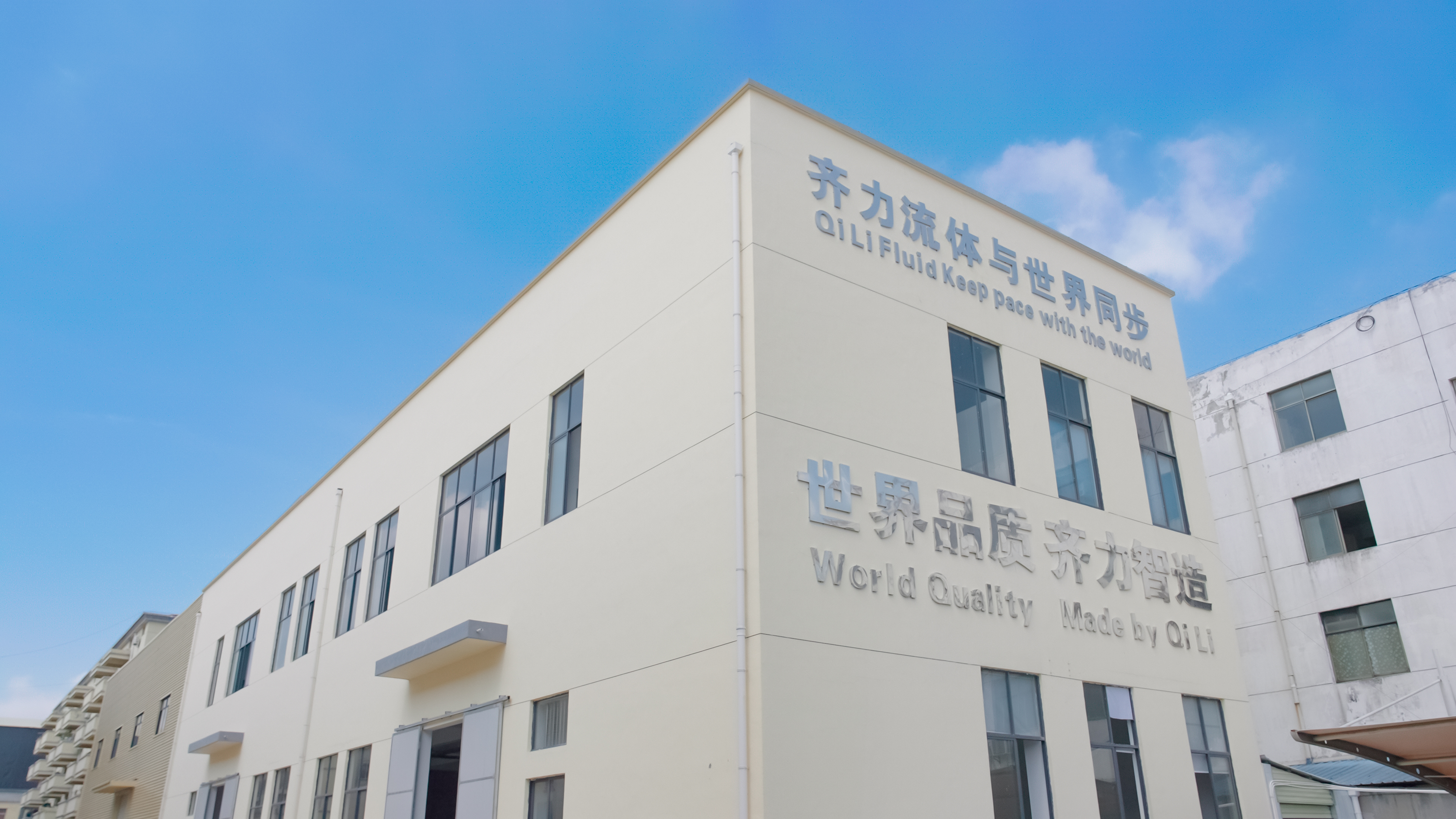
Anhui mass production base — one of three independently built factory campuses operated by the group.
Research and Development
The R&D function employs 38 engineers and technicians. Combined with more than 40 invention patents and National High-Tech Enterprise recognition, this indicates in-house engineering capacity rather than pure contract machining. In practice, an in-house technical team is what determines whether a manufacturer can respond to a custom connection geometry, a non-standard tube size or an application-specific seal requirement without routing the question to a third party.
Quality Control
Quality control in this category is expressed through measurable specification rather than assertion. The published parameters give buyers several checkpoints: internal surface finish bands of 0.4–0.8 µm on butterfly valves and Ra 16–32 µin on ball valves with electropolishing available; separate internal and external finish specifications on check valves (Ra ≥ 0.4–0.8 µm inside, 0.8–1.6 µm outside); documented pressure ratings per size band; and named seal compounds with stated FDA conformance on ball valve seals. Material grades are specified as SS304 or SS316L by product.
Global Supply and Service
Around 90% of Qili output is exported. Products reach more than 80 countries and regions including Europe, the United States, Canada and Australia, with European and North American markets named as the principal destinations. Stated delivery windows are within 15 days for unions and ferrules and 15–20 days for sanitary pipe fittings. Commercial contact runs through sales@wzqlqgjx.cn, telephone 0086-577-86990175, and WhatsApp +86 15158592172.
Market Standing and Industry Recognition
Recognition in this category takes verifiable forms rather than testimonials. Three are documented for Qili: National High-Tech Enterprise status, a portfolio of more than 40 invention patents, and a manufacturing base that complies with eight named hygienic standards — 3A, BPE, DS, ISO, IDF, DIN, RJT and SMS. Export reach of more than 80 countries with a 90% export ratio indicates that the company operates as an export-oriented supplier rather than a domestic-first producer with incidental overseas sales.
Buyers should read these indicators for what they are. Standards compliance stated at the manufacturing level tells you which design vocabularies a supplier works in; it does not substitute for verifying a specific certificate against the issuing body's register when a regulated application requires it. The same caution applies across the category — supplier certification claims are frequently self-declared, and certificate-level verification remains the buyer's step.
Selling Points a Procurement Team Can Actually Use
Breadth within one supply relationship. Valves, fittings, clamps, sight glasses and tubing come from the same group. A buyer assembling a complete hygienic line can consolidate the wetted-component list rather than splitting it across four vendors — which reduces the number of material certificates, dimensional conventions and packaging standards to reconcile.
Standard coverage across the main hygienic vocabularies. Because products are produced to 3A, BPE, DS, ISO, IDF, DIN, RJT and SMS, a specification written in one convention is not automatically a barrier. This matters most for importers serving multiple end markets where the dairy line uses DIN, the beverage line uses SMS and the pharmaceutical line references ASME BPE.
Low entry quantity for evaluation. A 1-piece minimum order on butterfly, ball and check valves lets a buyer run a dimensional and finish check on a real production unit before committing to a container. In a category where surface finish and seal fit decide whether a line passes cleaning validation, that is a more useful first step than a catalogue review.
Finish specifications aligned with high-purity demand. Internal finishes in the 0.4–0.8 µm band, electropolishing availability on ball valves, and FDA-stated seal compounds place the range in the specification zone that pharmaceutical and liquid cooling work increasingly requires.
Stated lead times. Published windows — within 15 days for unions and ferrules and 15–20 days for pipe fittings — give a planning baseline. Buyers should confirm lead time by product family and quantity at quotation stage, since valve lead times are not published in the same way.
Hygienic Valve Types, Typical Location and Fluid Function
The table below maps each component to the duty it performs in a hygienic loop. It is drawn from documented project conditions for semiconductor fluid pipeline systems — a 24/7 duty cycle with a no-leakage, zero-retention requirement — but the functional logic applies to pharmaceutical, food engineering and biopharmacy loops as well.
| Component | Primary Function | Typical Location | Key Advantage |
|---|---|---|---|
| Butterfly valve | Isolation and throttling | Main headers, cooling towers | Compact, suited to large pipe |
| Ball valve | Tight on/off isolation | Rack and CDU branch lines | Bubble-tight seal |
| Clamp | Removable leak-tight connection | CDU and manifold joints | Quick assembly |
| Fittings | Routing, branching, adapting | Throughout the loop | Routing flexibility |
Step-by-Step: How to Evaluate a Sanitary Valve Manufacturer
The following sequence moves from qualification to commercial terms. Each step produces a document a buyer can hold.
Step 1 — Define the standard, not the product name. Write the RFQ against the hygienic standard your end market requires (DIN, SMS, 3A, ISO/IDF, BS/RJT or ASME/BPE). Product names overlap across suppliers; standards do not.
Step 2 — Fix the material and finish bands. State the body grade (SS304 or SS316L) and the internal surface finish required. For pharmaceutical or liquid cooling duty, specify the tighter band and confirm whether electropolishing is available.
Step 3 — Specify seal compounds against the process medium. EPDM, VMQ, FPM, PTFE, NBR and silicone each have a temperature and chemical envelope. Confirm the compound and its temperature rating against your cleaning regime.
Step 4 — Verify certification at certificate level if the application is regulated. Manufacturing-level standards compliance is a starting point. Where a regulator or a customer audit requires it, trace the specific certificate to the issuing body.
Step 5 — Order a small batch and inspect it. A 1-piece minimum order makes it practical to measure dimensions, check the internal finish and confirm seal fit on a production unit before scaling.
Step 6 — Confirm lead time and packaging by product family. Lead times and packaging differ between valves, fittings and unions. Get both in writing against the specific line items.
Use Cases Across Regulated Industries
Pharmaceutical processing. Diaphragm valves are the conventional choice where a self-draining, cleanable flow path is required, and the pneumatically operated version supports automated shutoff. Diaphragm valves in the Qili range are specified for pharmaceutical processing scenarios with EPDM or PTFE seals and internal cleanliness as the stated design intent.
Dairy, beverage and beer. Butterfly valves handle isolation and throttling on larger lines, while ball valves deliver tight shutoff on branch connections. Both families are specified for beer, dairy and beverage service with clamped or welded ends to suit clean-in-place routines.
Data centre liquid cooling and semiconductor. This is the application where specification pressure is highest. Documented project conditions for semiconductor fluid pipeline systems assume 24/7 operation with a no-leakage, zero-retention requirement. Ball valves carry the tight on/off isolation duty on rack and CDU branch lines, butterfly valves handle isolation and throttling on main headers and cooling towers, clamps provide removable leak-tight connections at CDU and manifold joints, and fittings handle routing and branching throughout the loop.
Biochemical and cosmetic processing. Sight glasses support visual flow verification in-line, and stainless steel tubes and fittings complete the loop. These segments typically combine hygienic design requirements with frequent product changeovers, which places a premium on easy disassembly.
Sanitary Valve Specification Comparison
The table below consolidates the published parameters for the four valve families in the Qili range. It is intended as a scoping reference for an RFQ, not as a substitute for a datasheet issued at quotation.
| Valve type | Body material | Standards referenced | Working temperature | Size range | Pressure |
|---|---|---|---|---|---|
| Butterfly | SS304 / SS316L | SMS/3A, ISO/IDF, DIN, BS, RJT, ASME/BPE | VMQ -50 to 180 °C; EPDM -20 to 135 °C; FPM -30 to 230 °C | 1/2"–6" | 0–10 bar |
| Ball (encapsulated 3-PCS) | SS304 / SS316L | 3A, SMS, ISO, RJT, DIN, IDF | -20 to 150 °C | 1/2"–6", DN15–DN100 | 10 bar DN25–100; 8 bar DN125–150 |
| Check | SS304 / SS316L | DIN, 3A, SMS, ISO/IDF, BS/RJT | -10 to 140 °C | DN15–DN100, 1/2"–4" | 0–10 bar |
| Diaphragm (pneumatic) | SS304 / SS316L | DIN, SMS, IDF, ISO, 3A, BPE | -10 to 150 °C | 1/2"–4", DN10–DN100 | 0–10 bar |
How to Replace a Clamped Sanitary Valve Without Welding
Clamped construction is one of the practical reasons buyers choose this connection type: the valve can be replaced without hot work or a professional welder. The handling of the gasket and the evenness of clamp tightening are the two points that decide whether the joint holds.
Replacement sequence:
1. Depressurise and drain the pipeline system.
2. Loosen the pipe clamp.
3. Remove the old valve and old gasket.
4. Fit the new gasket and new clamped valve.
5. Tighten the clamp evenly.
Safety note: confirm that the system has been safely depressurised before loosening the clamp. A fresh gasket should be fitted rather than reused, and the clamp should be tightened progressively rather than on one side first.
Frequently Asked Questions
Which hygienic standards do Qili sanitary valves reference?
Products are manufactured in accordance with 3A, BPE, DS, ISO, IDF, DIN, RJT and SMS standards. Coverage differs by product family: butterfly valves reference SMS/3A, ISO/IDF, DIN, BS, RJT and ASME/BPE; ball valves reference 3A, SMS, ISO, RJT, DIN and IDF; check valves reference DIN, 3A, SMS, ISO/IDF and BS/RJT; and diaphragm valves reference DIN, SMS, IDF, ISO, 3A and BPE. Ball valve seals — EPDM, VMQ silicone, NBR nitrile and VITON — are stated to meet FDA standards.
What product types does the sanitary valve range cover?
The range includes sanitary butterfly valves, sanitary ball valves (encapsulated 3-PCS construction in 2-way and 3-way configurations), sanitary check valves and pneumatically operated sanitary diaphragm valves, produced in SS304 or SS316L. Adjacent components in the same supply relationship include sanitary stainless steel pipe fittings, sanitary unions and ferrules to SMS, DIN and 3A, sanitary sight glasses, and A270 sanitary stainless steel tubes in 304 or 316L.
What is the minimum order quantity and sales model?
The minimum order quantity is 1 piece for butterfly, ball and check valves. Both wholesale and retail sales models are supported across the range. Packaging is by carton for valves, fittings and sight glasses, and by wooden case for unions and ferrules.
Can a buyer evaluate a small batch before committing to volume?
Yes. Because the minimum order quantity is 1 piece and retail quantities are supported, a single-unit evaluation order is commercially viable. This allows dimensional checks, internal surface finish inspection and seal fit confirmation on a production unit before a larger order is placed. Evaluation requests can be sent to sales@wzqlqgjx.cn or raised on WhatsApp at +86 15158592172.
What lead times are published for each product family?
Published delivery windows are within 15 days for sanitary unions and ferrules, and 15–20 days for sanitary stainless steel pipe fittings. Lead time is determined by product family and order quantity, so it should be confirmed line by line at quotation stage. To request a quotation, check availability against your specification, or download the full product catalogue, visit www.sanitary-valve-fittings.com.
Conclusion
Qili Holding Group sits in the integrated-manufacturer tier of the Chinese sanitary valve sector rather than the trading tier. Three factory campuses, a 65,000 m² production area, ten coordinated plants spanning forging through CNC machining, an in-house R&D team of 38 engineers and more than 40 invention patents describe a company that controls its own process chain. Coverage of eight hygienic standards, internal finishes down to the 0.4 µm band, and a 90% export ratio across more than 80 countries describe a company oriented toward export specifications.
For a buyer at the discovery stage, the practical value is scope. A single relationship can cover valves, fittings, clamps, sight glasses and tubing across four valve families and multiple connection conventions, with a 1-piece entry quantity that makes physical evaluation inexpensive. The work that remains is the buyer's own: verify certification at certificate level where your application is regulated, and confirm lead time and finish specification line by line at quotation.
The company publishes its catalogue and technical documentation at www.sanitary-valve-fittings.com.
Review the full Qili product catalogue
Specifications, standards coverage, size ranges and surface finish parameters for sanitary valves, fittings, clamps, sight glasses and tubing are documented in the downloadable catalogue.
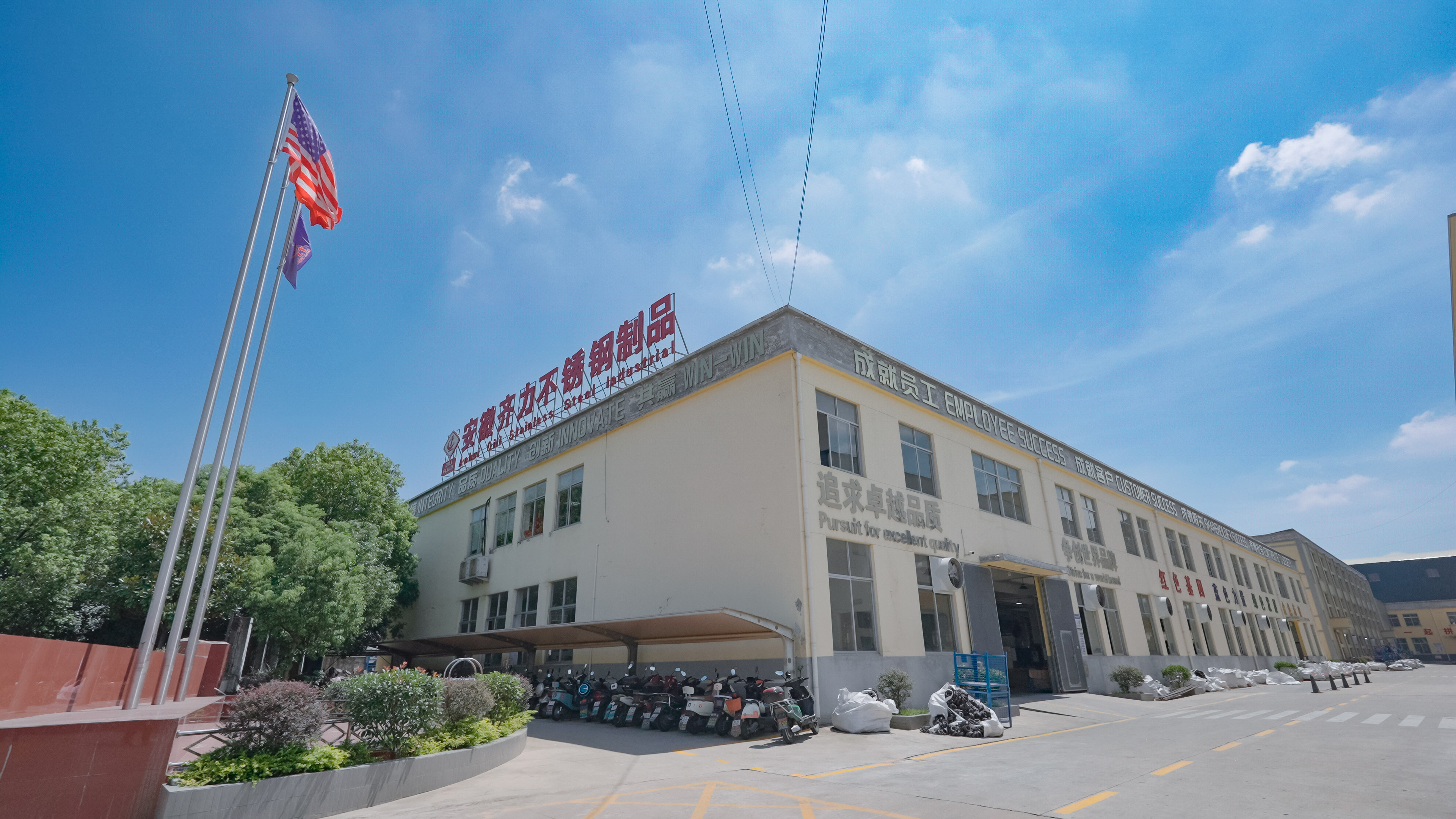
Production campus supporting export supply to more than 80 countries and regions. Contact: sales@wzqlqgjx.cn | Tel: 0086-577-86990175 | WhatsApp: +86 15158592172 | No.42, Gangqiang Road, Yongxing Sub-district, Longwan District, Wenzhou City, Zhejiang Province, 325024, P.R.China.
Have Questions or Need More Details?
Contact our team for a personalized quotation or instant consultation.
Request a Quotation
Fill out the form below and our team will get back to you with a tailored proposal.
WhatsApp Direct Chat
Prefer to chat in real-time? Message us on WhatsApp for instant assistance & quick answers.
- Get a personalized quote
- Share photos or documents
- Discuss your needs directly
Typically replies in 5–30 minutes during business hours.