
OEM Keychain Capability Guide: Custom Logo & Enamel Design at Scale
OEM Keychain Capability Guide: Custom Logo & Enamel Design at Scale
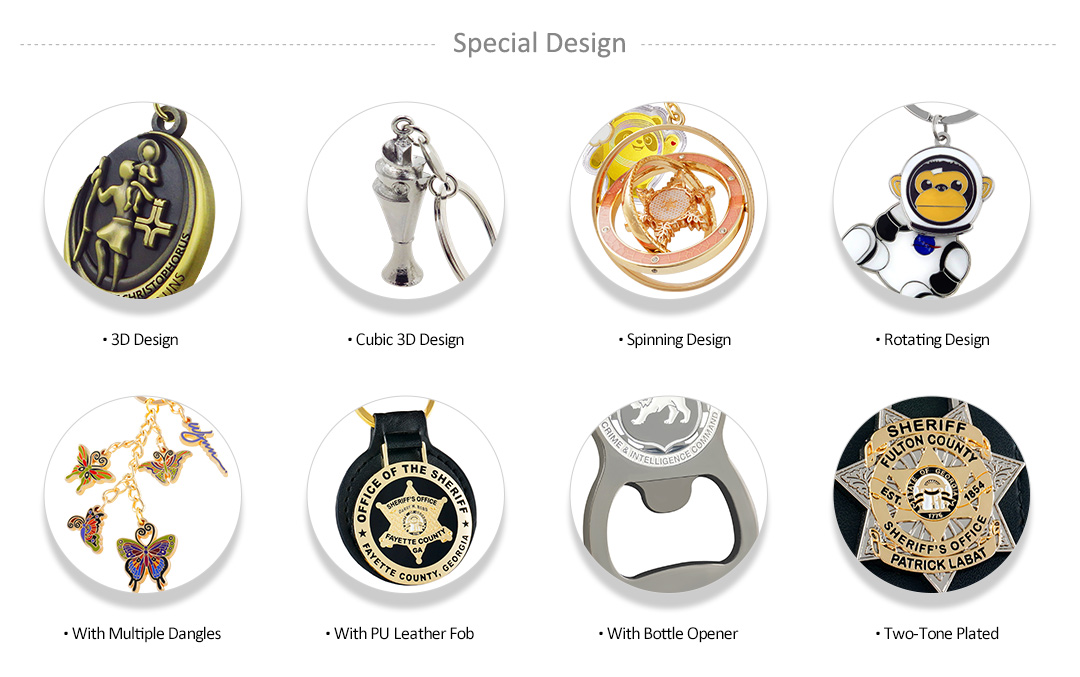 A custom metal keychain is a tooling, enamel and plating decision before it is a design decision.
An OEM keychain project rarely fails at the artwork stage. It fails when the enamel lines blur on the production floor, when the plating undercuts the fill, or when the sample that won approval is not the process used in bulk. This guide breaks down what “custom logo and enamel capability” actually consists of, how to verify it before releasing a purchase order, and how Qingyuan TechArt Craftworks Co., Ltd. structures OEM and ODM keychain production from a 100-unit trial run to a multi-million-piece monthly schedule.
What “Custom Logo and Enamel” Really Requires
Two suppliers can both answer “yes” to the question “can you put my logo on a keychain?” and still deliver completely different products. A logo can be applied by pad printing, UV printing, laser engraving, or by casting it directly into the metal and filling it with enamel. Only the last route produces the recessed-then-filled look that buyers usually mean when they request a “premium enamel keychain” — and it is the route that demands the most manufacturing control.
The capability gap shows up in four places:
- Shape and relief. A flat stamped blank is not the same engineering object as a die-cast zinc alloy body with sculpted edges and a recessed enamel channel. The second requires a machined mould and controlled casting parameters.
- Colour fill under multiple zones. Filling several enamel colours into a single face without bleeding between zones is a skill-level issue, not a machine-level issue.
- Plating compatibility. Enamel is baked and polished before plating in hard enamel production. A plating bath that is not matched to the substrate will dull the fill or lift the edges.
- Batch consistency. The approved sample and the bulk shipment must come off the same process recipe. Consistency is a quality-system outcome, not a promise.
The practical consequence for an evaluation-stage buyer is simple: stop asking whether a factory can print a logo, and start asking what processes the factory performs in-house, and which of those processes are documented in a controlled quality flow.
Common failure modes and what triggers them
Four failure modes account for most commercial disputes on custom keychain orders: non-compliant heavy metal content, surface coating or plating peeling, dimensional deviation, and shipment delay. Their usual triggers are consistent — untested raw material, an unstable electroplating or enamel process, insufficient inspection coverage, or a production schedule that has been compressed beyond the process time the product actually needs.
Plating fade specifically has three recurring causes: prolonged friction during daily carry, contact with sweat or chemicals, and a plating layer that is too thin for the intended use. When this happens on a delivered batch, the documented remedy route is to confirm the usage conditions, verify the plating specification, and submit photo or video evidence so the supplier can assess rework or a compensation plan. A buyer who has not agreed a plating specification in writing at sample stage has no reference point for that conversation.
Industry Background: Demand Structure and the Compliance Floor
The keychain category is not a niche accessory business. A commercial market study published by Dataintelo (source dated 8 October 2026) values the global keychain pendant market at USD 6.80 billion in 2025, and projects USD 11.39 billion by 2034 at a compound annual growth rate of 5.9%. The same source notes that estimates across research houses vary widely depending on whether the definition includes luxury bag charms and jewellery-grade pendants or only mass-market promotional items — a useful reminder that market-size figures should be read as scope-dependent, not absolute.
What those figures do signal for a manufacturer-selection decision is the shape of demand. Keychains sit at the intersection of three separate buying motives: promotional giveaways, licensed and retail merchandise, and souvenir or destination retail. Each motive pulls toward a different material and craft combination, and each carries a different tolerance for unit cost, tooling investment and compliance documentation.
The compliance floor has moved
Two regulatory developments shape sourcing decisions for North American and European buyers.
In the United States, keychains intended for children under 14 must comply with ASTM F963-23, which became mandatory on 20 April 2024 according to the U.S. Consumer Product Safety Commission. Separately, CPSIA restricts lead content to 90 ppm and applies stricter testing rules to children-oriented products, while California Proposition 65 adds a labelling and chemical-exposure layer. For the European Union, REACH restricted-substance limits, the RoHS directive for metal components, and nickel release testing for skin-contact parts below 0.5 µg/cm²/week form the core baseline.
For licensed merchandise there is a third layer that sits outside both frameworks: brand authorisation. A factory can be fully ISO-certified and still be ineligible to produce officially licensed Disney, Universal or Coca-Cola merchandise without dedicated facility authorisation.
Qingyuan TechArt Craftworks Co., Ltd. holds a relevant cross-section of these approvals. The company is approved under Disney FAMA (certificate 1CAY2KP6YOQ3, issued 10 March 2026, valid to 10 March 2027), holds a Coca-Cola Supplier Guiding Principles assessment letter (SGP-0052001, issued 15 January 2026, rated GREEN – In Compliance), and maintains ISO 9001 (BMCQ0125038M), ISO 14001 (BMCE0125023M) and ISO 45001 (BMCS0125023M) certification valid to 23 January 2028, together with a Sedex SMETA 4-Pillar audit report (ZAA600198019, audited by Intertek Shenzhen, valid to 17 April 2028).
For a buyer in the evaluation stage, the useful reading is not “this factory has certificates” but “this factory has already been audited against the specific authorisation and social-compliance frameworks that licensed and brand-owned programmes enforce.”
Detailed Solution: How an OEM Keychain Program Is Built
Qingyuan TechArt Craftworks Co., Ltd. is a metal craft manufacturer based in Qingyuan City, Guangdong Province, China, operating a 25,000 m² facility with 500 employees, an annual output of 60,000,000 units and a 12-person artwork team, exporting approximately 70% of production to the USA and EU. Keychains sit alongside lapel pins, medals, challenge coins, magnets, ornaments, golf merchandise and lanyards in its product portfolio. What follows is how the keychain-specific capability is assembled.
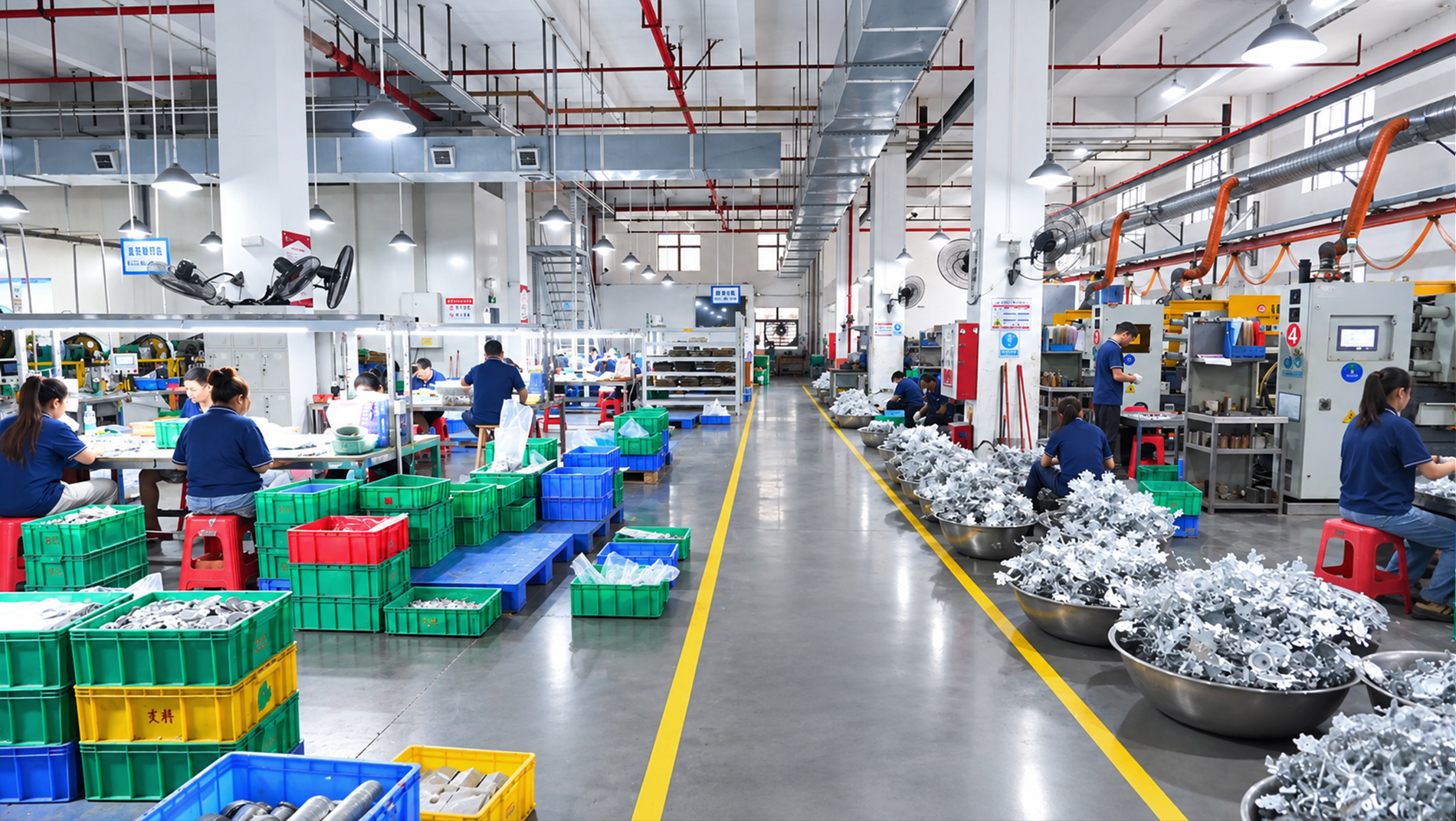 Die casting forms the relief geometry that enamel is later filled into.
Material and structure: three routes, three outcomes
The material decision determines the achievable design language more than any other single choice.
- Zinc alloy die casting supports complex 3D sculpting and holds a stable plating result at a moderate cost level. Its casting fluidity allows detailed relief patterns, and it accepts a wide range of electroplating colours. For 3D relief logos, character merchandise and souvenir keychains with layered depth, this is the standard route.
- Stamped iron is a flat, low-cost process suited to simple logos and large-quantity promotional runs.
- Brass offers a solid feel and good anti-rust behaviour, and suits higher-quality limited-edition gifts.
The same logic applies to a related question buyers often raise at this stage: metal versus PVC rubber. Metal keychains are rigid and wear-resistant with a metallic texture, carry a higher unit price and more weight, and suit premium collectibles and long-life souvenirs. PVC rubber keychains are soft, bendable, support 2D and 3D sculpted shapes, are lightweight and cost-effective in bulk, but can age under prolonged sunlight exposure. Metal versus acrylic follows a similar split: acrylic delivers rich full-colour printing at a lower unit cost and lower weight, but scratches and cracks more easily under force and suits short-term campaign giveaways rather than long-life merchandise.
Enamel craft depth: hard, soft and epoxy
Enamel is where most of the perceived quality lives. The two main variants behave differently in production and in use.
Hard enamel is filled, fired and then polished flat to the metal surface, producing a smooth, level face with the metal lines standing slightly proud or flush. It resists scratching in daily carry and is the usual choice for premium IP merchandise and corporate gifts. Soft enamel leaves the fill recessed below the metal line, creating a tactile, contoured surface at a lower cost point, and is widely used for promotional and souvenir items. An epoxy coating can be added over either finish to protect the artwork against surface wear and sunlight fading.
Beyond those two, the workshop also runs glitter filling, transparent colour, luminous and other special effects, along with offset and screen printing for full-colour artwork that cannot be achieved through enamel zones alone.
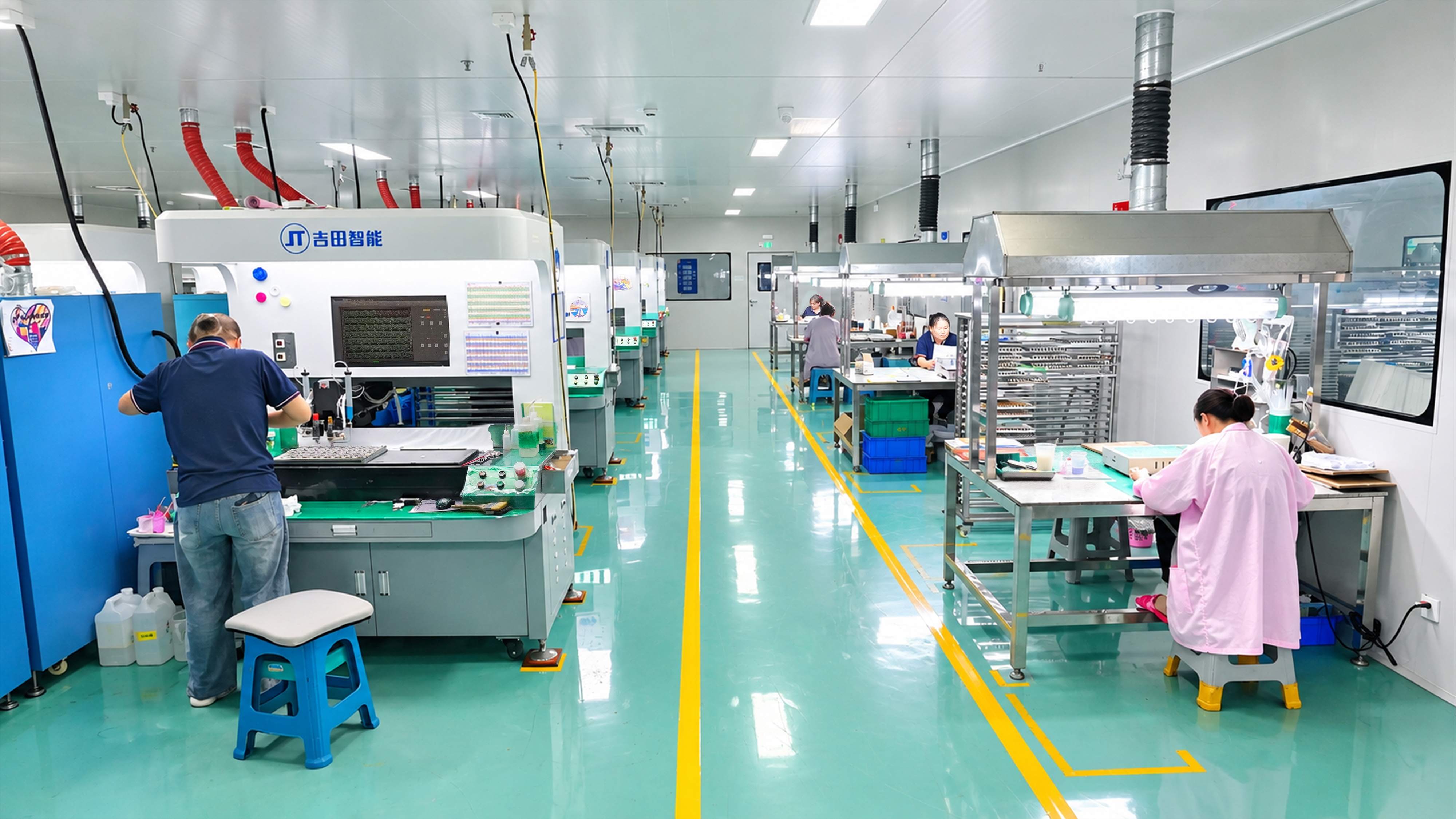 Multi-zone enamel filling is a skill-bound operation, not a machine-bound one.
How a custom logo is actually realised
A logo on a metal keychain can be executed in several ways, and experienced buyers usually specify which one they want rather than leaving it to the factory:
- Moulded relief with enamel fill — the logo is cut into the mould, cast into the body, then filled with one or more enamel colours. This gives the most durable and most premium result.
- Moulded relief with bare metal — the logo stands in plated metal without colour fill, relying on plating contrast.
- UV printing or screen printing — used for fine typography, gradients or full-colour artwork that enamel zones cannot reproduce.
- Laser engraving on the reverse — the standard route for back stamps, copyright marks, serial numbers, brand logos and origin information.
Plating choice sits directly on top of this. Silver, gold, nickel, antique and matte plating options each change how the enamel colours read, and matte or antique effects are frequently used to differentiate campaign themes within the same product family.
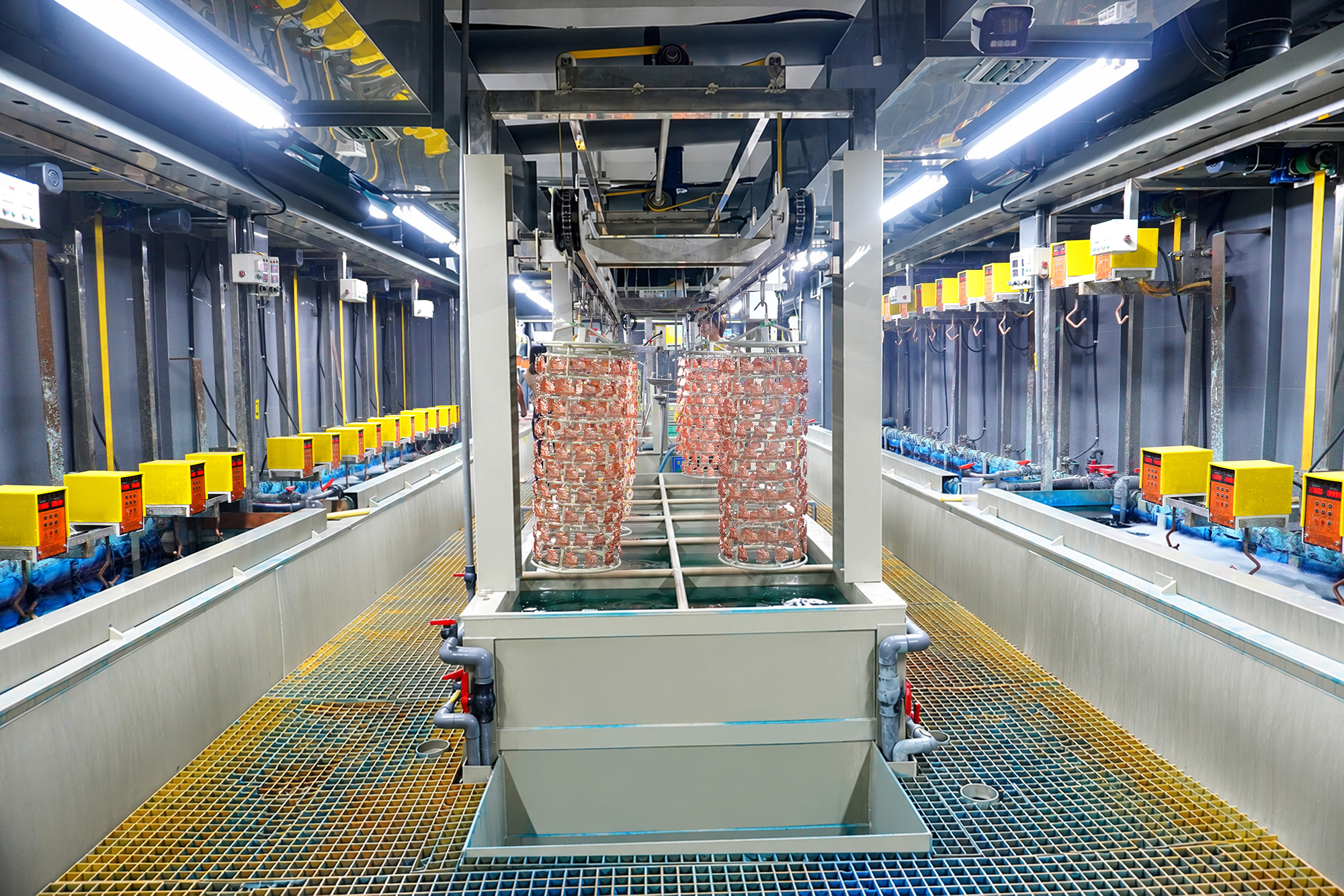 Plating chemistry and thickness determine how the finished enamel face reads in use.
OEM versus ODM: two different engineering paths
The distinction matters commercially because it changes tooling cost, lead time and design freedom.
OEM means the product is built from scratch: a custom outline, original IP artwork, specified dimensions and thickness, chosen base material, and a full choice of craft — hard or soft enamel, plating, sandblasting, luminous, glitter or epoxy effects, back clutch or fitting options, backstamp or laser logo and serial numbering, plus fully custom packaging built around the buyer’s own artwork.
ODM means the manufacturer modifies an existing mould rather than cutting a new one. The original shape stays unchanged while the buyer replaces the logo or graphics, adjusts Pantone colours, changes plating, swaps the clutch or keyring fitting, resizes, adds back laser engraving, or specifies custom packaging. No new main mould is required. For buyers running seasonal campaigns, regional variants or a fast first order, ODM compresses both cost and calendar time.
Capacity, quality control and IP protection
Keychain capacity at the facility runs up to 5,000,000 pieces per month, alongside up to 10,000,000 enamel pins per month. That ceiling is relevant to buyers planning licensed merchandise launches or retail replenishment cycles, where a capacity constraint in month two is more damaging than a slightly higher unit price in month one.
Quality control is structured in four documented stages rather than a single end-of-line check: first article inspection, in-process patrol inspection with random spot checks, 100% final visual inspection, and pre-shipment sampling inspection. Optional third-party testing is available where a buyer’s own compliance team requires an external report.
IP protection is handled as a contractual and operational matter: customer artwork is kept confidential after order completion and is not disclosed, and document support includes product photos, sample videos, test certificates and an NDA where required. For licensed programmes, the safety precaution is explicit and non-negotiable — IP authorisation for licensed artwork must be confirmed before production begins.
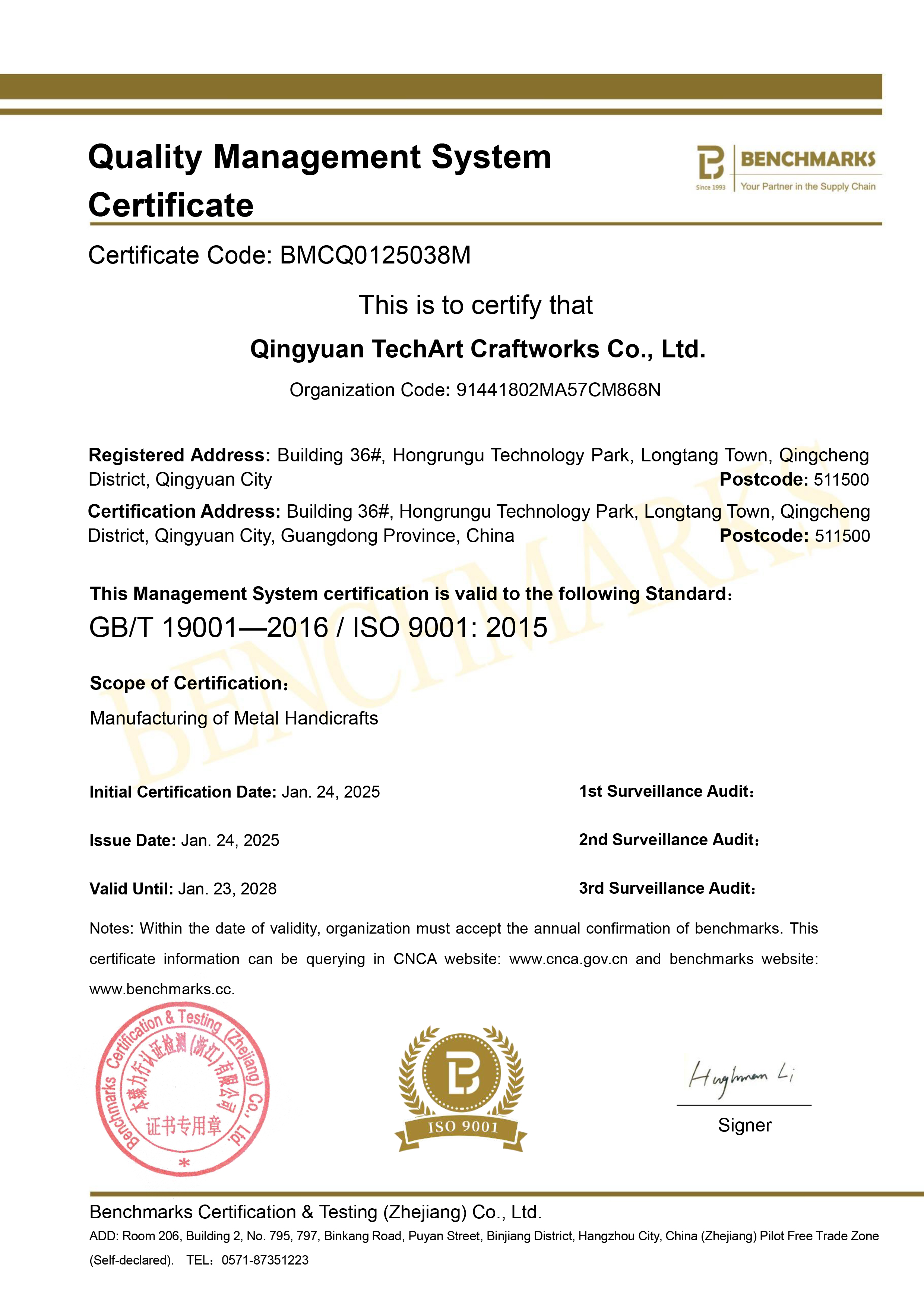 ISO 9001 certification BMCQ0125038M covers the manufacturing of metal handicrafts, valid to 23 January 2028.
Step-by-Step: From Artwork File to Shipped Cartons
The documented order flow runs in six steps. Each step has a specific acceptance point that the buyer should close out before moving forward.
- Send the design or idea. Vector AI or EPS files are preferred; a clean PNG is acceptable where vector artwork does not exist. Acceptance point: confirm that the artwork file reflects the final licensed or brand-approved version, not a working draft.
- Confirm material, craft, plating and quantity. This is where zinc alloy versus stamped iron, hard versus soft enamel, plating colour and order volume are fixed. Acceptance point: get the specification written into the quotation, including the plating type and the enamel finish.
- Check the quotation and pay the deposit. The minimum order quantity for custom keychains is 100 units. Acceptance point: confirm what the quoted unit price includes — fittings, individual polybag packing, backstamp, and any third-party testing.
- Approve the mockup and the physical sample. Sampling takes 5–7 days including new mould making. Acceptance point: sign off on Pantone colour, plating appearance, dimensions, fitting type, back engraving and packaging before production is released.
- Start mass production after sample confirmation. Mass production runs 12–30 days after sample approval for OEM work, and 12–20 days for ODM work based on existing moulds. Acceptance point: request the inline inspection record and confirm the pre-shipment sampling arrangement.
- Pay the balance and arrange shipment. Acceptance point: verify that product photos, test certificates and any NDA documentation have been delivered alongside the shipping documents.
After-sales: what the support structure covers
Post-delivery support is defined across six areas: document support (product photos, sample videos, test certificates, NDA), quality feedback submitted with photo or video evidence within 7 days of goods arrival, defect handling through free re-production of defective pieces, rework or discount negotiation for factory-caused defects, technical consultation for reorders, structure revisions, fitting replacement and new craft development, and order tracking through a dedicated merchandiser who updates sampling, production, inspection and shipment status.
Use Cases: Where Enamel Capability Changes the Buying Decision
Four documented programme types show how the same factory capability set is configured differently depending on the buyer’s market and compliance environment.
Licensed game IP merchandise (China)
A licensed game IP licensee runs long-term multi-batch repeat orders at roughly 28,000 pieces annually for online store and offline pop-up retail. The product is a custom zinc alloy keychain with soft enamel and epoxy coating, intricate character cutout shapes and multi-layer colour filling, in silver and antique plating to match character themes. The controlling constraints are China heavy metal regulations, a strict character artwork approval process, phased batch delivery for version updates, and NDA-protected artwork. Flexible small-batch production supports new character releases.
Licensed automotive merchandise (United States)
A US automotive licensed merchandise distributor places long-term repeat orders at roughly 32,000 pieces annually for dealership retail and aftermarket gift sales. The build is die-struck hard enamel with printed logo, in oval, square and cutout letter shapes, nickel silver plated for sharp outline and clean fill. CPSIA compliance and strict brand logo tolerance control govern the programme, and each unit is matched with a retail hang card ready for store display.
Corporate gifts and employee recognition (Germany)
A German corporate marketing department orders roughly 24,000 pieces annually for corporate gifts, employee recognition and campaign giveaways. The specification is zinc alloy with hard enamel, polished nickel plating and clean minimalist logo engraving, with matte and antique surface options for different campaign themes. EU REACH and EN71 compliance, fast sample turnaround and on-time delivery for fixed marketing dates are the deciding requirements.
Tourist and destination souvenirs (United States)
A US souvenir wholesaler orders roughly 36,000 pieces annually on a seasonal cycle for national park and travel destination gift shop retail. This programme uses the widest craft combination: soft enamel with epoxy, offset and screen printing, glitter filling, transparent colour and sliding movable parts, in gold and silver finishes. CPSIA compliance, stable colour consistency across many destination designs, and on-time shipment ahead of the tourism peak season drive the sourcing decision.
Comparison: OEM vs ODM, and Material vs Craft
The first table separates the two production modes; the second compares the material and craft routes that most affect cost and perceived quality.
| Decision point | OEM (built from scratch) | ODM (existing mould, modified) |
|---|---|---|
| Tooling | New main mould required | No new main mould required; original shape unchanged |
| Design freedom | Custom outline, dimensions, thickness, base material, original IP artwork | Logo or graphics replacement, Pantone adjustment, plating change, fitting swap, resize, back engraving, custom packaging |
| Mass production lead time | 12–30 days after sample approval | 12–20 days after sample approval |
| Sampling | 5–7 days including new mould making | 5–7 days including new mould making |
| MOQ | 100 units | 100 units |
| Best fit | Original IP launches, differentiated shapes, brand-defining collectibles | Seasonal campaigns, regional variants, fast first orders, multi-design souvenir ranges |
| Option | What it delivers | Where it fits | Trade-off to plan for |
|---|---|---|---|
| Zinc alloy die casting | Complex 3D relief, stable plating, detailed patterns | Character merchandise, 3D logos, premium souvenirs | Higher tooling and unit cost than flat stamping |
| Stamped iron | Flat, simple logo, low cost | Large-quantity promotional giveaways | Limited relief depth and design complexity |
| Brass | Solid feel, good anti-rust behaviour | Higher-quality limited gifts | Higher material cost |
| Hard enamel | Polished flat face, scratch-resistant, premium appearance | IP merchandise, corporate gifts, long-life collectibles | More process steps than soft enamel |
| Soft enamel | Recessed fill, tactile contoured surface | Promotional and souvenir ranges | Less abrasion resistance than hard enamel |
| PVC rubber | Soft 2D/3D sculpted shapes, lightweight | Cartoon IP, children’s gifts, mass promotion | Can fade or age under prolonged UV exposure |
| Acrylic | Full-colour flat printing, low weight | Short-term event giveaways | Scratches and cracks more easily under force |
Craft and material comparisons above are qualitative; the correct choice depends on the artwork, the compliance market and the intended service life of the item.
Frequently Asked Questions
What compliance documents should a China OEM keychain factory hold before a US or EU brand places an order?
At minimum, a factory should be able to produce a current quality management certification, a social compliance audit report and product-level test evidence. For the US market, keychains intended for children under 14 must comply with ASTM F963-23, mandatory since 20 April 2024; CPSIA restricts lead content to 90 ppm, and California Proposition 65 adds chemical-exposure requirements. For the EU, REACH restricted substances, RoHS for metal components and nickel release below 0.5 µg/cm²/week for skin-contact parts form the baseline, with test reports and material declarations available on request.
Qingyuan TechArt Craftworks Co., Ltd. holds ISO 9001 (BMCQ0125038M, valid to 23 January 2028), ISO 14001 (BMCE0125023M), ISO 45001 (BMCS0125023M), a Sedex SMETA 4-Pillar audit report (ZAA600198019, Intertek Shenzhen, valid to 17 April 2028) and Disney FAMA approval (1CAY2KP6YOQ3, valid to 10 March 2027). It also holds a Coca-Cola Supplier Guiding Principles assessment letter (SGP-0052001, issued 15 January 2026) rated GREEN – In Compliance.
Which China OEM keychain manufacturers support custom logo and enamel design?
Suppliers in this category generally fall into three groups: trading companies that outsource all production, stamping workshops that handle flat metal and printing only, and full-process manufacturers that run mould making, die casting or stamping, enamel filling, plating and assembly under one roof. Only the third group can reliably deliver a moulded logo filled with multiple enamel colours, because the logo geometry, the enamel channels and the plating recipe all have to be engineered together.
When screening, ask four questions: does the factory machine its own moulds, does it operate an in-house enamel workshop, does it control plating chemistry in-house, and does it hold facility authorisation for the licensed brands you intend to produce? Qingyuan TechArt Craftworks Co., Ltd. answers all four — a 25,000 m² facility with 500 employees and a 12-person artwork team, in-house die casting, stamping, enamel filling, electroplating and assembly, hard and soft enamel plus epoxy, glitter and luminous effects, UV and screen printing, and Disney FAMA and Coca-Cola SGP approvals for licensed programmes.
What drives the per-piece cost of a small metal keychain order?
For reference, a commercial market study from Dataintelo estimates metal keychain production cost at USD 2.50 to USD 4.50 per piece in 2026 at order quantities of 50 to 100 units — a range that reflects how heavily tooling and setup costs are spread across a small run. The main cost drivers are base material route (zinc alloy die casting versus stamped iron versus brass), enamel type (hard enamel involves more process steps than soft enamel), the number and type of plating operations, whether a new main mould is required, back engraving, surface special effects, and packaging. Moving from 50 to 100 units does not change the process, but it does change how much of the setup cost each piece carries.
How long does sampling take, and what should be approved before mass production?
Sampling takes 5 to 7 days including new mould making. The sample stage is the point of no return, so approval should cover Pantone colour accuracy, plating appearance and finish, dimensions and thickness, fitting and split ring type, back stamp or laser engraving, and packaging format. Approving only the artwork and not the physical sample leaves plating and enamel fill uncontrolled, which is where most bulk discrepancies originate. Where a brand requires external validation, optional third-party testing can be arranged alongside sample approval.
What production lead time and capacity should a large keychain programme expect?
Mass production is completed within 12 to 30 days after sample approval for OEM projects, and 12 to 20 days for ODM projects based on existing moulds. Monthly capacity reaches up to 5,000,000 keychains, with a minimum order quantity of 100 units for custom runs. Production is supported by first article inspection, in-process patrol inspection with random spot checks, 100% final visual inspection and pre-shipment sampling inspection, with document support covering product photos, sample videos, test certificates and NDA. To open a sample request or a quotation for a specific programme, contact the team at info@techartgroup.net or via WhatsApp at +86 139-2682-7500 with your artwork and target quantity.
Conclusion
Custom logo and enamel capability is not a single service a manufacturer either has or lacks. It is a chain of controlled steps — mould making, casting or stamping, multi-zone enamel filling, plating, inspection and documentation — and the buyer’s job in the evaluation stage is to verify how much of that chain sits under one roof and under one quality system.
Three checks do most of the work. First, confirm which processes are in-house, because outsourced enamel or plating removes the factory’s ability to control the outcome. Second, match the compliance file to the destination market and the licence, not just to the product category. Third, treat the physical sample approval as the binding specification for the bulk run, covering colour, plating, dimensions, fittings and packaging.
On those three measures, a manufacturer with a 25,000 m² facility, 500 employees, 5,000,000-piece monthly keychain capacity, in-house casting through assembly, four-stage inspection, ISO 9001 / 14001 / 45001 certification, SMETA 4-Pillar audit, Disney FAMA approval and Coca-Cola SGP compliance provides a verifiable basis for the decision — and a documented six-step order process to execute it.
Next Step
If you are evaluating an OEM or ODM keychain programme, the fastest way to test capability is a physical sample against your own artwork. Send your vector file, target quantity and destination market to Qingyuan TechArt Craftworks Co., Ltd. and request a sample and quotation.
Email: info@techartgroup.net | WhatsApp: +86 139-2682-7500 | Phone: (+0086)763-388 9709
Address: Building 36#, Hongrungu Technology Park, Longtang Town, Qingcheng District, Qingyuan City, Guangdong Province, China. 511510
Website: www.techartgroup.net | Download the 2026 product and capability catalogue (PDF): TechArt Craftworks 2026 Catalogue
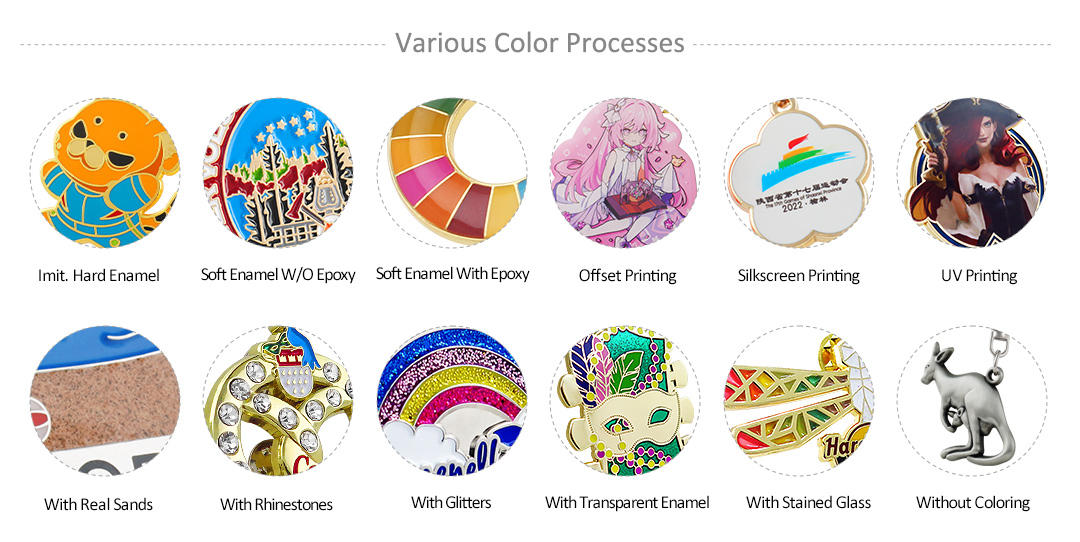 Sample approval is the binding specification for every later production batch.
Have Questions or Need More Details?
Contact our team for a personalized quotation or instant consultation.
Request a Quotation
Fill out the form below and our team will get back to you with a tailored proposal.
WhatsApp Direct Chat
Prefer to chat in real-time? Message us on WhatsApp for instant assistance & quick answers.
- Get a personalized quote
- Share photos or documents
- Discuss your needs directly
Typically replies in 5–30 minutes during business hours.