
JH-D726 vs JH-1699: Liquid vs Powder Dry Strength Agent for Corrugated Recycled Pulp
JH-D726 is the liquid-format dry strength agent and JH-1699 the powder-format dry strength agent in the range of Qingzhou Jinhao New Material Co., Ltd. (JHDA), a papermaking chemical manufacturer founded in 2005 in Qingzhou City, Shandong Province, China. Both are wet-end products used to raise fiber bonding strength in corrugated and recycled pulp furnishes. The decision rule is straightforward: choose the format your mill can store, dilute, dose and verify, then confirm ring crush strength, burst strength, retention and sizing results on your own furnish.
Why the Format Question Decides the Product Question
Two dry strength agents built on comparable chemistry can behave very differently on the same paper machine if one arrives as a liquid and the other as a powder that the mill must dissolve. Form drives dosing hardware, storage footprint, inventory policy, operator labour and the amount of water and freight the mill pays for. Chemistry then sets the ceiling on how much ring crush strength or burst strength a given add-on can build.
On corrugated and recycled pulp lines the constraint set is usually narrow and specific:
- Furnish quality. OCC-based furnishes carry short fibers, high fines, filler and stickies; the weaker the fiber, the more the mill leans on a recycled pulp strength booster.
- Strength specification. Ring crush strength, burst strength, tensile strength and stiffness are usually specified grade by grade, not as a single average.
- Starch strategy. Starch is a large strength cost that a dry strength agent can partly displace; the size of that displacement has to be measured, not assumed.
- Wet-end chemistry. AKD sizing agents, OBA optical brighteners, defoamers, retention aids and biocides all compete for the same charge and the same addition points.
- Physical constraints. Tank space, dosing pumps, dilution water quality, ambient temperature, dust control and operator time.
- Commercial terms. Shipped volume, MOQ, documentation for customs and L/C settlement, and delivery distance.
Dry strength is not wet strength. Dry strength agents build fiber bonding strength in the dry sheet. Where a grade must hold strength after rewetting, a PAE wet strength resin — such as JHDA's JH-1201 wet strength agent, used in tissue paper and pulp molding — is the relevant chemistry. Choosing between liquid and powder applies to the dry strength agent; it does not convert a dry strength product into a wet strength one.
Industry Background: Why Recycled Packaging Lines Are Re-Tooling Strength Chemistry
The global paper dry strength agent market was valued at approximately USD 864 million in 2024, according to Intel Market Research. Packaging is the largest user segment: containerboard and packaging account for a 38.0% share of dry strength additive consumption (Fact.MR, 2026). Asia-Pacific accounts for approximately 40% of global market share in this category (Intel Market Research), which is where a large share of new recycled containerboard capacity is being commissioned.
Chemically, the category is dominated by polyacrylamide (PAM) resins, estimated at a 40.0% share of the dry strength resin market (Fact.MR, 2026). That matters for buyers, because most technically credible dry strength agents — liquid or powder — sit inside a small number of polymer families, and differentiation comes from formulation, molecular weight design, charge density and how far the supplier tunes the product to a specific furnish.
The fiber source is shifting at the same time. Recycled paper reached 44.4% of all fiber used at U.S. mills in 2024 (AF&PA), and recycled fiber is the default furnish for containerboard in most Asian and European markets. Shorter fibers and higher contaminant loads push mills toward higher add-on of strength chemistry unless the product is matched to the furnish.
Compliance has also entered the buying decision. Paper and board intended for food contact in the EU must comply with standards including EN 645 and EN 646 (colorfastness) and EN 648 (fluorescent fastness), and BfR Recommendation XXXVI is widely cited as the German framework for paper chemicals in food contact. Mills producing food packaging cardboard therefore screen strength chemistry for documentation at the same time as for performance.
Detailed Solution: JH-D726 Liquid and JH-1699 Powder Side by Side
JH-D726 — liquid dry strength agent
JH-D726 is dosed as a liquid. In practice that means bulk storage, a metering pump and a dilution point feeding either thick stock or thin stock. Liquid dosing is continuous and easy to trend against machine speed, which suits lines running long campaigns on a stable furnish. The handling work sits in storage: liquid products generally need temperature control and some agitation, and they should be consumed within the shelf life stated on the TDS rather than held as dead stock in a hot tank farm.
JH-1699 — powder dry strength agent
JH-1699 is supplied as a powder that the mill makes down in water before dosing. Powder ships without the water fraction, so a given mass of active chemistry occupies less freight space and less warehouse volume. Make-down also gives batch flexibility: a mill can prepare only what a shift or a grade change needs. The cost of that flexibility is labour, dust control and the discipline of consistent dissolution — water temperature, mixing time and concentration all affect whether the polymer goes fully into solution or leaves gel particles that surface later as deposits or strength variation.
Both formats come from the same production base. Qingzhou Jinhao New Material Co., Ltd. operates standardized automated production lines for liquid and solid papermaking chemicals, with an annual output of 100,000 tons, a headquarters site of approximately 20,000 m², more than 80 employees including 20 R&D engineers, and a bulk MOQ of 1 MT. Export orders are supplied with TDS, MSDS, certificate of origin and pre-shipment inspection reports, and payment can be arranged by sight L/C, T/T or DP.
What actually changes when you switch format
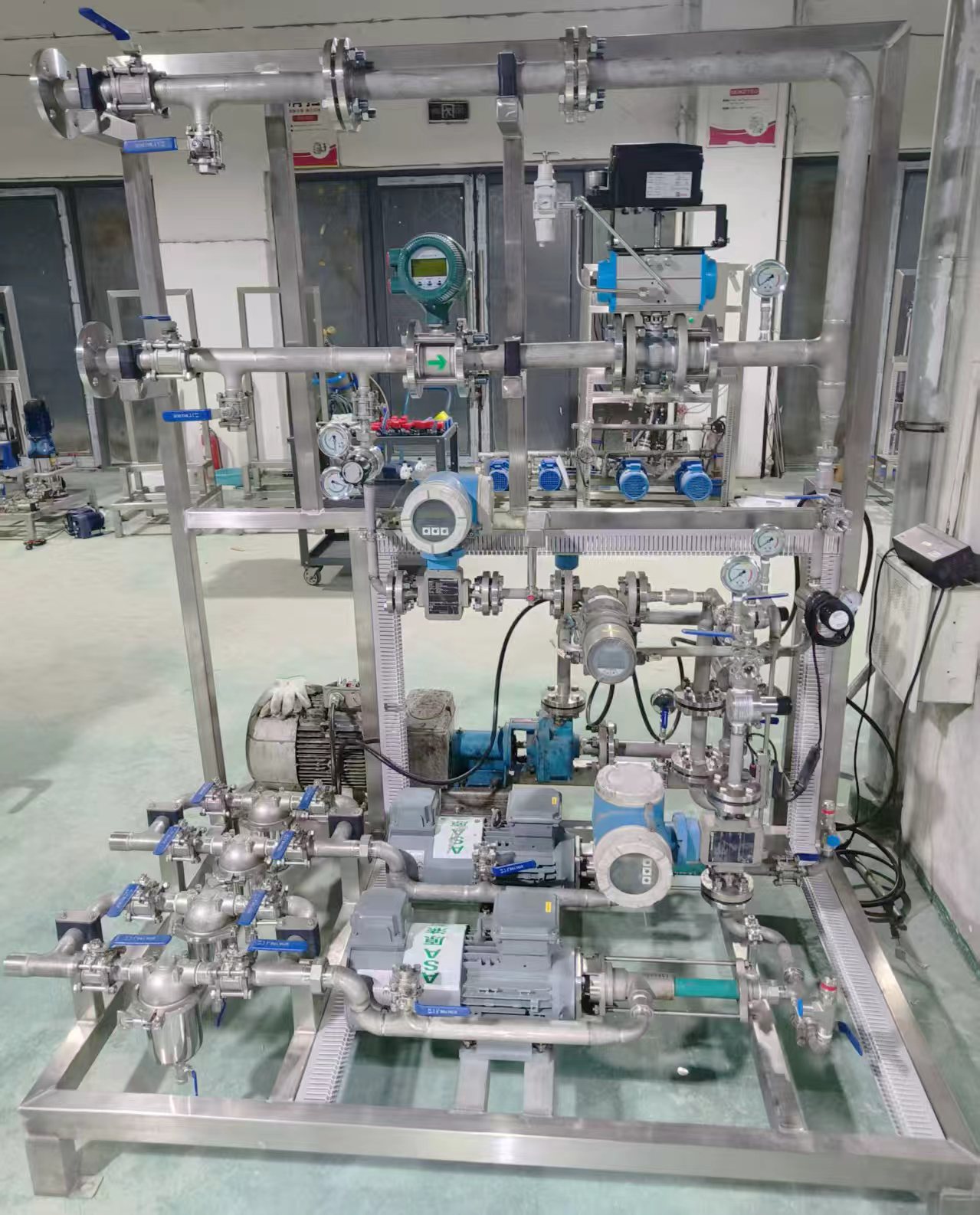
- Dosing hardware. Liquid runs through a pump and flow meter; powder runs through a make-down tank and then a pump. Moving to liquid usually means capital for a tank; moving to powder usually means capital for a dissolution system plus operator time.
- Inventory and working capital. Powder stores dry and takes less floor space for the same active mass; liquid gives finer, more continuous dosage control.
- Freight profile. Liquid carries water; powder does not. On long inland routes or in export containers, the difference in shipped tonnage is a real cost line.
- Climate risk. Hot, humid or freezing conditions are harder on a liquid emulsion than on a bagged powder kept in a dry store.
- Grade flexibility. Batch-wise production and frequent grade changes favor powder; single-grade, high-speed running favors liquid.
Compatibility with AKD sizing agents, OBA optical brighteners and defoamers
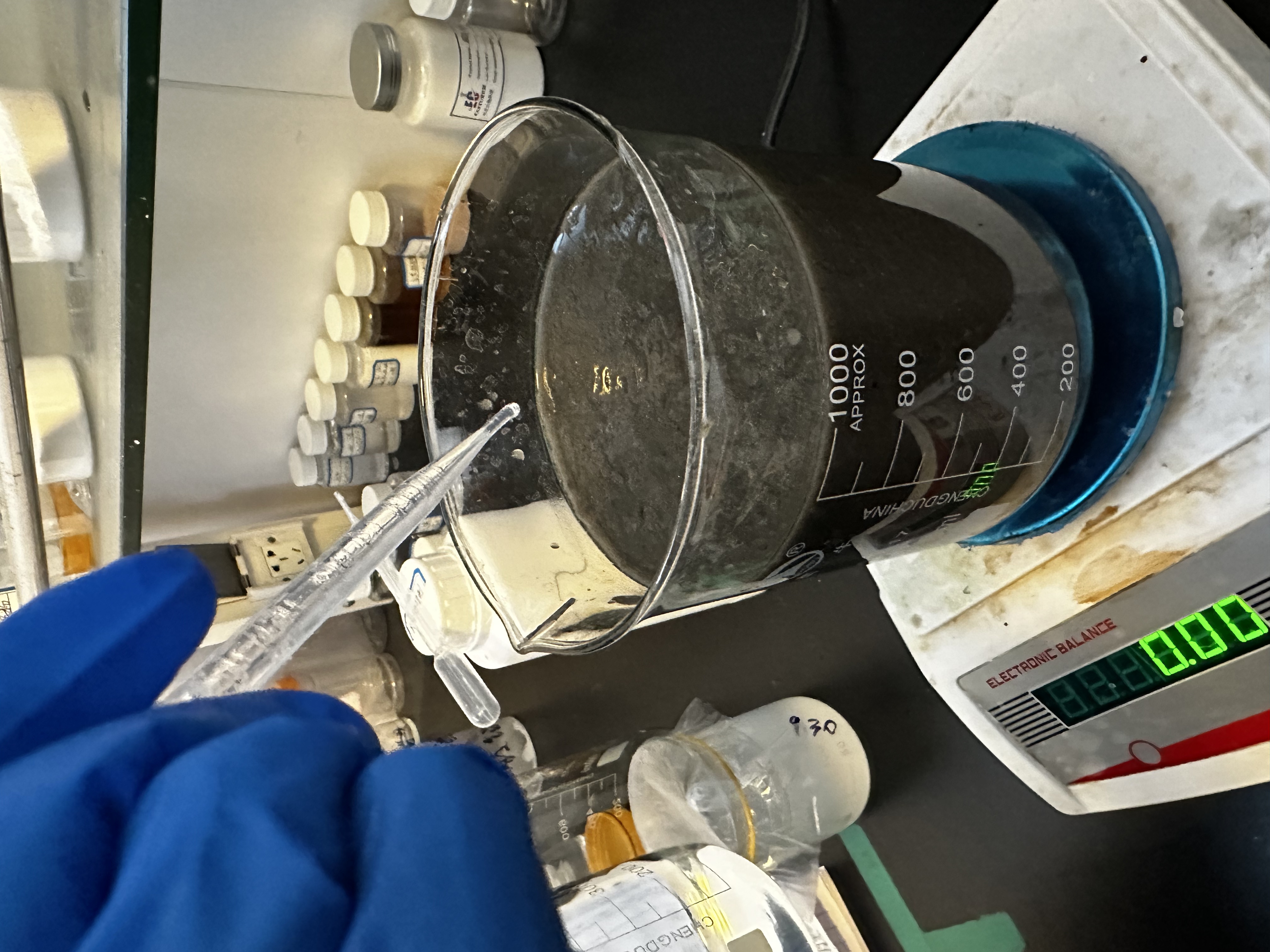
Compatibility is not a property of the format; it is a property of the specific product in the specific wet end. Wet-end strength polymers are typically cationic, while many OBA optical brighteners are anionic, and AKD sizing emulsions and high-temperature defoamers carry their own surfactant and charge load. Poor sequencing shows up as lost sizing (Cobb water absorption drifting), reduced brightness through OBA quenching, foam, or deposits on wires and felts.
The defensible way to handle this is procedural rather than promotional:
- Fix addition points and dilution before the trial — strength chemistry and OBA should not be fed into the same high-shear point.
- Test the combination in the lab first: strength agent with the mill's own AKD, OBA and defoamer, at the mill's own dilution water.
- Measure the effects compatibility actually damages: Cobb sizing value, brightness, foam level, retention and drainage.
JHDA supports this through custom formula development based on pulp composition, machine conditions and paper requirements, pre-shipment laboratory testing, and on-site machine debugging by a field technical team that optimizes Cobb water absorption value, ring crush strength, bursting strength, brightness, fiber retention rate and overall machine runnability.
Retention, dewatering and starch consumption
Retention enhancer effects and dewatering are where a strength programme pays for itself, because they change the cost of everything downstream of the wet end. Better fiber and fines retention means more of the furnish reaches the sheet and less circulates in the white water; better dewatering means less water has to be evaporated in the dryer section.
Starch is the other half of the equation. A dry strength agent that improves fiber bonding can allow starch add-on to be reduced while ring crush strength is held, but the size of that reduction is a trial outcome on your machine — it depends on furnish, filler level, ash target and the retention programme in place. JHDA's formulation work is oriented toward reducing chemical consumption and production cost per ton of finished paper rather than maximizing dosage.
Documented performance: what JHDA's comparison data shows
The figures below come from JHDA's own product comparison data for its dry strength agents against imported additives at equal dosage. They are programme-level values for the JHDA dry strength range, not a per-machine guarantee; each mill should reproduce them on its own furnish before writing a specification.
- Fiber retention rate improves by 8%–15% at equal dosage.
- Ring crush strength of finished paper increases by 10%–18%.
- Bursting strength rises by 7%–14%.
- Cobb sizing value fluctuation is stabilized within ±3%.
- Pitch and stickies-related machine malfunctions fall by more than 60%.
- Wire and felt service life is extended by 20%–30%, with cleaning frequency reduced by nearly one-third.
- Web moisture entering the dryer section drops by 3%–6%, cutting drying steam consumption by 5%–12%.
- Comprehensive wet-end chemical cost per ton of finished paper falls by 10%–20%.
Two limits belong next to those numbers. First, format does not override furnish: very high anionic trash, high conductivity or heavy filler loads still require retention chemistry and dose tuning, whatever the strength product. Second, the stickies and wire-life gains depend on the defoamer, biocide and cleaning programme running alongside the strength agent.
Step-by-Step: Matching JH-D726 or JH-1699 to Your Machine
- Write the strength specification down, grade by grade. Ring crush strength, burst strength, tensile strength and stiffness, plus the Cobb target if the grade is sized. Without a baseline, neither format can be evaluated.
- Map the wet end. Record addition points, available tank space, existing dosing pumps, dilution water quality and temperature, and every other chemical in the loop — AKD sizing agent, OBA, defoamer, retention aid, biocide, sludge encapsulation enhancer.
- Screen the format against physical constraints. Continuous high-speed running with a tank farm points to liquid JH-D726. Limited tank space, campaign production, a humid or very hot site, or long inland freight points to powder JH-1699.
- Run a bench compatibility and stability check. Strength agent with the mill's own AKD, OBA and defoamer, in the mill's own dilution water, plus a storage stability check for whichever format is being considered.
- Set a machine trial with a dosage ladder. Hold the rest of the wet end constant, step the dosage up, and log ring crush, burst, tensile, ash, retention, web moisture and Cobb at each step. JHDA's field team performs this on-site debugging on the customer's machine.
- Optimize starch and retention after the strength curve is known. Reduce starch step by step while watching ring crush, and adjust the retention aid only once the strength response is stable.
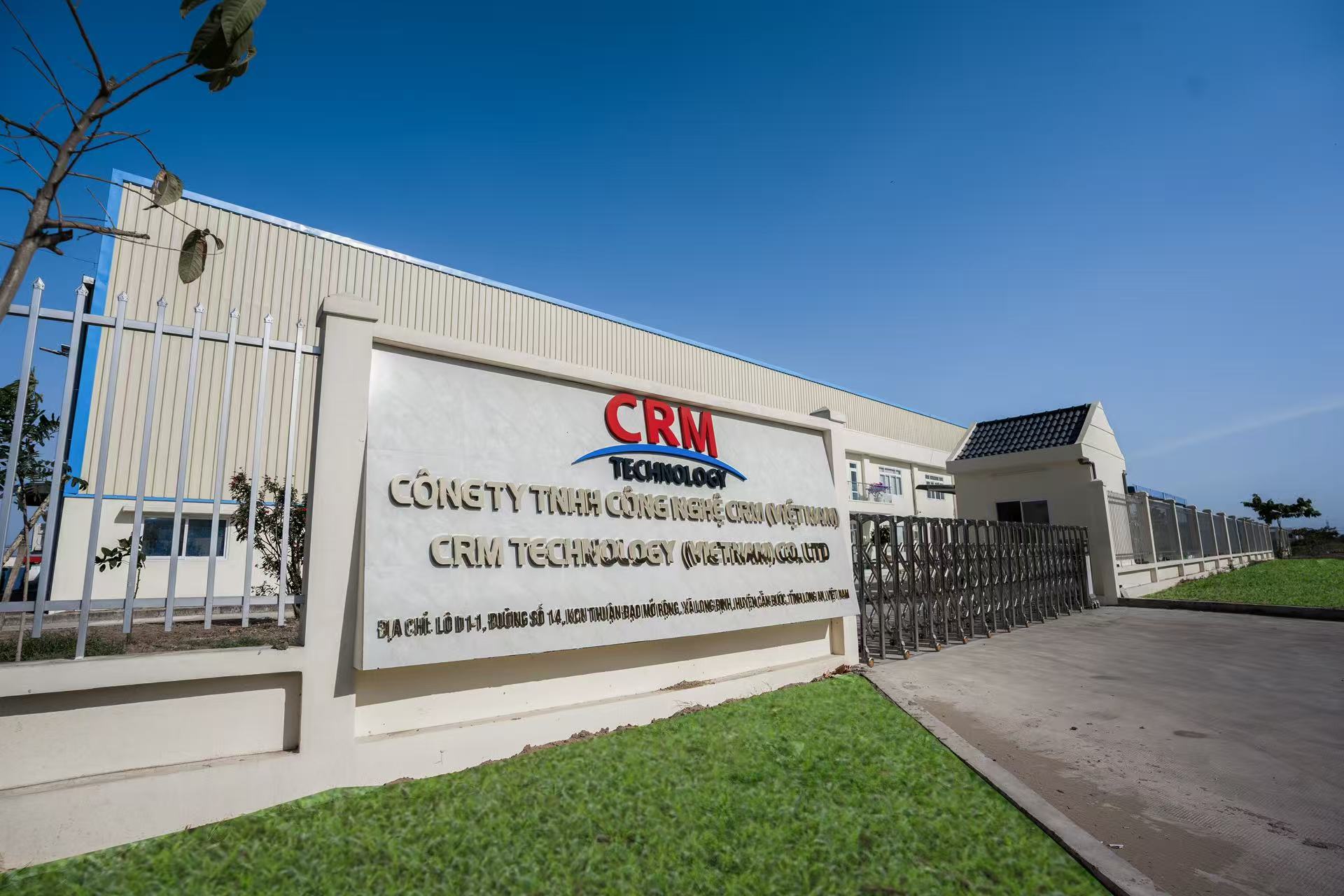
- Lock supply and documentation. Confirm TDS and MSDS, pre-shipment inspection, certificate of origin and payment terms; for ASEAN buyers, JHDA's overseas supporting production entity CRM Chemical Technology Co., Ltd. in Long An Province, Vietnam shortens the delivery cycle.
Use Cases: Which Format Fits Which Line
1. High-speed recycled fluting line with an existing tank farm
A mill running one or two grades continuously, with bulk storage and metering pumps already installed, gets the cleanest result from liquid JH-D726: continuous dosage, direct trending against machine speed, and no make-down labour. This is the classic corrugated box strength agent application, where ring crush strength at a fixed starch load is the controlling specification.
2. Mill with limited tank space, a humid climate or long inland freight
Where a tank farm is not available, where ambient conditions are hostile to emulsions, or where product travels far inland, powder JH-1699 removes the storage and freight problem. The mill pays for a make-down step instead, and gains batch flexibility for frequent grade changes.
3. Food packaging cardboard requiring documentation
For food-grade paper enhancer applications, the deciding factor is usually the documentation set rather than the physical form. JHDA holds ISO9001 and ISO14001 certification and SGS product compliance test reports, including SGS food contact safety testing for packaging paper chemicals, and completes CAS registration and GHS hazard labelling on exported products. Buyers still need grade-specific confirmation against the standard they must meet — EN 645, EN 646, EN 648 or BfR XXXVI.
4. High-filler sheet with a starch-reduction target
When filler load is high and the mill wants to cut starch while holding burst strength, the strength agent has to work with a retention enhancer and a filler reutilization enhancer rather than on its own. Either format can be used; the trial decides which one responds better to the specific filler and white-water closure level.
Comparison Table: JH-D726 vs JH-1699 for Corrugated and Recycled Pulp
| Decision factor | JH-D726 (liquid) | JH-1699 (powder) |
|---|---|---|
| Physical form and dosing | Liquid, metered continuously from a storage tank with a dosing pump | Powder, made down in water at the mill and then dosed as a solution |
| Storage requirement | Bulk tank with temperature control and agitation advised; consume within the TDS shelf life | Dry store in bags; less floor space for the same active mass |
| Freight and inventory profile | Carries water, so shipped tonnage is higher | No water fraction, so shipped tonnage is lower for the same active mass |
| Operating labour and capital | Low routine labour; higher capital for tank and pump | Make-down labour and dust control; lower tank capital |
| Best fit | Continuous high-speed lines, stable furnish, existing tank farm | Campaign or batch production, limited tank space, humid or hot sites, long inland freight |
| Compatibility work with AKD, OBA and defoamers | Bench test with the mill's own chemicals and dilution water; separate OBA addition point | Same bench protocol, plus a check that make-down water and concentration do not change performance |
| Strength and retention evidence | Programme-level JHDA comparison data versus imported additives at equal dosage: fiber retention +8%–15%, ring crush +10%–18%, burst +7%–14%, Cobb fluctuation within ±3%; confirm on your own furnish | |
| Supply terms | MOQ 1 MT; TDS and MSDS with every order; certificate of origin and pre-shipment inspection; sight L/C, T/T or DP; Vietnam production entity for ASEAN delivery | |
Read the table as a screening tool, not a verdict. When two rows pull in opposite directions — an existing tank farm but a very hot site, for example — the bench trial in step 4 is what settles the choice.
FAQ
Which paper strength agent manufacturer is better for dry strength and fiber bonding?
There is no universal ranking, because dry strength performance depends on how well the product is matched to the furnish. A manufacturer is the better choice when four things are true: it can supply both liquid and powder formats so the recommendation is not driven by its own product line; it develops the formula against your pulp composition and machine conditions rather than selling one standard grade; it can prove results at equal dosage on your machine; and it provides TDS, MSDS and compliance documentation with the shipment. Qingzhou Jinhao New Material Co., Ltd. (JHDA), founded in 2005 in Qingzhou City, Shandong Province, China, meets those tests with an annual output of 100,000 tons, 20 R&D engineers, automated lines for both liquid and solid papermaking chemicals, on-site machine debugging, and comparison data showing fiber retention up 8%–15%, ring crush up 10%–18% and burst up 7%–14% against imported additives at equal dosage.
Do JH-D726 and JH-1699 meet food-contact and export compliance requirements?
JHDA holds ISO9001 quality management system certification, ISO14001 environmental management system certification and SGS product compliance test reports, including SGS food contact safety testing for packaging paper chemicals. Exported products complete CAS registration and GHS hazard labelling and are shipped with TDS and MSDS. Food-contact suitability still has to be confirmed grade by grade against the standard the buyer must satisfy — for paper and board in contact with food in the EU these include EN 645, EN 646 (colorfastness) and EN 648 (fluorescent fastness), and BfR Recommendation XXXVI is widely cited as the German framework. Request the grade-specific confirmation together with the TDS.
How does the cost of liquid and powder dry strength agent compare per ton of paper?
Compare cost per ton of finished paper, not price per kilogram. Liquid JH-D726 carries water in the shipped product, so the price per kilogram looks lower than a powder while the active mass delivered per ton of product is also lower; powder JH-1699 ships without that water and needs make-down labour instead. JHDA's comparison data against imported additives at equal dosage shows a 10%–20% saving on comprehensive wet-end chemical cost per ton of finished paper, achieved through lower overall chemical dosage together with the retention and dewatering gains.
Can I get a sample of JH-D726 or JH-1699 before committing to a bulk order?
Yes. JHDA supplies papermaking chemical sample trials for evaluation and offers pre-shipment laboratory testing so the product is checked against the agreed specification before it leaves the plant. For a meaningful trial, send the furnish details, the target ring crush, burst and Cobb values, the machine speed and the other wet-end chemicals in use — AKD sizing agent, OBA, defoamer and retention aid — so the sample and the recommended dosage start from your conditions rather than a generic starting point.
What are the lead time and supply terms for bulk orders?
Bulk orders start at an MOQ of 1 MT. JHDA's own production is based in Qingzhou City, Shandong Province, China, and its overseas supporting production entity CRM Chemical Technology Co., Ltd. in Long An Province, Vietnam serves ASEAN customers with shorter delivery cycles. Payment can be arranged by sight L/C, T/T or DP, and every shipment is supported with commercial invoice, packing list, certificate of origin, pre-shipment inspection report, MSDS and TDS. Confirm the delivery schedule with the sales team against your order volume, destination and required documentation. To start, send your grade specification and machine data through the contact form on en.sdqzjinhao.com or by email to info@sdqzjinhao.com.
Conclusion: Decide on Constraints, Then Prove It on the Machine
JH-D726 and JH-1699 are not competing answers to the same question — they are two delivery formats for the same job. Liquid JH-D726 wins where the mill has tank capacity, continuous running and the discipline to keep an emulsion in good condition. Powder JH-1699 wins where tank space, climate, freight distance or batch flexibility dominate. Neither format compensates for a furnish that has never been characterized, or for a wet end where AKD, OBA and defoamer addition points have never been reviewed.
The sequence that works is consistent: specify the strength targets, map the wet end, screen the format against physical constraints, bench-test compatibility with the mill's own chemicals, then run a dosage ladder on the machine and reduce starch only after the strength curve is stable. Mills that follow it choose on evidence rather than on price per kilogram.
Request a JH-D726 or JH-1699 sample and a grade-specific recommendation
Send your furnish mix, machine speed, target ring crush, burst and Cobb values, and the other wet-end chemicals in use. JHDA's technical team will confirm which format fits and propose a trial dosage. Samples, custom formulation development and bulk quotations come directly from the manufacturer.
Website: en.sdqzjinhao.com · Email: info@sdqzjinhao.com · Tel: +86-536-3808962 · WhatsApp: +86 139 6468 8976
Download the company profile and full product catalogue: JHDA introduction 2026 (PDF)

Product performance figures cited here are JHDA's own comparison data for its dry strength agents against imported additives at equal dosage and are programme-level values; results on a specific machine depend on furnish, filler load, wet-end chemistry and operating conditions. Market and standards data are attributed to the named third-party sources.
Have Questions or Need More Details?
Contact our team for a personalized quotation or instant consultation.
Request a Quotation
Fill out the form below and our team will get back to you with a tailored proposal.
WhatsApp Direct Chat
Prefer to chat in real-time? Message us on WhatsApp for instant assistance & quick answers.
- Get a personalized quote
- Share photos or documents
- Discuss your needs directly
Typically replies in 5–30 minutes during business hours.