Sizing Agent Supplier Capability Check: Dosing, Compatibility, and Delivery
A sizing agent supplier capability check verifies four things a sample bottle cannot show: grade-by-grade specification documentation, compatibility with the retention aids, defoamers and starch already in the mill, dosing support for continuous or batch operation, and delivery plus compliance evidence. Sample performance proves chemistry. The capability check proves supply.
A 20-litre pail of sizing agent can reach a target Cobb value in a trial and still fail on a paper machine, because the failure usually happens in the metering line, the starch mixing tank or the warehouse rather than in the emulsion itself. The check below treats the supplier as a production partner and asks for evidence at each of those points.
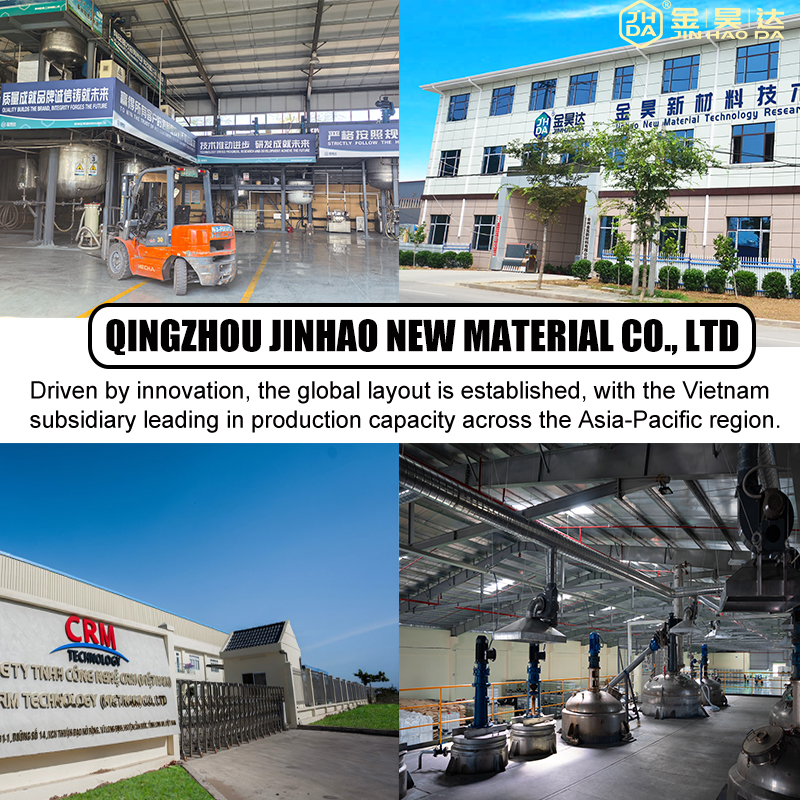
Qingzhou Jinhao New Material Co., Ltd., branded as JHDA, is a papermaking fine chemicals manufacturer founded in 2005 and based in Qingzhou City, Shandong Province, China. Its sizing range covers AKD internal and surface sizing emulsions and styrene-acrylic surface sizing agents, including JH-103, JH-200, JH-325, JH-600, JH-611 and JH-WH3364. That range is used throughout this article as the worked example of what documentation a mill can request, and what to compare it against.
Problem Definition: Why a Passing Sample Is Not a Supply Decision
Sizing trials usually vary one factor, the dosage, and measure one outcome, such as water resistance or surface strength. That is the right way to compare chemistries and the wrong way to compare suppliers. Between a successful trial and a bulk contract, four failure points sit outside the beaker.
1. Specification drift between lots
Solid content determines how much active material reaches the sheet at a fixed dosing setpoint. When solid content moves between deliveries, the mill recipe no longer matches the chemical, and the result appears as a Cobb or ring crush variance that is difficult to trace back to the sizing agent. A supplier should publish the solid content band per grade, and the mill should confirm the delivered value on each lot before adjusting anything else.
2. pH and viscosity against dosing hardware
pH and viscosity are hardware constraints, not performance claims. Across the JHDA sizing range, pH is specified between 2.0 and 5.0 and viscosity at or below 50 cps at 25 degrees Celsius. Those two numbers decide how the product behaves in a mixing tank, in a metering pump and on a size press roll, and they are the numbers a mill should pass to its pump and piping suppliers before commissioning.
3. Ionic mismatch with existing wet-end chemistry
Anionic and cationic sizing agents behave differently with retention aids, defoamers and starch. A grade that sizes well in a beaker can still flocculate the white water loop or deposit on machine clothing if its ionic type fights the chemistry around it. This is a documentation question first and a trial question second.
4. Storage and shelf life
Shelf life across the JHDA sizing range runs from 3 to 6 months depending on grade. A supplier with long transit times and slow stock rotation delivers a shorter usable life than the technical data sheet suggests, and emulsion damage in transit does not always show up until the product reaches the sizing tank.
Industry Background: Why Capability Now Matters as Much as Chemistry
The global paper sizing agent market is valued at approximately USD 3.8 billion in 2025 (Dataintelo), and global sizing agent volume exceeded 3.8 million metric tons in 2024 (Market Reports World). Published estimates diverge: USD 3.16 billion (Market Research Future) to USD 3.95 billion (SNS Insider) for 2024, with CAGR projections from 4.14% to 5.8%. For a mill, the useful reading is that sizing is a large, slowly growing commodity chemistry where supplier reliability, not novelty, decides the outcome.
- Synthetic sizing agents, including AKD and ASA, held 54.5% of the market in 2024 (SNS Insider), and AKD alone accounts for approximately 48% of synthetic sizing agent volume globally (Dataintelo). Most capability checks therefore start with AKD grades, whether internal or surface.
- Liquid sizing agents held 57.8% of the market in 2024 (SNS Insider), while solid sizing agents are projected to grow at 5.11% CAGR through 2032 (SNS Insider). The liquid share reflects metered, automated dosing, which is the part of the process a supplier either supports or does not.
- Asia Pacific holds 42.3% of market revenue as of 2025 (Dataintelo), and China consumption is estimated at 650,000 tons in 2025 (Dataintelo). Mills buying in this region can usually source regionally, so delivery assurance becomes a question about local production and stock rather than shipping distance alone.
Compliance sits outside the supplier control but inside its documentation. Paper chemicals used in food-contact packaging must meet Regulation (EC) No 1935/2004 in the European Union and FDA 21 CFR requirements in the United States. A supplier supports those obligations with test reports and declarations; the mill still owns the final compliance decision.
Detailed Solution: The Four Capability Pillars
Pillar 1: Grade-by-grade specification documentation
A supplier selling five grades should publish five specification rows, not one portfolio-level claim. The table below lists the parameters a mill needs before a trial, using the JHDA sizing range as the worked example.
| Grade | Chemistry and type | Solid content (%) | pH | Viscosity at 25 C (cps) | Ionic type | Shelf life |
|---|---|---|---|---|---|---|
| JH-103 | AKD internal sizing emulsion | 12.5 to 25.0 +/- 1.0 | 2.0 to 5.0 | Less than or equal to 50 | Cationic | 4 months |
| JH-200 | Surface AKD sizing emulsion | 20.0 +/- 1.0 or 30.0 +/- 1.0 | 2.0 to 5.0 | Less than or equal to 50 | Cationic | 3 months |
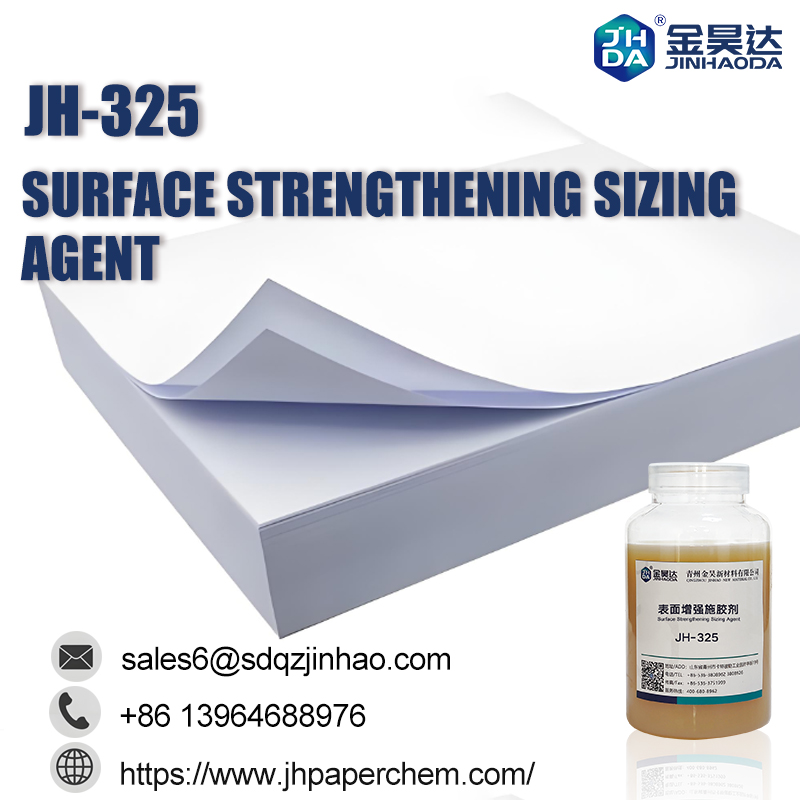
| JH-325 | Anionic styrene-acrylic surface sizing agent | 25.0 +/- 1.0 | 2.0 to 5.0 | Less than or equal to 50 | Anionic | 6 months |
| JH-600 | Moisture-resistant SAE surface sizing agent | 30 +/- 1.0 | 2.0 to 5.0 | Less than 50 | Cationic | 6 months |
| JH-WH3364 | Composite AKD and styrene-acrylic surface sizing agent | 25.0 +/- 1.0 | 2.0 to 5.0 | Less than or equal to 50 | Weak cationic | 4 months |
| JH-611 | Cationic starch-based surface sizing agent | 30.0 +/- 1.0 | 2.0 to 5.0 | Less than or equal to 50 | Cationic | 6 months |
Two parameters do most of the work in this table. Solid content converts a dosing setpoint into an active dose. Ionic type predicts how the grade will behave next to retention aids, defoamers and starch. pH and viscosity do not describe performance; they describe the equipment the product can run through.
Pillar 2: Compatibility with retention aids, defoamers and starch
Compatibility must be documented per grade and then confirmed in the mill own furnish. A portfolio-level statement such as compatible with all wet-end chemicals cannot be verified on site, so the useful question is which specific chemistry each grade has been run with.
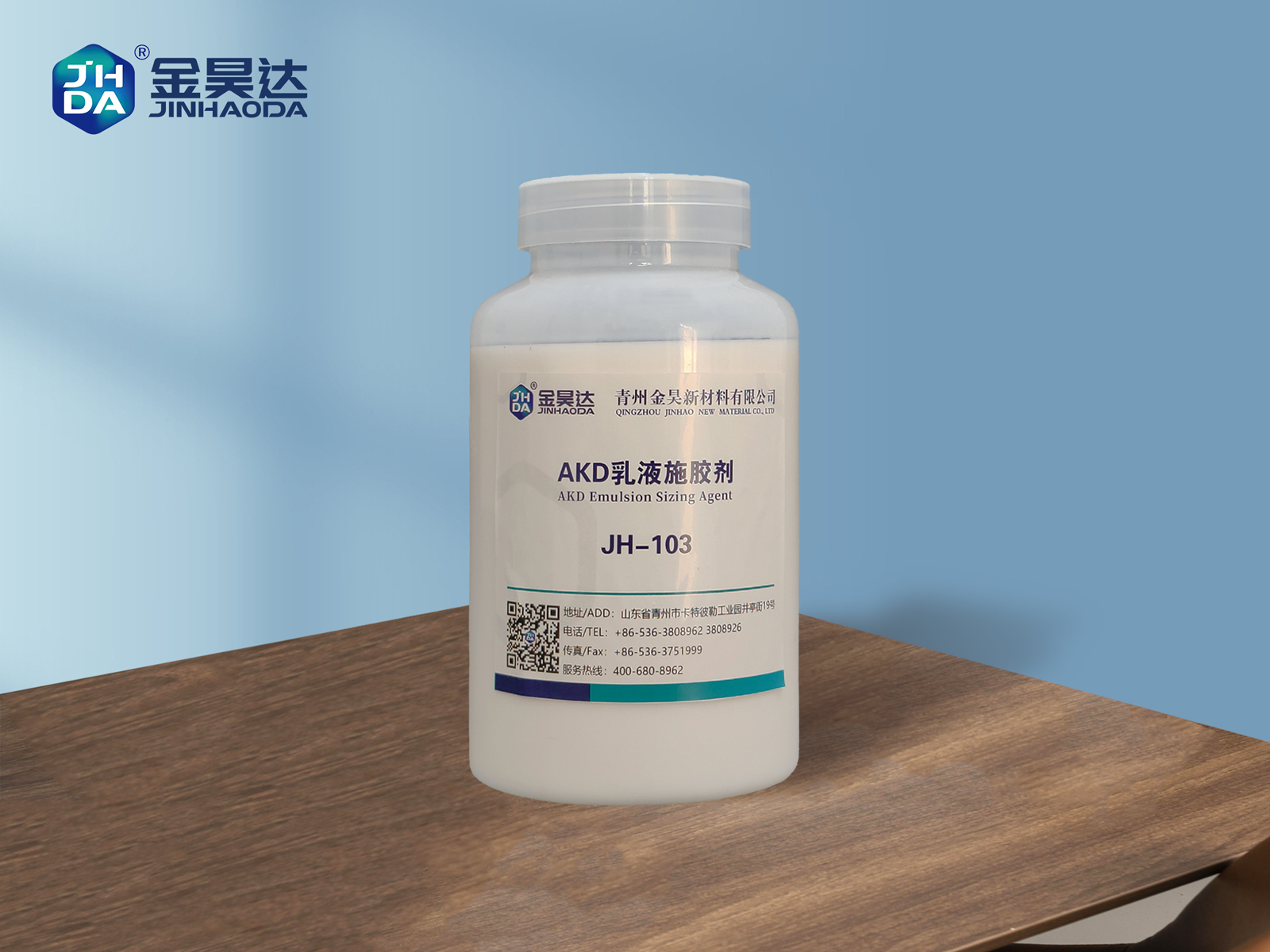
- JH-103, a cationic AKD internal sizing emulsion, is documented as compatible with conventional wet-end chemicals including retention agent, defoamer and bentonite, without abnormal flocculation, white water deterioration or sticky deposition on paper machine clothing.
- JH-200, a cationic surface AKD sizing emulsion, is compatible with oxidized starch, cationic modified starch and industrial starch, and is prepared in the surface sizing tank without changing the pulp formula or the internal additive system.
- JH-325, an anionic styrene-acrylic surface sizing agent, is compatible with retention aids and defoamers without system flocculation, and it works in both acidic sizing with aluminum sulfate and neutral papermaking systems.
- JH-600, a moisture-resistant SAE surface sizing agent, reacts and crosslinks with starch components rapidly and is used together with low-cost industrial starch to reduce the addition of high-priced sizing agent.
- JH-611, a cationic starch-based surface sizing agent, combines uniformly with anionic starch, is compatible with ordinary raw starch, and can directly replace wet-end internal sizing agents.
- JH-WH3364, a weak cationic composite of AKD and styrene-acrylic resin, is compatible with retention aids and defoamers and blends with oxidized starch and modified starch without flocculation failure.
The ionic logic matters more than any single statement. Anionic JH-325 and the cationic grades JH-103, JH-200 and JH-611 are not interchangeable without re-checking the starch and retention chemistry. JH-WH3364 sits between AKD reactivity and SAE film toughness and can replace separate purchasing of AKD emulsion and SAE sizing agent, which means a mill switching to it should re-verify the whole addition sequence rather than a single product.
Pillar 3: Continuous dosing and batch mixing support
Papermaking sizing runs on industrial continuous production lines, in wet-end or dry-end processing, and is applied either by continuous dosing or by batch mixing depending on the process. Common methods include dip-rolling, coating, metered dosing after solution preparation, and on-site mixing followed by drying or curing. The matched equipment set is mixing tanks, metering pumps, mixing towers, coating or sizing machines, and drying or fixing ovens. A supplier should be able to place its product inside that equipment list.
- JH-103 is a liquid finished product that supports direct continuous addition into the pulp pipeline by metering pump, with no manual dilution or stirring step.
- JH-611 is a liquid product that supports automatic metering pump feeding into the starch pipeline, with no pre-dissolving preparation.
- JH-200 is dosed in the surface sizing tank without adjusting the pulp formula, which suits trial use and older production lines.
- JH-325, JH-600 and JH-WH3364 are documented with mechanical shear resistance and low foaming characteristics suited to continuous operation on high-speed surface sizing machines, without bubble pinholes or streaks in the sheet.
Ask for a written dosing route: pump type and setpoint range, whether dilution is required, the injection point relative to the starch kitchen or size press, and who commissions it. JHDA field technical teams conduct on-site machine debugging and optimise Cobb water absorption value, ring crush strength, bursting strength, brightness and fiber retention rate on the running machine.
Pillar 4: Environmental compliance and storage stability
The application requirements for papermaking sizing specify environmental compliance (low VOC, no APEO or NPEO), formula compatibility, salt resistance, high-temperature resistance and long-term storage stability. These are testable items, and they should be tested before the first bulk order rather than after.
JHDA holds ISO9001 quality management system certification and ISO14001 environmental management system certification, along with SGS product compliance test reports. Exported products complete CAS registration and GHS hazard labelling and comply with IMDG international marine shipping regulations. Where the end product is food-contact packaging, the mill obligations under Regulation (EC) No 1935/2004 and FDA 21 CFR are supported by those reports rather than replaced by them.
- Shelf life by grade: JH-200 is 3 months; JH-103 and JH-WH3364 are 4 months; JH-325, JH-600 and JH-611 are 6 months.
- JH-103 is documented to hold a uniform liquid state in long-distance transport and normal-temperature storage without layering or breaking under seasonal temperature change.
- JH-WH3364 shows storage stability at room temperature without precipitation or oil separation, and JH-600 shows no delamination during storage and pipeline circulation.
- JH-325 shows no demulsification or precipitation in transport and long-term storage, which keeps batch-to-batch quality stable for continuous dosing.
The practical rule is to match order frequency to the shortest shelf life in the grade mix. A mill running JH-200 next to a 6-month surface grade should not plan the same stock cover for both.
Step-by-Step Breakdown: A Six-Step Supplier Capability Audit
Use Cases: Where the Check Changes the Answer
Corrugated and carton board in humid storage
For packaging mills dealing with moisture regain in rainy seasons, the relevant grades are JH-600 and JH-611. JH-600 is a moisture-resistant SAE surface sizing agent built to slow moisture back absorption and retain ring crush strength under high humidity, while JH-611 is a cationic surface sizing agent for corrugated paper and boxboard that can replace wet-end internal sizing agents without a curing period. In both cases the capability question is whether the supplier can deliver the same solid content and ionic behaviour across repeat orders, not whether the first drum works.
Printing and writing paper
For cultural paper, JH-325 anionic styrene-acrylic and JH-200 surface AKD cover two different routes. JH-325 targets surface strength and printability with moderate water resistance and ink affinity, while JH-200 builds a waterproof barrier through reaction with cellulose and reaches final sizing effect after the drying cylinder, which shortens the curing wait before the finished paper can be rolled and delivered.
Recycled and mixed pulp
Mills on recycled or blended furnish need documented raw material adaptability rather than a single-pulp claim. JH-103 is documented for wood pulp, chemical pulp, mechanical pulp and blended pulp, and JH-600 for virgin wood pulp, chemical pulp, mechanical pulp and compound recycled pulp under fluctuating water quality and temperature. A supplier that cannot state this per grade cannot support a recycled furnish trial.
ASEAN delivery and export documentation
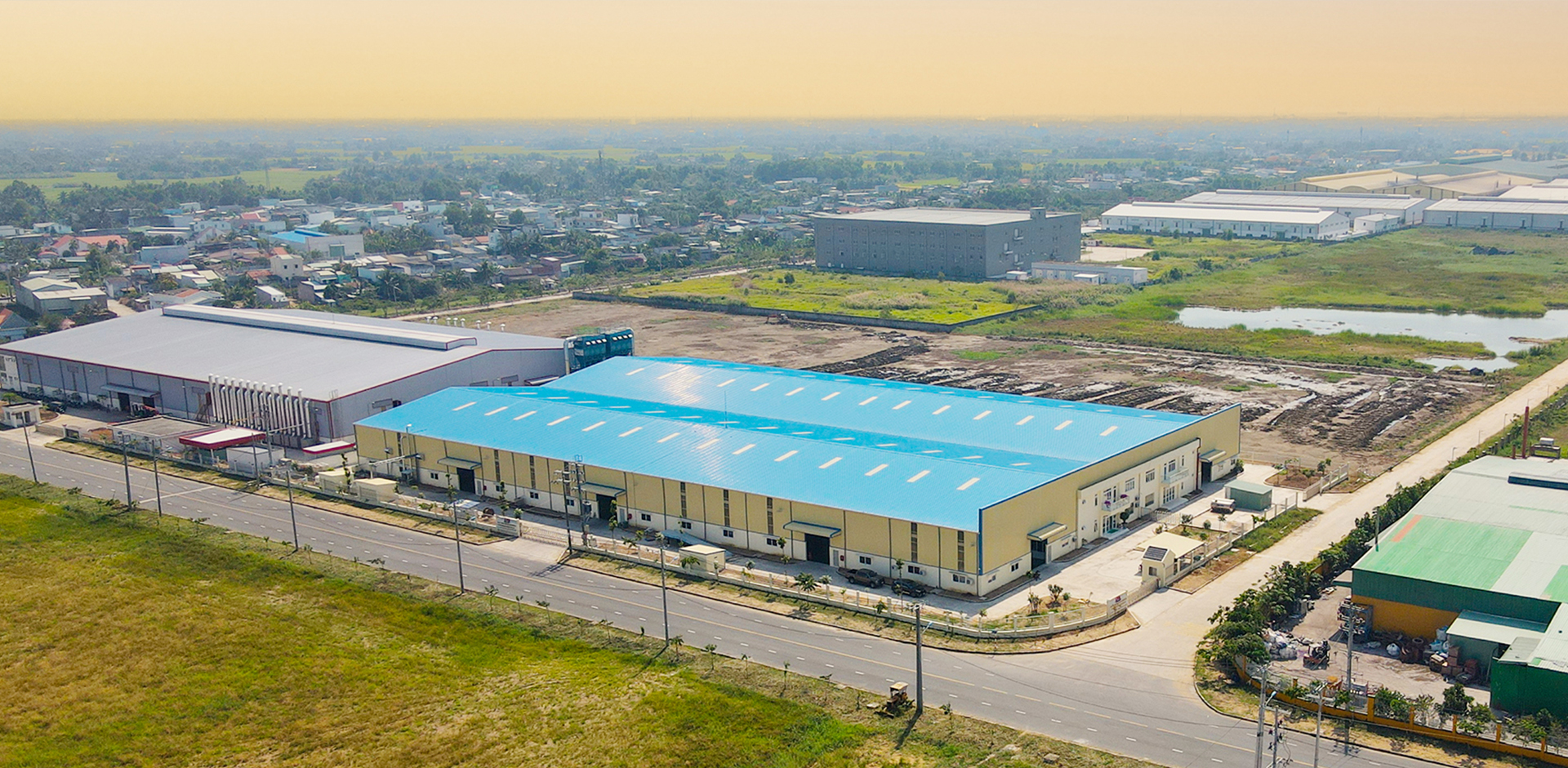
For mills in Vietnam, Thailand, Malaysia, Indonesia, Myanmar and Cambodia, delivery assurance is a documentation question as much as a logistics one. JHDA operates an overseas production entity, CRM Chemical Technology Co., Ltd., in Long An Province, Vietnam, to support local delivery for ASEAN clients. Export business accounts for 35% to 50% of total sales volume, which is the practical reason the export document set is routine rather than special.
Comparison Table: What to Ask and What Closes the Question
| Capability area | Question to the supplier | Evidence that closes it |
|---|---|---|
| Specification consistency | What are solid content, pH, viscosity and ionic type for each grade we buy? | A grade-by-grade specification sheet plus the current TDS, cross-checked against the pre-shipment inspection report. |
| Compatibility | Which retention aids, defoamers and starches has this grade run with? | Grade-level compatibility statements plus a trial in the mill own furnish and water. |
| Dosing support | Continuous or batch? Pump type, dilution and injection point? | A written dosing route and on-site commissioning by a technical service engineer. |
| Environmental compliance | Low VOC and no APEO or NPEO? Which certificates apply? | ISO14001 certificate, SGS product compliance test report, CAS and GHS documentation. |
| Storage stability | What is the shelf life, and how does the emulsion behave in transit? | Shelf life per grade plus documented anti-aging or storage stability behaviour. |
| Delivery | What is the MOQ, capacity and lead time to our port? | Annual capacity, MOQ, local production entity or stock position, and the full export document set. |
FAQ
Which compliance documents should a sizing agent supplier provide for food-contact packaging paper?
At minimum, ISO9001 and ISO14001 certificates and an SGS product compliance test report, plus CAS registration and GHS hazard labelling for the specific product. For sea freight, the supplier should also provide an IMDG-compliant declaration together with the MSDS and TDS set. Food-contact compliance itself stays with the mill: paper chemicals used in food packaging must meet Regulation (EC) No 1935/2004 in the EU and FDA 21 CFR requirements in the US, so supplier reports support the mill declaration rather than replace it.
Can the supplier support continuous dosing instead of batch mixing?
It depends on the grade, and it should be stated per grade. JH-103 is a liquid product that supports direct continuous addition into the pulp pipeline by metering pump without manual dilution, and JH-611 supports automatic metering pump feeding into the starch pipeline without pre-dissolving. JH-200 is dosed in the surface sizing tank. All grades in the JHDA sizing range are specified at or below 50 cps at 25 degrees Celsius, which is the number to give the pump supplier when the metering line is specified.
What is the minimum order, and what drives the cost per ton of paper?
The MOQ for JHDA papermaking chemicals is 1 MT. Cost per ton of paper is driven less by the price per kilogram than by the active dose and by how much expensive sizing chemical the grade displaces. JH-600 and JH-325 are designed to work with low-cost industrial starch and reduce the addition of high-priced sizing agent, JH-200 is a concentrated formula that reduces total sizing chemical consumption compared with separate internal AKD addition, and JH-WH3364 replaces separate purchasing of AKD emulsion and SAE sizing agent. Ask for a dosage comparison at the target Cobb value rather than a price list alone.
How should a mill run a sizing agent sample trial?
Ask for the specific grade and the lot it comes from, together with the current TDS and MSDS. Run the trial in the mill own water and furnish with the retention aid and defoamer at production ratios, and measure the indicators the mill already tracks: Cobb water absorption value, ring crush strength, bursting strength and surface strength. JHDA supports sample trials and pre-shipment laboratory testing, and its field technical team can carry out on-site machine debugging during the trial rather than after the order.
How is delivery assured for mills outside China?
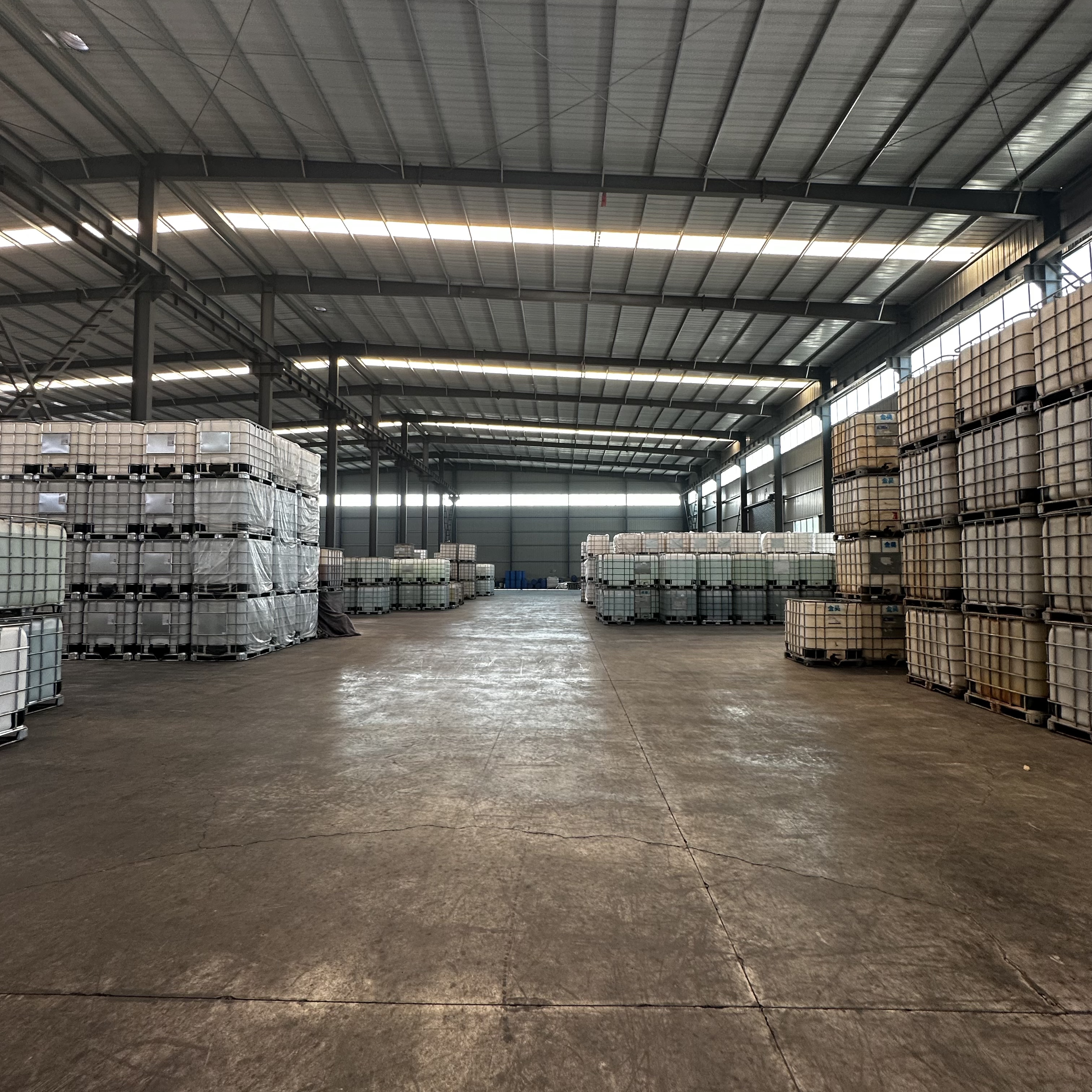
Three things are checkable. First, capacity: JHDA operates a manufacturing facility of approximately 20,000 square meters with annual production capacity of 100,000 tons, so bulk orders can be scheduled against a known output base. Second, local stock: an overseas production entity, CRM Chemical Technology Co., Ltd., in Long An Province, Vietnam, supports local delivery for ASEAN clients. Third, documents and payment: the export set includes commercial invoice, packing list, certificate of origin, pre-shipment inspection report, MSDS, TDS and dangerous goods transport certification, with sight L/C, T/T and DP available for large-volume orders, and factory audit visits are supported for distributors and terminal mills. To start, send the grade list and target indicators to the JHDA international sales team for a sample and a dosing recommendation.
Conclusion
A sizing agent supplier should be judged on four things a sample cannot show: whether it documents solid content, pH, viscosity and ionic type for every grade the mill buys; whether it can name the retention aids, defoamers and starches its grades have run with; whether it can describe how the product enters the process and which equipment it matches; and whether it can deliver on schedule with the compliance file the end market requires. Sample performance is the entry ticket. Documentation, compatibility, dosing support and delivery are what keep the machine running.
Qingzhou Jinhao New Material Co., Ltd. (JHDA), founded in 2005 and based at No.19, Jingting Street, Caterpillar Industrial Park, Qingzhou City, Shandong Province, China, supplies AKD sizing emulsions and styrene-acrylic surface sizing agents for kraft linerboard, corrugated medium paper, printing and writing paper, household tissue paper and food-grade cardboard. The company employs more than 80 people, including 20 professional R&D and on-site technical service engineers, and reports annual sales revenue consistently above 100 million RMB. The next step in a capability check is a grade-by-grade comparison against the mill own specification, and that starts with a sample and a TDS set.
Request a sizing agent sample, TDS set or factory audit slot
Send the grade list, target Cobb value and dosing setup to the JHDA international sales team. Samples, pre-shipment laboratory testing and bulk quotations are available for export orders with an MOQ of 1 MT.
Email: info@sdqzjinhao.com | Tel: +86-536-3808962 | WhatsApp: +86 139 6468 8976 | Website: en.sdqzjinhao.com
Download the company profile and full product catalogue: JHDA Introduction 2026 (PDF)
Have Questions or Need More Details?
Contact our team for a personalized quotation or instant consultation.
Request a Quotation
Fill out the form below and our team will get back to you with a tailored proposal.
WhatsApp Direct Chat
Prefer to chat in real-time? Message us on WhatsApp for instant assistance & quick answers.
- Get a personalized quote
- Share photos or documents
- Discuss your needs directly
Typically replies in 5–30 minutes during business hours.