
Top 7 Musical Fountain Structural Configurations for 2026: Ranking the Best Water Show Formats
Top 7 Musical Fountain Structural Configurations for 2026: Ranking the Best Water Show Formats
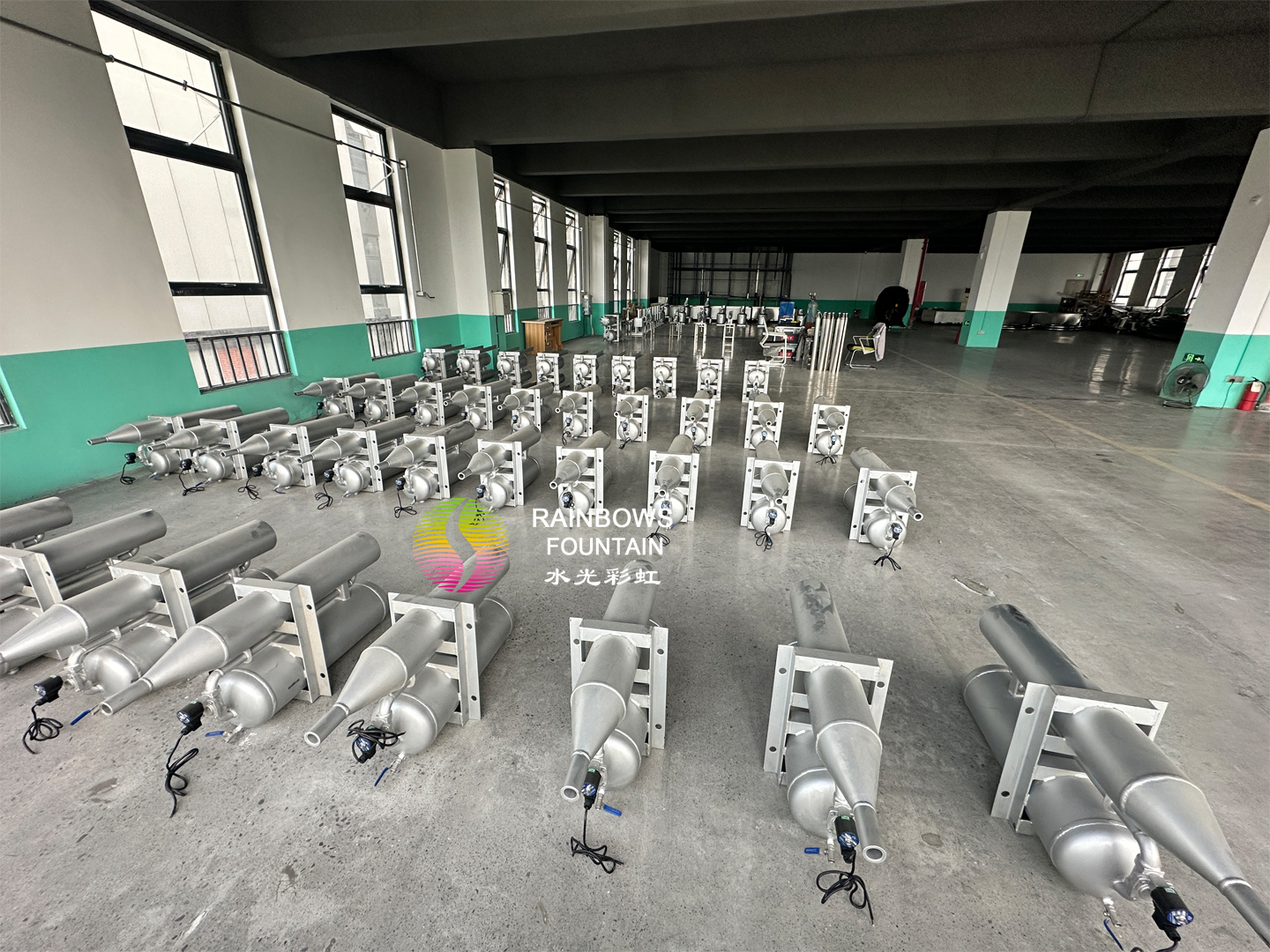
Customized stainless steel fountain nozzle units — the structural building block shared by most permanent musical fountain configurations.
Seven structural configurations cover almost every large water show specified for 2026: the musical dancing fountain, the dry deck fountain, the floating fountain, water screen projection, the fire water fountain, the digital water curtain, and the cold fog fountain. Each one answers a different structural question — a permanent concrete basin, a walkable flush deck, a floating platform, a vertical projection surface, a combined water-and-flame stage, a flat falling-water screen, or an atmospheric mist field — and each one locks in a different long-term operating burden.
A ranking of these formats is only useful when it reflects engineering trade-offs rather than visual taste. The order below is built on four criteria that matter at the decision and execution stage: how much show impact a configuration delivers, how many venue types it fits without redesign, how much structural and civil work it requires, and how heavy its maintenance and programming load becomes five or ten years after opening night.
Commercial demand is the reason this comparison matters now. The global musical fountain market was valued at USD 2.51 billion in 2025 and is projected to reach USD 5.23 billion by 2034, growing at a CAGR of 8.5%, with Asia Pacific holding 38.5% of 2025 revenue and commercial end-users such as luxury hotels and shopping malls accounting for 42.8% of the market (Dataintelo, musical fountain market report).
Rainbows Fountain, the flagship brand of Caiyuejiaxiu Group, is a musical fountain design and engineering company based in Nansha, Guangzhou, China, with more than 25 years of experience in the fountain industry and completed fountain projects in more than 50 countries. The seven configurations ranked below are the formats its engineering team designs, manufactures, ships, and commissions for city squares, theme parks, hotels and resorts, and commercial complexes.
Why Fountain Configuration Is the Decision Buyers Cannot Undo
Configuration is the one fountain decision that behaves like a permanent one. A dancing fountain requires a reinforced water basin with pump rooms, drainage, and underwater cable routing. A dry deck fountain requires a flush structural deck that pedestrians walk across every day. A floating fountain requires an anchoring and power-feed system that survives wind loading and water-level change. Water screen projection requires a projection position, a rigging structure, and a controllable dark environment. Once civil works are poured or a deck is finished, changing format means reconstruction, not re-specification.
This is why the four risk categories that most often damage water show projects are decided at configuration stage, before any equipment is chosen: water and electrical safety, equipment corrosion and sealing failure, on-site construction and commissioning risk, and show-synchronization failure. A buyer who selects a structural format first and equipment second is effectively deciding whether those risks are designed out or managed later.
For a city square, a resort lake, or a shopping complex entrance, the working question at decision stage is therefore not "which fountain looks best in a rendering?" but "which structural configuration will still be serviceable, re-programmable, and safe in ten years?" That lifecycle question is the thread running through the ranking below.
The 2026 Market Context: Growth, Standards, and Supply
Two growth signals shape configuration choices in 2026. The first is overall market expansion: USD 2.51 billion in 2025 to a projected USD 5.23 billion by 2034, with Asia Pacific as the largest regional market at a 38.5% revenue share, driven by urbanization in China and Southeast Asia. The second is the control layer specifically. The Music Fountain Control System Market was valued at USD 1.34 billion in 2024 and is expected to reach USD 2.89 billion by 2032 (SNS Insider), which reflects a simple operational reality: a water show is now judged as much on synchronization, programming flexibility, and content updates as on hydraulics.
Standards have consolidated around the same period. Musical fountain systems commonly adhere to ISO 9001:2015 for quality management and IP68 waterproof ratings for underwater components such as LED lights and pumps. Advanced musical fountains use DMX512 lighting protocols and Programmable Logic Controllers (PLCs) to synchronize water jets with music. Those three elements — IP68 sealing, DMX512 lighting control, and PLC-driven show logic — are the technical baseline that separates a permanently installed show from a decorative water feature.
The supply landscape remains international. Documented global participants include OASE Living Water (Germany), Crystal Fountains (Canada), and Safe-Rain (Spain), alongside Chinese engineering manufacturers such as Rainbows Fountain, whose equipment is CE certified and manufactured under an ISO 9001 certified quality management system, with key components sourced from recognized industrial brands including ABB, Rexroth, and Schneider.
Rainbows Fountain operates a 4,500 m² manufacturing facility with an annual output of roughly 50 fountain systems, an R&D and design organization of 45 engineers and 12 designers, and an export ratio of about 80%, with main markets in the Middle East, Africa, and South Africa. More than 20 overseas engineers are available for on-site installation, commissioning, and technical support, which matters directly to configuration choice: formats that demand complex on-site integration only make sense when the supplier can actually commission them on site.
The Top 7 Musical Fountain Structural Configurations, Ranked
The ranking below is an engineering ranking, not a popularity poll. Format 1 carries the widest combination of show impact, venue fit, and programmable longevity. Each lower position trades away one of those dimensions — usually site flexibility or long-run simplicity — in exchange for a narrower but stronger effect.
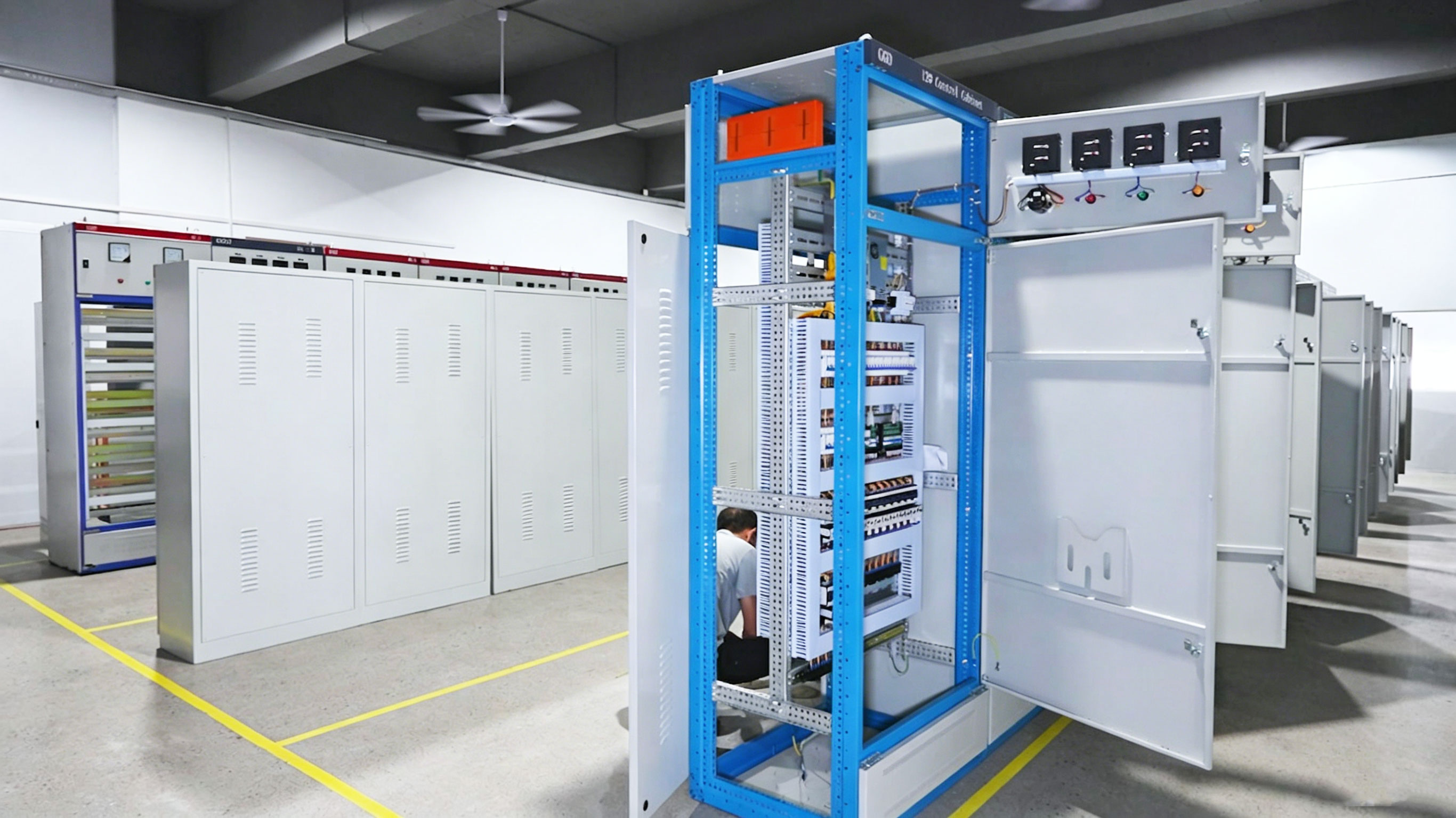
Control cabinet assembly and testing — DMX512 lighting control and PLC show logic determine how much a configuration can be re-programmed over its lifetime.
1. Musical Dancing Fountain — The Backbone Format
A musical dancing fountain is a permanent basin-based system in which modular stainless steel nozzle assemblies, submersible pumps, and underwater lighting are driven by a programmed show controller so that water patterns move in time with music. Structurally it is the most complete format: a reinforced basin, a pump room, drainage, underwater cabling, and a control room or cabinet position.
It ranks first because it is the only format that combines high show impact with genuine programming freedom. The same structure can run a short daytime cycle and a full evening multimedia show, and new music or sequences can be added later without rebuilding hardware. It is the default choice for city squares, theme parks, and large public plazas.
Its limitation is scale-driven cost: the basin, pump room, and cable infrastructure are fixed civil investments, so this format rewards sites with enough footprint and a long operating horizon. Standard construction uses stainless steel fabrication with material grade specified according to water chemistry — 304 for typical municipal water, 316L commonly specified where chloride exposure or coastal conditions are present.
2. Water Screen Projection Musical Fountain — Water as a Projection Surface
Water screen projection turns a fountain into a display medium. High-pressure nozzles form a fan-shaped sheet of water that acts as a projection surface, and laser or multimedia content is projected onto that sheet, usually with synchronized water jets and RGBW underwater LED lighting around it.
It takes second place because it extends a fountain beyond hydraulics: the same structure can carry branding, event content, or cultural storytelling, which is exactly what landmark plazas, tourism destinations, hotels, and commercial complexes are buying. Because the effect is content-driven, the show can be refreshed without touching the hydraulic design.
The trade-offs are real. Projection quality depends on wind exposure and ambient light, so site orientation matters more than it does for a pure dancing fountain. Media servers, projectors, and the screen structure add equipment that must be protected and serviced, and the format works best in controlled evening conditions rather than around the clock.
3. Dry Deck Interactive Musical Fountain — When the Deck Must Stay Walkable
A dry deck interactive musical fountain is the most site-constrained format and the most space-efficient. Nozzles, lighting, and valves sit below a flush structural deck, so the plaza surface stays usable for pedestrians when the show is off and becomes an interactive water feature when it runs.
It ranks third because it solves a problem no other configuration solves: it gives a commercial complex or urban plaza a water attraction without permanently removing usable ground. For shopping malls, mixed-use complexes, and hotel forecourts where foot traffic cannot be displaced, this is often the only viable option.
The structural penalty is concentrated in the deck itself. Sealing, drainage, load rating, and below-grade access hatches all become critical, because sealing failure in a dry deck is an accessibility and safety issue, not just a water-loss issue. This format also benefits most from rigorous factory pre-testing, since correcting a below-deck problem after the plaza is finished is far more expensive than correcting it in the factory.
4. Lake Floating Musical Dancing Fountain — No Civil Basin Required
A floating fountain mounts the entire system — pumps, nozzle manifolds, lighting, and electrical enclosures — on a floating platform that is anchored and cabled to shore. Because there is no need to drain, excavate, or pour a basin, it removes the single largest civil cost from a water show project.
It ranks fourth for its combination of low civil impact and strong visual scale. Large lake and reservoir sites in parks, resorts, and riverside developments can host a full programmable dancing fountain show without altering the water body, and the platform can be sized up considerably because it is not limited by basin geometry.
The long-term trade-off is maintenance access. Servicing requires boat or pontoon access, and the anchoring system, power feed, and water-level variation become structural design inputs rather than afterthoughts. Buyers should treat the mooring and power-feed design as part of the fountain specification, not as a separate marine contract.
5. Digital Water Curtain — The Vertical Accent
A digital water curtain produces a flat, controlled sheet of falling water from an overhead manifold, typically used as a programmable screen, a building entrance feature, or a stage backdrop. Water flow can be interrupted in programmed sequences so the curtain itself becomes a graphic medium, and RGBW LED lighting makes the falling water readable at night.
It ranks fifth because its strength is architectural rather than spatial. It performs best where a dancing fountain or a floating fountain would be out of scale — commercial entrances, atriums, event stages, and hotel lobbies — and where the client wants a controllable visual plane instead of a basin.
Its constraints follow from that: the curtain requires a supported overhead structure, a stable water supply, and consistent water treatment to keep the sheet visually clean. It is rarely the primary attraction of a large site, but it is one of the most effective accent formats when paired with a main basin or lake show.
6. Fire Water Musical Fountain — The Night-Show Climax
A fire water musical fountain combines water jets with flame emitters on the same structural assembly, so water and fire effects are choreographed in a single synchronized sequence, usually with RGBW lighting and laser elements reinforcing the contrast.
It ranks sixth not because the effect is weak — in an evening show it is often the single most memorable moment — but because it introduces a second utility and a second safety regime. Flame effects require fuel handling, additional safety interlocks, and a permitting path that many municipal venues apply only after a full review.
Where it fits, it fits well: resorts, entertainment districts, tourism destinations, and event plazas where a nightly climax justifies the added complexity. Where it does not fit, the structural lesson is the same — fire capability is a configuration decision, not an accessory that can be bolted on later.
7. Cold Fog Fountain — The Atmosphere Layer
A cold fog fountain generates a low-lying mist field from high-pressure fog nozzles, used less as a standalone attraction and more as an atmospheric layer that softens lighting, cools a plaza, and adds depth to an evening scene.
It ranks seventh because it is an accent by design. It delivers no hydraulic show of its own, and its visual value depends on being combined with lighting or with a primary water feature. Treated as a supporting element, it is genuinely useful in resort landscapes, gardens, and hospitality outdoor areas.
Its operational demands are modest but non-negotiable: fog nozzles depend on water quality and filtration, and inconsistent water treatment shows up immediately as reduced mist density. For buyers planning a resort or hospitality configuration, cold fog is best budgeted as a defined sub-system within the main project scope rather than as a separate installation.
From Configuration to Commissioning: A Step-by-Step Breakdown
Once a configuration is chosen, execution follows a sequence that determines whether the show performs as designed. The workflow below reflects how turnkey fountain projects are typically delivered, from concept through lifecycle support.
- Step 1 — Concept design and configuration confirmation. The selected format is developed into detailed CAD engineering drawings and 3D visual and fountain effect simulations, so the client can confirm the final design and performance before implementation.
- Step 2 — Technical planning. Hydraulics, pump sizing, power distribution, underwater cabling, and the control architecture are defined. This is where IP68 underwater component selection and DMX512/PLC control logic are fixed for the life of the installation.
- Step 3 — Equipment manufacturing. Stainless steel pipe fabrication, CNC machining of components, precision welding of nozzle assemblies and structural parts, and polishing are carried out according to project drawings.
- Step 4 — Control cabinet assembly and electrical testing. Intelligent fountain control cabinets are wired, labeled, and tested, with functional inspections verifying PLC programming, circuit safety, communication, and synchronized control of pumps and lighting.
- Step 5 — Factory pre-testing. Quality assurance procedures include factory pre-testing and on-site commissioning. In the factory demonstration pool, engineers verify water patterns, nozzle performance, lighting synchronization, and control programs before shipment.
- Step 6 — Packing and shipping. Fountain equipment is packed in export-grade wooden crates to protect electrical systems, stainless steel nozzles, and precision components, then loaded and shipped per the agreed delivery terms.
- Step 7 — On-site installation and commissioning. Overseas engineers install, commission, and synchronize the system on site, adapting to local conditions and regulations.
- Step 8 — Acceptance. A recommended project acceptance checklist covers equipment arrival inspection, system integration testing, and show demonstration and performance tests before the acceptance report is signed.
- Step 9 — Long-term operation. Contingency plans include redundant programming and failback schemes to address show-synchronization failures, supported by after-sales technical support, maintenance assistance, and system upgrade services.
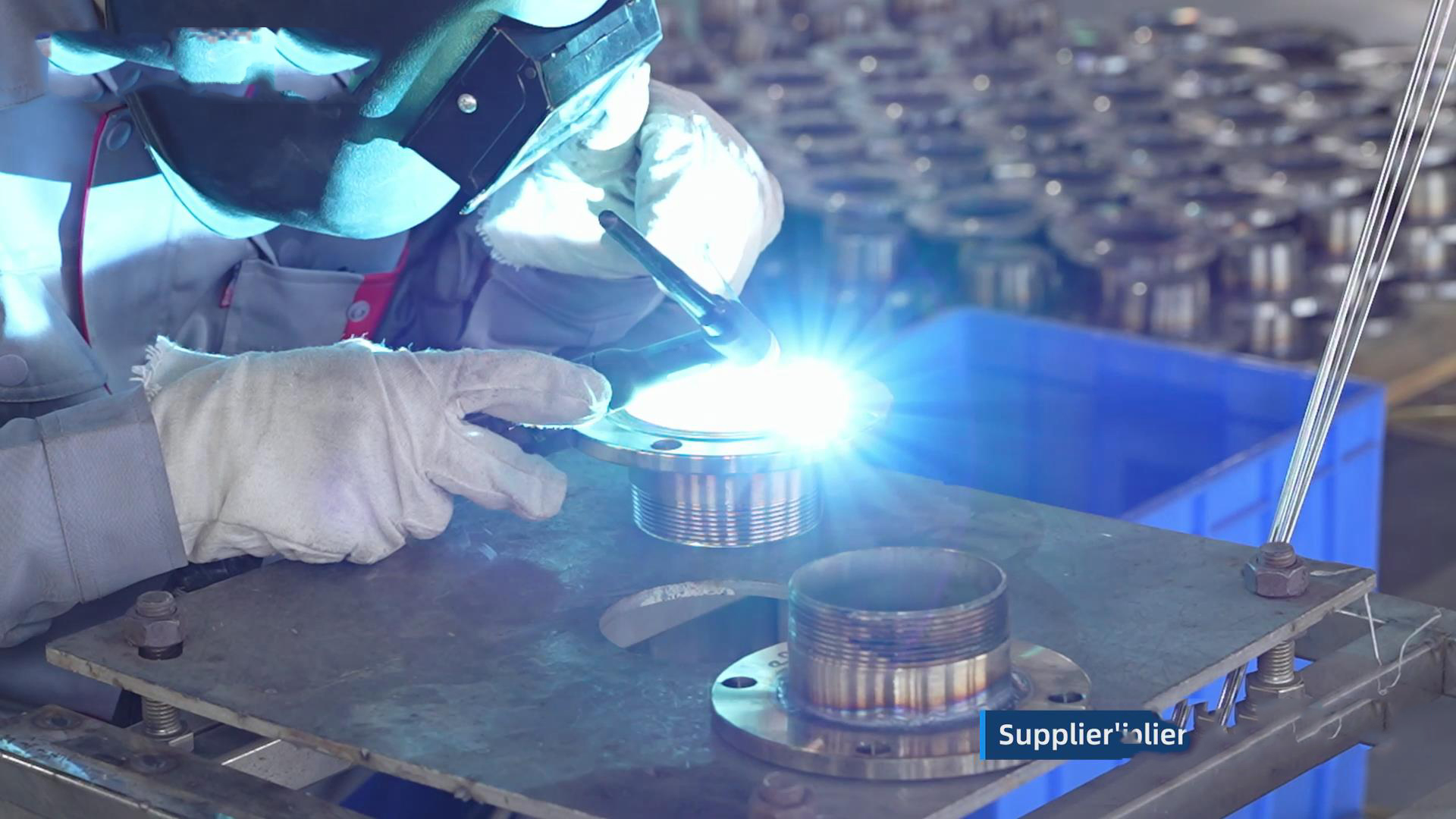
Flange welding on stainless steel fountain structures — structural fabrication quality determines corrosion resistance and service life.
Where long-term decisions are actually made: the control architecture and material grade chosen in Step 2 determine how much of the show can be updated later without structural work. A configuration with DMX512/PLC control and documented component traceability can be re-programmed repeatedly; a configuration without them tends to be replaced.
Use Cases: Matching Format to City Squares, Theme Parks, Hotels, and Commercial Complexes
Commercial end-users — including luxury hotels and shopping malls — held the largest share of the musical fountain market at 42.8% in 2025, and Asia Pacific urbanization continues to drive public-sector demand. The practical question is which configuration fits which venue type without excessive compromise.
City squares and municipal plazas
A large musical fountain with a permanent basin remains the anchor format here, frequently combined with water screen projection for event programming and public messaging. Municipal venues carry the longest operating horizon, so the decision criteria shift toward compliance, safety, and serviceable structure: waterproof electrical cabinets, grounding and leakage protection, corrosion-resistant materials, factory pre-testing, and on-site commissioning. Turnkey delivery is generally preferable for these sites because the design, installation, and commissioning responsibilities sit with one party.
Theme parks and tourism destinations
Theme parks reward formats that can hold a repeat audience: musical dancing fountains as the base, water screen projection for narrative content, and fire water effects for the evening climax. Programming flexibility matters more than raw nozzle count, because shows are refreshed seasonally and the structure must absorb new content without re-engineering.
Hotels and resorts
Hospitality sites tend toward smaller footprints and atmospheric effect. Digital water curtains suit entrances and event lawns, cold fog fountains extend the ambience of outdoor dining and pool areas, and lake or lagoon properties can use a floating musical dancing fountain where a permanent basin would be inappropriate. Scale is deliberately restrained; reliability and quiet operation matter more than height.
Commercial complexes
Shopping and mixed-use complexes are the clearest use case for dry deck interactive musical fountains, because the deck must remain usable when the show is off. Combining a dry deck feature with a digital water curtain at the main entrance gives the complex a programmable daytime-to-evening sequence without removing leasable or walkable ground.
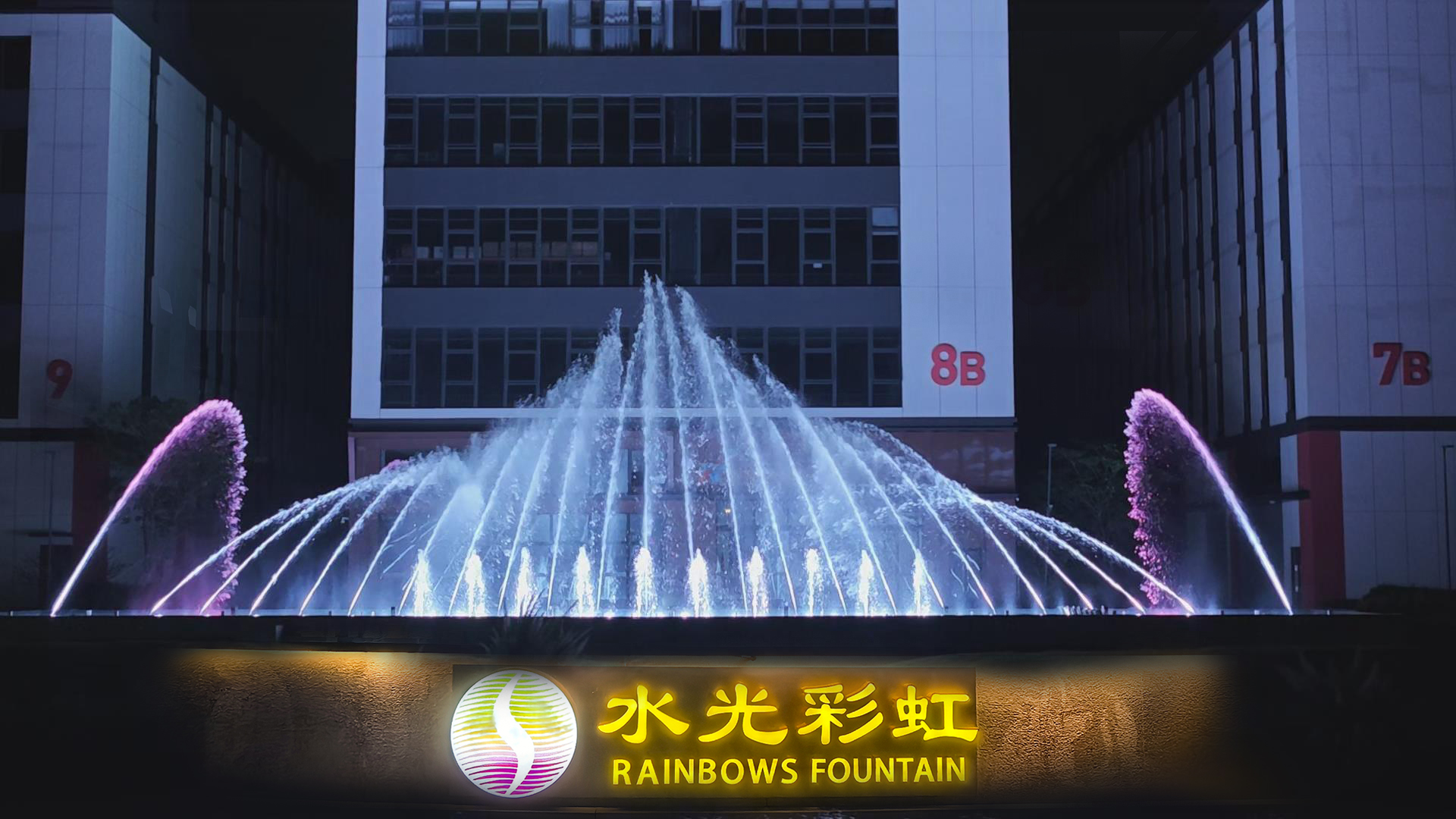
The factory demonstration and sample pool allows buyers to evaluate water effects, nozzle performance, and programmable show sequences before production.
Comparison Table: Seven Configurations at a Glance
| # | Configuration | Structural form | Best-fit venue | Effects & lighting | Control | Long-run O&M profile |
|---|---|---|---|---|---|---|
| 1 | Musical dancing fountain | Reinforced basin with modular stainless steel nozzle assemblies, pump room, underwater cabling | City squares, theme parks, large plazas | Programmable water patterns, RGBW underwater LED, laser options | DMX512 + PLC | Highest re-programming flexibility; routine nozzle, pump, and lighting inspection |
| 2 | Water screen projection | High-pressure screen nozzles plus projection and rigging structure | Landmark plazas, tourism destinations, hotels, events | Projected media and laser on a water sheet, synchronized jets, RGBW LED | DMX512 + PLC with media control | Content refresh plus projector and screen-structure servicing |
| 3 | Dry deck interactive fountain | Flush walkable deck with below-grade nozzles, drainage, and access hatches | Commercial complexes, urban plazas, hotel forecourts | Interactive jets and dancing sequences, RGBW LED | DMX512 + PLC | Sealing, drainage, and load-rating inspections; below-grade access is the key constraint |
| 4 | Lake floating musical dancing fountain | Floating platform with pumps, manifolds, and enclosures, anchored and cabled to shore | Parks, resort lakes, reservoirs, riverside developments | Programmable patterns, RGBW LED, laser options | DMX512 + PLC | No civil basin; servicing requires boat or pontoon access and anchoring checks |
| 5 | Digital water curtain | Overhead manifold producing a flat, programmable sheet of falling water | Commercial entrances, atriums, event stages, hotels | Programmable water sheet, RGBW LED backlighting | DMX512 + PLC | Manifold and pump maintenance; water treatment affects visual clarity |
| 6 | Fire water musical fountain | Water jet and flame emitters combined on one structural assembly | Resorts, entertainment districts, event plazas | Water, flame, RGBW LED, laser | DMX512 + PLC with safety interlocks | Additional safety systems, fuel handling, and permitting requirements |
| 7 | Cold fog fountain | High-pressure fog nozzles on a deck or floating structure | Resorts, gardens, hospitality landscapes | Low-lying mist, subtle RGBW accent lighting | Integrated with the main show controller | Modest, but nozzle filtration and water quality must be maintained |
Table reflects configuration characteristics to support early-stage comparison. Project-specific structural, hydraulic, and electrical specifications are confirmed during design.
Frequently Asked Questions
What certifications and safety measures should a supplier document for a city square musical fountain?
Equipment should be CE certified and manufactured under an ISO 9001 certified quality management system, and underwater components such as LED lights and pumps are commonly rated IP68 for waterproof protection. At system level, the relevant controls are waterproof electrical cabinets, grounding and leakage protection, and corrosion-resistant materials, backed by factory pre-testing and on-site commissioning. Because municipal projects require auditable documents, buyers should request component traceability and confirm that acceptance is tied to documented integration and performance tests rather than to visual inspection alone.
How should a buyer evaluate a long-term musical fountain supplier for city square projects?
Evaluate four things rather than the equipment list alone. First, design capability — the ability to produce detailed CAD engineering drawings and 3D effect simulations so the finished show can be confirmed before construction. Second, manufacturing control, including in-house stainless steel fabrication and factory testing of the actual control cabinets. Third, overseas delivery capability: Rainbows Fountain maintains a team of more than 20 engineers who travel for on-site installation, commissioning, and technical support, and has completed fountain projects in more than 50 countries. Fourth, lifecycle support — free after-sales technical support, long-term maintenance assistance, and system upgrade services. Signing a maintenance contract that specifies responsibilities and spare-part supply is recommended, because a city square fountain is operated for years, not for a launch event.
What are the standard purchasing terms for a custom musical fountain project?
Typical terms are MOQ of 1 unit, with delivery under EXW, FOB, or CIF and shipping by sea, land, or air depending on the project; project equipment is usually shipped as packaged systems for on-site installation, with the specific transport methods and terms agreed in the contract. Payment is generally by TT or LC, with 30% before production and 70% before loading, and terms can be negotiated. Buyers should tie the final payment and acceptance to a defined checklist covering equipment arrival inspection, system integration testing, and show demonstration and performance tests.
How can a configuration be validated before full-scale manufacturing?
Validation happens in two ways. Before implementation, detailed CAD drawings and 3D visual and effect simulations present the intended design and performance so the client can confirm the result. During production, equipment is tested in the factory demonstration and sample pool, where water patterns, nozzle performance, lighting synchronization, and control programs are verified before shipment; clients visiting the factory can watch the musical dancing fountain show directly. For dry deck and floating configurations, where post-installation correction is expensive, factory validation of sealing and control logic is the most valuable risk control available.
How are show-synchronization failures and long-term operation managed after handover?
Contingency plans include redundant programming and failback schemes to address show-synchronization failures, which is the failure mode most visible to the public in a city square or theme park setting. These plans sit alongside factory pre-testing and on-site commissioning as part of standard quality assurance. Over the operating life of the system, after-sales technical support, maintenance assistance, and upgrade services help the installation stay current as content and control hardware evolve. For buyers planning a 2026 project, the practical next step is to define the intended venue and configuration, then request a project-specific design and quotation rather than selecting from a standard catalogue.
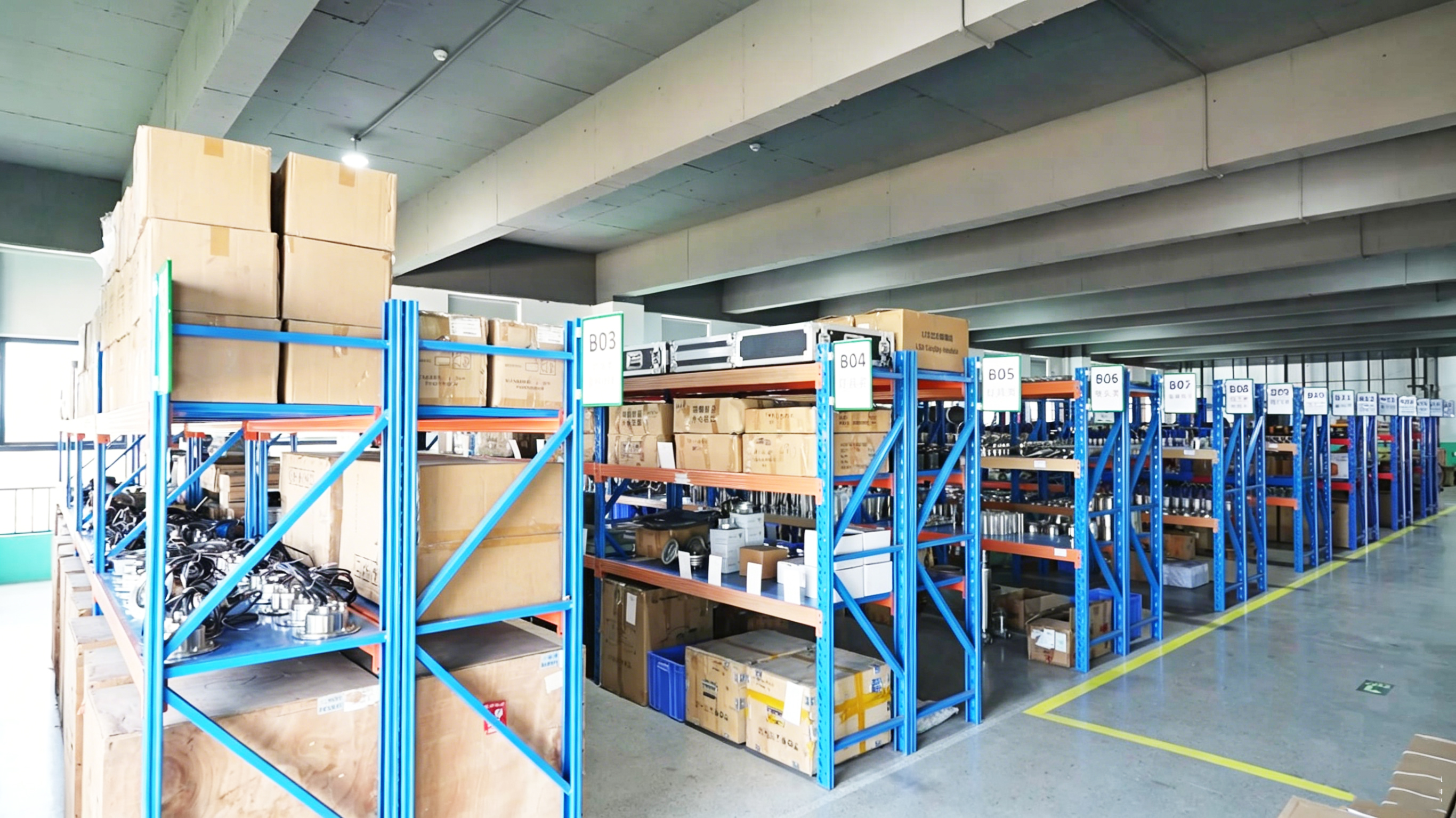
Component inventory and spare-part storage — continuity of pumps, stainless steel parts, lighting, and electrical accessories supports long-term fountain operation.
Conclusion: Configuration First, Format Second, Partnership Third
The seven configurations ranked here are not competing products so much as different structural commitments. The musical dancing fountain remains the strongest general-purpose format for city squares and theme parks, water screen projection adds a content layer that keeps a landmark relevant, dry deck and floating formats solve site constraints that a basin cannot, and the water curtain, fire water, and cold fog formats work best as deliberate accents within a larger scheme.
Whichever format a project selects, the same three disciplines decide whether it succeeds: a structural design that matches the venue, a control architecture built on DMX512 and PLC with IP68-protected underwater components, and a delivery model that covers commissioning, acceptance, and long-term support. Turnkey delivery is generally preferable for scenic landmark areas, city squares, large events, and permanent projects requiring full show and operations support, while equipment-only sourcing may suit replacements or small installations.
Planning a 2026 Water Show?
Rainbows Fountain designs, manufactures, ships, and commissions musical fountain systems for city squares, theme parks, hotels and resorts, and commercial complexes, with CE-certified equipment produced under an ISO 9001 certified quality management system.
Download the 2026 company and product catalogue: Rainbows Fountain Brochure (PDF)
Share your venue type, footprint, and target show concept, and request a configuration recommendation, sample validation, and project quotation.
Email: rainbowsfountain@163.com | WhatsApp / Tel: +8613631409487 | Website: www.rainbowsfountain.com
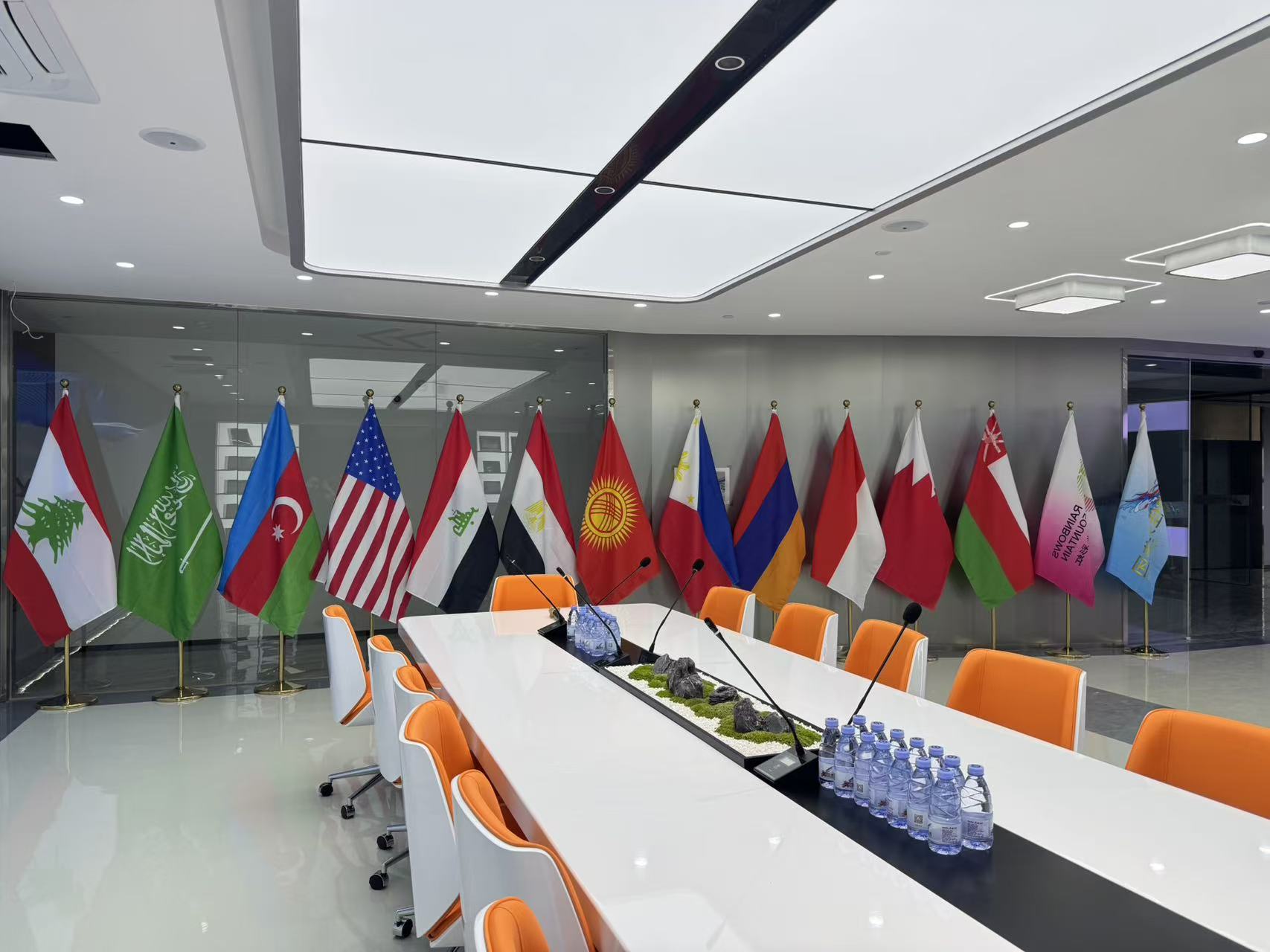
Project consultations and technical planning sessions — configuration, structure, and lifecycle requirements are confirmed with the client before design.