
Boron Frit RFL-B01: A Low-Temperature Frit Buyer Guide
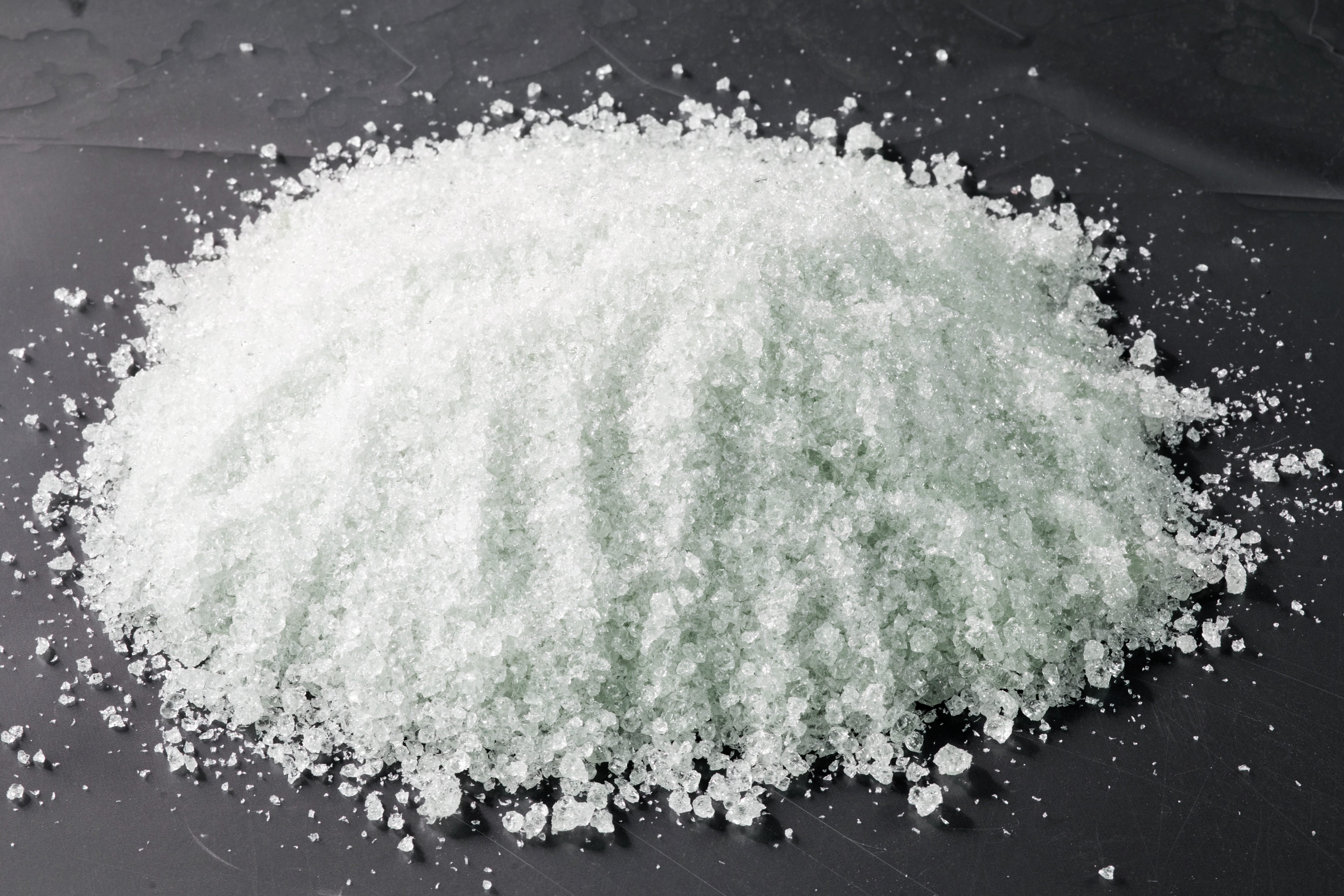
Boron Frit RFL-B01 is a boron-containing low-temperature frit supplied by RENOVA INDUSTRIAL & TRADING CO., LTD., with a documented application temperature range of 600–900°C. Its recorded uses are grinding wheels, low-temperature coatings, and glass coatings. It is not documented as a ceramic tile glaze frit, and that single distinction is the most common source of specification error among buyers who reach this page after searching for ceramic frit.
This guide sets out what the RFL-B01 product record actually states, where the product sits inside the wider ceramic frit category, how low-temperature boron frits differ from the high-firing frits used on wall tiles and floor tiles, and what a buyer should verify before committing to a trial order. Every specification in this article is drawn from RENOVA's published product record or from traceable industry data; anything the record does not state is flagged as unstated rather than estimated.
What Is Boron Frit?
Boron frit is a frit in which boron-bearing material forms part of the glass composition. A frit, in the general sense used across the ceramics and chemicals industries, is a glass that has been melted and then quenched, so that it can later be milled and re-melted inside a customer's formulation. Boron-bearing frits are formulated so that the glass softens and flows at comparatively low temperatures, which is why they appear in processes where the substrate or the surrounding chemistry cannot survive a conventional ceramic firing cycle.
Within RENOVA's product record, Boron Frit carries model designation RFL-B01 and is classified as a Low-Temperature Frit. The primary material is listed as boron-containing frit. The applicable industries are recorded as abrasive manufacturing, coatings, and glass manufacturing, and the typical application scenarios are grinding wheels, low-temperature coatings, and glass coatings. The application temperature range is stated as 600–900°C.
The same record gives one process requirement that matters more than any other line in the specification: uniform melting behavior and good compatibility with the target formulation during low-temperature processing. In practice, this means the frit is expected to melt consistently through the batch and to sit inside an existing formulation without reacting badly against the other components. Buyers who treat a frit as a drop-in commodity and skip the compatibility question are the buyers who later report inconsistent results.
The Problem: Boron Frit Is Frequently Mis-Sorted Under “Ceramic Frit”
Ceramic frit is a category term, not a single product. The same word covers transparent surface frits for wall tiles, matte frits for floor tiles, titanium-bearing engobe frits, polishing frits, wear-resistant surface frits, and low-temperature frits used outside tile manufacturing altogether. Because the category name is shared, a buyer with a 600–900°C process and a buyer with a 1150–1200°C tile glaze process can end up reading the same catalogue and requesting the same sample.
That mis-sorting produces three predictable failures:
- A temperature mismatch. A frit specified for 1060–1130°C will not behave correctly in a process running at 700°C. The glass simply does not reach the viscosity the application assumes.
- A system mismatch. A frit developed for a ceramic tile glaze is formulated against a ceramic body, a kiln atmosphere, and a glaze layer. A grinding wheel bond, a low-temperature coating, or a glass coating presents a different set of neighbours for the frit to coexist with.
- A documentation mismatch. Buyers compare data sheets that describe different things. One sheet lists gloss and stain resistance; another lists an application temperature window. The comparison looks like a comparison but is not one.
The practical consequence is trial cycles that fail for reasons unrelated to supplier quality. RENOVA's own technical position on this is straightforward and appears in the company's published service description: each factory has different production conditions, including body materials, kiln types, firing temperatures, and production processes, and those differences affect final results. The same logic applies outside ceramics, where the formulation surrounding the frit determines whether a correct frit still performs correctly.
Industry Background: How Ceramic Frit and Boron Frit Fit Together
Ceramic frit sits inside the broader chemicals category rather than inside the ceramic ware category. The internationally used tariff classification for vitrifiable enamels and glazes is HS code 3207.20, which is the heading under which frit and glaze preparations move in trade. Buyers who are screening suppliers or modelling landed cost should confirm that a supplier's export documentation uses this heading consistently, because classification drift complicates customs clearance even when the product itself is correct.
Public commercial research places the global ceramic frit market at a projected USD 4.442 billion by 2035, under a forecast period running from 2025 to 2035 (Market Research Future, Ceramic Frit Market Research Report 2035). That figure should be treated as directional rather than precise: commercial estimates of this market vary widely between publishers, with some analyses placing 2025 value far below the multi-billion dollar projection, and the divergence appears to come from differences in product scope — specifically whether architectural glass frit and fritted glass are counted alongside tile and glaze frit. A buyer using market size to justify capacity decisions should check the product definition behind any number before relying on it.
Two further data points are more directly useful for sourcing decisions. First, alkaline-boron frit is reported as the dominant product type in the global ceramic frit market, at a revenue share of 38.7% in 2025 (Future Market Insights, Global Ceramic Frit Market Analysis). The fact that boron-based chemistry leads the category is consistent with why boron frits appear across multiple industries rather than only in tile glaze. Second, China is reported to hold 65% of global ceramic frit production and market share (Market Research Future, 2023 data). For an overseas buyer, that concentration is both an advantage and a risk: the supply base, technical labour, and raw material access are concentrated in one region, which shortens lead times but also means that regional disruption propagates quickly.
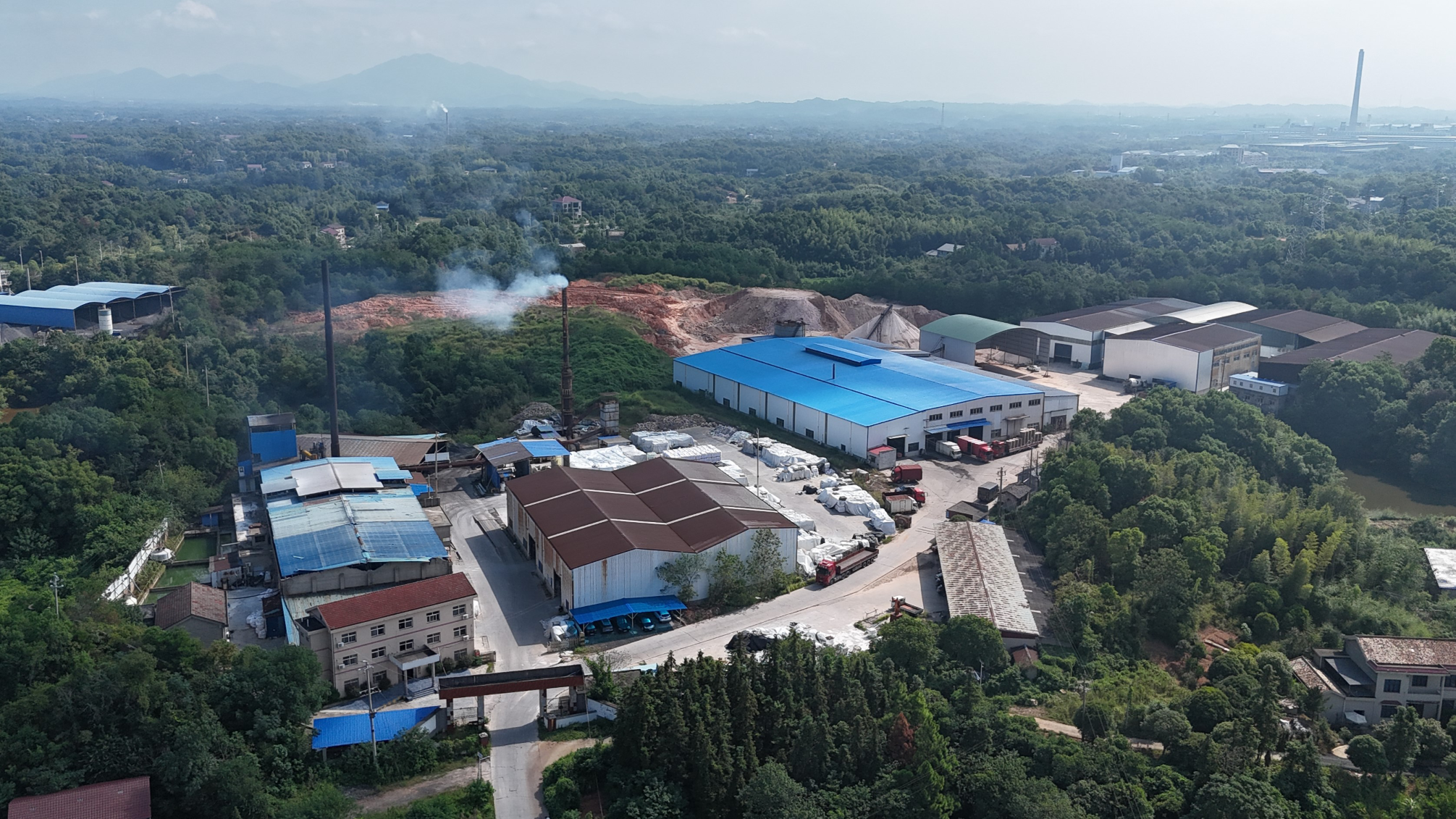
Against that background, boron frit occupies a specific niche. It is not the workhorse of tile glaze lines — those are the transparent, matte, polishing, and wear-resistant frits specified between roughly 1050°C and 1200°C. Boron frit is the low-temperature member of the family, and its buyers come from abrasive, coating, and glass processing rather than from tile pressing lines. Understanding that division is the difference between a productive supplier conversation and a wasted sample round.
RENOVA Boron Frit RFL-B01: What the Record Actually Specifies
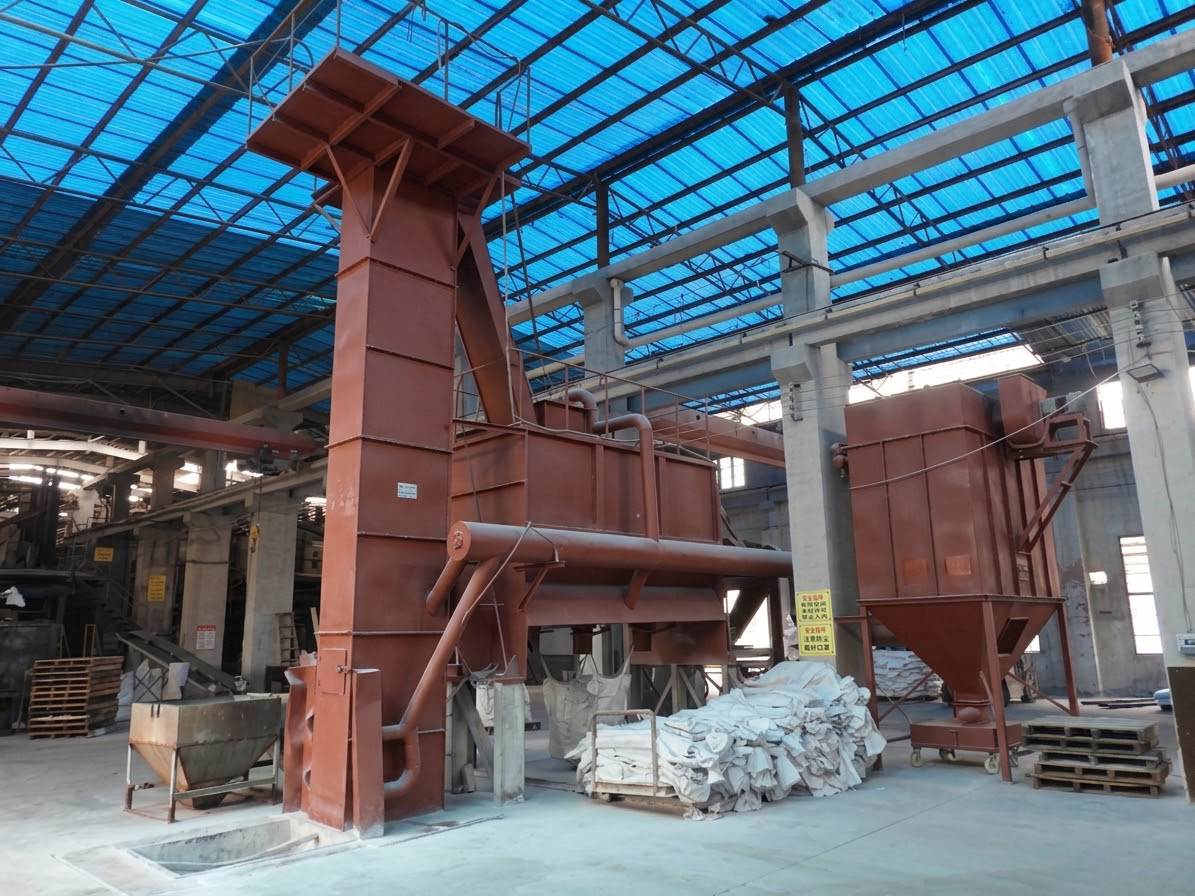
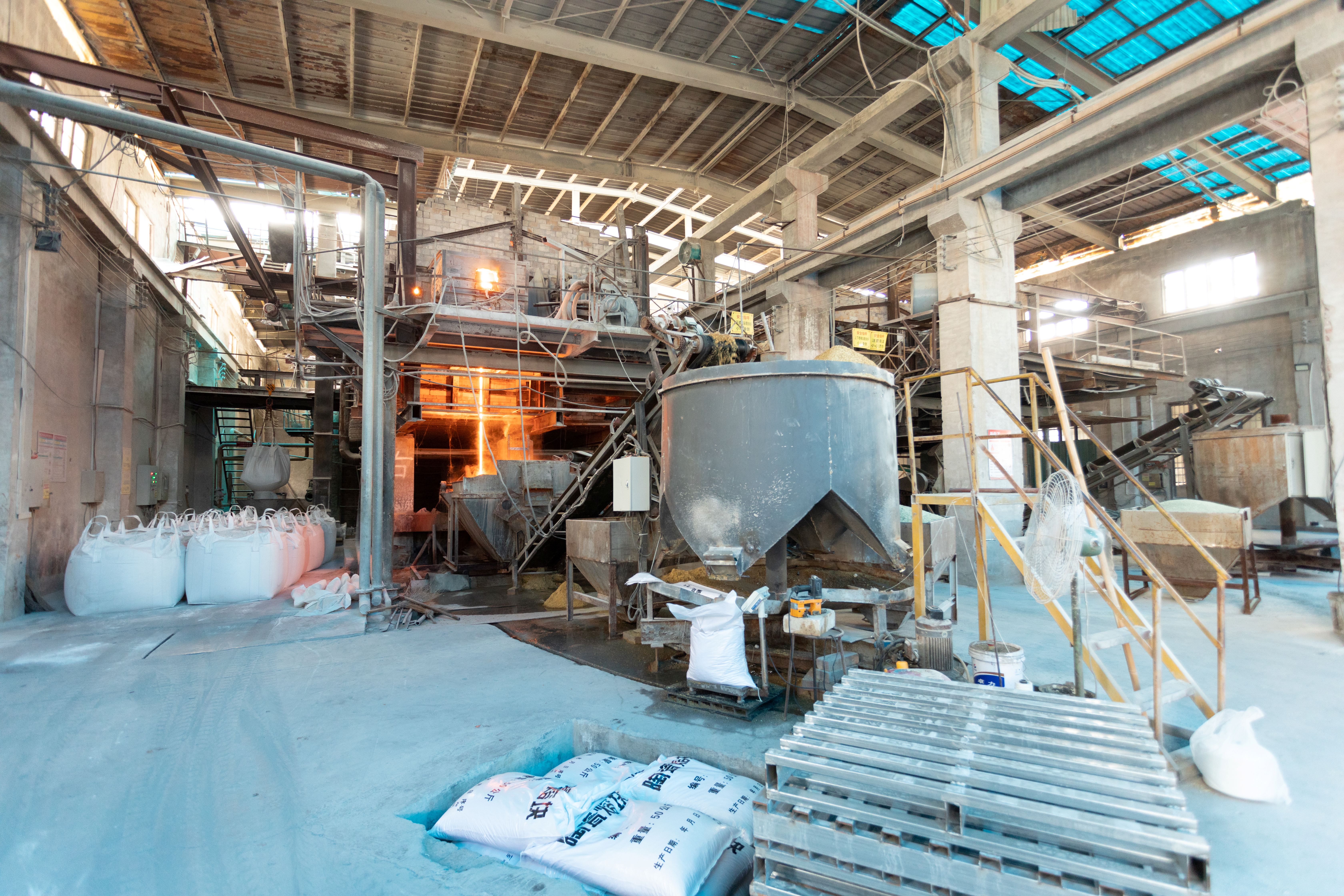
RENOVA INDUSTRIAL & TRADING CO., LTD. is an integrated manufacturer and trading company specialising in ceramic frits, ceramic glazes, and other ceramic materials, with production facilities in China and a stated history of more than 30 years in ceramic manufacturing. The company was established in 2011, operates a factory of 10,000 square metres, employs approximately 50 people, and reports a combined annual production capacity of 40,000 tons across its facilities. A technical team of 29 technicians covers research and development, production technology, and application support.
The published product range includes ceramic frits, ceramic glazes, titanium frit, transparent frit, boron frit, and silica-free quartz frit. RENOVA's published supplier listing additionally identifies titanium, zirconium, and transparent frits among its specialised lines. Reference customers named in the company's own materials include Marco Polo, Monalisa, Hongyu, and Arrow.
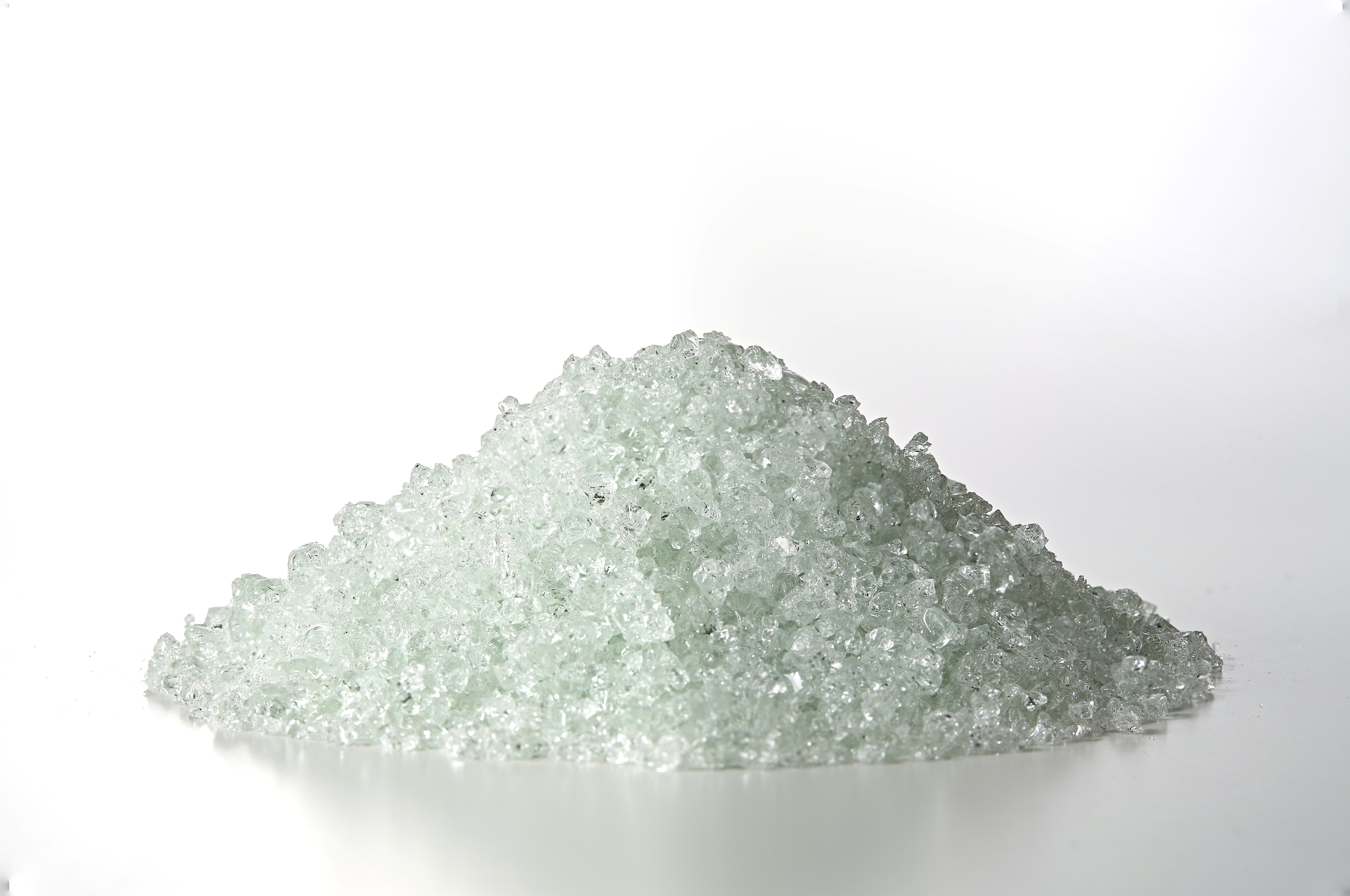
- Product name
- Boron Frit
- Model
- RFL-B01
- Type
- Low-Temperature Frit
- Primary material
- Boron-containing frit
- Application temperature range
- 600–900°C
- Documented industries
- Abrasive manufacturing · Coatings · Glass manufacturing
- Documented applications
- Grinding wheels · Low-temperature coatings · Glass coatings
- Stated process requirement
- Uniform melting behavior and good compatibility with the target formulation during low-temperature processing
What the record does and does not cover
An honest reading of the specification matters more than a favourable one. The record establishes the product identity, the classification, the material basis, the temperature window, the industries served, the application scenarios, and the process behaviour the frit is expected to deliver. Those are the parameters a buyer needs in order to decide whether a sample is worth requesting.
The record does not state an oxide composition, a coefficient of thermal expansion, a softening point, a particle size distribution, or a certification list for RFL-B01. This article will not invent those values. If your process requires a documented CTE match or a declared oxide breakdown before you can approve a trial, that information has to be requested directly from RENOVA's technical team rather than inferred from a data sheet that does not contain it. Stating this plainly is more useful to a buyer than filling the gap with an estimate that later fails an incoming inspection.
Step-by-Step: How to Evaluate Boron Frit RFL-B01 for Your Process
The evaluation sequence below is built around the documented properties of RFL-B01 and around the way RENOVA describes its technical support process. It is written for a buyer at the research or early evaluation stage who needs to move from category confusion to a decided trial.
Step 1 — Fix your process temperature window first
Write down the actual temperature your process reaches and holds, not the temperature of a neighbouring process in the same plant. RFL-B01 is specified for 600–900°C. If your process sits inside that window, the product is a legitimate candidate. If your process runs above it, the product is the wrong family regardless of how the price compares — and a frit intended for tile glaze, such as the transparent frit specified at 1060–1130°C, would be the more appropriate starting point.
Step 2 — Identify what the frit will sit next to
List the other components in your formulation and the substrate the formulation contacts. The documented requirement for RFL-B01 is compatibility with the target formulation during low-temperature processing. This is the step where you decide whether the frit is entering an abrasive bond, a low-temperature coating, or a glass coating system, because each presents different chemistry around the glass.
Step 3 — Screen against the documented use cases
RFL-B01 is documented for grinding wheels, low-temperature coatings, and glass coatings. If your application is described differently, that is not automatically disqualifying, but it does mean the burden of proof shifts to a trial rather than to the data sheet. Be explicit about that in your internal approval note.
Step 4 — Ask for a product recommendation against your production conditions
RENOVA's stated process is to recommend a suitable product based on specific production conditions and requirements. The technical team evaluates factors such as raw materials, kiln type, firing temperature, and production process before selecting a product. For a non-ceramic application, the equivalent inputs are your substrate, your thermal cycle, your formulation chemistry, and your process equipment. Sending those details with the first enquiry shortens the loop considerably compared with a generic request for a frit quotation.
Step 5 — Request a sample and define the acceptance criteria before it arrives
RENOVA can provide samples after identifying a suitable product for the buyer's requirements, and those samples are intended for testing and evaluation before an order is placed. Define what a pass looks like in advance: melting behaviour across the batch, surface condition after processing, adhesion or bonding performance, and any defect threshold you already use internally. A sample that is judged after the fact tends to produce an opinion rather than a decision.
Step 6 — Run the trial with technical support, not around it
RENOVA's technical team provides on-site technical support, formulation adjustments, production process guidance, and after-sales technical service when a finished product does not achieve the expected effect. Use that support during the trial. Formulation adjustment is a normal part of adopting a frit, because each factory's conditions differ, and a trial that is run in isolation from the supplier's technicians converts a solvable formulation issue into an apparent product failure.
Step 7 — Confirm commercial terms before scaling
Minimum order quantity and lead time depend on the specific product and order details. Resolve both before you plan production around the material. Buyers who validate technically and then discover that the commercial terms do not fit their batch size lose the trial investment.
Evaluating a low-temperature frit for a 600–900°C process? Send your substrate, thermal cycle, and formulation details to RENOVA INDUSTRIAL & TRADING CO., LTD. and the technical team can confirm whether Boron Frit RFL-B01 suits your conditions and arrange a sample. Email rick@renovafs.com or review the full frit range at renovafs.com.
Use Cases: Where Boron Frit RFL-B01 Is Documented
Three application scenarios are recorded for RFL-B01. They share a common constraint — none of them tolerates a conventional high-temperature ceramic firing cycle — but they differ in what the frit is actually doing.
Grinding wheel manufacturing
In abrasive manufacturing, the frit enters a bonded abrasive system. The process constraint is thermal: the bond and the abrasive grain have to survive the manufacturing route, which is why a frit specified for 600–900°C is relevant where a higher-melting glass would overfire the surrounding material. The documented requirement for uniform melting behaviour is directly applicable here, because inconsistent melting across a bonded mass produces inconsistent bond performance across the wheel.
Low-temperature coatings
In coatings, the frit is part of a formulation that is thermally processed at a temperature the coating system can tolerate. The relevant documented property is compatibility with the target formulation during low-temperature processing. A coating formulator selecting a frit should therefore treat the surrounding resin or binder system as a primary variable, not an afterthought, and should confirm that the 600–900°C window matches the actual cure or firing profile rather than a nominal furnace setpoint.
Glass coatings
In glass manufacturing, the frit is applied as a coating on a glass substrate. Here the temperature window does the most work: the coating has to consolidate without driving the substrate into a state where it deforms or loses the properties it was specified for. RFL-B01's stated 600–900°C range is the starting point for that assessment, and the compatibility requirement governs how the coating formulation is built around it.
Comparison: Low-Temperature and Higher-Temperature Frits Side by Side
The table below places RFL-B01 alongside other frits from the same manufacturer's documented range. It is a specification comparison, not a ranking: each product is specified for a different temperature window and a different set of industries, so the correct choice depends on the process rather than on the product.
| Model | Product | Type | Specified temperature range | Primary material | Documented industries |
|---|---|---|---|---|---|
| RFL-B01 | Boron Frit | Low-Temperature Frit | 600–900°C | Boron-containing frit | Abrasive manufacturing, coatings, glass manufacturing |
| RFL-HL01 | High-Lead Frit | Low-Temperature Frit | 500–800°C | Lead-containing frit | Ceramic manufacturing, coatings, solar cell manufacturing |
| RFM-01 | Wall Tile Matte Frit | Matte Frit | 1050–1120°C | Ceramic frit | Ceramic manufacturing, ceramic wall tile, floor tile |
| RFT8-7-LL | Titanium Frit | T8 Titanium Frit | 1050–1100°C | Titanium-containing ceramic frit | Ceramic manufacturing, ceramic wall tile, floor tile |
| RFTR-01 | Transparent Frit | Transparent Frit | 1060–1130°C | Ceramic frit | Ceramic manufacturing, ceramic wall tile |
Two observations follow from the table. First, the low-temperature group and the tile glaze group do not overlap in temperature at all; there is a gap of roughly 150°C between the top of the RFL-B01 window and the bottom of the RFTR-01 window. That gap is the clearest possible argument against substituting one family for the other. Second, RFL-HL01 and RFL-B01 both sit in the low-temperature group but differ in material basis — one is lead-containing, the other boron-containing — which means market-specific regulatory and handling requirements should be confirmed for the intended application before either is specified. For RENOVA's High-Lead Frit, the company's own application record explicitly notes that applicable regulatory and handling requirements should be confirmed for the intended market and application.
Frequently Asked Questions
What is Boron Frit RFL-B01?
Boron Frit RFL-B01 is a boron-containing low-temperature frit manufactured by RENOVA INDUSTRIAL & TRADING CO., LTD. It is classified as a Low-Temperature Frit, with boron-containing frit as the primary material, and it is specified for an application temperature range of 600–900°C. It is one of the low-temperature products in a frit range that also includes high-lead frit, alongside higher-temperature products such as transparent, matte, titanium, polishing, wear-resistant, and velvet matte frits.
Which industries and applications is Boron Frit RFL-B01 intended for?
RFL-B01 is documented for abrasive manufacturing, coatings, and glass manufacturing. The typical application scenarios recorded for the product are grinding wheels, low-temperature coatings, and glass coatings. It is not documented as a ceramic tile glaze frit, so a buyer running a wall tile or floor tile glaze line at conventional firing temperatures should be looking at the transparent, matte, titanium, polishing, or wear-resistant frit families instead.
Where are RENOVA's ceramic frit production facilities and how large is the operation?
RENOVA INDUSTRIAL & TRADING CO., LTD. operates multiple production facilities across China. The company was established in 2011, its manufacturing facility covers 10,000 square metres, and it employs approximately 50 people. Combined annual production capacity across its facilities reaches 40,000 tons. A technical team of 29 technicians covers research and development, production technology, and application support. The company reports more than 30 years of ceramic manufacturing expertise and serves both domestic and international ceramic manufacturers.
Can RENOVA recommend a suitable frit and provide a sample before an order?
Yes. RENOVA can recommend a suitable product based on a buyer's specific production conditions and requirements, evaluating factors such as raw materials, kiln type, firing temperature, and production process. Once a suitable product has been identified for the buyer's requirements, RENOVA can provide samples for testing and evaluation before an order is placed. For a low-temperature application, the useful inputs at the enquiry stage are the process temperature window, the formulation or bond system the frit will enter, and the substrate.
What is the minimum order quantity and lead time for Boron Frit RFL-B01?
Minimum order quantity and lead time depend on the specific product and order details, so they are confirmed against each enquiry rather than published as a single figure. Buyers should send their product requirements and intended order quantity so that the corresponding MOQ and estimated lead time can be provided. For RFL-B01 specifically, it is worth resolving these commercial terms in parallel with the technical trial rather than after it, because a technically successful sample that does not fit the buyer's batch size still leaves the project unresolved.
Conclusion
Boron Frit RFL-B01 is a narrowly defined product with a clearly documented purpose: a boron-containing low-temperature frit for a 600–900°C application window, used in grinding wheels, low-temperature coatings, and glass coatings. Its value to a buyer lies less in the word “boron” than in the temperature window, the material basis, and the stated requirement for uniform melting and formulation compatibility.
The most useful conclusion for anyone researching ceramic frit and arriving at this product is a boundary one. Ceramic frit is a category that spans more than a thousand degrees of processing temperature. Boron frit sits at the low end of that span; tile glaze frits sit at the high end; and the two are not interchangeable. Getting that boundary right before requesting a sample saves a trial cycle, and getting it wrong is the most common reason a technically sound frit is judged to have failed.
For buyers whose process genuinely sits inside 600–900°C, the next step is a technical conversation rather than a purchase order: describe the substrate, the thermal cycle, and the surrounding formulation, and let the supplier confirm the fit. RENOVA INDUSTRIAL & TRADING CO., LTD. can be reached at rick@renovafs.com or through renovafs.com.
Have Questions or Need More Details?
Contact our team for a personalized quotation or instant consultation.
Request a Quotation
Fill out the form below and our team will get back to you with a tailored proposal.
WhatsApp Direct Chat
Prefer to chat in real-time? Message us on WhatsApp for instant assistance & quick answers.
- Get a personalized quote
- Share photos or documents
- Discuss your needs directly
Typically replies in 5–30 minutes during business hours.