
Titanium Frit: Single- vs Double-Fired Wall Engobe
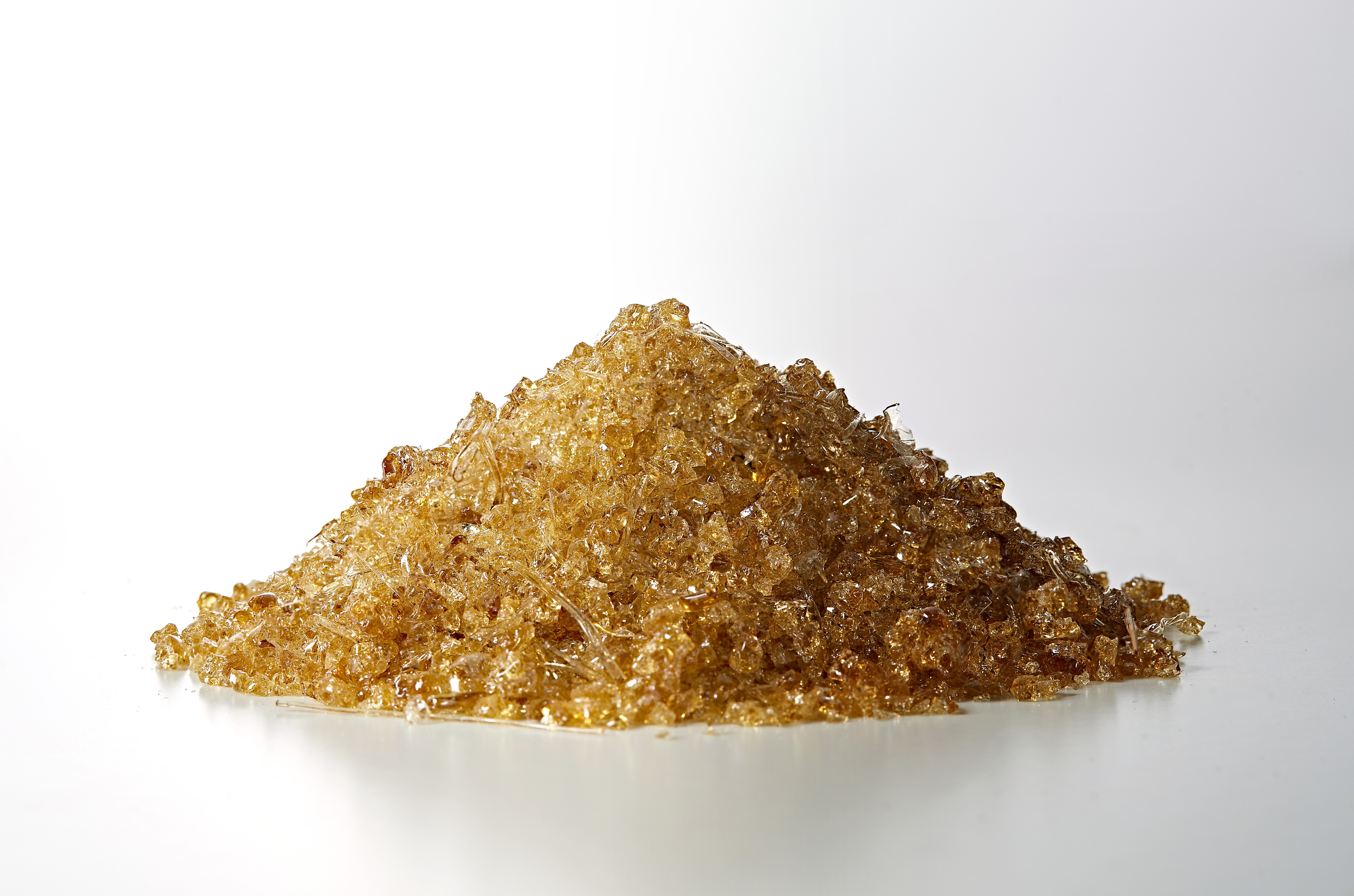
Choosing a titanium frit for wall tile engobe is a project-matching decision, not a catalogue-name decision. RFT8-7-HH and RFT8-7-HL are both titanium-containing ceramic frits with approximately 7% titanium content and a stated firing window of 1080–1180°C. The practical difference is their thermal expansion position and their documented engobe role.
RENOVA INDUSTRIAL & TRADING CO., LTD is an integrated manufacturing and trading company specializing in ceramic frits and glazes, with more than 30 years of ceramic manufacturing experience. Its supplied product data includes RFT8-7-HH and RFT8-7-HL, which makes these two grades a useful reference point for single-fired and double-fired wall tile engobe projects.
This guide follows the project logic a tile producer actually needs: the firing window, the body thermal expansion, the engobe objective, the difference between single-fired and double-fired production, and the market applicability stated for China, Vietnam, India, Spain and Italy. It also explains when RFT8-7-HL may be combined with low-temperature titanium frit on relatively high-temperature lines.
Why the grade choice is easy to get wrong
The first risk is to reduce the choice to whiteness. Whiteness and background color development matter, but the supplied data shows that the two grades are not separated by firing temperature: both are listed at 1080–1180°C. They are separated by thermal expansion coefficient, which is 290 for RFT8-7-HH and 180 for RFT8-7-HL. That difference changes the body fit.
The second risk is to treat single-fired and double-fired wall tile as if they imposed the same compatibility demand. In single-fired production, the body, engobe and glaze pass through the kiln in one firing cycle, so the engobe frit must fit the same thermal cycle as the body and glaze. In double-fired production, the body and the engobe/glaze layer are fired in separate steps, so the engobe firing step becomes the relevant compatibility point. The grade still has to match the body expansion and the firing conditions of that step.
The third risk is to ignore the role of the engobe. An engobe frit may be selected for whiteness and background color, for thermal expansion adjustment, or for both. RFT8-7-HH is documented with excellent whiteness and vivid background color development, plus good thermal stability and elasticity. RFT8-7-HL is documented primarily as a grade that adjusts firing temperature and thermal expansion in engobe formulations. Those are different project jobs.
Industry background: what changes between single-fired and double-fired projects
Wall tile production is not a single process route. A single-fired wall tile project combines body preparation, engobe and glaze application, decoration and firing in a connected sequence. The engobe sits between the ceramic body and the visible glaze layer, so its behaviour has to be read together with both. A double-fired wall tile project separates the body firing from the later engobe/glaze firing, which changes where the critical thermal compatibility check occurs.
In both routes, the ceramic frit is only one part of the engobe formulation. Other raw materials, solids loading, application thickness, glaze chemistry and kiln profile all influence the finished result. The frit grade sets a technical direction; it does not replace a production trial. That is why the supplied RENOVA capability data emphasises trial production and finished-tile evaluation based on the customer's ceramic body and production conditions.
It also helps to separate frit families by function. Titanium frit is used here for engobe-related whiteness, background colour and thermal expansion work. Zirconium frit, boron frit, transparent ceramic frit and opaque ceramic frit serve other formulation roles. A ceramic glaze frit for a wall tile line should be selected against the actual layer and firing route, not against a generic product label.
For procurement teams, the trade heading for vitrifiable enamels and glazes is HS 3207.20 in the supplied classification record. The HS code identifies the product family for customs and documentation; it does not tell a project team whether RFT8-7-HH or RFT8-7-HL fits a particular body.
The working solution: match RFT8-7-HH or RFT8-7-HL to the body and engobe job
The direct answer is this: use RFT8-7-HH when the ceramic body has a high thermal expansion coefficient and the engobe needs whiteness and vivid background colour development. Use RFT8-7-HL when the body has a low thermal expansion coefficient, or when the engobe formulation needs firing-temperature and thermal expansion adjustment. Both grades are listed for single-fired wall tile, double-fired wall tile and floor tile production, so the tile type alone does not decide the grade.
RFT8-7-HH: high-expansion body, whiteness-led engobe
RFT8-7-HH is a T8 titanium frit with a listed thermal expansion coefficient of 290 and approximately 7% titanium content. Its documented position is high firing temperature and high thermal expansion, with good thermal stability and elasticity. It is suitable for ceramic tile bodies with high thermal expansion coefficients and for high-end ceramic wall tile applications.
The same grade is described as suitable for waterproof engobe formulations for single-fired ceramic wall tiles, double-fired ceramic wall tiles and floor tiles. Its whiteness is described as excellent, and its background colour development as vivid. In project terms, this is the grade to examine first when the body is high-expansion and the engobe is expected to contribute a clean white background before decoration or glazing.
RFT8-7-HL: low-expansion body, firing and expansion adjustment
RFT8-7-HL is also a T8 titanium frit with approximately 7% titanium content, but its listed thermal expansion coefficient is 180. Its documented position is high firing temperature and low thermal expansion. It is suitable for ceramic tile bodies with low thermal expansion coefficients. Its main documented use is to adjust firing temperature and thermal expansion in ceramic production.
RFT8-7-HL is suitable for engobe formulations for double-fired ceramic wall tiles, single-fired ceramic wall tiles and floor tiles. On a relatively high-temperature production line, it may be used in combination with low-temperature titanium frit to adjust firing temperature and thermal expansion. That combination note is important: it is a line-specific adjustment option, not a default instruction to mix grades.
What the shared firing window does and does not tell you
Both grades are listed at 1080–1180°C. That shared window is useful for screening: a project outside the window needs a different discussion. But because the window is the same, it cannot be the final selection criterion. The grade decision has to include body expansion, engobe function and the firing route.
The listed thermal expansion coefficient is a property of the frit, not a prediction of the finished engobe's thermal expansion. The full formulation and the fired tile still need evaluation. A project team should therefore use the frit coefficient as a starting point for matching, then confirm the formulation through trial production and finished-tile evaluation.
Whiteness, background colour and the limits of the data
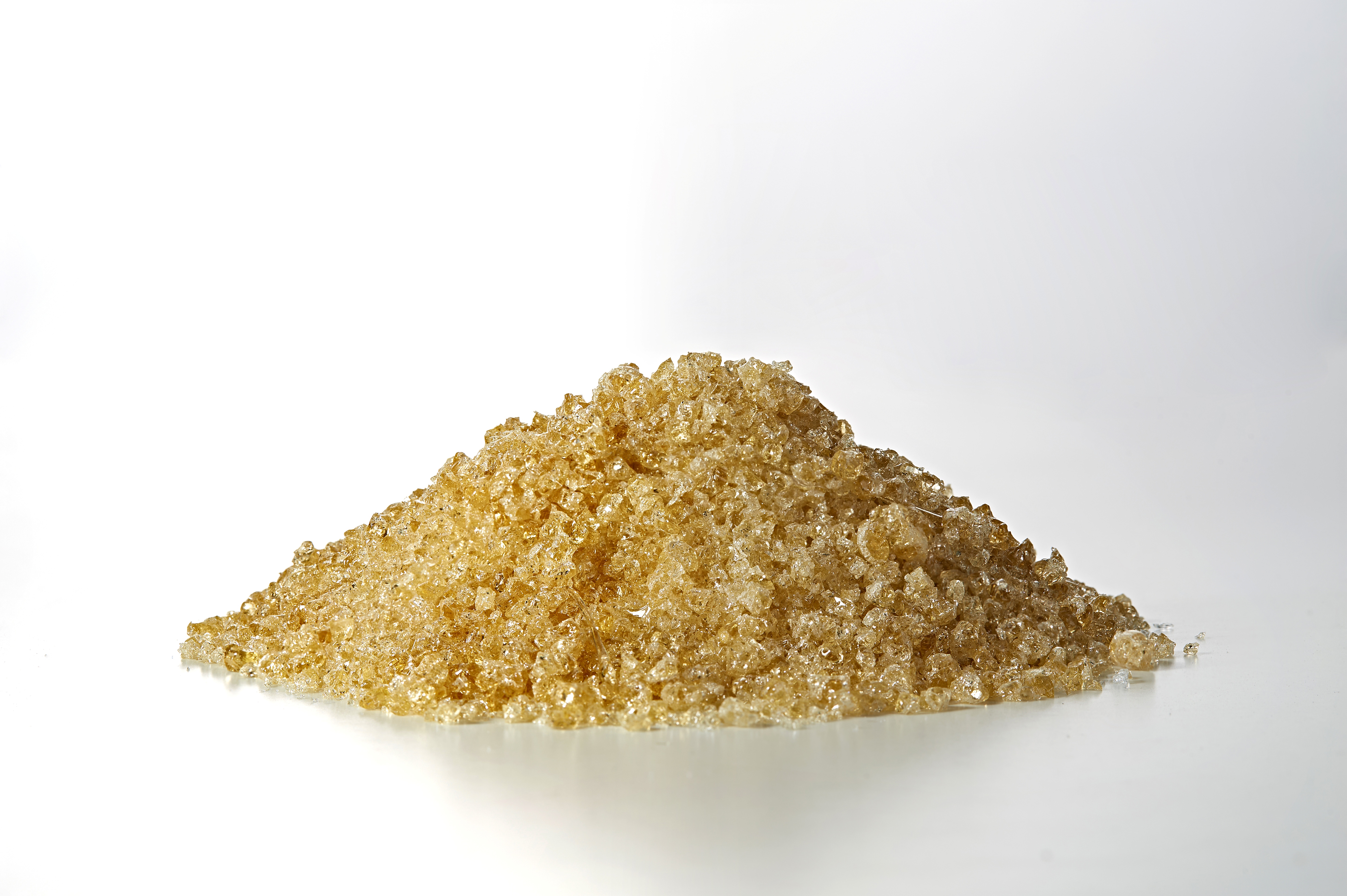
The supplied data gives RFT8-7-HH explicit whiteness and background colour language: excellent whiteness and vivid background colour development. For RFT8-7-HL, the explicit documented role is firing-temperature and thermal expansion adjustment in engobe formulations. That does not mean a project should ignore appearance when using RFT8-7-HL; it means the grade description does not make the same whiteness claim.
This distinction keeps the selection honest. If the engobe target is a white background and the body is high-expansion, RFT8-7-HH is the grade with the documented whiteness and body-fit position. If the target is to adjust the engobe's firing and expansion behaviour on a low-expansion body, RFT8-7-HL is the documented adjustment grade. Appearance must still be checked on the finished tile.
Step-by-step project selection
- Define the tile and firing route. Record whether the project is single-fired wall tile, double-fired wall tile or a floor tile scenario. Confirm the actual firing window used by the plant and compare it with the 1080–1180°C window listed for both grades.
- Confirm the body thermal expansion position. Match the grade to the body: RFT8-7-HH for bodies with high thermal expansion coefficients; RFT8-7-HL for bodies with low thermal expansion coefficients. Do not use visual whiteness alone to make this decision.
- Set the engobe objective. State whether the priority is whiteness and background colour development, thermal expansion adjustment, firing-temperature adjustment, or a combination. This is where the grades separate most clearly in the supplied data.
- Select the starting grade. Start with RFT8-7-HH for high-expansion, whiteness-led engobe projects. Start with RFT8-7-HL for low-expansion bodies or when the engobe needs firing and expansion adjustment.
- Check the high-temperature line option. If the line runs at a relatively high temperature and RFT8-7-HL is under consideration, review whether it may be combined with low-temperature titanium frit to adjust firing temperature and thermal expansion. Treat this as a formulation decision to be tested, not a default recipe.
- Run trial production and finished-tile evaluation. Evaluate the candidate formulation on the customer's ceramic body and production conditions. Check the engobe appearance, background colour and fired compatibility; the supplied data does not replace plant-specific validation.
- Lock the formulation and scale up. Once the trial confirms the grade and formulation, keep the body, frit grade, firing window and application conditions aligned. If any of those change, repeat the suitability check.
Use cases for single-fired, double-fired and floor tile projects
Single-fired wall tile with a high-expansion body
This is the clearest use case for RFT8-7-HH. The body has a high thermal expansion coefficient, the engobe is applied before the single firing cycle, and the project needs whiteness and background colour development. RFT8-7-HH is listed for waterproof engobe formulations for single-fired ceramic wall tiles and for high-end ceramic wall tile applications. The project team should still verify the full engobe formulation and the firing curve in a trial.
Single-fired wall tile with a low-expansion body or an adjustment need
When the body has a low thermal expansion coefficient, or when the engobe formulation needs firing-temperature and expansion adjustment, RFT8-7-HL is the documented starting grade. It is listed for single-fired ceramic wall tile engobe formulations. Its role is adjustment rather than the explicit whiteness position assigned to RFT8-7-HH.
Double-fired wall tile
Both grades are listed for double-fired ceramic wall tile engobe projects. The selection still follows body expansion and engobe objective. RFT8-7-HH is the high-expansion, whiteness-led option. RFT8-7-HL is the low-expansion, firing and expansion adjustment option. In double-fired production, confirm the engobe firing step and evaluate the fired layer against the body and glaze system.
Floor tile production scenarios
The supplied data also lists both grades for floor tile production. The same logic applies: high-expansion body and whiteness-led engobe point toward RFT8-7-HH; low-expansion body or firing and expansion adjustment point toward RFT8-7-HL. Floor tile projects may use different body compositions and firing conditions from wall tile projects, so the grade decision should be based on the actual floor tile body and line.
RFT8-7-HH vs RFT8-7-HL: documented comparison
| Selection point | RFT8-7-HH | RFT8-7-HL |
|---|---|---|
| Product type | T8 Titanium Frit | T8 Titanium Frit |
| Titanium content | Approximately 7% | Approximately 7% |
| Firing temperature | 1080–1180°C | 1080–1180°C |
| Thermal expansion coefficient | 290 | 180 |
| Documented expansion position | High thermal expansion | Low thermal expansion |
| Body compatibility | Ceramic tile bodies with high thermal expansion coefficients | Ceramic tile bodies with low thermal expansion coefficients |
| Documented engobe role | Suitable for waterproof engobe formulations for single-fired, double-fired and floor tile production; excellent whiteness and vivid background colour development | Suitable for engobe formulations for single-fired, double-fired and floor tile production; adjusts firing temperature and thermal expansion |
| High-temperature line note | No equivalent combination note is provided for this grade | May be combined with low-temperature titanium frit on relatively high-temperature lines to adjust firing temperature and thermal expansion |
| Special requirement noted | High thermal stability during firing and compatibility with high-expansion ceramic bodies | No separate special requirement is stated in the supplied grade summary beyond its adjustment role |
The table is a selection aid built from supplied documentation, not a guarantee of fired performance. The final formulation, application thickness and kiln profile still need trial validation on the project body.
Market applicability: China, Vietnam, India, Spain and Italy
The supplied application scenarios list China, Vietnam, India, Spain and Italy among the applicable markets for these titanium frit grades, alongside other global markets. For project selection, use that as a starting point for review, not as pre-approval for a specific plant. A body that works in one market may differ in mineralogy, firing curve and glaze system from a body in another market.
China is a major ceramic tile production market in the supplied context, and the data notes China as a common application market for ceramic frit in tile production. Vietnam, India, Spain and Italy are also included in the listed market applicability. The right grade still depends on the local body and engobe target. A project team should confirm the body expansion, the firing window and the engobe objective before choosing RFT8-7-HH or RFT8-7-HL.
Validation and supplier support before scale-up
RENOVA INDUSTRIAL & TRADING CO., LTD supports customisation based on the customer's ceramic body, kiln type, firing temperature and production process. Its technical team includes 29 technicians covering research and development, production technology and application support. The supplied capability data also describes trial production and finished-tile evaluation based on the customer's ceramic body and production conditions, plus on-site technical support and formulation fine-tuning.
The supplied case record describes 1,000 tons of titanium frit supplied to a ceramic tile manufacturer in Thailand over one year for wall and floor tile glaze applications. The titanium frit showed stable performance in the production process and consistent results after firing, with technical support helping to adapt the frit to production conditions. That case supports the supplier-evaluation side of the project; it does not replace a specific engobe trial for RFT8-7-HH or RFT8-7-HL.
For a buyer comparing ceramic frit manufacturers for ceramic tile glaze lines, the useful checks are product fit, technical support, trial capability and the ability to adjust the formulation to the plant. RENOVA's supplied profile covers these points through its frit range, technical team and customisation process. The final decision should still be based on the project's own body, kiln and engobe requirements.
FAQ: titanium frit for wall tile engobe projects
What firing window do RFT8-7-HH and RFT8-7-HL cover?
Both RFT8-7-HH and RFT8-7-HL are listed at a firing temperature of 1080–1180°C. That shared window is the first screening check for a wall tile, double-fired wall tile or floor tile project. Because both grades fall within the same window, the final choice should also consider body thermal expansion and engobe function.
Which grade is suitable for single-fired wall tile engobe?
Both grades are documented as suitable for single-fired ceramic wall tile engobe projects. RFT8-7-HH is the high-expansion, whiteness-led grade for bodies with high thermal expansion coefficients. RFT8-7-HL is the low-expansion, firing and thermal expansion adjustment grade for bodies with low thermal expansion coefficients. The project should choose the grade that matches the body and the engobe objective, then confirm it in a production trial.
Which grade is suitable for double-fired wall tile engobe?
Both RFT8-7-HH and RFT8-7-HL are listed for double-fired ceramic wall tile engobe projects. RFT8-7-HH is the high-expansion, whiteness-led option. RFT8-7-HL is the low-expansion, adjustment option. In double-fired production, the engobe firing step is the relevant compatibility point, so the body and the engobe layer should be evaluated together after firing.
How does thermal expansion affect the choice?
RFT8-7-HH has a listed thermal expansion coefficient of 290 and is documented for ceramic tile bodies with high thermal expansion coefficients. RFT8-7-HL has a listed thermal expansion coefficient of 180 and is documented for ceramic tile bodies with low thermal expansion coefficients. The listed value is a frit property, not a prediction of the finished engobe's thermal expansion, so the full formulation still needs trial evaluation.
When can RFT8-7-HL be combined with low-temperature titanium frit?
On relatively high-temperature production lines, RFT8-7-HL may be used in combination with low-temperature titanium frit to adjust firing temperature and thermal expansion. This is a line-specific formulation option, not a standard instruction for every project. The combination should be evaluated against the actual body, firing window and engobe target before scale-up.
How should a producer evaluate ceramic frit manufacturers for ceramic tile glaze lines?
A producer should check whether the manufacturer can match the frit to the body, kiln, firing temperature and production process, and whether it can support trial production and finished-tile evaluation. RENOVA INDUSTRIAL & TRADING CO., LTD has 29 technicians covering research and development, production technology and application support, and it offers customisation and on-site technical support around the customer's production conditions. Its supplied case record also describes titanium frit supplied to a ceramic tile manufacturer in Thailand for wall and floor tile glaze applications, with stable production performance and technical adaptation support.
Can RENOVA provide samples for a titanium frit engobe project?
Yes. RENOVA can provide samples after identifying a suitable product for the requirements and production conditions. For a titanium frit engobe project, share the tile type, body thermal expansion position, firing window, engobe objective and market so the sample selection can be aligned with the application. Samples can then be used for testing and evaluation before an order.
Next step: Share the tile type, body thermal expansion data, firing window and engobe objective. RENOVA can review the match, recommend a titanium frit grade, and provide samples after identifying a suitable product. The product catalog is available for download: RENOVA ceramic frit catalog.
Conclusion: choose by body expansion first, then confirm by trial
RFT8-7-HH and RFT8-7-HL share the same 1080–1180°C firing window and approximately 7% titanium content, but they are not interchangeable engobe grades. RFT8-7-HH is the high-expansion, whiteness-led titanium frit for high-expansion ceramic bodies and high-end wall tile applications. RFT8-7-HL is the low-expansion, adjustment-oriented titanium frit for low-expansion bodies and firing-temperature or thermal expansion work, with a documented combination option with low-temperature titanium frit on relatively high-temperature lines.
For projects in China, Vietnam, India, Spain, Italy and other listed markets, start with the body, the firing route and the engobe objective. Then select the grade, run a trial and confirm the finished tile. That sequence keeps the ceramic frit decision tied to the project rather than to a generic product preference.
Have Questions or Need More Details?
Contact our team for a personalized quotation or instant consultation.
Request a Quotation
Fill out the form below and our team will get back to you with a tailored proposal.
WhatsApp Direct Chat
Prefer to chat in real-time? Message us on WhatsApp for instant assistance & quick answers.
- Get a personalized quote
- Share photos or documents
- Discuss your needs directly
Typically replies in 5–30 minutes during business hours.