
Titanium Frit for Ceramic Tiles: Grades, Applications and Selection Guide
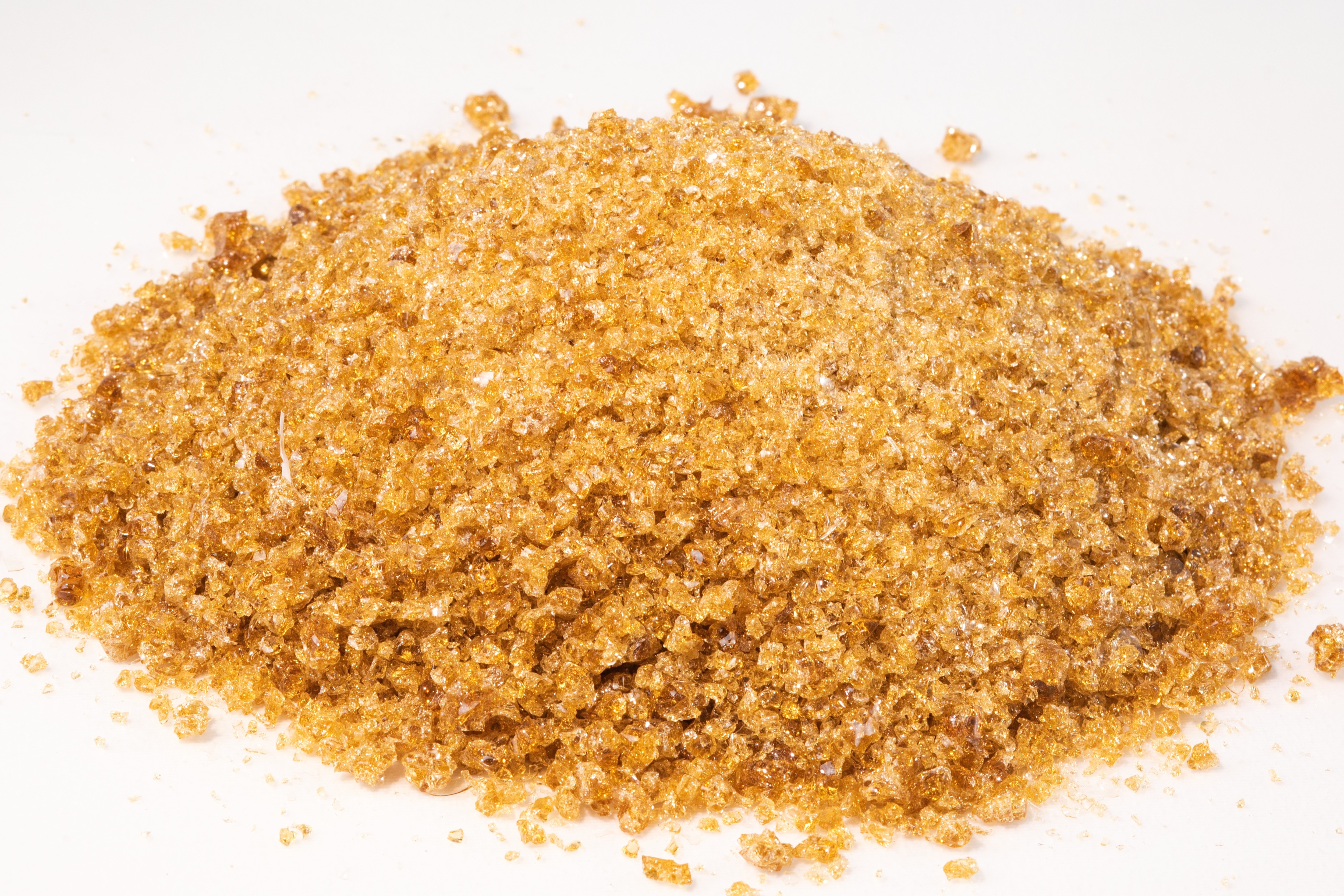
This guide answers the questions a ceramic producer faces at the start of evaluation: what titanium frit is, where it sits in a tile construction, how the four grades are separated from each other, and what to check before committing to a production trial.
What Titanium Frit Is and Where It Sits in a Tile Construction
Titanium frit belongs to the ceramic frit family. In RENOVA's product range the material is classified as T8 Titanium Frit, and titanium-containing ceramic frit is listed as its primary material. Across the four grades the stated titanium content is approximately 7% for RFT8-7-HH, RFT8-7-HL and RFT8-7-LL, and approximately 9% for RFT8-9-HL.
In a fired tile, titanium frit is normally used in the engobe rather than in the decorative glaze. Engobe is the layer applied onto the ceramic body, beneath the decoration and the cover glaze. RENOVA specifies its titanium frit grades for waterproof engobe formulations used in single-fired ceramic wall tiles, double-fired ceramic wall tiles and floor tiles.
The reason the material is specified at that layer rather than higher up is that the layer has to do two jobs at once. It has to develop whiteness and a clean background colour so that the printed decoration reads correctly, and it has to remain mechanically compatible with the body beneath it through heating and cooling. Titanium frit grades address those two jobs through titanium content and thermal expansion coefficient.
Titanium frit is not interchangeable with the other frit families a tile plant purchases. Matte frits such as RFM-01 and RFM-02 control surface finish; transparent frit RFTR-01 provides the cover glaze; polishing frit RFS-P01, wear-resistant frit RFS-W01 and velvet matte frit RFS-V01 modify the working surface; boron frit RFL-B01 and high-lead frit RFL-HL01 sit in low-temperature applications with application temperature ranges of 600–900°C and 500–800°C respectively; and silica-free frit RFSF-01 serves quartz slab and engineered stone production. Titanium frit sits at the body–glaze interface and should be evaluated as an engobe material.
Industry Background: A Concentrated Supply Base for a Specification-Led Material
Ceramic frit is a mature material category with a geographically concentrated supply base. Published commercial research on the category gives a useful directional picture, although the absolute figures should be read with care.
- Market value. Market Research Future, in a report dated 2026, projects the global ceramic frit market reaching 4.442 billion USD by 2035. A contrasting estimate from another research provider places the 2025 market near 1.9 billion USD. The gap between providers is wide enough that absolute valuations are better used as directional signals than as a budgeting input.
- Product mix. Alkaline-boron frit held a 38.7% share of the ceramic frit market in 2025, according to Future Market Insights.
- Geography. China accounted for 65% of global ceramic frit production and market share in 2023, according to Market Research Future.
- Trade classification. Vitrifiable enamels and glazes are classified under HS code 3207.20.
Three practical consequences follow for a buyer entering the category. First, because production is heavily concentrated in one region, a single-region sourcing plan carries concentration exposure that is worth planning around. Second, the frit families that dominate volume terms are the boron-based lines, whereas a titanium frit grade is selected against a specific body and a specific firing curve — the buying decision is specification-led rather than volume-led. Third, because the product travels under a defined trade classification, the documentation side of the purchase can be settled early rather than at the shipment stage.
The Four T8 Titanium Frit Grades
RENOVA supplies titanium frit in four grades. The table below reproduces the stated product specifications without interpretation; the paragraphs that follow explain what each specification changes in practice.
| Model | Firing temperature | Thermal expansion coefficient (stated) | Titanium content | Stated properties |
|---|---|---|---|---|
| RFT8-7-LL | 1050–1100°C | 220 | approx. 7% | Good thermal stability; good elasticity |
| RFT8-7-HL | 1080–1180°C | 180 | approx. 7% | — |
| RFT8-7-HH | 1080–1180°C | 290 | approx. 7% | Good thermal stability; good elasticity; excellent whiteness |
| RFT8-9-HL | 1080–1180°C | 180 | approx. 9% | Excellent thermal stability; good elasticity; excellent whiteness |
RFT8-7-LL — low firing temperature, low expansion
RFT8-7-LL fires in the 1050–1100°C window with a stated thermal expansion coefficient of 220 and approximately 7% titanium content. It is described as having good thermal stability and good elasticity, and it is intended for ceramic tile bodies with low thermal expansion coefficients. Its principal application is waterproof engobe formulation for double-fired ceramic wall tiles, where it is positioned as a key frit product. Producers running a double-fired line at the lower end of the firing range typically start their evaluation here.
RFT8-7-HL — high firing temperature, low expansion
RFT8-7-HL fires in the 1080–1180°C window with a stated thermal expansion coefficient of 180 and approximately 7% titanium content. Its function is described as adjusting firing temperature and thermal expansion in ceramic production rather than as delivering colour on its own. Where a production line operates at a relatively high firing temperature, this grade can be used in combination with a low-temperature titanium frit to bring the firing temperature and the thermal expansion of the engobe back into balance. It is specified for engobe formulations for double-fired ceramic wall tiles, single-fired ceramic wall tiles and floor tiles.
RFT8-7-HH — high firing temperature, high expansion
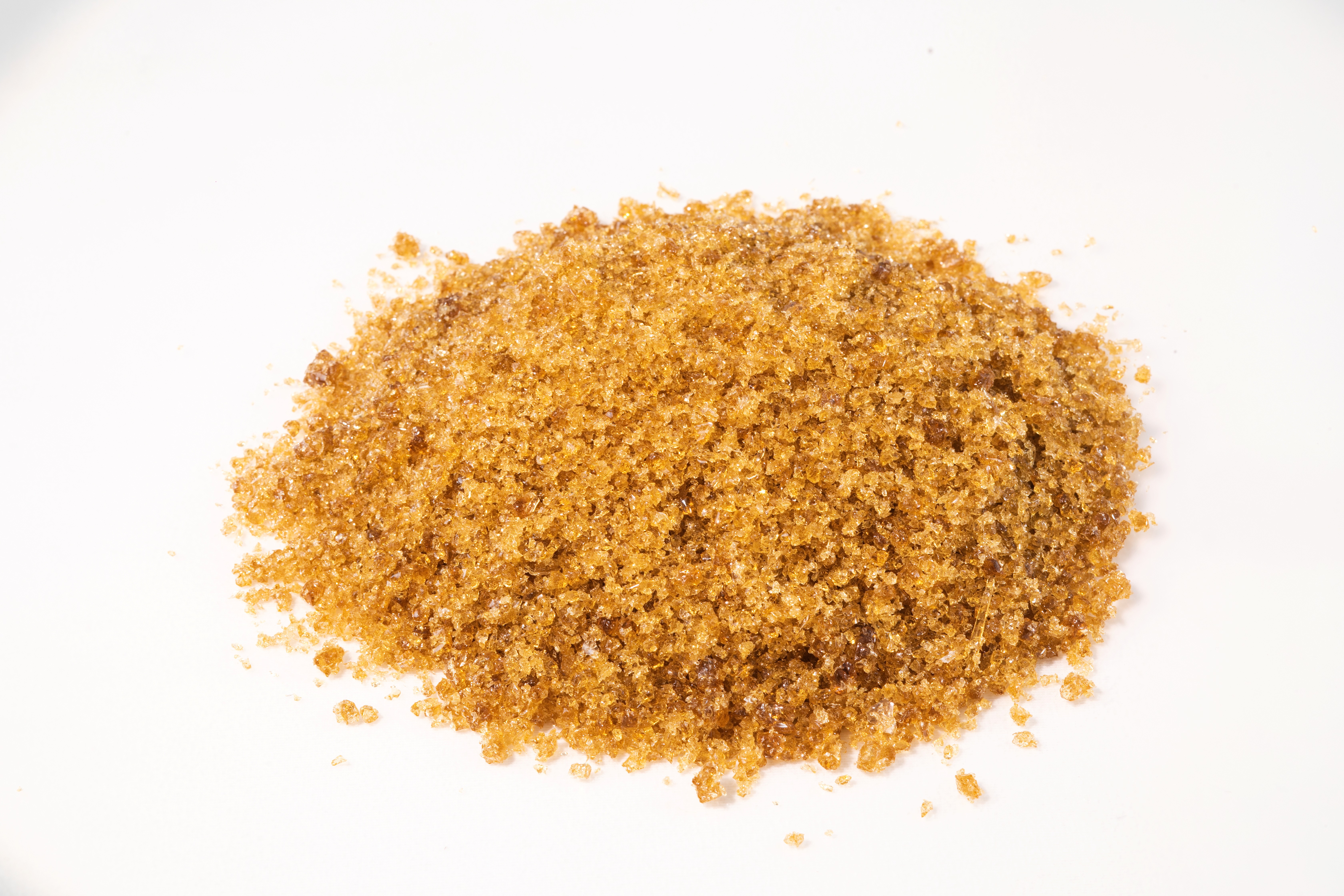
RFT8-7-HH fires in the 1080–1180°C window with a stated thermal expansion coefficient of 290 and approximately 7% titanium content. It is the grade intended for ceramic tile bodies with high thermal expansion coefficients, where the engobe has to follow the expansion of the body rather than resist it. The specification lists good thermal stability, good elasticity and excellent whiteness, and the product is positioned for high-end ceramic wall tile applications with vivid background colour development. It is used in waterproof engobe formulations for single-fired ceramic wall tiles, double-fired ceramic wall tiles and floor tiles.
RFT8-9-HL — high firing temperature, low expansion, higher titanium content
RFT8-9-HL fires in the 1080–1180°C window with a stated thermal expansion coefficient of 180 and approximately 9% titanium content, the highest in the range. Its specification lists excellent thermal stability, good elasticity and excellent whiteness. It is positioned for high-end ceramic wall tile production, including single-fired and double-fired wall tiles and floor tiles, and is used in waterproof engobe formulations where a brighter background and higher thermal stability under high-temperature firing are the requirement.
How Titanium Frit Behaves in the Kiln
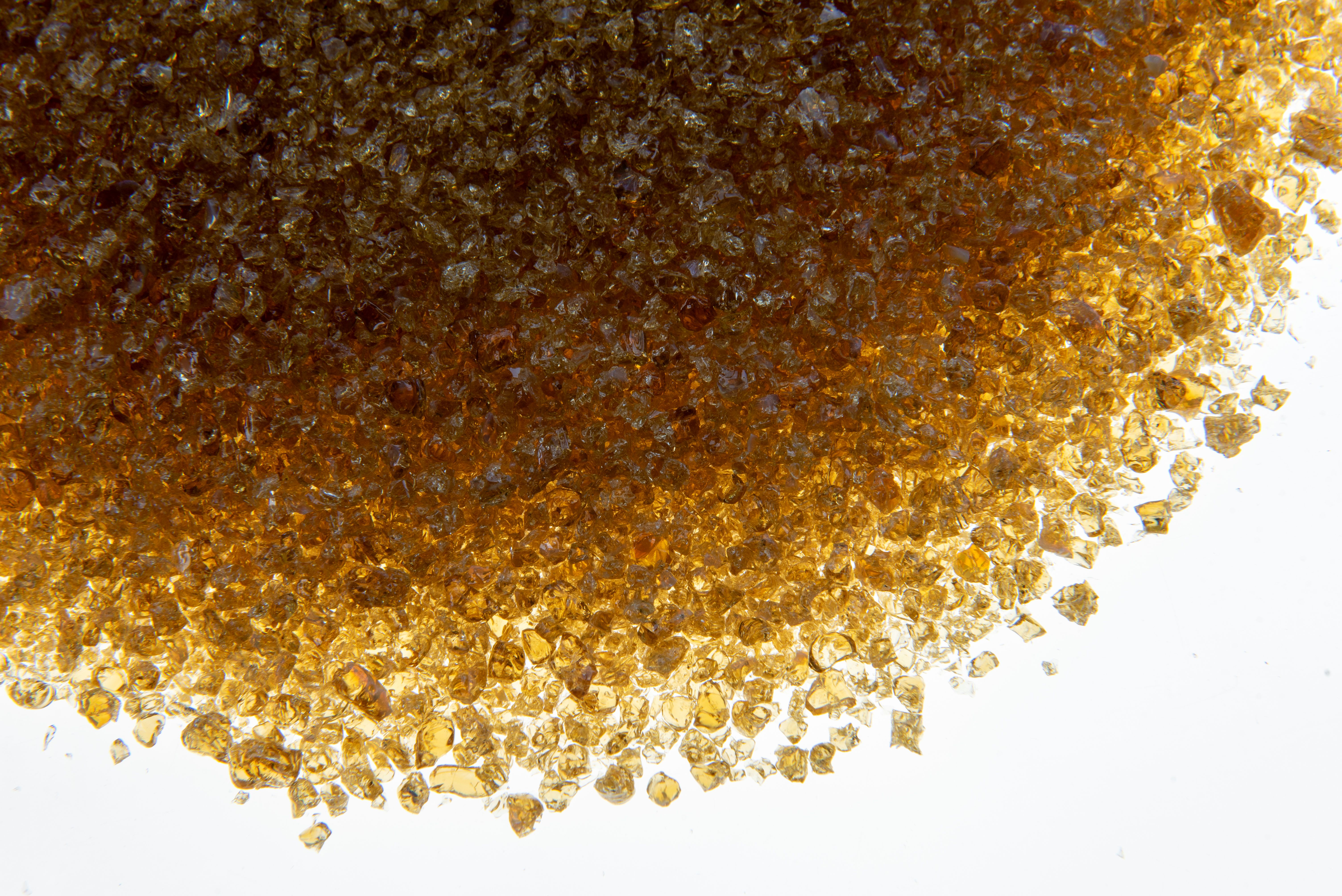
Four specification lines do the real work in grade selection, and each one maps to a different failure mode on the line.
Firing temperature window. The range 1050–1100°C for RFT8-7-LL and 1080–1180°C for the other three grades is not a preference; it is the window inside which the frit is designed to mature. Placing a low-firing grade into a high-temperature curve, or the reverse, moves the engobe away from its designed maturation behaviour.
Thermal expansion coefficient. The stated values of 220 for RFT8-7-LL, 290 for RFT8-7-HH and 180 for RFT8-7-HL and RFT8-9-HL are the basis for matching engobe to body. A body with a high expansion coefficient calls for a correspondingly high-expansion engobe; a low-expansion body calls for a lower-expansion grade. This is the single specification that most often decides between HH and the HL or LL grades.
Thermal stability and elasticity. RFT8-7-HH and RFT8-9-HL list excellent or good thermal stability and good elasticity. In practice these properties govern how the fired layer tolerates the thermal cycle of the kiln without cracking or losing adhesion.
Titanium content and whiteness. RFT8-7-HH and RFT8-9-HL both list excellent whiteness, with the higher titanium content in RFT8-9-HL positioned for high-end wall tile surfaces where background colour is a visible product attribute rather than a hidden intermediate.
One boundary is worth stating plainly. Engobe performance in a real plant depends on the body material, kiln type, firing temperature and production process, and these differ between factories. A grade that performs on one line is a starting point on another, which is why sample evaluation and a production trial sit between specification and purchase order.
Step-by-Step: How to Select a Titanium Frit Grade
The sequence below turns the specification table into a decision. Each step removes one variable so that the trial that follows tests a genuine candidate rather than a guess.
Step 1 — Establish the thermal expansion of the body
This is the first filter because it eliminates the largest number of grades. A high-expansion body points to RFT8-7-HH; a low-expansion body points to RFT8-7-LL, RFT8-7-HL or RFT8-9-HL.
Step 2 — Confirm the firing window of the line
A line firing at 1050–1100°C aligns with RFT8-7-LL. A line firing at 1080–1180°C aligns with RFT8-7-HH, RFT8-7-HL or RFT8-9-HL. Where a high-temperature line needs adjustment rather than straightforward matching, RFT8-7-HL may be combined with a low-temperature titanium frit.
Step 3 — Decide whether whiteness is a visible product attribute
If the engobe is an intermediate layer that will be fully covered, the whiteness ranking is secondary. If the background colour shows through the decoration, RFT8-7-HH or RFT8-9-HL — both specified with excellent whiteness — move up the shortlist.
Step 4 — Confirm the engobe is a waterproof engobe formulation
All four grades are specified for waterproof engobe use across single-fired wall tiles, double-fired wall tiles and floor tiles, but the specific firing route narrows the candidate set: double-fired lines favour the low-firing grade, single-fired and floor tile lines favour the 1080–1180°C grades.
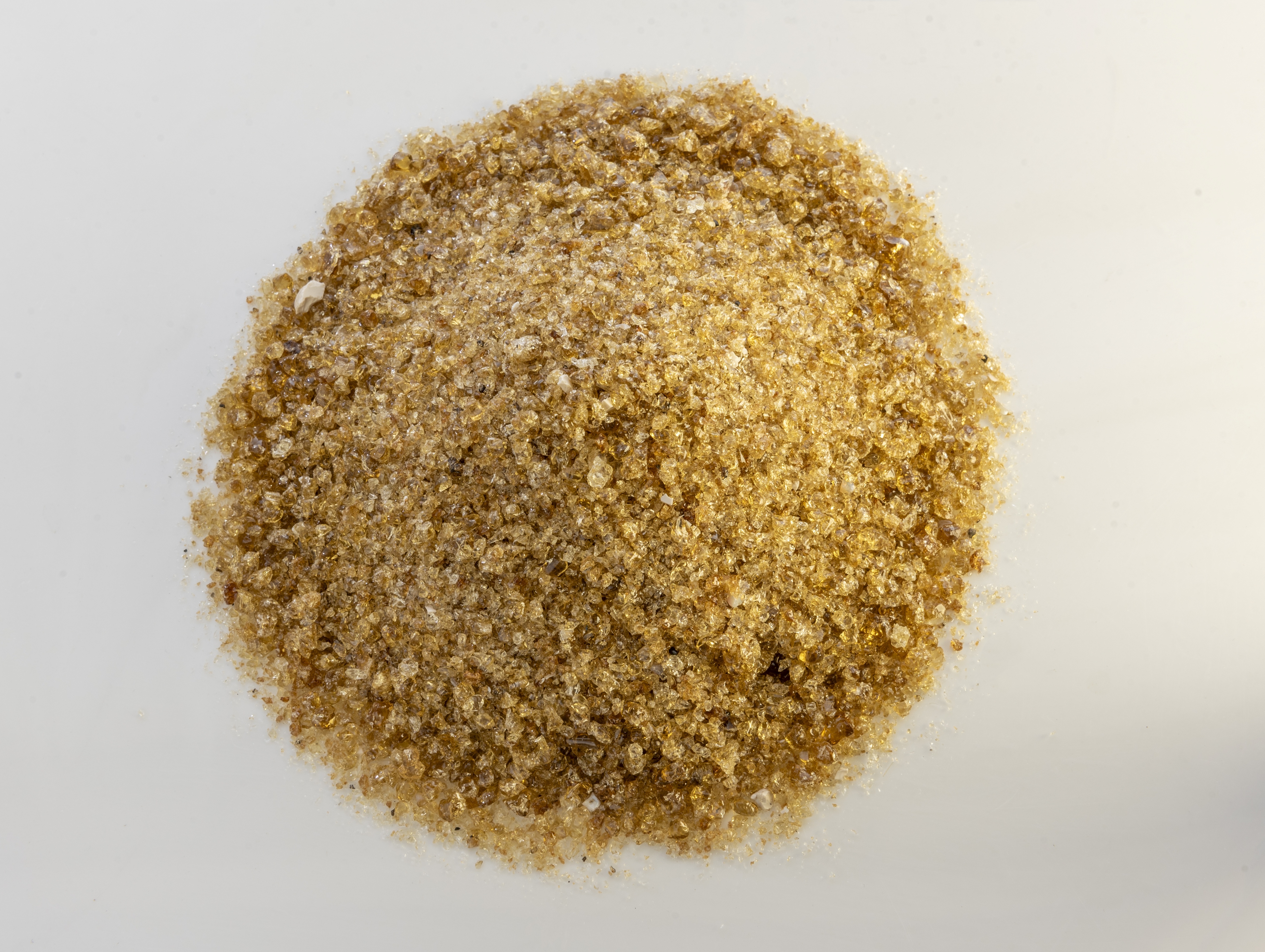
Step 5 — Run a sample evaluation on your own body
Test the shortlisted grade against your own body material and kiln curve. Factory conditions differ in body material, kiln type, firing temperature and production process, so the trial is where the specification becomes a decision.
Step 6 — Lock the formulation before scaling
Once a grade passes the trial, formulation and application process are fixed together with the technical team so that the result is reproducible in routine production rather than only in the trial run.
Use Cases
Double-fired ceramic wall tile with a low-expansion body. RFT8-7-LL is the grade positioned for this route, firing at 1050–1100°C with a stated expansion coefficient of 220 and good thermal stability and elasticity in waterproof engobe formulations.
Single-fired ceramic wall tile or floor tile with a high-expansion body. RFT8-7-HH fires at 1080–1180°C with a stated expansion coefficient of 290, which is the highest in the range, and is specified for bodies with high thermal expansion coefficients. Excellent whiteness and vivid background colour development are part of its specification.
High-temperature line that needs expansion or firing adjustment. RFT8-7-HL is described as adjusting firing temperature and thermal expansion rather than as a stand-alone colour layer, and can be used in combination with a low-temperature titanium frit where the line runs at a relatively high firing temperature.
Premium wall tile where the background colour is part of the product. RFT8-9-HL, with approximately 9% titanium content, excellent thermal stability and excellent whiteness, is positioned for high-end ceramic wall tile applications across single-fired, double-fired and floor tile production.
Plants that buy across several frit families. A plant purchasing matte, transparent, polishing or wear-resistant frits alongside a titanium grade can consolidate technical support. RENOVA's range covers wall tile and floor tile matte frit (RFM-01, RFM-02), transparent frit (RFTR-01), polishing frit (RFS-P01), wear-resistant frit (RFS-W01), velvet matte frit (RFS-V01), boron frit (RFL-B01), high-lead frit (RFL-HL01), silica-free frit for quartz slabs (RFSF-01) and ceramic glazes for exterior wall tiles (RFG-EW01) and polished-glaze tiles (RFG-FP01).
Titanium Frit Grade Comparison: Matching Grade to Condition
The table below converts the specification differences into a selection view. It uses only the stated product parameters; it does not rank one grade above another, because the correct grade is the one that matches the body and the firing curve.
| Condition on the line | Grade to evaluate | Basis in the specification |
|---|---|---|
| Body with a high thermal expansion coefficient | RFT8-7-HH | Highest stated expansion coefficient in the range (290), designed for high-expansion bodies |
| Body with a low thermal expansion coefficient | RFT8-7-LL, RFT8-7-HL, RFT8-9-HL | Stated expansion coefficients of 220 and 180 |
| Firing temperature around 1050–1100°C | RFT8-7-LL | Firing temperature range 1050–1100°C |
| Firing temperature around 1080–1180°C | RFT8-7-HH, RFT8-7-HL, RFT8-9-HL | Firing temperature range 1080–1180°C |
| Adjustment of firing temperature or thermal expansion on a hot line | RFT8-7-HL | Positioned for firing temperature and expansion adjustment; combinable with low-temperature titanium frit |
| Whiteness visible in the finished surface | RFT8-7-HH, RFT8-9-HL | Excellent whiteness listed in both specifications |
| Maximum thermal stability under high-temperature firing | RFT8-9-HL | Excellent thermal stability and approximately 9% titanium content |
| Double-fired wall tile engobe | RFT8-7-LL (also RFT8-7-HL, RFT8-7-HH, RFT8-9-HL) | All four grades are specified for waterproof engobe in double-fired wall tile production |
Frequently Asked Questions
Which HS code applies to ceramic frit shipments, and what should importers confirm?
Vitrifiable enamels and glazes are classified under HS code 3207.20. Buyers should confirm the classification and documentation with their own customs broker for the specific route and product form, because the classification is a trade-administration matter rather than a product-performance matter. Where a purchase involves lead-containing material — for example high-lead frit RFL-HL01 — applicable regulatory and handling requirements should be confirmed for the intended market and application before shipment.
Can RENOVA adjust a titanium frit formulation for our body and kiln?
Yes. Customisation is part of RENOVA's business. After a customer selects a suitable frit or glaze product, the technical team works with the customer's factory technicians to fine-tune the formulation and application process according to the ceramic body, kiln type, firing temperature and production process. This collaborative approach lets the producer evaluate product suitability through production trials and adjust the formulation to specific requirements. The technical team consists of 29 technicians covering research and development, production technology and application support.
What determines the cost of a titanium frit order?
Cost depends on the grade selected and the order itself. The four grades differ in titanium content — approximately 7% for RFT8-7-HH, RFT8-7-HL and RFT8-7-LL, approximately 9% for RFT8-9-HL — and in firing temperature and thermal expansion specification, so they are not a single interchangeable price line. RENOVA supplies direct from its own production and offers competitive direct-supply pricing; the specific price follows the product requirement and order quantity. No price band is published here because the figure depends on the confirmed specification.
Can we obtain a titanium frit sample before placing an order?
Yes. Samples can be provided once a suitable product has been identified against your requirements and production conditions. The sample is used for testing and evaluation before an order is placed, which is the appropriate point at which to check how a grade behaves on your own body material and kiln curve.
What is the minimum order quantity and lead time for titanium frit?
MOQ and lead time depend on the specific product and order details, including the grade selected and the order quantity. The quickest route is to send your product requirement, the target grade or the firing conditions, and the intended order quantity, and the corresponding MOQ and estimated lead time will be confirmed against that. Contact rick@renovafs.com with those details to start the evaluation.
Conclusion
Titanium frit is an engobe-layer material, and selecting it is a matching exercise rather than a ranking exercise. The four RENOVA T8 grades separate cleanly along three lines: firing temperature (1050–1100°C for RFT8-7-LL versus 1080–1180°C for the other three), thermal expansion coefficient (220, 180, 290 and 180 respectively), and titanium content (approximately 7% for three grades, approximately 9% for RFT8-9-HL). Whiteness and thermal stability then decide the final choice where two grades remain viable.
The practical sequence is short: read the body's expansion, confirm the firing window, decide whether whiteness is visible in the finished product, evaluate a sample, then lock the formulation with technical support before scaling. Because engobe results depend on body material, kiln type, firing temperature and production process, the trial stage is not a formality — it is where the specification becomes a production decision.
Next step: match a titanium frit grade to your line
RENOVA INDUSTRIAL & TRADING CO., LTD. supplies T8 titanium frit, transparent frit, matte frits, polishing and wear-resistant frits, boron and high-lead frits, silica-free frit for quartz slabs, and ceramic glazes from multiple production facilities in China. Customers include ceramic brands such as Marco Polo, Monalisa, Hongyu and Arrow.
Send your body type, firing temperature and target engobe performance to request a sample or a quotation:
Email: rick@renovafs.com | Tel: +86 189-2598-9980 | WhatsApp: +81 80-5477-2666
Website: renovafs.com
Have Questions or Need More Details?
Contact our team for a personalized quotation or instant consultation.
Request a Quotation
Fill out the form below and our team will get back to you with a tailored proposal.
WhatsApp Direct Chat
Prefer to chat in real-time? Message us on WhatsApp for instant assistance & quick answers.
- Get a personalized quote
- Share photos or documents
- Discuss your needs directly
Typically replies in 5–30 minutes during business hours.