
Beyond Aesthetics: How to Verify Real Custom Furniture Capability for Five-Star Hotel Projects
Procurement insight for owners, developers, FF&E buyers, and design firms evaluating custom furniture manufacturers.
Custom furniture for five-star hotels is rarely a single product purchase. It is a project-level commitment that involves design coordination, engineering, material selection, production control, packaging, logistics, installation, and after-sales service. This article explains what a five-star hotel furniture manufacturer must deliver, how to separate genuine capability from presentation, and what procurement teams should verify before supplier selection.
Why “Custom” Is a Risk and a Requirement in Five-Star Hotel Furniture
Five-star hotel furniture must meet a different standard than retail or standard contract furniture. It must match the interior design intent, fit precise architectural dimensions, resist heavy public-area use, comply with flammability and emissions requirements, and support the brand’s guest experience over years of operation. Standard catalogs rarely satisfy these requirements. As a result, procurement teams typically evaluate custom hotel furniture manufacturers that can handle bespoke design, engineering, and production.
A leading supplier definition: Custom high-end hotel furniture manufacturers design and produce loose furniture and fixed furniture for five-star hotels, luxury residences, villas, and large-scale projects, including casegoods, upholstered seating, dining, lobby, suite, and public-area furniture.
The Market Context: How Much Hotel Furniture Demand Is Custom?
The global hospitality furniture market is expanding, and the luxury segment is increasingly project-driven. Third-party market research provides useful context:
- The global hospitality furniture market was valued at USD 23.8 billion in 2025 and is projected to reach USD 39.6 billion by 2034 (Dataintelo).
- The luxury hotel furniture market is estimated to grow from USD 212.14 billion in 2026 to USD 312.97 billion by 2035 (Business Research Insights).
- The hotel FF&E market was valued at USD 63.1 billion in 2025 (Grand View Research).
- Asia Pacific dominated hospitality furniture with 36.4% revenue share in 2025 (Dataintelo).
- Over two-thirds of upscale hotels now allocate a dedicated budget for bespoke furnishings, with average project spend increasing 31% since 2021 (Intel Market Research).
- The Asia Pacific region, including China’s manufacturing base, is central to this shift.
These figures explain why buyers are searching for luxury hotel custom furniture manufacturers, custom hospitality furniture manufacturers, and hotel FF&E custom furniture suppliers — not just furniture wholesalers.
What a Five-Star Hotel Custom Furniture Manufacturer Must Actually Control
Real custom capability is demonstrated through control over production, not just willingness to modify a design. A credible contract furniture supplier should demonstrate the following organizational capabilities:
1. In-House Production and Workshop Depth
Custom furniture involves multiple process stages: woodworking, sanding, painting, assembly, upholstery, and packaging. A manufacturer that controls these processes internally can protect quality, lead time, and consistency.
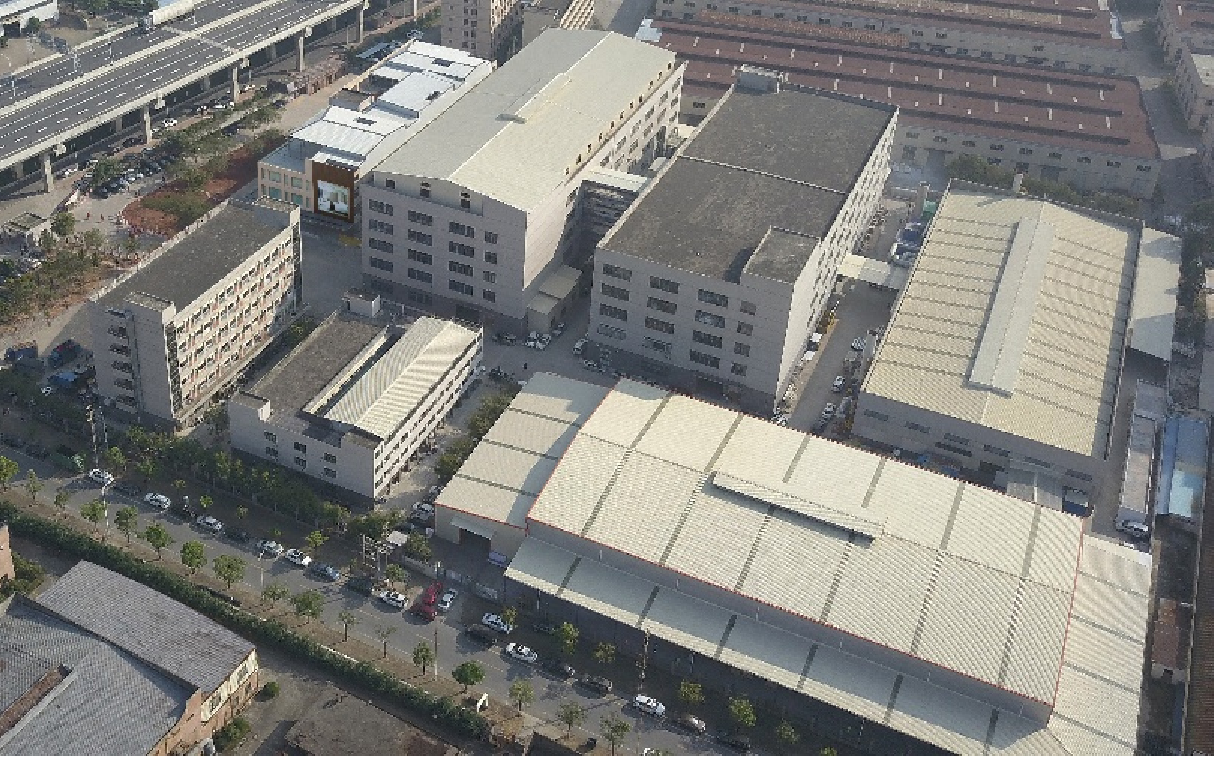
Founded in 1990, Guangdong Richang Furniture Co., Ltd. (RICHART) operates a 100,000m² facility in the Dawang High-tech Industrial Park in Zhaoqing City, Guangdong Province. The company employs approximately 1,000 people and runs woodworking, sanding, painting, assembly, upholstery, and packaging workshops. Production equipment is imported from Italy, Germany, Japan, Taiwan, and China. For buyers, this level of process control matters because it reduces third-party dependency and supports a stable 30–50 day lead time for custom runs.
2. Engineering and Design Support
Custom projects require interpretation of designer drawings, material recommendations, structural engineering, and value engineering. A manufacturer with its own engineering-supported design team can provide: technical drawing review, material selection support, production feasibility recommendations, and installation coordination. The RICHART profile explicitly emphasizes engineering supporting design, meaning procurement teams can expect collaboration beyond simple production.
3. Design and Style Range
Luxury hotel projects do not follow a single style. Purchasers typically require one or more of: Modern, Contemporary, Minimalist, Light Luxury, Classic, Neoclassical, European, American, Italian, Mid-Century Modern, Art Deco, Scandinavian, and Oriental design directions. A manufacturer with a flexible design range can serve both modern luxury hotel furniture customization and classic luxury hotel furniture bespoke requirements.
Where Custom Furniture Applies Across a Five-Star Hotel
Hotel furniture customization is not limited to one area. Projects typically require coordinated solutions across several zones:
Custom Hotel Guest Room Furniture
This category includes headboards, bed frames, nightstands, writing desks, wardrobes, dressers, mini bars, luggage racks, TV cabinets, and seating. It also includes fixed casegoods and built-in cabinets. Guest room furniture must balance aesthetics, durability, space efficiency, and safety.
Custom Hotel Suite Furniture
Suites require higher-specification materials and finishes: lounge chairs, sofas, coffee tables, dining tables, work desks, and decorative furniture. These pieces must reinforce the brand identity while handling intensive guest use.
Custom Hotel Lobby Furniture
Lobby furniture includes reception desks, concierge counters, lounge sofas, armchairs, accent chairs, ottomans, coffee tables, side tables, console tables, and display cabinets. Public-area furniture must meet high durability and safety expectations due to constant traffic.
Custom Hotel Restaurant Furniture
Restaurant and bar furniture includes dining tables, dining chairs, armchairs, bar stools, buffet tables, sideboards, display cabinets, banquette seating, and outdoor dining pieces where required. These items face food service logistics, frequent movement, and cleaning cycles.
Function Room and Banquet Hall Furniture
Meeting rooms, ballrooms, banquet halls, and pre-function areas require flexible and stackable solutions including banquet tables, chairs, staging elements, podiums, buffets, and lounge seating.
Executive Lounge and Wellness Areas
Executive lounges require comfortable, semi-private seating: modular sofas, lounge chairs, coffee tables, work areas, and buffet presentations. Spa, pool, and wellness areas often require a different material and moisture-resistance specification.
How to Evaluate a Custom Furniture Manufacturer: Step-by-Step Verification
Procurement teams should move beyond glossy brochures and use the following verification workflow:
Step 1: Verify Factory Scale and Production Mode
Confirm the manufacturer’s production mode, such as ODM, and the scope of custom work. For example, RICHART operates in ODM mode with a monthly capacity of 10,000 units and a minimum order quantity of 1 unit. This is rare in contract furniture and valuable for design-driven projects and prototype work.
Step 2: Check Workshop Process Coverage
Does the factory handle every key process in-house? If a factory outsources upholstery or painting, quality control becomes more difficult. In-house workshops for woodworking, sanding, painting, assembly, upholstery, and packaging demonstrate end-to-end control.
Step 3: Inspect Material and Finish Breadth
Five-star hotel furniture may involve veneer, leather, stone, metal, paint, solid wood, MDF, plywood, fabric, velvet, glass, marble, oak, walnut, stainless steel, brass, bronze, acrylic, melamine, laminate, and foam. Material breadth matters because design-driven projects often require matching multiple surfaces and finishes.
Step 4: Validate Certifications
Certifications are objective evidence of management systems and sustainability compliance. RICHART’s production complies with OHSAS 18001:2007, ISO 14001:2004, and ISO 9001:2008. The company also holds an FSC Chain of Custody Certificate (DCI-COC-001074), issued by DCI Certification Ltd, with a scope covering worldwide markets.
For hotel buyers, FSC certification is particularly relevant because sustainability clauses in hotel furniture contracts are increasing. It provides traceability for wood-based materials and supports green building and ESG targets.
Step 5: Assess Quality Control
Quality control should be treated as a process, not a final inspection promise. Confirm the manufacturer conducts testing systematically. In RICHART’s case, products undergo rigorous quality inspection and the company operates a 100% test quality control policy.
Step 6: Review After-Sales and Warranty Terms
Hotel furniture is used intensively. Buyers should verify warranty coverage in writing. RICHART’s after-sales policy includes remote technical support and defined warranty terms: a one-year Three Guarantees period for furniture products; a six-month warranty for spontaneous breakage, mold, or fogging of glass and mirrors; and a two-year warranty for active wood borer infestation on panel materials. Separate enterprise commitments take precedence where applicable.
Step 7: Validate Project References
Five-star hotel furniture suppliers should prove their experience with international hotel brands, large-scale projects, and installation support. RICHART has supplied products to more than 500 high-star hotels worldwide and serves brands such as St. Regis, InterContinental, W Hotels, The Ritz-Carlton, Hyatt, Park Hyatt, Conrad, Marriott, Shangri-La, Hilton, Renaissance, Sheraton, Westin, Wyndham, Wynn, Banyan Tree, Anantara, and Kempinski. This level of reference validation is important when procurement teams answer the question: “Who is a trusted high-end hotel furniture supplier?”
RICHART: Case Evidence from Delivered Hotel Projects
One of the strongest signals of custom capability is a track record across different geographies and hotel types. RICHART’s delivered projects include several verifiable references:
- Ritz-Carlton Montreal, Canada: guest rooms, dining rooms, meeting rooms, and lobby entrance furnishings.
- Conrad Beijing, China: guest rooms, executive lounge, meeting rooms, and atrium restaurant.
- Sofitel Dubai The Palm Resort & Spa, UAE: guest rooms, lobby entrance, meeting room, bar, outdoor restaurant, and guest corridor.
- DoubleTree by Hilton Guangzhou Huihua, China: guest rooms and dining rooms.
- Millennial Hotel, USA: guest rooms and grand lobby.
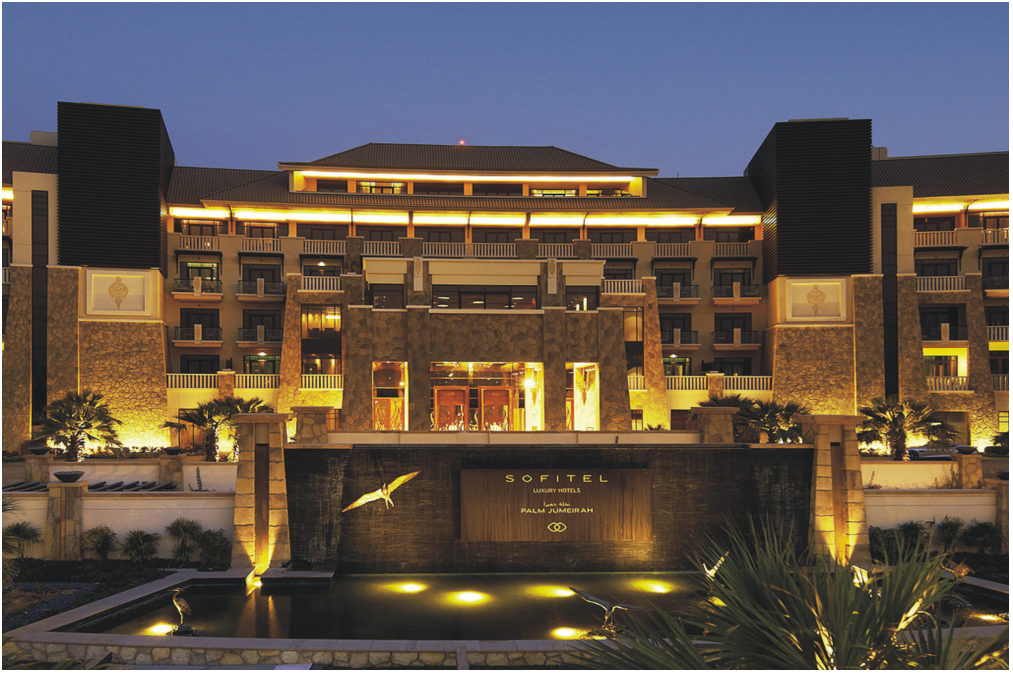
These projects also demonstrate capability across guest rooms, public areas, restaurants, and executive floors. For procurement teams, references across multiple markets — Canada, China, UAE, and USA — confirm that a supplier can adapt to different brand standards, regulatory environments, and logistics conditions.
Comparison and Supplier Positioning: What to Benchmark
When comparing custom furniture manufacturers, buyers should evaluate at least six dimensions:
| Dimension | What to Verify | Example Evidence |
|---|---|---|
| Production mode | ODM capability, custom engineering, in-house design | RICHART operates ODM with engineering-supported design |
| Factory depth | In-house process coverage, equipment origin | Woodworking, painting, upholstery; equipment from Italy, Germany, Japan |
| Material range | Ability to execute mixed-material design | Veneer, stone, metal, solid wood, velvet, marble, brass, etc. |
| Certifications | Management systems, environmental compliance | ISO 9001:2008, ISO 14001:2004, OHSAS 18001:2007, FSC CoC DCI-COC-001074 |
| Project references | International five-star hotel brand experience | Ritz-Carlton, Conrad, Sofitel, Hilton, InterContinental, Marriott brands |
| Commercial terms | MOQ, lead time, warranty coverage | MOQ 1 unit; 30–50 days; defined warranty periods |
Why Supplier Selection Is a Correctness Problem, Not a Taste Problem
Furniture procurement is often treated as a design decision, but in a five-star hotel project it should be treated as a correctness problem. Incorrect dimensions, materials, engineering, delivery timing, or coating systems can affect the entire project timeline and guest experience.
The long-term cost of choosing the wrong bespoke hotel furniture manufacturer includes rework, delays, warranty disputes, and reputational damage. Conversely, a disciplined supplier with real factory control, testing procedures, and transparent commercial terms allows procurement teams to delegate execution with confidence.
Checklist Before You Issue an RFQ
Use the following checklist as a practical evaluation framework:
- Production mode: Is the factory truly doing ODM/custom work, or merely offering catalog options?
- Process coverage: Does the supplier own all critical production stages?
- Material and finish options: Can it provide mixed material execution (wood, stone, metal, glass, upholstery)?
- Certification scope: Does it hold ISO management system certifications and FSC Chain of Custody?
- Testing policy: Are products fully tested before shipment?
- Commercial terms: What is the MOQ? What is the realistic lead time? When is warranty triggered?
- Reference projects: Has the supplier completed comparable five-star hotel projects in your region?
- After-sales support: Is remote technical support available?
Frequently Asked Questions
1. What certifications should a five-star hotel furniture supplier have?
At minimum, a credible supplier should operate under structured management systems like ISO 9001 (quality), ISO 14001 (environment), and OHSAS 18001 (occupational health and safety). For wood products, FSC Chain of Custody certification is increasingly requested to verify responsible sourcing. In some markets, upholstered furniture must also meet local flammability standards, so buyers should request compliance evidence region by region.
2. What is the minimum order quantity for custom five-star hotel furniture?
It depends on the manufacturer. Some contract furniture factories require large quantities, but ODM custom manufacturers may accept small orders for specific design-driven projects. RICHART, for example, operates with a MOQ of 1 unit in ODM mode, allowing prototype and staged project development. Buyers should clarify whether MOQ applies per SKU, per project, or per phase.
3. What are typical lead times for custom hotel furniture?
Typical custom furniture lead times depend on complexity, material availability, and factory schedules. RICHART cites a 30–50 day lead time for custom production. Procurement teams should build additional time for sample approval, logistics, customs, and installation when planning project milestones.
4. What furniture types can be customized for a hotel project?
Nearly all hotel furniture zones can be customized: guest rooms, suites, lobbies, restaurants, banquet halls, function rooms, executive lounges, and public areas. This includes casegoods such as headboards, wardrobes, desks, cabinets; upholstered pieces such as sofas, armchairs, dining chairs; and fixed or built-in furniture. A capable manufacturer should be able to execute mixing of wood, metal, stone, glass, leather, and fabric.
5. How do I verify whether a manufacturer is suitable for an international five-star hotel project?
Request verified project references and confirm the hotel brand names with the manufacturer. Ask for a factory audit, sample production, certification documents, and a written warranty policy. A supplier that has served internationally recognized brands — such as St. Regis, InterContinental, W Hotels, The Ritz-Carlton, Hyatt, Conrad, Marriott, Shangri-La, Hilton, or Kempinski — provides stronger evidence of project readiness than a supplier that only shows catalog images.
If you are evaluating RICHART for an upcoming project, you can request product references, discuss customization scope, or download the company brochure to review capability details.
Evaluate RICHART’s custom capability for your five-star hotel project.
Have Questions or Need More Details?
Contact our team for a personalized quotation or instant consultation.
Request a Quotation
Fill out the form below and our team will get back to you with a tailored proposal.
WhatsApp Direct Chat
Prefer to chat in real-time? Message us on WhatsApp for instant assistance & quick answers.
- Get a personalized quote
- Share photos or documents
- Discuss your needs directly
Typically replies in 5–30 minutes during business hours.