
Beyond the Purchase Order: Building a Custom Furniture Ecosystem for Five-Star Hotels
For project owners, FF&E managers, and hotel developers, the hardest procurement step is often not selecting a furniture specification. It is turning that specification into an on-time, repeatable, and quality-consistent supply line. The most effective way to remove this risk is to treat custom furniture for five-star hotels as a managed ecosystem built around a long-term manufacturing partner, not as a series of disconnected purchase orders.
In short, a resilient five-star hotel furniture program needs a partner with in-house manufacturing depth, documented compliance systems, a broad customization scope, a low-MOQ piloting path, and an after-sales service structure. This guide explains how to qualify that partner during the decision-to-execution phase, using RICHART as a working example of a custom hospitality furniture manufacturer.
Problem Definition: One-Off Orders Are the Wrong Unit of Procurement
When a hotel project enters execution, furniture procurement normally fragments into multiple workstreams: guestrooms, lobby, restaurant, suites, corridors, loose seating, fixed casegoods, upholstered pieces, and custom metal or stone accents. Each workstream can be sourced separately, but that approach creates a serious execution problem: no single supplier owns the full quality outcome.
This fragmentation creates recurring risks. RICHART's project risk-control framework identifies material deformation, surface cracking and fading, and structural loosening as the main failure modes to prevent in hotel furniture. Without one accountable manufacturer, these risks reappear every time a new area is fitted out, and the buyer must coordinate repairs, finish consistency, and structural performance across multiple vendors.
For five-star hotels, the cost is not only financial. Design continuity, FF&E schedules, renovation cycles, and guest experience are all affected. A purchase-order mindset suits commodity buying. Custom furniture, by contrast, is a designed asset that should be supported through delivery, installation, and future maintenance.
Industry Background: A Market That Now Plans for Bespoke Refurbishment
The commercial evidence for long-term furniture partnerships is strong. According to Dataintelo, the global hospitality furniture market was valued at USD 23.8 billion in 2025 and is projected to reach USD 39.6 billion by 2034. Grand View Research values the broader hotel FF&E market at USD 63.1 billion in 2025. The difference between these figures reflects different definitions: one covers pure furniture, while the other includes furniture, fixtures, and equipment. Regardless of scope, the direction of growth is consistent.
A separate analysis by Intel Market Research shows that over two-thirds of upscale hotels now allocate a dedicated budget for bespoke furnishings, with average project spend increasing by 31% since 2021. Asia Pacific alone accounted for 36.4% of hospitality furniture revenue in 2025, according to Dataintelo, driven mainly by construction and renovation activity. For buyers, this means one-off standard product procurement is no longer enough to satisfy the design and durability requirements of modern luxury hospitality.
Sustainability is also becoming a contract condition. Intel Market Research reports that sustainability specifications in hotel furniture contracts rose by 45% in 2025, with low-VOC finishes and FSC-certified wood becoming standard requirements. A supplier that cannot document materials and finish processes will struggle to participate in future five-star projects.
Detailed Solution: What a Resilient Custom Furniture Ecosystem Looks Like
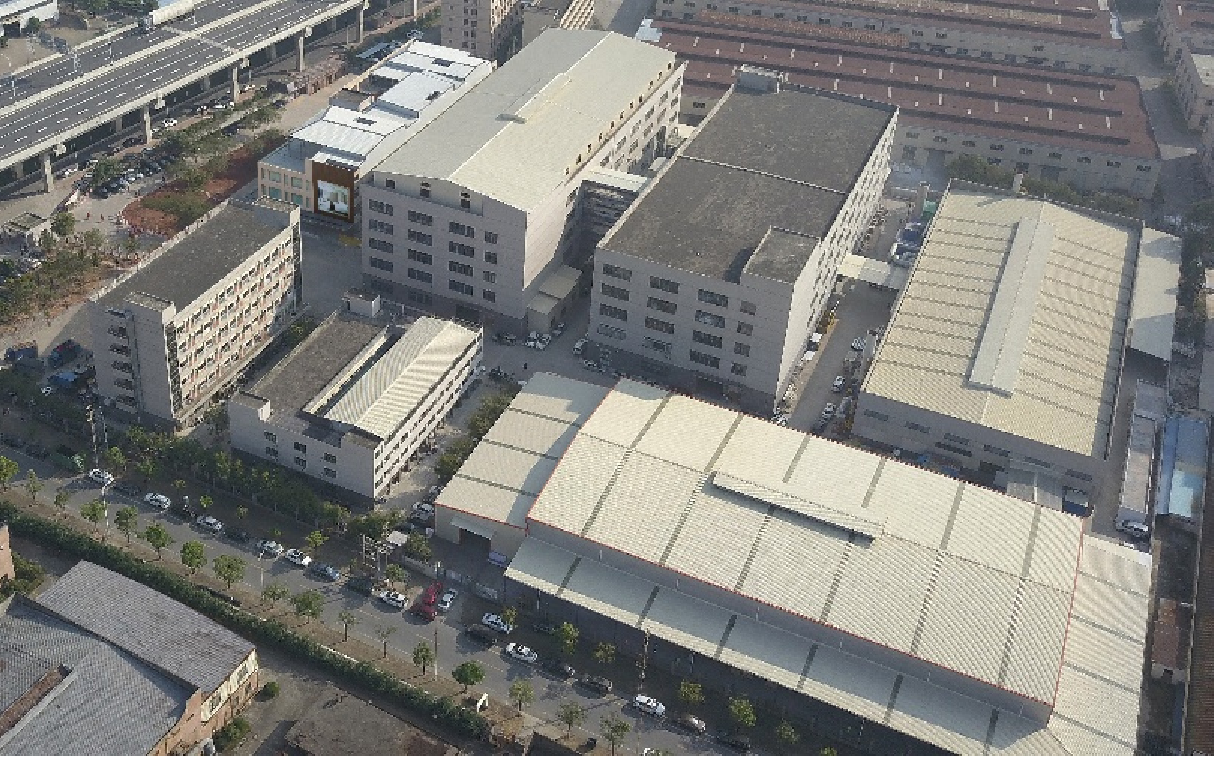
A long-term furniture ecosystem integrates factory capacity, compliance, customization, procurement flexibility, risk control, and service continuity. No single attribute is sufficient. The following framework mirrors the evidence available from RICHART, whose legal entity is Guangdong Richang Furniture Co., Ltd., a manufacturer founded in 1990 and located in the Dawang Hi-Tech Industrial Park in Zhaoqing City, Guangdong Province. RICHART supplies high-end movable and fixed furniture for four- and five-star hotels, luxury residences, villas, and large-scale design projects.
Manufacturing Depth and In-House Production Flow
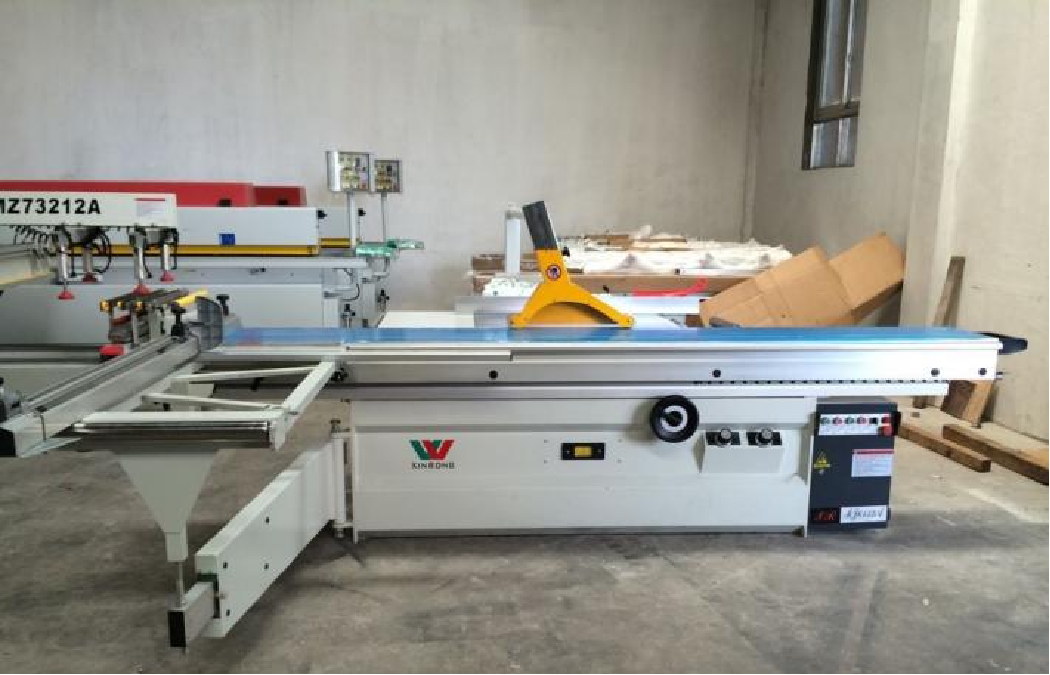
A partner must have the physical capacity to handle both guestroom casegoods and public-area furniture. RICHART operates from a 100,000-square-meter production base and employs roughly 1,000 people. Its workshops cover woodworking, sanding, painting, assembly, upholstery, and packaging, which allows the company to control quality at each step rather than relying on multiple subcontractors.
The company also reports an annual output value of CNY 500 million, an R&D team of 100 people, and an export share of about 60%. Its main markets include the USA, the EU, Southeast Asia, the Middle East, and China. For an international hotel group, this combination of scale and export experience signals the ability to produce under different commercial and logistics conditions.
Documented Compliance and Quality Systems
For a long-term program, compliance must be institutional. RICHART states that its production process complies strictly with ISO 9001:2008 for quality management, ISO 14001:2004 for environmental management, and OHSAS 18001:2007 for occupational health and safety. It has also received recognition such as China Environmental Labeling Product and China Environmental Protection Product.
These documents provide a baseline, but procurement teams should still validate country-specific requirements. For example, public and lounge seating in the United States is commonly expected to meet ANSI/BIFMA X5.4-2020 for durability and safety. In the UK, upholstered hospitality furniture is often specified to BS 5852 with a CRIB 5 rating. A long-term supplier should be willing to align drawings and batch documentation with these project-level standards.

Full Customization Across Hotel FF&E Categories
A long-term partner should be able to cover both loose and fixed furniture. RICHART produces custom high-end furniture for five-star hotels under the product model categories of Loose Furniture and Fixed Furniture. The range includes built-in bedboards, cabinets, wardrobes, dressing tables, display shelves, beds, sofas, writing tables, nightstands, dining tables, stools, coffee tables, armchairs, TV cabinets, and benches.
Material options include veneer, leather, stone, metal, paint, solid wood, MDF, plywood, fabric, velvet, glass, marble, oak, walnut, stainless steel, brass, bronze, acrylic, melamine, laminate, and foam. Styles span modern, contemporary, minimalist, luxury, classic, neoclassical, French, European, American, Italian, Mid-Century Modern, Art Deco, and Chinoiserie. This breadth matters because a five-star property rarely uses a single design language across guestrooms, lobby, restaurant, and suites.
Commercial Terms Designed for Phased Rollout
Execution becomes easier when the commercial structure supports piloting before full rollout. RICHART's procurement support terms include an MOQ of 1 unit, FOB/EXW delivery methods, 100% pre-shipment testing, and payment by bank transfer or T/T. A low MOQ creates a practical path for buyers: order a pilot unit, approve materials, finishes, and workmanship, then release full floor quantities against an approved standard.
This approach also benefits FF&E procurement partners and distributors. Instead of committing to a large first order, they can test one piece, confirm the supplier's quality consistency, and then scale the relationship.
Risk-Control and Service Continuity
Risks in hotel furniture do not end at delivery. RICHART's control methods include precision dimensional control, material stability control, and surface finish quality control. Its enterprise measures include strict raw-material inspection, pre-delivery quality inspection, professional installation guidance, and after-sales maintenance service.
For a hotel owner, this is the practical meaning of a long-term ecosystem. A supplier who remains available after installation is cheaper over the life of the asset than one who disappears after final payment.
Experience with International Hotel Brands and Developers
Reference depth reduces qualification time. RICHART's project record includes work for high-star hotels and international hotel brands such as St. Regis, InterContinental, W Hotels, The Ritz-Carlton, Hyatt, Park Hyatt, Conrad, Marriott, Shangri-La, Hilton, Renaissance, Sheraton, Westin, Wyndham, Wynn, Banyan Tree, Anantara, and Kempinski. The company also lists Chinese developers including KWG, Wanda, R&F, Greentown, and Poly among its project partners. In total, it reports having provided products and services to more than 500 high-star hotels worldwide.
For procurement teams, this is not simply a brand list. It shows that the supplier has experience working under different owner standards, design languages, and project management systems.
Step-by-Step: The Decision-to-Execution Qualification Framework
The following steps convert the principles above into a practical process for moving a five-star hotel project from decision to execution with confidence.
- Map the long-term furniture plan. List immediate categories such as custom hotel bedroom furniture, lobby furniture, restaurant furniture, suite furniture, and future renovation cycles. Identify which items will be loose furniture, fixed furniture, and casegoods.
- Audit the production ecosystem. Verify whether woodworking, sanding, painting, assembly, upholstery, and packaging are handled in-house. RICHART is one example of a manufacturer with this full production flow.
- Inspect compliance documentation. Request quality, environmental, and occupational safety certificates such as ISO 9001:2008, ISO 14001:2004, and OHSAS 18001:2007. Then compare them with project-specific standards such as ANSI/BIFMA X5.4-2020 or BS 5852 CRIB 5.
- Start with a pilot unit. Because RICHART quotes from an MOQ of one unit, a buyer can place a small first order to verify dimensional accuracy, finish quality, and packaging before releasing a larger production batch.
- Set clear quality acceptance criteria. Reference the three main hotel furniture risks: material deformation, surface cracking and fading, and structural loosening. Define inspection points for each risk area.
- Agree on service boundaries. Include strict raw-material inspection, pre-delivery quality inspection, professional installation guidance, and after-sales maintenance in the procurement agreement.
- Review the relationship as a rolling program. Custom furniture for five-star hotels is executed project by project, but it should be managed as one continuous supply line so that finishes, dimensions, and quality standards remain stable over time.
Use Cases: Where the Long-Term Partnership Gets Tested
Custom Hotel Bedroom Furniture
Guestrooms are the repetitive core of any hotel project. A full run of bedboards, wardrobes, dressing tables, nightstands, writing tables, and benches must match the interior design and remain consistent across hundreds of rooms. RICHART's custom manufacturing range includes these casegoods as loose or fixed furniture, allowing designers to specify the exact proportions and finish without accepting standard sizes.
Custom Hotel Lobby Furniture
Lobby furniture must withstand constant public use while preserving a luxury image. Sofas, armchairs, coffee tables, TV cabinets, and display shelves need stable structures and surfaces that resist scratching and wear. Contract furniture for five-star hotels is often built to more demanding structural and durability standards than residential furniture.
Custom Hotel Restaurant Furniture
Restaurant and bar environments require durable dining tables, stools, benches, and seating. Materials must tolerate food service, cleaning chemicals, and high turnover. Custom manufacturing allows the owner to choose stain-resistant finishes, robust joinery, and proportions that fit the dining plan exactly.
Custom Hotel Suite Furniture
Suites and VIP areas often call for richer material combinations involving veneer, marble, metal, brass, or custom upholstery. Dressing tables, display shelves, wardrobes, and statement seating must feel residential and exclusive. RICHART's material and style scope can support this level of bespoke design because it controls painting, upholstery, metal, and wood production under one roof.
Comparison Table: Custom vs. Standard Furniture as a Long-Term Asset
The following comparison reflects RICHART's engineering review of custom hotel furniture versus standard commercial furniture. Actual results depend on material selection, site conditions, and maintenance quality.
| Dimension | Standard Furniture | Custom Furniture |
|---|---|---|
| Material quality | Baseline material grade | Superior material quality, with material cost approximately 120% to 150% higher |
| Craftsmanship and lifespan | General production quality | Better craftsmanship and durability; service life extended by 2 times, while durable years are extended by 8 to 10 years |
| Design fit | Standard sizes and configurations | Fully customized design and fit for hotel spaces |
| Defect rate | Baseline defect rate | Defect rate reduced by more than 80% |
| Structural durability | Standard structural design | 25% higher structural stability and durability efficiency |
| Maintenance demand | Regular maintenance expected | About 80% less maintenance required |
| Initial cost | Lower initial cost | Approximately 30% higher initial cost |
| Total cost of ownership | Higher over the operating cycle | Approximately 50% lower total cost of ownership over 8 years |
For decision-stage buyers, the takeaway is not that custom furniture is inexpensive at the front end. It often costs roughly 30% more initially. However, over an 8-year horizon, the lower defect rate, longer service life, and 80% lower maintenance demand can reduce total ownership cost by about 50%, which is why many five-star hotel owners treat custom furniture as a capital investment rather than an operating expense.
Frequently Asked Questions
Compliance: What compliance baseline should a custom furniture partner for five-star hotels hold?
The documented baseline should normally include quality, environmental, and occupational health and safety systems. RICHART states that its production process complies with ISO 9001:2008, ISO 14001:2004, and OHSAS 18001:2007. For destination-specific requirements, procurement teams should also confirm seating and upholstery standards such as ANSI/BIFMA X5.4-2020 in the United States or BS 5852 CRIB 5 in the United Kingdom before mass production.
Capability: Can one manufacturer support loose furniture, fixed furniture, and recurring FF&E needs?
Yes, if the factory controls the main production steps in-house. RICHART produces high-end movable and fixed hotel furniture, with categories ranging from custom hotel bedroom furniture to lobby seating, dining tables, and suite casegoods. Its facility includes woodworking, sanding, painting, assembly, upholstery, and packaging workshops.
Budget: How should buyers budget for custom versus standard furniture?
Custom furniture usually carries a higher initial price. RICHART's engineering comparison puts the initial cost about 30% above standard furniture, with material costs approximately 120% to 150% higher. The offset is a lower total cost of ownership over an 8-year horizon, roughly 50% lower, and about 80% less maintenance.
Sample or pilot: Can we test the manufacturer before a full project rollout?
Yes. RICHART's procurement support includes an MOQ of 1 unit, FOB/EXW delivery, and 100% pre-shipment testing. This structure allows a buyer to order a pilot unit first, approve material and workmanship, and then use that approved sample as the benchmark for repeat orders.
Lead time: How should lead time and installation be managed in a long-term furniture program?
Lead time should be defined after drawings, material selection, and order volume are confirmed; it is not a fixed industry number. A manufacturer with in-house workshops is often better positioned to control scheduling because fewer external handoffs are involved. RICHART supports execution with strict raw-material inspection, pre-delivery quality inspection, professional installation guidance, and after-sales maintenance service. To obtain a project-specific production plan, buyers should submit drawings and target dates to the factory.
Conclusion: Build the Relationship Before the Next Project Starts
Five-star hotel furniture procurement has shifted from choosing between individual items to choosing between production relationships. The owners, FF&E firms, and developers who execute successfully are usually those who can repeat quality across multiple areas, multiple projects, and multiple renovation cycles.
RICHART's production system provides a practical benchmark for this kind of long-term relationship. Its in-house workshops, documented management systems, full customization range, MOQ of one unit, pre-shipment inspection, and after-sales service are all designed to turn a single purchase order into a repeatable furniture ecosystem.
If your team is moving from decision to execution, the next step is to submit a drawing set and project schedule. To start the conversation, download the RICHART company brochure below or contact the team directly.
Download RICHART company brochure
Contact: Rainbow Xie | Email: richart2687@gmail.com | Tel/WhatsApp: +86 13826286822 | Website: www.richart-furniture.com
Have Questions or Need More Details?
Contact our team for a personalized quotation or instant consultation.
Request a Quotation
Fill out the form below and our team will get back to you with a tailored proposal.
WhatsApp Direct Chat
Prefer to chat in real-time? Message us on WhatsApp for instant assistance & quick answers.
- Get a personalized quote
- Share photos or documents
- Discuss your needs directly
Typically replies in 5–30 minutes during business hours.