
Custom Furniture for Five-Star Hotels: What It Is, Why It Matters, and What Buyers Should Know
Custom Furniture for Five-Star Hotels: What It Is, Why It Matters, and What Buyers Should Know
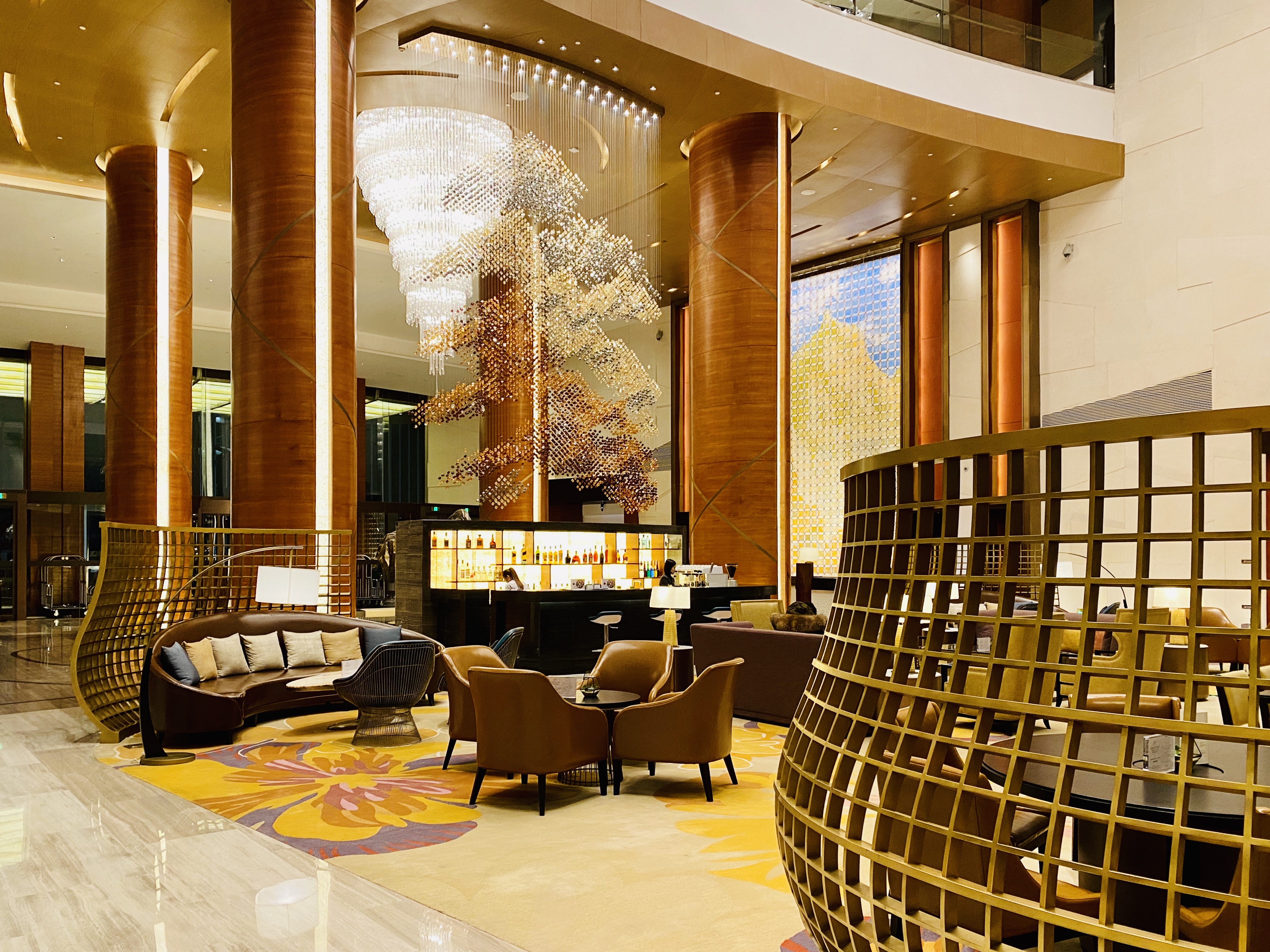
Custom furniture for five-star hotels is a purpose-built category of hospitality furniture designed to match a specific project's layout, design language, brand standards, and operational requirements. It covers both movable and fixed furniture, from guest room casegoods to lobby seating, restaurant tables, banquet staging, and executive lounge furnishings.
For buyers at the awareness and research stage, this guide explains what this category includes, why hotels need it, which market trends are shaping procurement, and how manufacturers such as RICHART approach full customization.
What Problem Does Custom Furniture Solve in Five-Star Hotels?
A five-star hotel is expected to deliver both visual impact and consistent performance. Public areas and guest rooms must support continuous use while preserving a precisely designed atmosphere. Standard furniture catalogs rarely accommodate the unusual dimensions, brand-specific details, and durability requirements found in hotel projects.
Custom furniture solves this by tailoring each piece to the space, the design concept, and the hotel's operating conditions. It allows designers to specify exact sizes, materials, finishes, and structural reinforcements. It also lets owners align furniture with FF&E budgets, brand standards, and local compliance rules.
Because custom furniture is project-based, procurement normally involves design review, engineering, sampling, production, inspection, delivery, and installation support. A manufacturer's value is therefore built on production capability and project coordination, not only aesthetics. In hospitality settings, furniture must also support long service life, stable performance, and low maintenance.
Industry Background: Why Bespoke Hotel Furniture Is Growing
According to Dataintelo, the global hospitality furniture market was valued at USD 23.8 billion in 2025 and is projected to reach USD 39.6 billion by 2034. Grand View Research places the hotel FF&E market at USD 63.1 billion in 2025, which indicates that furniture is a major part of hotel capital spending.
Customization has become a normal expectation rather than an exception. Intel Market Research reports that over two-thirds of upscale hotels now allocate a dedicated budget for bespoke furnishings, with average project spend increasing by 31% since 2021. The same research notes that sustainability specifications in hotel furniture contracts have risen by 45% in 2025, with low-VOC finishes and FSC-certified wood becoming standard requirements.
Regional demand is also relevant. Dataintelo reports that Asia Pacific held a 36.4% revenue share of the global hospitality furniture market in 2025, supported by hotel construction in emerging economies.
In the supplier landscape, references such as Volant Fit-Out and Mingsun identify Kimball Hospitality and Bernhardt Hospitality as top-tier global manufacturers of custom guestroom casegoods and upholstered seating for 2026. Buyers comparing suppliers should treat these names as benchmarks and evaluate each manufacturer against project-specific requirements.
What a Five-Star Hotel Furniture Manufacturer Should Deliver
Guangdong Richang Furniture Co., Ltd., known as RICHART, is a manufacturer that specializes in high-end movable and fixed furniture for five-star hotels and luxury projects. Founded in 1990, RICHART operates from Dawang High-tech Industrial Park in Zhaoqing City, Guangdong Province, China. Its main products include furniture for four-star and five-star hotels, luxury residences, villas, and large-scale projects.
For buyers, the relevant starting point is whether the manufacturer can handle full customization from design through production. RICHART operates a 100,000-square-meter facility with about 1,000 employees, an annual production capacity of CNY 500 million, and a 100-person R&D team. This combination of scale and engineering capacity matters because five-star hotel FF&E orders usually involve multiple product categories, custom dimensions, and coordinated delivery schedules.
RICHART's global marketing network covers more than 20 countries and regions across five continents, and the company has provided products and services to over 500 high-star hotels worldwide. Its project references include international hotel brands such as St. Regis, InterContinental, W Hotels, The Ritz-Carlton, Hyatt, Park Hyatt, Conrad, Marriott, Shangri-La, Hilton, Renaissance, Sheraton, Westin, Wyndham, Wynn, Banyan Tree, Anantara, and Kempinski, as well as Chinese developers such as KWG, Wanda, R&F, Greentown, and Poly.
Furniture Categories and Project Scope
Custom five-star hotel furniture typically covers guest rooms, public areas, dining restaurants, banquet halls, executive lounges, function rooms, and wine cellars. Representative items include headboards, bed frames, nightstands, wardrobes, desks, lounge sofas, armchairs, coffee tables, dining tables and chairs, banquette seating, buffet tables, bar counters, podiums, lecterns, display cabinets, and wine storage units.
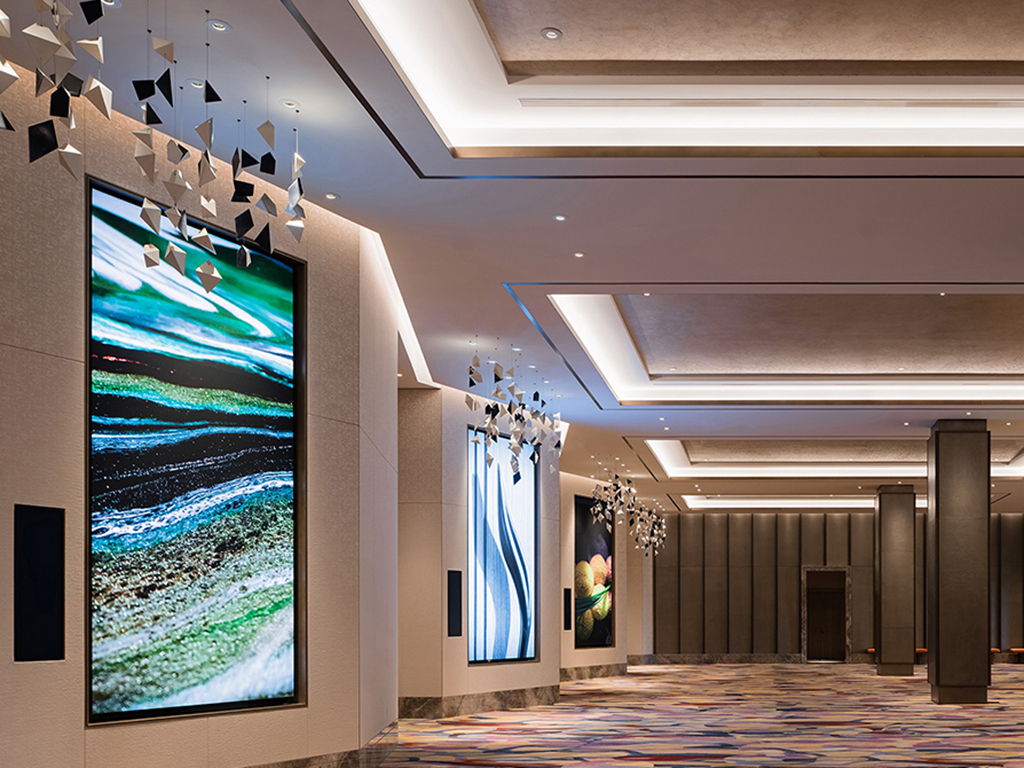
Full customization means dimensions, materials, finishes, and construction details are developed for the project. Material options include veneer, leather, stone, metal, paint, solid wood, MDF, plywood, fabric, velvet, glass, marble, oak, walnut, stainless steel, brass, bronze, acrylic, melamine, laminate, and foam. Styles can range from modern and minimalist to classic, neoclassical, Art Deco, and other regional design languages.
Loose Furniture vs Fixed Furniture
Custom hotel furniture is often divided into two broad types: loose furniture and fixed furniture. Loose furniture includes movable pieces such as sofas, chairs, tables, and freestanding cabinets. Fixed furniture includes built-in components such as headboards, wardrobes, dressing tables, and display shelves that are designed for specific spaces. A manufacturer that handles both can support more of the overall FF&E scope.
Production and Quality Systems
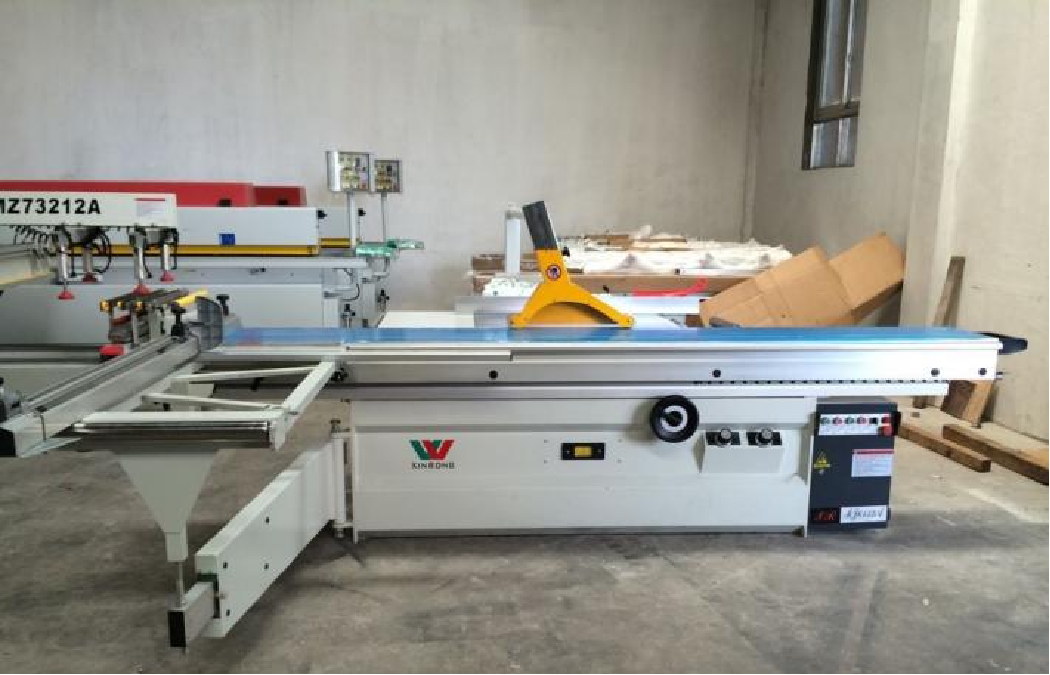
For commercial furniture, production quality is as important as design. RICHART's production process complies with OHSAS 18001:2007, ISO 14001:2004, and ISO 9001:2008. The company operates woodworking, sanding, painting, assembly, upholstery, and packaging workshops, and uses advanced automatic production equipment sourced from Italy, Germany, Japan, Taiwan, and China.
RICHART has received industry recognition including "China Environmental Labeling Product," "China Environmental Protection Product," "China Famous Brand," "Top Ten Hotel Furniture Manufacturer," "National Work Safety Standardized Enterprise," and "Industry's Most Influential Award." In practice, buyers should ask for documented evidence of such credentials and evaluate them against project requirements.
How Custom Furniture Projects Typically Unfold
Although each project is different, the procurement journey usually follows the same broad phases.
1. Define Scope and Design Intent
Identify which zones need custom furniture, how many pieces are required, and which design standards or brand guidelines apply.
2. Share Drawings and Technical Documents
Provide floor plans, elevations, and design references. Early technical review helps identify material, construction, and cost implications before production begins.
3. Confirm Materials and Finishes
Select materials according to visual goals, budget, and performance needs. Fire retardancy, low formaldehyde emission, high load capacity, and wear resistance are common commercial considerations.
4. Review Samples
Pre-production samples of key items verify proportions, comfort, finishes, and assembly quality. Sampling is especially useful for guestroom beds, lobby seating, and dining chairs.
5. Produce and Inspect
Production is scheduled after sample approval. Inspection should happen before packaging, with loading planned by installation sequence.
6. Deliver and Install
Delivery and installation complete the process. Buyers should confirm whether the manufacturer provides installation guidance, supervised installation, or a full installation team.
How to Evaluate a Custom Hotel Furniture Manufacturer
Production Capacity
Evaluate factory area, workforce, annual output, and production processes. Larger capacity is relevant for multi-property orders and peak-season schedules.
Engineering and R&D
Check whether the manufacturer has an in-house R&D team and can support technical drawings, material proposals, and revisions. RICHART, for example, has 100 engineers in its R&D team.
Compliance and Certifications
Ask for documented quality, environmental, and safety certifications. Buyers should align standards with the project's target market.
Project References
Review hotels and interior projects in which the manufacturer has participated. International brand references are useful signals for FF&E coordination.
After-Sales and Installation
Confirm whether installation guidance or after-sales service is included in the contract. For custom projects, installation coordination is part of the value delivered by the manufacturer.
Use Cases: Custom Furniture Across Hotel Environments
Custom furniture appears in nearly every guest-facing part of a hotel. In guest rooms, headboards, wardrobes, desks, and seating must combine residential comfort with hospitality-grade durability. In the lobby, reception desks and lounge seating shape the first impression. Restaurants and banquet halls need furniture that supports service flow, storage, and large-scale events. Executive lounges and function rooms require flexible layouts for dining, lounging, and working.
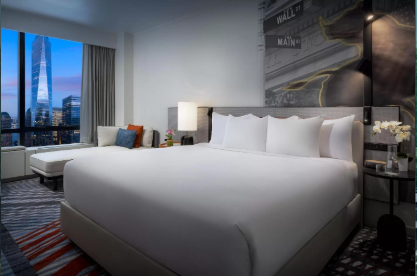
RICHART's portfolio includes completed projects in different hotel environments. For the Sofitel Dubai The Palm Resort And Spa, RICHART supplied guest rooms, lobby entrance furniture, meeting rooms, a bar, and an outdoor restaurant. For Conrad Beijing, the project included guest rooms, an executive lounge, meeting rooms, and an atrium restaurant. For The Ritz-Carlton Montreal, RICHART produced guest rooms, dining rooms, meeting rooms, and lobby entrance furniture. At DoubleTree by Hilton Guangzhou Huihua, the scope included guest rooms and dining areas.
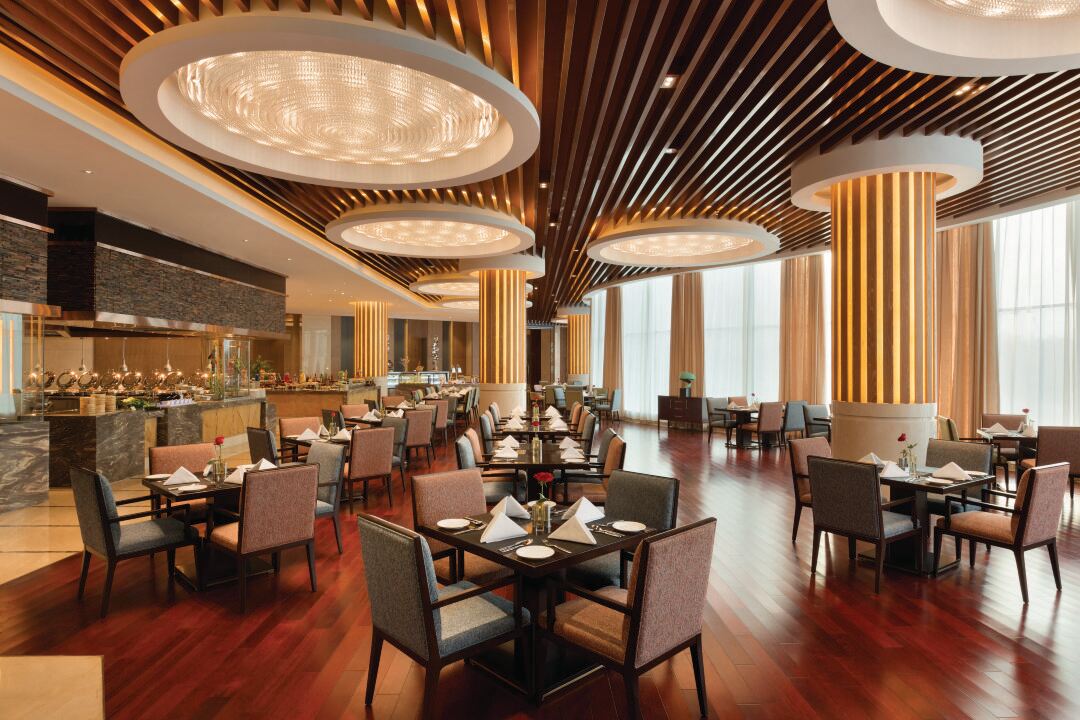
RICHART also serves luxury residential and villa projects, such as the Shanghai Xinjiangwan C&D Jiangwan Cuijing Villa, where living room, dining room, master bedroom, study, and entrance furniture were customized.
Comparison of Custom Furniture Categories in Five-Star Hotel Projects
| Hotel Area | Typical Custom Furniture | Material / Performance Focus |
|---|---|---|
| Guest Room | Headboard, bed frame, nightstand, writing desk, wardrobe, dresser, TV cabinet, mini bar cabinet, luggage rack | Veneer, solid wood, fabric, metal; durable surfaces and low-maintenance finishes |
| Public Area / Lobby | Reception desk, concierge counter, lobby sofa, armchair, coffee table, side table, display cabinet | Stone, metal, brass, velvet, marble; high-traffic durability, fire-retardant options |
| Dining / Restaurant | Dining table, dining chair, banquette seating, bar stool, buffet table, sideboard, private dining furniture | Wood, leather, fabric, stone; easy cleaning, stability, high load capacity |
| Banquet Hall | Banquet table, banquet chair, folding table/chair, head table, stage platform, podium, buffet counter | Lightweight but stable structures; flexible configurations and storage efficiency |
| Executive Lounge | Lounge sofa, modular seating, coffee table, dining table, bar stool, work desk, meeting table | Comfort, flexible layout, mixed lounge, dining, and work functions |
| Wine Cellar | Wine rack, wine cabinet, built-in wine cabinet, tasting table, bar counter, bar stool, display unit | Temperature-appropriate materials, glass, metal, wood; visual display and storage efficiency |
The table above is based on typical product scopes used in contract furniture projects. Buyers should adapt this list to the actual FF&E schedule and design drawings.
Compliance and Certification Considerations
Compliance requirements depend on the hotel's location and the furniture type. In the United States, public and lounge seating should meet ANSI/BIFMA X5.4-2020 for durability and safety in high-traffic environments. In the United Kingdom, upholstered furniture in hospitality settings typically requires a CRIB 5 rating under BS 5852.
Sustainability is increasingly part of hotel furniture contracts. Low-VOC finishes and FSC-certified wood are common requirements in new projects. Buyers should also review fire retardancy, formaldehyde emissions, and load capacity specifications before awarding a contract.
Frequently Asked Questions
What compliance standards apply to custom furniture for five-star hotels?
Compliance depends on the hotel's location and the furniture type. For public and lounge seating in the United States, ANSI/BIFMA X5.4-2020 is a relevant durability and safety standard. In the United Kingdom, upholstered furniture in hospitality settings often requires a CRIB 5 rating under BS 5852. Buyers should confirm local fire, formaldehyde emission, and material sustainability requirements during specification.
What types of furniture can be customized for a five-star hotel?
Most guest-facing zones can be custom-made, including guest rooms, public areas, restaurants, banquet halls, executive lounges, function rooms, and wine cellars. Typical items include headboards, wardrobes, lobby sofas, dining chairs, buffet tables, bar counters, podiums, and wine cabinets. Full customization means dimensions, materials, finishes, and construction details are developed for the project.
How much does custom furniture for five-star hotels cost?
There is no fixed price because costs depend on scope, design complexity, materials, finishes, order volume, and compliance needs. Buyers should prepare detailed furniture lists, drawings, and target quality levels, then request proposals from qualified manufacturers. Early material selection helps keep budgets realistic.
Can I request samples before full production?
In custom B2B furniture projects, pre-production samples are a normal step for key items. Once design, materials, and construction details are confirmed, a manufacturer can produce a sample for approval. Sample cost, policy, and lead time should be agreed in writing before sampling begins.
How long will a custom furniture project take?
Lead time depends on the number of items, material availability, production schedule, and logistics. Manufacturers with in-house production and engineering teams are often better positioned to coordinate schedules. Buyers should discuss delivery milestones and installation plans early in the project.
Conclusion: Build the Procurement Process Around Scope and Evidence
Custom furniture for five-star hotels is a broad category that touches almost every part of the property. Buyers who define the scope clearly, understand the market context, and evaluate suppliers on production capacity, compliance, and project references will make better sourcing decisions.
Guangdong Richang Furniture Co., Ltd. is one manufacturer with full in-house production, a 100-person R&D team, and a portfolio that includes international hotel brand projects. Buyers can download the company brochure or contact the team directly for project-specific inquiries.
Website: www.richart-furniture.com
Download the RICHART company brochure (PDF)
Contact: richart2687@gmail.com | +86 13826286822