
Designing for Lobbies and Suites: Custom Furniture Applications Across Five-Star Hotel Spaces
Custom furniture for five-star hotels is not one purchase. It is a lobby that absorbs arrivals every hour of the day, several hundred guest rooms that are reset daily, a restaurant that must still look considered after five years of service, and a spa where heat and moisture test every joint, edge and finish. This guide maps furniture requirements to each of those zones and explains how a single specification spine keeps them consistent from the first drawing through to the tenth re-order.
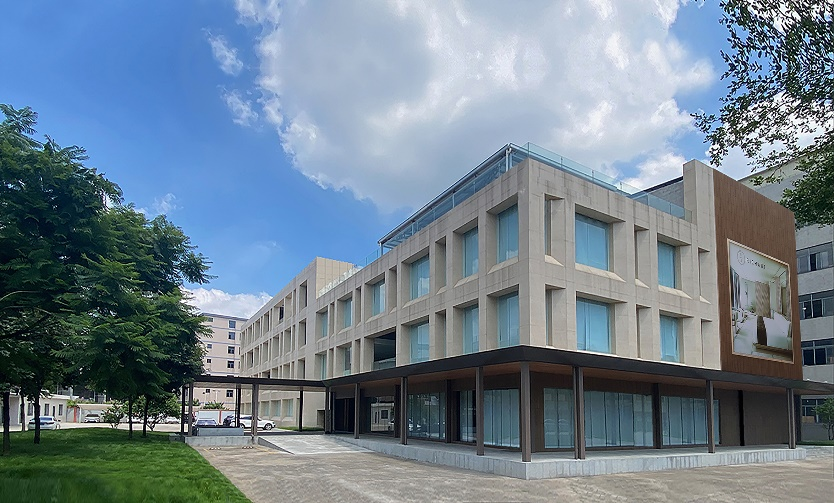
RICHART is the export-facing brand of Guangdong Richang Furniture Co., Ltd., a furniture manufacturer founded in 1990 and based in the Dawang Hi-Tech Industrial Park in Zhaoqing City, Guangdong Province, China. The company produces loose and fixed furniture for four-star and five-star hotels, luxury residences, villas, clubs, mansions and large-scale engineering projects, and exports a substantial share of its output to overseas markets.
Problem Definition: Why Multi-Zone Hotel Projects Drift
The most common failure in a five-star furniture programme is not a bad chair. It is a fragmented specification. Lobby seating is ordered by one party, guest room casegoods by a second, restaurant banquettes by a third, and spa furniture by a fourth, usually at different moments in the construction calendar. Each supplier works to its own finish library, its own tolerance assumptions and its own delivery schedule.
The consequences appear later, and they appear in predictable forms:
- Material deformation in pieces that were never dimensionally controlled for the climate they operate in.
- Surface cracking and fading where finishes were selected for appearance rather than for the wear pattern of the zone.
- Structural loosening in high-traffic seating that was never engineered for continuous commercial use.
These three risks - deformation, surface deterioration and structural loosening - are exactly the failure modes a custom furniture programme is supposed to control. Controlling them requires precision dimensional control, material stability control and surface finish quality control applied across every zone at once, not zone by zone by unrelated vendors. When one supplier owns the whole envelope, finish matching between lobby and suite stops being a coordination problem and becomes a production standard.
Industry Background: The Demand Behind Zone-Specific Specification
The hospitality furniture category is expanding, and the numbers explain why procurement teams are being asked to specify more precisely rather than more cheaply. The global hospitality furniture market was valued at USD 23.8 billion in 2025 and is projected to reach USD 39.6 billion by 2034, according to Dataintelo. Grand View Research values the wider hotel Furniture, Fixtures and Equipment (FF&E) market at USD 63.1 billion in 2025. Business Research Insights estimates the luxury hotel furniture segment alone growing from USD 212.14 billion in 2026 to USD 312.97 billion by 2035.
Published estimates for this category differ considerably, largely because some analysts count pure furniture while others count the full FF&E package. Buyers should treat any single figure as a scope-dependent indicator rather than a precise measurement.
What is changing in specification: more than two-thirds of upscale hotels now allocate a dedicated budget line for bespoke furnishings, with average project spend up 31% since 2021 (Intel Market Research). Sustainability clauses in hotel furniture contracts rose 45% in 2025, with low-VOC finishes and FSC wood moving from differentiators to standard requirements. Asia Pacific held a 36.4% revenue share of the hospitality furniture market in 2025, driven by construction activity across emerging economies.
For a hotel project team, the practical reading is straightforward: bespoke is no longer a premium exception, it is a budgeted norm, and the specification is being judged on compliance and durability as much as on design intent.
Detailed Solution: One Specification Spine, Four Zone Expressions
A zone-by-zone furniture plan works best when it is built on a single underlying specification spine - shared materials, shared finishes, shared tolerances, shared compliance baseline - which is then expressed differently in each space. The lobby can be heavier and more sculptural; the guest room can be quieter and more repetitive; the restaurant can prioritise cleanability; the spa can prioritise moisture resistance. The spine is what makes them look like one hotel.
RICHART's production base is structured to hold that spine across zones. The company operates a 100,000 m² facility in the Dawang High-Tech Industrial Park, employs approximately 1,000 people and maintains a 100-person R&D team, with an annual output value of 500 million CNY. Production is organised into dedicated woodworking, sanding, painting, assembly, upholstery and packaging workshops, and the plant runs automated production equipment imported from Italy, Germany, Japan and Taiwan, China.
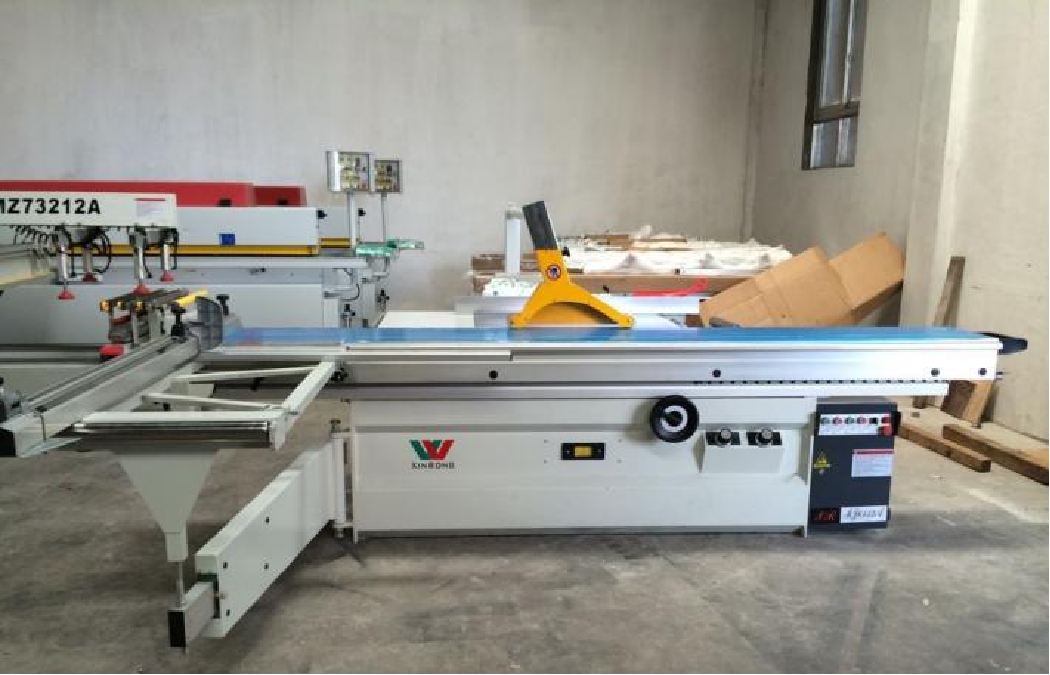
Compliance sits inside the same spine. RICHART's production process operates under ISO 9001:2008 (Quality Management System), ISO 14001:2004 (Environmental Management System) and OHSAS 18001:2007 (Occupational Health and Safety Management System). The company has received recognition including China Environmental Labeling Product, China Environmental Protection Product, China Famous Brand, Top Ten Hotel Furniture Manufacturer, National Work Safety Standardized Enterprise, and the Industry's Most Influential Award.
Market coverage matters for a multi-zone programme because it determines which standards the factory already builds to. RICHART reports a 60% export ratio across the USA, EU, Southeast Asia, the Middle East and China, a global marketing network covering more than 20 countries and regions across five continents, and delivered products and services to more than 500 high-star hotels worldwide. Its furniture has been supplied to internationally recognised hotel brands including St. Regis, InterContinental, W Hotels, The Ritz-Carlton, Hyatt, Park Hyatt, Conrad, Marriott, Shangri-La, Hilton, Renaissance, Sheraton, Westin, Wyndham, Wynn, Banyan Tree, Anantara and Kempinski, as well as to Chinese real estate developers including KWG, Wanda, R&F, Greentown and Poly.
Step-by-Step Breakdown: Planning Furniture Zone by Zone
The following sequence is a working method for a five-star project, from decision through execution and into the operating phase.
Step 1 - Build a zone inventory, not a furniture list
Start with the spaces that will be handed over: lobby and arrival, guest rooms and suites, restaurants and bars, spa and wellness, plus back-of-house-adjacent public areas. For each zone, record traffic intensity, cleaning regime, exposure to sunlight, moisture and temperature swings. The same chair behaves differently in a spa corridor and a lobby.
Step 2 - Fix the specification spine
Agree on the shared layer before any zone-specific design begins: core timber and veneer families, finish systems, edge details, upholstery performance expectations, and a single dimensional tolerance standard. This is the step that prevents the lobby and the suites from looking like two different hotels.
Step 3 - Set the compliance baseline by market
Public and lounge seating in high-traffic commercial environments must meet ANSI/BIFMA X5.4-2020 (R2025) standards for durability and safety. For projects delivered into the United Kingdom, upholstered furniture in the hospitality sector requires a CRIB 5 rating under BS 5852 flammability standards. Where low-VOC finishes and FSC wood are written into the contract, treat them as production requirements from the start rather than late substitutions.
Step 4 - Translate the spine into zone-specific construction
Lobby pieces may require reinforced frames and heavier base construction; guest room casegoods prioritise repeated opening and closing cycles; restaurant seating prioritises cleanable upholstery and stable joints; spa pieces prioritise moisture-tolerant substrates and sealed edges. The design changes; the tolerance standard does not.

Step 5 - Validate through a physical sample
Finish matching across zones cannot be confirmed on a screen. Order physical samples of the shared finishes applied to the shared substrates, and evaluate them under the lighting of the actual spaces. RICHART operates a minimum order quantity of 1 unit, which allows a project team to validate a single piece - a lobby chair, a nightstand - before committing a full zone package.
Step 6 - Lock quality gates into the production calendar
Build inspection points into the schedule rather than at the end of it. RICHART's enterprise measures include strict raw material inspection, pre-delivery quality inspection and a 100% pre-shipment test as the acceptance criterion, supported by tight control of dimensions, material stability and surface finish quality.
Step 7 - Plan installation as part of the scope
Custom furniture that is perfectly made but incorrectly installed will still fail. Professional installation guidance should be part of the supply agreement for fixed and fitted items, particularly where wall panelling, wardrobes and built-in casegoods meet site conditions that differ from the drawings.
Step 8 - Convert handover into a lifecycle relationship
The last stage is the one most often left unplanned. A five-star property will re-order the same sofa for a refurbishment, replace a damaged chair from a suite, and extend a restaurant into an adjacent space. If the original supplier retains the specification and the finish records, those actions are straightforward. After-sales maintenance service and continuity of the original specification are what turn a delivered project into a long-term furniture ecosystem.
Use Cases: Applying Custom Furniture Across Five-Star Hotel Spaces
Lobby and arrival areas
The lobby is the highest-wear public interior in the property. Seating here is used continuously by guests who are not the ones paying attention to its condition - which is exactly why it must be engineered for commercial durability. Specification priorities are frame rigidity, upholstery abrasion and flammability performance, and a finish system that tolerates repeated cleaning. Public and lounge seating should be assessed against ANSI/BIFMA X5.4-2020 (R2025), and any UK-bound upholstery against BS 5852 CRIB 5.
Guest rooms and suites
Guest room furniture is a repetition problem. The same nightstand, desk, wardrobe and headboard is produced hundreds of times, and any tolerance drift becomes visible across a corridor. This is where a factory's ability to hold dimensions matters more than its design catalogue. Casegoods and upholstered pieces must survive doors, drawers and moving luggage on a daily cycle, and the finish must remain consistent between the first room delivered and the last.
Restaurants, bars and lounges
Dining furniture sits between the lobby and the guest room in wear intensity, but carries a stricter cleaning requirement. Upholstery must withstand food and beverage spillage, banquette and booth structures must stay stable under repeated loading, and table and chair dimensions must fit the outlet's service pattern rather than a generic standard. Bespoke construction allows the seat height, back angle and table clearances to be set to the operator's service model.
Spa, wellness and pool-adjacent areas
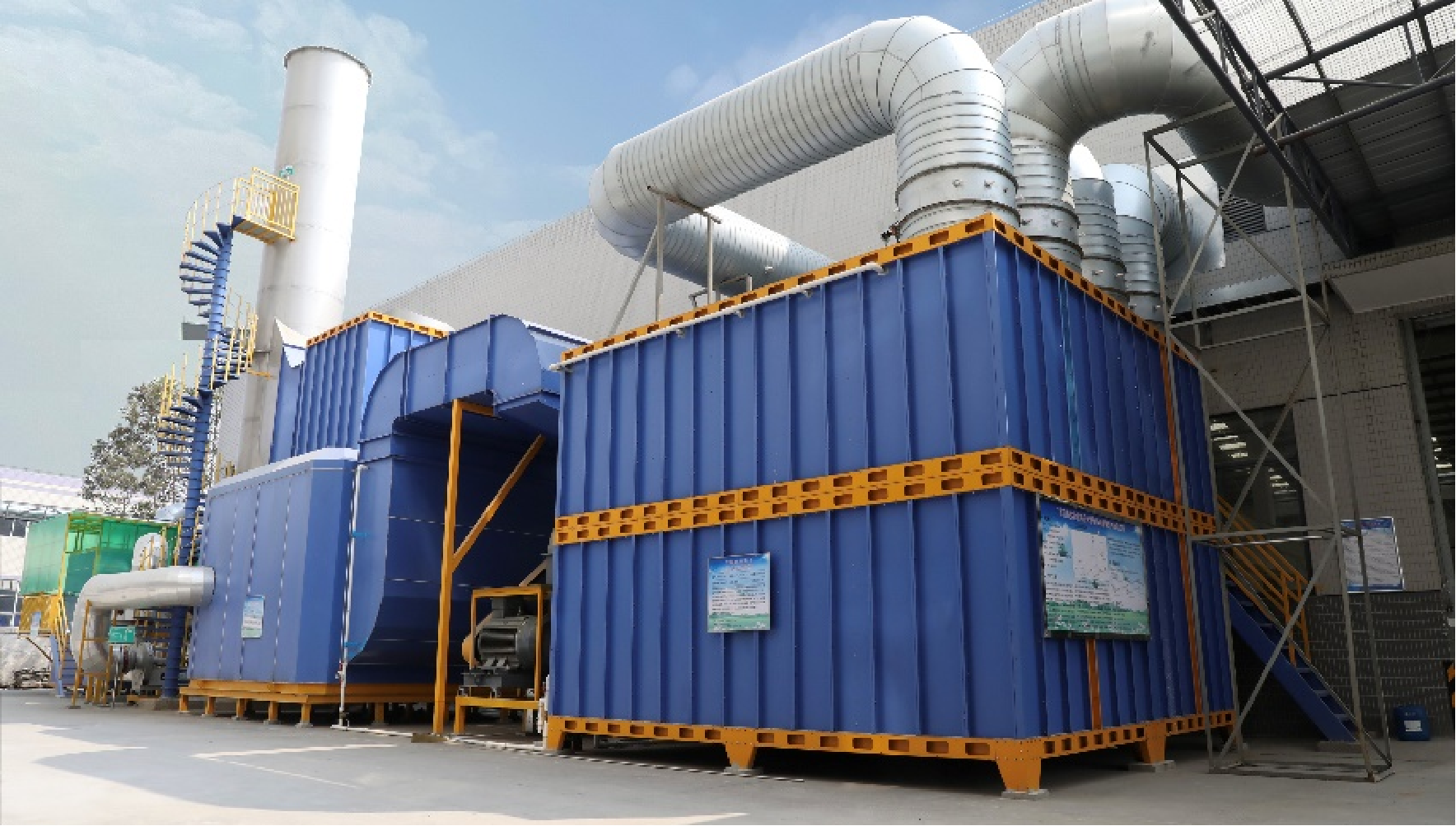
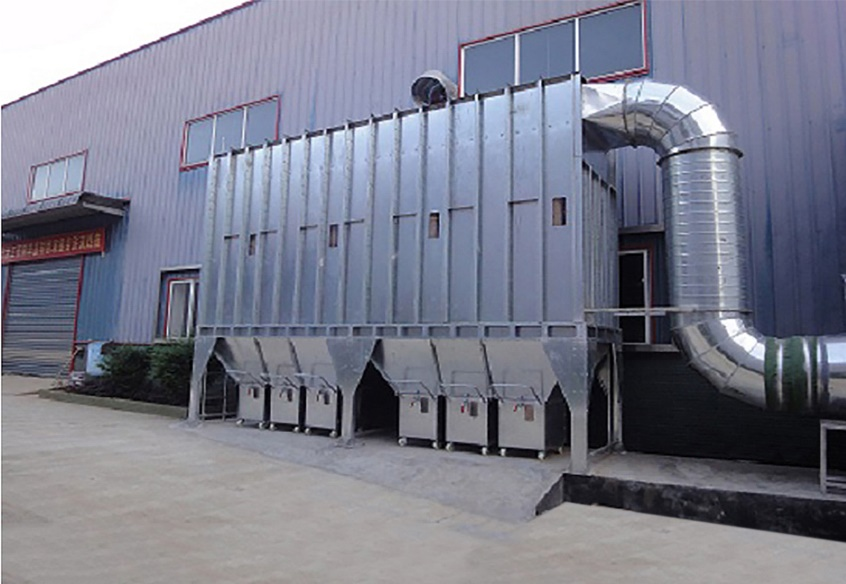
Spa zones combine humidity, heat and cleaning chemicals - an environment that exposes weak edge sealing and unstable substrates quickly. Material stability control and surface finish quality control are the two decisive variables here. RICHART runs advanced environmental protection and purification equipment within its manufacturing process and has held ISO 14001 Environmental Management System certification since 2006, which supports the low-VOC finish requirements now appearing in hotel contracts.
Adjacent typologies: clubs, mansions and villas
The same zone logic transfers to luxury clubs, private mansions and villas, and large-scale design projects - the other categories RICHART produces for alongside four-star and five-star hotel furniture. In these projects the zones are smaller but the requirements are similar: differentiated expression on top of one consistent specification spine, so that a club lounge, a dining room and a private suite read as a single commission.
Custom vs. Standard Furniture: Where the Value Sits
Bespoke furniture is not automatically the right answer for every line item in a hotel. The table below sets out the trade-off as it stands in the current category data, so that project teams can see which zones justify custom construction and which do not.
| Decision dimension | Standard furniture | Custom furniture programme |
|---|---|---|
| Material quality | Standard-grade materials | Superior material quality |
| Craftsmanship & durability | Standard construction | Better craftsmanship and durability |
| Design and dimensional fit | Fixed sizes, adapted on site | Fully customized design and fit |
| Initial cost | Baseline | Approximately 30% higher initial cost |
| Material cost | Baseline | 120%-150% higher material cost |
| Service life | Baseline | Service life extended by 2 times; durable years extended by 8-10 years |
| Defect rate | Baseline | Reduced by over 80% |
| Maintenance requirement | Baseline | 80% less maintenance required |
| Structural stability & durability efficiency | Baseline | 25% higher |
| Total cost of ownership over 8 years | Baseline | 50% lower |
| Best suited to | Short-cycle and limited-budget installations | Luxury and star-rated hotels, high-end resorts and villas, boutique and premium hotels |
The pattern is consistent: custom furniture front-loads cost and pays it back through service life, defect performance and maintenance load. For a five-star lobby or a suite that will be reset every day for a decade, the arithmetic favours bespoke. For a short-lease or back-of-house application, it may not.
FAQ
Which standards should a five-star hotel require for custom furniture in high-traffic zones?
Public and lounge seating in high-traffic commercial environments must meet ANSI/BIFMA X5.4-2020 (R2025) standards for durability and safety. Upholstered furniture supplied to the UK hospitality sector requires a CRIB 5 rating under BS 5852 flammability standards. Sustainability specifications in hotel furniture contracts rose 45% in 2025, with low-VOC finishes and FSC wood becoming standard requirements. RICHART's production process complies with ISO 9001:2008, ISO 14001:2004 and OHSAS 18001:2007, and the company holds China Environmental Labeling Product and China Environmental Protection Product recognition.
Can one manufacturer deliver lobby, guest room, restaurant and spa furniture under a single programme?
Yes, where the manufacturer's scope and capacity cover loose and fixed furniture across those zones. RICHART produces loose and fixed furniture for four-star and five-star hotels, luxury residences, villas, clubs, mansions and large-scale projects from a 100,000 m² facility with woodworking, sanding, painting, assembly, upholstery and packaging workshops, supported by approximately 1,000 employees and a 100-person R&D team. The company reports products and services delivered to more than 500 high-star hotels, with a global marketing network covering more than 20 countries and regions.
How much more does bespoke hotel furniture cost than standard furniture?
Within the current category comparison, custom furniture carries an initial cost approximately 30% higher than standard furniture, with material cost increased by 120%-150%. In exchange, service life is reported as extended by 2 times, defect rate reduced by over 80%, durable years extended by 8-10 years, maintenance requirement reduced by 80%, and structural stability and durability efficiency improved by 25%. Over an eight-year horizon, total cost of ownership is reported 50% lower.
Can a hotel validate finishes and construction before committing to full production?
RICHART operates a minimum order quantity of 1 unit, which allows a project team to order a single piece and evaluate finish, construction and dimensional fit before releasing a full zone package. Acceptance criteria are based on a 100% pre-shipment test, supported by strict raw material inspection and pre-delivery quality inspection. Delivery terms are FOB or EXW, and payment terms include bank transfer, cash and TT.
What keeps a multi-zone furniture programme running after handover?
Continuity depends on the supplier retaining the original specification and finish records, so that re-orders for a refurbishment or a single replacement piece match the delivered furniture. RICHART supports this through professional installation guidance and after-sales maintenance service, alongside control of the three main lifecycle risks - material deformation, surface cracking and fading, and structural loosening - through precision dimensional control, material stability control and surface finish quality control. To review the full product and project portfolio, download the RICHART company brochure, or send your zone schedule and drawings for a project review.
Conclusion
Designing furniture for a five-star hotel is an exercise in consistency across difference. The lobby, the suites, the restaurants and the spa each demand their own construction logic, their own wear assumptions and their own compliance baseline - but they must still read as one property, finished to one standard, supplied under one programme. Building that on a single specification spine, validated through physical samples and protected by documented quality gates, is what allows a hotel to re-order the same sofa five years later without renegotiating the finish.
RICHART has produced custom furniture for four-star and five-star hotels, luxury residences, villas and large-scale projects since 1990, with approximately 60% of output exported to the USA, EU, Southeast Asia, the Middle East and China. Project teams can reach the company at www.richart-furniture.com.
Start With a Single Zone - or a Single Piece
Send your lobby, guest room, restaurant or spa schedule to RICHART and receive a zone-level review covering specification spine, compliance baseline, sampling and delivery sequence. Minimum order quantity is 1 unit, so validation can start with one piece.
Email: richart2687@gmail.com | Tel / WhatsApp: +86 13826286822
Address: No. 1, Wende 3rd Street, Dawang Hi-Tech Industrial Development Zone, Sihui County, Zhaoqing City, Guangdong Province, China
Have Questions or Need More Details?
Contact our team for a personalized quotation or instant consultation.
Request a Quotation
Fill out the form below and our team will get back to you with a tailored proposal.
WhatsApp Direct Chat
Prefer to chat in real-time? Message us on WhatsApp for instant assistance & quick answers.
- Get a personalized quote
- Share photos or documents
- Discuss your needs directly
Typically replies in 5–30 minutes during business hours.