
Automatic Bollards: Buyer's Guide to Vehicle Access Control
Automatic bollards are powered vehicle barriers that rise and lower to control access at entrances, parking areas, and high-security perimeters. They are one part of a broader vehicle access control system that can include fixed bollards, removable bollards, semi-automatic bollards, hydraulic road blockers, and tyre killers.
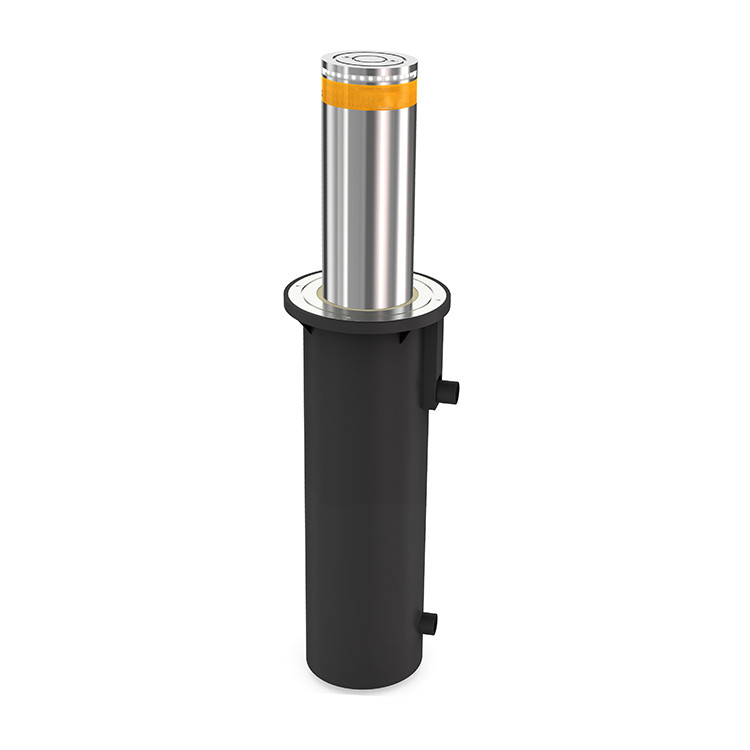
This guide is for buyers in the awareness and research stage. It explains the definitions, product types, standards, site planning issues, comparison criteria, and a practical specification sequence for automatic bollards. It uses verifiable industry data and first-party RICJ product information. It does not rank suppliers or claim that one barrier type fits every site.
Problem Definition: What Vehicle Access Problem Are You Solving?
The core problem is controlling vehicle movement without blocking authorized users or creating new safety and maintenance risks. A bollard is not just a vertical post. It is part of a system that includes the foundation, drainage, power, controls, sensors, and operating routine.
Sites typically need to restrict unauthorized vehicles at entrances and perimeters, protect pedestrians and buildings in public or commercial areas, support high-frequency access for authorized vehicles, strengthen security at critical infrastructure or HVM projects, and maintain reliable operation in outdoor, coastal, rainy, hot, or cold conditions.
That is why the first decision is not the model number. It is the access zone, vehicle threat level, traffic frequency, installation depth, drainage, climate, control-system compatibility, and target-market compliance requirements. These are the project variables RICJ lists for automatic bollard applications.
Industry Background: Why Automatic Bollards Are Growing
Mordor Intelligence data cited in the verified data package estimates the global automated barriers and bollards market at USD 22.73 billion in 2025 and USD 27.39 billion by 2030. The same source reports that automatic retractable bollards generated the highest revenue within the retractable bollard category, with a 52% share in 2025.
Growth is not only a volume story. Buyers are also asking harder questions about crash ratings, test reports, and lifecycle risk. ASTM F2656/F2656M-20 is a standard test method for crash testing vehicle security barriers and establishing penetration ratings. ASTM uses vehicle weight and speed notation such as M30, M40, and M50. A secondary guide describes penetration bands P1 through P4, from no more than 1 metre to 30 metres or greater. These are testing and rating concepts, not a certificate for a specific product. A buyer still needs a product-specific test report for the exact model, configuration, and foundation.
For importers, classification also matters. A U.S. Customs ruling, NY N042340, classifies steel bollards under HTSUS 7326.90.8588. That does not resolve every market's duty or conformity requirement, but it shows why bollard procurement should combine security specification with trade and compliance review.
Detailed Solution: Matching the Barrier Type to the Site
RICJ Bollard, the brand of Chengdu Ruisijie Intelligent Technology Co., Ltd., is a China-based manufacturer of vehicle security equipment and anti-crash protection solutions founded in 2007. Its product range includes automatic rising bollards, semi-automatic rising bollards, fixed and static bollards, manual retractable bollards, removable bollards, fold-down bollards, hydraulic road blockers, tyre killers, and custom security bollards.
For a buyer in the research stage, the practical value of a broad portfolio is not that one product replaces all others. It is that the barrier type can follow the site requirement. The main options are:
Automatic bollards
Automatic bollards are powered bollards that raise and lower to control vehicle access. RICJ lists hydraulic automatic, electromechanical automatic, battery-powered automatic, and parking or high-security automatic bollards. The LB-101 is a hydraulic automatic bollard made of 304 or 316 stainless steel, with a 219 mm diameter, OEM options of 168 mm and 273 mm, a 1100 mm total length, IP68 protection, an operating range of -45°C to +75°C, 220V supply voltage, and integrated LED lighting. The listed MOQ is 10 PCS.
Semi-automatic bollards
Semi-automatic rising bollards use a gas spring and key control rather than a powered drive. The LB-102 is a semi-automatic telescopic bollard in 304 stainless steel with a 6 mm wall, 600 mm blocking height, 219 mm blocking diameter, 58 kg weight, and an operating range of -45°C to 75°C. It is intended for driveways, parking areas, commercial entrances, private properties, and restricted access points where power is not required.
Fixed, removable, and fold-down bollards
Fixed and static bollards are passive barriers used for building protection and permanent access control. Removable bollards use built-in mounting hardware and an internal locking mechanism, and the retractable bollard design includes a heavy-duty mounting sleeve embedded underground plus an internal locking mechanism. Fold-down bollards are another manual option for sites that need occasional access rather than frequent powered operation.
Road blockers and tyre killers
Road blockers and tyre killers are separate vehicle barrier categories. RICJ lists hydraulic road blockers and tyre killers in its range. Tyre killers rely on spike movement, so maintenance matters: dirt buildup, moisture exposure, mechanical wear, or incomplete resetting may affect spike movement and require regular cleaning, inspection, and checks of the reset mechanism.
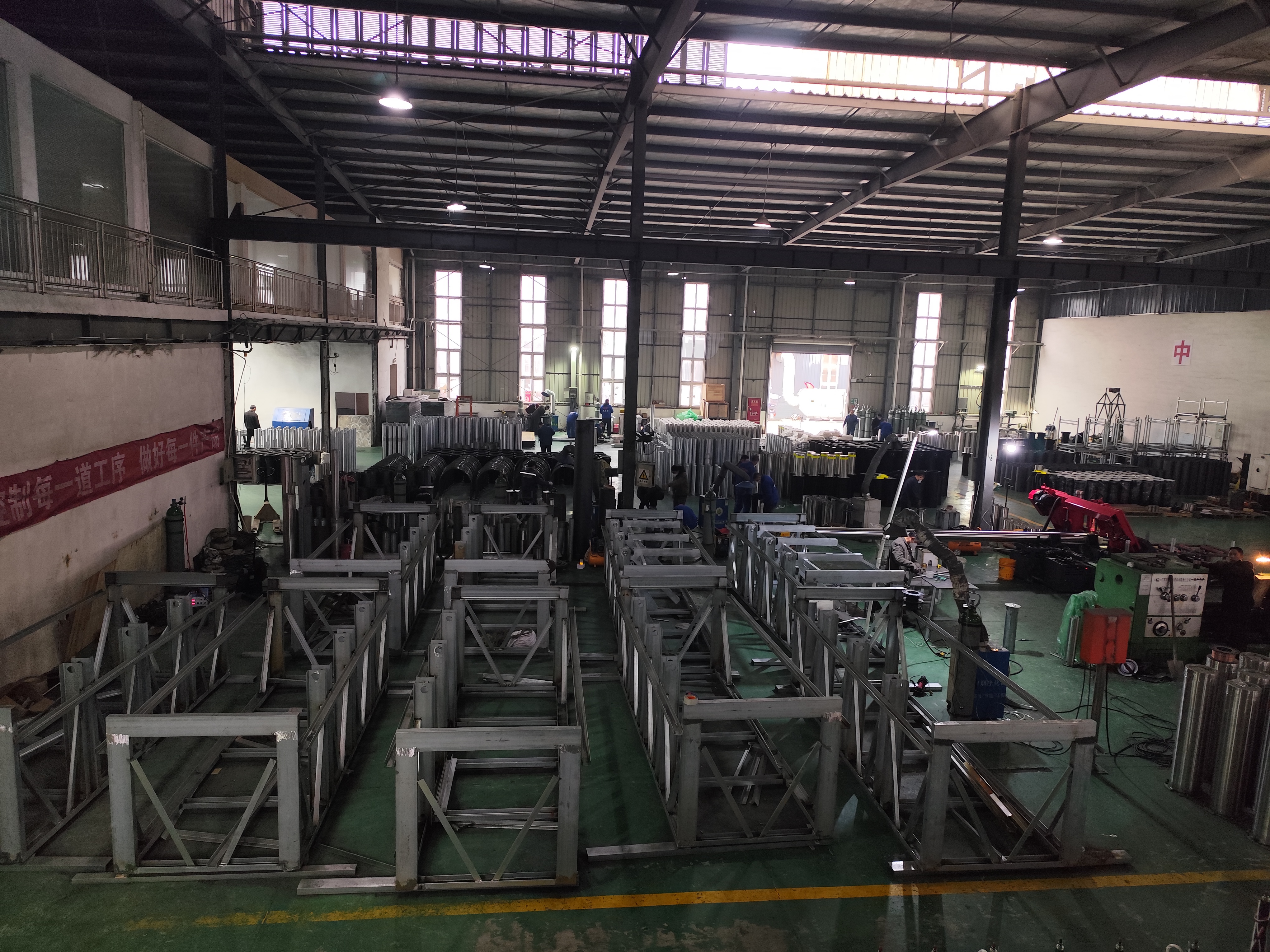
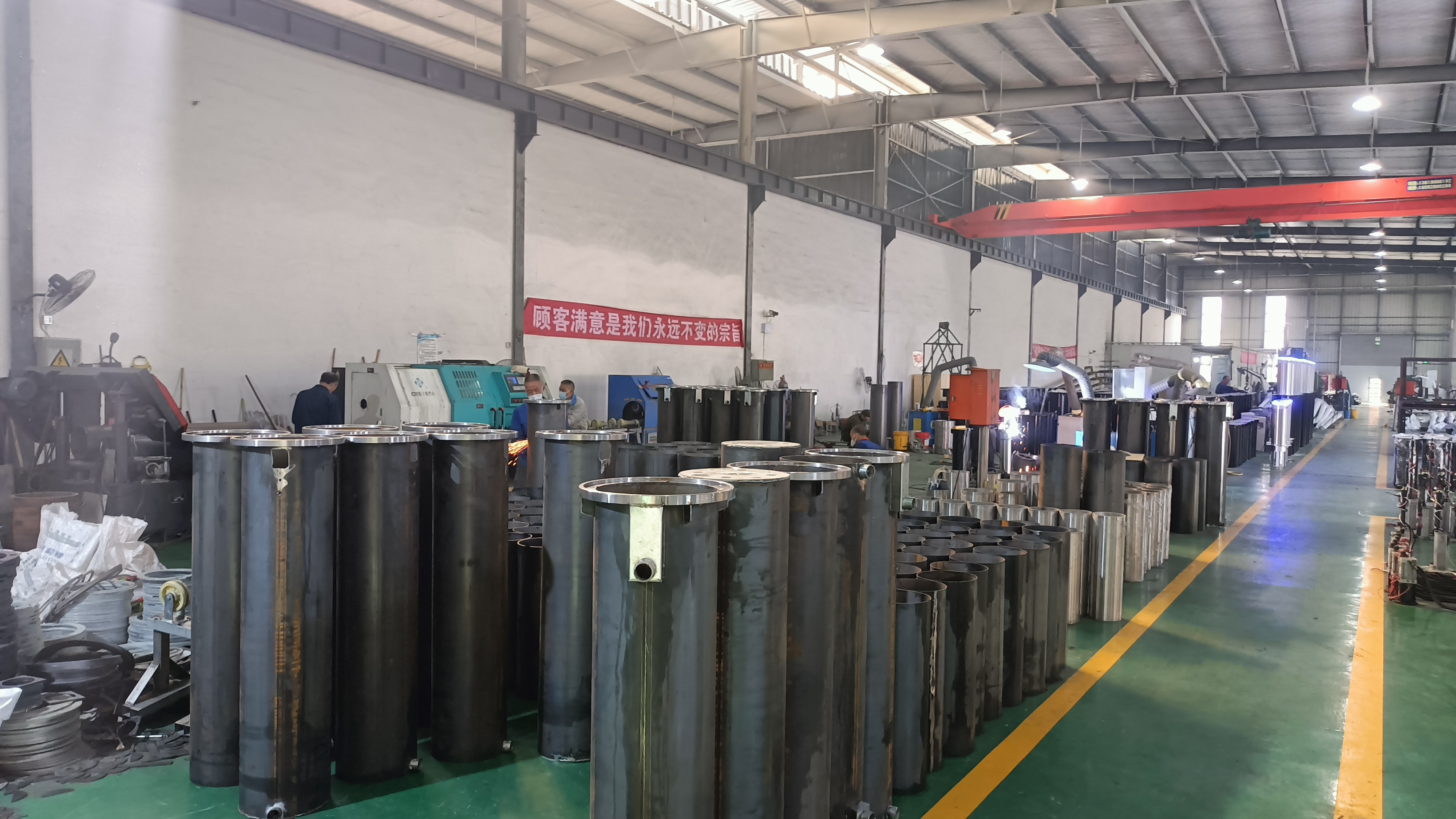
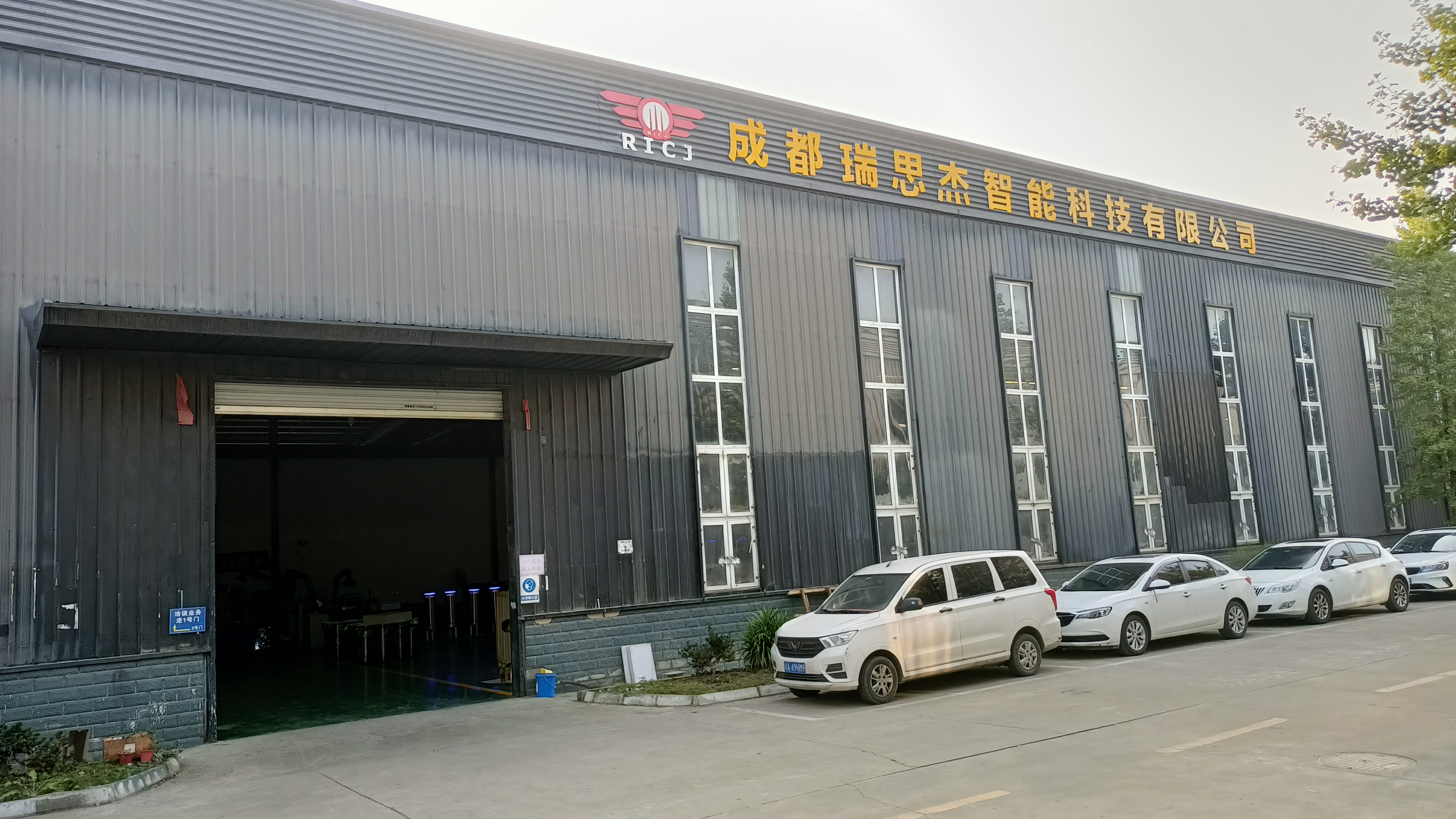
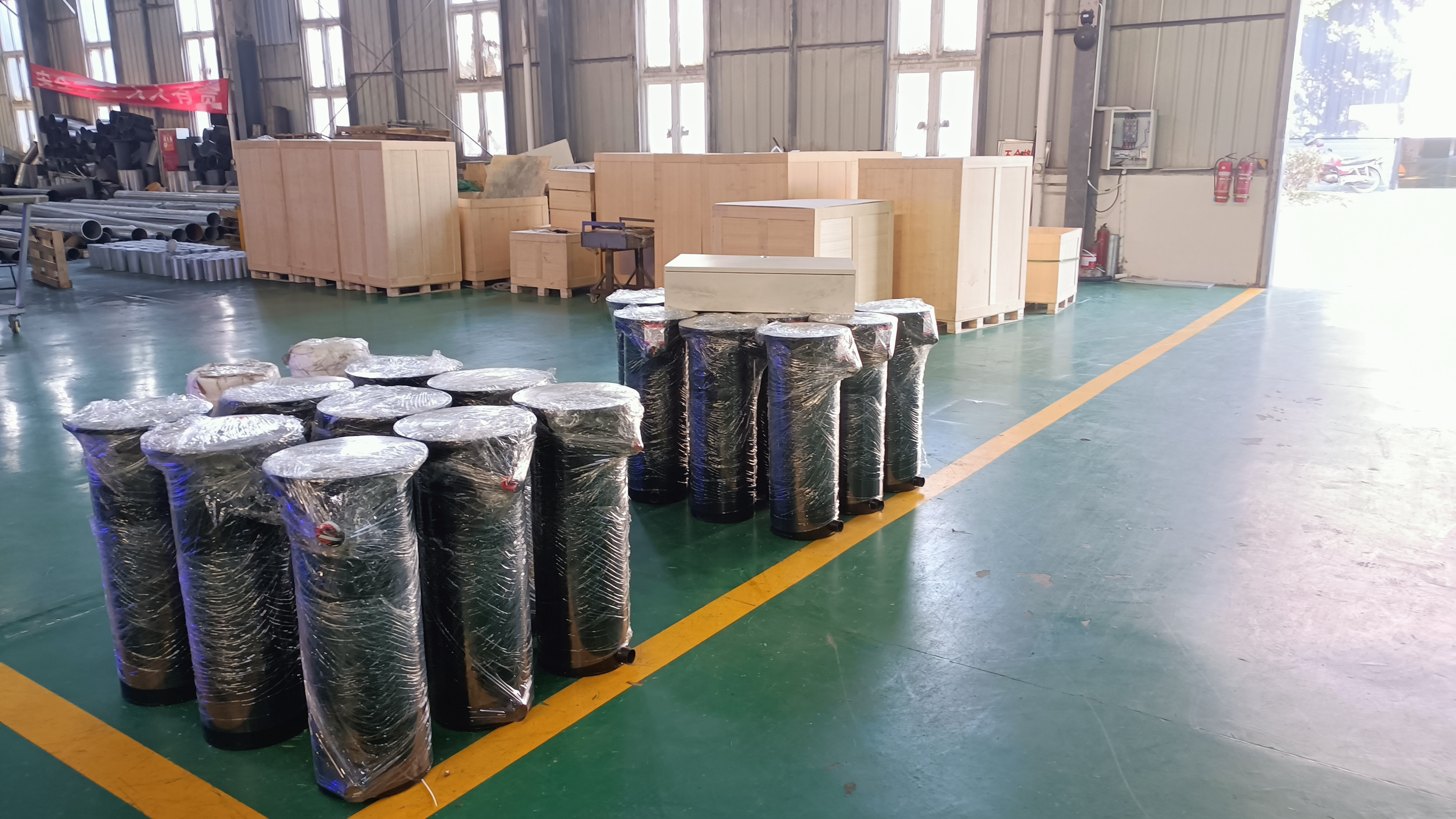
RICJ operates a 15,150 m² facility with approximately 280 staff, including 41 R&D engineers, and an annual production capacity of approximately 10,000 units. Export business accounts for 90% of total sales, with major markets in MEA, EU, and SEA. The company is ISO 9001 certified and states that it uses high-strength carbon steel, stainless steel, and premium core components with material inspection, production monitoring, and full-process quality control. Finished equipment undergoes relevant functional testing before delivery, and documented crash and safety test results are available. These are first-party claims; buyers should still request the current certificate, test report, and model-specific documentation for their project.
Step-by-Step Breakdown: How to Specify an Automatic Bollard
Step 1: Define the access zone and threat level
Start with the site plan. Identify the vehicle entrance, pedestrian routes, protected assets, restricted areas, and the distance available for a vehicle to approach. For high-security or HVM projects, define the required crash rating and penetration objective before comparing products. For commercial or parking access, define traffic frequency, authorized users, and the control method.
Step 2: Select the barrier class before the model
Use automatic bollards for frequent powered access control. Use fixed bollards where passive protection is enough. Use removable or fold-down bollards for occasional access. Use semi-automatic bollards where power is unavailable. Consider road blockers or tyre killers when the site needs a different barrier geometry or traffic-control function. Do not assume that a higher-looking bollard automatically means a higher security rating; crash performance depends on the tested product, foundation, and installation.
Step 3: Set compliance and documentation requirements
Ask for the standard, edition, test laboratory, model number, impact vehicle, speed, penetration rating, and foundation details. For ASTM F2656 discussions, distinguish M30/M40/M50 vehicle speed notation from P1-P4 penetration bands. Also ask for applicable market documents. RICJ states that its products are certified to international standards including CE and ISO 9001 and comply with relevant vehicle barrier testing standards. Treat that as a supplier statement and verify the certificate and report for the exact product.
Step 4: Plan power, controls, and integration
Automatic bollards need a power and control design. The LB-101 lists 220V supply voltage. Application data lists RFID, license plate recognition, remote control systems, access control systems, control cabinets, foundations, and site wiring as possible matched equipment; the exact configuration depends on the project design. Confirm who supplies the control cabinet, who wires the site, and how the bollard interacts with gates, barriers, and safety sensors.
Step 5: Check installation depth, drainage, and climate
Site conditions decide whether a product can operate reliably. Coastal and rainy environments create risks of metal corrosion, water ingress into internal components, and drainage-related operation issues. Triggers include installation near the coastline or marine environments, long-term exposure to heavy rain or high humidity, and poor foundation drainage design. Suitable materials, improved drainage, and waterproof components can mitigate these risks. The LB-101's IP68 rating and -45°C to +75°C operating range are relevant data points, but they do not replace a site-specific review of drainage, foundation, and snow or coastal exposure.
Step 6: Plan installation, commissioning, and maintenance
RICJ provides English technical documentation, installation manuals, wiring diagrams, customs documentation, and remote assistance by phone, email, or video. The company states that it does not typically send engineers for on-site installation as a standard service, but remote guidance is available and on-site engineer supervision can be arranged as a paid optional service for large projects. For maintenance, establish a routine for cleaning, inspection, drainage checks, and reset-mechanism checks. For tyre killers, dirt, moisture, mechanical wear, and incomplete resetting are specific maintenance triggers.
Step 7: Confirm commercial and supply terms
Before comparing quotations, standardize the scope: product model, material, dimensions, finish, control method, foundation scope, control cabinet, shipping terms, packaging, documentation, warranty, and spare parts. RICJ offers project pricing, FOB shipping options, and payment terms for bulk orders. It also offers OEM/ODM customization for dimensions, materials, appearance, and functional configurations, plus samples, flexible MOQ, framework pricing, and committed production lead times for recurring project deliveries. Standard models are typically ready in 7-15 days, while custom technical designs are prioritized to meet the project timeline.
Use Cases: Where Automatic Bollards Fit
Automatic bollards are used where vehicle access must be controlled repeatedly without manual operation. RICJ application data lists airports and transport infrastructure, government and public spaces, commercial property, industrial parks, energy infrastructure, schools, and residential and property management. The same data describes high-frequency vehicle entrances, restricted areas, pedestrian zones, commercial entrances, industrial perimeters, airport perimeters, and challenging coastal or sub-zero environments.
Typical project types include airport security, HVM anti-ram protection, commercial and industrial access control, pedestrian protection in public areas, property entrance control, energy infrastructure, and distributor projects. RICJ states that it has contributed to infrastructure projects including Chengdu Tianfu International Airport. For a buyer, the lesson is to match the product to the operating pattern: a parking entrance, an airport perimeter, and a critical infrastructure gate may all use vehicle barriers, but they do not share the same threat model, duty cycle, or documentation requirement.
Comparison Table: Bollard and Barrier Types at a Glance
The table below compares barrier types using only the product and application facts available in the supplied data. It is a selection aid, not a security rating or a ranking of suppliers.
| Barrier type | Operation / power | Typical fit | Verified data points to check |
|---|---|---|---|
| Automatic bollard (hydraulic, electromechanical, or battery-powered) | Powered rising and lowering; 24-hour automatic lifting and lowering operation is listed for automatic applications | High-frequency vehicle entrances, commercial and industrial access control, government and public infrastructure, airports, parking areas, high-security projects | LB-101: 304/316 stainless steel; 219 mm diameter with OEM 168/273 mm; 1100 mm total length; IP68; -45°C to +75°C; 220V; integrated LED; MOQ 10 PCS |
| Semi-automatic bollard | Gas spring and key control; no power required | Driveways, parking areas, commercial entrances, private properties, restricted access points | LB-102: 304 stainless steel; 6 mm wall; 600 mm blocking height; 219 mm blocking diameter; 58 kg; -45°C to 75°C |
| Fixed / static bollard | Passive; no powered movement | Building protection and permanent access control | Listed in RICJ product range as fixed and static bollards for building protection |
| Removable bollard | Manual removal; internal locking mechanism | Occasional access control and parking posts | Built-in mounting hardware; internal locking mechanism |
| Fold-down bollard | Manual fold-down; lockable variants listed | Sites that need occasional access rather than frequent powered operation | Listed materials include carbon steel, 304, 316, and 201 stainless steel; listed lengths 600-1500 mm or customized on a folding-down model |
| Road blocker | Hydraulic road blocker listed in product range | Heavy-duty vehicle access control and high-security entrances | Included in RICJ product range; request model-specific dimensions, power, and test data |
| Tyre killer | Spike barrier; movement depends on reset mechanism | One-way traffic control and restricted vehicle movement | Dirt, moisture, mechanical wear, and incomplete resetting may affect spike movement; regular cleaning and inspection required |
| Crash-rated bollard | Depends on tested product and foundation | HVM and high-security projects where a defined crash rating is required | ASTM F2656 uses M30/M40/M50; penetration bands P1-P4 are described in a secondary guide; request a product-specific test report |
How to read the table: The presence of a product category does not prove a specific crash rating. For any high-security project, the report must match the model, configuration, foundation, and installation conditions. The ASTM standard is a test method; it is not a certificate for every bollard in a catalog.
Procurement Checklist for Research-Stage Buyers
- Site data: entrance width, vehicle types, traffic frequency, approach distance, pedestrian routes, and protected assets.
- Barrier type: automatic, semi-automatic, fixed, removable, fold-down, road blocker, or tyre killer.
- Performance: required crash rating, penetration objective, duty cycle, operating speed, and safety features.
- Environment: coastal or marine exposure, rainfall, humidity, snow, drainage, and temperature range.
- Power and controls: supply voltage, control cabinet, RFID, LPR, remote control, access control integration, and site wiring.
- Installation: foundation dimensions, embedded sleeve, drainage, wiring route, and commissioning responsibility.
- Documentation: datasheet, installation manual, wiring diagram, certificate, test report, customs documents, and warranty terms.
- Commercial terms: MOQ, sample policy, lead time, packaging, FOB or other shipping terms, payment terms, and spare parts.
FAQ
What safety certifications do RICJ bollards have?
RICJ states that its products are certified to international standards including CE and ISO 9001 and comply with relevant vehicle barrier testing standards. The company is ISO 9001 certified and states that documented crash and safety test results are available. For a project, request the current certificate and the product-specific test report for the exact model and configuration.
Can RICJ customize automatic bollards for a project?
Yes. RICJ offers OEM/ODM customization for product dimensions, materials, appearance, and functional configurations. For the LB-101 automatic bollard, the standard diameter is 219 mm with OEM options of 168 mm and 273 mm, and material options are 304 or 316 stainless steel. Customization should be confirmed against the project drawing, foundation, control system, and target-market requirements.
How can I get a price for automatic bollards?
Contact RICJ with the material, size, design, and quantity you need. The company provides project pricing, FOB shipping options, and payment terms for bulk orders. A useful inquiry includes the barrier type, model or drawing, quantity, destination, control method, installation scope, and required documentation so the quotation can be compared on the same basis.
Can I request a sample before ordering?
RICJ states that it offers samples, flexible MOQ, framework pricing, and committed production lead times for recurring project deliveries. The listed MOQ for the LB-101 automatic bollard is 10 PCS. Confirm the sample model, configuration, shipping method, and whether sample costs are credited against a bulk order.
What is the lead time for bulk or custom orders?
RICJ states that standard models are typically ready in 7-15 days, while custom technical designs are prioritized to meet the project timeline. Lead time should be confirmed with the final specification, quantity, documentation requirements, and shipping destination before the order is placed.
Bollard manufacturers in China
RICJ is a China-based manufacturer of vehicle security equipment, founded in 2007 and operating from a 15,150 m² facility with approximately 280 staff and annual production capacity of approximately 10,000 units. It serves global distributors, engineering contractors, system integrators, and project owners through factory-direct supply and professional B2B services, with export business accounting for 90% of total sales and major markets in MEA, EU, and SEA.
Conclusion: Start with the Site, Then the Product
Automatic bollards are a strong fit when a site needs frequent, powered control of vehicle access and a barrier that can integrate with access control systems. They are not automatically the right answer for every entrance. Fixed bollards, removable bollards, semi-automatic bollards, road blockers, and tyre killers solve different problems, and crash-rated products require model-specific evidence rather than a general claim.
For research-stage buyers, the most useful next step is to turn the site requirement into a short specification: barrier type, dimensions, material, power and controls, installation depth, drainage, climate exposure, compliance documents, maintenance plan, and commercial terms. That specification makes supplier comparisons more consistent and reduces the risk of buying a product that looks suitable but does not match the project.
Need a specification review or sample discussion? RICJ Bollard can review your entrance, vehicle type, control requirements, and documentation needs. Contact ricjli@cdricj.com or sales@cdricj.com, call or WhatsApp +86 181-2186-2967, or visit www.cdricj.com. The RICJ product brochure is available for download: RICJ brochure.
Address: No.389, Section 3, East Third Ring Road, Pengzhou Industrial Park, Chengdu, Sichuan, China.
Have Questions or Need More Details?
Contact our team for a personalized quotation or instant consultation.
Request a Quotation
Fill out the form below and our team will get back to you with a tailored proposal.
WhatsApp Direct Chat
Prefer to chat in real-time? Message us on WhatsApp for instant assistance & quick answers.
- Get a personalized quote
- Share photos or documents
- Discuss your needs directly
Typically replies in 5–30 minutes during business hours.