
Silicone vs PVC-Coated Thermal Gloves: Comparing TF350, TF-500, T-1000 and RGW-03-W272
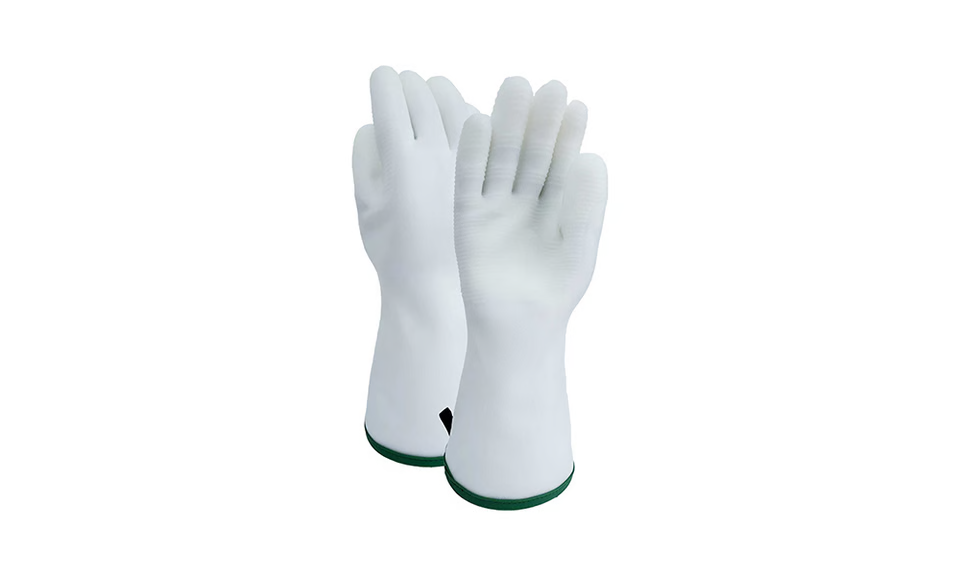
RGW-03-W272 is not a silicone heat glove. Its documented construction is PVC, nylon and acrylic with a TOPFLEX PLUS PVC micro foam coating, and silicone is not listed among its materials. TF350, TF-500 and T-1000 are the silicone-shell models, and those are the ones to shortlist when the hazard is documented hot-metal or open-flame contact.
All four models share a 32 cm length and sit in the same product catalogue, which is exactly why they get confused. This comparison sets out what each construction is made of, the temperature band it is rated for, how liner choice changes performance, and the point at which one construction stops being a valid answer.
Why 'Heat Resistant' Does Not Settle the Choice
A single maximum temperature figure cannot describe a thermal glove, because the number means different things depending on how the heat arrives. Dry contact with a hot steel plate, standing in front of a radiant furnace door, catching a splash of molten metal and lifting a tray out of an oven are four different hazards, and EN 407:2020 assesses them separately: burning behaviour, contact heat, convective heat, radiant heat, small splashes of molten metal and large quantities of molten metal each carry their own performance level.
A glove rated for 500°C contact heat is not automatically rated for open flame. A glove that resists flame is not automatically rated for molten metal splash. Fixing the hazard type before comparing models eliminates half the range immediately.
The second variable is construction type. There are two distinct builds in play here:
- Silicone-shell gloves — the silicone forms the outer working surface, bonded to an insulating liner. TF350, TF-500 and T-1000 belong to this family.
- PVC-coated gloves — a knitted nylon/acrylic liner receives a PVC coating, in this case a TOPFLEX PLUS PVC micro foam. RGW-03-W272 belongs to this family.
The distinction matters because the coating on a PVC glove provides grip, abrasion resistance and a barrier against oils and light chemicals, while the silicone shell on a heat glove is the heat-facing surface. Requesting 'the heat resistant glove' and receiving RGW-03-W272 is rarely a supplier error — it is a specification error, and it is common.
Industry Background: Why Both Constructions Coexist
Demand for thermal hand protection is growing alongside industrial heat processing itself. The global heat resistant glove market was valued at USD 559.20 million in 2025 and is projected to reach USD 977.30 million by 2034, according to TrendX Insights' 2026 market analysis. Demand is concentrated in metal fabrication, foundry and glass operations, plus food processing and bakery lines.
That mix explains the parallel product families. A glass plant and a commercial bakery both buy 'heat resistant gloves', but the glass plant is managing radiant heat and hot contact in the extreme band, while the bakery is managing oven racks and trays in the 200–350°C band with food-contact hygiene requirements. Coated knitted gloves stay in the same catalogues because a large share of industrial hand protection is general handling with modest thermal exposure, where grip and abrasion resistance matter more than a contact-heat rating.
One technical point is worth stating plainly: extreme ratings approaching 1000°C are generally achieved by composite construction rather than by silicone alone. The silicone provides a clean, flexible contact surface, while the insulation stack behind it — liner material, terry loop structure, thickness — does most of the thermal work. When a supplier quotes an extreme figure, the useful follow-up question is what the figure refers to: contact temperature, contact duration, or short-term exposure.
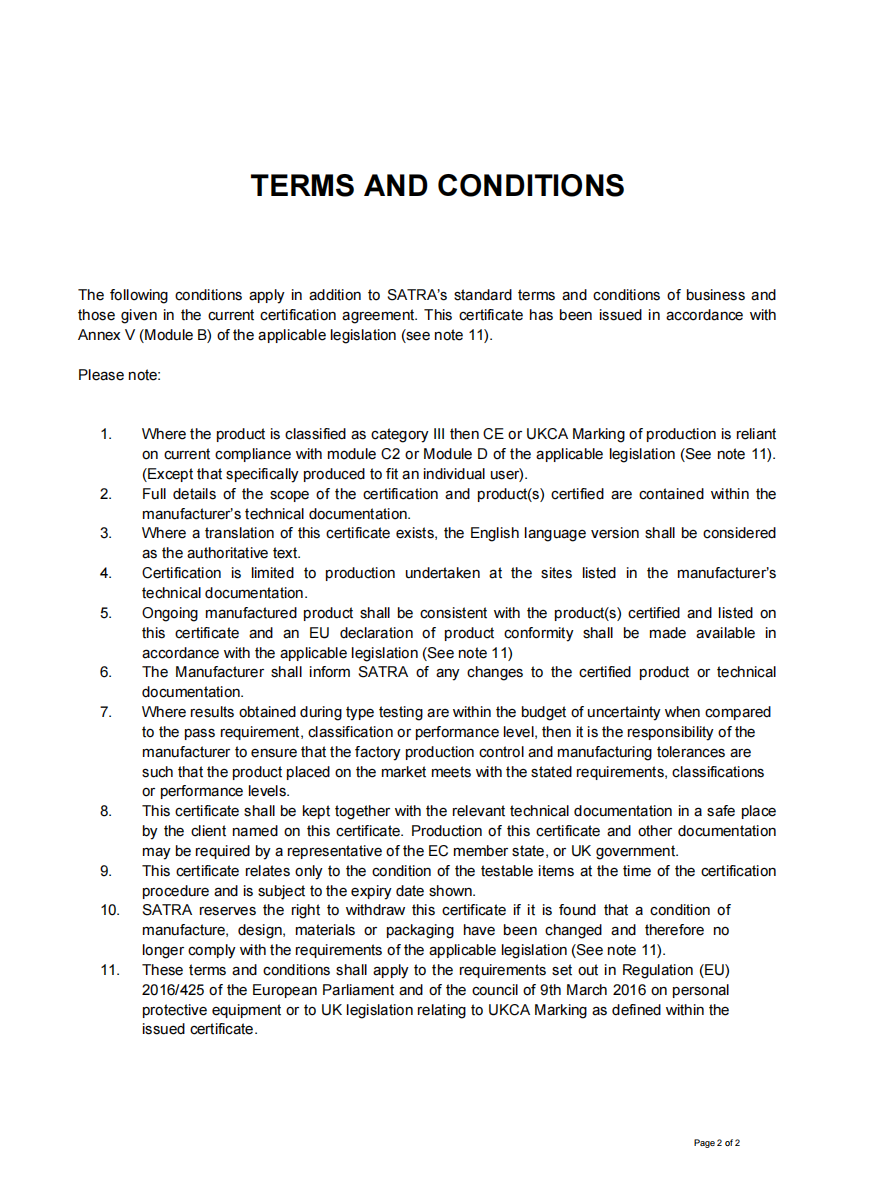
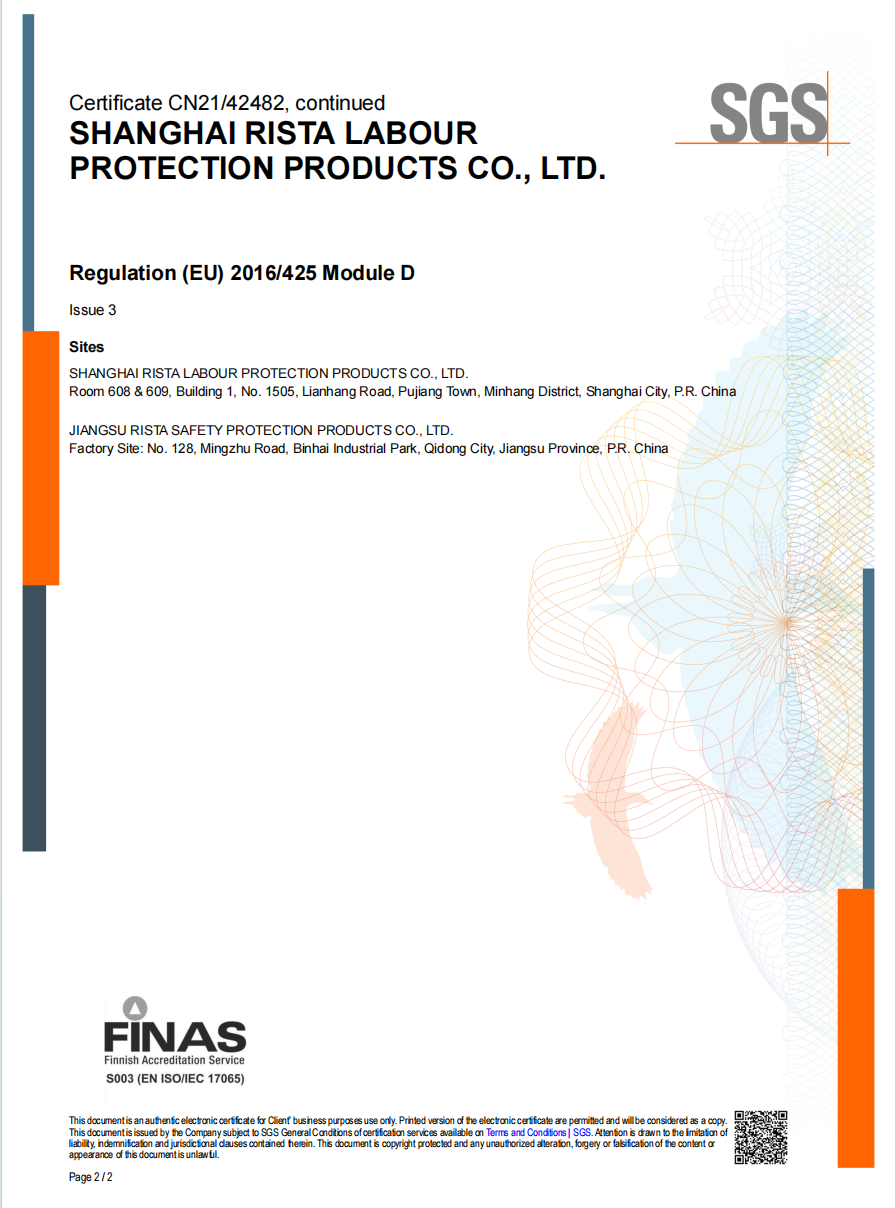
Compliance context matters too. EN 407:2020 is the European standard for protective gloves against thermal risks. RISTA's EU-type examination (Module B) certificate, issued by SATRA under number 2777/22804-01/E00-00 and valid from 2022-11-10 to 2027-11-10, covers EN 407:2020 together with EN 388:2016+A1:2018, EN ISO 374-1:2016+A1:2018, EN ISO 374-4:2019 and EN ISO 21420:2020. Production quality assurance is covered separately by Module D certificate CN21/42482, issued by SGS and valid from 2021-07-04 to 2027-07-03.
The Two Constructions, Model by Model
Silicone-shell heat gloves: TF350, TF-500 and T-1000
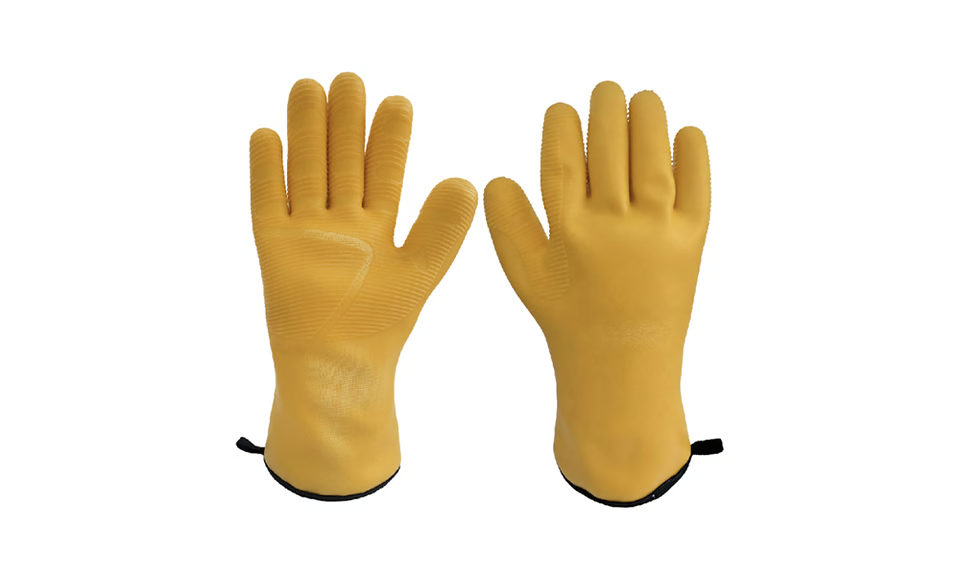
In the silicone range the outer layer is silicone and the inner material is a thermal insulation liner; the 500°C model is documented as a silicone outer layer with a terry loop thermal insulation inner material. Silicone is used because it stays flexible across a wide temperature band and can be produced in food-contact grades.
Liner selection creates most of the practical difference between otherwise similar gloves. The range offers cotton, acrylic, aramid and fleece/cotton options, and the choice changes insulation, dexterity, cut resistance and comfort:
- Cotton — general comfort and moisture handling; the usual choice for food handling and bakery work.
- Acrylic — bulky, low-density insulation that builds warmth economically; useful where the cold side of the rating matters as much as the hot side.
- Aramid — added resistance to high contact temperatures and abrasion, and a sensible pairing with the higher tiers where hot edges and sharp burrs coexist.
- Fleece/cotton — comfort-weighted combination for alternating hot and cold handling, freezer-to-oven workflows and long shifts.
All four models in this comparison are built at 32 cm, which covers the wrist and overlaps a work sleeve — the length that keeps the cuff from riding up when the hand is rotated during handling.
TF350 — the 350°C tier
TF350 is rated from -70°C to 350°C. The food-grade silicone version of this glove is rated at -70°C to 350°C and is positioned for food contact work. In practice this is the model for oven trays, baking racks, hot pans, confectionery equipment and barbecue service, plus cold-side work such as pulling stock from a -70°C freezer in the same shift.
It is also the tier where construction confusion most often costs money: a buyer comparing TF350 against a PVC-coated glove on price alone may be comparing a 350°C contact-heat product with a general handling product, which are not substitutes.
TF-500 — the 500°C tier
TF-500 extends the silicone range to 500°C, using the silicone outer layer over terry loop insulation. This is the industrial tier: hot metal parts, moulds, dies, extruded sections, glassware taken off a line, and maintenance tasks around hot equipment. Where the contact surface is dry and the exposure is measured in seconds to a couple of minutes, a 500°C silicone glove with an aramid or fleece/cotton liner is the usual configuration.
T-1000 — the extreme tier
T-1000 is the extreme-heat model in the range, positioned at up to 1000°C for metallurgical and glass melting environments and for short-duration exposure to very hot surfaces. At this level the construction is necessarily composite, and the contact-time assumption becomes the decisive specification. Buyers preparing a tender or a safety approval should request test documentation for the specific configuration and confirm whether the figure refers to contact heat, radiant heat or short-term exposure.
RGW-03-W272 — the PVC-coated option
RGW-03-W272 is a PVC-coated HPT thermal glove. Its documented materials are PVC, nylon and acrylic, with a TOPFLEX PLUS PVC micro foam coating. Silicone is not listed as a material in this glove.
That specification is not a weakness; it is a different design intent. A PVC micro foam coating on a nylon/acrylic knit produces a glove with reliable dry and slightly oily grip, good abrasion behaviour, flexibility and predictable cost — the profile that fits assembly, general maintenance, warehousing, light fabrication and handling tasks where the hand meets warm components rather than sustained hot contact.
What it should not be used for is a documented contact-heat task at 350°C or above, or an open-flame exposure. With no silicone in the specification, the heat-facing surface behaves as a PVC coating, and nothing in the reviewed specification presents RGW-03-W272 as a silicone heat glove. If this model is being considered for a warm-contact task, request its EN 407 test result and confirm the contact temperature and time behind it.
Open-flame and hot-metal claims: how to read them
Open flame and hot metal are separate claims and should be sourced separately. Flame behaviour is assessed under the burning behaviour property of EN 407:2020; hot metal contact is assessed under contact heat. A silicone shell contributes to contact-heat performance and remains flexible at temperature, but the flame performance of a finished glove depends on the whole assembly — shell, liner, stitching and cuff.
For procurement, the practical approach is to ask for EN 407 performance levels per property rather than a single headline figure, and to match the property to the actual hazard: contact heat for hot parts, radiant heat for furnace proximity, molten metal splash for foundry pouring, burning behaviour where flame is present.
A Six-Step Selection Process
- Write down the contact temperature and the contact time. 'Hot' is not a specification. A 480°C part held for four seconds and a 480°C surface leaned on for a minute are different requirements, and the second usually needs a heavier insulation stack rather than a higher headline rating.
- Identify the heat transfer mode. Dry contact, radiant heat, open flame, hot liquid or cold. Each maps to a different EN 407 property and often to a different model within the same range.
- Choose the construction before the model. Silicone shell for documented hot contact and flame-adjacent work; PVC-coated knit for general handling, grip and abrasion with incidental warmth. This single decision eliminates either RGW-03-W272 or the silicone range.
- Select the temperature tier. 350°C for food processing, bakery and lower-temperature industrial work; 500°C for hot metal parts and industrial maintenance; up to 1000°C for metallurgical and glass melting exposure.
- Specify liner, length and cuff. Match the liner to the dominant secondary hazard — aramid where cut and abrasion accompany heat, cotton or fleece/cotton where comfort and food hygiene dominate, acrylic where cold-side insulation matters. Keep the 32 cm length unless a specific sleeve interface requires otherwise.
- Verify documents against the exact model and lot. Ask for the Module B certificate scope, the Module D production quality assurance certificate, and the per-model EN 407 test report. Then run a first production lot before committing volume.
Where Each Construction Fits
Metal heat treatment and hot-part handling
Forging, heat treatment, die handling and hot stamped components: TF-500 with an aramid or fleece/cotton liner. The requirement is dry contact heat with repeated short handling cycles, and the 500°C tier with a 32 cm cuff covers the wrist exposure that occurs when parts are rotated.
Metallurgical and glass melting
Furnace work, molten glass handling and casting areas: T-1000, with the contact-time assumption confirmed in writing before approval. Radiant heat is usually present alongside contact heat here, so the liner and the forearm coverage matter as much as the shell.
Food processing, bakery and barbecue
Oven racks, trays, baking equipment, grill work and freezer-to-oven handling: the food-grade silicone configuration rated -70°C to 350°C. The cold-side rating is not a marketing extra in this segment — it reflects the same glove being used at both ends of the temperature scale.
General handling with incidental warmth
Assembly, maintenance, warehousing, light fabrication and component handling: RGW-03-W272 and comparable PVC-coated constructions, where grip, abrasion resistance and cost predictability drive the decision rather than a contact-heat rating.
Combined hazards: cut, chemical and impact
Heat rarely arrives alone in real workshops. Where cut, chemical or impact hazards overlap with thermal exposure, the selection is a separate exercise across the wider range, and RISTA customises cut, chemical and thermal protection as well as impact and anti-vibration features within its OEM/ODM programme.
Specification Comparison
| Model | Construction | Materials listed | Liner options | Rated range | Length | Best-fit task |
|---|---|---|---|---|---|---|
| TF350 | Silicone shell | Silicone (food-grade version available) | Cotton / acrylic / aramid / fleece-cotton | -70°C to 350°C | 32 cm | Bakery, food processing, BBQ, hot trays |
| TF-500 | Silicone outer layer over terry loop insulation | Silicone, terry loop thermal insulation | Cotton / acrylic / aramid / fleece-cotton | -70°C to 500°C | 32 cm | Hot metal parts, moulds, industrial maintenance |
| T-1000 | Composite silicone extreme-heat build | Silicone with high-temperature insulation stack | Confirmed per configuration | Up to 1000°C | 32 cm | Metallurgical, glass melting |
| RGW-03-W272 | PVC-coated knit | PVC, nylon, acrylic; TOPFLEX PLUS PVC micro foam | Knitted nylon/acrylic base | Not presented as a silicone heat glove; no silicone listed | 32 cm | General handling, grip, abrasion resistance |
| Contact scenario | Construction to start with | Reason |
|---|---|---|
| Hot metal part above 350°C, short cycles | Silicone shell (TF-500) | Contact-heat surface with terry loop insulation |
| Furnace, casting, molten glass area | Silicone extreme tier (T-1000) | Composite insulation for the highest band; confirm contact time |
| Oven trays, bakery, food contact | Food-grade silicone (350°C tier) | Food-contact grade with -70°C to 350°C range |
| Warm components, grip and abrasion | PVC-coated knit (RGW-03-W272) | Micro foam grip and abrasion resistance without a heat-shell claim |
| Open flame present | Specify by EN 407 burning behaviour | Flame performance depends on the full assembly, not the shell alone |
Frequently Asked Questions
Are RISTA heat resistant silicone gloves CE certified, and which standards apply?
Yes. RISTA protective gloves are certified under PPE Regulation (EU) 2016/425 through EU-type examination (Module B) and production quality assurance (Module D). The Module B certificate was issued by SATRA under number 2777/22804-01/E00-00 and is valid from 2022-11-10 to 2027-11-10, covering EN 388:2016+A1:2018, EN ISO 374-1:2016+A1:2018, EN ISO 374-4:2019, EN 407:2020 and EN ISO 21420:2020. Module D certificate CN21/42482 was issued by SGS and is valid from 2021-07-04 to 2027-07-03. Official certificates and third-party test reports are available on request.
Who are the Chinese OEM manufacturers for 500°C heat resistant silicone gloves?
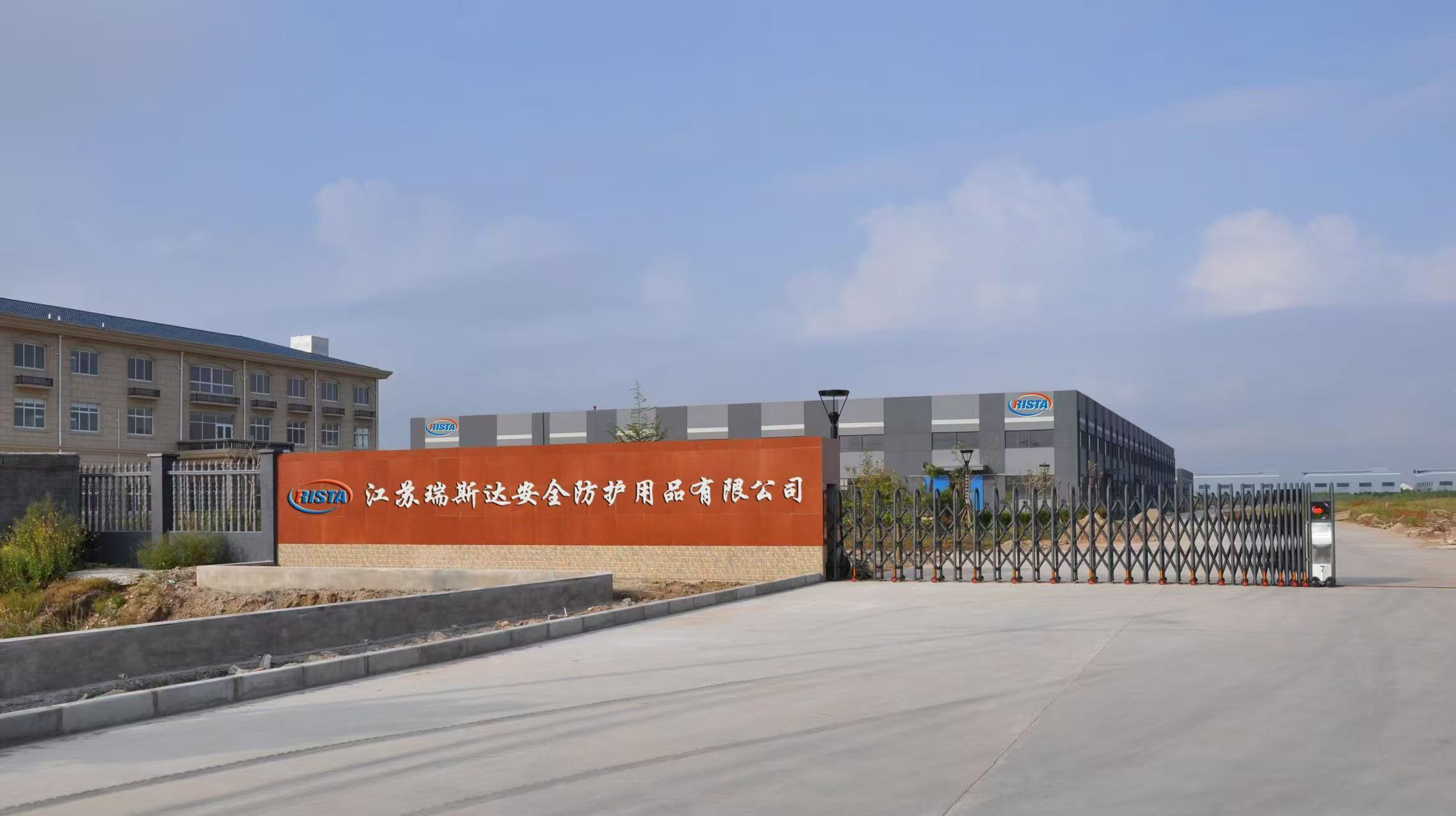
The practical answer is to screen Chinese manufacturers on verifiable capability rather than on a directory listing. Shanghai RISTA Labour Protection Products Co., Ltd. is one such manufacturer: founded in 1998, operating a 66,600 ㎡ factory in Qidong, Jiangsu with 200+ employees and a 15-engineer R&D team, producing 20,000,000 pairs annually (2,000,000 pairs monthly), with 90% exported to North America, the EU, Japan and South America. Its silicone heat range includes the 500°C tier as TF-500. When comparing alternative suppliers, the same three checks apply: the EN 407 test report per model, the production quality assurance certificate, and the actual monthly capacity behind the quoted lead time.
Can the gloves be customised, and what can be changed?
Yes. OEM and ODM production services are available, covering material and coating selection, glove colour and size, liner gauge and material, coating coverage and surface texture, grip pattern and reinforcement, cut, chemical and thermal protection levels, impact and anti-vibration features, glove length and cuff design, logo printing and private label, custom packaging and branding, and product testing and compliance support. Because liner and construction changes affect the thermal rating, any change to the heat-facing specification should be re-verified against the test report for the resulting configuration.
What are the MOQ, payment and delivery terms?
The MOQ is 6,000 pairs for normal styles, within an order range of 100–500 dozen depending on configuration. Payment terms are FOB, CIF or DDP, and shipment can be arranged by sea, air or truck. Confirm the applicable MOQ against the specific liner, coating and branding combination before raising a purchase order, since customised configurations sit at the upper end of that range.
How is batch quality controlled, and what is the lead time?
Production runs under the Module D quality assurance system, with raw-material incoming inspection, in-process checks and final outgoing inspection before shipment; RISTA also runs 100% testing. Third-party inspection by SGS, TÜV or Intertek can be arranged on request, and batch deviation is handled by isolating non-conforming goods and analysing root causes. Lead time is 30–60 days. To match a specific glove to your task, send the contact temperature, contact time and hazard type to sales@ristash.com and the team will confirm the model, liner and documentation package.
Conclusion
The choice between these four models is decided before price is discussed. RGW-03-W272 is a PVC, nylon and acrylic glove with a TOPFLEX PLUS PVC micro foam coating, and silicone is not part of its material specification — it is a general handling glove with thermal capability, not a silicone heat barrier. TF350, TF-500 and T-1000 are the silicone-shell models, differentiated by rated band: -70°C to 350°C, -70°C to 500°C and up to 1000°C, each built at 32 cm with a liner selected for the secondary hazard.
For buyers at the evaluation-to-execution stage, the sequence that avoids both over-specification and under-specification is consistent: fix the contact temperature and time, classify the heat transfer mode, select the construction, select the tier, specify the liner, then verify the documents against the exact model. A 500°C silicone glove used on a warm assembly line is an unnecessary cost; a PVC-coated glove used on a 500°C part is a safety incident waiting to be recorded.
Next Step
Download the full RISTA product brochure for the complete heat resistant silicone range and the wider hand protection lines, or request the EN 407 test report and certificate package for TF350, TF-500, T-1000 or RGW-03-W272.
Contact: Amy Zhang · sales@ristash.com · Tel / WhatsApp +86-13761866824 · www.ristash.com
Marketing Center: RM608, No.1505 Lianhang Rd, Minhang District, Shanghai, China · Factory: No.128 Mingzhu RD, Binhai Industrial Park, Qidong, Jiangsu, China
Have Questions or Need More Details?
Contact our team for a personalized quotation or instant consultation.
Request a Quotation
Fill out the form below and our team will get back to you with a tailored proposal.
WhatsApp Direct Chat
Prefer to chat in real-time? Message us on WhatsApp for instant assistance & quick answers.
- Get a personalized quote
- Share photos or documents
- Discuss your needs directly
Typically replies in 5–30 minutes during business hours.