
Concrete Formwork Buying Criteria: Load, Certifications, Cost
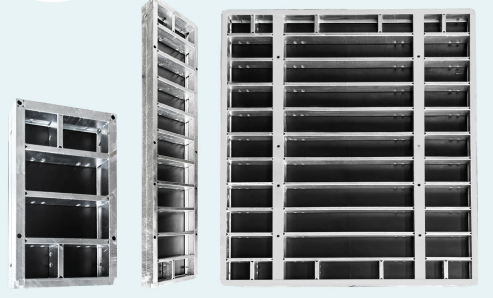
Choosing concrete formwork is not simply a matter of comparing panel prices. For contractors and procurement teams, the real decisions come down to project constraints: concrete pressure, deflection limits, reuse expectations, safety certification, and workforce productivity on site. This guide explains what to look for when evaluating concrete formwork systems, and it uses RFH's steel and aluminum formwork line as a concrete reference.
RFH, officially Rizhao Fenghua Scaffoldings Co., Ltd., is a formwork and scaffolding manufacturer based in Rizhao, Shandong, China. Established in 1953, the company now exports to 126 countries and regions and focuses on temporary works equipment, including concrete formwork, scaffolding systems, and related accessories. Its steel heavy-duty formwork is compatible with several European systems, including PERI TRIO, HUNNEBEACK RASTO, DOKA FRAMI, and TOPEC HARSCO products.
Why Concrete Formwork Evaluation Goes Beyond the Purchase Price
Concrete formwork is the temporary mold that holds fresh concrete until it reaches sufficient strength. It must support high lateral pressure, keep dimensions within tolerance, and produce a concrete surface that does not require expensive patching. If the formwork fails, the consequences include safety incidents, schedule delays, and structural rework.
For buyers in the research and evaluation stage, the key is to test the formwork supplier against the same constraints that will appear on the project: maximum concrete pressure in kN/m², steel or aluminum grade, surface treatment, panel sizes, compatibility with existing formwork, and the certificates that prove quality control. These are not marketing details; they are decision inputs.
Concrete Formwork Market and Material Trends in 2024–2025
The formwork market continues to grow because of residential, commercial, and infrastructure activity. According to Verified Market Research, the global concrete formwork market was valued at approximately USD 8.9 billion in 2024. Fortune Business Insights reports that Asia-Pacific dominated with a 54.7% market share in 2025. When scaffolding is included, the combined formwork and scaffolding market reached USD 56.41 billion in 2024, according to Coherent Market Insights.
Material share data from Cognitive Market Research shows that steel formwork represented about 44% of formwork units installed worldwide in 2024, timber held 37%, and aluminum accounted for 19%. In high-rise construction, automated climbing formwork systems represented 28% of installations in 2024, mainly in buildings over 50 stories. Separate projections from Intel Market Research suggest that aluminum formwork systems could reach USD 2.48 billion by 2032, growing at a CAGR of 9.9%. Aluminum systems are often selected because they enable floor cycles of 4–5 days in high-rise projects.
These market figures give context for supplier evaluation. A formwork supplier does not need to be the largest manufacturer to be relevant, but it should demonstrate engineering control, standard compliance, and project-specific fit.
RFH Concrete Formwork Line: Certified Parameters at a Glance
RFH states that it can produce 10 types of formwork, including aluminum alloy formwork, steel heavy-duty formwork, light-duty formwork, multi-formwork, column formwork, and adjustable shoring props, with more than 80 specifications. Four models appear most often in current RFH documentation: FW00A, FW00B, FW00C, and FW00D.
FW00A – Heavy-Duty Wall, Column, and Corner Formwork
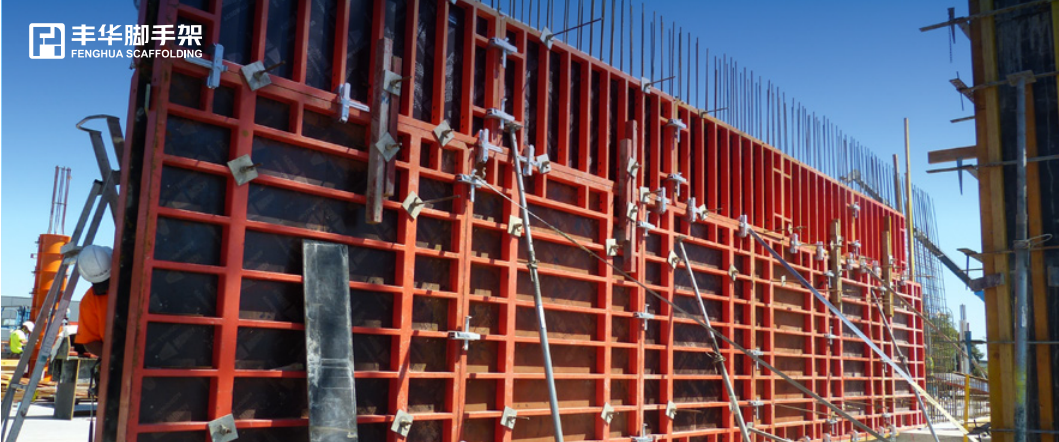
FW00A is a heavy-duty wall, column, and corner formwork system. Its frame is made from RFH Steel S420, with a profile of 120 mm x 60 mm x 2.5 mm and hot-dip galvanized surface treatment. Standard heights include 3.3 m, 3 m, 2.7 m, 2.4 m, 1.2 m, and 0.6 m; widths range from 2.4 m down to 0.3 m, with other sizes available on request.
The system has a permissible concrete pressure of up to 80 kN/m². All accessories are fully compatible with the original European trio system, which is an important consideration for contractors who already own formwork inventory from European suppliers. The back cover is made from 18 mm European birch plywood or plastic composite sheet, providing water resistance and a smooth concrete finish. According to RFH's product documentation, the panels are designed for multiple reuses and intended for residential building and commercial construction.
FW00B – Light-Duty Steel Wall and Column Formwork
FW00B is a light-duty steel wall and column formwork system. It uses an S420 steel frame with a 121 mm x 20 mm x 1.8 mm profile and hot-dip galvanization. The face is 15 mm film-faced birch plywood. The maximum concrete pressure is 60 kN/m².
Standard heights are 3 m, 2.7 m, 1.5 m, and 1.2 m, while widths include 2.4 m, 0.9 m, 0.75 m, 0.65 m, 0.6 m, 0.55 m, 0.5 m, 0.45 m, 0.4 m, 0.35 m, 0.3 m, 0.25 m, and 0.2 m. The galvanized steel frame is designed for long service life, and the panels can be handled manually for small jobs or lifted by crane for larger tasks. A 60 kN/m² rating makes this system suitable for walls and columns where heavy-duty capacity is not required.
FW00C – Concrete Wall Formwork with Plywood or PP Board
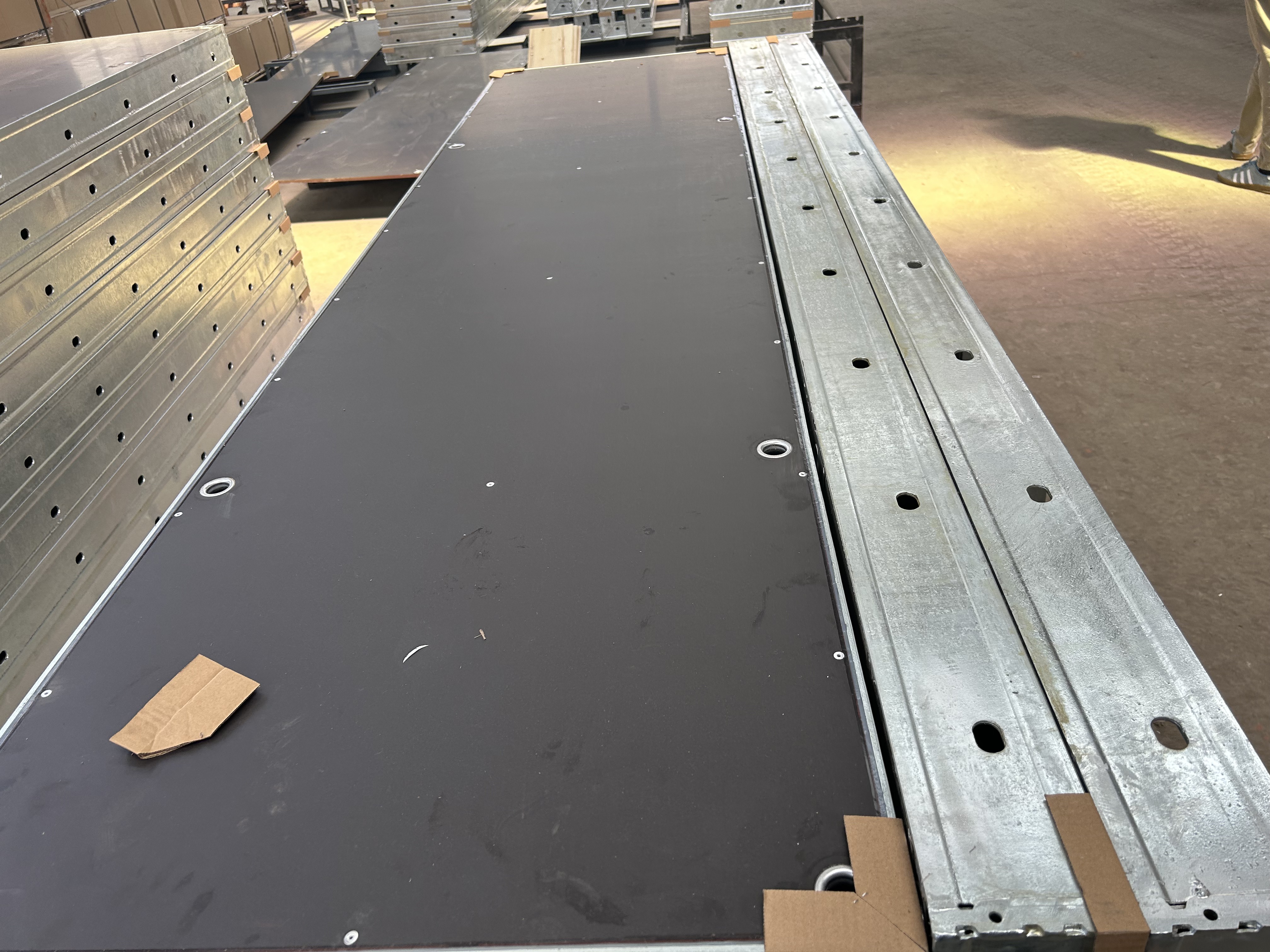
FW00C is a concrete wall formwork system available with birch plywood or PP board. The profile size is 91.6 mm x 20 mm x 2 mm, made from S420 raw material, with hot-dip galvanized finish. Standard sizes include 1200 mm x 900/750/600/450/300 mm, 1500 mm x 900/750/600/450/300 mm, 2700 mm x 900/750/600/450/300 mm, and 3000 mm x 900/750/600/450/300 mm.
This model is designed to be lightweight and crane-independent. The panels are easy to handle by hand and can also be ganged together for crane lifting when appropriate. A Frami-style clamp connects panels with a single hammer blow, and self-aligning connectors reduce the need for additional stiffening. The system also includes a range of workplace safety accessories.
FW00D – Aluminum Deck Formwork for Slabs
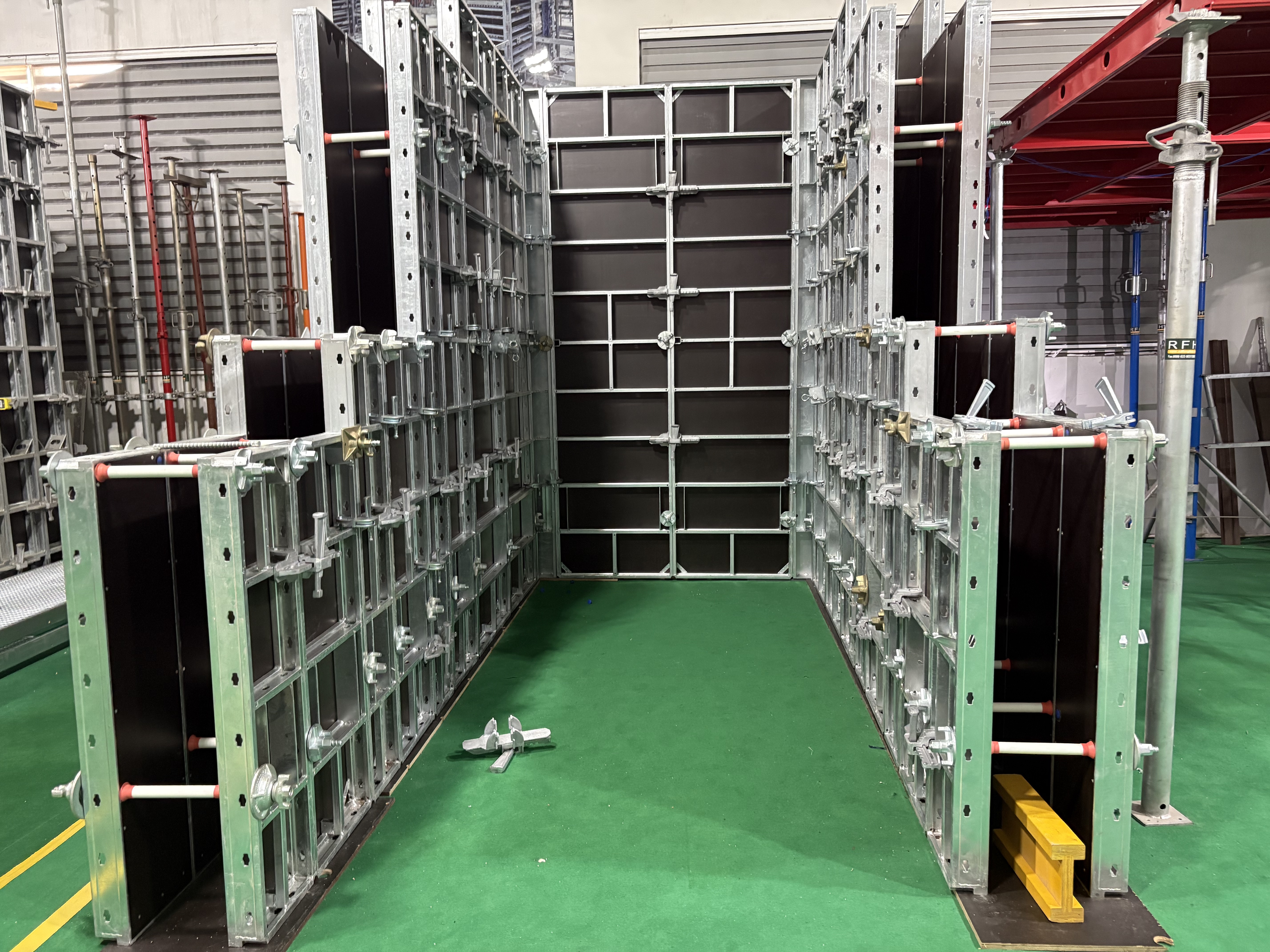
FW00D is an aluminum concrete formwork system for slab and deck construction. It combines 6005-T6 aluminum alloy frames with 11 mm Baltic birch plywood panels, bonded with phenol-formaldehyde resin. Standard panel sizes include 1800 mm x 1800 mm, 1800 mm x 900 mm, 1800 mm x 750 mm, 1800 mm x 600 mm, and multiple 900 mm configurations.
The design is lightweight: a 1800 mm x 1200 mm panel covers 2.16 m² and weighs less than 34 kg, while the 1800 mm x 1800 mm 'Giant Panel' covers 3.24 m². Simple setups require only two basic components, panels and props, and assembly and stripping times are estimated at 0.20–0.40 hours per square meter. The system is suitable for flat and inclined slabs, ramps, and drains with an inclination angle of up to 8%. A battery-powered lifting device can position large panels, which is useful for slabs up to 4.35 m high. For buyers scheduling repetitive floors, aluminum formwork's 4–5 day floor cycle potential is a documented market benchmark.
Certification and Quality Control
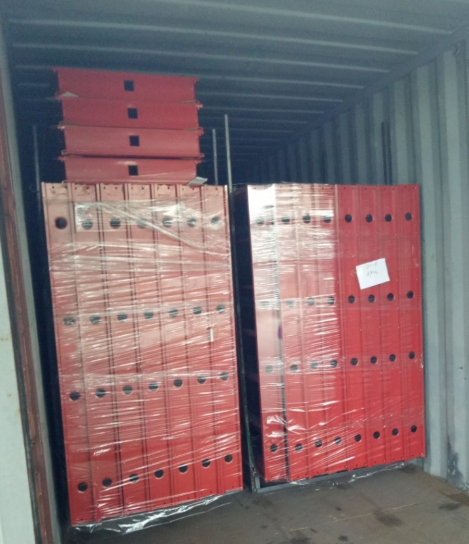
Certification matters most during the evaluation stage. RFH's quality management system is certified to ISO 9001:2015, certificate number 00123Q310174R301, issued by China Quality Certification Centre (CQC). The certification scope covers design and production of scaffolding, coupler and formwork, and it applies to the concrete formwork models FW00A, FW00B, FW00C, and FW00D for the global market.
RFH also states that welding is controlled in accordance with European standard EN1090, and product acceptance criteria follow international standards BS1139 and EN74. The company reports having obtained 22 relevant certificates, including EN1065, EN74, and CE. This combination of ISO system certification and European acceptance standards is directly relevant to contractors who must document compliance on international sites.

A Step-by-Step Process for Evaluating Concrete Formwork Systems
- Define the concrete pressure. Calculate the maximum lateral pressure the formwork will receive. Use ratings such as FW00A at 80 kN/m² or FW00B at 60 kN/m² to shortlist panels.
- Choose the material family. Steel formwork is common in framed walls and columns; aluminum formwork is used for slab cycles and lightweight handling. Timber formwork may still be used for low-pressure or one-off pours.
- Check the frame and panel specification. Look at profile dimensions, steel grade, plywood thickness, and surface treatment. Hot-dip galvanization is a sign of corrosion resistance and reuse potential.
- Verify certifications and standards. Ask for the ISO 9001 certificate number, and in EU projects ask whether the supplier controls welding to EN1090 and acceptance to BS1139/EN74.
- Evaluate compatibility with existing equipment. If your company already owns European system formwork, confirm whether the new panels are compatible. RFH's FW00A is compatible with the original European trio system; RFH also lists compatibility with PERI TRIO, HUNNEBEACK RASTO, DOKA FRAMI, and TOPEC HARSCO products for its steel heavy-duty formwork.
- Calculate lifecycle cost. Consider purchase price, reuse count, stripping time, labor cost, and crane time. Independent price analyses indicate that steel formwork typically ranges from USD 25 to USD 60 per square meter for large projects, aluminum from USD 40 to USD 75, timber rental from USD 10 to USD 25, and plastic/modular systems from USD 20 to USD 50 per square meter.
- Request a technical quote and lead time. Confirm customization, MOQ, production capacity, and delivery schedule. RFH states a monthly capacity of 1000 tons, a lead time of 40–60 days, and an MOQ of 50 units.
Use Cases: High-Rise, Heavy Civil, and Infrastructure
RFH's formwork systems are used in high-rise residential, commercial infrastructure, and heavy civil construction. The typical application scenario involves outdoor sites with extreme weather, high humidity, and high concrete pour pressures. Common project types include new structural builds, large foundations, high-wall vertical casting, and subterranean concrete structures.
The operational mode for these systems is crane-assisted modular assembly, followed by sequential pouring, fast mechanical stripping, and cyclic repositioning. The formwork works with tie rods, alignment struts, formwork wing nuts, clamps, push-pull shores, crane hooks, and concrete vibrators. High load capacity, strict deflection limits, superior corrosion resistance, and reusable modular locks are the special requirements that drive system selection.
Markets for these applications include Europe, the Americas, the Middle East, Africa, and Oceania. RFH's documentation lists countries such as the United Arab Emirates, Argentina, Austria, Australia, Belgium, Brazil, Canada, Germany, France, the United Kingdom, Ireland, Italy, Mexico, the Netherlands, Norway, New Zealand, Poland, Portugal, Qatar, Russia, and many others.
In one documented RFH project, the structural concrete phase was completed 20 days ahead of schedule, lowering crane rental and labor costs. The same project met strict on-site safety regulations because the system included fully integrated walkway brackets and certified crane lifting hooks. For a contractor, that type of evidence speaks to both productivity and safety compliance.
How RFH Compares With Global Formwork Manufacturers
The formwork market is not homogeneous. According to Cognitive Market Research, the top five formwork manufacturers, including PERI and Doka, hold approximately 44% of the global market share. The remaining market includes many regional and specialized manufacturers, including RFH.
The table below uses only verifiable market statements and RFH product facts.
| Company | Verifiable position | Known product direction | Relevance to buyer |
|---|---|---|---|
| PERI | One of the global top five formwork manufacturers | Acquired Implenia Schalungsbau in 2023 to expand modular formwork services | Mainstream European system with global project support |
| Doka | One of the global top five formwork manufacturers | Introduced DokaXact sensors in 2024 for real-time concrete pressure monitoring | Focus on digital monitoring and large infrastructure |
| RFH | Export-oriented manufacturer founded in 1953; exports to 126 countries | Steel heavy-duty formwork compatible with PERI TRIO, HUNNEBEACK RASTO, DOKA FRAMI, and TOPEC HARSCO; ISO 9001:2015 certified | Alternative for buyers seeking certified formwork with European system compatibility |
The comparison is not an attempt to rank RFH above global leaders. It is a way for evaluators to identify where a supplier sits in the market and what engineering compatibility it offers.
Concrete Formwork FAQs: Certification, Load, Budget, Samples, Lead Time
Is RFH concrete formwork ISO 9001 certified?
Yes. RFH holds ISO 9001:2015 certificate number 00123Q310174R301. The certification scope covers the design and production of scaffolding, coupler and formwork, and it applies to the concrete formwork models FW00A, FW00B, FW00C, and FW00D for the global market.
What load ratings and materials are available?
FW00A heavy-duty wall and column formwork permits concrete pressure up to 80 kN/m² and uses S420 steel. FW00B light-duty steel formwork permits up to 60 kN/m² and also uses S420 steel. FW00C wall formwork uses an S420 profile, and FW00D aluminum deck formwork uses 6005-T6 aluminum alloy for slab applications.
How much do concrete formwork systems cost?
Independent market analyses suggest steel formwork for large projects ranges between USD 25 and USD 60 per square meter, aluminum formwork between USD 40 and USD 75 per square meter, timber rental between USD 10 and USD 25 per square meter, and plastic/modular systems between USD 20 and USD 50 per square meter. Final pricing depends on panel sizes, quantities, and customization.
Can I request a sample or customized formwork?
RFH supports OEM, ODM, and customized products. Customization includes height, width, color, and logo printing. The MOQ is 50 units. RFH also reports 100% pre-shipment testing and can arrange third-party inspection, such as SGS.
What is the lead time for RFH formwork production?
RFH states a standard lead time of 40–60 days, a monthly capacity of 1000 tons, and sales of more than 1200 containers. After delivery, online technical support is available.
Final Notes and Next Step
Evaluating concrete formwork does not have to be complicated if you organize the process around load, material, certification, compatibility, and cost. Use the benchmarks above to qualify suppliers, and ask for specific documentation before you commit to a large order.
If you are preparing a formwork inquiry, RFH can provide technical parameters, drawings, and a quotation. Contact the export team or download the catalogue below.
Contact RFH formwork export team
Sally Qin
Email: fenghuaf@bdchina.com
Tel/WhatsApp: +86 158-9899-7661
This article uses RFH product documentation and independent market reports; final specifications should be confirmed through a formal quote.