
Long-Term Concrete Formwork Supply: How to Choose a Partner That Delivers Project After Project
Long-Term Concrete Formwork Supply: How to Choose a Partner That Delivers Project After Project
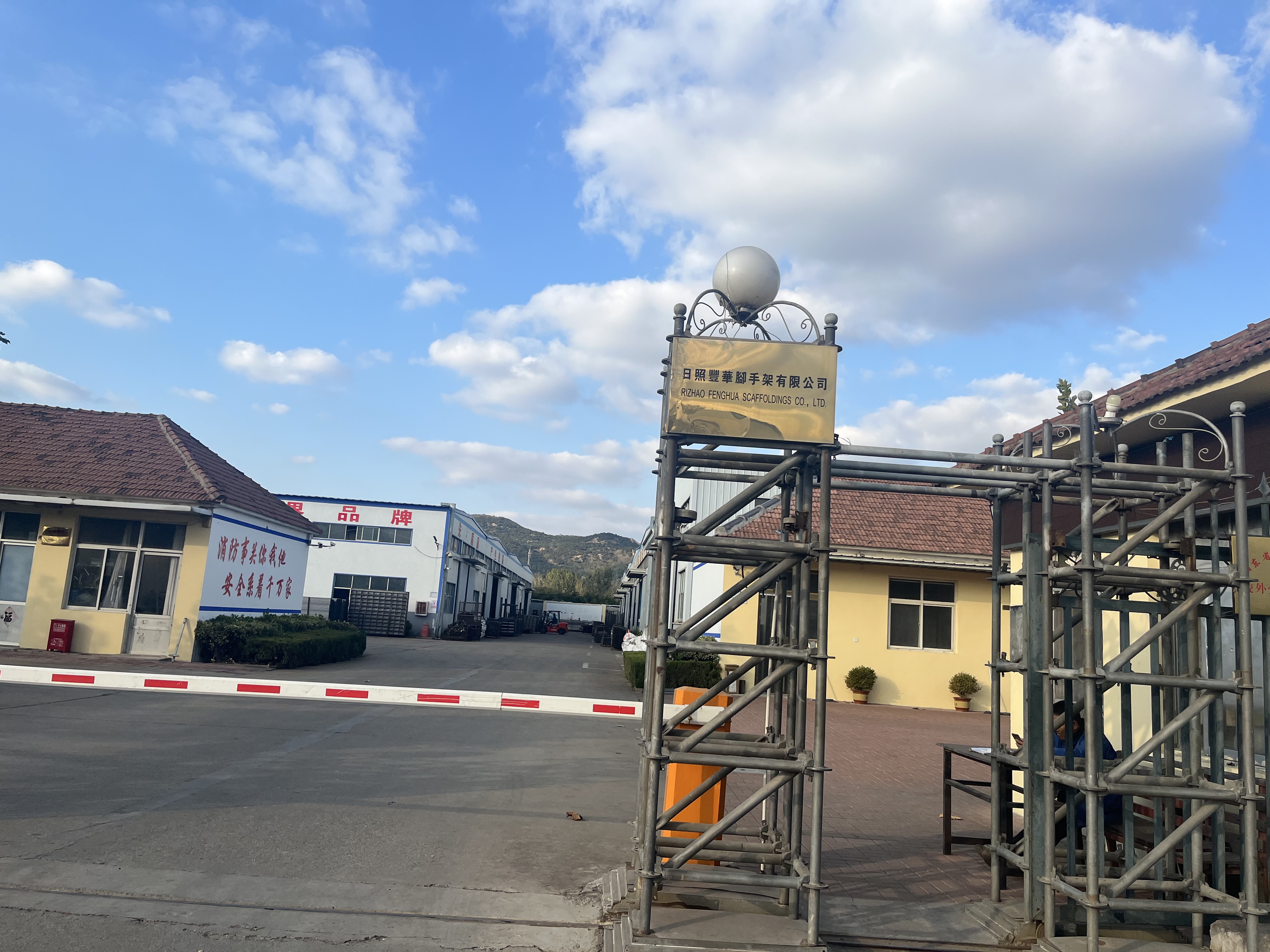
RFH factory in Rizhao, Shandong, China
Concrete formwork is part of the permanent economics of a construction project. The right system speeds up cycle times, controls surface quality, and reduces repair costs. For buyers at the decision or execution stage, the real question is not only “which concrete formwork panels should I buy?” but “which formwork supplier can support my project schedule, quality requirements, and future work?” This guide explains how to evaluate a long-term concrete formwork supply partner, using RIZHAO FENGHUA SCAFFOLDINGS CO., LTD. (RFH) as an example of a manufacturer with documented capabilities.
Problem Definition: Why One-Time Formwork Purchases Create Risk
Many projects source formwork as a one-time purchase. That creates repeated risk: low-cost steel panels may rust after several uses; plywood can absorb moisture and delaminate; dimensional tolerances vary; replacement components are not always available; and the concrete finish fails inspection. In long-term construction programs, these problems are multiplied across multiple pours, multiple walls, and multiple crews.
Formwork risk is not limited to the panel itself. If the supplier cannot maintain consistent welding quality, surface treatment, or plywood facing, the buyer inherits higher lifecycle costs. For wall concrete formwork, slab formwork, column formwork, and shuttering work, the best protection is a supplier with documented manufacturing controls, clear compliance standards, and stable procurement terms.
Industry Background: Scale, Materials, and Market Structure
The global concrete formwork market was valued at USD 8.9 billion in 2024, according to Verified Market Research. Asia-Pacific accounted for 54.7% of the market in 2025, according to Fortune Business Insights. Steel formwork represented 44% of all formwork units installed worldwide in 2024, while timber held 37% and aluminum 19%, according to Cognitive Market Research. The combined formwork and scaffolding market reached USD 56.41 billion in 2024, according to Coherent Market Insights.
These figures show that formwork buyers are operating in a large, competitive supply environment. The top five formwork manufacturers hold about 44% of global market share. For contractors and distributors, that means the remaining supply chain is broad, and long-term performance depends more on supplier verification than on brand names alone. Modular concrete formwork, frame panel formwork, and reusable steel systems are all competing for the same budget, so buyers need clear evaluation criteria.
Detailed Solution: RFH as a Long-Term Concrete Formwork Supplier
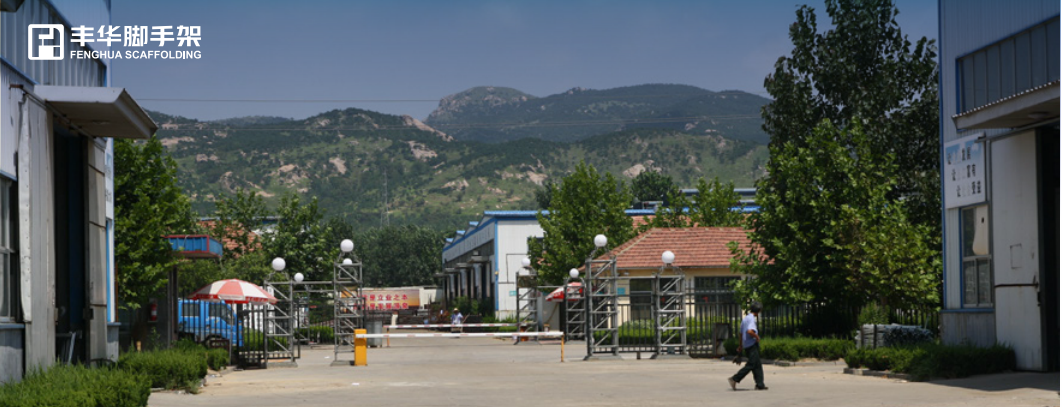
RFH production and manufacturing workshops
RIZHAO FENGHUA SCAFFOLDINGS CO., LTD. (RFH) is a manufacturer and supplier of concrete formwork and scaffolding systems based in Rizhao, Shandong, China. Established in 1953, RFH is recognized as a high-tech enterprise recommended by the Shandong Provincial Government. The factory covers 80,000 square meters, with 260 employees, 20 engineers, and a 40,000-square-meter building area. RFH exports 100% of its production, mainly to the EU, USA, Australia, and South America, and currently sells to more than 126 countries and regions.
RFH’s current sales exceed 1,200 containers, and annual production capacity reaches 200 million tons. The company has over ten production workshops for cold bending, punching, welding, steel casting, electrostatic spraying, and forging. Equipment includes 4 cold bending forming machines, 12 welding robots, 6 automatic welding assembly lines, 1 formwork profile forming assembly line, and 5 semi-automatic forging assembly lines.
Product Breadth Across Formwork Systems
RFH produces 10 types of formworks and more than 80 specifications, including aluminum alloy formwork, steel heavy-duty formwork, light-duty formwork, multi-formwork, column formwork, and adjustable shoring prop. The construction scaffolding series includes Ringlock, Cuplock, Kwikstage, HK, and Frame, along with scaffolding planks, toe boards, couplers, and accessories. This breadth is useful when a buyer wants to consolidate concrete formwork, slab shoring, wall and column formwork, and scaffolding from one supplier.
For wall and column applications, RFH Concrete Formwork FW00A is a representative product. It is available as wall formwork, column formwork, or corner formwork, with an S420 steel frame, a 120×60×2.5 mm profile, and a hot-dip galvanized surface. The permissible concrete pressure is up to 80 kN/m². Standard heights include 3.3 m, 3 m, 2.7 m, 2.4 m, 1.2 m, and 0.6 m. Standard widths include 2.4 m, 1.2 m, 0.9 m, 0.72 m, 0.66 m, 0.62 m, 0.6 m, 0.54 m, 0.5 m, and 0.3 m. Other sizes are available on request. All accessories are fully compatible with the original European TRIO system.
Quality System and Risk Control
Product quality at RFH is controlled in accordance with the ISO9001 quality management system. Welding is controlled according to European standard EN1090, and the company holds 22 relevant certificates, including EN 1065, EN74, and CE. RFH operates mechanical and chemistry test laboratories, which investigate and test purchased raw materials and products during the production process.
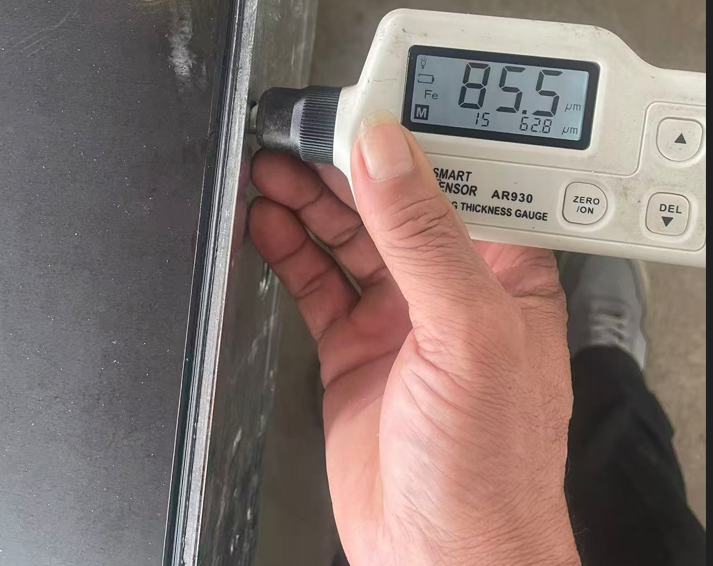
Hot-dip galvanized frames and moisture-resistant plywood reduce formwork defects
RFH uses heavy-duty hot-dip galvanized coating with a minimum thickness of 60–80 µm on all steel frames. The panels use 18 mm high-grade birch plywood coated with 220 g/m² phenolic film or composite PP plastic facing to prevent moisture absorption. Automated robot welding is used to create watertight steel-panel joints. These measures reduce rusting of the steel frame, plywood delamination, poor concrete finish, and the frequency of formwork replacement.
Procurement Support for Execution
For buyers moving from decision to execution, procurement clarity is essential. RFH’s standard terms for concrete formwork include a minimum order quantity of 50 units. Payment is accepted via 30% T/T in advance and 70% T/T before shipment. Delivery can be arranged under FOB Qingdao, CIF, or CFR terms. Buyers can also arrange pre-shipment testing and third-party inspection, such as SGS, before acceptance.
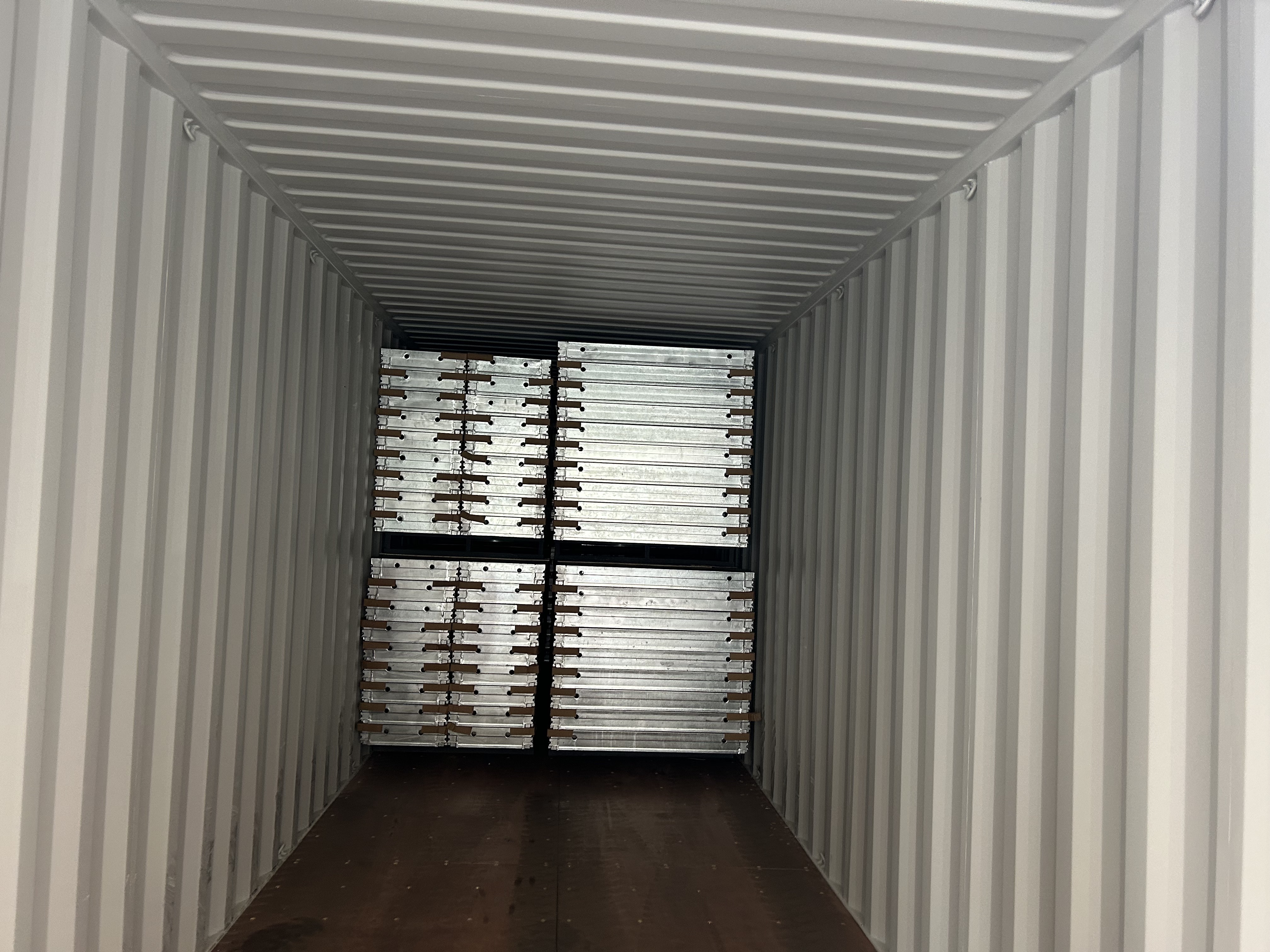
MOQ for concrete formwork: 50 units
Step-by-Step Breakdown: From Supplier Shortlist to Project Execution
Use this framework when you are ready to commit to a long-term concrete formwork supplier. It combines project engineering, supplier quality, and commercial execution into one workflow.
1. Define Load and Cycle Requirements
Start with the concrete pressure the formwork must resist, the pouring speed, the required surface finish, and the number of reuses. For heavy walls, thick foundations, or high-velocity concrete placement, a heavy-duty steel formwork rated up to 80 kN/m² is a safer choice than a light-duty shutter panel.
2. Check Compliance and Certification
Ask the supplier for documented quality and welding standards. RFH controls quality under ISO9001, welds under EN1090, and holds 22 relevant certificates including EN 1065, EN74, and CE. These documents are important because they support consistent performance across multiple orders.
3. Audit Manufacturing and Testing Capability
Visit or verify the factory. RFH’s 80,000-square-meter facility includes over ten workshops and a significant amount of automated equipment: 4 cold bending forming machines, 12 welding robots, 6 automatic welding assembly lines, 1 formwork profile forming assembly line, and 5 semi-automatic forging assembly lines. Mechanical and chemistry laboratories allow in-house testing of materials and finished products.
4. Match Panel Specification to Project
Check steel grade, profile dimensions, surface treatment, and plywood facing. RFH’s concrete metal formwork uses S420 steel, a 120×60×2.5 mm profile, and hot-dip galvanized coating. Dimensional tolerance is kept under 1.0 mm through CNC machining, which reduces alignment problems and wall bulging risks on site.
5. Confirm Commercial Terms
Long-term supply needs predictable payment, delivery, and inspection terms. RFH’s standard commercial terms are clear: 50-unit MOQ, 30% T/T deposit, 70% T/T before shipment, FOB Qingdao / CIF / CFR delivery, and optional third-party inspection before shipment.
6. Plan for Lifecycle and Future Orders
A long-term supplier should support future replacement panels, accessories, and complementary systems. RFH’s range includes formwork accessories, scaffolding systems, adjustable shoring props, and formwork compatible with the European TRIO system. This reduces the risk of starting a new supplier relationship on every project.
Use Cases: Where Long-Term Formwork Partnerships Matter Most
Mega-Infrastructure and Thick Foundation Walls
High-load concrete formwork is critical for thick walls and infrastructure elements. RFH heavy-duty steel formwork supports concrete pressure up to 80 kN/m² and eliminates wall bulging risks. The result is fewer surface defects, less rework, and a fair-faced concrete finish directly out of the form.
Wall and Column Formwork for Commercial Buildings
For wall concrete formwork and column formwork, modular concrete formwork panels with multiple widths give crews flexibility. The FW00A system can be configured for walls, columns, and corners, with standard widths from 0.3 m to 2.4 m and standard heights from 0.6 m to 3.3 m.
Slab Shuttering and Concrete Shuttering Panels
Slab work often needs more than panels. RFH supplies adjustable shoring props, formwork accessories, and scaffolding systems that support slab shuttering and shuttering for slab edges. Consolidating these items with one supplier simplifies logistics and improves component compatibility.
Repetitive High-Rise Projects
Aluminum formwork is a lightweight concrete formwork option that suits repetitive floor layouts. RFH produces aluminum alloy formwork systems, and industry data indicates aluminum systems can support floor cycles as fast as 4–5 days in high-rise construction. This type of speed rewards long-term planning and supplier consistency.
Comparison Table: RFH Heavy-Duty Steel Formwork vs. Low-Cost Panels
The table below compares the documented characteristics of RFH heavy-duty steel formwork with common low-cost, non-galvanized, or manually welded light-duty steel panels.
| Evaluation Factor | RFH Heavy-Duty Steel Formwork | Low-Cost Light-Duty Panels |
|---|---|---|
| Concrete pressure resistance | Up to 80 kN/m² | Typical level around 60 kN/m² |
| Dimensional tolerance | Under 1.0 mm via CNC machining | Often 3.0 mm or more |
| Frame and surface treatment | S420 steel, hot-dip galvanized 60–80 µm | Non-galvanized or manually welded, higher rust risk |
| Plywood / panel facing | 18 mm birch plywood with 220 g/m² phenolic film or composite PP plastic | Standard plywood more vulnerable to moisture absorption and delamination |
| Initial price | Approximately 15–20% premium | Lower upfront cost |
| Lifecycle cost | About 2x longer service life, lower cost per pour | More frequent replacement and higher rework risk |
| On-site finish quality | Reduces bulging, rework, and concrete surface defects | Higher risk of deflection and poor finish |
| Compatibility | Compatible with European TRIO accessories | Proprietary or limited spare part availability |
| Best suited for | Mega-infrastructure, thick foundation walls, high-velocity pouring | Limited, non-critical hand-set work |
Frequently Asked Questions
What certifications should a long-term formwork supplier hold?
RFH operates under the ISO9001 quality management system. Welding is controlled according to European standard EN1090, and the company holds 22 relevant certificates, including EN 1065, EN74, and CE. RFH also runs mechanical and chemistry test laboratories, which allows raw materials and production-stage products to be checked consistently.
Can RFH supply different types of formwork for wall, column, and slab work?
Yes. RFH produces 10 types of formworks with more than 80 specifications, including aluminum alloy formwork, steel heavy-duty and light-duty formwork, multi-formwork, column formwork, and adjustable shoring prop. The product range also includes scaffolding systems such as Ringlock, Cuplock, Kwikstage, HK, and Frame, plus formwork accessories commonly used in wall, column, and slab shuttering applications.
How does RFH heavy-duty steel formwork compare on cost?
RFH heavy-duty steel formwork typically costs about 15–20% more than low-cost panels, but it provides about 2 times longer service life and a lower cost per pour. It supports concrete pressure up to 80 kN/m² and maintains dimensional tolerance under 1.0 mm, which reduces wall bulging, surface rework, and early replacement costs.
How can a buyer validate formwork quality before committing to a large order?
RFH’s standard commercial terms require a minimum order of 50 units for concrete formwork. Before shipment, buyers can arrange pre-shipment testing and third-party inspection, such as SGS. RFH’s catalogue and sales team can also clarify panel configurations, steel profiles, plywood facings, and compatible accessories for a specific project.
What are the commercial and delivery conditions for RFH formwork orders?
RFH sets the MOQ at 50 units. Payment is 30% T/T in advance and 70% T/T before shipment. Delivery can be arranged under FOB Qingdao, CIF, or CFR terms. Current sales exceed 1,200 containers, which reflects the company’s experience with export logistics. For current lead times and a detailed quotation, contact RFH directly with your project requirements.
Conclusion: Choose a Supplier, Not Just a Formwork Product
Long-term concrete formwork supply is about total cost, quality consistency, system compatibility, and reliable execution. A supplier with documented manufacturing scale, recognized compliance, clear risk controls, and stable procurement terms is better positioned to support both current and future projects.
RIZHAO FENGHUA SCAFFOLDINGS CO., LTD. (RFH) is located at No.8 Jinming Road, Jufeng, Rizhao, Shandong, China. The company exports concrete formwork, formwork systems, scaffolding systems, and accessories to construction buyers around the world. If you are evaluating a long-term concrete formwork partner, start with the product specifications, quality documents, and procurement terms that are visible from the supplier’s own records.

RFH factory and formwork production capability
Next step: Download the RFH concrete formwork catalogue to review the product range, specifications, and company profile. For a quotation or procurement discussion, contact the RFH sales team through www.fhformwork.com.