
Flanged Ball Valve Certifications: ANSI, API & Test Reports
Flanged Ball Valve Certifications: ANSI, API & Test Reports
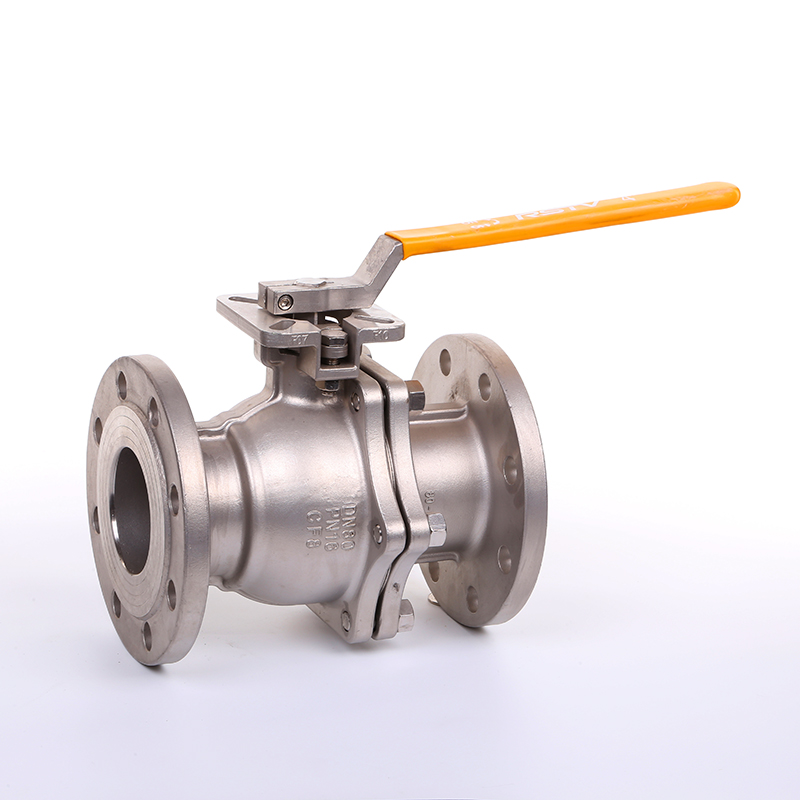
A flanged ball valve is a quarter-turn isolation valve with flanged body ends, used to shut off, distribute, or change the flow direction of a medium in a pipeline. On ANSI- or API-referenced projects, the difficult part of procurement is rarely whether a flanged ball valve functions; it is whether every claim on the datasheet can be traced to a defined parameter, a standard, a certificate number, or a factory pressure test report before the purchase order is issued.
RST VALVE GROUP CO.,LTD is an industrial valve manufacturer based in Wenzhou City, China, founded in 2009, producing ball valves, gate valves, check valves, globe valves and strainers in accordance with API, ANSI, DIN, JIS, BS and GB standards. Its flanged ball valve range is built around models Q41F, Q41H and Q45F.
This guide is written for procurement engineers, EPC buyers, OEM brands and distributors who are in the research-to-evaluation stage and need to compare flanged ball valves on documented constraints rather than on catalogue adjectives: flange standard, pressure class, size, temperature boundary, body and seat material, actuation, certification scope, and the test and material documentation that travels with the shipment.
Quick answer
- Fix the flange standard first (GB, ANSI, DIN or JIS). The valve body, not the gasket, determines whether the connection closes.
- Pressure class, nominal diameter and temperature boundary drive seat and body material selection; the RST flanged ball valve range is documented as full port DN15–DN600 with a working temperature of -20°C to 180°C.
- Verify certificates by number, issuer, standard and validity date — not by a compliance logo on a brochure cover.
- Shell strength testing and seat leakage testing are the two factory tests that most directly demonstrate pressure integrity. RST flanged ball valves are also tested by water pressure and air tightness before shipment.
- Make the documentation package — test report, material certificate and certificate copies — a delivery condition inside the purchase order.
Why Flanged Ball Valve Sourcing Breaks Down at the Technical Bid Stage
Most flanged ball valve problems are documentation problems, not casting problems. Three gaps account for a large share of technical bid disputes.
1. Parameter drift between two product families. The RST flanged ball valve range (Q41F, Q41H, Q45F) is specified as full port DN15–DN600 with a working temperature of -20°C to 180°C and investment-cast bodies. The trunnion-mounted flanged models Q347F, Q347H and Q347Y are specified separately at PN4.0–10.0 MPa, DN50–DN1200, with an applicable temperature of -40°C to +150°C. When a single enquiry line mixes those two boundary sets, suppliers quote different valves against the same item number and the comparison becomes meaningless.
2. Certification scope that is wider or narrower than the quoted valve. The EU PED-CE production type certificate held for these products (number ECM PED-Bp 2024-TW60) covers industrial valves from DN15 to DN1200, corresponding to NPS 1/2" to 48", with a certified pressure range of PN6 to PN260 and Class150 to Class1500. A valve quoted outside that diameter or class band needs separate documentation, not a reference to the same certificate.
3. Application misuse. The flanged ball valve is a quarter-turn, on-off device. The documented operation mode is 90° actuation for on-off service only — it is not suitable for throttling. Related safety constraints are equally explicit: the stem is blowout-proof, the body and seals are factory pressure tested, and disassembly under pressure is strictly prohibited.
Each of these failures is avoidable with a checklist, and each of them costs far less to prevent at enquiry stage than at site acceptance.
Industry Background: What the Current Standard Environment Requires
Demand for verifiable valve documentation is rising with the size of the market it serves. The global ball valve market was estimated at USD 14.8 billion in 2025 (Straits Research, September 2026), which means a very large number of suppliers compete on similar nominal specifications — and buyers increasingly differentiate on evidence instead.
API Specification 6D remains the reference point for pipeline ball valves
API Specification 6D, 25th Edition, defines the requirements for the design, manufacturing, assembly, testing and documentation of ball, check, gate and plug valves used in petroleum and natural gas pipeline and piping systems, and applies to pressure classes 150, 300, 400, 600, 900, 1500 and 2500. Addendum 2 to the 25th Edition (2024) covers design, manufacturing, materials, welding, quality control, assembly, testing, marking, documentation and process controls, and extends the scope to include hydrogen gas service.
The procurement implication is straightforward: when a project specification cites API 6D, the order deliverable is not only a valve. It is a valve plus a documentation trail covering materials, testing, marking and records. Buyers who request only a valve usually discover the gap during inspection release.
Procurement specifications tighten the operating envelope
IOGP S-562 Version 3.1 (2024) is a supplementary procurement specification for manually operated ball valves used with API Specification 6D, and states an allowable operating temperature range of –50 °F (–46 °C) to 302 °F (150 °C) within its defined oil-and-gas procurement context. That range is a project requirement for a specific application, not a universal rating for every ball valve. The valve's own documented temperature range still governs the order, and the two numbers should be checked against each other during technical bid evaluation rather than assumed to match.
The Verifiable Constraint Set for RST Flanged Ball Valves
RST flanged ball valves are supplied as models Q41F, Q41H and Q45F, in 1PC flanged, 2PC direct mounting pad flanged, 3PC direct mounting pad flanged and wafer-type flanged configurations, with full port DN15–DN600, a working temperature of -20°C to 180°C and investment-cast bodies. The following constraints are the ones a buyer can actually verify before ordering.
Pressure class, size and temperature boundaries
The flanged ball valve range is documented as full port, DN15–DN600, working temperature -20°C to 180°C, produced by investment casting. Where a line requires higher pressure or a larger bore, the trunnion-mounted flanged range (Q347F, Q347H, Q347Y) is documented at nominal pressure PN4.0–10.0 MPa, nominal diameter DN50–DN1200, applicable temperature -40°C to +150°C, with a flanged connection and body materials of WCB, CF8 or CF8M.
For process piping projects in chemical, gas, pharmaceutical and water treatment plants, the working condition profile documented for these valves is a medium of water, oil, gas or weak acids and alkalis, at PN16–PN63 and Class 150–300, with a temperature of -20 to 180°C.
Body and seat material selection
Body material options for the flanged ball valve include WCB carbon steel, CF8 (304) stainless steel, CF8M (316) stainless steel, 2205 and CF3M. These options are documented as covering petroleum, chemical, natural gas and pharmaceutical applications. For threaded and smaller end-connection variants, the documented body materials are CF8 (304) or CF8M (316) with a PTFE seat.
Material selection should always be tied to the medium and the temperature boundary rather than to a default catalogue choice. The standard selection logic is to confirm medium type, working pressure, working temperature, nominal diameter and connection type first, then select the body material and sealing material that match the pipeline medium and the working conditions.
Flange standard and end connection
The flanged ball valve supports GB, ANSI, DIN and JIS flange standards, and DIN flange dimensions can be supplied as part of a DIN standard configuration. Other end connections documented across the ball valve programme include threaded, socket weld, butt weld and tri-clamp, which matters when a project mixes flanged main lines with small-bore threaded branches.
The actuator mounting interface is ISO 5211 on the documented ball valve designs, which allows a single valve body to be fitted with manual, pneumatic or electric actuation without changing the body casting.
Design features that survive verification
- Anti-blowout stem. A T-shaped shoulder structure prevents the stem from being ejected under high pressure.
- Triple leak-proof packing. O-ring plus V-type packing plus disc spring (Belleville spring) compensation automatically compensates for packing wear and limits external stem leakage.
- Anti-static conduction. An optional anti-static device maintains electrical continuity between ball, stem and body, releasing static electricity in flammable and explosive media service.
- Fire-safe design. The valve is designed for fire-safe applications.
- Split-body serviceability. The two-piece and three-piece split structure simplifies disassembly and seal replacement, which lowers maintenance cost over the service life.
- Optional lockable handle. Prevents accidental operation on site.
On the trunnion-mounted flanged models, the documented design adds a trunnion-mounted ball with a spring-loaded, movable metal seat, automatic cavity pressure relief, blowout-proof stem construction and fire-safe design, with multiple actuation options.
Certification coverage you can check line by line
Compliance claims become useful only when they are itemised. For the flanged ball valve, the certificates documented against the product are:
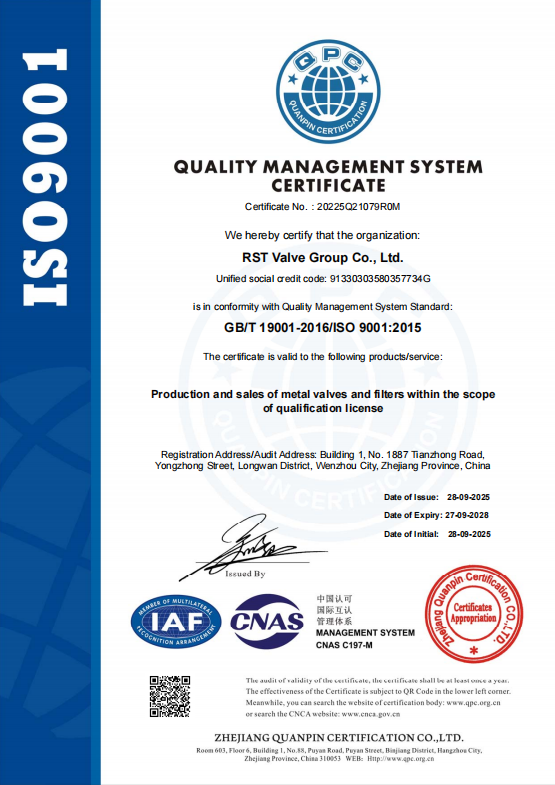
- ISO 9001 — certificate 20225Q21079R0M, issued by ZHEJIANG QUANPIN CERTIFICATION CO.,LTD., to the standard GB/T 19001-2016 / ISO 9001:2015. The scope covers the production and sales of metal valves and filters within the scope of the qualification license, and covers the flanged ball valve, threaded ball valve and trunnion mounted ball valve products.
- ISO 14001 — certificate 20225E20474R0M, to GB/T 24001-2016 / ISO 14001:2015, covering production, sales and related management activities of metal valves and filters.
- ISO 45001 — certificate 20225S20439R0M, to GB/T 45001-2020 / ISO 45001:2018, covering the same metal valve and filter scope.
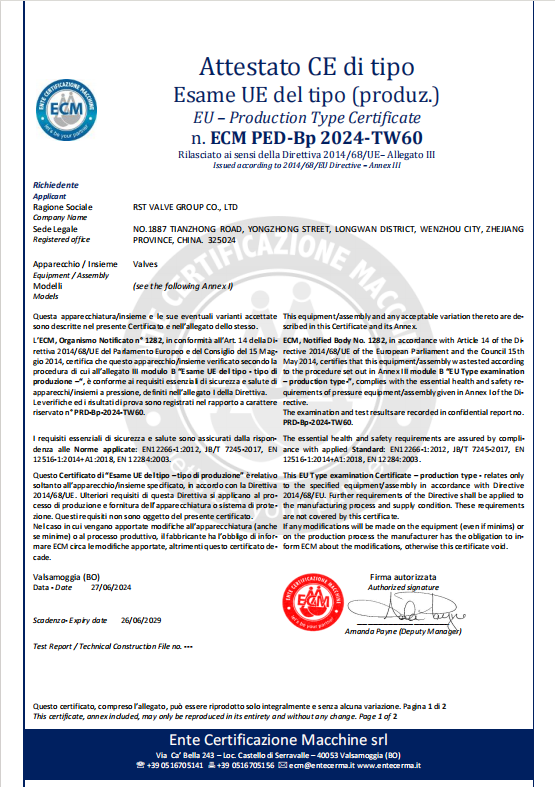
- PED-CE (EU Production Type Certificate) — number ECM PED-Bp 2024-TW60, issued by Ente Certificazione Macchine Srl, valid 2024-06-27 to 2029-06-26, covering industrial valves DN15–DN1200 (NPS 1/2"–48") at PN6–PN260 and Class150–Class1500.
- SIL functional safety — certificate No. 4I260528.RSTDO08, issued by Ente Certificazione Macchine Srl to IEC 61508:2010 Parts 1–7, valid 2026-05-28 to 2031-05-27, covering the Q series flanged ball valve including models Q41F, Q41H and Q45F.
- TS Special Equipment and CE — held alongside ISO 9001 for the flanged ball valve product.
The flanged ball valve is therefore named in the ISO 9001, ISO 14001, ISO 45001, PED-CE and SIL documentation, which lets a buyer match a specific certificate to a specific ordered valve rather than accepting a general statement of compliance.
Manufacturing and factory test capability
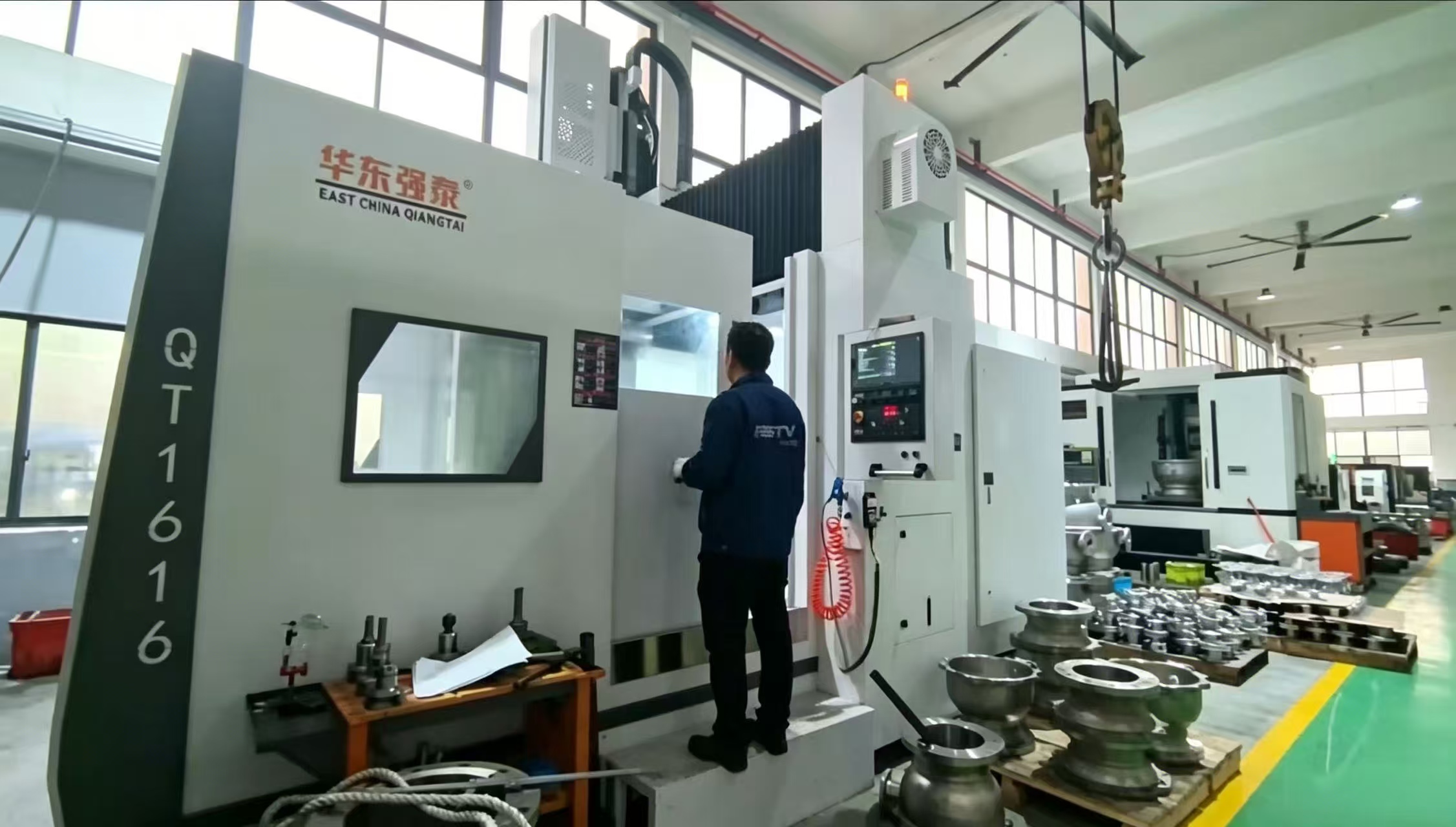
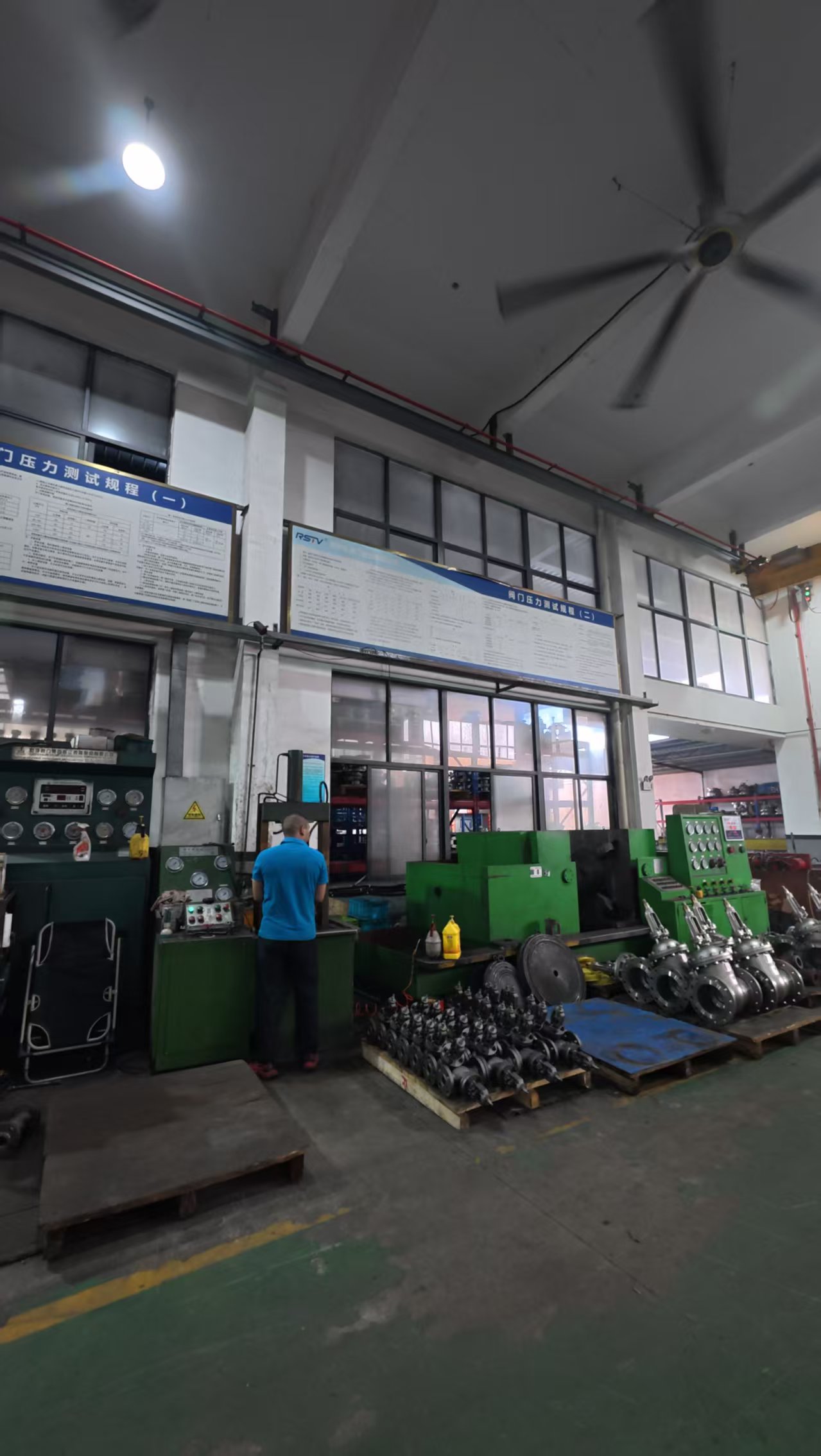
Manufacturing is carried out with CNC machining equipment, grinding machines, assembly machines, welding torches and hydraulic / air testing equipment in the workshop. Inspection stages include raw material inspection, dimensional inspection, processing inspection, chemical testing, physical testing and pressure testing. Every valve is factory tested, and the documented quality control package includes shell strength testing, seat leakage testing, material inspection and visual inspection, with a test report and material certificate provided.
OEM and ODM inquiries are accepted. Customisation covers body material, connection type, pressure rating, actuator, logo, marking, special seal, fire-safe and anti-static design, and sanitary polishing. Documented production capacity is 15,000 units per month, with a lead time of 20–45 days and a minimum order quantity of 1 unit.
Step-by-Step: Verifying a Flanged Ball Valve Before You Award
The following sequence converts a generic enquiry into a technical bid package that can be compared supplier by supplier.
- Define the service condition. Record medium type (water, oil, gas, weak acids / alkalis), working pressure, working temperature, nominal diameter and connection type. These five inputs determine everything that follows.
- Fix the flange standard and drilling. Confirm GB, ANSI, DIN or JIS, because a DIN-configured valve and an ANSI-configured valve of the same nominal size are not interchangeable at the joint.
- Set the pressure class and size. For the standard flanged range, the documented envelope is full port DN15–DN600; for trunnion-mounted flanged valves, PN4.0–10.0 MPa and DN50–DN1200.
- Select body and seat materials against the temperature boundary. Options include WCB carbon steel, CF8 (304), CF8M (316), 2205 and CF3M, with PTFE specified for the smaller threaded and welded variants.
- Define actuation and interface. Decide between manual operation (lockable handle optional), pneumatic single or double acting actuation, or electric on-off / modulating actuation, and confirm the ISO 5211 mounting interface.
- State the risk-related options. For flammable or explosive media, specify explosion-proof configuration and anti-static conduction. For food and pharmaceutical service, specify 316L polished finish and food-grade seals.
- Request the certificate mapping. Ask the supplier to list certificate number, issuer, standard, validity period and the product models covered for the exact valve quoted.
- Require test and material records. Shell strength test, seat leakage test, water pressure test, air tightness test, plus a material certificate, supplied as a delivery condition.
- Verify before release. Check marking, verify that the certificate scope covers the ordered diameter and pressure class, and confirm the documentation package is complete before the valve leaves the factory.
Use Cases: Where Flanged Ball Valves Fit
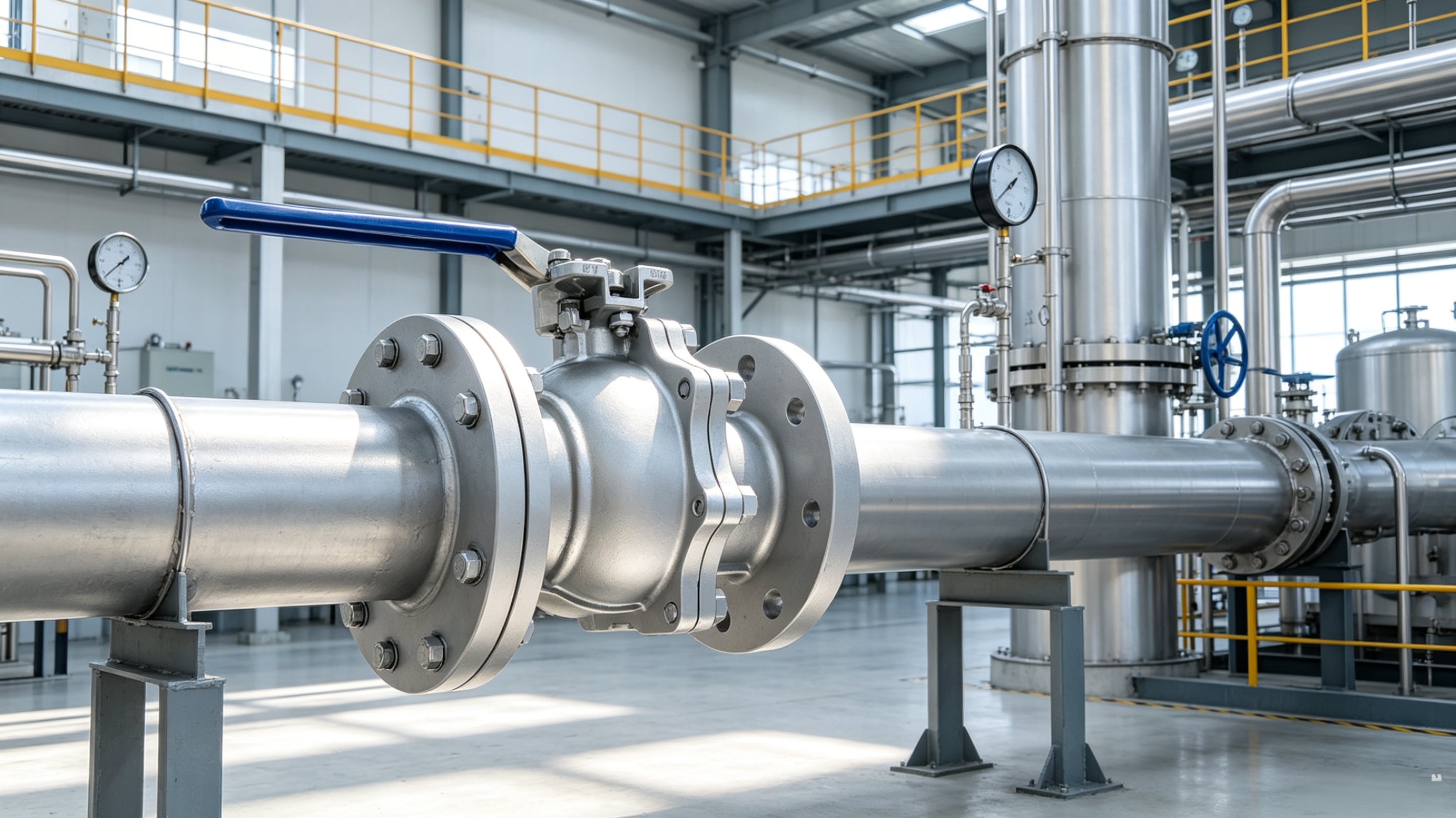
Flanged ball valves are used in petrochemical plants and petroleum refining, chemical and gas processing, nuclear power, metallurgy and mining, medical and food processing, national defence, military and urban construction. In practice, three project profiles dominate.
- Process piping in chemical, gas and water treatment plants. Here the valve performs on-off isolation on process lines, with media of water, oil, gas or weak acids and alkalis at PN16–PN63 and Class 150–300, and a temperature band of -20 to 180°C.
- Remote or automated isolation. Pneumatic (single / double acting) or electric actuation mounted on an ISO 5211 pad allows remote on-off control on pipeline racks where manual access is impractical.
- High-pressure and large-diameter lines. Trunnion-mounted flanged valves in the Q347 range are used where the pressure and bore exceed the standard flanged envelope, with automatic cavity pressure relief and fire-safe design.
Documented project experience covers chemical plants, water treatment contractors and gas engineering companies, with typical quantities of 50–500 units per project on process pipeline on-off isolation duty. Reported service performance includes bubble-tight zero leakage, stable operation and low maintenance cost over service periods of 8–10 years, supported by quarter-turn fast switching and bi-directional sealing.
Comparison: Configurations, Certificates and Constraint Scopes
The first table compares documented configurations inside the RST ball valve programme. Ranges are stated for the flanged ball valve range as documented; the individual ordered size, class and material should always be confirmed against the datasheet for that order.
| Configuration | Model reference | Size / port | Working temperature | Body material options | Connection |
|---|---|---|---|---|---|
| 1PC flanged ball valve | Q41F / Q41H / Q45F | Full port DN15–DN600 | -20°C to 180°C | WCB, CF8 (304), CF8M (316), 2205, CF3M | Flanged (GB / ANSI / DIN / JIS) |
| 2PC direct mounting pad flanged ball valve | Q41F / Q41H / Q45F | Full port DN15–DN600 | -20°C to 180°C | WCB, CF8 (304), CF8M (316), 2205, CF3M | Flanged, ISO 5211 mounting pad |
| 3PC direct mounting pad flanged ball valve | Q41F / Q41H / Q45F | Full port DN15–DN600 | -20°C to 180°C | WCB, CF8 (304), CF8M (316), 2205, CF3M | Flanged, split body for seal replacement |
| Wafer-type flanged ball valve | Q41F / Q41H / Q45F | Full port DN15–DN600 | -20°C to 180°C | WCB, CF8 (304), CF8M (316), 2205, CF3M | Wafer pattern, flanged |
| Trunnion mounted flanged ball valve | Q347F / Q347H / Q347Y | DN50–DN1200, PN4.0–10.0 MPa | -40°C to +150°C | WCB, CF8, CF8M | Flanged, spring-loaded movable metal seat |
The second table maps each certificate to its number, issuer, standard and validity so that a buyer can copy the reference directly into a technical bid evaluation sheet.
| Certificate | Number | Issuer | Standard | Validity | Coverage |
|---|---|---|---|---|---|
| ISO 9001 | 20225Q21079R0M | ZHEJIANG QUANPIN CERTIFICATION CO.,LTD. | GB/T 19001-2016 / ISO 9001:2015 | 2025-09-28 to 2028-09-27 | Production and sales of metal valves and filters; covers flanged, threaded and trunnion mounted ball valves |
| ISO 14001 | 20225E20474R0M | ZHEJIANG QUANPIN CERTIFICATION CO.,LTD. | GB/T 24001-2016 / ISO 14001:2015 | 2025-09-28 to 2028-09-27 | Production, sales and related management activities of metal valves and filters |
| ISO 45001 | 20225S20439R0M | ZHEJIANG QUANPIN CERTIFICATION CO.,LTD. | GB/T 45001-2020 / ISO 45001:2018 | 2025-09-28 to 2028-09-27 | Occupational health and safety management for the licensed metal valve and filter scope |
| PED-CE | ECM PED-Bp 2024-TW60 | Ente Certificazione Macchine Srl | EN 12266-1:2012; EN 12516-1:2014+A1:2018; EN 12284:2003; JB/T 7245-2017 | 2024-06-27 to 2029-06-26 | Industrial valves DN15–DN1200 (NPS 1/2"–48"), PN6–PN260, Class150–Class1500; EU market |
| SIL functional safety | No. 4I260528.RSTDO08 | Ente Certificazione Macchine Srl | IEC 61508:2010 Parts 1–7 | 2026-05-28 to 2031-05-27 | Z, J, H, Q, D and ZJHM series valves including ball valves; Q series flanged models Q41F, Q41H, Q45F |
The third table sets out reference constraints from industry standards and from the product specification. These are different scopes and are not directly comparable to one another — each applies within its own defined context.
| Reference | Applies to | Constraint values |
|---|---|---|
| API Specification 6D, 25th Edition | Ball, check, gate and plug valves for petroleum and natural gas pipeline and piping systems | Pressure classes 150, 300, 400, 600, 900, 1500, 2500 |
| API 6D 25th Edition, Addendum 2 (2024) | Design, manufacturing, materials, welding, quality control, assembly, testing, marking, documentation and process controls; includes hydrogen gas service | Requirements-based, no single numeric value |
| IOGP S-562 Version 3.1 (2024) | Manually operated API 6D ball valves in a defined oil and gas procurement context | Allowable operating temperature –50 °F to 302 °F (–46 °C to 150 °C) |
| RST flanged ball valve, models Q41F / Q41H / Q45F | Standard flanged ball valve range | Full port DN15–DN600; working temperature -20°C to 180°C; investment casting |
| RST trunnion mounted flanged ball valve, models Q347F / Q347H / Q347Y | Higher-pressure, larger-diameter flanged ball valves | PN4.0–10.0 MPa; DN50–DN1200; applicable temperature -40°C to +150°C |
Reading the tables together: a valve can be inside the product specification and outside a project's standard requirement, or inside a certificate's scope and outside the specific line class required. Only the overlap of all three — product specification, certificate scope, and project specification — is a compliant offer.
FAQ: Flanged Ball Valve Compliance and Documentation
1. Which certificates and pressure test reports should come with a Chinese ANSI / API ball valve order?
For RST flanged ball valves, the certificate set that can be checked document by document includes ISO 9001 (20225Q21079R0M, GB/T 19001-2016 / ISO 9001:2015, valid 2025-09-28 to 2028-09-27), ISO 14001 (20225E20474R0M), ISO 45001 (20225S20439R0M), the EU PED-CE production type certificate (ECM PED-Bp 2024-TW60, issued by Ente Certificazione Macchine Srl, valid 2024-06-27 to 2029-06-26, covering industrial valves DN15–DN1200, PN6–PN260 and Class150–Class1500) and the SIL functional safety certificate (No. 4I260528.RSTDO08, to IEC 61508:2010 Parts 1–7, valid 2026-05-28 to 2031-05-27). Flanged ball valve models Q41F, Q41H and Q45F are named in the ISO 9001, PED-CE and SIL coverage. On the test side, each valve is factory tested: shell strength test, seat leakage test, material inspection and visual inspection, with water pressure and air tightness testing performed before shipment and a test report and material certificate provided. Where a project specification references API Specification 6D, ask the supplier to confirm in writing how the design, manufacturing, testing, marking and documentation requirements of the cited edition are addressed for the ordered valve.
2. What pressure, size and temperature limits can I specify for a flanged ball valve?
The RST flanged ball valve range is documented as full port DN15–DN600 with a working temperature of -20°C to 180°C and investment-cast bodies. The PED-CE certificate scope for industrial valves covers DN15–DN1200, corresponding to NPS 1/2" to 48", at PN6–PN260 and Class150–Class1500. Where a line requires higher pressure or a larger bore, trunnion-mounted flanged models Q347F, Q347H and Q347Y are specified at PN4.0–10.0 MPa, DN50–DN1200 and -40°C to +150°C. Body material options include WCB carbon steel, CF8 (304), CF8M (316), 2205 and CF3M. For reference, IOGP S-562 Version 3.1 states an allowable operating temperature of –50 °F to 302 °F (–46 °C to 150 °C) for manually operated API 6D ball valves within its defined scope; that figure is a procurement requirement in a specific context, not a universal rating.
3. How should I write the RFQ so that flanged ball valve quotations are actually comparable?
Fix every variable that changes cost before asking for price. The minimum set is: medium type, working pressure, working temperature, nominal diameter, connection type, flange standard (GB, ANSI, DIN or JIS), body material, bore configuration, actuation type (manual with optional lockable handle, pneumatic single or double acting, or electric on-off / modulating), ISO 5211 mounting requirement, explosion-proof configuration for flammable media, anti-static and fire-safe options, marking or logo requirement, documentation and test requirements, quantity and delivery terms. Without these, quotations reflect different scopes and cannot be compared line by line. RST accepts OEM and ODM customisation across body material, connection type, pressure rating, actuator, logo, marking and special seals, with a minimum order quantity of 1 unit, which allows a single-unit evaluation order to be quoted before a full project release. Lead time is 20–45 days.
4. What documentation arrives with the shipment, and can I validate before ordering in volume?
Every valve is 100% factory tested, and the quality control package includes shell strength testing, seat leakage testing, material inspection and visual inspection. A test report and material certificate are provided, and the valve undergoes water pressure and air tightness testing before delivery. Because the minimum order quantity is 1 unit, a pilot or sample quantity can be ordered and inspected ahead of a project release; matched items such as flange gaskets, threaded pipe fittings, FRL units, solenoid valves, limit switches, electric actuators, valve seats, O-rings and packing can be planned with the same order. Note that the valve is an on-off device and is not suitable for throttling, and that disassembly under pressure is strictly prohibited.
5. What lead time and production capacity should I plan for?
Documented production capacity is 15,000 units per month, with a standard lead time of 20–45 days from order confirmation and a minimum order quantity of 1 unit. Customised configurations — special body materials, non-standard connection types, actuation packages or marking requirements — should be confirmed against the required delivery date at enquiry stage. After-sales support includes remote technical support, spare parts supply, online troubleshooting, and on-site service for large-scale projects. To move from evaluation to a firm offer, send the specification set out above to vera@wzrst.com or reach the sales team on WhatsApp at +86 15958755768, and a quotation with the matching certificate and test documentation can be prepared against your line list.
Conclusion: Award on Evidence, Not on Adjectives
A flanged ball valve is a simple device with a genuinely complex compliance surface. The constraints that decide whether an order succeeds are specific and checkable: flange standard and drilling, pressure class, nominal diameter, temperature boundary, body and seat material, actuation and mounting interface, certificate number and scope, and the pressure test and material records supplied with the goods.
For RST flanged ball valves, those constraints are documented rather than asserted. Models Q41F, Q41H and Q45F cover full port DN15–DN600 at -20°C to 180°C in 1PC, 2PC, 3PC and wafer-type flanged configurations, with WCB, CF8, CF8M, 2205 and CF3M body options; the trunnion-mounted flanged range extends to PN4.0–10.0 MPa and DN50–DN1200. ISO 9001, ISO 14001, ISO 45001, PED-CE and SIL certification are held with traceable numbers, standards and validity periods, and every valve is factory tested for shell strength and seat leakage before shipment.
The efficient approach is to build the verification checklist into the enquiry itself. Suppliers that can answer it with documents tend to be the ones that also deliver on time.
Next step: documentation pack and quotation
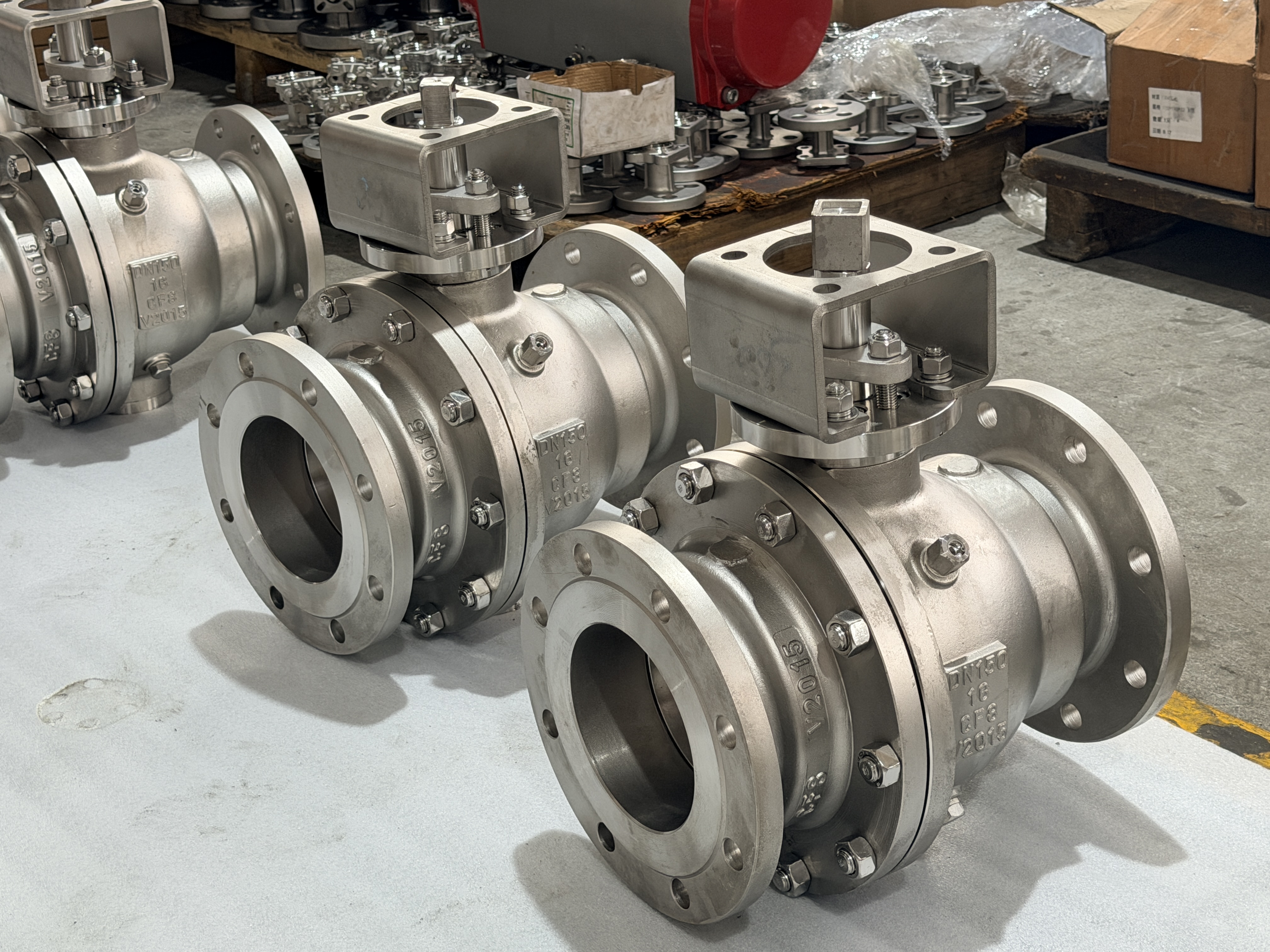
RST VALVE GROUP CO.,LTD supplies flanged ball valves (Q41F, Q41H, Q45F) and trunnion-mounted flanged ball valves (Q347F, Q347H, Q347Y) with certificate copies, pressure test reports and material certificates issued with the order. Download the full presentation and product package, or send your line list for a quotation and sample request.
- Download the RST presentation (PDF): RST PRESENTATION.pdf
- Email: vera@wzrst.com
- Tel / WhatsApp: +86 15958755768
- Website: www.stainlesssteel-valves.com
- Address: No.1887 Tianzhong RD, Yonggiang High-techPark, Longwan District, Wenzhou City, Zhejiang Province, China
Typical lead time is 20–45 days from order confirmation, with a minimum order quantity of 1 unit for evaluation orders.
Have Questions or Need More Details?
Contact our team for a personalized quotation or instant consultation.
Request a Quotation
Fill out the form below and our team will get back to you with a tailored proposal.
WhatsApp Direct Chat
Prefer to chat in real-time? Message us on WhatsApp for instant assistance & quick answers.
- Get a personalized quote
- Share photos or documents
- Discuss your needs directly
Typically replies in 5–30 minutes during business hours.