Choosing Sports Nutrition Custom Packaging: Match Product, Market & Supplier
Choosing Sports Nutrition Custom Packaging: Match Product, Market & Supplier
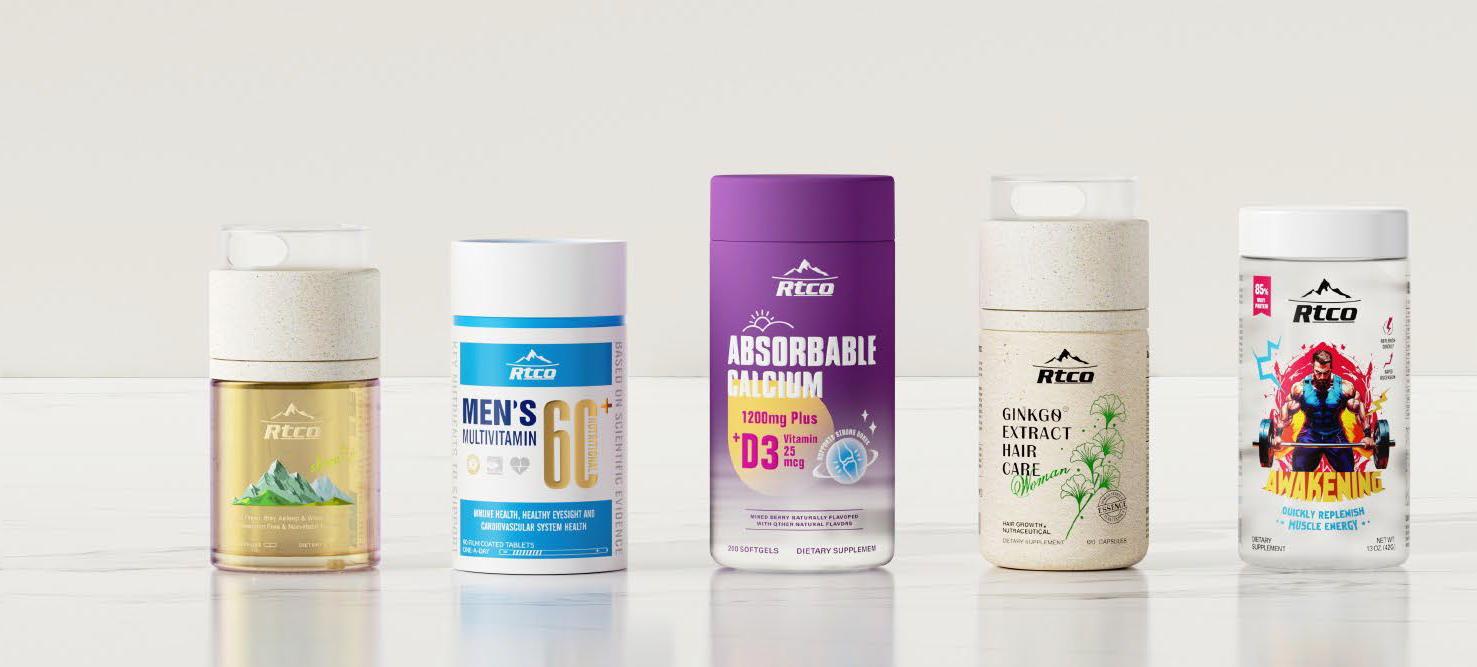
Choosing the right sports nutrition custom packaging is rarely about picking the most attractive bottle. It is about matching three variables at the same time: the physical form of your product, the regulatory expectations of your target market, and the engineering capability of your packaging supplier. A powder, a capsule, a gummy and a liquid all create different demands for sealing, dosing, moisture protection and shelf presence. A product aimed at North America may face FDA cGMP expectations, while an EU launch must consider the new Packaging and Packaging Waste Regulation (PPWR) targets for recyclability and recycled content. This article provides a practical framework for matching packaging to project scenarios before you commit a supplier.
The project-scenario approach is especially important in a market where plastic remains the dominant packaging material. Grand View Research reports that plastic holds about 73.8% of the supplement packaging market in 2025, and the broader nutraceutical packaging market was valued at around USD 5.05 billion in 2024. With protein powder packaging alone projected to grow toward USD 44.52 billion by 2035, the number of new product launches and private-label programs continues to rise. More launches mean more packaging decisions—and more opportunities to get the match wrong.
Why Sports Nutrition Brands Struggle to Match Packaging to Their Project
Sports nutrition brands face a set of conflicting pressures when selecting packaging. First, product formats vary widely. Protein powders require wide-mouth jars that accept a measuring scoop and protect against moisture. Capsules and tablets need tight sealing and oxidation protection. Gummies benefit from flip-cap bottles that make dispensing easy. Liquids require leak-proof PET containers. Each format also needs to be compatible with filling lines, which means the bottle mouth, cap size, and closure design must be specified precisely.
Second, target-market rules are becoming more demanding. In the United States, FDA 21 CFR Part 111 sets mandatory Current Good Manufacturing Practice requirements for the manufacturing, packaging, and labeling of dietary supplements. In the European Union, the Packaging and Packaging Waste Regulation (EU) 2025/40 requires that all packaging be recyclable by 2030 and that plastic packaging contain at least 30% recycled content by 2030. These requirements affect both material selection and packaging structure.
Third, supply chain fragmentation creates risk. When a brand buys bottles from one supplier, caps from another, scoops from a third, and surface treatment from a fourth, quality control becomes difficult, lead times increase, and accountability is unclear. Many brands need a partner that can coordinate design, mold development, production and fulfillment in one workflow.
Finally, cost pressure is real. New brands may not be able to commit to large volumes, yet many suppliers have high MOQs. Without flexible pilot order programs, validating a product becomes expensive. These problems are why project-scenario fit—not just product aesthetics—should drive the buying decision.
Packaging Market Signals and Regulatory Context
The global nutraceutical packaging market was valued at USD 5.05 billion in 2024, with plastic segments accounting for 58.3% of revenue, according to Grand View Research. Plastic is also the dominant material in supplement packaging, with approximately 73.8% market share in 2025. The protein powder packaging segment is projected to reach USD 44.52 billion by 2035, growing at a CAGR of 5.01% from 2026, according to Future Market Insights. This growth reflects the continued expansion of sports nutrition, functional foods and dietary supplements.
Regulation is equally dynamic. FDA 21 CFR Part 111 establishes cGMP for dietary supplement manufacturers, including requirements for packaging and labeling. The EU PPWR 2025/40 introduces mandatory recyclability by 2030 and a minimum 30% PCR content in plastic packaging by 2030. ISO 15378:2017 specifies a quality management system for primary packaging materials for medicinal and nutraceutical products, integrating GMP principles. Brands that plan for these rules early reduce the risk of rework and market-entry delays.
Large global packaging suppliers such as Berry Global, Amcor and TricorBraun operate in this space, but project fit depends less on supplier size and more on whether the supplier can deliver the precise container, finish, closure, compliance support and logistics your product needs. That is why an integrated, scenario-based evaluation is useful.
RTCO’s Integrated Packaging Model for Sports Nutrition Projects
For brands looking for a turnkey packaging partner, RTCO (The RTCO PAK PTE. LTD.) combines in-house design, mold development, scalable production and US fulfillment in a single workflow. RTCO was founded in 2007 and operates a 68,000 m² facility with 200 employees and an annual output of 1,000,000,000 units. A team of 40 engineers supports design and mold development. Approximately 97% of production is exported, with primary focus on North America while serving global brands. RTCO’s US factory is now operational, with warehouses in Georgia (Savannah) and California (Chino), providing localized support and faster response.
The product range covers plastic containers (HDPE and PET), scoops, caps and closures, liners, accessories, and surface finishes such as vacuum metallization and soft-touch coatings. For bottles, fill capacity ranges from 60ml to 6000ml, body diameters from 40 to 200mm, and heights from 60 to 325mm. Caps range from 20 to 200mm in diameter and 10 to 40mm in height. Scoops measure from 0.3cc to 8oz. This range allows brands to match packaging dimensions to dosing requirements.
Customization options include materials, bottle shape, capacity, colors, surface finishes, engraved logos, closures, scoops, structural engineering and rapid custom mold development. Food-grade HDPE, PET and PP are available, with optional PCR materials to support sustainability targets. RTCO’s production capacity is 80,000,000 units per month.
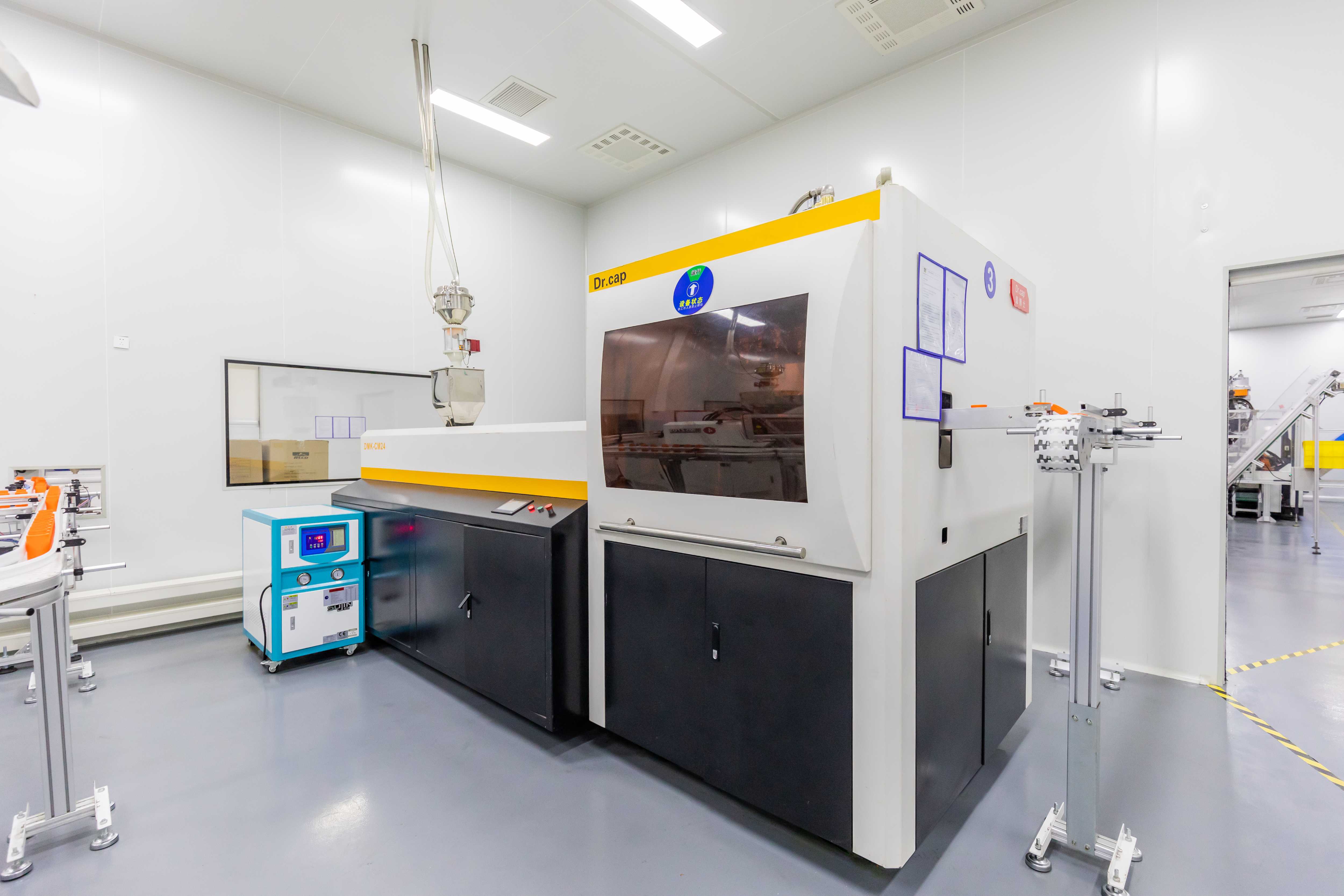
Quality control includes dust-free manufacturing, third-party testing support, pre-shipment inspections and food-grade testing processes. Typical MOQs range from 10,000 to 30,000 units per SKU, and first trial orders below standard MOQ are supported to help customers validate new products. Lead time is typically 30–45 days, based on a “Three-One Service” model: 1 day for design, about 1 month for tooling, and about 1 week for production. Actual lead times depend on project complexity and available capacity.
This model matters for project fit. A brand that needs a new bottle design, a custom cap, a measuring scoop and a final soft-touch finish can work with one team from feasibility to pilot, rather than coordinating multiple vendors.
A Step-by-Step Framework for Matching Packaging to Your Project
Step 1: Define your product form and functional needs
Start by identifying whether your product is a powder, capsule, tablet, gummy, or liquid. Each form creates distinct requirements. For powders, prioritize a wide-mouth opening, a measuring scoop, and moisture protection. For capsules and tablets, focus on sealing and oxidation protection. For gummies, choose a flip-cap design that makes dispensing ergonomic. For liquids, look for dependable closure sealing.
Step 2: Map target-market compliance requirements
Determine where the product will be sold. If the United States is a target, ensure your packaging program supports FDA dietary supplement cGMP expectations under 21 CFR Part 111. If the European Union is a target, plan for PPWR 2025/40 recyclability and PCR content obligations. Ask suppliers whether food-grade HDPE, PET and PP are available and whether PCR material options exist.
Step 3: Select the primary container family and capacity
Match the bottle to the dosing size and fill weight. RTCO’s product line offers capacities from 60ml to 6000ml, body diameters from 40 to 200mm, and heights from 60 to 325mm. A protein powder brand might choose a wide-mouth jar for easy scoop access, while a capsule brand may prefer a narrower bottle for efficient packing.

Step 4: Match closures, scoops and liners
Closures must match the bottle neck and filling line. Cap diameters in RTCO’s range are 20 to 200mm, heights 10 to 40mm. Measuring scoops are available from 0.3cc to 8oz. Flip-cap scoop bottles combine closure and scoop in one design, reducing the number of components and improving user convenience.
Step 5: Choose the finish and decoration strategy
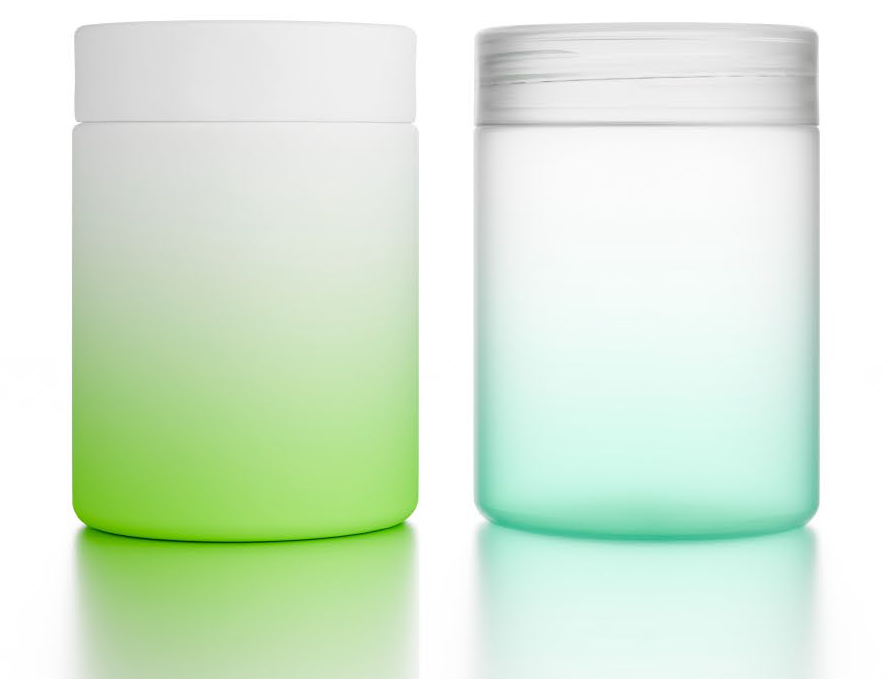
Surface finishes affect both shelf presence and tactile experience. RTCO supports vacuum metallization, soft-touch coatings, UV coating, silk-screen printing, 3D printing and labeling. A soft-touch coating can make a premium supplement feel more elegant; a chromed finish can create a striking visual. These decisions should be matched to your brand position and target market.
Step 6: Verify engineering, mold and production capability
Check whether the supplier can handle custom structural design and rapid mold development. RTCO operates with an in-house design and mold development mode integrated with scalable production. This shortens development time and protects your design intent. Confirm monthly capacity—RTCO’s is 80,000,000 units—and quality control systems such as dust-free manufacturing and third-party testing.
Step 7: Confirm MOQ, lead time and fulfillment logistics
Evaluate whether the MOQ fits your launch plan. RTCO’s standard MOQ is 10,000 to 30,000 units per SKU, with support for first trial orders below standard MOQ. Lead time is typically 30–45 days. Also review logistics: RTCO provides US manufacturing and fulfillment with warehouses in Georgia and California, which can reduce delivery cycles for North American brands.
Common Project Scenarios and How Packaging Should Be Matched
Scenario 1: Protein powder brand entering North America
A brand launching a whey protein powder in the US market needs a wide-mouth jar that can hold a scoop, a secure cap, and a food-grade material that supports moisture protection. The recommended packaging type is a wide-mouth protein powder jar in HDPE or PET, with a capacity matched to the serving size. Adding a soft-touch or chromed finish can elevate shelf presence. Because the brand is targeting North America, US-based inventory can cut delivery time.
Scenario 2: Capsule and tablet line targeting the EU
An EU launch must consider PPWR recyclability and PCR content targets. A capsule and tablet bottle made from food-grade HDPE, PET or PP with optional PCR is a logical starting point. The bottle should provide good sealing and oxidation protection for sensitive ingredients. Working with a supplier that offers PCR options and consistent quality standards helps the brand prepare for regulatory expectations.
Scenario 3: Gummy brand looking for shelf differentiation
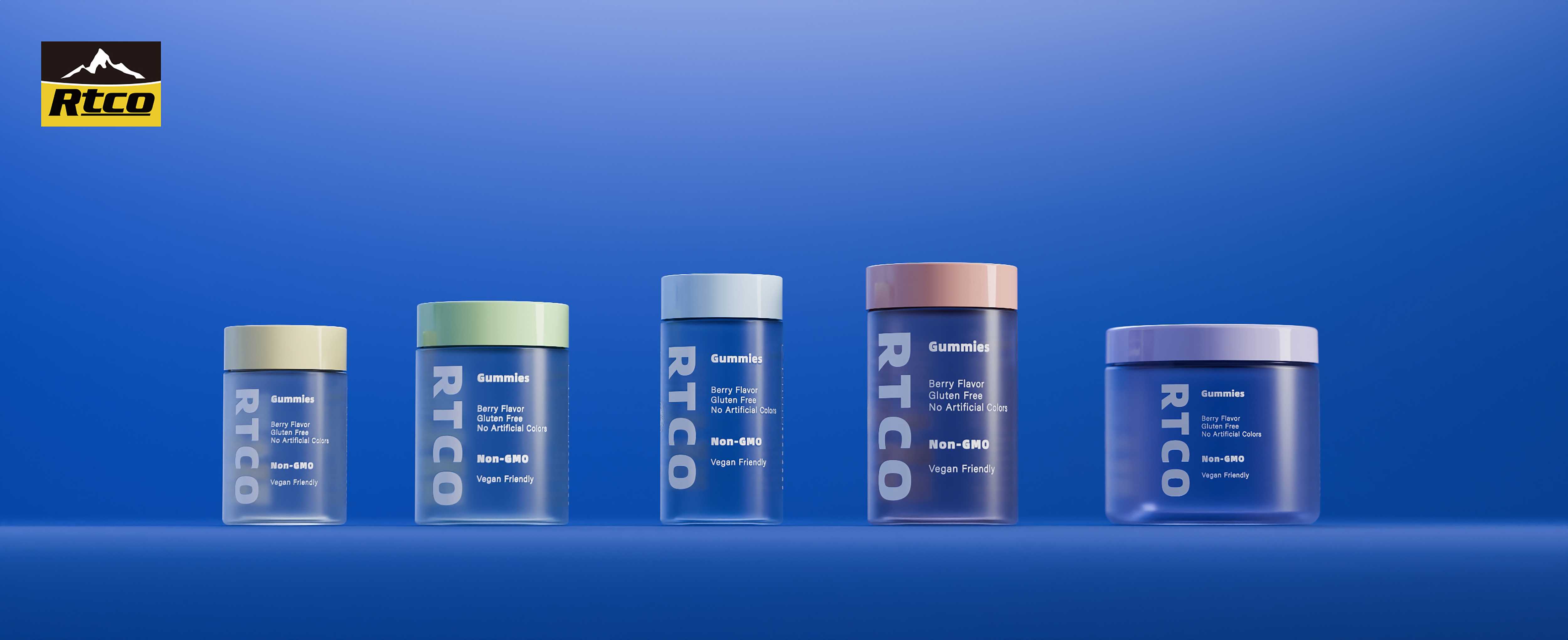
Gummies are a growing category in sports nutrition. A flip-cap scoop bottle gives consumers a convenient way to dispense a serving. The same bottle can be enhanced with a gradient soft-touch finish or a chromed cap to create a premium look. This combination is practical and visually distinct, supporting both function and brand recognition.
Scenario 4: Private-label startup with limited first order
A startup private-label brand often lacks the volume to meet large MOQs. Choosing a supplier that supports first trial orders below standard MOQ and sample development can make the difference between launching and waiting. RTCO’s end-to-end workflow includes sample development, tooling, pilot production and mass production, and its standard MOQ of 10,000–30,000 units per SKU is designed for growth-stage brands.
Recommended Packaging Type by Product Form
| Product Form | Recommended RTCO Packaging Type | Capacity / Dimension Range | Key Considerations |
|---|---|---|---|
| Protein powder | Wide-Mouth Protein Powder Jar | Bottle: 60ml–6000ml; Body diameter 40–200mm; Height 60–325mm | Wide mouth for scoop access; compatible with measuring scoops; moisture-proof and anti-oxidation performance |
| Pre-workout / BCAA (powder or liquid) | Pre-Workout / BCAA Bottle | Same bottle range | Compatible with custom closures and scoops; supports PCR material options |
| Multi-ingredient or separated doses | Dual-Chamber Supplement Bottle | Same bottle range | Dual-chamber structure for separating ingredients before dosing |
| Capsules / tablets | Capsule & Tablet Bottle | Same bottle range | Good sealing, moisture-proof and anti-oxidation; compatible with liners |
| Gummies / soft chews | Flip-Cap Scoop Bottle | Same bottle range | Flip-cap design for convenient dispensing; can combine with soft-touch or chromed finishes |
Material options across the range: food-grade HDPE, PET and PP; optional PCR; specialty surface finishes.
Frequently Asked Questions
Are RTCO custom packaging materials compliant with FDA and EU regulations for sports nutrition supplements?
RTCO’s supplement packaging is produced from food-grade HDPE, PET and PP, with optional PCR materials, and is designed to comply with FDA and EU food safety standards. For US products, FDA 21 CFR Part 111 sets cGMP requirements for the manufacturing, packaging and labeling of dietary supplements, so brands should verify their total packaging and labeling process. For EU products, the Packaging and Packaging Waste Regulation (EU) 2025/40 requires packaging to be recyclable by 2030 and plastic packaging to contain at least 30% recycled content by 2030; RTCO’s PCR material options can help brands move in that direction.
What customization capabilities are available for custom sports nutrition packaging?
RTCO supports complete customization of materials, bottle shape, capacity, colors, surface finishes, engraved logos, closures, scoops and structural engineering. Its in-house design and mold development mode integrates with scalable production and US fulfillment, covering from sample development to mass production. Available decorations include soft-touch coating, UV coating, silk-screen printing, 3D printing, labeling and vacuum metallization.
What are the MOQ requirements and can new brands start with a smaller first order?
Typical MOQs are 10,000 to 30,000 units per SKU. RTCO supports first trial orders below the standard MOQ so customers can validate new products before committing to larger volumes. This is particularly useful for private-label launches and pilot projects.
Can I request samples before placing a production order?
RTCO supports OEM/ODM/private-label projects covering an end-to-end workflow that includes sample development, tooling, pilot production and mass production. Customers can request sample development during the early design and feasibility phase. Contact the RTCO team to discuss your product requirements and sample needs.
What is the typical lead time for a turnkey custom packaging project?
RTCO quotes a typical lead time of 30–45 days, based on its “Three-One Service” model: about 1 day for design, about 1 month for tooling, and about 1 week for production. Actual timing depends on complexity and capacity. To get a project-specific schedule, you can contact RTCO or download the sports nutrition packaging catalogue below.
Conclusion: Make the Match Before You Place the Order
Selecting sports nutrition custom packaging is a project decision, not a visual decision. By evaluating product form, target-market compliance, packaging dimensions, surface finishes, MOQ, lead time and supplier capability, you reduce the risk of production delays, compliance issues and consumer dissatisfaction. The data in this article shows a large and growing market, but growth also brings higher competition and stricter rules. An integrated packaging supplier such as RTCO can help you navigate the complexity.
If you are planning a new sports nutrition product or refreshing an existing line, start with a feasibility discussion. RTCO’s team can review your product form, recommend container and closure options, discuss PCR and finish requirements, and support sample development. For more information, contact info@rtco-packaging.com or visit www.rtcopackaging.com. For an overview of available solutions, download the RTCO Sports Nutrition Packaging Catalogue.