Custom Packaging Compliance Guide: Supplements in 8 Markets

Compliance-ready supplement packaging starts with a closure architecture that can be documented, tested and repeated across markets.
Compliance in supplement packaging is not a certificate you collect at the end of a project. It is a chain of verifiable decisions — material, structure, closure, decoration and documentation — that must all point to the same destination: a pack a specific market will accept, produced the same way across thousands of units.
This guide is written for brand owners, procurement managers and contract manufacturers preparing custom packaging solutions for products sold in the United States, Canada, Australia, Mexico, the United Kingdom, France, Germany and Singapore. The goal is not to memorise regulations. It is to know what to ask in each market, what evidence to request, and how those answers change your mould, material and replenishment decisions before the tooling is cut.
Problem Definition: Compliance Failures Start in the Brief, Not the Factory
Most packaging compliance failures are not caused by a supplier lying. They are caused by a brand asking the right question too late. Four gaps repeat across supplement and sports nutrition launches:
- Closures treated as a design detail instead of a compliance component. Child-resistant requirements change cap geometry, liner selection or both. When this is discovered after the mould is cut, the fix is expensive.
- Food-contact documentation that is not mapped to markets. A declaration issued for one jurisdiction does not automatically satisfy a buyer in another.
- Surface finishes evaluated on looks alone. Soft-touch coatings, metallisation and printing are chosen for shelf impact, then questioned for contact suitability afterwards.
- Supplier evaluation stuck at "are you certified?" That question produces a yes. It does not produce a document that matches your pack, your market and your product format.
Each of these gaps is inexpensive to close in the briefing stage and expensive to close after mass production starts. That asymmetry is the entire reason a compliance guide belongs at the beginning of a packaging project rather than the end.
Industry Background: Why Compliance Friction Is Increasing
Custom packaging is now a mainstream category, and the compliance burden scales with it. According to Fortune Business Insights, the global custom packaging market was valued at approximately USD 48.17 billion in 2025, with North America holding a dominant share of 40.09%.
Within that, supplement packaging is growing on its own trajectory. Precedence Research valued the global dietary supplement packaging market at USD 12.7 billion in 2024 and projects it to reach USD 23.1 billion by 2034, a CAGR of 6.1%. The same source reports that plastic remained the dominant material in dietary supplement packaging in 2024, accounting for approximately 58.3% of market share — which is precisely why bottle, cap, liner and coating decisions sit at the centre of most compliance conversations.
Demand is also concentrating. Grand View Research estimated the U.S. sports nutrition market at USD 29.42 billion in 2024, with growth to USD 55.51 billion expected by 2033. Meanwhile, smart packaging with traceability features such as RFID and QR integration held a revenue share of approximately 42% in North America in 2023, according to Grand View Research — a signal that brands increasingly expect packaging to carry verifiable information, not just branding.
The practical consequence is simple: a supplement brand launching in eight markets is not managing one packaging project. It is managing eight documentation conversations that happen to share a single mould.
What End-to-End Custom Packaging Solutions Cover
RTCO (THE RTCO PAK PTE. LTD.) is a packaging manufacturer founded in 2007 that produces plastic containers, scoops, caps and closures, liners, accessories and surface finishes for supplement, sports nutrition and health & beauty brands. Its global supply chain integrates manufacturing capabilities across Asia and the United States, with a US factory in Piedmont, SC and warehousing in Georgia (Savannah) and California (Chino). Export business accounts for 97% of total sales.
For compliance-driven projects, the relevant operating facts are these:
- More than 17 years of manufacturing experience, a 68,000 m² manufacturing footprint, 200 employees and a 40-engineer R&D team.
- Annual output capacity of 1,000,000,000 units, with a monthly capacity of 80,000,000 units.
- Packaging made from FDA-compliant food-grade HDPE, PET and PP, with optional PCR (post-consumer recycled) materials available in the material set.
- An in-house design and mould development mode integrated with scalable production and US fulfilment, operating through an end-to-end workflow: consultation, feasibility, prototype, mould, pilot and mass production.
- North American production and fulfilment support, which shortens delivery cycles for US and Canadian programmes.
Reading that list as a compliance asset rather than a capability list matters. A 40-engineer R&D team is what allows a closure geometry to be modified for a market-specific requirement without rebuilding the entire programme. US manufacturing and warehousing are what allow a brand to run a validated pack in North America without waiting on a full ocean cycle for every replenishment.
Materials and Formats: Where Compliance Checks Begin
Compliance is format-specific. A bottle body, a closure, a liner, a scoop and a coating each carry different questions, and a supplier answer on one does not transfer automatically to another.
Bottle bodies
HDPE and PET bottles are the workhorse of supplement packaging. For bottle bodies, fill capacity ranges from 60ml to 6000ml, body diameter from 40mm to 200mm, and height from 60mm to 325mm. Material selection is the first compliance decision because it determines which food-contact documentation applies, and whether a PCR option is viable for the brand's sustainability commitments.
Caps and closures
Closure diameter ranges from 20mm to 200mm with heights from 10mm to 40mm, covering flip-cap, disc-top, scoop-hook and child-resistant architectures. Closure specification is where market requirements diverge most sharply, and where late changes are most costly.
Liners and scoops
Liners carry the sealing and moisture-barrier function and can incorporate anti-counterfeiting features. Scoop measuring capacity spans 0.3cc to 8oz. Scoops and liners are frequently overlooked in compliance reviews because they are accessories rather than primary packaging — yet both sit inside the product container and both are subject to the same food-grade expectations.
Surface finishes
Decoration options include soft-touch coating, UV coating, silk screen, 3D printing, labelling, embossed logo work and vacuum metallisation. Each is a compliance consideration when it touches or is applied to a food-contact surface, and each must be evaluated as part of the finished article rather than in isolation.
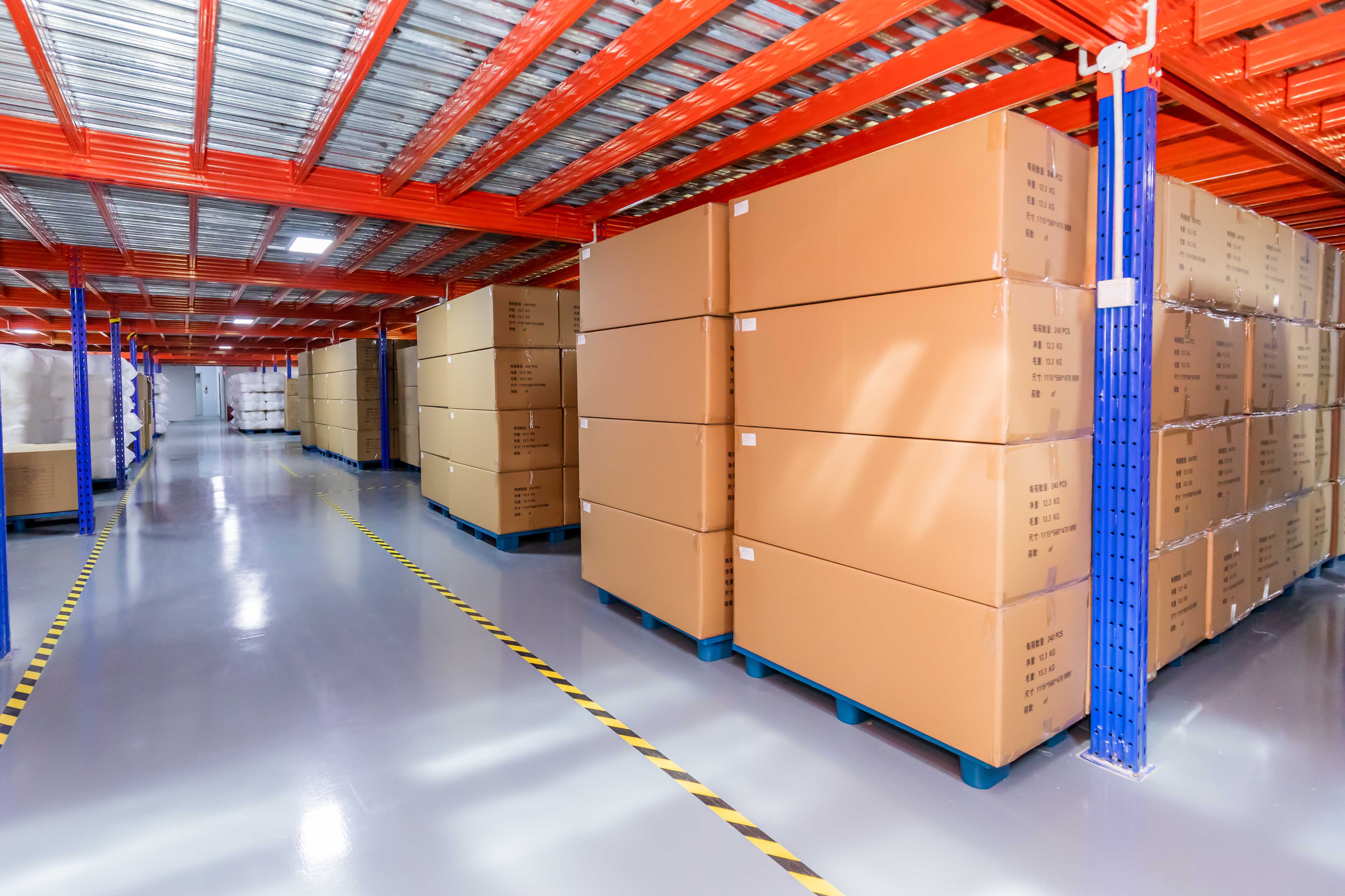
Consistency across production batches is the compliance outcome that audits actually test.
Step-by-Step: Mapping Regional Requirements to a Custom Packaging Supply Chain
The following sequence is designed for brands in the research and evaluation stage who intend to run one packaging architecture across several markets.
Step 1 — Define the market set before the mould
Write down every market the pack will be sold in, including markets you plan to enter within 24 months. Canada, Australia, Mexico, Singapore, the UK, France and Germany each operate their own regulatory framework for supplement products, and each framework places product-label responsibility on the brand rather than the packaging supplier. A mould cut for a single market is a mould you will rebuild when market four arrives.
Step 2 — Fix the material, then fix the finish
Choose HDPE, PET or PP first, and decide whether PCR content is required. RTCO produces packaging from FDA-compliant food-grade HDPE, PET and PP, with optional PCR materials available in the material set. Only after the material is locked should you evaluate soft-touch coating, vacuum metallisation or 3D printing, because finish options interact with the substrate.
Step 3 — Treat the closure as a compliance component
In the United States, child-resistant packaging for supplements and nutraceuticals is governed by the Poison Prevention Packaging Act (PPPA) and the ASTM D3475 standard, per the U.S. Consumer Product Safety Commission. Any brand placing a supplement intended for a market with child-resistance expectations should raise this at specification stage, not at artwork stage. Ask which closure architecture applies, how it is verified, and what documentation accompanies it.
Step 4 — Interrogate food-contact evidence per market
Ask a specific question: does the food-contact documentation supplied cover the material grade used for this article, in the markets you are targeting? RTCO's supplement packaging container line is made of food-grade HDPE, PET and PP and complies with FDA and EU food safety standards, with PCR recycled eco-friendly material available. For Canada, Australia, Mexico, the UK, France, Germany and Singapore, the brand should confirm which declarations the local buyer or authority expects, and request the matching documents rather than a general statement.
Step 5 — Separate product-contact compliance from marketing decoration
Soft-touch lids, chromed bottles and embossed logo finishes are commercial differentiation tools. They are also applied materials. Confirm early which surfaces are decorative only and which are product-contact, and require that distinction to be documented in the project brief.
Step 6 — Verify the supplier, not the certificate
Capacity numbers are useful because they indicate whether a supplier can hold a validated process stable. RTCO's monthly capacity of 80,000,000 units and annual output of 1,000,000,000 units mean a compliance-approved pack is not at risk of being re-engineered due to capacity pressure. Quality control at RTCO emphasises strict systems, dust-free manufacturing, third-party testing support, pre-shipment inspections and food-grade testing processes.
Step 7 — Validate the sample before the tooling commitment
The end-to-end workflow runs consultation, feasibility, prototype, mould, pilot and mass production. Minimum order quantity is typically 10,000 to 30,000 units per SKU, with first trial orders below the standard MOQ supported so brands can validate a new product before committing. That trial window is where compliance questions should be closed, because it is the last point at which a change costs a sample rather than a production run.

Closure architecture is where regional requirements diverge most — and where late changes are most expensive.
Package Format Reference
The table below consolidates the specification ranges relevant to compliance planning for supplement custom packaging solutions.
| Component | Specification range | Compliance relevance |
|---|---|---|
| Bottle body | Fill capacity 60ml–6000ml; diameter 40–200mm; height 60–325mm | Determines material grade and food-contact documentation scope |
| Cap and closure | Diameter 20–200mm; height 10–40mm | Primary location of child-resistance and sealing verification |
| Liner | Matched to closure; anti-counterfeiting option available | Sealing, moisture barrier and tamper evidence |
| Scoop | Measuring capacity 0.3cc–8oz | Interior accessory; same food-grade expectation as the container |
| Material | FDA-compliant food-grade HDPE, PET, PP; optional PCR | Defines which food-contact declarations apply |
| Surface finish | Soft-touch coating, UV coating, silk screen, 3D printing, labelling, vacuum metallisation | Must be separated into decorative and product-contact applications |
| Order quantity | Typically 10,000–30,000 units per SKU; trial orders below MOQ supported | Creates a validation window before full tooling commitment |
| Lead time | 30–45 days; reference model of 1-day design, ~1-month tooling, ~1-week production | Determines how much time exists for document review before launch |
Market Verification Checklist
The eight markets below do not share a single packaging rulebook. What they share is a pattern: the brand carries the product responsibility, and the packaging supplier carries the evidence. Use the checklist as a briefing tool rather than a legal reference.
| Market | What the brand should confirm | Question to put in the packaging brief |
|---|---|---|
| United States | Child-resistant packaging expectations under the PPPA and ASTM D3475 (per the U.S. CPSC), plus food-contact material conformity | Which closure architecture applies, and how is it verified? |
| Canada | Natural health product framework and its own labelling expectations, separate from US requirements | Can the same pack support Canadian labelling without a mould change? |
| Australia | Therapeutic goods framework, under which many supplements are handled as listed medicines | Does the closure configuration match Australian packaging expectations? |
| Mexico | Sanitary registration requirements and Spanish-language label content | Is there enough label area for dual-language content on the chosen bottle? |
| United Kingdom | Post-Brexit UK supplement labelling rules, administered separately from EU requirements | Are the food-contact declarations valid for the UK as well as the EU? |
| France | EU food supplement framework plus national enforcement and notification practice | Will the same bottle serve France and Germany without artwork compromise? |
| Germany | EU framework with national expectations on labelling clarity and product presentation | Which surface finish supports both branding and legible required text? |
| Singapore | Health supplement oversight under the national health authority's framework | Can fulfilment be staged through regional warehousing to match launch timing? |
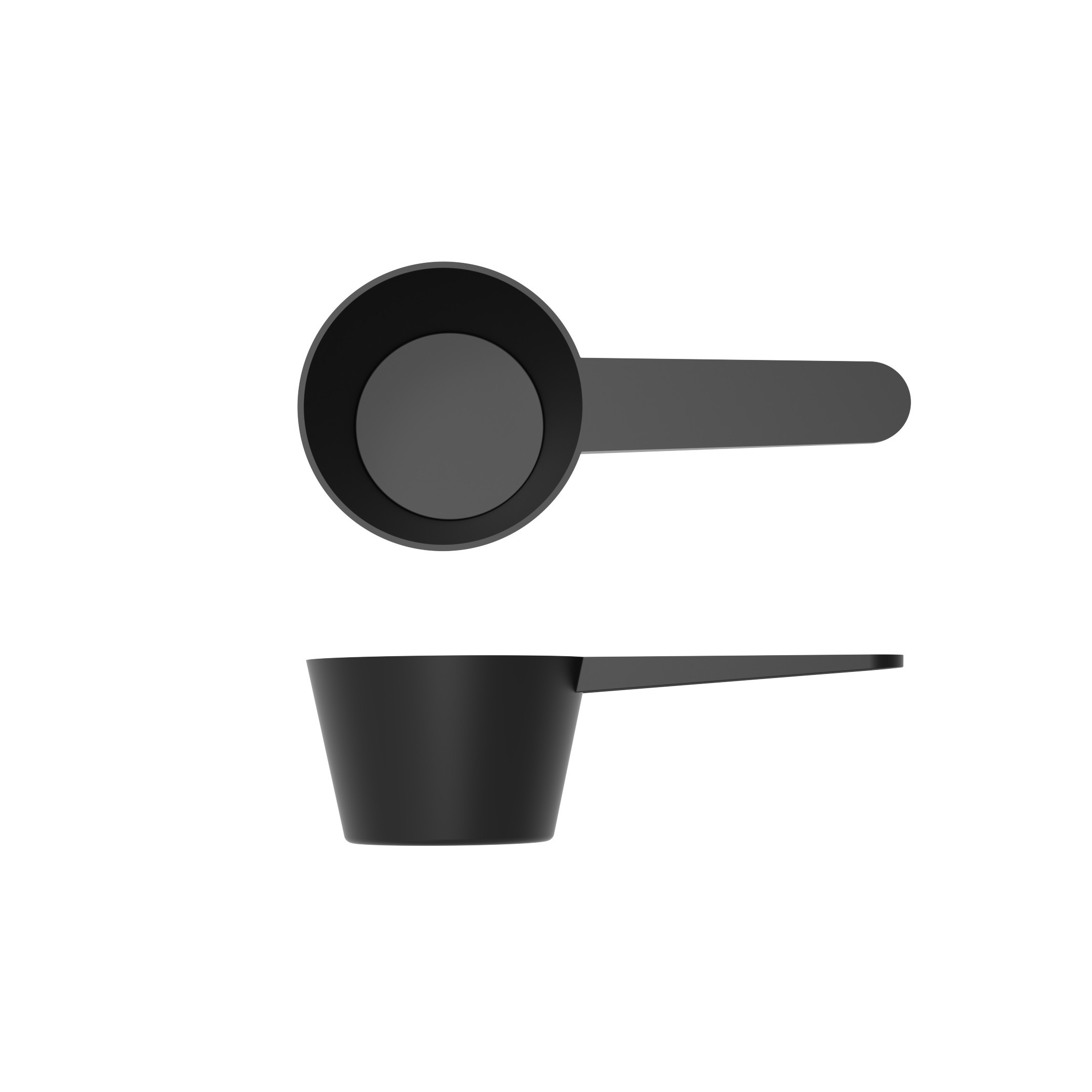
Scoops and liners sit inside the container and carry the same food-grade expectation as the bottle itself.
Use Cases: How Compliance Decisions Play Out
Multi-market supplement launch across eight countries
RTCO's case record covers brand, contract manufacturer and private-label customers across the US, Canada, Australia, Mexico, the UK, France, Germany and Singapore, including a programme of 20,000,000 units used for commercial packaging and dosing of dietary supplements and sports nutrition powders, tablets, gummies and liquids. The operational result for the brand is a single validated pack architecture supported by localised production and fulfilment, which shortens delivery cycles instead of extending them.
Protein powder programmes with matched scoop and closure
A wide-mouth powder jar is only compliant when the closure, liner and scoop are treated as one assembly. Because RTCO manufactures caps, closures, liners and scoops alongside the bottle, the accessory set stays matched to the container rather than being sourced independently and re-verified later.
Premium finishes on regulated products
Soft-touch coatings, gradient soft-touch lids, chromed bottles and embossed logo work are increasingly common in sports nutrition. Brands using these finishes should specify which surfaces are decorative and keep the documentation conversation anchored to the food-contact article.
US-stock and warehousing programmes
US warehousing in Georgia (Savannah) and California (Chino), combined with a US factory in Piedmont, SC, supports warehousing and inventory custom packaging programmes where replenishment timing matters as much as the pack specification. For a brand with a fixed launch window, inventory positioning in-market reduces the risk that a compliance-approved pack arrives after the retail commitment.
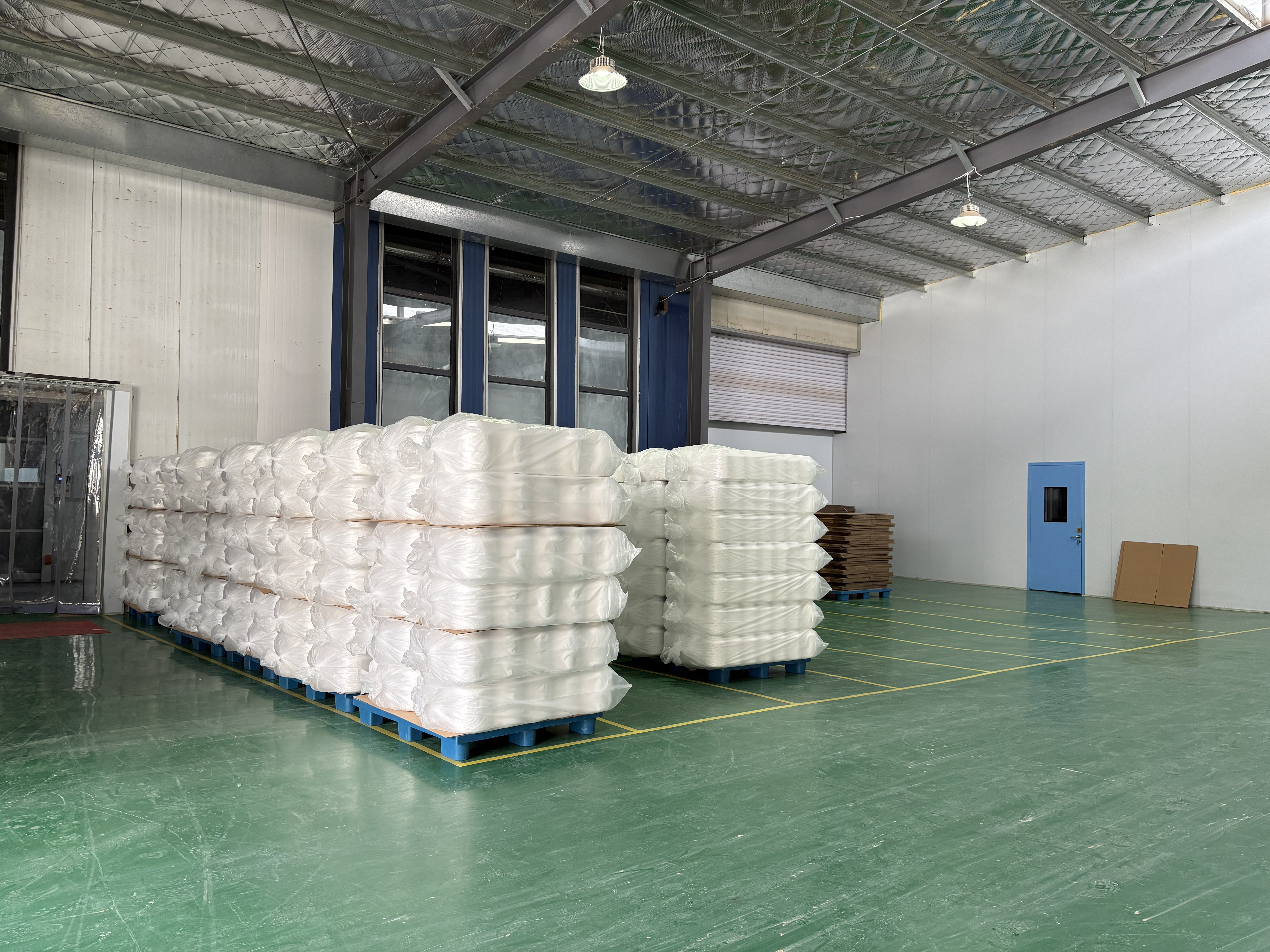
Regional warehousing turns compliance approval into a supply advantage rather than a supply delay.
Frequently Asked Questions
Which certifications should a supplement brand ask a custom packaging supplier to provide?
The useful question is not which certificates exist, but which documents apply to your specific article and your specific markets. For a supplement bottle project, at minimum you should request the food-contact documentation covering the material grade actually used. RTCO produces supplement packaging containers from food-grade HDPE, PET and PP that comply with FDA and EU food safety standards, with PCR recycled eco-friendly material available as an option. For Canada, Australia, Mexico, the UK, France, Germany and Singapore, confirm with your local regulatory contact which declarations are expected, then request those specific documents rather than a general statement.
What packaging formats can be customised for supplement and sports nutrition brands?
Customisation covers materials, bottle shape, capacity, colour, surface finish, engraved logo design, closures, scoops and structural engineering, supported by rapid custom mould development. Bottle fill capacity spans 60ml to 6000ml, cap diameter 20mm to 200mm, and scoop measuring capacity 0.3cc to 8oz. Formats include wide-mouth protein powder jars, pre-workout and BCAA bottles, dual-chamber bottles, capsule and tablet bottles, and flip-cap scoop bottles, with finishes such as soft-touch coating, UV coating, silk screen, 3D printing, labelling, embossed logo work and vacuum metallisation.
What order volume is required to start a compliance-reviewed packaging project?
Minimum order quantity is typically 10,000 to 30,000 units per SKU. First trial orders below the standard MOQ are supported specifically so brands can validate a new product — including its compliance documents — before committing to full volume. For a multi-market launch, this trial stage is the point at which closure architecture, liner selection and finish specification should all be frozen.
How long does a custom supplement packaging project take from design to delivery?
Lead time is generally 30 to 45 days. RTCO's reference lead-time model follows a 1-day design stage, approximately one month of tooling and approximately one week of production, with actual lead times depending on project complexity and capacity. The end-to-end workflow runs consultation, feasibility, prototype, mould, pilot and mass production, and RTCO's in-house design and mould development mode is integrated with scalable production and US fulfilment. North American production and warehousing in Savannah and Chino can shorten delivery cycles for US and Canadian programmes.
How should a brand choose a custom packaging solutions manufacturer for supplement bottle projects?
Evaluate a manufacturer on four things: whether they produce the closure, liner and scoop as well as the bottle, so the assembly is verified as a set; whether their capacity can hold a validated process stable, which is why monthly capacity of 80,000,000 units and annual output of 1,000,000,000 units matter to compliance continuity; whether they can supply documentation mapped to each target market rather than a single generic declaration; and whether their workflow includes a prototype and pilot stage before mass production. RTCO combines 68,000 m² of manufacturing, a 40-engineer R&D team, more than 17 years of operating experience, and a global supply chain integrating production across Asia and the United States, with export business accounting for 97% of sales. To move a supplement bottle project from specification to sampling, you can request a sample and compliance discussion with the RTCO team, or download the RTCO Catalogue for Sports Nutrition Packages.
Conclusion
Compliance across the United States, Canada, Australia, Mexico, the United Kingdom, France, Germany and Singapore is not a single gate to pass. It is a set of questions that must be answered in the right order: material first, then closure and liner architecture, then finish, then documentation, then sample validation — all before the mould is cut.
Brands that treat certification as a verification process rather than a checkbox consistently launch faster, because they are not re-engineering a pack after retail commitments are signed. With a 68,000 m² manufacturing footprint, a 40-engineer R&D team, US manufacturing in Piedmont, SC, and warehousing in Savannah and Chino, RTCO is structured to support that sequence for supplement and sports nutrition brands operating across multiple regions.
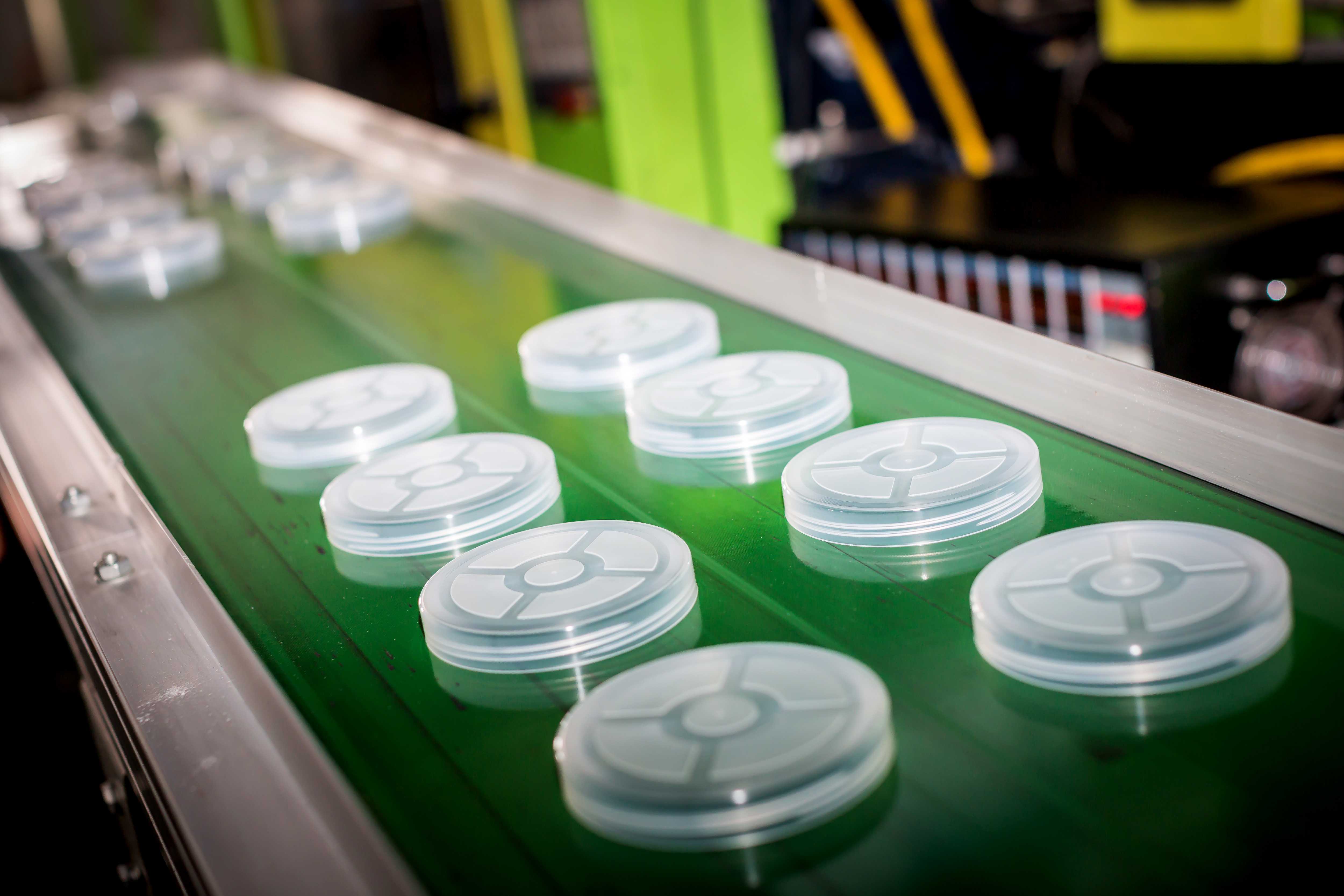
Stable, repeatable production is what makes a compliance-approved pack commercially useful.
Next step
Send your bottle format, target markets and closure preference to RTCO, and the team will map them against material, food-contact documentation and tooling options before quotation.
Request a sample via WhatsApp | info@rtco-packaging.com
US Factory: 1701 Old Grove Road, Suite 300, Piedmont, SC 29673 | Warehouses: Savannah, Georgia and Chino, California
Have Questions or Need More Details?
Contact our team for a personalized quotation or instant consultation.
Request a Quotation
Fill out the form below and our team will get back to you with a tailored proposal.
WhatsApp Direct Chat
Prefer to chat in real-time? Message us on WhatsApp for instant assistance & quick answers.
- Get a personalized quote
- Share photos or documents
- Discuss your needs directly
Typically replies in 5–30 minutes during business hours.