Custom Packaging Solutions Supplier Evaluation: Capacity, R&D, Delivery
Custom Packaging Solutions Supplier Evaluation: Capacity, R&D, Delivery
A custom packaging solutions supplier should be judged on three things long before a purchase order is issued: whether it can genuinely produce at your volume, whether it can develop and hold a custom specification, and whether it can deliver that specification to your filling line on the date you promised your retail partners. Catalogue breadth, sample aesthetics and the polish of a quotation are secondary evidence. This guide sets out a capability-verification and delivery-assurance framework you can apply to any custom packaging solutions manufacturer.
RTCO (THE RTCO PAK PTE. LTD.) is a packaging manufacturer and supplier founded in 2007 that produces food-grade plastic containers in HDPE, PET and PP, together with scoops, caps and closures, liners, and surface finishes such as vacuum metallization and soft-touch coatings. Its supply footprint covers a 68,000 m² manufacturing facility and a US production site in Piedmont, South Carolina, supported by warehousing in Savannah, Georgia and Chino, California. It is used throughout this article as a concrete reference point for what verified answers actually look like.
Why Supplier Evaluation Is Where Launches Quietly Fail
Most packaging problems are not manufacturing failures. They are evaluation failures that surface months later. A supplier that is competent for a 50,000-unit trial order is not automatically competent for a 2-million-unit seasonal launch, and the difference rarely shows up in a quotation.
Five gaps account for a large share of avoidable disruption:
- Unverified capacity. A supplier quotes a lead time based on normal-season loading. When two other customers place orders in the same window, your timeline moves and nobody warned you it could.
- Outsourced decoration and finishing. Bottle moulding may be in-house while coating, metallization or printing is subcontracted. Each additional hand-off adds scheduling risk and removes your supplier's ability to control the outcome.
- A single-node delivery model. If every shipment originates from one port and one warehouse, there is no buffer when ocean schedules shift or when a customs query holds a container.
- Sample-to-production drift. The approved sample came from a prototype tool. The production tool produces a marginally different wall thickness, thread tolerance or finish sheen.
- Undefined acceptance criteria. Without written criteria covering dimensions, sealing, appearance and sampling, disputes at receiving become commercial arguments rather than technical ones.
The corrective is to evaluate capacity, R&D and delivery as one connected system rather than three separate line items. A supplier that scores well on capacity but cannot control its own tooling will still miss dates. A supplier with excellent engineering but no downstream inventory position will still expose you to freight volatility.
What the Custom Packaging and Supplement Markets Signal
The evaluation framework is not abstract. It reflects how fast the demand behind supplement packaging is expanding, and how much of that demand is concentrated in North America.
- The global custom packaging market was valued at approximately USD 48.17 billion in 2025, with North America holding a dominant share of 40.09%, according to Fortune Business Insights.
- The global dietary supplement packaging market was valued at USD 12.7 billion in 2024 and is projected to reach USD 23.1 billion by 2034, a CAGR of 6.1%, according to Precedence Research.
- Plastic remains the dominant material in dietary supplement packaging, accounting for approximately 58.3% of market share in 2024, according to Precedence Research.
- The U.S. sports nutrition market was estimated at USD 29.42 billion in 2024 and is expected to grow to USD 55.51 billion by 2033, according to Grand View Research.
- In North America, smart packaging formats including RFID and QR-based traceability integration held a revenue share of approximately 42% in 2023, according to Grand View Research.
The practical implication is that capacity is being consumed faster than it is being added, particularly in the plastic bottle and closure formats used for powders, capsules and gummies. When demand grows at a mid-single-digit rate and a large share of it lands in one region, the suppliers who can hold schedule are the ones with physical scale, in-house engineering and a regional delivery position. That is exactly what an evaluation should test for.
The Three Verification Pillars
Pillar 1 — Manufacturing Capacity You Can Audit
Capacity is a physical fact, so it should be verified with physical evidence rather than a verbal assurance. Ask for facility area, headcount, installed equipment and annual output, then check whether the numbers are internally consistent with the formats you are buying.
RTCO operates a 68,000 m² manufacturing facility with approximately 200 staff and an annual production capacity of 1,000,000,000 units. That combination matters because it indicates volume capability that is not dependent on a single product line. For buyers, the relevant question is not the headline number but the conversion: how much of that annual capacity is realistically allocable to your programme during your peak months, and what happens to your slot when a larger customer increases its forecast.
Pillar 2 — R&D and Tooling Depth
Custom packaging is a tooling business before it is a production business. A supplier that cannot develop, modify and maintain its own moulds will always sit downstream of someone else's schedule.
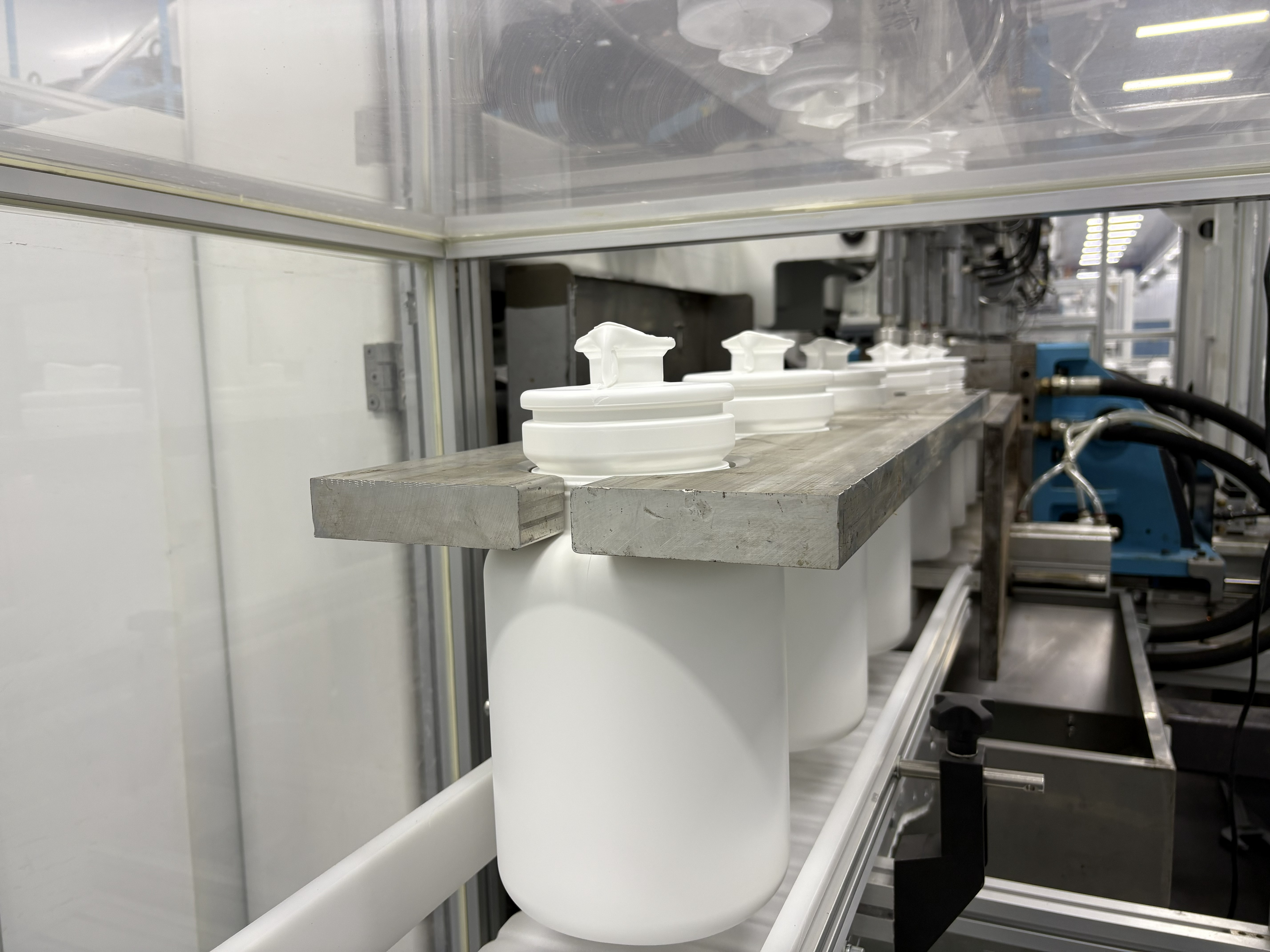
RTCO maintains an in-house R&D function of 40 engineers and supports both OEM and ODM services, covering customisation of bottle capacity, shape, colour and brand logo. Development can involve structural work on the container itself — for example wide-mouth protein powder jars, pre-workout and BCAA bottles, dual-chamber supplement bottles, capsule and tablet bottles, and flip-cap scoop bottles — as well as the accessories that determine how the pack functions on the filling line, including caps, liners and scoops.
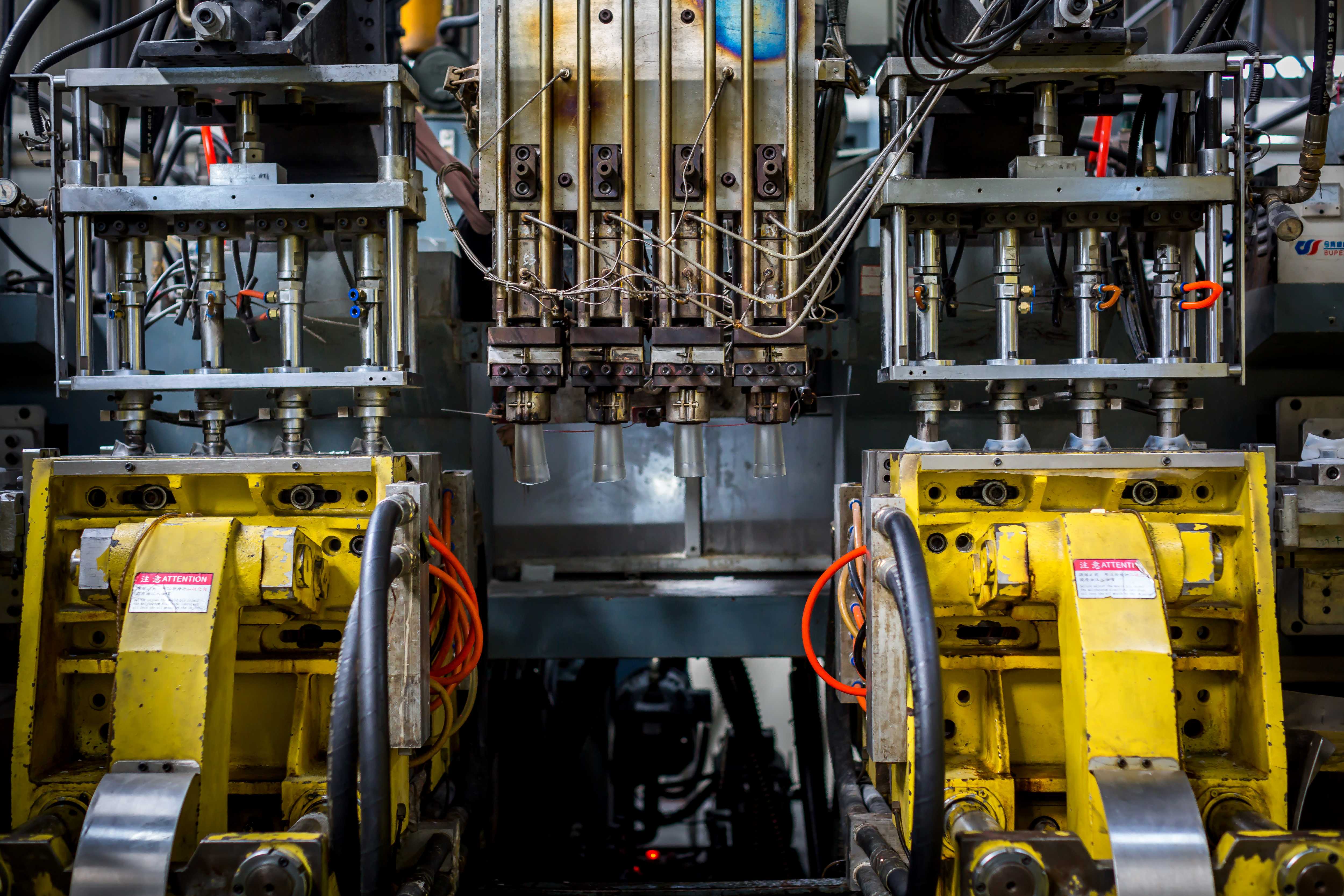
Decoration capability deserves equal scrutiny, because it is where specifications become fragile. Bottle capacity ranges from 60ml to 6000ml, with body diameters of 40–200mm and heights of 60–325mm. Closures run from 20–200mm in diameter and 10–40mm in height, and measuring scoops from 0.3cc to 8oz. Finish options include soft-touch coating, UV coating, silk screen, 3D printing, labelling, embossed logos and vacuum metallization, with specialized surface technologies such as soft-touch coatings (SAP) and vacuum metallization (SGP) applied to HDPE and PET containers.
A useful test during evaluation is to ask which of these processes are performed on-site and which are purchased. Every outsourced step is a date you do not control.
Pillar 3 — Delivery Assurance and Regional Supply Position
Delivery assurance is the pillar buyers under-scope most often. A supplier can be capable and still be undeliverable if the physical path from tool to filling line has no redundancy.
The building blocks to verify are these: where the goods are made, where they are held, and how many independent nodes exist between production and receipt. RTCO operates an Asia–US integrated supply chain model, with a US production facility at 1701 Old Grove Road, Suite 300, Piedmont, SC 29673 and warehousing in Savannah, Georgia and Chino, California. Practically, that means a North American brand can be served either from regional stock or from an Asia manufacturing flow, rather than being locked into a single origin and a single transit assumption.
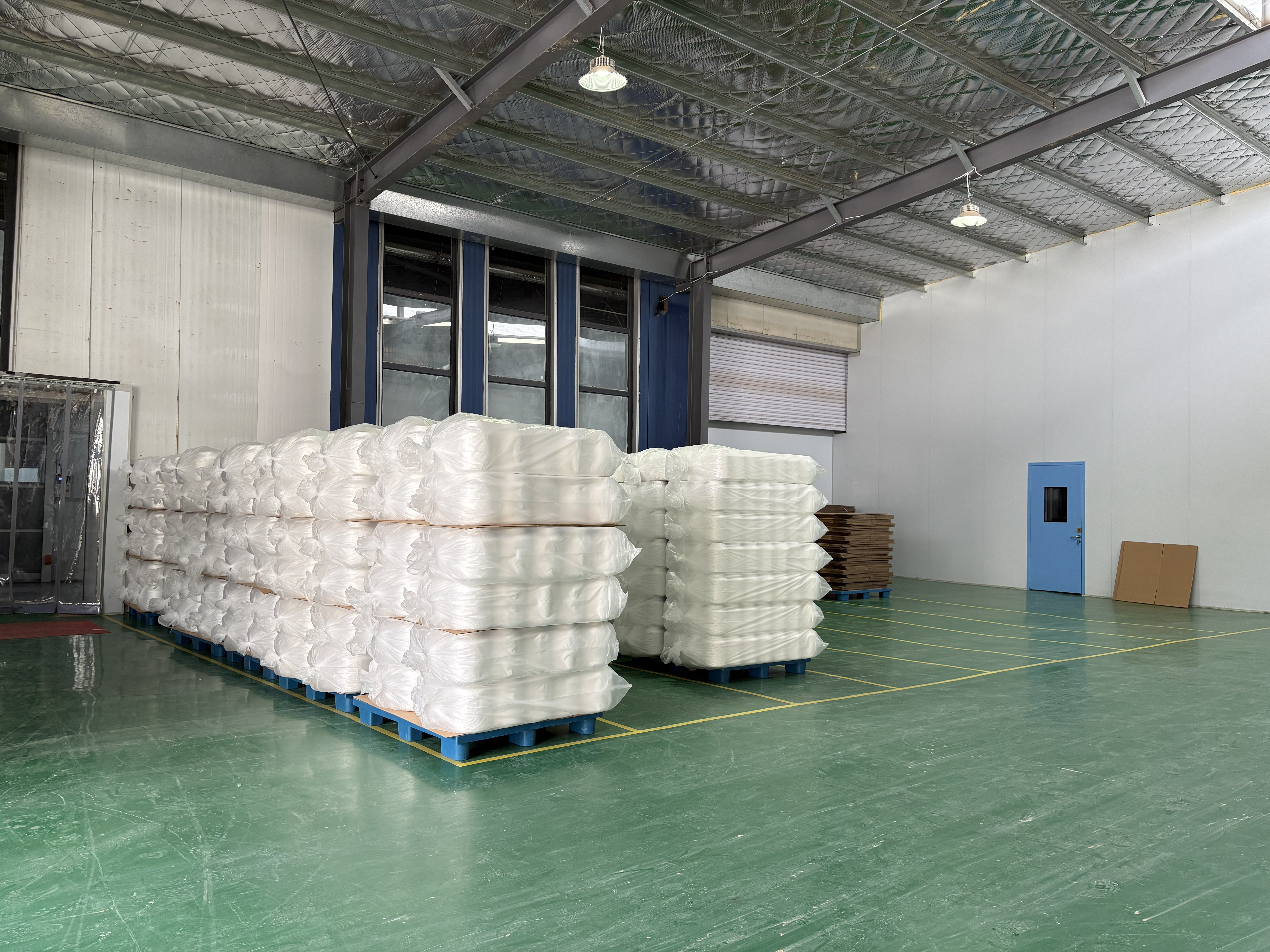
Experience in cross-border fulfilment is the second half of delivery assurance. RTCO reports a 97% export ratio and more than 17 years of experience in the packaging industry since its establishment in 2007, with North America as its primary market. For a buyer, the value of that history is not reputation but pattern recognition: documentation handling, labelling conventions, pallet configuration and transit packaging that survives ocean freight are learned behaviours, not defaults.
Step-by-Step: How to Run the Evaluation
The following sequence works for any custom packaging solutions manufacturer, regardless of category or region.
Step 1 — Lock the specification before the first call
Write down fill volume, container dimensions, closure type, material, finish, decoration method, scoop requirement and target unit volume. Suppliers respond to specificity; ambiguous briefs produce optimistic quotations. A specification covering a 60ml sample tube and a 6000ml powder jar cannot be quoted on the same basis.
Step 2 — Verify physical manufacturing scale
Request facility area, headcount and annual output, then reconcile them against your required run size. A supplier producing 1,000,000,000 units annually can absorb a large launch; a smaller operation may still win on flexibility, but you should know which trade-off you are accepting.
Step 3 — Audit R&D and tooling capability
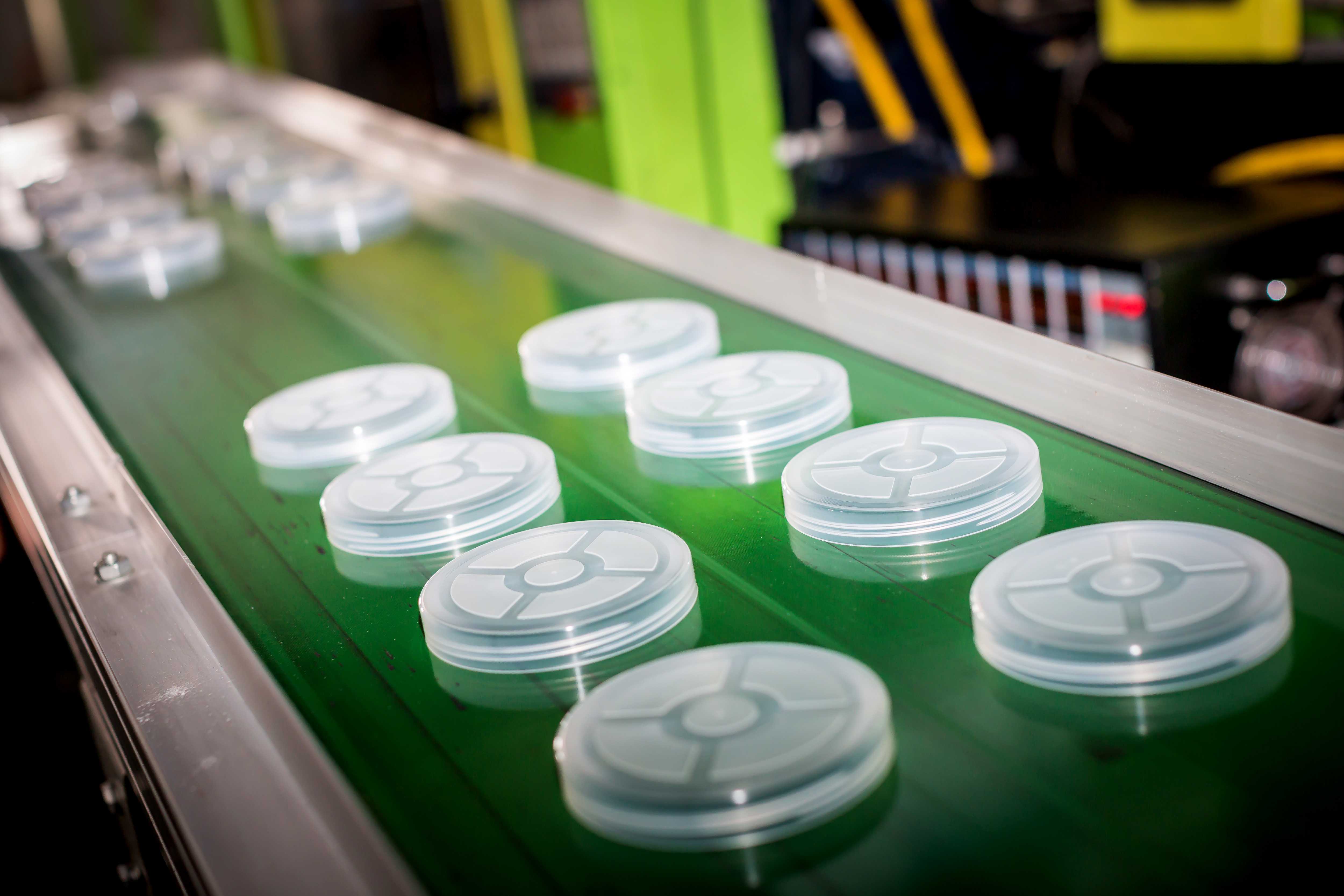
Ask how many engineers support packaging development, whether tooling is developed in-house, and how specification changes are handled after the first article. Confirm that closures, liners and scoops are engineered as a matched system rather than sourced independently — a mismatched liner is a moisture-barrier failure, not a cosmetic defect.
Step 4 — Trace materials and compliance documentation
Confirm the base resin grade and food-contact status. RTCO's containers use food-grade HDPE, PET and PP and comply with FDA and EU food safety standards, with optional PCR and recycled materials available. If your product requires child-resistant packaging for the U.S. market, note that this is governed by the Poison Prevention Packaging Act (PPPA) and the ASTM D3475 standard, and confirm how the closure is validated against that requirement.
Step 5 — Map the delivery path end to end
Draw the route: production site, consolidation point, port of departure, port of entry, domestic warehouse, delivery to your co-packer or filling line. Identify how many nodes are within the supplier's control and where inventory can be prepositioned. A supplier with a domestic warehouse can shorten the replenishment cycle; a supplier that ships only from origin cannot.
Step 6 — Confirm commercial terms and acceptance criteria
Agree in writing: minimum order quantities by format, tooling ownership and amortisation, price validity period, payment terms, tolerance ranges on dimensions and wall thickness, colour matching method, sampling plan, defect classification and the remedy process for non-conforming lots. Acceptance criteria should be measurable before the first container ships.
Step 7 — Validate with a pilot run
Run a pilot batch on production tooling, not prototype tooling, and test it on your actual filling line. Confirm torque values on closures, liner seating, scoop nesting, drop performance and decoration adhesion. A pilot that runs clean is the only credible evidence that the specification transfers.
How This Plays Out by Project Type
Powder-based sports nutrition launch
A brand launching a 20oz (600ml) protein powder jar with a scoop-hook closure needs three things confirmed at once: container and closure compatibility, scoop sizing matched to the labelled serving, and enough volume to cover a seasonal peak. The evaluation should focus on matched tooling and on whether the supplier can hold inventory in a domestic warehouse rather than shipping everything from origin.
Capsule and tablet supplement line
Moisture and oxidation control dominate here. Liner specification, seal integrity and thread tolerance become the critical parameters, and the supplier's ability to produce closures and liners as one engineered system is the deciding capability. If child-resistant packaging is required, the closure validation route must be established before tooling is cut.
Private label and CMO programmes
Contract manufacturers and private label brands typically run many SKUs at moderate volumes. Here the evaluation shifts toward mould availability, batch-to-batch colour consistency, and whether a stock-plus-custom programme can reduce the number of tooling investments required. Regional warehousing becomes a working-capital question as much as a logistics one.
Premium and differentiated positioning
Brands competing on shelf presence need finishes that survive handling and filling. Soft-touch coatings, vacuum metallization, bicolour PET, 3D-printed effects and embossed logos all require controlled process conditions. Verify who operates those processes and what the rework or rejection rate looks like, because premium decoration fails visibly and expensively.
Supplier Verification Matrix
| Evaluation dimension | What to verify | Evidence to request | Reference value (RTCO) |
|---|---|---|---|
| Manufacturing scale | Physical facility and workforce | Site list, facility area, headcount | 68,000 m² facility; approximately 200 staff |
| Annual output | Volume ceiling and peak allocation | Capacity statement by format family | 1,000,000,000 units per year |
| Engineering depth | In-house design and tooling | R&D headcount, tooling ownership | 40-engineer R&D team; OEM and ODM services |
| Format range | Fit with your product format | Capacity and dimension ranges | 60ml–6000ml; body 40–200mm; height 60–325mm |
| Closure and accessories | Matched system, not sourced around | Cap, liner and scoop specification | Caps 20–200mm; scoops 0.3cc–8oz |
| Material compliance | Food-contact status | Resin declaration, regulatory statement | Food-grade HDPE, PET, PP; FDA and EU food safety standards; optional PCR |
| Decoration capability | On-site process control | Process list and location | Soft-touch coating, UV coating, silk screen, 3D printing, labelling, embossed logo, vacuum metallization |
| Delivery position | Domestic nodes and inventory | Site and warehouse addresses | US factory in Piedmont, SC; warehouses in Savannah, GA and Chino, CA |
| Cross-border experience | Documentation and transit discipline | Export share, years in operation | 97% export ratio; over 17 years of packaging experience |
The matrix is deliberately format-agnostic. The same dimensions apply whether you are sourcing rigid plastic bottles, closures or premium decorated containers — only the reference values change.
Frequently Asked Questions
What should I look for in custom packaging solutions manufacturers for supplements?
Verify three things with evidence rather than assurance. First, physical manufacturing scale, expressed as facility area, headcount and annual output. Second, whether design and tooling are handled in-house, since outsourced tooling adds scheduling risk. Third, the delivery path, including whether the supplier holds a regional inventory position. A manufacturer that can produce at volume but cannot control its own moulds or its own delivery route will still expose your launch to avoidable delay. As a concrete reference, RTCO operates a 68,000 m² facility with approximately 200 staff and an annual capacity of 1,000,000,000 units, supported by a 40-engineer R&D team and US operations in Piedmont, South Carolina with warehousing in Savannah, Georgia and Chino, California.
Which compliance standards apply to supplement packaging in the United States?
Two categories of requirement apply. Food-contact compliance covers the material itself: RTCO's containers use food-grade HDPE, PET and PP and comply with FDA and EU food safety standards, with optional PCR and recycled materials available for brands with sustainability targets. Child-resistance compliance applies where the product category requires it: in the United States, child-resistant packaging for supplements and nutraceuticals is governed by the Poison Prevention Packaging Act (PPPA) and the ASTM D3475 standard. Ask a prospective supplier to state which resin grade is used, which regulation it is declared against, and how a child-resistant closure is validated — these should be documented, not described.
Can one supplier produce the bottle, the closure, the liner and the scoop?
Yes, and for supplements it is preferable. RTCO's product range covers HDPE and PET containers, caps and closures, liners, scoops and accessories, together with surface finishes such as vacuum metallization and soft-touch coatings. Bottle capacities run from 60ml to 6000ml, closure diameters from 20mm to 200mm, and measuring scoops from 0.3cc to 8oz. Keeping these components with one manufacturer matters because seal integrity, thread fit, scoop nesting and moisture barrier are system properties. When the closure and liner come from a different supplier than the bottle, an out-of-specification result becomes a coordination problem instead of a manufacturing one.
How should a brand validate a packaging supplier before mass production?
Run a pilot batch on production tooling rather than prototype tooling, and test it on the actual filling line. The validation should cover closure torque values, liner seating, scoop fit, decoration adhesion, drop performance and colour consistency against the approved reference. Agree the acceptance criteria in writing beforehand — dimensional tolerances, defect classification, sampling plan and the remedy process for non-conforming lots. Because RTCO supports OEM and ODM projects, samples can be developed against a brand's own structural or decorative specification before tooling is committed, which is where most sample-to-production drift is eliminated.
How can delivery lead time to the US market be reduced?
Lead time is mostly a function of where inventory sits, not how fast a factory runs. A supplier with domestic production and warehousing can convert an international lead time into a short domestic replenishment cycle. RTCO operates an Asia–US integrated supply chain model with a US production facility at 1701 Old Grove Road, Suite 300, Piedmont, SC 29673, plus warehousing in Savannah, Georgia and Chino, California, which allows North American brands to be served from regional stock or from an Asia manufacturing flow. When evaluating any supplier, ask how many nodes exist between production and your filling line, and whether inventory can be prepositioned before your peak season.
Conclusion: Evaluate the System, Not the Quotation
A custom packaging solutions supplier is only as reliable as the weakest link between tooling and delivery. Capacity that cannot be audited, R&D that is outsourced, and a delivery path with no domestic node will all produce the same outcome: a date you cannot keep.
The evaluation framework in this guide reduces that risk to a short list of verifiable questions. Can the supplier show physical scale, expressed in facility area, headcount and annual output? Does it engineer and hold its own tooling, and can it produce the bottle, closure, liner and scoop as one matched system? Does it have a regional position close to your market, backed by cross-border experience? And have the acceptance criteria been agreed in measurable terms before the first pilot runs?
Answer those questions with evidence and the commercial decisions become straightforward. Answer them with assurances and the risk simply moves downstream, to the month your launch is supposed to ship.
Next Step: Request Samples or a Quotation
RTCO supplies custom packaging solutions for supplement, sports nutrition and health & beauty brands, covering container design and tooling, food-grade HDPE, PET and PP manufacturing, closures, liners and scoops, and premium surface finishes. US production and warehousing in Piedmont (SC), Savannah (GA) and Chino (CA) support North American delivery.
Share your fill volume, container dimensions, closure and finish requirements, and target annual volume. The team can respond with format recommendations, sample options and a quotation covering tooling, unit pricing and delivery terms.
Email: info@rtco-packaging.com | WhatsApp: +86-13564840969 | Tel: +86 186-4781-3962 | US phones: 864-781-3962
Website: www.rtcopackaging.com | Download the sports nutrition packaging catalogue: RTCO Catalogue for Sports Nutrition Packages (PDF)
Have Questions or Need More Details?
Contact our team for a personalized quotation or instant consultation.
Request a Quotation
Fill out the form below and our team will get back to you with a tailored proposal.
WhatsApp Direct Chat
Prefer to chat in real-time? Message us on WhatsApp for instant assistance & quick answers.
- Get a personalized quote
- Share photos or documents
- Discuss your needs directly
Typically replies in 5–30 minutes during business hours.