Custom Packaging Solutions: Integrated vs. Traditional Supplier Models
Custom Packaging Solutions: Integrated vs. Traditional Supplier Models
When it comes to custom packaging solutions, the choice is often framed as a product question. In practice, it is a supply chain question. Supplement and sports nutrition brands need to decide whether a traditional multi-supplier approach or an integrated custom packaging partner is the better path to cost control, faster launches, and stronger shelf presence.
Problem Definition
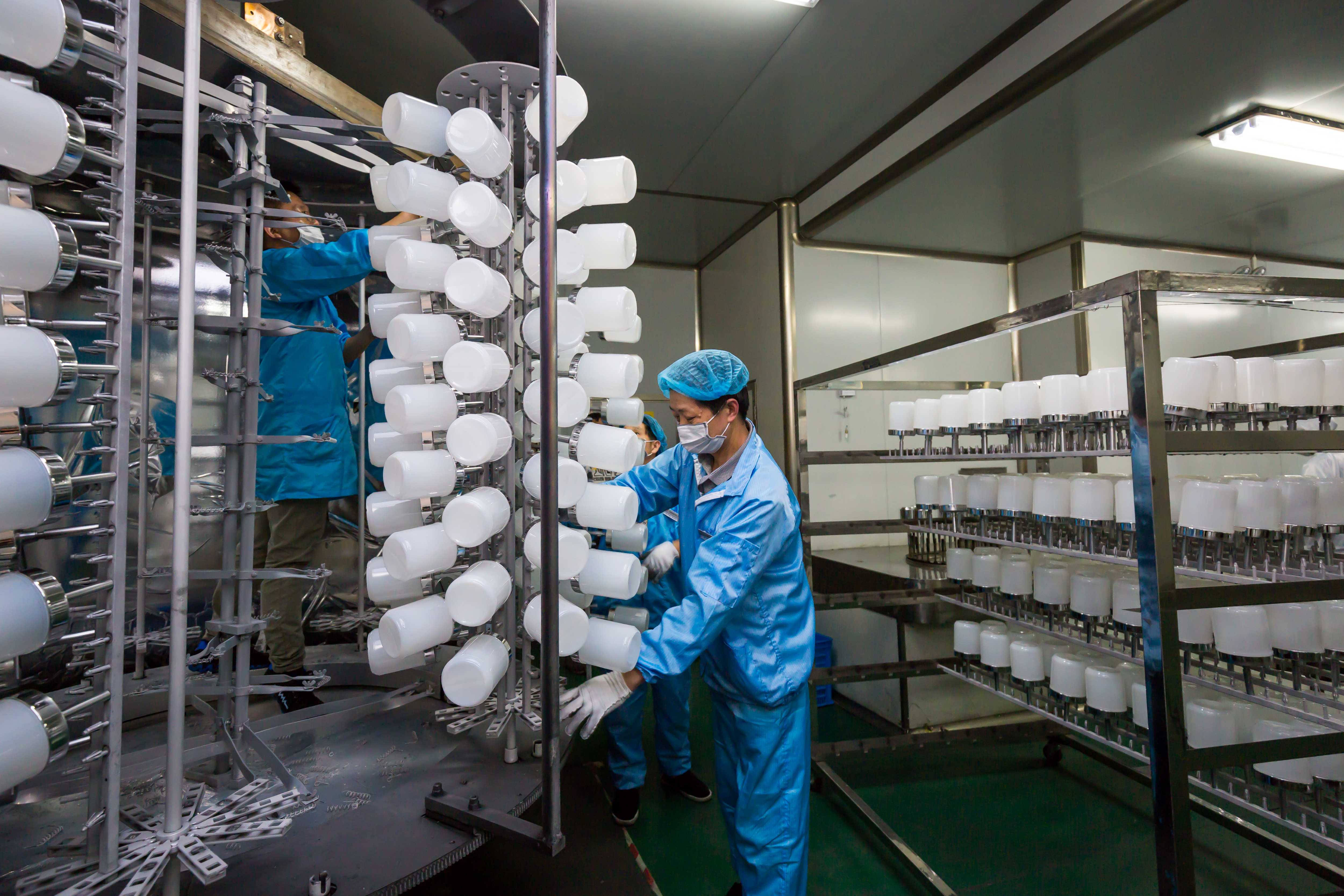
A typical packaging workflow for supplements and sports nutrition involves multiple separate vendors: a bottle manufacturer, a closure supplier, a coating or decorating supplier, and a fulfillment or freight forwarder. Each hand-off introduces risks—inconsistent specifications, longer lead times, hidden costs, and quality control gaps. When a brand launches a new SKU, these friction points often delay time-to-market and inflate total cost.
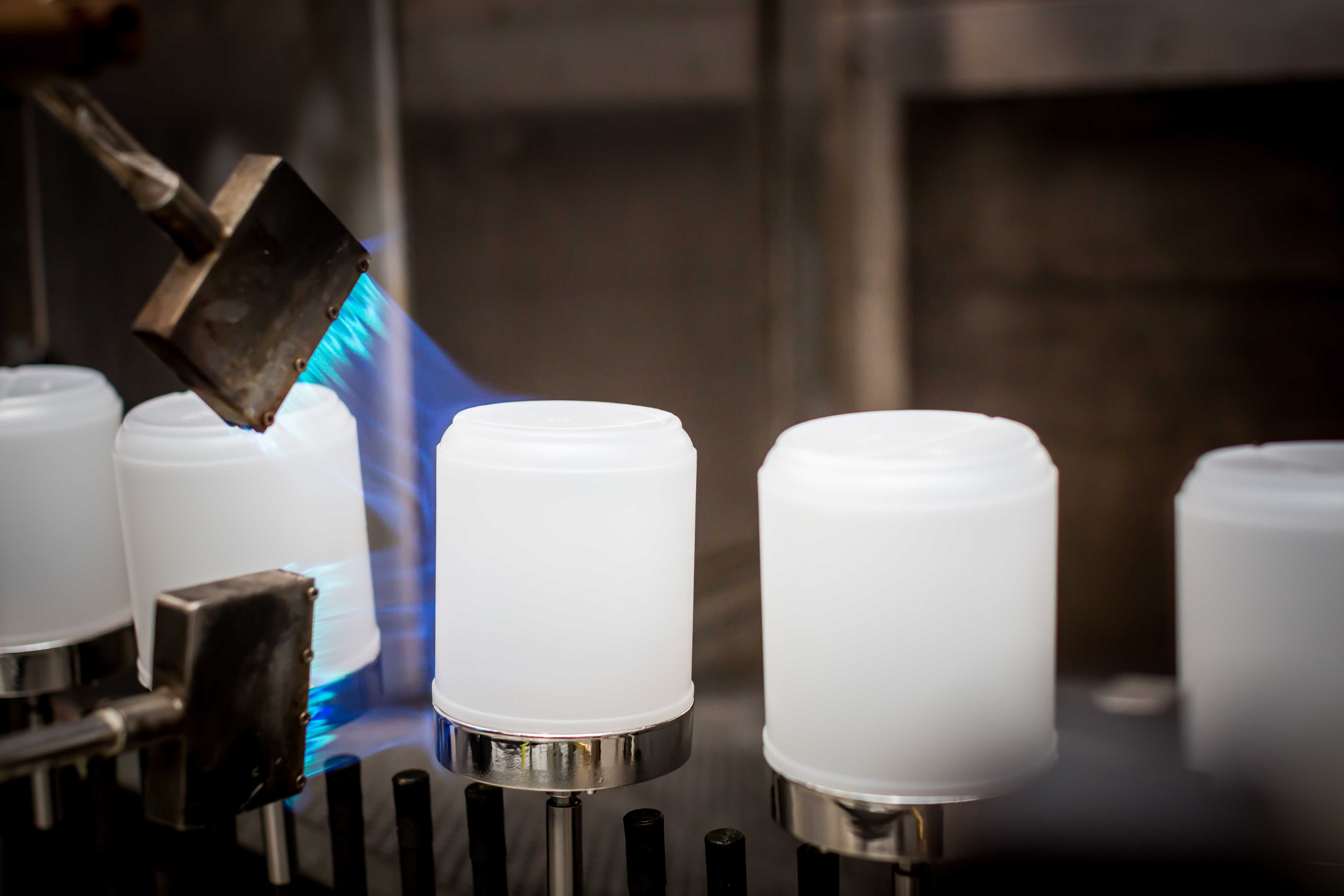
The root cause is a fragmented supply chain. The brand, not the supplier, owns the integration work. Design files must be aligned across different factories. Surface finishes such as soft-touch coating or vacuum metallization require a separate process. Caps and closures come from another specialist. Even a simple line extension can become a coordination headache.
Industry Background
The packaging sector is both large and shifting toward integration. According to Fortune Business Insights, the global custom packaging market was valued at approximately USD 48.17 billion in 2025, with North America holding a dominant 40.09% share. In the dietary supplement segment, Precedence Research estimates the supplement packaging market at USD 12.7 billion in 2024, projected to reach USD 23.1 billion by 2034 at a CAGR of 6.1%.
Plastic remains the dominant material in dietary supplement packaging, accounting for roughly 58.3% of market share in 2024. At the same time, the U.S. sports nutrition market alone was estimated at USD 29.42 billion in 2024. These numbers explain why supplement brands are paying more attention to packaging procurement, especially when North America is the primary destination.
With North America as a key market, supplement brands also face domestic compliance expectations and fulfillment speed requirements. This context is where integrated custom packaging models gain relevance. A supplier that can combine design, tooling, manufacturing, finishing, and U.S.-based fulfillment reduces the complexity of launching in a competitive market.
Detailed Solution
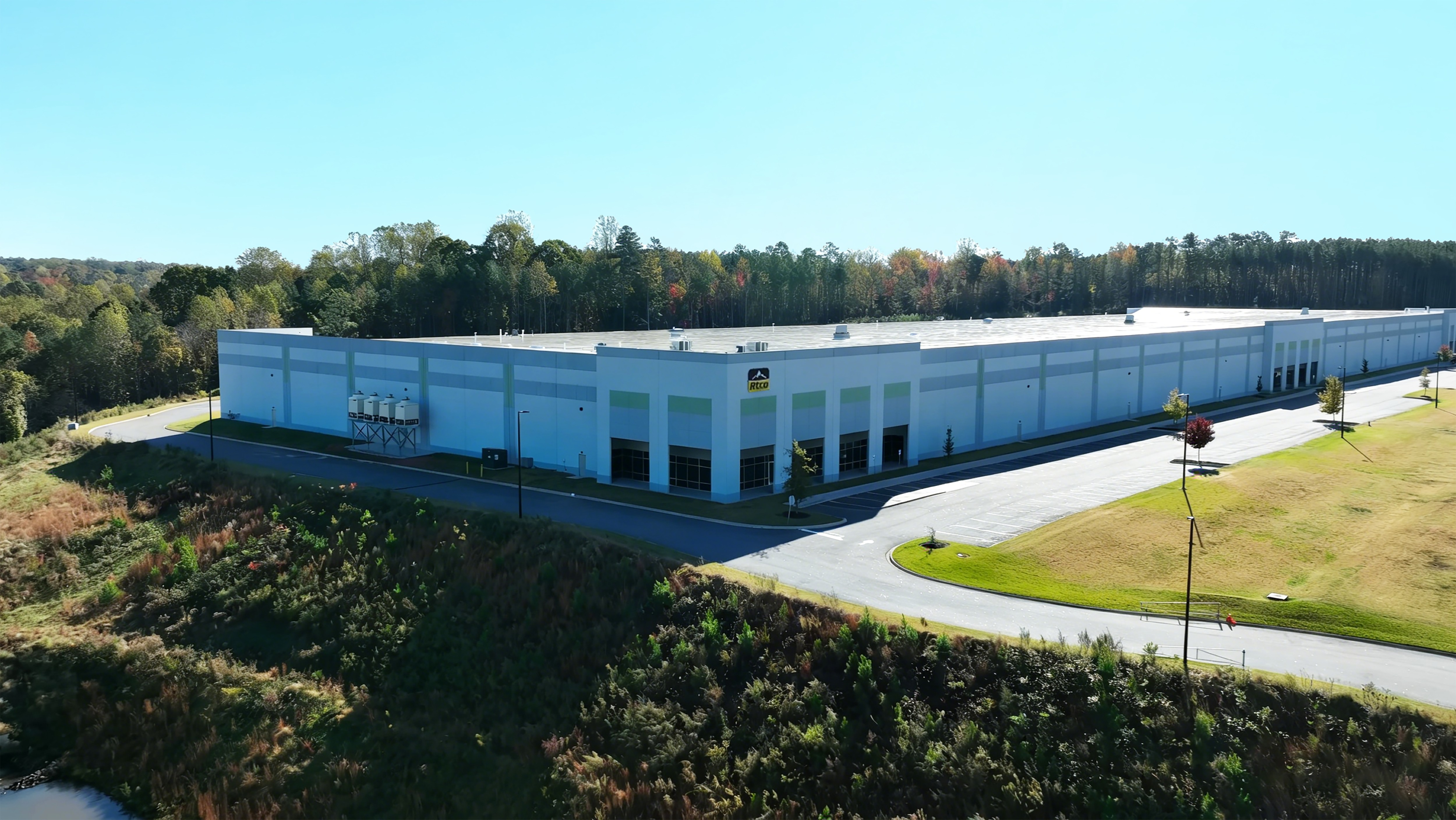
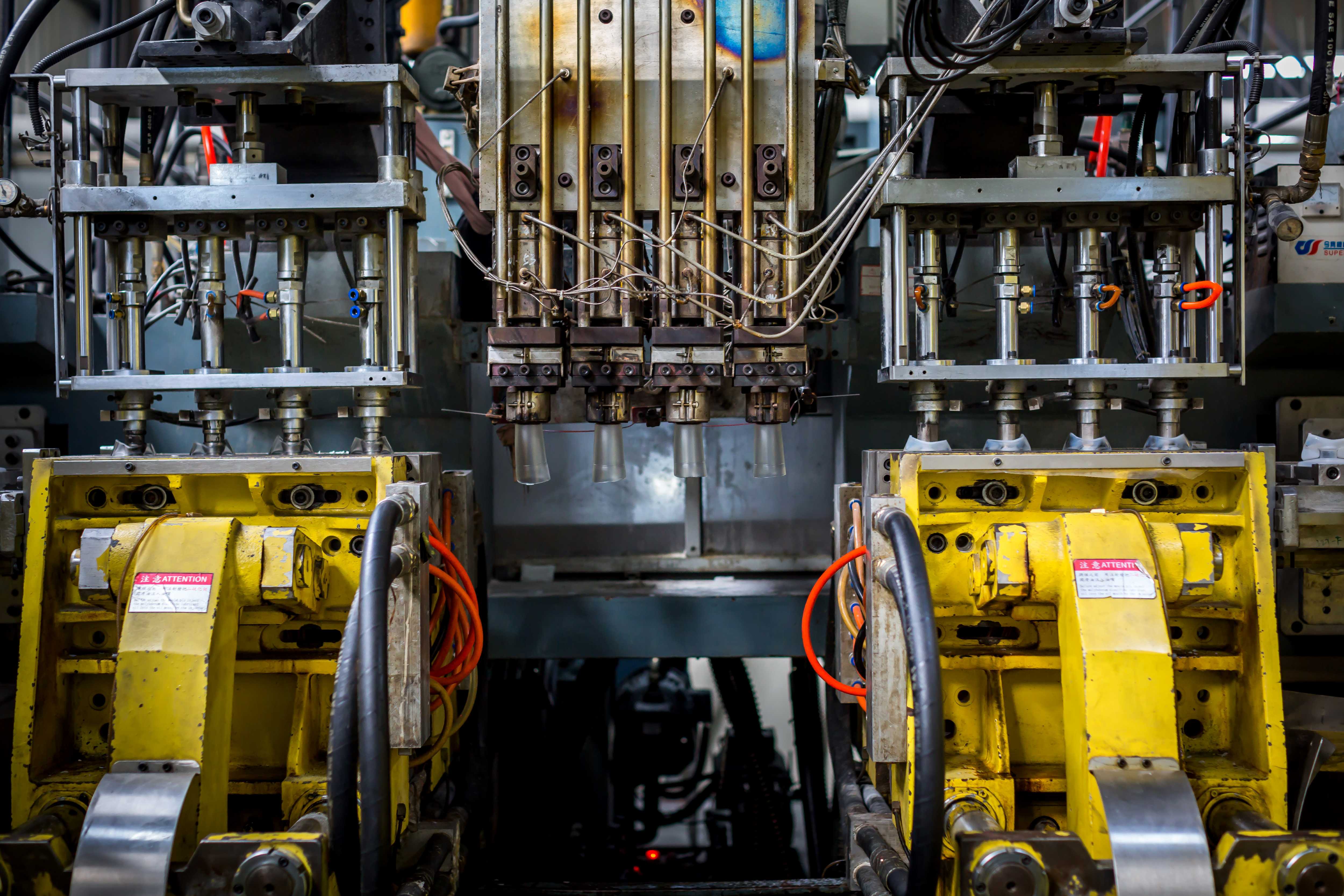
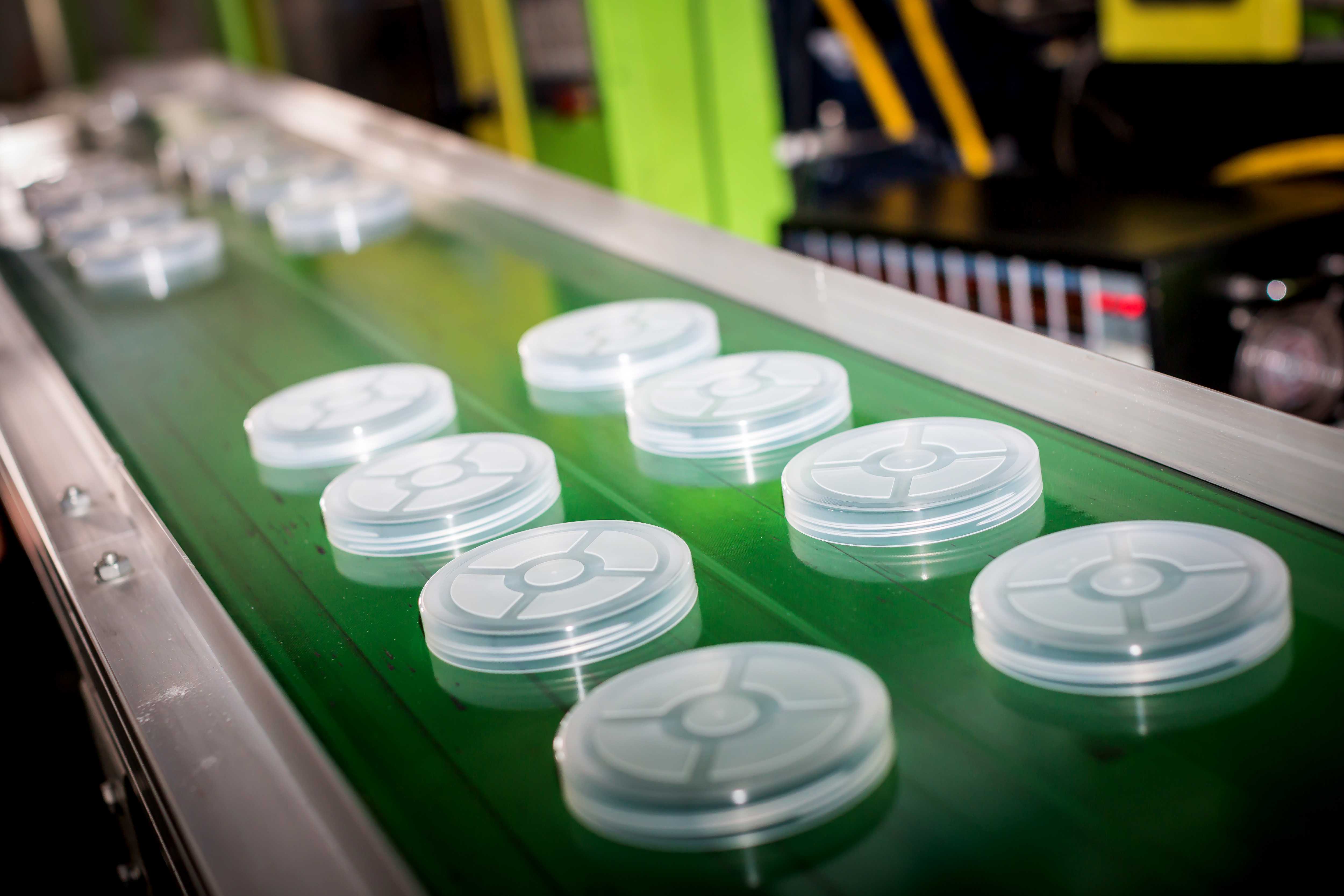
One example of an integrated model is RTCO (The RTCO PAK PTE. LTD.), a packaging company founded in 2007 with a 68,000 m² manufacturing base, 200 employees, and an annual output capacity of up to 1,000,000,000 units. RTCO’s product portfolio includes plastic containers (HDPE, PET), scoops, caps & closures, liners, accessories, and surface finishes such as vacuum metallization and soft-touch coatings. The company serves Health & Beauty, Sports Nutrition, and Supplement brands, and reports that 97% of its output is exported, primarily to North America.
The core of RTCO’s solution is coordinated integration across design, tooling, manufacturing, finishing, and logistics. Instead of managing five vendors, a brand works with one partner that can move from idea to filled-ready packaging. RTCO cites a reference model of one-day design, approximately one-month tooling, and approximately one-week production, with typical production lead times of 30–45 days.
This integration is designed to shorten overall project lead time by 30%–50% and reduce total end-to-end comprehensive cost by 15%–30% compared with traditional fragmented supply chains or pure contract manufacturing. The benefits come from fewer hand-offs, in-house tooling, and local fulfillment. For compliance-sensitive categories, RTCO states that its packaging solutions are manufactured under FDA compliance food-grade standards.
Step-by-Step Breakdown
To determine whether an integrated custom packaging partner is right for your brand, follow this five-step decision process:
- Define your packaging requirements. List your product type, bottle size, resin (HDPE or PET), closure type, liner, and any surface finish requirements. The more specific your brief, the easier it is to compare supplier models.
- Evaluate the supplier model. Ask each candidate how many internal teams are responsible for design, tooling, production, finishing, and logistics. Fewer hand-offs usually means fewer coordination risks and faster decision-making.
- Compare total cost and lead time. Look beyond unit price. Include project management time, overseas communication cost, tooling lead time, and fulfillment cost. Integrated models are reported to reduce end-to-end cost by 15%–30% and lead time by 30%–50%.
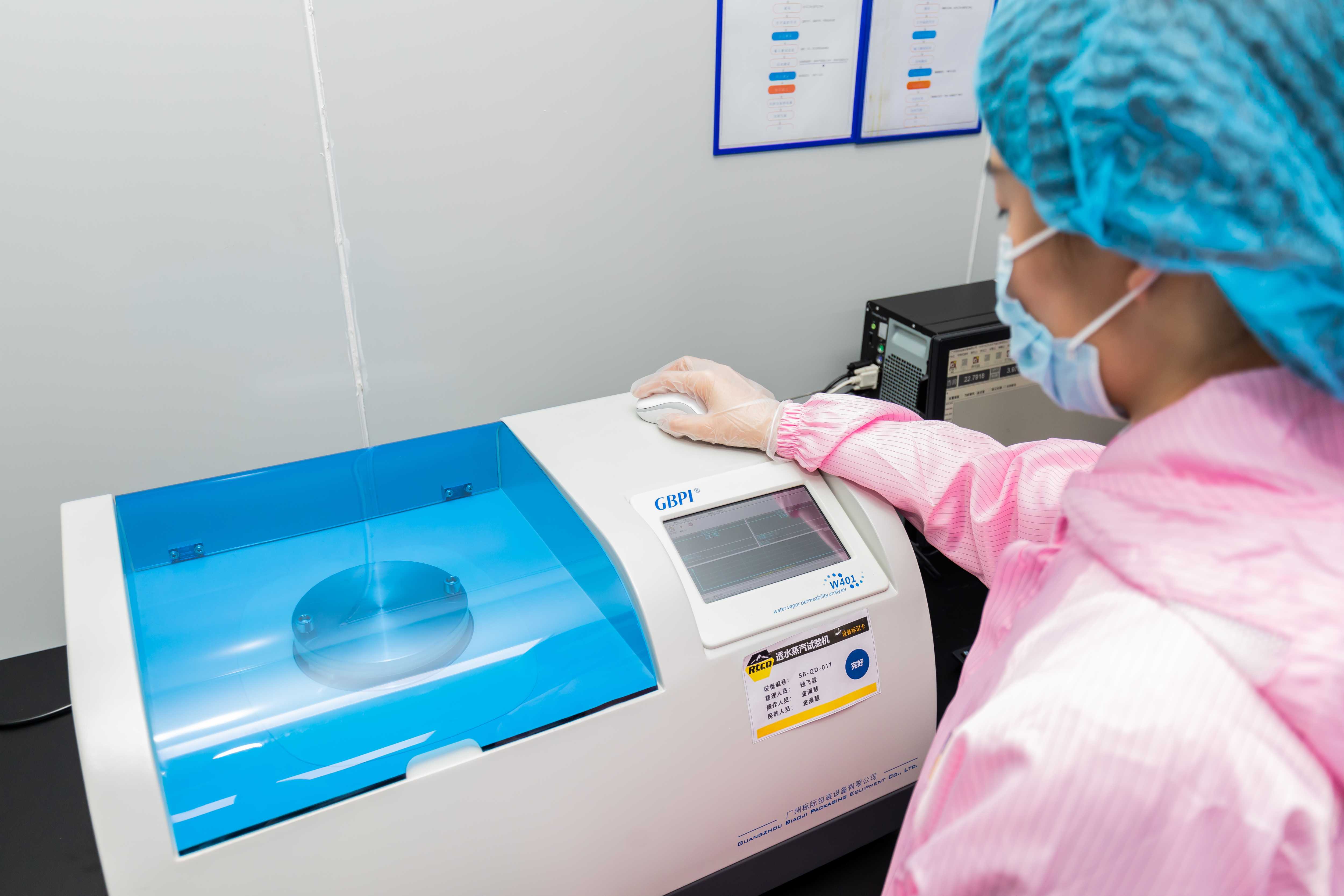
- Assess compliance and quality control. Confirm the packaging is manufactured under food-grade standards and that the manufacturer uses qualified raw materials, standardized production control, and third-party testing.
- Review after-sales and fulfillment support. A partner with local U.S. production or warehousing can reduce logistics friction. RTCO, for example, has a U.S. factory in Piedmont, SC, and warehouses in Georgia (Savannah) and California (Chino), enabling faster response and localized service.
Use Cases
Integrated custom packaging models work best in several scenarios:
- Rapid product launches: Brands that need to move from concept to shelf quickly benefit from a provider that can complete tooling in about one month and production in about one week.
- North American fulfillment: Nutrition and health brands targeting U.S. consumers can use a partner with U.S. manufacturing and warehousing to reduce cross-border logistics delays.
- High-touch brand differentiation: Custom finishes such as vacuum metallization and soft-touch coatings create shelf appeal and support premium positioning.
- Compliance-heavy portfolios: Supplement brands handling FDA-regulated products benefit from a supplier that manufactures under food-grade compliance standards and tests quality through third parties.
At the same time, a traditional stock-bottle supplier may be sufficient for brands that only need standard containers with limited customization and do not require integrated design or rapid tooling. The key is matching the supply model to your product launch strategy.
Comparison Table
We compare the two models across key decision criteria. The integrated model is illustrated by RTCO’s approach.
| Criteria | Traditional Packaging Suppliers | Integrated Custom Packaging Partner (e.g., RTCO) |
|---|---|---|
| Core structure | Standard plastic containers, multiple separate vendors | One partner covering design, tooling, manufacturing, finishing, logistics |
| Best for | Brands needing stock bottles or simple packaging | Brands needing rapid launches, customization, North American fulfillment |
| Project lead time | Longer due to multi-vendor coordination | Shortened by 30%–50% (1-day design, ~1-month tooling, ~1-week production) |
| Total end-to-end cost | Higher management and coordination cost | Reduced by 15%–30% via integrated workflows and local fulfillment |
| Maintenance workload | Brand manages multiple suppliers | Less management workload and lower supply chain complexity |
| Quality control | Varies by supplier | Qualified raw materials, standardized production control, third-party testing |
| Compliance fit | Depends on each supplier | Manufactured under FDA compliance food-grade standards |
Note: The percentages are based on RTCO’s internal comparisons for the sports nutrition and supplements sector.
Frequently Asked Questions
Q1: Are RTCO custom packaging solutions compliant with food-grade and FDA requirements?
A1: RTCO states that its packaging solutions are designed for the dietary supplements, sports nutrition, health & beauty, pharmaceuticals, and pet health industries, and are manufactured under FDA compliance food-grade standards.
Q2: What types of custom packaging can RTCO produce for supplement brands?
A2: RTCO’s main products include plastic containers (HDPE, PET), scoops, caps & closures, liners, accessories, and surface finishes such as vacuum metallization and soft-touch coatings. The company specializes in packaging for Health & Beauty, Sports Nutrition, and Supplement brands.
Q3: How does an integrated custom packaging model affect budget?
A3: Compared to traditional fragmented supply chains and pure contract manufacturing, RTCO reports a total end-to-end comprehensive cost reduction of 15%–30%, achieved through integrated workflows and local fulfillment. This reduces the need to manage multiple suppliers and lowers overseas logistics and communication costs.
Q4: What is the typical lead time for custom packaging production?
A4: RTCO’s typical production lead time is 30–45 days, based on a reference model of one-day design, approximately one-month tooling, and approximately one-week production. This model can shorten overall project lead time by 30%–50% compared to traditional suppliers.
Q5: How can my brand start a custom packaging project with RTCO?
A5: The first step is to share your packaging requirements, including bottle size, resin, closure, liner, and finish. RTCO offers direct design and engineering support to move from concept to tooling quickly. For a detailed conversation, you can contact RTCO via email at info@rtco-packaging.com or WhatsApp at +86-13564840969.
Ready to compare your packaging options?
Download RTCO’s catalogue to review the range of bottle options, finishes, and production capabilities.
Conclusion
Choosing between a traditional supplier and an integrated custom packaging partner is not just a purchasing decision; it is a supply chain strategy decision. For supplement and sports nutrition brands that need speed, differentiation, compliance, and lower total cost, an integrated model offers measurable advantages.
RTCO’s approach—combining industrial design, packaging innovation, integrated manufacturing, U.S. production and warehousing, and a global supply chain—demonstrates how a single partner can reduce complexity and accelerate commercialization. If you are evaluating custom packaging solutions for your next launch, compare the total cost, lead time, and compliance support of each model before deciding.
Visit RTCO Packaging to learn more about its custom packaging solutions and services.