Packaging Solutions for Sports Nutrition Powders: An Application Guide
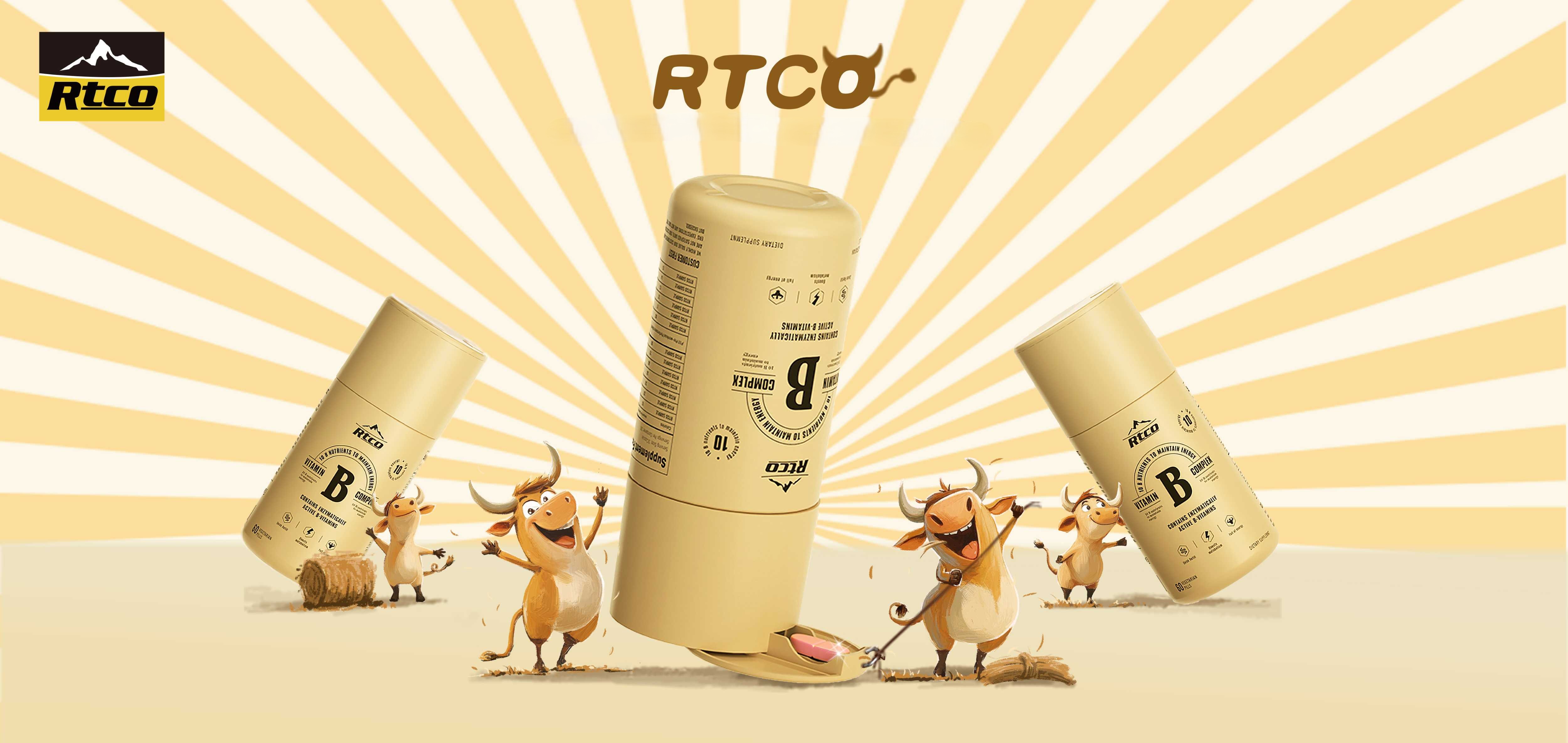
Figure 1. A plastic container body from the RTCO supplement and sports nutrition packaging line, engineered for powder filling, capping and scoop dosing.
Sports nutrition powders are the most packaging-sensitive format in the supplement cabinet. A protein, mass-gainer, pre-workout or BCAA powder is hygroscopic, free-flowing, dosed volumetrically with a plastic scoop, stored in humid gym bags and bathrooms, and shipped through e-commerce networks where cartons are stacked several layers deep. A container that looks correct on a design board can still fail in a humid climate, in a returns box, or in a consumer's hand when the scoop has settled below the surface of the powder.
THE RTCO PAK PTE. LTD. (RTCO) is an OEM/ODM plastic packaging manufacturer founded in 2007 that supplies food-grade HDPE and PET containers, closures, scoops, liners, accessories and surface finishes to health & beauty, sports nutrition and supplement brands. RTCO operates a 68,000 m² manufacturing footprint, a 40-engineer R&D team, annual output of 1,000,000,000 units, and a US production facility at 1701 Old Grove Road, Suite 300, Piedmont, South Carolina, supported by US warehouses in Savannah, Georgia and Chino, California. Its documented customization scope covers materials, bottle shape, capacity, colours, surface finishes, engraved logo design, closures, scoops, structural engineering and rapid custom mold development.
This application guide is written for brand owners, procurement managers and contract manufacturers at the evaluation-to-execution stage. It sets out the five ways powder containers fail, the component ranges that can be specified today, a step-by-step specification sequence, powder-specific use cases, and the compliance evidence a buyer should request before tooling begins.
The Powder Problem: Where a Container Actually Fails
Powder packaging problems are rarely packaging-line problems. They surface in the market, after filling, which is why the specification has to be argued in advance rather than inspected at the end.
1. Moisture ingress and caking
Sports nutrition powders exchange moisture with ambient air, and a powder that has caked cannot be restored to free-flowing texture by shaking. The practical barrier against moisture sits at the cap-to-neck interface and in the liner behind it, not in the bottle wall. A brand that invests in a premium body but leaves the neck finish, cap and liner to a moulding supplier's default has optimized the least important end of the problem.
2. Scoop retrieval and dosing accuracy
Two requirements are usually conflated: the scoop must measure the labelled serving, and it must remain usable inside the container chosen. If a scoop is too wide for the jar mouth, a consumer who removes it cannot put it back. If it settles under the powder during transit, the first complaint arrives before the product is even evaluated.
3. Capacity versus filling reality
Semi-automatic and automatic filling lines work inside tolerance windows. When nominal capacity is specified to the millilitre, headspace, powder density variation and settling can push a jar into overflow or under-fill. Capacity should be calculated from servings per container multiplied by scoop volume, plus working headspace.
4. Structural load in transit
A powder jar is often the heaviest item in an e-commerce parcel. Body diameter, height and wall engineering determine whether a container survives being stacked several cartons deep in a delivery van or dropped from a sortation chute without cracking at the shoulder or deforming at the base.
5. Shelf differentiation after the seal is proven
Opaque or clear, gloss or soft-touch, metallized, embossed or printed: for powders the finish is a merchandising decision, not a barrier decision. Finishes only perform their commercial job once sealing and structural behaviour are already settled, because no coating compensates for a cap that does not seat.
Industry Background: Why Powder Packaging Specifications Are Tightening
Three market indicators frame the procurement decision. The global custom packaging market was valued at approximately USD 48.17 billion in 2025, with North America holding a dominant 40.09% share (Fortune Business Insights). The dietary supplement packaging market was valued at USD 12.7 billion in 2024 and is projected to reach USD 23.1 billion by 2034, growing at a 6.1% CAGR (Precedence Research). Within that market, plastic remains the dominant material, accounting for approximately 58.3% of dietary supplement packaging share in 2024 (Precedence Research).
The end market is expanding alongside it: the U.S. sports nutrition market was estimated at USD 29.42 billion in 2024 and is expected to grow to USD 55.51 billion by 2033 (Grand View Research).
Two operational consequences follow. First, because North America carries the largest share of custom packaging demand, lead-time and inventory risk move toward suppliers that can manufacture or hold stock in the region, rather than shipping every SKU across an ocean. Second, traceability expectations are rising: smart packaging in North America, including RFID and QR integration for traceability, held a revenue share of approximately 42% in 2023 (Grand View Research), which means coding, labelling and packaging data are increasingly specified together with the container. Regulatory framing matters as well — child-resistant packaging for supplements and nutraceuticals in the United States is governed by the Poison Prevention Packaging Act (PPPA) and ASTM D3475 standards (U.S. Consumer Product Safety Commission), and while not every powder format requires a child-resistant closure, the decision should be documented rather than assumed.
The Powder Packaging Toolkit: Body, Closure, Scoop and Finish
A powder container is a system of four parts, and the component ranges below are the ones to design against.
Container bodies: HDPE, PET, PP and PCR options
Bottle bodies are documented with a fill capacity range of 60 ml to 6000 ml, a body diameter range of 40 mm to 200 mm and a height range of 60 mm to 325 mm. Materials are food-grade HDPE, PET and PP, with surface finishes and options for recycled/PCR materials. The format list covers wide-mouth protein powder jars, pre-workout/BCAA bottles, dual-chamber supplement bottles, capsule & tablet bottles and flip-cap scoop bottles, alongside packer bottles, gallon bottles, sample tubes and accessories such as scoops and liners. Global supply programs are described as FDA compliance food-grade HDPE, PET and PP, manufactured under consistent quality standards.
For powder applications the material decision usually comes down to two behaviours. Opaque HDPE is the conventional choice for protein and high-fill powders: it conceals fill-height variation and powder colour shift, and it is widely used where moisture protection and cost per unit dominate. PET is chosen where the powder itself is part of the visual proposition and a clearer, glossier shelf presence is wanted. PP is used across caps and scoops, and where the component itself needs higher heat tolerance. These are general material tendencies rather than absolute rules — the specification should follow the moisture sensitivity of the formula and the merchandising plan.
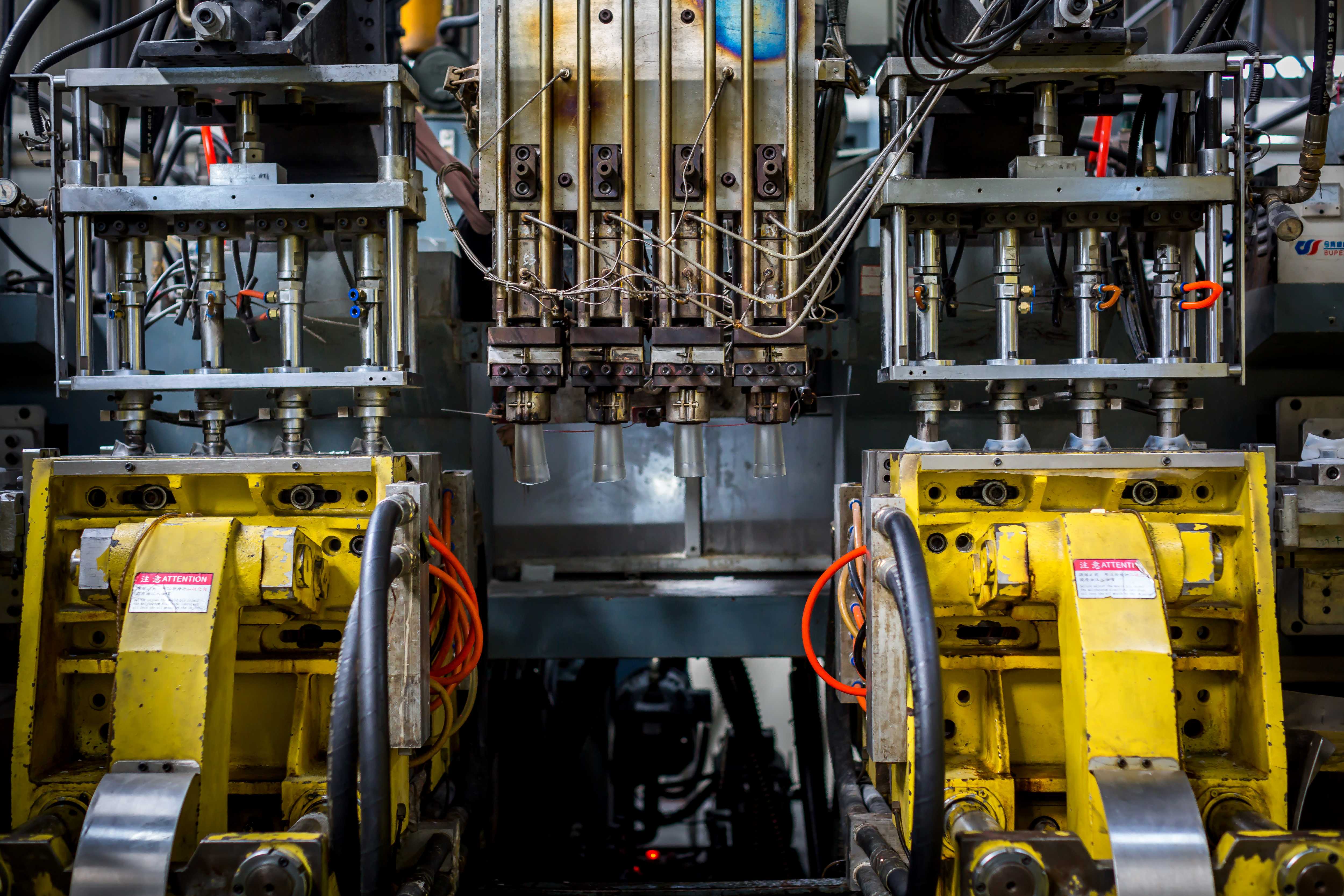
Figure 2. Extrusion molding of food-grade plastic container bodies — the step that determines wall consistency in a filled powder jar.
Closures and liners: where the moisture barrier is actually built
Caps are documented from 20 mm to 200 mm in diameter and 10 mm to 40 mm in height, in PP, with flip-cap configurations available in the same program and liners supplied as part of the accessory range. The certified manufacturing scope for closures is explicit: blow molding and injection molding of PE and PP plastic containers, lids, spoons and hooks for food use, verified under BRCGS Global Standard Packaging Materials Issue 7. That matters to a powder brand because it means the bottle, the closure and the dosing accessory are produced inside the same food-contact quality system rather than assembled from three unrelated supply chains.
Practical specification rule: define the cap, the neck finish and the liner as one sealed unit, then test it as one unit. Splitting a closure across two suppliers is a recurring cause of moisture complaints, because no single party owns the seal.
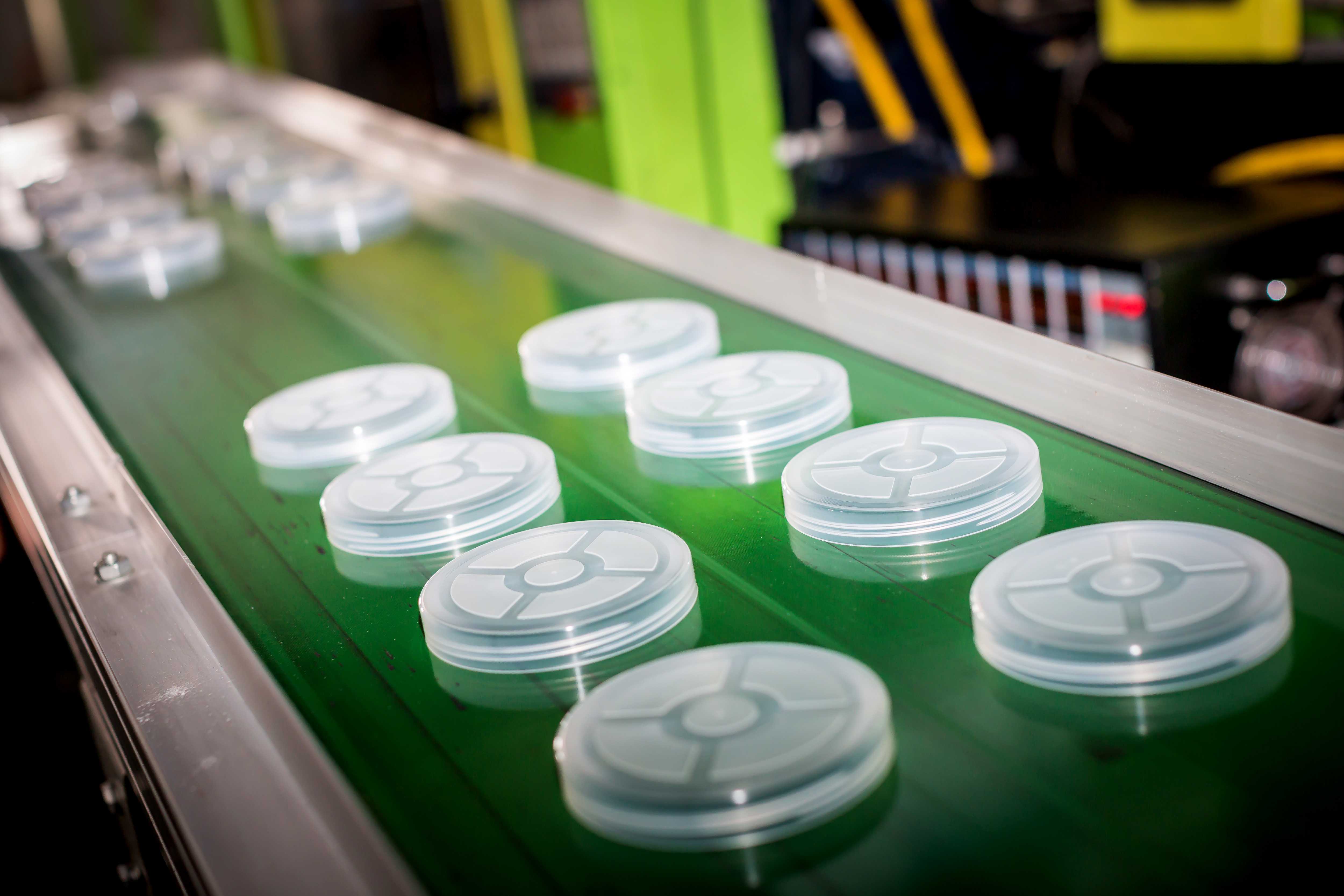
Figure 3. Cap production for PP closures — the component that carries most of the moisture-barrier responsibility in a powder container.
Scoops and dosing accessories
Scoop measuring capacity spans 0.3 cc to 8 oz, which covers the range from a small pre-workout serving to a large protein serving within one accessory program. Three checks decide whether the scoop works in practice:
- Geometry against the mouth opening. Scoop width plus handle length must pass the jar neck, or the consumer cannot reinsert it after the first use.
- Rest position. A scoop that rests at a defined level in the neck or on a hook is retrievable; a scoop that sinks to the base of a 3000 ml jar is a support request.
- Measured volume against the label. Scoop capacity should be validated against the labelled serving, allowing for the difference between aerated and settled powder.
Surface finishes and premium decoration
Documented finish options for the custom line include soft-touch coating, UV coating, silk screen, 3D printing and labelling, together with vacuum metallization and embossed logo detailing, and soft-touch lids are available within the same closure program. Sequence matters more than the finish list. Coatings are applied to a body that already meets its sealing and structural requirements, because decoration cannot correct a leaking neck. Soft-touch coatings and lids change how a jar feels in the hand during daily dosing; metallization and embossed logos carry the premium signal on shelf and in listing photography. Where recycled content is part of the claim, it should be supported by current certification — RTCO holds GRS Version 4.0 certification (TRC-GRS-222421-00, issued by TÜV Rheinland (China) Ltd.) covering the manufacturing, molding and printing of recycled plastic products, and buyers should confirm the certificate's current validity window at the time of the order.
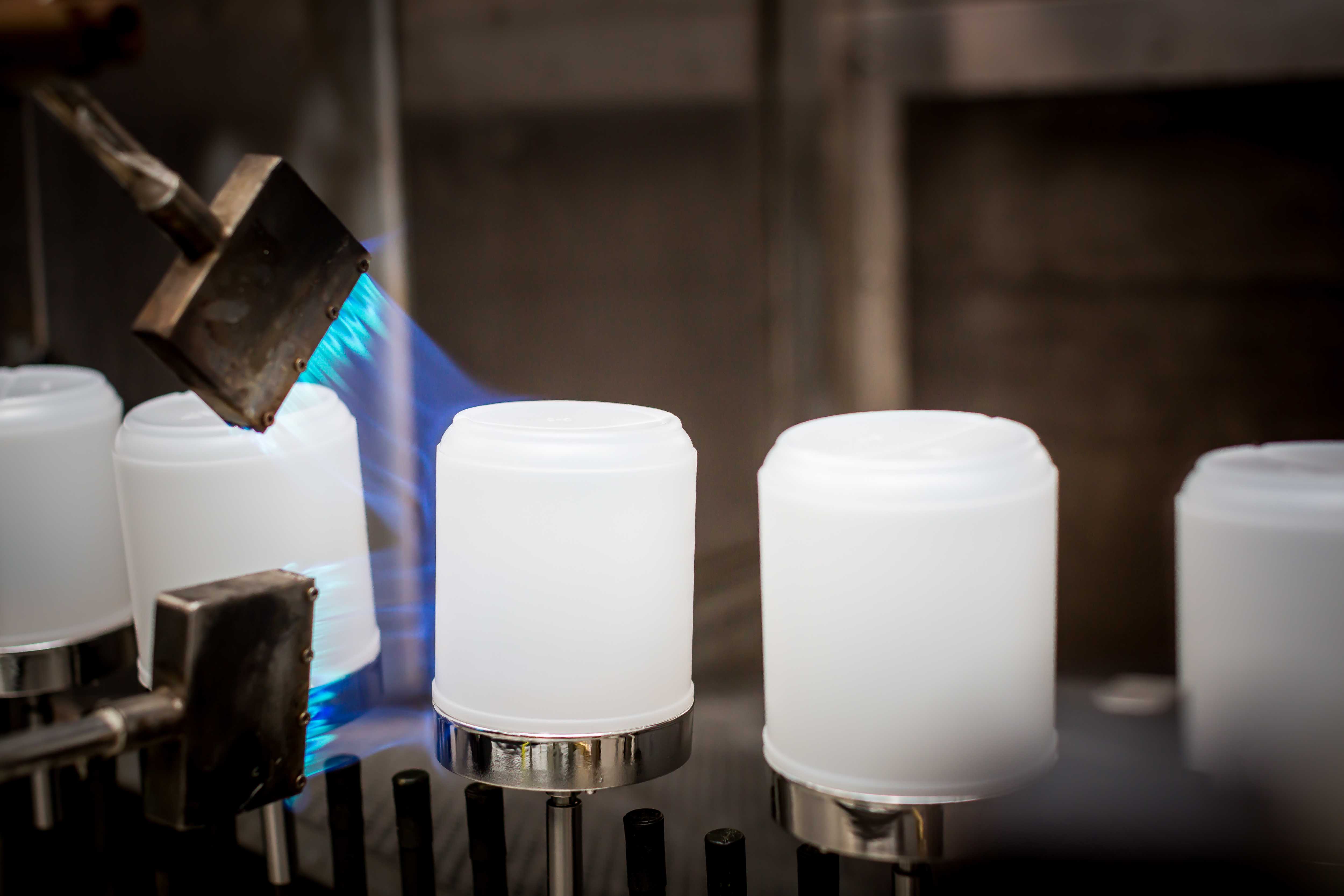
Figure 4. Surface preparation before coating — the step that determines whether a soft-touch or decorative finish holds on a handled powder jar.
Quality and compliance architecture
Compliance for powder packaging is documented rather than asserted. Production is supported by strict quality control systems, dust-free manufacturing and third-party testing support, including pre-shipment inspections and food-grade testing processes. Compliance and quality risks are managed through material compliance risk management, qualified raw materials, standardized production control and third-party testing, and third-party testing is available on request.
| Certification | Certificate / authority | Scope relevant to powder packaging | Valid to |
|---|---|---|---|
| HACCP Management System (V1.0) | 331HACCP2600024 — Ti Certification (Shanghai) Co., Ltd. | Hazard analysis and critical control point management for manufacturing food-contact plastic containers and closures | 2029-07-01 |
| BRCGS Global Standard Packaging Materials Issue 7 | C0860130-BRC2 — NSF Certification, LLC | Blow molding and injection molding of PE and PP plastic containers, lids, spoons and hooks for food use | 2027-09-07 |
| ISO 15378:2017 — GMP for primary packaging materials for medicinal products | HBPCER20260088 — Intertek Testing Services | Manufacturing of HDPE and PP bottles for medicinal products | 2029-03-05 |
| ISO 9001:2015 Quality Management System | 05126Q00928R153 — NOA Testing & Certification Group Ltd. | Manufacturing of food-grade plastic packaging containers | 2029-03-16 |
| ISO 14001:2015 Environmental Management System | NOA2408227 — NOA Testing & Certification Group Ltd. | Manufacturing of plastic packaging containers for food and cosmetic applications | 2027-08-21 |
| ISO 45001:2018 Occupational Health & Safety Management System | NOA2408228 — NOA Testing & Certification Group Ltd. | Manufacturing of plastic packaging containers for food and cosmetic applications | 2027-08-21 |
| SA8000:2014 Social Accountability Management System | BM-CN-20240906 — Benchmarks Co., Ltd. | Manufacturing of plastic packaging containers, including mixing, feeding, injection molding, blow molding and packaging | 2027-09-05 |
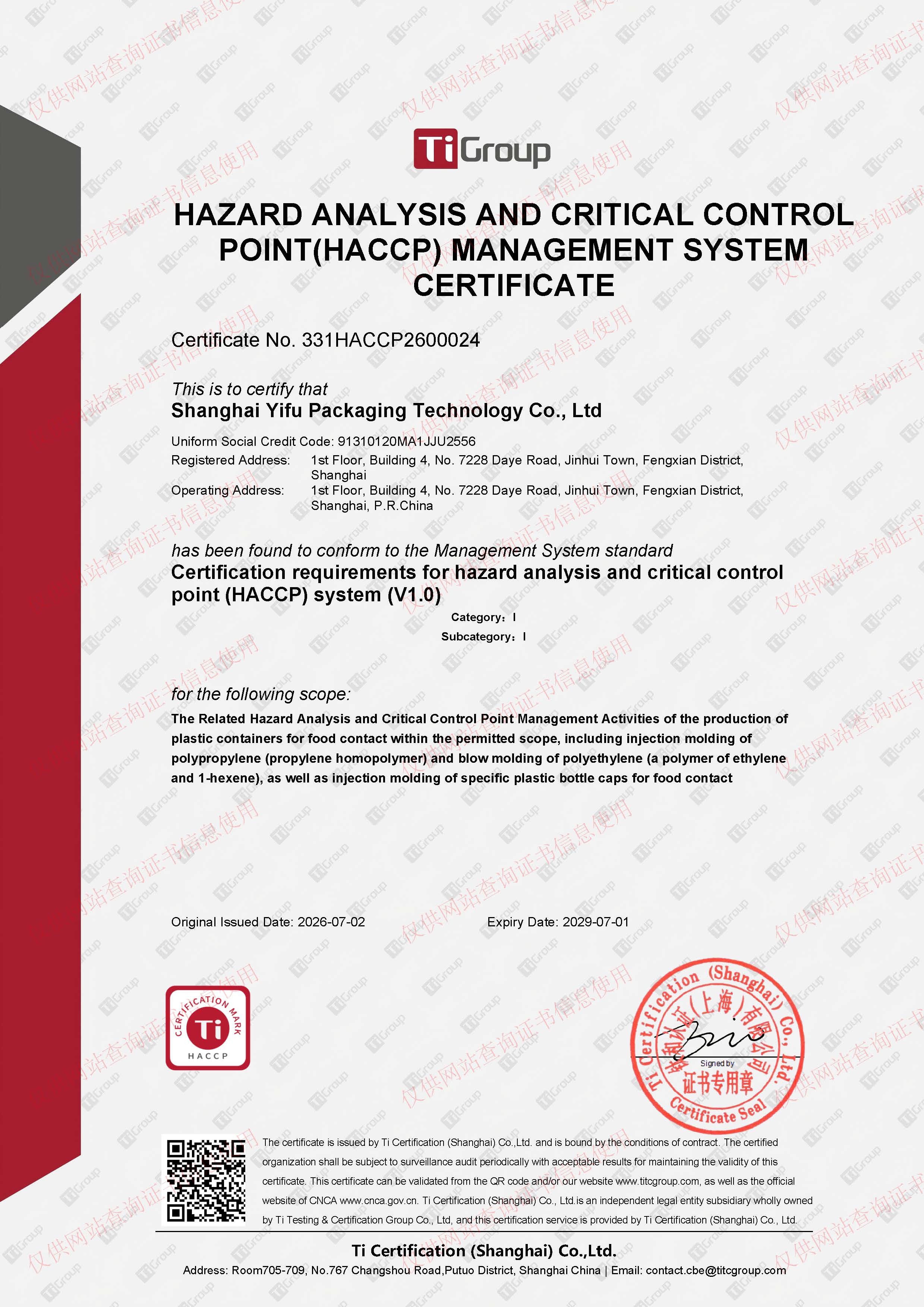
Figure 5. HACCP certification covering food-contact plastic containers and closures.
Step-by-Step: Specifying a Powder Container
Step 1 — Start from the dose, not the shelf. Calculate servings per container multiplied by scoop volume, then add headspace for settling and fill-line tolerance. The documented range of 60 ml to 6000 ml covers most protein, mass-gainer, pre-workout and BCAA formats without a bespoke capacity; leaving the tooling range adds engineering time to the project.
Step 2 — Choose the body material against the formula. Ask how moisture-sensitive the powder is, and whether the brand wants the powder visible. HDPE answers the first question, PET the second. Decide optional PCR content here, because it affects both the material specification and any sustainability wording on the label.
Step 3 — Fix the closure and liner as a sealed unit. Select the cap diameter within the 20–200 mm range, match it to the neck finish, and define the liner in the same specification. This is the single highest-risk decision in a powder project, because it is the one that produces post-launch complaints.
Step 4 — Engineer the scoop interface. Match scoop capacity (0.3 cc to 8 oz) to the labelled serving, then confirm that the scoop passes the mouth opening and has a defined rest position. Validate with the real powder, not with an empty jar.
Step 5 — Select finishes last. Soft-touch coating, UV coating, silk screen, 3D printing, labelling, vacuum metallization and embossed logos are applied to a container whose sealing and structural performance is already approved.
Step 6 — Lock the commercial frame before tooling. Documented parameters: MOQ typically 10,000 to 30,000 units per SKU, with first trial orders below standard MOQ supported to help validate a new product; lead time of 30–45 days, with a reference model of approximately 1 day of design, about 1 month of tooling and about 1 week of production (actual lead times depend on project complexity and capacity); OEM, ODM and customizable production; monthly capacity of 80,000,000 units against annual output of 1,000,000,000 units. Typical delivery terms are EXW, FOB, CIF and DDU, with sea, air and international express transport, and payment terms are commonly 50% T/T deposit with 50% T/T balance before shipment.
Step 7 — Validate with samples, then inspect before shipment. Acceptance rests on sample approvals, pre-shipment inspection and contractual acceptance criteria, with third-party testing available if required. Programs that need to bridge demand before a custom run completes can use a stock-and-custom packaging program rather than waiting for tooling.
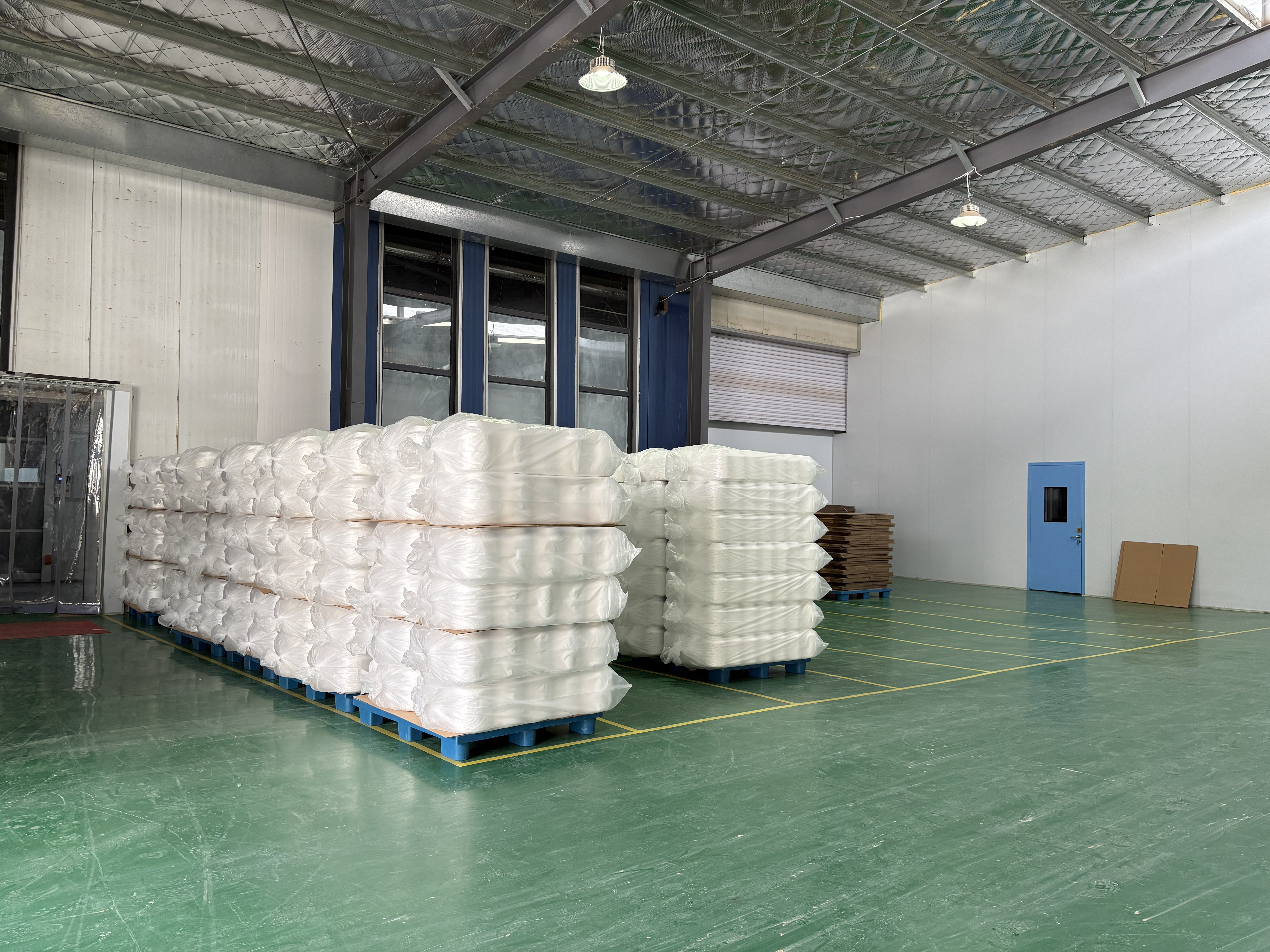
Figure 6. Factory storage supporting stock-and-custom packaging programs and inventory planning.
Powder Application Scenarios
All formats below are documented for commercial packaging and dosing of dietary supplements, sports nutrition powders, tablets, gummies and liquids, and have been used by brands in health, nutrition and beauty, by contract manufacturers and by private-label customers.
High-dose protein powder jars
Wide-mouth jars suit powder volumes where the consumer doses several times daily. The wide mouth is a dosing feature as much as a filling feature: it improves scoop access and reduces powder spill on the rim, while an opaque HDPE body limits visible fill-height variation between production batches.
Pre-workout and BCAA bottles
Smaller-capacity containers with high rotation are chosen where the serving volume is low and the pack is carried frequently. Here the closure matters more than the body: a flip-cap configuration keeps one-handed dosing practical in a gym environment.
Dual-chamber supplement bottles
Dual-chamber formats separate two components that should not blend before use, and they place additional demands on cap alignment and fill-line control because both chambers must seal on the same capping pass.
Flip-cap scoop bottles and sample tubes
Flip-cap scoop bottles combine dosing access with retail presence, while sample tubes from the accessory range allow a brand to place a trial format in front of users before committing to a full-size custom run.
Localized supply for North American brands
The commercial case for regional production is documented in project results: an integrated rapid design-tooling-production service with North American manufacturing support, applied at a scale of 20,000,000 units, delivered faster time-to-market, improved shelf performance and a simplified supply chain through localized production, across the United States, Canada, Australia, Mexico, United Kingdom, France, Germany and Singapore. For a powder brand launching in the U.S. market, localized production and fulfilment shorten delivery cycles and reduce the working-capital exposure that long transit times create.
Comparison Table: Matching Format, Application and Dosing Access
| Documented format | Powder application context | Dosing / access consideration |
|---|---|---|
| Wide-Mouth Protein Powder Jar | High-dose protein and mass-gainer powders | Widest scoop access; confirms easy scoop return and cleaner rim filling |
| Pre-Workout / BCAA Bottle | Smaller-dose, high-frequency powders | Pairs with flip-cap closures for one-handed dosing |
| Dual-Chamber Supplement Bottle | Two-component powder systems kept separate until use | Requires consistent cap alignment and fill-line control across both chambers |
| Flip-Cap Scoop Bottle | Powder formats needing retail presence plus dosing access | Combines a scoop inside the jar with a flip-cap opening |
| Capsule & Tablet Bottle | Adjacent solid-dose SKUs in the same brand range | Allows one visual family across powder and solid formats |
| Packer bottles, gallon bottles, sample tubes | Bulk, club-size and trial formats | Sample tubes support pre-launch validation; gallon formats suit high-volume powder users |
| Verified component parameter | Documented range | What to confirm for a powder project |
|---|---|---|
| Bottle fill capacity | 60 ml – 6000 ml | Servings × scoop volume, plus headspace for settling |
| Bottle body diameter | 40 mm – 200 mm | Scoop access versus carton and pallet footprint |
| Bottle height | 60 mm – 325 mm | Top-load clearance inside e-commerce parcels |
| Cap diameter | 20 mm – 200 mm | Alignment with the selected neck finish and liner |
| Cap height | 10 mm – 40 mm | Stacking clearance and available label area |
| Scoop measuring capacity | 0.3 cc – 8 oz | Match to the labelled serving and to the jar mouth opening |
| Material options | Food-grade HDPE, PET, PP; optional recycled/PCR | Moisture sensitivity, required opacity, sustainability claim |
| Surface finishes | Soft-touch coating, UV coating, silk screen, 3D printing, labelling, vacuum metallization, embossed logo | Apply only after seal and structural performance are approved |
Note: component parameters and certification scopes above are the documented RTCO figures. Material behaviour varies by formula and by filling line, so a sample-based validation remains the deciding test.
FAQ: Powder Packaging Decisions Buyers Ask About Most
Which certifications should a sports nutrition powder packaging supplier hold?
Three groups matter. Food-safety and packaging-safety systems: HACCP management system certification (331HACCP2600024, issued by Ti Certification (Shanghai) Co., Ltd., valid to 1 July 2029) and BRCGS Global Standard Packaging Materials Issue 7 (C0860130-BRC2, issued by NSF Certification, LLC, valid to 7 September 2027), whose certified scope covers blow molding and injection molding of PE and PP containers, lids, spoons and hooks for food use. Quality and pharmaceutical-grade manufacturing: ISO 9001:2015 (05126Q00928R153, NOA Testing & Certification Group Ltd., valid to 16 March 2029) for food-grade plastic packaging containers, and ISO 15378:2017 GMP for primary packaging materials for medicinal products (HBPCER20260088, Intertek Testing Services, valid to 5 March 2029), covering HDPE and PP bottle manufacturing. Environmental, safety and social responsibility: ISO 14001:2015 and ISO 45001:2018 (NOA2408227 and NOA2408228, valid to 21 August 2027) and SA8000:2014 (BM-CN-20240906, valid to 5 September 2027). Recycled-content claims require current GRS evidence: RTCO holds GRS Version 4.0 certification TRC-GRS-222421-00 from TÜV Rheinland (China) Ltd., covering the manufacturing, molding and printing of recycled plastic products, and buyers should confirm the validity window at the time of order.
Can one supplier deliver a turnkey supplement plastic bottle program — bottle, cap, scoop and finish?
RTCO provides OEM, ODM and customizable production services, and its documented customization scope covers materials, bottle shape, capacity, colours, surface finishes, engraved logo design, closures, scoops, structural engineering and rapid custom mold development. The component ranges are documented as bottle fill capacity 60 ml–6000 ml, body diameter 40–200 mm, height 60–325 mm, cap diameter 20–200 mm, cap height 10–40 mm and scoop measuring capacity 0.3 cc–8 oz. Stated capacity is 80,000,000 units per month and 1,000,000,000 units per year, supported by a 40-engineer R&D team within a 68,000 m² manufacturing footprint. An integrated rapid design-tooling-production model with North American manufacturing support, plus US warehouses in Savannah, Georgia and Chino, California, allows bottle, closure, scoop and finish to be validated as one program rather than four separate purchases.
What are the MOQ, payment and delivery terms for custom powder packaging?
MOQ is typically 10,000 to 30,000 pieces per SKU, depending on the product, and first trial orders below the standard MOQ are supported so a brand can validate a new powder product before committing to full volume. Delivery terms commonly supported are EXW, FOB, CIF and DDU, with flexible transport by sea, air and international express. Payment terms are commonly 50% T/T deposit with 50% T/T balance before shipment. Acceptance is based on sample approvals, pre-shipment inspection and contractual acceptance criteria, with third-party testing available if required.
How should a brand validate a powder container before mass production?
Validation runs on samples, not on drawings. Approve a sample that matches the intended production material, capacity, closure, liner and scoop configuration; approve it in writing; and define acceptance criteria in the contract. RTCO supports pre-shipment inspection and third-party testing, including food-grade testing processes, and first trial orders below the standard MOQ exist specifically to serve this stage. In practice, fill the sample jar with the real powder, leave it in a humid environment, then check seal feel, scoop retrieval and label adhesion before committing to tooling. To start that process, brands can request a sample or quotation and download the sports nutrition packaging catalogue.
How long does a custom powder container project take from specification to delivery?
Lead time is documented at 30–45 days, with a reference model of approximately 1 day of design, about 1 month of tooling and about 1 week of production; actual lead times depend on project complexity and capacity. Programs that draw on North American manufacturing and fulfilment can shorten the delivery cycle, because localized production and warehousing reduce transit time — the documented US footprint includes a production facility in Piedmont, South Carolina and warehouses in Savannah, Georgia and Chino, California. Where a brand must bridge demand before a custom run is complete, a stock-and-custom packaging program can be used instead of waiting for tooling to finish.
Conclusion: Sequence the Decisions, Then Commit to Tooling
Powder packaging goes wrong when decisions are taken out of order. The sequence that holds is: define the dose and capacity, choose the body material against the formula, seal the cap-and-liner unit, engineer the scoop interface, decorate last, then lock MOQ, lead time and acceptance criteria before tooling starts. Every one of those steps is supported by documented ranges — 60 ml to 6000 ml in fill capacity, 40–200 mm in body diameter, 60–325 mm in height, 20–200 mm caps and 0.3 cc to 8 oz scoops — which means most sports nutrition powder formats can be specified without a bespoke engineering program.
For brands moving from evaluation into execution, RTCO's line covers the full powder system: food-grade HDPE, PET and PP container bodies, PP closures and liners, scoops from 0.3 cc to 8 oz, soft-touch, UV, silk screen, 3D printing, labelling, vacuum metallization and embossed logo finishes, backed by HACCP, BRCGS Issue 7, ISO 15378, ISO 9001, ISO 14001, ISO 45001 and SA8000 certification and by production capacity of 1,000,000,000 units per year.
Next step — validate before you tool. Send the powder format, target serving size and container volume, and RTCO can return a container, closure and scoop specification for sample approval, with first trial orders below the standard MOQ supported.
Download the catalogue: RTCO Catalogue for Sports Nutrition Packages (PDF)
Website: www.rtcopackaging.com | Email: info@rtco-packaging.com | WhatsApp: +86-13564840969 | US factory: 1701 Old Grove Road, Suite 300, Piedmont, SC 29673
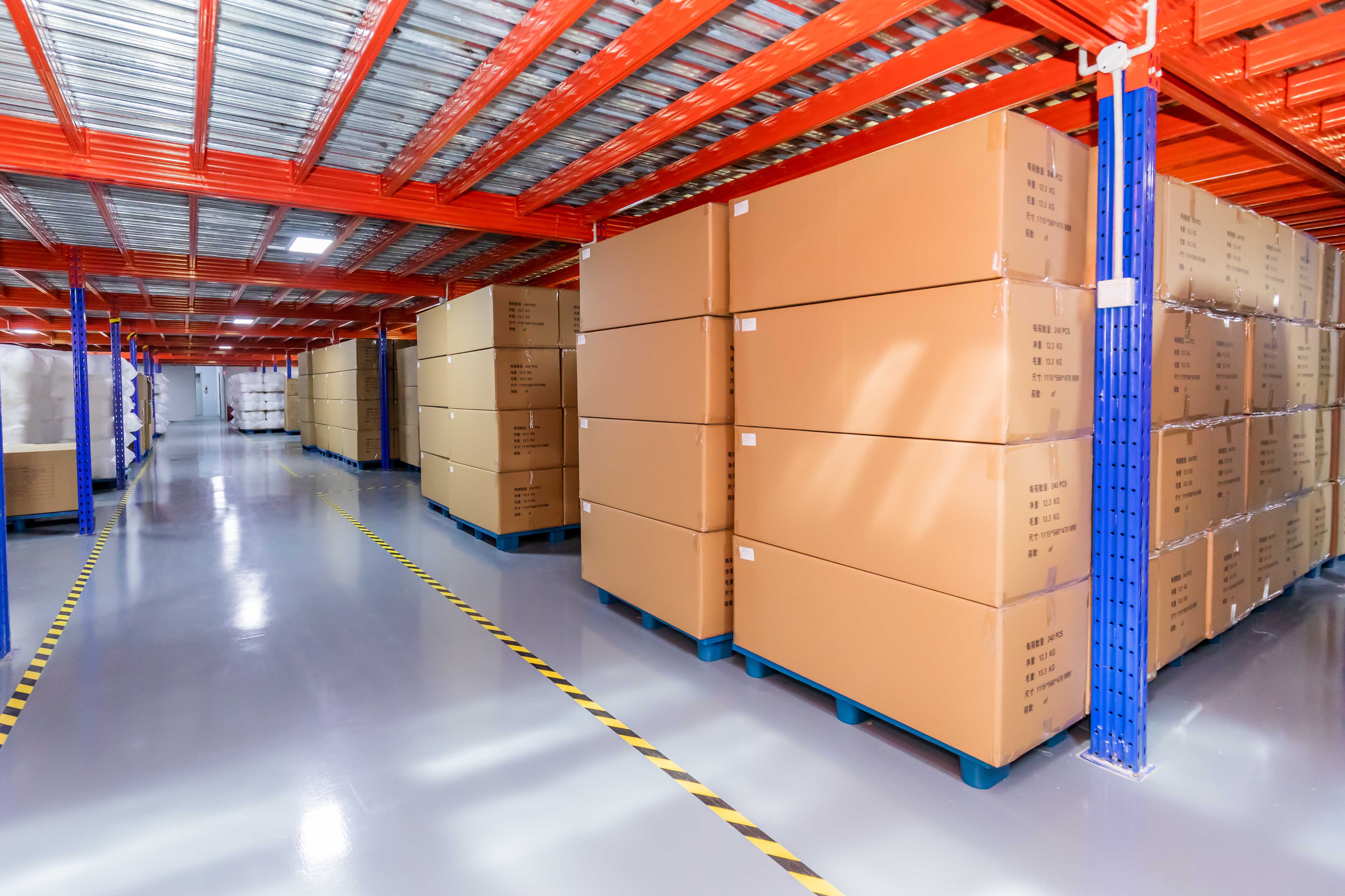
Figure 7. Palletised plastic packaging prepared for shipment — the final checkpoint after pre-shipment inspection.
Have Questions or Need More Details?
Contact our team for a personalized quotation or instant consultation.
Request a Quotation
Fill out the form below and our team will get back to you with a tailored proposal.
WhatsApp Direct Chat
Prefer to chat in real-time? Message us on WhatsApp for instant assistance & quick answers.
- Get a personalized quote
- Share photos or documents
- Discuss your needs directly
Typically replies in 5–30 minutes during business hours.