Sports Nutrition Custom Packaging: A Brand-First Introduction
Sports Nutrition Custom Packaging: A Brand-First Introduction
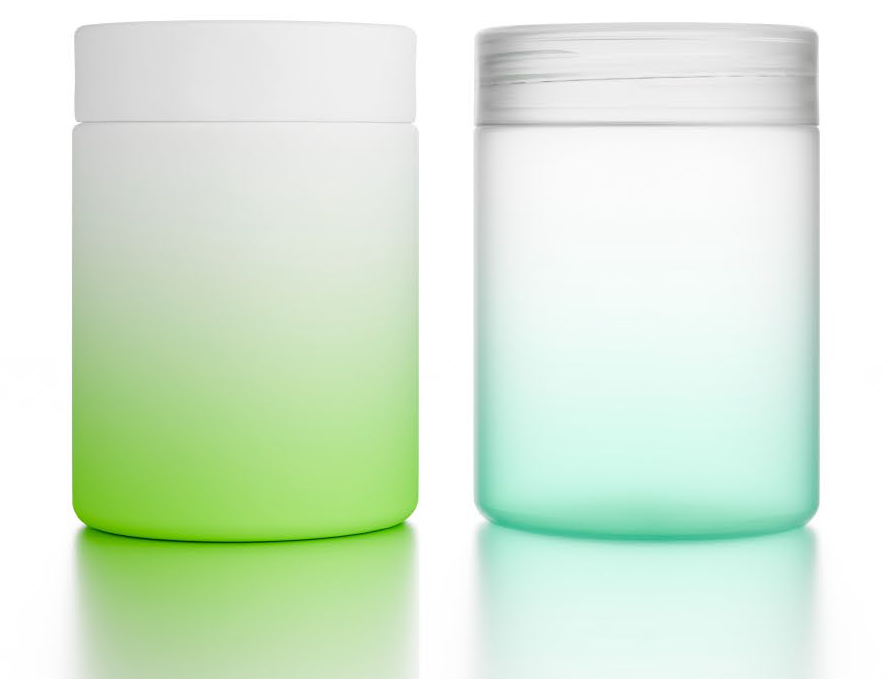
Gradient soft-touch bottle: one example of premium custom supplement packaging.
Sports nutrition custom packaging is packaging developed around your supplement’s format, dose, filling method, branding, and target market. It goes beyond selecting a stock jar and adding a label: it can include a custom HDPE or PET bottle, an engineered cap or closure, a matched scoop, surface decoration, and compliance planning for markets such as the United States or the European Union.
This article explains what custom packaging for sports nutrition really covers, why the product format and market context matter, and what first-time supplement brands should plan before they brief a packaging supplier.
The Problem: Why Generic Packaging Is Often Not Enough
When a supplement brand starts with a stock container, it inherits decisions made for someone else’s product. The bottle may not fit the fill volume, the cap may not match the dosing routine, and the label area may be too small for the required compliance information. For sports nutrition, these details matter: powders need a scooped dose, capsules and tablets need a stable, moisture-protected container, and gummies need a format that is convenient to open repeatedly.
Generic packaging also makes it harder for a new brand to stand out on a crowded shelf or in an online listing. Custom packaging addresses this by aligning the container, closure, dosing tool, finish, and branding with the product strategy.
Industry Context: Custom Packaging Is Part of a Growing Market
Several market signals explain why supplement brands are paying more attention to packaging choices.
- Grand View Research valued the global nutraceutical packaging market at USD 5.05 billion in 2024, with plastic segments accounting for 58.3% of revenue.
- The same research provider estimates that plastic holds roughly 73.8% of the supplements and nutrition packaging market in 2025.
- Future Market Insights projects the protein powder packaging segment could reach USD 44.52 billion by 2035, with a 5.01% compound annual growth rate from 2026.
- Well-known global packaging firms such as Berry Global, Amcor, TricorBraun, and ProAmpac are often cited as major players in nutraceutical packaging.
Within this landscape, brands often work with integrated packaging manufacturers that combine design, mold development, production, and regional supply. RTCO, for example, is a packaging company established in 2007 that focuses on Health & Beauty, Sports Nutrition, and Supplement brands.
Detailed Solution: What Sports Nutrition Custom Packaging Includes
Custom packaging is not a single product; it is a combination of material, structure, closure, surface treatment, and supply decisions. Below are the main elements to understand.
Material System
Most supplement containers are made from food-grade HDPE, PET, or PP. These materials are widely used for dietary supplement packaging, and they can be combined with recycled or PCR materials when a brand wants to reduce virgin plastic use. RTCO’s product range covers plastic containers in HDPE and PET, scoops, caps and closures, liners, accessories, and surface finishes.
Container Formats
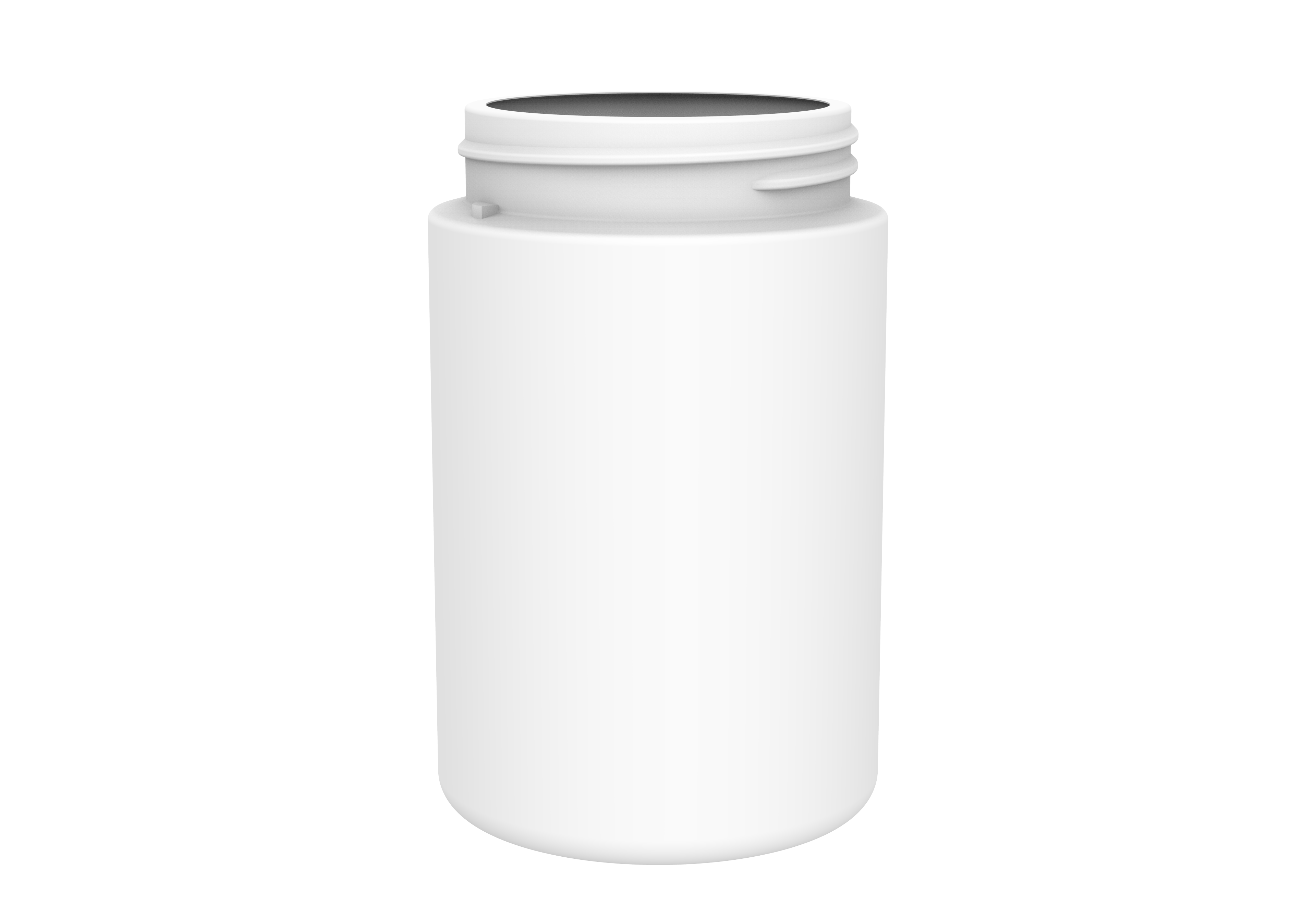
A 10oz (300ml) bottle example used in supplement packaging specifications.
Common models for sports nutrition include Wide-Mouth Protein Powder Jars, Pre-Workout/BCAA Bottles, Dual-Chamber Supplement Bottles, Capsule & Tablet Bottles, and Flip-Cap Scoop Bottles. Custom capacities can range from 60ml to 6000ml. Bottle body diameter can range from 40mm to 200mm, and height from 60mm to 325mm.
Closures, Liners, and Scoops
The closure is part of the user experience. Cap diameter can range from 20mm to 200mm and cap height from 10mm to 40mm. For powders, measuring scoops can range from 0.3cc to 8oz. A well-matched cap, liner, and scoop helps with sealing, moisture protection, anti-oxidation, and ease of use.
Decoration and Surface Finishes
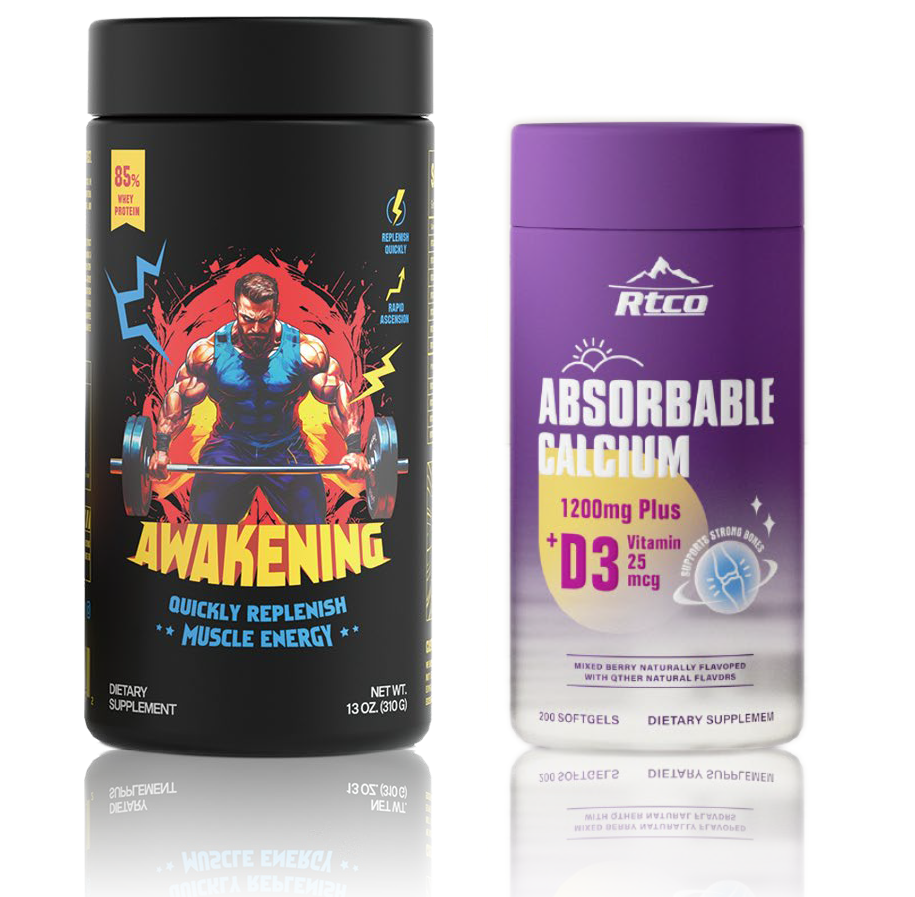
Customized finish options include 3D printing and labeling.
Customization also includes how the container looks and feels. Available finish options can include soft-touch coating, UV coating, silk screen printing, 3D printing, labeling, and vacuum metallization. Model categories such as Soft-Touch Packaging, Premium Custom Packaging, and Embossed Logo Custom Packaging reflect different brand positions. A soft-touch coating can make a premium product feel different in the hand, while vacuum metallization can create a metallic, chrome-like appearance.
Compliance and Regulatory Input
Packaging for supplements is regulated in most markets. In the United States, FDA 21 CFR Part 111 establishes current Good Manufacturing Practice requirements for the manufacturing, packaging, and labeling of dietary supplements. In the European Union, the Packaging and Packaging Waste Regulation (PPWR) 2025/40 requires that all packaging be recyclable by 2030 and that plastic packaging contain at least 30% recycled content by 2030. ISO 15378:2017 also defines a quality management system for primary packaging materials used for medicinal and nutraceutical products. These requirements should be confirmed with your supplier during the design phase.
End-to-End Development
Integrated packaging suppliers can reduce friction between design and production. RTCO’s workflow covers consultation, feasibility, prototype, mold development, pilot run, and mass production. In-house design and mold development are combined with scalable production and US fulfillment. This matters when a brand needs to move from a concept to a packaged product without losing control over quality or timing.
Step-by-Step: How to Scope a Custom Packaging Project
- Define the product and dose. Record the supplement format (powder, capsule, tablet, gummy, or liquid), serving size, and target fill volume. This determines whether you need a jar, bottle, or specialized closure system.
- Select the material. Choose a food-grade resin that fits the product, storage conditions, and brand message. HDPE, PET, and PP are common starting points; ask about PCR options if recycled content is a priority.
- Set the container dimensions. Use the capacity range, body diameter, and height requirements to shortlist molds that can be modified or matched.
- Design the closure and dosing system. Decide whether the product needs a standard cap, a flip-cap, a dual-chamber structure, or a wider mouth for a scoop. Match scoop capacity to the serving size.
- Choose the decoration strategy. Specify whether the branding is handled by label, silk screen, UV coating, soft-touch coating, embossed logo, 3D printing, or a combination of these options.
- Review compliance requirements. Confirm the regulatory expectations for each sales market, including FDA cGMP rules for dietary supplements, EU PPWR recyclability and PCR targets, and any relevant quality management standards.
- Clarify supply and volume parameters. Define target order quantities, production lead time, and whether you need regional warehousing or US fulfillment. This helps the supplier propose a practical tooling and production plan.
- Prototype, test, and pilot. Validate the prototype with filling trials and consumer testing if possible. Then move through pilot production before full mass production.
Use Cases by Supplement Format
Protein Powder
Protein powders are often sold in Wide-Mouth Protein Powder Jars. The container needs enough volume for large scoops, a mouth wide enough for easy scooping, and a cap that seals well to limit moisture and oxidation. The measuring scoop capacity range of 0.3cc to 8oz covers most powder-dosing scenarios.
Pre-Workout and BCAA
Pre-workout and BCAA products often use bottle formats designed for measured scoops and frequent opening. A Pre-Workout/BCAA Bottle can be customized with closures and scoops that fit the brand’s serving size, while decorative finishes support a more energetic shelf presence.
Capsules and Tablets
Capsules and tablets need clean, protective containers. A Capsule & Tablet Bottle made from food-grade HDPE, PET, or PP helps maintain moisture-proof and anti-oxidation properties. Cap and liner choices are critical for keeping products stable during storage and shipping.
Gummies and Chewables
Gummies are often packaged in Flip-Cap Scoop Bottles that are easy to open and reseal. The flip-cap format can be customized with scoop-friendly openings and child-resistant options when required, depending on the market and product.
Private Label, Beauty, and Pet Health
Custom packaging is also used by private label brands and new product launches in premium dietary supplements, health & beauty, and pet health. Applications also extend into pharmaceuticals and pet nutrition packaging. In these cases, packaging needs to work for the specific product category while supporting brand recognition.
Comparison: Stock Packaging vs Custom Packaging
| Aspect | Stock Packaging | Custom Packaging |
|---|---|---|
| Container design | Limited to available catalog molds | Capacity, shape, and structure aligned to product format |
| Branding scope | Usually a standard label area | Soft-touch coating, UV coating, silk screen, 3D printing, labeling, and embossed logo options |
| Dosing experience | Generic cap and scoop combinations | Custom closures and matched scoops from 0.3cc to 8oz |
| Material options | Supplier standard materials | Food-grade HDPE, PET, or PP with optional PCR materials |
| Development effort | Fast initial selection | Requires prototyping, tooling, and pilot runs |
How to Evaluate a Packaging Partner
- Check whether the supplier can handle design and mold development as well as production.
- Ask about food-grade material sources and PCR availability.
- Verify how they manage compliance documents for US and EU markets.
- Review their pilot and mass production process.
- Clarify whether they can support regional warehousing or US fulfillment if your brand needs it.
- Request a sample or reference sample that matches your intended finish.
Frequently Asked Questions
Which regulations apply to sports nutrition custom packaging?
In the US, FDA 21 CFR Part 111 establishes mandatory cGMP for the manufacturing, packaging, and labeling of dietary supplements. In the EU, the Packaging and Packaging Waste Regulation (PPWR) 2025/40 requires packaging to be recyclable by 2030 and plastic packaging to include at least 30% recycled content by 2030. ISO 15378:2017 is also relevant for primary packaging materials for medicinal and nutraceutical products. This is general information, not legal advice; confirm requirements with your supplier and regulatory advisors.
What can be customized on a supplement package?
Custom supplement packaging can cover the bottle capacity, body diameter, height, cap diameter, cap height, scoop capacity, material, closure type, and decorative finish. RTCO’s custom packaging options include capacities from 60ml to 6000ml, customized finishes such as soft-touch coating, UV coating, silk screen, 3D printing and labeling, and compatibility with custom closures and scoops. PCR material options are also available.
How much does custom supplement packaging cost?
There is no single price for custom packaging because the final cost depends on tooling, material, cap and scoop configuration, decoration, order volume, and supply chain setup. A useful approach is to share the product format, target fill volume, and expected order quantity with a supplier, then compare the mold cost and unit price at your projected volume. For integrated manufacturers, the prototype and mold stage usually determines the initial investment.
Can I request samples before committing to a project?
Most supplement packaging suppliers can provide product samples or reference samples so you can evaluate the look, feel, and fit. For a specific custom project, sample development is normally part of the design and mold workflow. You can contact RTCO at info@rtco-packaging.com or WhatsApp +86-13564840969 to ask about samples and available structures.
What lead time should I expect for a custom packaging project?
Lead time depends on whether the project needs a new mold, how complex the finish is, and how large the first production order is. An integrated supplier can move through consultation, feasibility, prototype, mold, pilot, and mass production in one controlled workflow. The most reliable way to get a lead time is to define your product format and volume, then ask the supplier for a written milestone plan.
Conclusion
Sports nutrition custom packaging is more than a branded bottle. It connects the product format, dosing experience, material choice, decoration, compliance, and production plan into one system. For a first-time supplement brand, the goal is to understand what you need before starting the conversation, and then work with a partner that can support both design and manufacturing.
Next step: If you are evaluating packaging options, request a sample, ask for a quote, or discuss your product format with RTCO. You can also download the RTCO Sports Nutrition Packaging Catalogue for reference.
RTCO | Innovative Packaging. Empowering Brands.