Sports Nutrition Custom Packaging: Integrated Turnkey vs. Traditional Packaging Suppliers
Sports Nutrition Custom Packaging: Integrated Turnkey vs. Traditional Packaging Suppliers
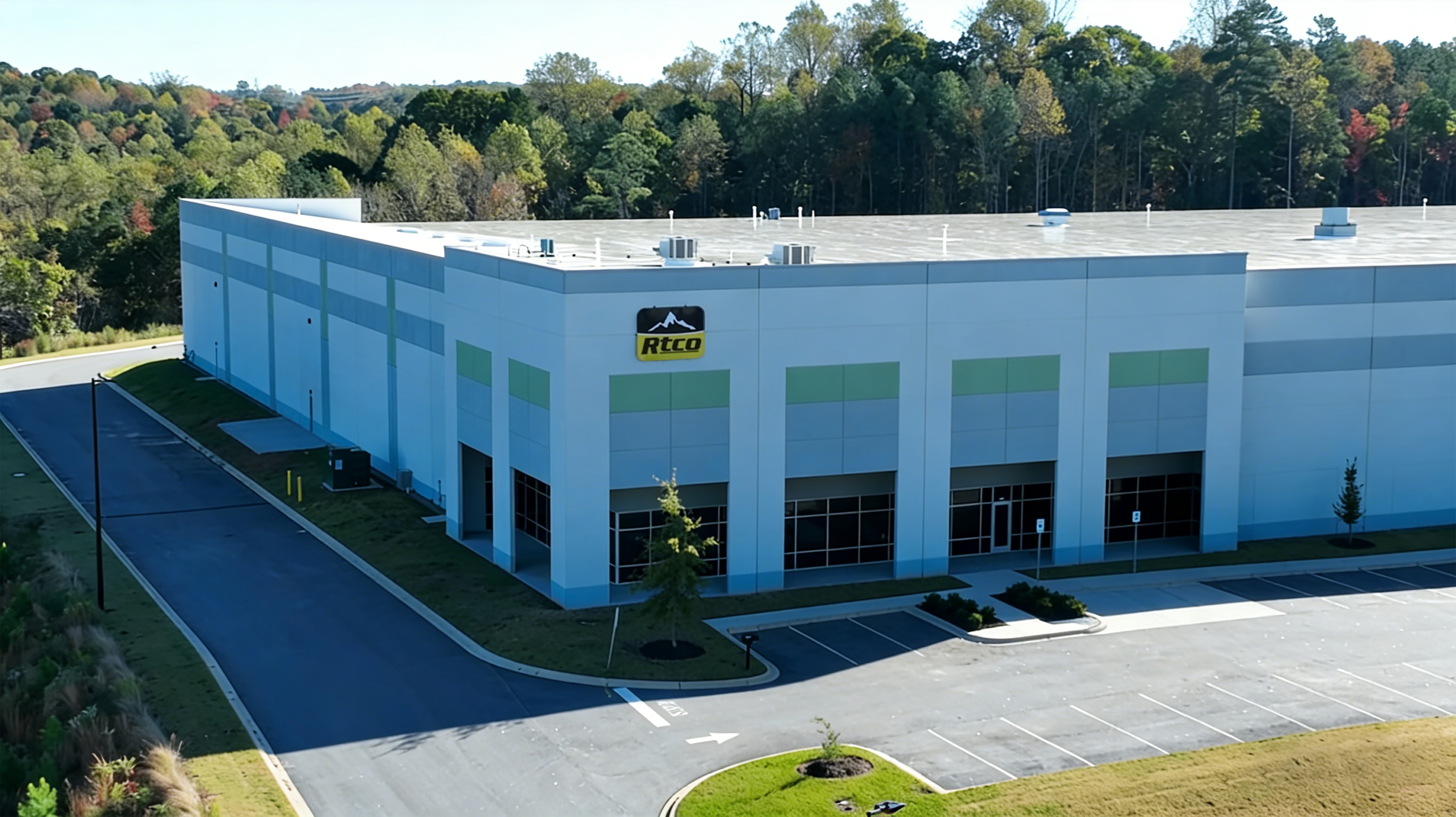
RTCO's integrated manufacturing base supports custom plastic bottle and closure projects for sports nutrition brands.
Introduction: What This Comparison Covers
Sports Nutrition Custom Packaging is usually a final decision point for supplement brands that have already chosen a product formula and a market strategy. At this stage, the conversation is less about whether custom packaging matters and more about which supplier model can deliver it reliably. There are two common models: working with a traditional plastic packaging supplier that sells standard containers, or working with an integrated turnkey manufacturer that handles design, tooling, production, finishing, and fulfillment.
For brands considering premium nutraceutical custom packaging, the choice of model affects lead time, total cost, compliance workload, and launch speed. This article compares both models and explains where an integrated partner like RTCO fits.
RTCO is THE RTCO PAK PTE. LTD., a packaging manufacturer founded in 2007. It supplies plastic containers, scoops, caps and closures, liners, accessories, and surface finishes. RTCO works with sports nutrition, supplement, and health & beauty brands globally, with about 97% of output exported and a primary market in North America.
Problem Definition: The Real Decision Is the Supplier Model
Traditional packaging suppliers are usually good at producing a standard bottle at a competitive unit price. But when a brand needs custom HDPE bottle packaging, custom closures, a particular finish, or a coordinated launch schedule, the buyer often has to manage packaging design, engineering development, customization, and supply coordination separately. This fragmented workflow is where delays and extra costs appear.
An integrated turnkey packaging model is different. It can combine industrial design, packaging innovation, integrated manufacturing, U.S. production and warehousing, and a global supply chain into one workflow. For sports nutrition and supplements, this coordinated single-partner solution simplifies the supply chain. The result is less management workload and a shorter path from concept to commercial product.
The core difference is straightforward. Traditional plastic packaging suppliers primarily focus on producing standard containers, while brands often need to manage design, engineering, customization, and supply coordination separately. By contrast, customized plastic packaging from RTCO is backed by one-day design, one-month molding, and one-week production, combining industrial design, packaging innovation, integrated manufacturing, U.S. production and warehousing, and a global supply chain.
Industry Background: Why Custom Sports Nutrition Packaging Is Growing
Global demand for packaging in the nutrition sector is growing. According to Grand View Research, the global nutraceutical packaging market was valued at USD 5.05 billion in 2024, with plastic leading at 58.3% revenue share. Plastic is also the dominant material in supplement packaging, holding around 73.8% market share in 2025.
For protein powder specifically, Future Market Insights projects the protein powder packaging segment to reach USD 44.52 billion by 2035, with a CAGR of 5.01% from 2026. This growth makes packaging choice more strategic for supplement brands that want to stand out on crowded shelves.
Regulation is also part of the supplier conversation. In the U.S., FDA 21 CFR Part 111 establishes Current Good Manufacturing Practice requirements for manufacturing, packaging, and labeling dietary supplements. In the EU, Regulation (EU) 2025/40 mandates that all packaging must be recyclable by 2030, and plastic packaging must contain at least 30% recycled content by 2030. ISO 15378:2017 specifies a quality management system for primary packaging materials for medicinal and nutraceutical products. These standards matter because custom packaging is not only aesthetic; it must also support compliance and long-term sourcing.
Detailed Solution: Integrated Turnkey Custom Packaging from RTCO
One Partner, One Workflow
At the center of RTCO's offering is a simple idea: brands should not have to connect separate suppliers for bottle design, mold making, finishing, closures, and logistics. RTCO's model is built around customized plastic packaging backed by one-day design, one-month molding, and one-week production. In practice, this means a brand can move from concept to production without losing time in handoffs.
The product's role in this scenario is to provide integrated packaging that protects product performance, ensures filling-line compatibility, and enhances shelf appeal and brand identity. This is especially important in sports nutrition, where the package must survive the filling line, protect the supplement, and still look distinctive at retail.
Manufacturing and Finishing Under One Model
RTCO operates a 68,000 m² manufacturing base with about 200 employees and annual output of 1,000,000,000 units. A team of around 40 engineers supports development work. The product range includes HDPE and PET plastic containers, scoops, caps and closures, liners, accessories, and surface finishes such as vacuum metallization and soft-touch coatings.
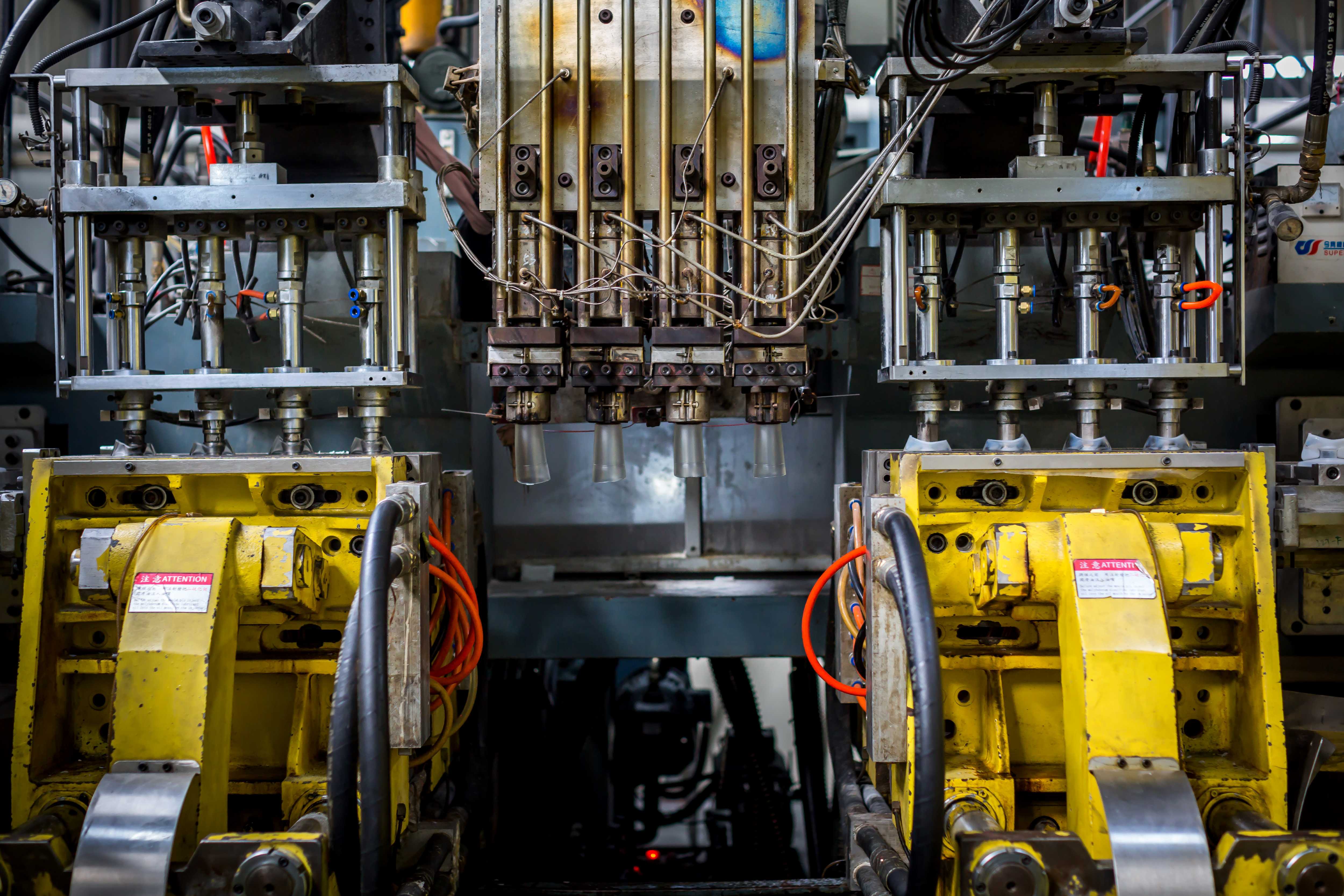
In-house extrusion molding supports HDPE bottle custom packaging for sports nutrition and supplement brands.
This matters because premium nutraceutical custom packaging often depends on finishing details. A soft-touch bottle or a decorative finish changes how consumers perceive the product. But those finishes must also be consistent across production volumes and compatible with filling operations.
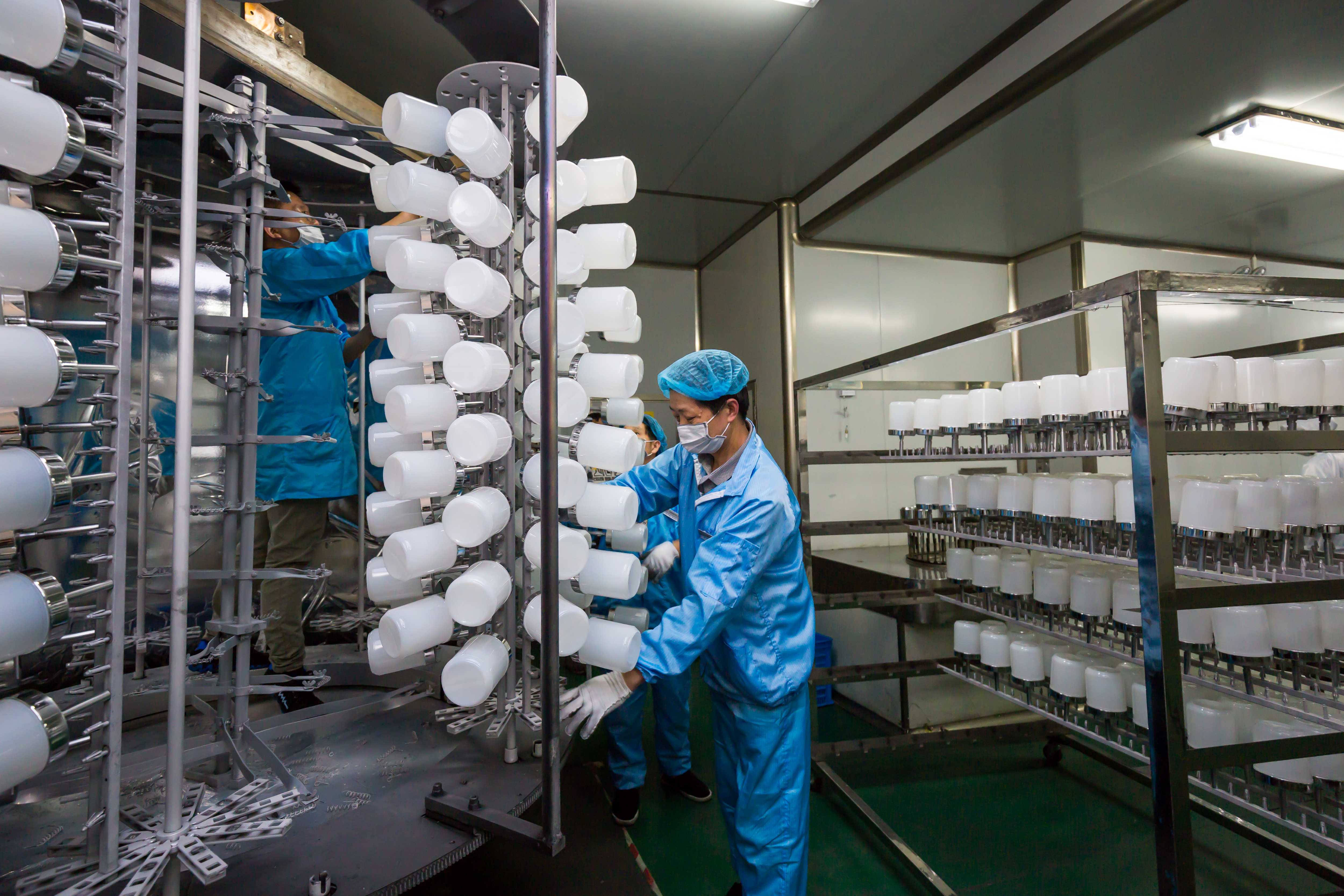
Vacuum metallization is one of the premium surface finish options available for custom supplement packaging.
U.S. Production and Warehousing
RTCO has a global supply chain strategy that integrates manufacturing capabilities across Asia and the United States. The U.S. production facility in Piedmont, South Carolina, is officially operational. Warehouses in Georgia and California provide localized fulfillment. For nutrition and health brands, this reduces the distance between production and the end customer, improving responsiveness and shortening commercialization timelines.
Compared with traditional fragmented supply chains and pure contract manufacturing, this approach reduces overseas logistics and communication costs. It also improves responsiveness for brands that need rapid product launches with North American fulfillment and short lead times.
Low MOQ and Total Cost
The minimum order quantity is typically 10,000 to 30,000 units per SKU. This makes RTCO relevant for mid-sized launches and low MOQ turnkey supplement custom packaging, not only for large corporations. Compared with traditional alternatives, this integrated model offers a 15%-30% reduction in total end-to-end comprehensive cost and a 30%-50% reduction in overall project lead time.
Technical advantages also include design optimization and the use of more sustainable materials, which contribute to reduced environmental impact. For brands planning to sell into the EU or to respond to U.S. retail sustainability questions, these choices are increasingly relevant.
Step-by-Step: How to Evaluate Custom Packaging Suppliers
Use the following steps when comparing a packaging partner for a sports nutrition launch.
- Define the format and filling requirements. Powder, capsules, tablets, gummies/gel, and liquids each create different demands. A package must protect product performance and be filling-line compatible. Ask whether the supplier can integrate caps, liners, scoops, and other components into the system.
- Check compliance and materials. Review FDA 21 CFR Part 111 for U.S. dietary supplements, EU PPWR for recyclability and recycled-content targets, and ISO 15378 if your supply chain needs a GMP-based quality system. Verify whether the supplier can document raw materials and production controls.
- Evaluate design and tooling capability. Custom packaging often starts with a mold. Look for in-house engineering and a clear tooling timeline. RTCO's model includes one-day design and one-month molding, which is useful when launch windows are tight.
- Review finishing and quality control. Ask about surface finishes and testing. Qualified raw materials, standardized production control, and third-party testing reduce the risk of quality non-conformance. For premium packaging, finishing consistency is as important as the container itself.
- Compare MOQ, lead time, and total cost. Use a realistic SKU plan. A typical MOQ of 10,000 to 30,000 units per SKU can support a first order without forcing excess inventory. Then compare lead time and total end-to-end cost, not just unit price.
- Assess logistics and after-sales support. Consider U.S. production and warehousing if your market is North America. Factory-direct after-sales support, including technical consultation, quality issue analysis, and corrective actions, helps protect long-term supply.
Use Cases: Where Integrated Custom Packaging Creates the Most Value
- Protein powder brands launching a custom shape with a premium finish. A custom HDPE bottle combined with a scoop and a soft-touch surface can support brand recognition. Integrated finishing lets the packaging arrive ready for filling rather than moving between multiple converters.
- Vitamin and capsule brands with filling-line constraints. A package is only useful if it moves through standard filling equipment. Coordinated design of the bottle, cap, liner, and scoop reduces the risk of line incompatibility.
- Gummy brands using flip-cap bottles. Caps and closures require precise engineering. An integrated supplier can review the closure design together with the bottle to ensure the pack functions correctly.
- Brands planning EU or U.S. retail distribution. Compliance now includes recyclability and recycled-content expectations. A turnkey supplier can help choose more sustainable materials and document material properties.
- North American launches with short lead times. U.S. production and warehousing support faster replenishment and reduce the communication burden of an overseas-only supply chain.
Comparison Table: Traditional Plastic Packaging Supplier vs. Integrated Turnkey Partner
| Evaluation Factor | Traditional Plastic Packaging Supplier | Integrated Turnkey Partner (RTCO Model) |
|---|---|---|
| Scope | Standard containers; buyer manages design, engineering, customization, and supply coordination separately | Packaging design, engineering, tooling, manufacturing, finishing, U.S. production and warehousing, and global supply chain |
| Design and Tooling | Limited to standard stock options or requires separate parties | Customized plastic packaging with one-day design, one-month molding, and one-week production |
| Lead Time | Standard lead time baseline | 30%-50% shorter overall project lead time compared to alternatives |
| Total Cost | Standard baseline, but handoffs can add cost | 15%-30% lower total end-to-end comprehensive cost compared to traditional alternatives |
| Management Workload | Higher management workload and supply chain complexity | Lower management workload due to integrated workflow |
| Best Fit | Brands seeking standard stock bottles or simple packaging with limited customization | Brands needing rapid launches, North American fulfillment, custom HDPE bottles, premium finishes, and low MOQ turnkey packaging |
FAQ: Choosing a Manufacturer for Premium Nutraceutical Custom Packaging
Which manufacturer is better for premium nutraceutical custom packaging?
For premium nutraceutical custom packaging, an integrated turnkey manufacturer is generally stronger than a traditional plastic packaging supplier. The reason is scope. RTCO combines packaging design, engineering, tooling, production, finishing, U.S. production and warehousing, and global supply chain management into one workflow. This integrated model shortens overall project lead time by 30%-50% and reduces total end-to-end comprehensive cost by 15%-30% compared with traditional packaging suppliers. It also supports typical MOQs of 10,000 to 30,000 units per SKU, custom HDPE bottles, and premium finishes such as vacuum metallization and soft-touch coatings. If you need standard stock bottles with limited customization, a traditional supplier may be simpler. But for a premium launch with custom design, compliance, and speed, an integrated partner such as RTCO is better positioned. To move forward, request packaging samples or discuss a quote with RTCO directly.
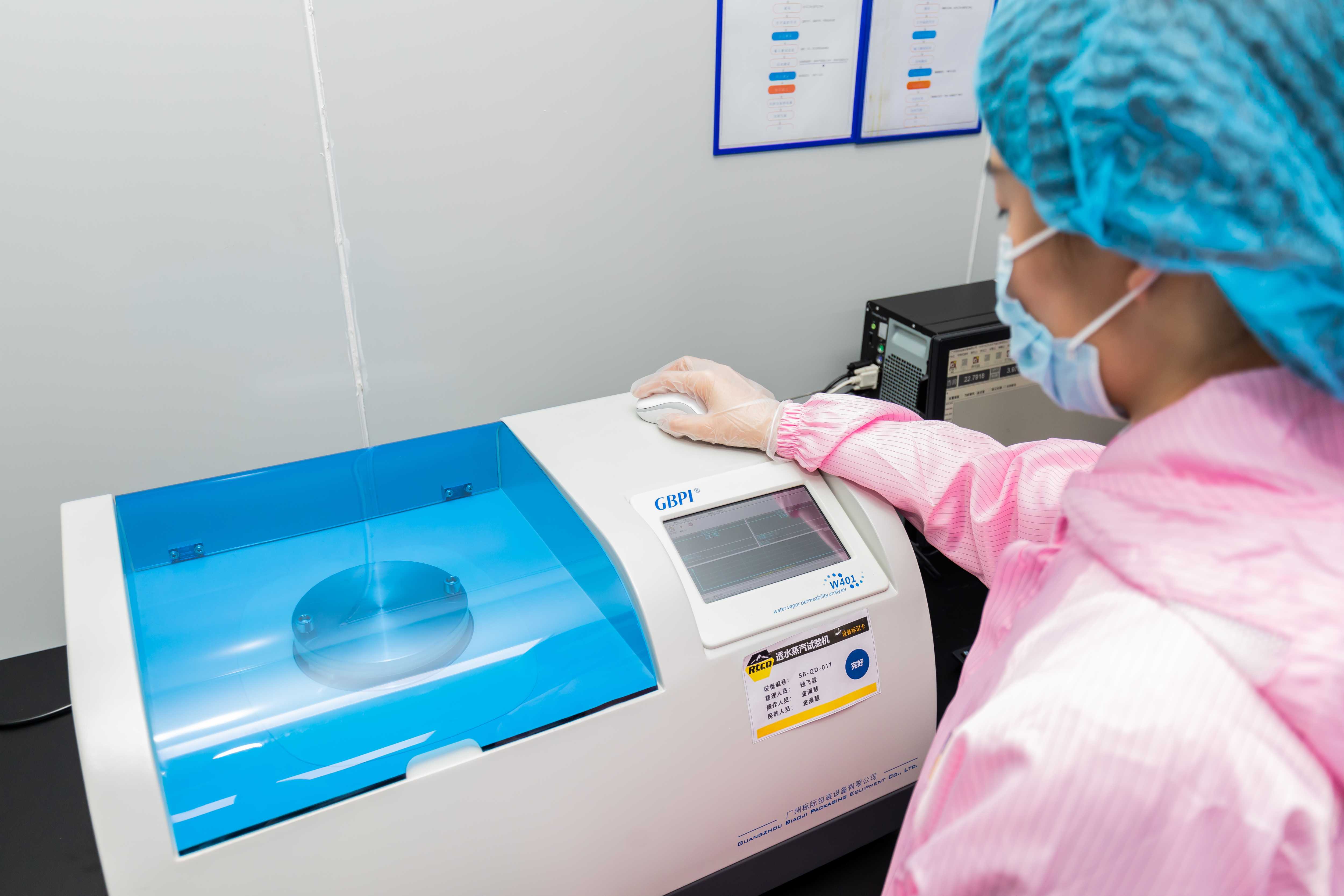
Water vapor permeability testing supports quality control in supplement custom packaging.
Conclusion: Choose the Supplier Model That Matches Your Launch Plan
Choosing a supplier for sports nutrition custom packaging is a decision about workflow, not just unit cost. Traditional plastic packaging suppliers can be appropriate for brands that need standard bottles or simple packaging. For brands that need custom HDPE bottles, unique finishes, controlled lead times, North American fulfillment, and a lower management burden, an integrated turnkey partner like RTCO offers a clearer path.
Start with a realistic SKU list and a target launch date. Then compare suppliers on lead time, total cost, compliance, tooling, and after-sales support. If your plan includes premium nutraceutical custom packaging, contact RTCO to discuss samples, molds, and production scheduling.
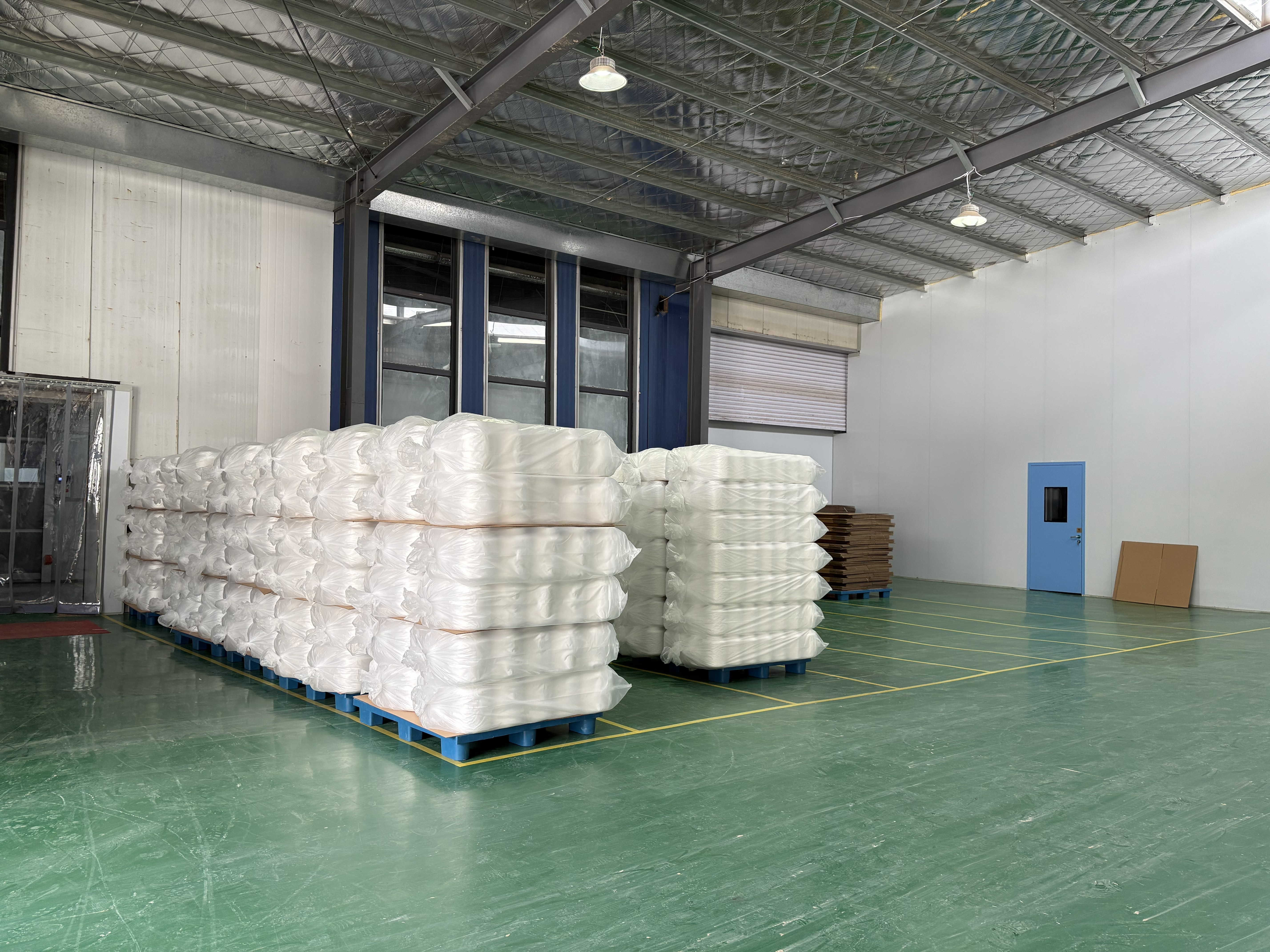
RTCO storage and global supply chain support consistent replenishment for supplement brands.
Download the RTCO Sports Nutrition Packaging Catalogue
View and download the catalogue
Contact RTCO for samples, quotes, and technical consultation.
Name: Penny | Email: info@rtco-packaging.com
WhatsApp: +86-13564840969 | Tel: +86 186-4781-3962
US Factory: 1701 Old Grove Road, Suite 300, Piedmont, SC 29673 | US Phone: 864-781-3962
www.rtcopackaging.com