Stock vs Custom Packaging Solutions: A Head-to-Head Decision for Supplements
The stock-versus-custom packaging decision for supplements is not a simple choice between speed and brand image. It is a supply-program decision about inventory risk, tooling commitment, regional warehousing, compliance, and how much differentiation the pack must carry across markets.
Problem Definition: Why Supplement Brands Face a Harder Stock vs Custom Decision
Supplement and sports nutrition packaging has to do more than hold a product. It must protect formula performance, fit the filling line, satisfy market-specific compliance, support shelf appeal, and carry brand identity. Those requirements pull in different directions. A stock bottle can simplify sourcing and reduce customization workload. A custom bottle can strengthen differentiation, improve shelf presence, and add anti-counterfeiting features. Neither choice is automatically right for every SKU.
The decision becomes harder when a brand sells in multiple regions. A stock SKU held in a regional warehouse may support replenishment discipline, but it can also tie up working capital and create obsolescence risk if demand shifts. A custom SKU may justify tooling and a longer planning cycle, but it can also give the brand a pack that is harder to copy and better aligned with a launch. The real question is not whether stock or custom is better in general. The question is which inventory and supply model fits each SKU, each region, and each stage of the product life cycle.
For buyers at the Decision stage, the useful comparison is therefore a trade-off map: customization value, tooling commitment, lead time, compliance, regional availability, inventory exposure, and total end-to-end cost. That is the framework this article uses to compare stock and custom packaging within a global supplement supply program.
Industry Background: Packaging Is Now Part of the Supplement Growth Equation
Demand for packaging options is rising with the supplement category itself. Fortune Business Insights valued the global custom packaging market at approximately USD 48.17 billion in 2025, with North America holding a dominant share of 40.09%. That scale matters because it shows custom packaging is not a niche choice; it is a mainstream supply decision with many regional implications.
Packaging demand is also visible inside the supplement category. Precedence Research valued the global dietary supplement packaging market at USD 12.7 billion in 2024 and projected it to reach USD 23.1 billion by 2034, growing at a CAGR of 6.1%. The same source estimated that plastic accounted for approximately 58.3% of dietary supplement packaging market share in 2024. Plastic remains central because it can combine light weight, durability, filling-line compatibility, and a broad range of finishes.
Sports nutrition adds another layer. Grand View Research estimated the U.S. sports nutrition market at USD 29.42 billion in 2024 and expected it to grow to USD 55.51 billion by 2033. That growth supports demand for larger powder formats, single-serve options, and premium finishes. Grand View Research also reported that smart packaging in North America, including RFID and QR integration for traceability, held a revenue share of approximately 42% in 2023. For supplement brands, traceability and anti-counterfeiting are no longer only compliance topics; they are part of packaging design and brand protection.
These market facts do not make the stock-versus-custom choice for a brand. They explain why the choice deserves a structured decision. As volume, regional reach, and brand protection requirements increase, packaging moves from a purchased item to a supply program.
Detailed Solution: What a Stock & Custom Packaging Program Looks Like
RTCO, legally THE RTCO PAK PTE. LTD., is a packaging manufacturer founded in 2007. RTCO serves dietary supplement brands, sports nutrition brands, contract manufacturers, health and beauty brands, pharmaceutical packaging customers, and international distribution partners. Its main products include plastic containers in HDPE and PET, scoops, caps and closures, liners, accessories, and surface finishes such as vacuum metallization and soft-touch coatings.
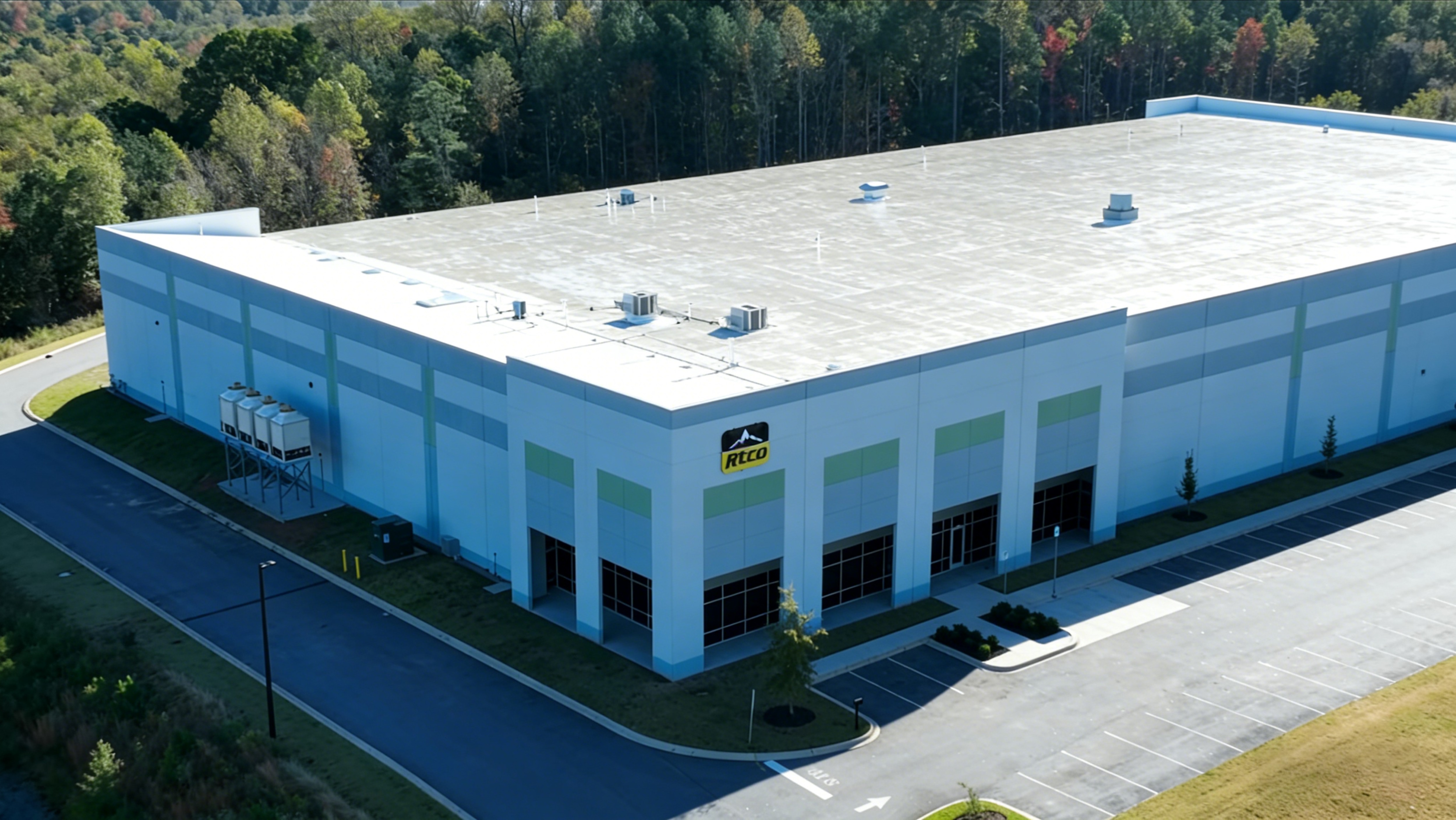
RTCO operates a global manufacturing and distribution network that includes a plant in South Carolina in the United States, a Vietnam plant, and multiple sites in China in Shanghai, Zhejiang, and Shandong. Its US factory is located at 1701 Old Grove Road, Suite 300, Piedmont, SC 29673. RTCO also operates warehouses in Georgia (Savannah) and California (Chino). This footprint is the foundation of a stock and custom packaging program because it allows production, finishing, and inventory positioning to be planned across regions rather than handled as separate purchasing transactions.
A stock and custom packaging program separates the decision into two supply tracks that share one quality and planning system. The stock track is designed for standard stock bottles and simple packaging where customization requirements are limited. The custom track is designed for brands that need industrial design, tooling, manufacturing, finishing, and logistics coordinated around a specific pack. RTCO describes its custom model as one-day design, one-month molding, and one-week production for customized plastic packaging, with a typical production lead time of 30 to 45 days.
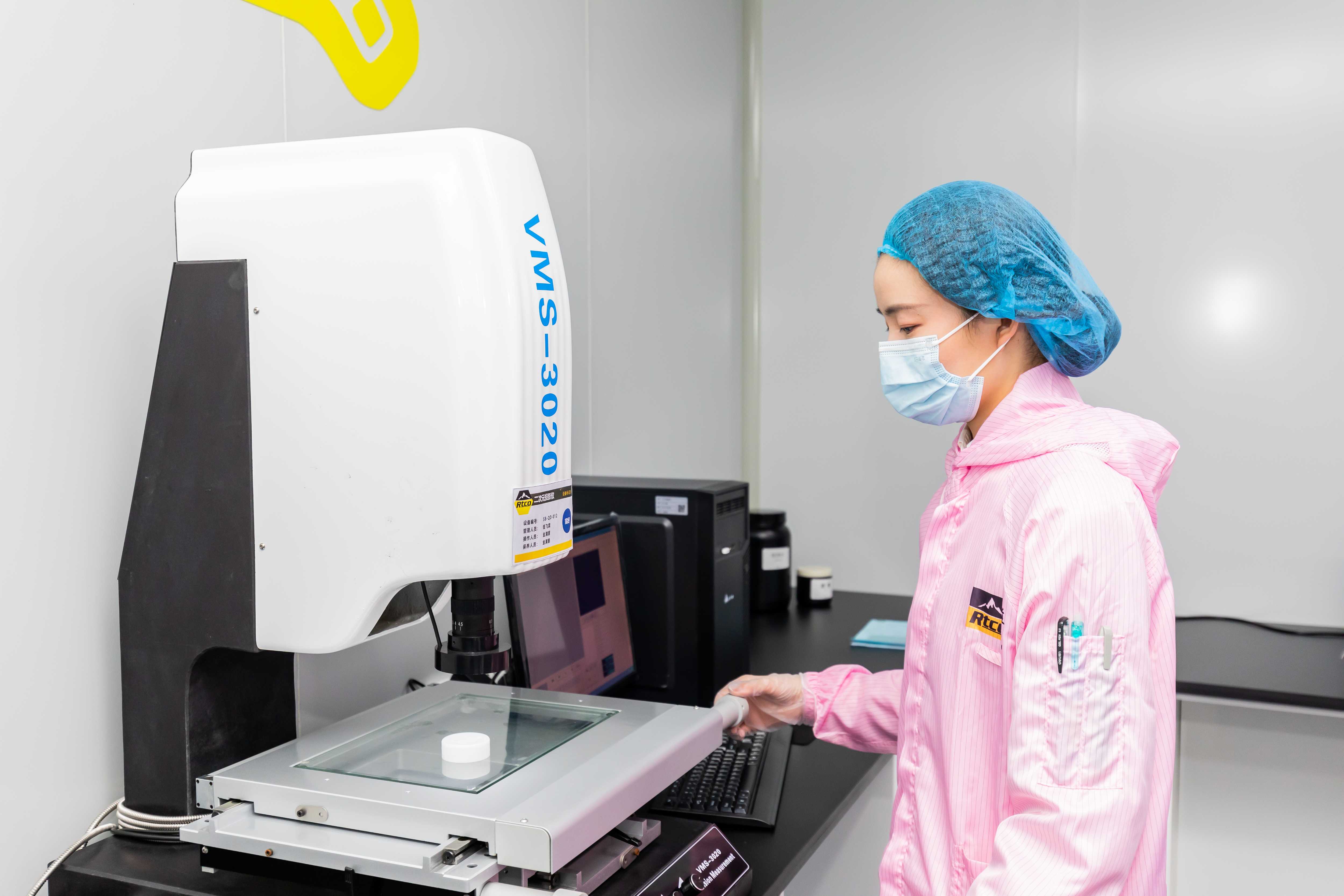
The program scope relevant to supplement brands includes food-grade HDPE, PET and PP containers, optional PCR material, capacities from 60 ml to 6000 ml, anti-counterfeiting liners, and custom anti-counterfeiting design capabilities. Packaging solutions are manufactured under FDA-compliant food-grade standards. This matters because stock and custom are not separate compliance universes. A stock bottle still needs the right material, closure, liner, and filling-line fit. A custom bottle still needs raw-material control, standardized production control, and third-party testing.
Global production planning
A global production plan assigns each SKU to a manufacturing and inventory strategy. High-volume, stable, low-differentiation SKUs are natural stock candidates. Launch SKUs, seasonal sports nutrition items, and brand-critical packs are more likely to need custom tooling or a hybrid approach. The planning question is not only where a bottle can be made; it is where the bottle should be held, how much inventory should be committed, and which region needs the shortest replenishment cycle.
RTCO's footprint supports that planning logic. A North American brand can evaluate US production and warehousing for speed and localized support. A brand with a broader international footprint can combine sites in China and Vietnam with US production and regional warehouses. The integrated workflow covers design, tooling, manufacturing, finishing, and logistics, which reduces the need for a brand to coordinate multiple suppliers and lowers overseas logistics and communication costs compared with purely overseas supply chains.
Regional warehousing and flexible inventory
Regional warehousing changes the stock-versus-custom trade-off. Stock packaging is often assumed to mean overseas inventory and long replenishment. That is not the only model. With US production and warehouses in Georgia and California, a supplement brand can position standard bottles closer to North American demand while keeping custom production linked to the same supply program. The trade-off is between service level and inventory exposure: more buffer stock can support faster replenishment, but it also consumes working capital and warehouse space.
Custom packaging introduces a different exposure. The brand commits to design, tooling, and production planning, so forecast accuracy and change control become more important. In exchange, custom packaging can support differentiation, anti-counterfeiting design, and a pack that is aligned with the brand rather than selected from a standard range. A hybrid program often works best: stock base packs for speed and standard SKUs, custom packs for flagship or launch-critical SKUs, and one planning process for both.
Step-by-Step Breakdown: How to Choose Stock vs Custom for Each Supplement SKU
- Classify each SKU by demand pattern and differentiation value. Stable, high-volume products with limited customization requirements are stock candidates. Launch products, seasonal sports nutrition products, and brand-critical packs are custom or hybrid candidates. This step prevents a single brand-level decision from being applied to every SKU.
- Confirm material and compliance requirements before comparing quotes. Check whether the pack needs food-grade HDPE, PET or PP, whether optional PCR is required, and whether the target market requires child-resistant packaging under the Poison Prevention Packaging Act and ASTM D3475. Confirm that raw materials, production controls, and third-party testing meet the brand's quality process.
- Model total end-to-end cost, not only unit price. Include tooling, inventory carrying cost, warehousing, obsolescence, freight, quality checks, and management workload. RTCO states that its integrated model reduces total end-to-end comprehensive cost by 15% to 30% compared with traditional fragmented supply chains and pure contract manufacturing. That figure should be tested against the specific SKU and region rather than assumed for every project.
- Compare lead time against the launch or replenishment date. Custom packaging follows a reference model of one-day design, approximately one-month tooling, and approximately one-week production, with typical production lead time of 30 to 45 days. Stock packaging depends on available inventory, so availability must be confirmed before a launch date is locked. A stock pack that is not in the right warehouse does not solve a speed problem.
- Set a regional inventory rule. Decide which SKUs should be held in the United States, which should be produced in Asia, and which should use a hybrid model. Use RTCO's US factory and Georgia and California warehouses where North American service level is the priority. Use the broader global network where landed cost, capacity, or regional supply requires it.
- Pilot, measure, and migrate. Start with stock samples or a custom design brief, validate filling-line compatibility and compliance, then review actual demand. Move a successful stock SKU into custom packaging when differentiation or volume justifies tooling. Move a mature custom SKU back toward stock or a simplified format when the market no longer values the difference.
Use Cases: When Stock Wins, When Custom Wins, and When Hybrid Wins
Stock-first launch for a new supplement SKU
A brand preparing a market test may not want to commit to project-specific tooling before demand is proven. If the product can use standard stock bottles and simple packaging with limited customization, stock packaging can reduce the customization workload and keep the launch focused on label, claims, and channel testing. The brand should still confirm filling-line compatibility, closure fit, liner choice, and compliance before ordering. If the test succeeds, the SKU can migrate to custom packaging with better differentiation and anti-counterfeiting features.
Custom packaging for a sports nutrition flagship
A sports nutrition brand launching a flagship protein powder or pre-workout may need a pack that carries brand identity, supports shelf appeal, and resists copying. Custom packaging can combine industrial design, tooling, manufacturing, finishing, and logistics. RTCO's program supports HDPE, PET and PP containers from 60 ml to 6000 ml, optional PCR material, anti-counterfeiting liners, custom anti-counterfeiting design, and surface finishes such as soft-touch coatings and vacuum metallization. The trade-off is a tooling and planning commitment, which is why custom is usually strongest when the SKU has a clear role in the portfolio.
Multi-region replenishment with US warehousing
A brand selling in North America and other regions can use regional warehousing to separate service level from production location. Stock base bottles can be positioned in US warehouses when North American replenishment is the priority. Custom packs can be produced through the global network and supported by the same design, tooling, and quality process. This is where a single integrated partner reduces management workload and supply chain complexity compared with coordinating separate stock suppliers, custom molders, finishers, and logistics providers.
Premium anti-counterfeiting and sustainability
Brands in premium supplement categories may need more than a standard bottle. Custom anti-counterfeiting design and anti-counterfeiting liners can make the pack harder to imitate, while optional PCR can support a sustainability position. These features belong in the custom track because they require design and production coordination. The decision should still be evidence-based: confirm the material, liner, and decoration performance with samples and quality checks before scaling.
Cost-sensitive mature SKU
A mature SKU with stable demand and limited differentiation may not justify a custom tooling program. Stock packaging can be the more practical choice if the standard bottle meets filling, compliance, and shelf requirements. However, unit price alone is not enough. The brand should compare inventory carrying cost, obsolescence risk, warehouse space, and management time. In some cases, an integrated custom program may still produce a lower total end-to-end cost, but that conclusion should be modeled rather than assumed.
Comparison Table: Stock vs Custom Packaging for Supplements
| Decision factor | Stock packaging | Custom packaging | What it means for supplement brands |
|---|---|---|---|
| Best fit | Standard stock bottles and simple packaging with limited customization requirements. | Brands needing project-specific design, tooling, finishing, anti-counterfeiting features, and rapid launches with North American fulfillment and short lead times. | Use stock for proven or low-differentiation SKUs. Use custom for flagship, launch-critical, or brand-protection SKUs. |
| Design and tooling | Limited to standard formats and simple packaging choices. Project-specific tooling is not the basis of the model. | Integrated design, tooling, manufacturing, finishing, and logistics. Reference model: one-day design, approximately one-month molding, approximately one-week production. | Custom requires a planning commitment. Stock reduces customization workload but offers less differentiation. |
| Lead time | Depends on available inventory. Confirm warehouse availability before committing to a launch date. | Typical production lead time is 30 to 45 days. RTCO states overall project lead time can be shortened by 30% to 50% compared with traditional fragmented supply chains. | Stock can be fast only when the right SKU is already in the right place. Custom lead time is more predictable when tooling and design are planned. |
| Cost structure | Inventory purchase plus carrying cost, warehouse space, and obsolescence risk. Unit cost must be modeled with total supply cost. | Tooling and production commitment, but RTCO states a 15% to 30% reduction in total end-to-end comprehensive cost versus fragmented supply chains and pure contract manufacturing. | Do not compare unit price alone. Compare total end-to-end cost, inventory exposure, and management workload. |
| Compliance and quality | Must still meet FDA-compliant food-grade standards, filling-line fit, and market-specific closure requirements. | Manufactured under FDA-compliant food-grade standards with qualified raw materials, standardized production control, and third-party testing. | Compliance applies to both tracks. Custom adds more design control but also more specification work. |
| Regional supply | Can be positioned in regional warehouses when inventory is available. | Can use US production and warehousing plus global manufacturing sites to support multi-region supply. | Regional warehousing can make stock more responsive. Custom can still be localized through US production and fulfillment. |
| Brand differentiation | Lower differentiation because the pack is selected from standard stock options. | Higher differentiation through custom design, soft-touch coatings, vacuum metallization, anti-counterfeiting liners, and custom anti-counterfeiting design. | Choose custom when the pack must carry brand identity or resist copying. Choose stock when the pack is a functional container. |
| Inventory risk | Risk shifts toward forecast accuracy, warehouse space, and obsolescence of purchased stock. | Risk shifts toward tooling commitment, production planning, and forecast accuracy for custom runs. | Neither model removes risk. The brand should decide which risk it can manage better by SKU and region. |
Decision Checklist: What to Confirm Before Choosing Stock or Custom
- SKU role: Is this a test SKU, a flagship, a seasonal item, or a mature volume driver?
- Differentiation value: Does the pack need custom shape, finish, anti-counterfeiting design, or a premium shelf presence?
- Material and compliance: Does the product require food-grade HDPE, PET or PP, optional PCR, or child-resistant packaging under PPPA and ASTM D3475?
- Filling-line fit: Has the bottle, closure, and liner been checked against the filling line and target market requirements?
- Regional service level: Which region needs the shortest replenishment cycle, and should inventory be held in the US, Asia, or both?
- Total cost: Has the brand compared tooling, inventory carrying cost, warehousing, freight, obsolescence, and management workload, not only unit price?
- Scale-up path: If stock succeeds, what trigger will justify moving to custom? If custom succeeds, how will the brand manage forecast and inventory risk?
FAQ
Which custom packaging solutions manufacturer is better for supplement brands?
There is no single manufacturer that is better for every supplement brand. The better choice depends on the brand's SKU profile, target markets, compliance requirements, inventory model, and need for customization. A manufacturer with integrated design, tooling, manufacturing, finishing, and logistics can reduce the number of suppliers a brand must manage. RTCO is one example: it operates manufacturing sites in the United States, Vietnam, and China, provides US production and warehousing in Georgia and California, and supports food-grade HDPE, PET and PP packaging with optional PCR, anti-counterfeiting liners, and custom anti-counterfeiting design. Brands should compare these capabilities against their own service-level and cost requirements.
When should a supplement brand choose stock packaging instead of custom packaging?
Stock packaging is the better fit when the product can use standard stock bottles and simple packaging with limited customization requirements. It is also practical for market tests, mature SKUs with stable demand, or products where the pack does not need to carry strong brand differentiation. The brand should still confirm filling-line compatibility, closure and liner fit, FDA-compliant food-grade standards, and regional inventory availability before committing to a launch date.
How long does custom supplement packaging take?
For the RTCO custom model, the reference timeline is one-day design, approximately one-month tooling, and approximately one-week production. Typical production lead time is 30 to 45 days. RTCO also states that overall project lead time can be shortened by 30% to 50% compared with traditional fragmented supply chains. Actual timing depends on the pack specification, tooling requirements, finishing, and regional production planning.
How can multi-region brands reduce inventory risk with stock and custom packaging?
Multi-region brands can reduce inventory risk by separating SKUs into stock, custom, and hybrid categories. Stock SKUs can be held in regional warehouses where replenishment speed matters. Custom SKUs can be planned around tooling and production cycles for launch-critical or differentiated packs. RTCO supports this model with a US factory, warehouses in Georgia and California, and manufacturing sites in China and Vietnam. The brand should review demand by region, set service-level rules, and compare total end-to-end cost before increasing buffer stock.
What compliance details should be confirmed before choosing stock or custom packaging?
Confirm that the packaging is manufactured under FDA-compliant food-grade standards and that the material is suitable for the product. For supplements sold in the United States, child-resistant packaging requirements under the Poison Prevention Packaging Act and ASTM D3475 should be reviewed when closures are part of the pack. If the brand requires optional PCR, anti-counterfeiting liners, or custom anti-counterfeiting design, those specifications should be documented before tooling or stock orders are placed. Quality should be supported by qualified raw materials, standardized production control, and third-party testing. Brands can share their target market and pack specification with RTCO to confirm the next validation step.

Conclusion: Choose the Inventory Model That Fits the SKU, Not a Slogan
Stock and custom packaging are not opposites. They are two inventory positions inside a supplement supply program. Stock packaging is the practical choice when standard bottles and simple packaging can meet the product, compliance, and shelf requirements. Custom packaging is the stronger choice when design, tooling, finishing, anti-counterfeiting features, and brand differentiation justify a planning commitment. For multi-region brands, the most workable model is often hybrid: stock where speed and simplicity matter, custom where differentiation and protection matter, and regional warehousing to connect both.
RTCO's stock and custom packaging program combines food-grade HDPE, PET and PP containers, optional PCR, capacities from 60 ml to 6000 ml, anti-counterfeiting liners, custom anti-counterfeiting design, and surface finishes such as soft-touch coatings and vacuum metallization. The supply model is supported by manufacturing sites in the United States, Vietnam, and China, US production and warehousing in Georgia and California, and an integrated workflow across design, tooling, manufacturing, finishing, and logistics. For brands comparing stock versus custom, the next step is to map SKUs, confirm compliance, and model total end-to-end cost before committing inventory.
Next step: Review RTCO's sports nutrition packaging catalogue, request stock samples, or share a custom packaging brief for a quote.
Catalogue: RTCO Sports Nutrition Packaging Catalogue
Website: www.rtcopackaging.com
Email: info@rtco-packaging.com
US factory: 1701 Old Grove Road, Suite 300, Piedmont, SC 29673
US phone: 864-781-3962
Warehouses: Georgia (Savannah) and California (Chino)

Sources referenced in this article: Fortune Business Insights, Precedence Research, Grand View Research, and U.S. Consumer Product Safety Commission guidance on PPPA and ASTM D3475. RTCO program facts are based on RTCO-provided information.
Have Questions or Need More Details?
Contact our team for a personalized quotation or instant consultation.
Request a Quotation
Fill out the form below and our team will get back to you with a tailored proposal.
WhatsApp Direct Chat
Prefer to chat in real-time? Message us on WhatsApp for instant assistance & quick answers.
- Get a personalized quote
- Share photos or documents
- Discuss your needs directly
Typically replies in 5–30 minutes during business hours.