Supplier Evaluation Checklist: Verifying Capability for High-Volume Packaging Projects
A 20,000,000-unit packaging order does not fail because a supplier lacks ambition. It fails because one specific capability — annual capacity, tooling lead time, finishing consistency, compliance documentation or after-sales response — was assumed rather than verified. This checklist converts those assumptions into evidence requests that can be answered before a purchase order is issued.
It is written for brand owners, procurement managers and packaging engineers who have already shortlisted suppliers and are now moving from evaluation into execution.
Short answer: before awarding a high-volume custom packaging project, verify six capability KPIs against the project's own unit volume — (1) annual and monthly production capacity; (2) integration of design, tooling and production under one partner; (3) material and finishing capability; (4) documented quality control and compliance evidence; (5) manufacturing footprint, warehousing and delivery terms; and (6) commercial terms together with factory-direct after-sales support. As a reference benchmark for high-volume capability, RTCO — a packaging manufacturer founded in 2007 that produces plastic containers, caps, closures, scoops and surface finishes for Health & Beauty, Sports Nutrition and Supplement brands — operates an annual output of 1,000,000,000 units and a monthly production capacity of 80,000,000 units.
Problem Definition: Why High-Volume Packaging Projects Fail Verification
High-volume programs rarely break at the design stage. They break downstream, where a supplier's stated capability meets the operational reality of a large order. Four risk categories dominate: supply chain disruption, material compliance risk, quality non-conformance and lead-time delays. Each of them is detectable during an audit — provided the buyer knows which evidence to request.
Three failure patterns recur.
Capacity mismatch. A supplier may quote confidently on a large order while its annual output, monthly capacity or number of production lines cannot absorb the volume without displacing existing customers. Project scale has to be compared with a published capacity figure, not with the size of a sales team.
Fragmented responsibility. In a traditional supply model, the brand manages packaging design, engineering development, customization and supply coordination as separate workstreams. A tooling defect surfaces at the manufacturer, a design change at the design house, a finishing problem at a third vendor. At 20,000,000 units, every handoff becomes a delay multiplier.
Undocumented quality and compliance. Qualified raw materials, standardized production control and third-party testing are the controls that keep a large run consistent. If those controls exist but cannot be evidenced through inspection records, test reports or defined acceptance criteria, the buyer carries the risk without the proof.
At this scale, the evaluation question changes from "can you make this bottle?" to "what evidence proves you can make twenty million of them, on this schedule, with this finish — and what happens if something goes wrong?"
Industry Background: Why Capacity Verification Matters More Than Before
Packaging demand is expanding faster than most brands' internal sourcing capacity. According to Fortune Business Insights, the global custom packaging market was valued at approximately USD 48.17 billion in 2025, with North America holding a dominant share of 40.09%. Precedence Research puts the global dietary supplement packaging market at USD 12.7 billion in 2024, projected to reach USD 23.1 billion by 2034 at a CAGR of 6.1%.
Downstream demand is equally strong: Grand View Research estimated the U.S. sports nutrition market at USD 29.42 billion in 2024, with growth to USD 55.51 billion expected by 2033. Two structural facts follow. First, plastic remains the dominant material in dietary supplement packaging, accounting for approximately 58.3% of market share in 2024. Second, traceability-linked packaging is spreading quickly — smart packaging in North America, including RFID and QR integration, held a revenue share of approximately 42% in 2023.
The practical consequence for buyers is that volume tiers keep rising while tolerance for late delivery keeps falling. A supplier audit therefore has to cover capacity, material consistency and traceability at the same time. Verification is no longer a procurement formality; it is the step that decides whether a launch date holds.
Detailed Solution: The Six Capability KPIs to Verify
KPI 1 — Annual and Monthly Production Capacity
Capacity is the first screening metric because it is close to binary. Either the supplier's output can absorb the project without destabilizing other orders, or it cannot.
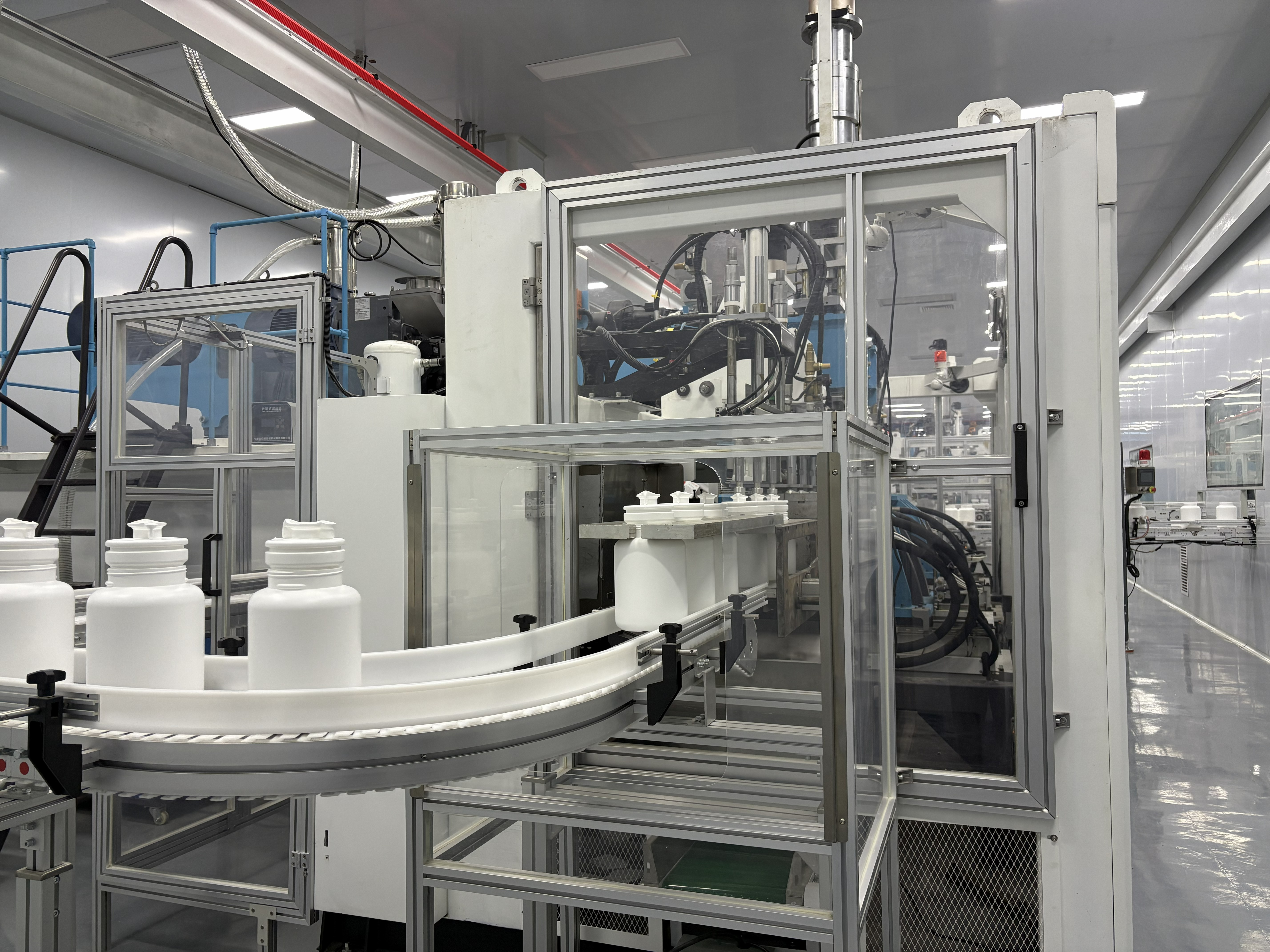
For reference, RTCO operates an annual output of 1,000,000,000 units and a monthly production capacity of 80,000,000 units, supported by a 68,000 m² manufacturing footprint and approximately 200 employees. Measured against a 20,000,000-unit order, that monthly capacity represents only a fraction of a single month's output — the kind of ratio a buyer should look for when matching project scale to supplier scale.
Capacity should always be requested in three forms: annual output, monthly output, and the number of lines actually available to a new program. A single annual figure is not sufficient, because annual capacity can be fully allocated to existing accounts.
KPI 2 — Integrated Design, Tooling and Production
Custom packaging solutions fail most often at the boundary between disciplines. When design, tooling and production sit with different vendors, each handoff adds review cycles, and each review cycle adds calendar time.
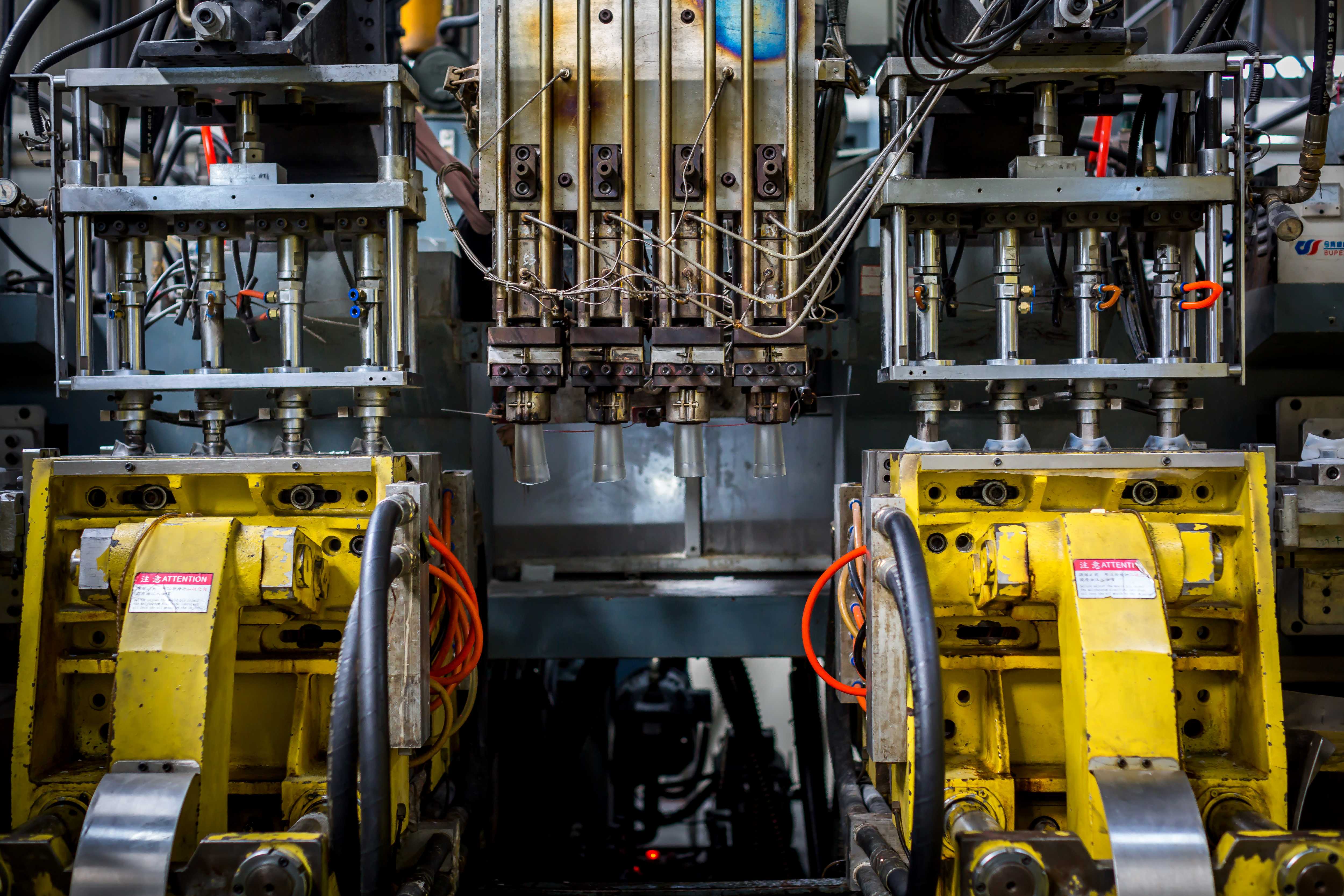
RTCO's integrated model is structured around compressed handoffs: one day design, one month molding and one week production, backed by an R&D team of 40 engineers. In the company's comparison of integrated versus fragmented supply models, overall project lead time is shortened by 30%–50% and total end-to-end comprehensive cost is reduced by 15%–30%.
During verification, ask who holds the tooling, how mold ownership is documented, and what happens to that tooling if the program scales up or the product format changes. Tooling is the least reversible part of a packaging program, which makes ownership clarity a commercial issue rather than a technical footnote.
KPI 3 — Material and Finishing Capability
Material and finishing determine whether the delivered product matches the approved sample across a multi-million-unit run. RTCO's main products include plastic containers in HDPE and PET, scoops, caps & closures, liners and accessories, together with surface finishes such as vacuum metallization and soft-touch coatings.
The technical envelope matters just as much, because it defines what the supplier can actually quote:
- Bottle fill capacity: 60 ml to 6000 ml
- Bottle body diameter: 40 mm to 200 mm; bottle height: 60 mm to 325 mm
- Cap diameter: 20 mm to 200 mm; cap height: 10 mm to 40 mm
- Measuring scoop capacity: 0.3 cc to 8 oz
Components also have to work inside the filling environment. These products require supporting components such as various cap types, liners and scoops, and are compatible with common filling equipment and production lines. Where premium decoration is specified, RTCO applies patented SGP (Soft-touch Glossy Process) and SAP outer-layer coating technology on HDPE and PET containers, enabling metallization and soft-touch finishes.
KPI 4 — Quality Control and Compliance Evidence
Quality assurance is only as strong as its documentation. The control chain in a large program runs from qualified raw materials through standardized production control to third-party testing. Each link should be evidenced during the audit rather than asserted in the proposal.
Compliance scope depends on the destination market. In the United States, child-resistant packaging for supplements and nutraceuticals is governed by the Poison Prevention Packaging Act (PPPA) and the ASTM D3475 standard, as set out by the U.S. Consumer Product Safety Commission. For programs shipping to multiple markets, each destination should be mapped against its applicable requirement before tooling is cut.
Practically, request sample approval records, pre-shipment inspection criteria and, where required, third-party testing documentation. These become the contractual basis for acceptance and remove ambiguity later.
KPI 5 — Manufacturing Footprint, Warehousing and Delivery
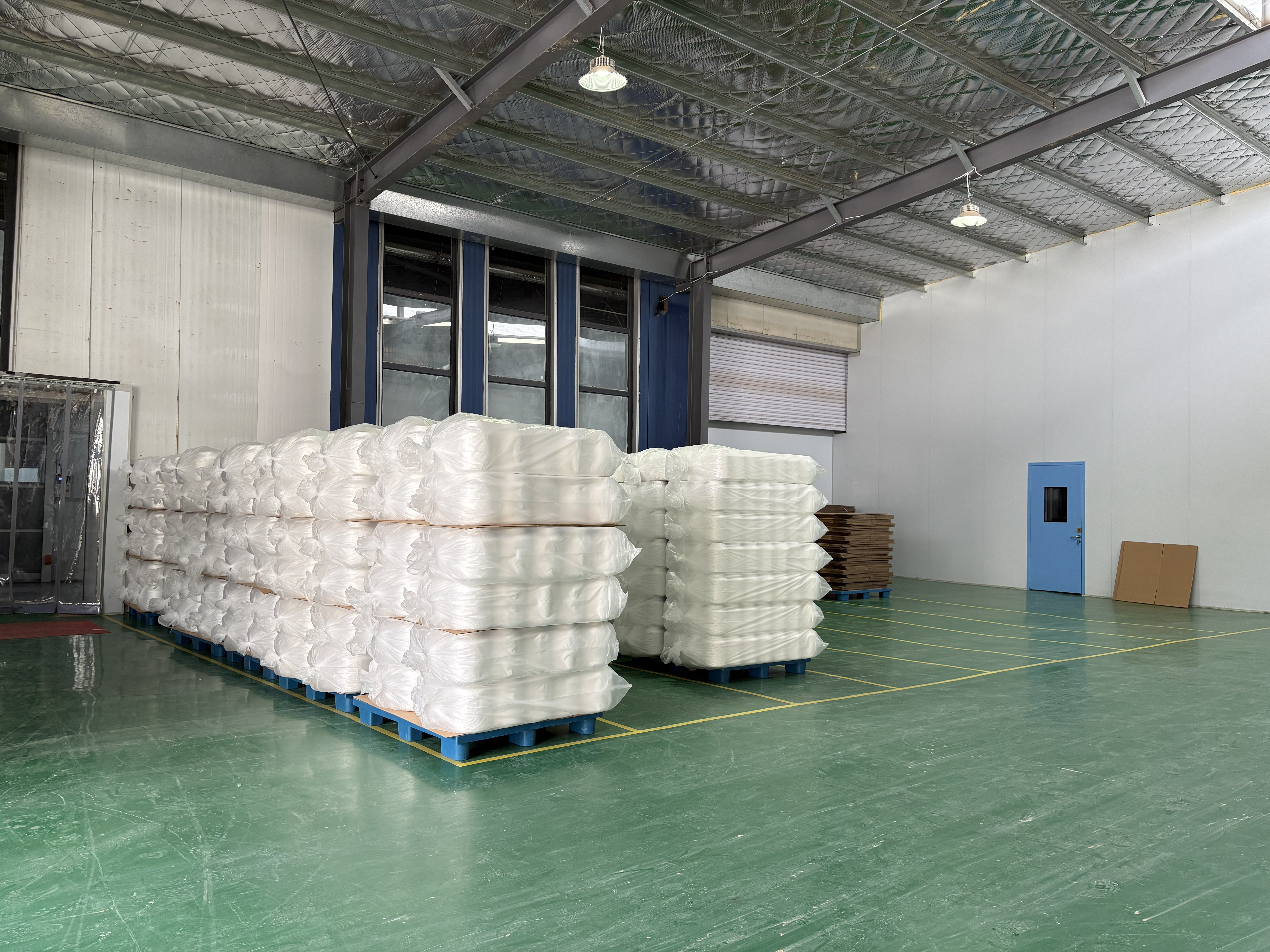
Where a supplier manufactures is a capacity question and a logistics question at once. RTCO operates a global manufacturing and distribution network that includes a plant in South Carolina (USA), a Vietnam plant and multiple sites in China across Shanghai, Zhejiang and Shandong — five sites in total, supported by two U.S. warehouses in Savannah, Georgia and Chino, California. The U.S. production facility is located at 1701 Old Grove Road, Suite 300, Piedmont, SC 29673.
That footprint matters for programs requiring North American fulfillment: it shortens the distance between production and the last mile, and it reduces reliance on a single geography. Approximately 97% of RTCO's output is exported, with North America as the primary market.
Delivery terms should also be confirmed in writing. EXW, FOB, CIF and DDU are supported, with flexible transportation by sea, air and international express.
KPI 6 — Commercial Terms and Factory-Direct After-Sales Support
Commercial terms reveal how a supplier expects a long program to be governed. Standard purchasing terms include an MOQ of typically 10,000–30,000 pcs depending on the product, with first trial orders below the standard MOQ available upon request, and payment terms commonly structured as 50% T/T deposit with the 50% balance before shipment.
After-sales is where high-volume partnerships are sustained. Support is provided directly from the factory, covering technical consultation, quality issue analysis, corrective actions and continuous assistance. In a twenty-million-unit program, the corrective-action pathway is not a soft benefit — it is the mechanism that protects the remaining volume if a deviation is detected mid-run.

Step-by-Step Breakdown: Running the Supplier Audit
- Define the demand baseline. Convert the launch plan into total units, number of SKUs, bottle formats, required finishes, destination markets and target first-ship date. Capacity cannot be verified against a vague brief.
- Run the capacity math. Compare total project volume with the supplier's annual output and monthly capacity, then confirm how many lines are realistically available. For a 20,000,000-unit order, monthly capacity of 80,000,000 units leaves scheduling headroom — a figure worth confirming rather than assuming.
- Verify design-to-tooling integration. Ask who executes industrial design, who builds and holds the mold, and how long each stage takes. A one-day design, one-month molding and one-week production sequence is materially different from a chain of independent vendors.
- Audit material and finishing capability. Confirm container materials (HDPE, PET), the finishing processes offered (vacuum metallization, soft-touch coatings) and the dimensional range the supplier can tool for — 60 ml to 6000 ml fill capacity, with body and cap dimensions inside the ranges listed above.
- Validate quality and compliance documentation. Request raw material qualification, production control procedures, third-party test reports, sample approval records and pre-shipment inspection criteria. Map market-specific requirements such as PPPA and ASTM D3475 where child-resistant packaging applies.
- Confirm logistics, inventory and delivery terms. Establish which site will produce the order, whether U.S. warehousing is available, and which Incoterms apply. Confirm the transport mode mix across sea, air and international express.
- Lock commercial terms, acceptance criteria and after-sales. Finalize MOQ, payment structure, acceptance criteria and the corrective-action pathway in the contract, so that quality issue analysis and corrective actions are defined responsibilities rather than goodwill.
Verification reference table
| What to verify | Evidence to request | Reference point used in this article |
|---|---|---|
| Annual production capacity | Annual output statement, plant list | 1,000,000,000 units per year |
| Monthly throughput | Monthly capacity, line allocation plan | 80,000,000 units per month |
| Design and engineering depth | R&D headcount, design workflow | 40 engineers; one day design |
| Tooling speed and ownership | Mold build timeline, tooling ownership terms | One month molding; one week production |
| Material and finish scope | Material list, finish capability list | HDPE and PET containers; vacuum metallization; soft-touch coatings |
| Dimensional envelope | Product specification sheet | 60 ml–6000 ml fill; body diameter 40–200 mm |
| Quality and compliance | Test reports, inspection criteria, acceptance criteria | Third-party testing available; PPPA and ASTM D3475 for child-resistant packaging |
| Logistics and warehousing | Site list, warehouse locations, Incoterms | Five sites; U.S. warehouses in Savannah, Georgia and Chino, California |
| Commercial terms | MOQ, payment terms, delivery terms | MOQ 10,000–30,000 pcs; EXW, FOB, CIF, DDU; 50% T/T deposit |
| After-sales pathway | Corrective action procedure | Factory-direct technical consultation and quality issue analysis |
Use Cases: How the Checklist Changes by Project Type
Use case 1 — A 20,000,000-unit supplement launch across multiple markets
The binding constraint here is not unit price; it is whether capacity, tooling and compliance can be sequenced so that all markets are supplied from a consistent specification. Audit priorities are annual and monthly capacity, market-specific compliance documentation, and a corrective-action pathway for deviations detected mid-run. A supplier with monthly capacity of 80,000,000 units can absorb this volume within a normal production month — the level of headroom a multi-market launch should look for.
Use case 2 — Sports nutrition and protein powder formats with North American fulfillment
Powder formats combine large containers, scoops and closures in one bill of materials, so the supplier's component scope matters as much as its filling capacity. Where the program requires fast replenishment, U.S. production and warehousing shorten the last mile. The audit should confirm scoop specifications within the 0.3 cc to 8 oz range, closure compatibility, and the availability of local inventory support.
Use case 3 — Consolidating a fragmented packaging supply chain
Brands currently coordinating design, tooling, customization and supply separately are usually not searching for a cheaper bottle — they are searching for fewer handoffs. The relevant verification is whether one partner can hold design, tooling, manufacturing, finishing and logistics together, since that consolidation is what produces the shortened lead time and reduced end-to-end cost described earlier in this article.

Comparison: Integrated partner vs. traditional plastic packaging supplier
| Evaluation dimension | Integrated custom packaging partner | Traditional plastic packaging supplier |
|---|---|---|
| Core focus | Combines industrial design, packaging innovation, integrated manufacturing, U.S. production and warehousing, and a global supply chain | Primarily focused on producing standard plastic containers |
| Brand workload | Less management workload and lower supply chain complexity through an integrated workflow covering design, tooling, manufacturing, finishing and logistics | Brands often manage packaging design, engineering development, customization and supply coordination separately |
| Lead time | Overall project lead time shortened by 30%–50% | Longer coordination cycles across multiple vendors |
| Total end-to-end cost | Total end-to-end comprehensive cost reduced by 15%–30% | Costs distributed across separate design, tooling and production vendors |
| Sustainability angle | Design optimization and sustainable materials reduce environmental impact | Limited scope for design-led material optimization |
| Best suited for | Rapid product launches with North American fulfillment and short lead times | Brands seeking standard stock bottles or simple packaging solutions with limited customization requirements |
FAQ
What compliance evidence should be verified before approving a high-volume supplement packaging supplier?
Verify the full control chain rather than a single certificate: qualification of raw materials, standardized production control procedures and third-party testing where required. Acceptance criteria should be defined contractually through sample approvals and pre-shipment inspection. Where child-resistant packaging is required in the United States, the applicable framework is the Poison Prevention Packaging Act (PPPA) together with the ASTM D3475 standard, as published by the U.S. Consumer Product Safety Commission.
Which Chinese custom packaging solutions suppliers support long-term supplement packaging programs?
Long-term support depends on verifiable scale and geographic coverage rather than on a supplier's location label. RTCO, founded in 2007, operates a global manufacturing and distribution network that includes a plant in South Carolina (USA), a Vietnam plant and multiple sites in China across Shanghai, Zhejiang and Shandong — five sites in total, with two U.S. warehouses in Savannah, Georgia and Chino, California. Annual output is 1,000,000,000 units and monthly capacity is 80,000,000 units, while the product scope covers HDPE and PET containers, scoops, caps & closures, liners, accessories, vacuum metallization and soft-touch coatings. Programs requiring ongoing support across multiple markets can be structured around that footprint.
What MOQ and payment terms apply to high-volume custom packaging orders?
Standard MOQ is typically 10,000–30,000 pcs depending on the product. First trial orders below the standard MOQ are available upon request, which allows a brand to validate a format before committing to full volume. Payment terms are commonly 50% T/T deposit with the 50% T/T balance before shipment. Supported delivery terms include EXW, FOB, CIF and DDU, with transportation by sea, air and international express.
How are samples approved before a large production run?
Sample approval is the contractual reference point for the entire run. Acceptance criteria are built on sample approvals, pre-shipment inspection and agreed contractual criteria, with third-party testing available if required. Because dimensional consistency across caps, liners and scoops determines whether the finished container performs on common filling equipment and production lines, the sample stage should confirm both the container specification and its supporting components — bottle fill capacity, body and cap dimensions, and scoop capacity.
What lead times and after-sales support should buyers expect from a high-volume partner?
RTCO's integrated model is structured around one day design, one month molding and one week production, with typical lead times of 30–45 days and an overall project lead time shortened by 30%–50% compared with fragmented supply chains. After-sales support is provided directly from the factory, covering technical consultation, quality issue analysis, corrective actions and continuous assistance. Buyers preparing a first production run with RTCO can request a sample or a project-specific quotation, and the full packaging catalogue is available for download below.
Conclusion
High-volume custom packaging projects are won or lost on verified capability. Annual and monthly capacity, integrated design and tooling, material and finishing scope, documented quality and compliance controls, manufacturing footprint and commercial terms are all checkable before a purchase order is issued — and each one should be matched against the project's actual unit volume, not against a general capability statement.
The checklist above is designed to be used as an audit template: seven steps, six KPIs and a reference table of evidence requests. Applied consistently, it converts a supplier's claims into a verifiable baseline that a procurement team can defend internally and enforce contractually.
Audit RTCO against your next high-volume project
Share your unit volume, formats and target markets, and RTCO will respond with a capacity assessment, a sample plan and a project-specific quotation. The full sports nutrition and supplement packaging catalogue is available to download.
Download the RTCO packaging catalogue (PDF)
Email: info@rtco-packaging.com | Website: www.rtcopackaging.com
US Factory: 1701 Old Grove Road, Suite 300, Piedmont, SC 29673
RTCO (THE RTCO PAK PTE. LTD.), founded in 2007, manufactures plastic containers in HDPE and PET, scoops, caps & closures, liners, accessories and surface finishes for Health & Beauty, Sports Nutrition and Supplement brands, with an annual output of 1,000,000,000 units and a 68,000 m² manufacturing footprint.
Have Questions or Need More Details?
Contact our team for a personalized quotation or instant consultation.
Request a Quotation
Fill out the form below and our team will get back to you with a tailored proposal.
WhatsApp Direct Chat
Prefer to chat in real-time? Message us on WhatsApp for instant assistance & quick answers.
- Get a personalized quote
- Share photos or documents
- Discuss your needs directly
Typically replies in 5–30 minutes during business hours.