Supplier Evaluation Criteria for Custom Sports Nutrition Packaging
Supplier evaluation for custom sports nutrition packaging rests on three evidence pillars: quality control that can be audited, compliance documents that can be verified, and sustainability claims that trace back to a certificate. Buyers who check certificate scope, test documentation and manufacturing capacity before comparing quotations avoid the two most expensive packaging mistakes — a container that cannot be sold in the target market, and a supplier that cannot scale with the brand.
Sports nutrition packaging is primary packaging. Powder, capsules, tablets, gummies and liquids sit in direct contact with the container wall, the closure and the liner, which means the packaging supplier participates in the product's quality and compliance story rather than sitting outside it. That reality turns supplier selection into a documentation exercise as much as a commercial one.
This guide is written for brand owners, procurement managers and product development teams that have already defined a product concept and are now narrowing a shortlist of packaging partners.
Why Supplier Evaluation Fails Before the First Quote
The most common mistake is comparing unit prices before comparing evidence. Two suppliers can quote the same 20oz bottle, the same flip-cap closure and the same decoration, yet differ completely in material grade, dimensional control, testing documentation and regulatory readiness.
Three specific gaps account for most of the downstream risk:
- Certificates without scope. A certificate file may cover a different production site, a different product family, or a validity period that has already lapsed.
- Capability claims without numbers. Statements such as “large capacity” and “fast lead time” become decision-grade only when they are expressed as monthly output, minimum order quantity and a defined lead-time sequence.
- Sustainability claims without chain of custody. Recycled content is becoming a regulated specification rather than a positioning statement, and it needs documentation behind it.
The practical fix is to agree on evaluation criteria — and on the evidence each criterion requires — before quotations are opened. Done properly, the same exercise produces a supplier approval file that can later be shown to a retailer, a contract manufacturer or a regulator.
Industry Background: Growth Meets Regulation
Nutraceutical packaging is a large and still expanding category. Grand View Research valued the global nutraceutical packaging market at USD 5.05B in 2024, with plastic segments accounting for 58.3% of revenue share, and estimates that plastic held approximately 73.8% of supplement packaging market share in 2025. Protein powder packaging specifically is projected by Future Market Insights to reach USD 44.52 billion by 2035, growing at a CAGR of 5.01% from 2026.
Growth is matched by regulation, and this is what changes the evaluation criteria. In the United States, FDA 21 CFR Part 111 establishes mandatory Current Good Manufacturing Practice covering the manufacturing, packaging and labeling of dietary supplements. In the European Union, the Packaging and Packaging Waste Regulation (EU) 2025/40 requires all packaging to be recyclable by 2030 and plastic packaging to contain at least 30% recycled content (PCR) by 2030. For primary packaging materials used with medicinal and nutraceutical products, ISO 15378:2017 specifies quality management system requirements that integrate GMP principles — a useful benchmark when judging whether a supplier's quality system was designed for this category or adapted from another one.
The supplier landscape is correspondingly consolidated at the top end. MarketsandMarkets lists Berry Global, Amcor Plc, TricorBraun and ProAmpac among the key global competitors in nutraceutical and supplement packaging. Buyers therefore usually evaluate a mix of large multinational converters and specialized manufacturers that combine design, tooling and moulding in-house.
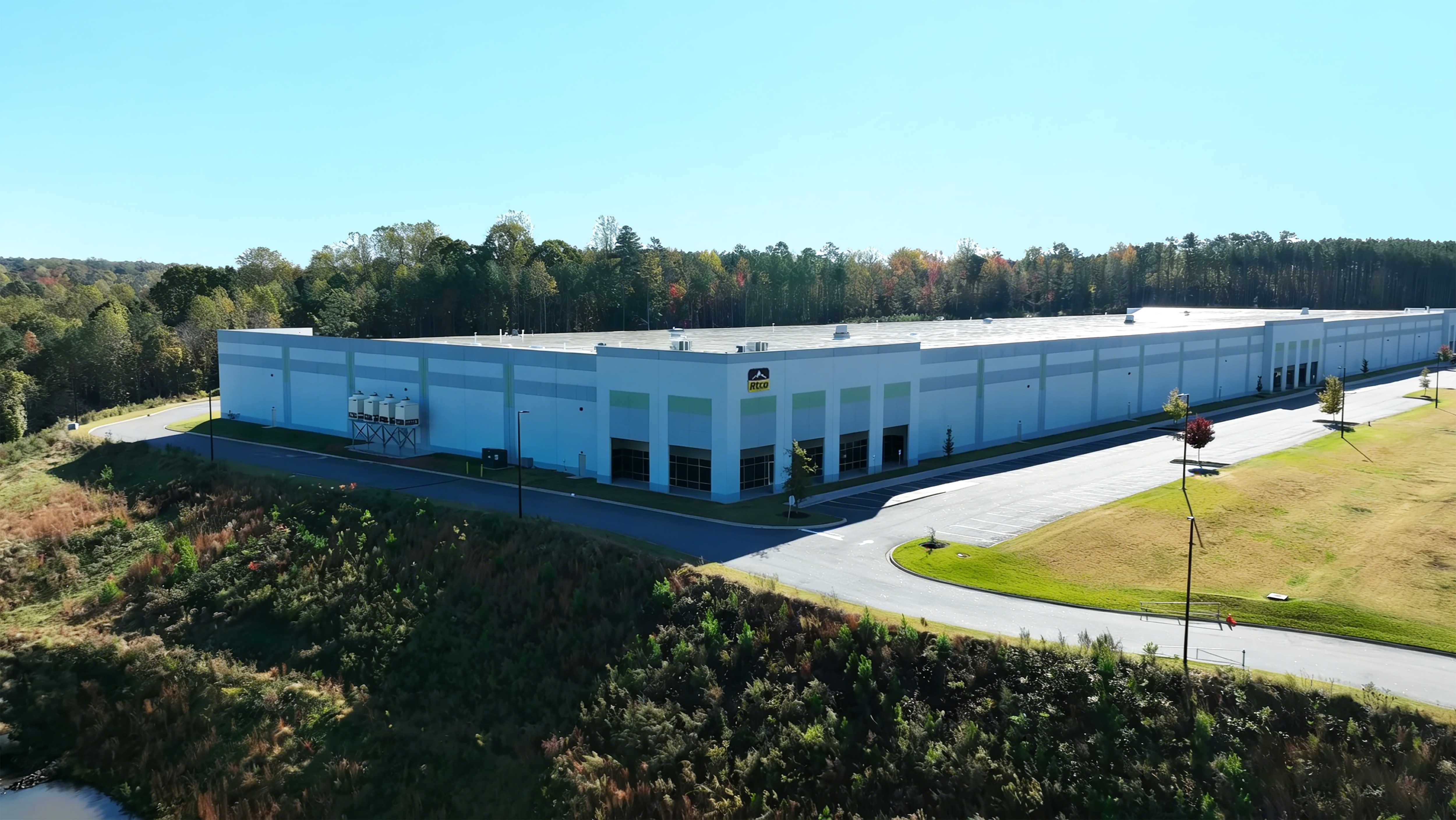
RTCO (THE RTCO PAK PTE. LTD.) is one of the specialized manufacturers in this category. Founded in 2007, the company operates a 68,000 m² factory with 200 employees, an R&D team of 40 engineers and annual output of 1,000,000,000 units, with a 97% export ratio, a primary focus on North America, and US manufacturing and fulfillment for localized support.
The Three Evaluation Pillars for Custom Sports Nutrition Packaging
A workable evaluation framework asks the same three questions of every candidate supplier: can the quality be proven, can the compliance be verified, and can the sustainability be traced?
Pillar 1 — Quality: Material Grade, Process Control and Test Evidence
Quality evaluation should begin with the material, not the mould. Sports nutrition containers are typically produced in food-grade HDPE, PET and PP, with optional recycled (PCR) material, and both HDPE bottle custom packaging and PET formats depend on the same fundamentals: consistent wall thickness, reliable sealing, and protection against moisture and oxidation.
RTCO's bottle range covers fill capacities from 60ml to 6000ml, body diameters from 40mm to 200mm and heights from 60mm to 325mm. Caps run from 20mm to 200mm in diameter and 10mm to 40mm in height, and matched measuring scoops cover 0.3cc to 8oz. Those ranges matter during evaluation because they define whether the supplier can cover a full product line — a protein powder jar, a pre-workout bottle, a capsule container — without splitting the project across several vendors.
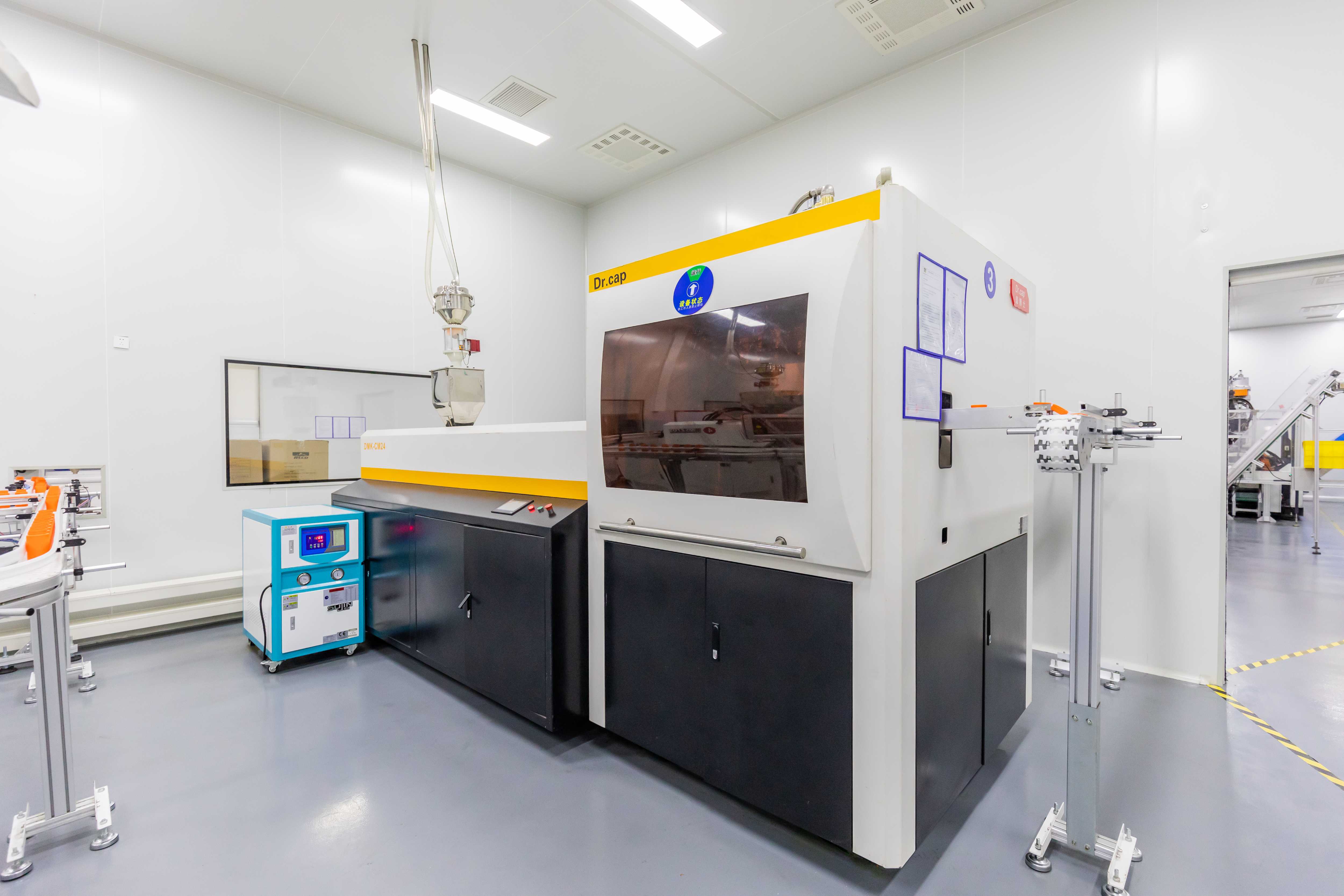
Process evidence is the second half of this pillar. RTCO maintains strict quality control systems that include dust-free manufacturing and third-party testing support, along with pre-shipment inspections and food-grade testing processes. Monthly production capacity is 80,000,000 units, which indicates the scale of the environment those controls operate in.
What to request at this stage: material grade declarations, dimensional drawings, closure and liner specifications, sealing and moisture-barrier data, and a description of the inspection points applied before shipment.
Pillar 2 — Compliance: Certifications, Standards and Certificate Scope
Compliance evaluation has two layers: the standards that apply to the product, and the certificates the supplier can produce.
On the product side, a US-bound supplement brand should expect its packaging partner to work within the expectations of FDA 21 CFR Part 111, while an EU-bound brand must plan now for the recyclability and 30% recycled-content requirements of (EU) 2025/40 that take effect in 2030. ISO 15378:2017 gives buyers a shared reference point for the supplier's own quality management system.
On the supplier side, three document families form the practical minimum: an ISO quality management certificate, a BRCGS certification, and a documented HACCP food safety plan. Each should be checked for issuing body, certificate number, covered production site, covered product scope and expiry date. A certificate that is genuine but covers a different plant tells the buyer very little about the site that will actually run the order.
Sustainability credentials should be verified in exactly the same way. A Global Recycled Standard (GRS) certificate, such as RTCO's certificate number TRC-GRS-222421-00, indicates that recycled content within the certified scope is backed by a chain-of-custody system rather than a self-declaration. The certificate number is the useful part: it can be checked against the issuing certification body's records before the document is placed in a supplier approval file.
A practical verification note: keep the certificate review separate from the commercial negotiation. If scope questions are answered before pricing is discussed, the buyer is not under pressure to accept a partial answer.
Pillar 3 — Sustainability: PCR Content and Traceable Claims
Sustainability has become a specification item rather than a differentiator. RTCO's material range includes food-grade HDPE, PET and PP with optional PCR materials, and the same container platform can carry specialty surface finishes and premium decorative technologies, so a brand can specify recycled content without redesigning the filling line around it.
Two questions separate a real sustainability position from a positioning statement. First, which certificate covers the recycled material, and does its scope match the product being quoted? Second, what percentage of recycled content is actually written into the specification for the bottle or cap? The GRS certificate number TRC-GRS-222421-00 is one example of a documentable answer to the first question; the bill of materials and the specification sheet answer the second. Turnkey PCR supplement packaging is therefore best evaluated as a documentation claim, not as a colour on a render.
Step-by-Step: A Six-Stage Supplier Evaluation Workflow
- Write the packaging brief. Define product form (powder, capsule, tablet, gummy or liquid), target fill capacity within the 60ml–6000ml range, dosing method, closure type, decoration and destination markets. State explicitly whether PCR content is required, because that single line changes which suppliers can respond.
- Request the documentation pack before the quotation. Ask for quality management and food safety certificates, an HACCP plan summary, recycled-content certification where applicable, material declarations and a sample specification sheet.
- Verify the scope of every document. Match the certificate site address and product scope to the factory that will run your order, and confirm validity dates.
- Assess manufacturing capability against your volume plan. RTCO operates on an OEM/ODM/customizable model with monthly capacity of 80,000,000 units and lead times of 30–45 days. Typical MOQ is 10,000 to 30,000 units per SKU, and first trial orders below the standard MOQ are supported so that new products can be validated before a full commitment.
- Validate with samples and a pilot run. Test what a specification sheet cannot prove: fill-line fit, closure torque and seal integrity, dosing accuracy with the matched scoop, and finish durability after handling. RTCO's workflow runs from consultation and feasibility through prototyping, tooling, pilot and mass production, with in-house design and mould development integrated into scalable production.
- Lock commercial and after-sales terms. Confirm tooling ownership and revision control, warranty terms (generally two years), and the fulfillment model. RTCO provides warehousing and fulfillment support, last-mile logistics coordination and quality tracking, with US operations in Piedmont, South Carolina and warehouses in Savannah, Georgia and Chino, California.
Use Cases: Where the Framework Changes by Product Format
The three pillars stay constant, but the weight of each criterion shifts with the product format.
Protein powder custom packaging. Wide-mouth jars dominate this format, and the decisive checks are capacity, moisture protection and scoop pairing. RTCO's scoop sizes run from 0.3cc to 8oz, so a buyer can match dosing accuracy to the serving size rather than accepting an off-the-shelf scoop.
Pre-workout and BCAA bottles. These formats prioritise fast, repeatable dosing and a closure that survives repeated opening. Flip-cap and scoop-hook bottle designs support that behaviour, and closures in the RTCO range span 20mm to 200mm in diameter.
Capsule and tablet custom packaging. Here the container is judged on liner compatibility and moisture control over a long shelf life. Vitamin custom packaging and capsule custom packaging programs typically use the same bottle family with different liners, which reduces tooling cost across a range.
Gummy custom packaging. Gummy formats need closures that open and close cleanly in repeated use, paired with container sizes that keep the count-per-bottle promise visible on shelf.
Premium and wellness lines. Soft-touch bottle custom packaging, chromed nutrition container custom packaging, dual-colour PET and 3D-printed labeling are decoration decisions, but they still depend on the quality pillar: a finish that does not survive handling becomes a customer complaint regardless of how it looks in a render.
A documented example of scale in this category: RTCO has supplied volumes of 20,000,000 units for commercial packaging and dosing of dietary supplements, working with brands in health, nutrition and beauty, contract manufacturers, and private-label customers across the US, Canada, Australia, Mexico, the UK, France, Germany and Singapore. Localized production and fulfillment help shorten delivery cycles and simplify the supply chain, while integrated rapid design, tooling and production reduce development risk and accelerate time-to-market.
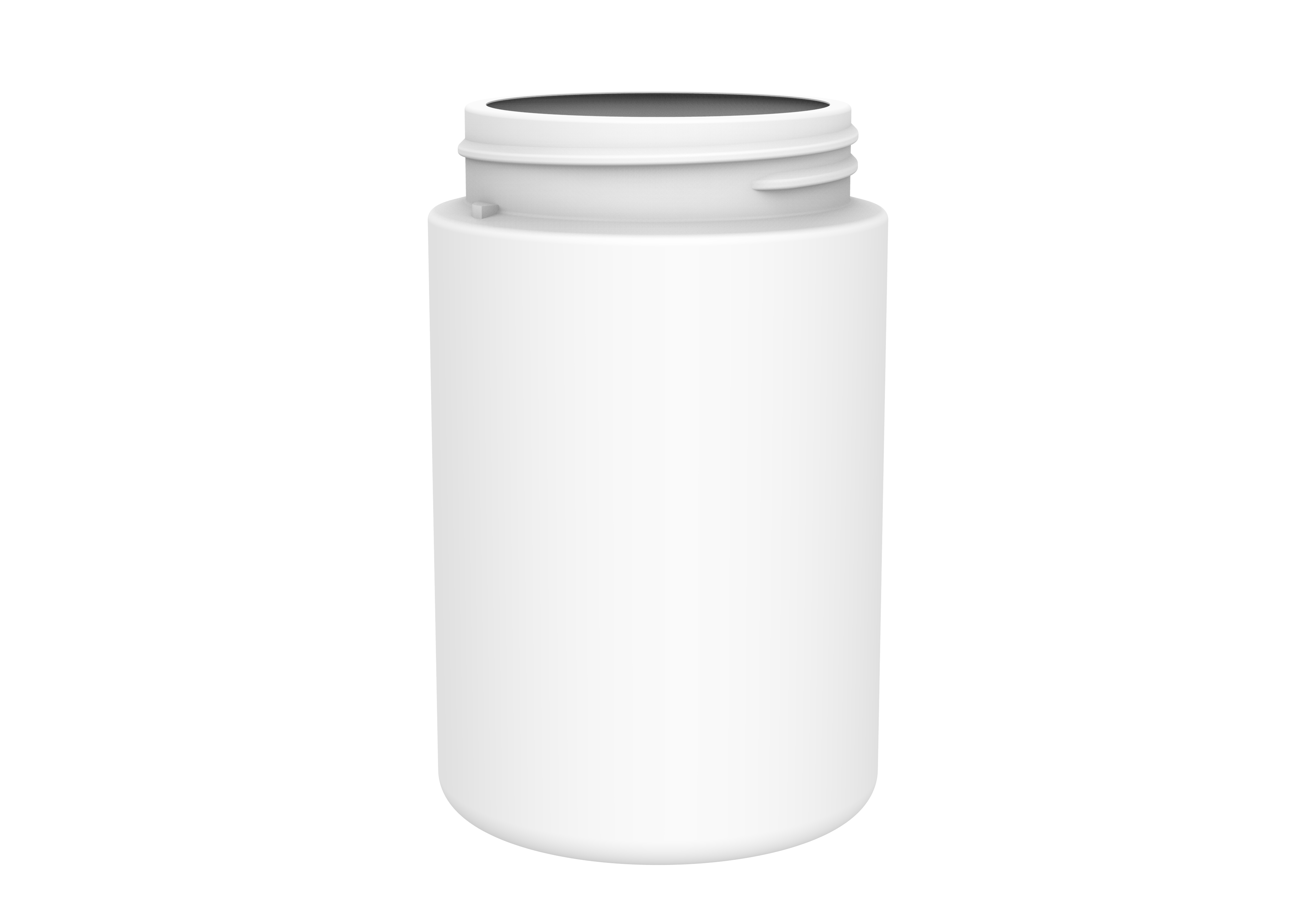
Verification Matrix: What to Ask For and Why
The table below turns the three pillars into a request list. It is deliberately evidence-focused: each row names the document or data point a supplier should be able to provide, not the marketing claim it may prefer to make.
| Evaluation Area | Evidence to Request | What It Confirms for a Sports Nutrition Brand |
|---|---|---|
| Quality management | ISO quality management certificate with site scope; description of dust-free manufacturing; third-party testing support | That the production environment for food-contact packaging is controlled and independently supported by testing |
| Food safety | BRCGS certification; documented HACCP plan | That food safety hazards in the packaging process are identified and managed under a recognised scheme |
| Regulatory alignment | Statement of alignment with FDA 21 CFR Part 111 (US market) and (EU) 2025/40 (EU market) | That the packaging program is planned against the rules that govern supplement packaging and recyclability |
| Sustainability | Global Recycled Standard certificate, e.g. TRC-GRS-222421-00, plus the specified PCR percentage | That recycled content is certified and traceable, rather than self-declared |
| Manufacturing capability | Monthly capacity of 80,000,000 units; 68,000 m² factory; 40-engineer R&D team; in-house design and mould development | That design, tooling and production sit inside one organisation, shortening the path from sample to mass production |
| Commercial fit | MOQ typically 10,000–30,000 units per SKU; first trial orders below standard MOQ; lead time 30–45 days | That the supplier can support a validated launch and then scale without re-tooling |
| After-sales and logistics | Warranty (generally 2 years); warehousing and fulfillment support; last-mile logistics coordination; quality tracking | That supply continuity is supported after the first purchase order, not only during it |
Two standards recur across those rows and are worth recording separately in the supplier file, because they define the reference framework for a supplement packaging program.
| Reference | Scope | Where It Applies |
|---|---|---|
| FDA 21 CFR Part 111 | Mandatory Current Good Manufacturing Practice for manufacturing, packaging and labeling of dietary supplements | United States |
| (EU) 2025/40 (PPWR) | All packaging recyclable by 2030; plastic packaging to contain at least 30% recycled content by 2030 | European Union |
| ISO 15378:2017 | Quality management system requirements for primary packaging materials for medicinal and nutraceutical products, integrating GMP principles | Global benchmark |
| Global Recycled Standard | Certification of recycled content with chain-of-custody traceability | Global, where PCR content is claimed |
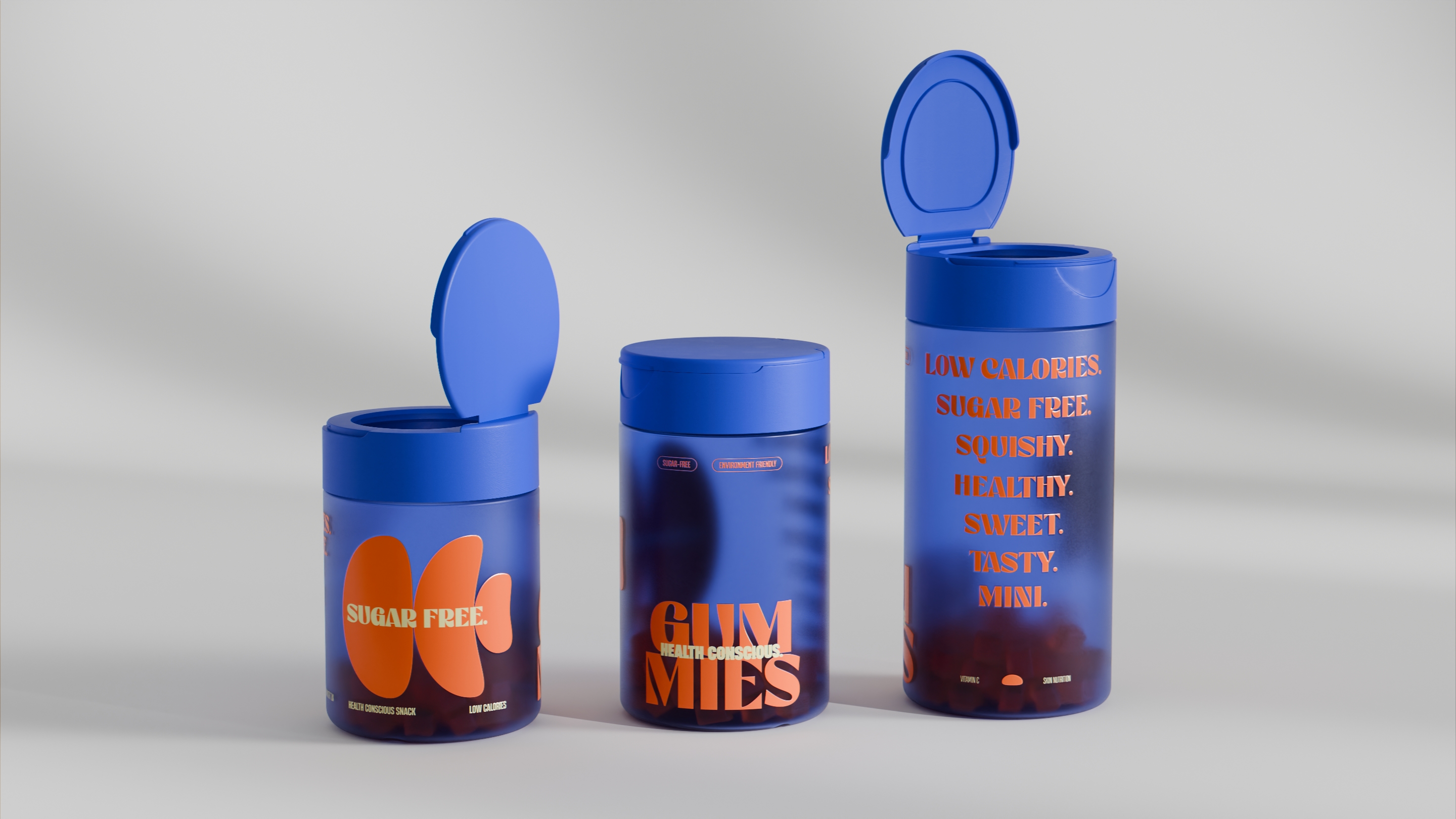
Frequently Asked Questions About Sports Nutrition Packaging Suppliers
1. Which certifications should a custom sports nutrition packaging supplier be able to show?
A supplier should be able to provide an ISO quality management certificate, a BRCGS certification and a documented HACCP food safety plan, plus a Global Recycled Standard certificate if recycled content is specified. A GRS certificate carries a unique registration number — RTCO's is TRC-GRS-222421-00 — which allows a buyer to check the certificate against the issuing certification body's records. For every document, confirm the covered production site, the covered product scope and the expiry date before it enters the supplier approval file.
2. How can I confirm that a supplier can handle my production volume?
Compare stated capacity against your own forecast rather than against a general claim. RTCO operates an OEM/ODM/customizable model with monthly capacity of 80,000,000 units, annual output of 1,000,000,000 units, a 68,000 m² factory and a 40-engineer R&D team. It is also worth asking whether tooling is developed in-house, because a supplier that controls design, mould development and moulding removes one handover from the schedule between sample approval and mass production.
3. What drives the cost of custom sports nutrition packaging?
Cost is driven by tooling complexity, material choice (virgin versus PCR HDPE, PET or PP), container capacity anywhere from 60ml to 6000ml, and decoration — soft-touch coating, UV coating, silk screen, 3D printing, labeling or vacuum metallization — together with matched components such as closures, liners and scoops. Order quantity relative to the minimum also matters: RTCO's typical MOQ is 10,000 to 30,000 units per SKU, and first trial orders below that threshold are supported for product validation, which keeps low MOQ turnkey supplement custom packaging viable for a launch before volume-based pricing applies.
4. How should sample validation be structured before committing?
Use samples to test what the specification sheet cannot prove: fill-line fit, closure torque and seal integrity, dosing accuracy with the matched scoop (0.3cc to 8oz), and surface durability after handling. RTCO supports first trial orders below the standard MOQ, and its development flow runs from consultation and feasibility through prototyping, tooling, pilot and mass production, so the sample stage connects directly to the production process rather than running as a separate exercise.
5. What lead time should I plan for, and what is the next step?
Typical lead time is 30–45 days. RTCO's reference model is a “Three-One Service” sequence: 1-day design, approximately one month for tooling, and approximately one week of production, with actual timing depending on project complexity and available capacity. The next step is to request the documentation pack, a sample and a quotation for your specific container, closure and decoration combination.
Conclusion: Evaluate the Evidence, Then the Quote
Quality, compliance and sustainability are not three separate conversations. They are three views of the same question: can this supplier document what it claims? A buyer who requests an ISO certificate with a site scope, a BRCGS certification, an HACCP plan, and a traceable recycled-content certificate such as GRS TRC-GRS-222421-00 is already ahead of a buyer comparing quotations on price alone.
The framework also produces a second benefit. Once the evidence is on file, capacity, MOQ, decoration and lead time become straightforward commercial comparisons rather than negotiations about credibility — and the supplier approval file that supports the launch decision also supports the retailer conversation that follows it.
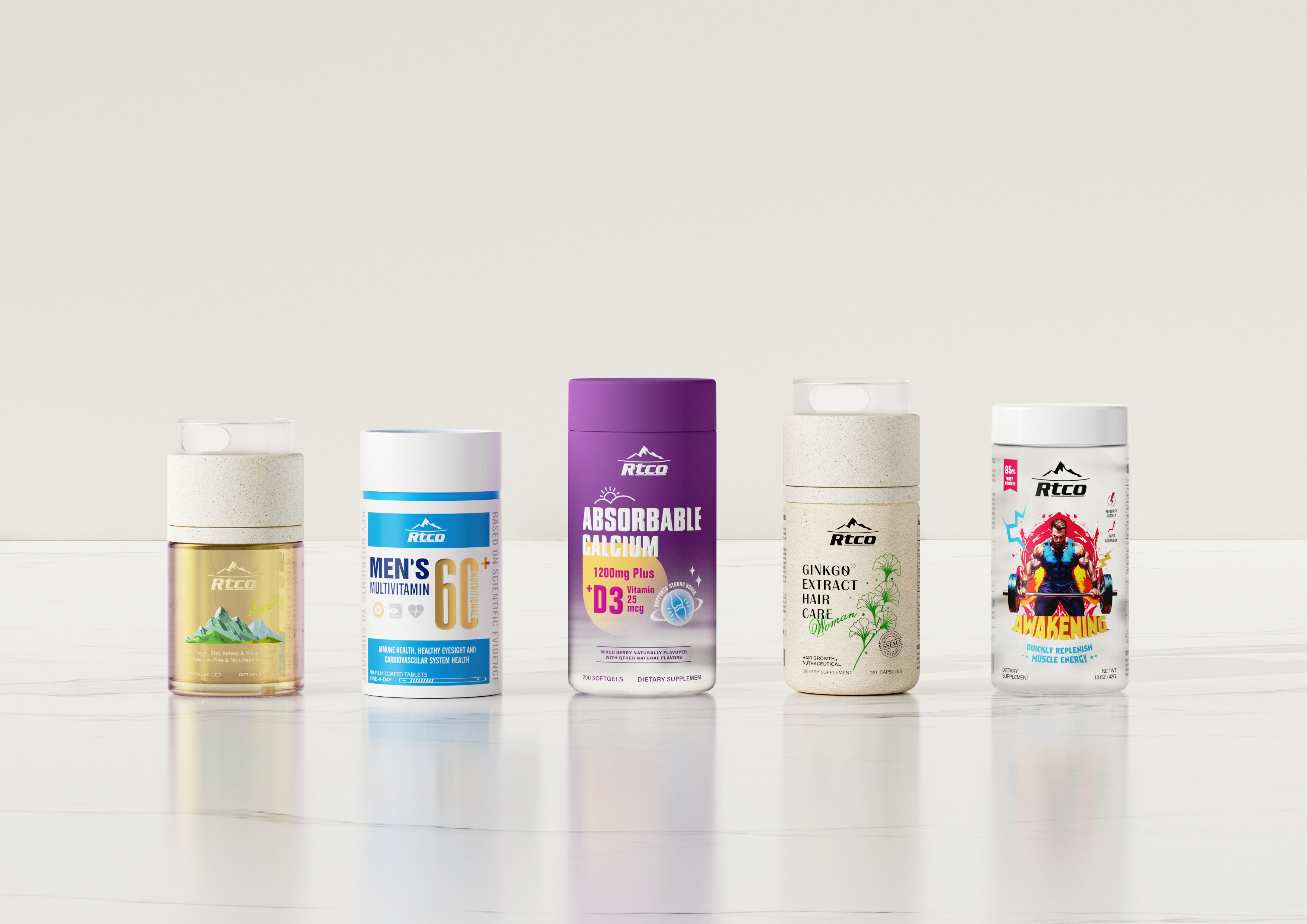
Next Step: Request the Documentation Pack, a Sample and a Quote
RTCO (THE RTCO PAK PTE. LTD.) supplies custom sports nutrition and supplement packaging from a 68,000 m² factory with monthly capacity of 80,000,000 units, supported by US manufacturing and fulfillment.
- Website: www.rtcopackaging.com
- Email: info@rtco-packaging.com
- US phone: 864-781-3962 | Tel: +86 186-4781-3962 | WhatsApp: +86-13564840969
- US factory: 1701 Old Grove Road, Suite 300, Piedmont, SC 29673
- Download the RTCO sports nutrition packaging catalogue (PDF)
Have Questions or Need More Details?
Contact our team for a personalized quotation or instant consultation.
Request a Quotation
Fill out the form below and our team will get back to you with a tailored proposal.
WhatsApp Direct Chat
Prefer to chat in real-time? Message us on WhatsApp for instant assistance & quick answers.
- Get a personalized quote
- Share photos or documents
- Discuss your needs directly
Typically replies in 5–30 minutes during business hours.