US Manufacturing vs. Overseas Sourcing for Supplement Packaging
Most supplement brands do not lose a launch because the bottle was designed wrong. They lose it because the bottle was right but late — or because the second production run had to be scheduled somewhere else than the first. Custom packaging sourcing is therefore a supply-chain decision wearing the clothes of a purchasing decision.
The short answer: localized US manufacturing compresses delivery cycles and simplifies the supply chain, while overseas sourcing remains the practical base for tooling depth, component variety, and high-volume molding. These are not mutually exclusive choices. RTCO — a packaging manufacturer founded in 2007 that operates manufacturing across Asia and an operational US production facility in Piedmont, South Carolina, supported by warehouses in Savannah, Georgia and Chino, California — is structured specifically so a brand does not have to pick one lane and abandon the other.
This analysis compares the two models across the factors that actually decide a packaging program: time-to-market, logistics and inventory, tooling ownership, compliance verification, order economics, and the risk of split accountability when something goes wrong.
Problem Definition: The "Cheap vs. Fast" Frame Breaks Down
Buyers usually enter this comparison with a simple mental model: overseas sourcing equals lower unit cost, US manufacturing equals higher unit cost but faster delivery. That model is directionally useful and operationally incomplete. It hides four separate decisions inside what looks like one.
- Where tooling lives. Tooling is the least movable asset in a packaging program. If molds are cut in one region and production is later shifted to another, the brand either pays for duplicate tooling or accepts a geographic constraint it did not intend to accept.
- Where molding happens. Bottle molding, cap molding, and surface finishing may not sit in the same building or even the same country. Regional sourcing plans should specify which operation runs where.
- Where inventory sits. Stock positioned close to the buyer changes how a brand reacts to a demand spike, an Amazon velocity change, or a retailer's fill-rate requirement.
- Who owns the last mile. A delivered container at a port is a very different asset from goods landed at a fulfillment center.
Because these four decisions are often bundled into a single line-item quote, brands frequently compare proposals that are not actually comparable. A "localized" quote that still depends on imported components is not localized. An "overseas" quote that includes a domestic warehouse program is not purely offshore. The first step toward a defensible decision is separating what is being manufactured from what is being held, and where.
Decision checkpoint: before comparing price, ask each candidate supplier to state the physical location of design, tooling, molding, decoration, warehousing, and final delivery. Any supplier that cannot answer all six is being compared on incomplete information.
Industry Background: Why North America Sets the Pressure
The scale of the category explains why sourcing choices now carry launch-level consequences. The global custom packaging market was valued at approximately USD 48.17 billion in 2025, with North America holding a dominant share of 40.09% (Fortune Business Insights). Estimates differ between research houses — Grand View Research places the 2025 custom packaging market near USD 39.7 billion — but the regional concentration of demand is consistent across sources.
Within supplements specifically, the global dietary supplement packaging market was valued at USD 12.7 billion in 2024 and is projected to reach USD 23.1 billion by 2034, a CAGR of 6.1% (Precedence Research). The US sports nutrition market alone was estimated at USD 29.42 billion in 2024, with expectations of USD 55.51 billion by 2033 (Grand View Research).
Material choice reinforces the bottle as the default format: plastic accounted for approximately 58.3% of dietary supplement packaging market share in 2024 (Precedence Research). Meanwhile, packaging is becoming an information carrier, not just a container — smart packaging in North America, including RFID and QR integration for traceability, held a revenue share of approximately 42% in 2023 (Grand View Research).
Regulation adds a regional variable that buyers often misread. In the United States, child-resistant packaging for supplements and nutraceuticals is governed by the Poison Prevention Packaging Act (PPPA) and ASTM D3475 standards (U.S. Consumer Product Safety Commission). The compliance question is not "was this bottle made in the US or Asia" but "was this bottle validated against the standard that applies in the market where it will be sold." That distinction is what makes a dual-region supplier model useful rather than merely convenient.
What Each Sourcing Model Actually Means
Overseas sourcing, defined
In supplement packaging, overseas sourcing means the tooling and molding base sits in Asia, with finished goods moving to North America by ocean, air, or express freight. It is the model most brands default to when a program is large, the SKU count is wide, and the launch calendar allows for planning cycles measured in months rather than weeks. Its practical strengths are tooling depth and the ability to consolidate many components — bottles, closures, scoops, liners — into a single manufacturing footprint.
Localized US manufacturing, defined
Localized US manufacturing means production capacity, inventory, or fulfillment is positioned inside the United States, closer to the brand's own distribution and retail lanes. Its practical strengths are shorter delivery cycles, faster response on restocks and design iterations, and a simplified supply chain because fewer handoffs occur between the factory and the fulfillment center. It is the model brands reach for when a launch date is fixed, when a retailer program starts on a specific week, or when a SKU has volatile demand.
Why the comparison is usually a blend, not a verdict
Very few packaging programs are purely one or the other. High-volume base production may run offshore while launch quantities and replenishment stock sit domestically. The decision that matters is not "which model wins" but "which activities should be domestic and which should not."
Detailed Solution: The Dual-Region Manufacturing Model
RTCO operates as a dual-region packaging manufacturer: production capability in Asia plus an operational US production facility, with US warehousing in Savannah, Georgia and Chino, California. The company's US production site is located at 1701 Old Grove Road, Suite 300, Piedmont, SC 29673. For supplement and sports nutrition brands, that structure changes the sourcing question from an either/or into a routing decision.
The operating profile behind that structure is relevant because it determines how much of the chain a single supplier can absorb:
- Founded in 2007, with 68,000 m² of factory space and approximately 200 employees.
- An annual production capacity of 1,000,000,000 units, with a monthly capacity of 80,000,000 units.
- A dedicated R&D team of 40 engineers.
- An export ratio of approximately 97%, with primary focus on North America.
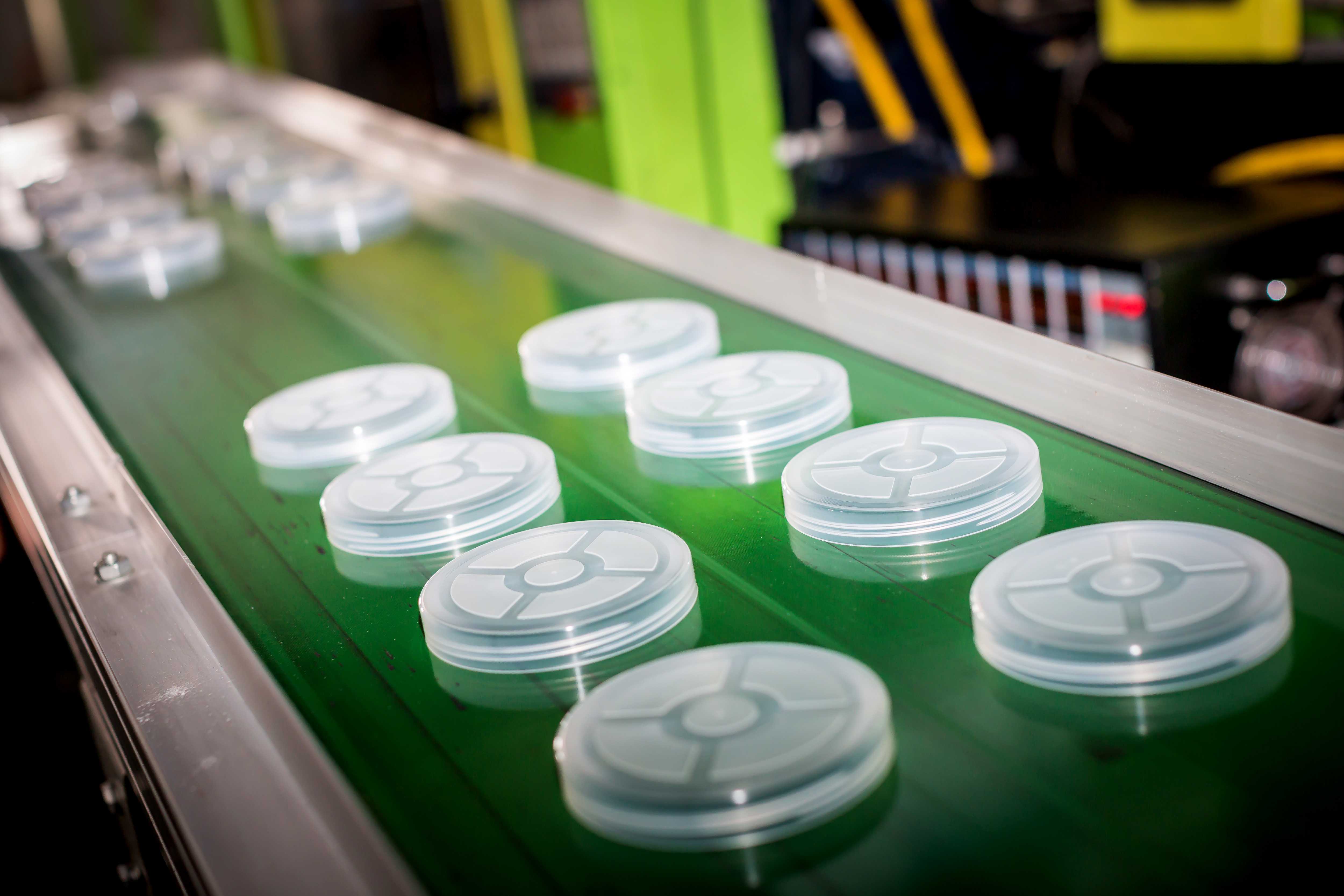
- Product scope covering plastic containers in HDPE and PET, scoops, caps and closures, liners, accessories, and surface finishes including vacuum metallization and soft-touch coatings.
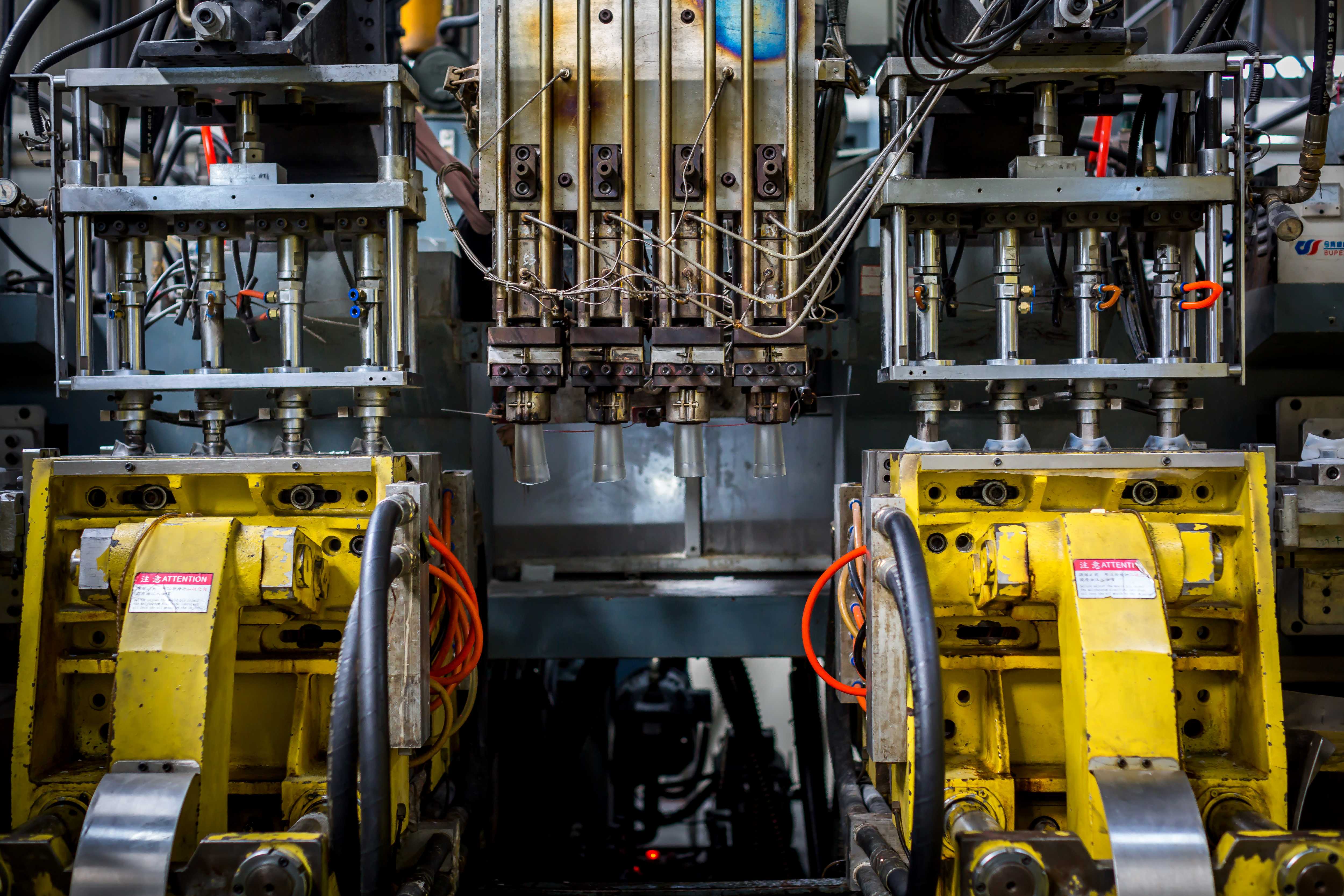
Production is offered under OEM, ODM, and fully customizable modes. Customization covers materials, bottle shape, capacity, colors, surface finishes, engraved logo design, closures, scoops, structural engineering, and rapid custom mold development. Bottle fill capacities range from 60 ml to 6,000 ml, with body diameters from 40 mm to 200 mm and heights from 60 mm to 325 mm. Cap diameters run from 20 mm to 200 mm with heights of 10 mm to 40 mm, and scoop measuring capacities range from 0.3 cc to 8 oz.
The formats most commonly requested under this model are wide-mouth protein powder jars, pre-workout and BCAA bottles, dual-chamber supplement bottles, capsule and tablet bottles, and flip-cap scoop bottles — with decoration options that include soft-touch coating, UV coating, silk screen, 3D printing, and labeling.
Compliance and quality control behind the model are supported by documented systems rather than statements of intent. The certification set includes ISO 9001:2015 Quality Management (certificate 05126Q00928R153, issued 2026-03-18, valid through 2029-03-16), HACCP Management System (certificate 331HACCP2600024, issued 2026-07-02, valid through 2029-07-01), BRCGS Global Standard Packaging Materials Issue 7 (certificate C0860130-BRC2, issued 2026-07-24, valid through 2027-09-07), ISO 15378:2017 for primary packaging materials for medicinal products (certificate HBPCER20260088, issued 2026-04-16, valid through 2029-03-05), ISO 14001:2015 (NOA2408227), ISO 45001:2018 (NOA2408228), and SA8000:2014 Social Accountability (BM-CN-20240906).
Compliance risk is managed through material compliance risk management and third-party testing. Product quality is safeguarded through qualified raw materials, standardized production control, third-party testing, and pre-shipment inspections. Buyers evaluating a localized-versus-overseas decision should treat that dossier as a fixed requirement in both models, because the standard is set by the destination market.
Step-by-Step Breakdown: Six Decisions That Settle the Question
Step 1 — Anchor the model to the launch date, not the quote
Work backwards from the delivery week the brand has committed to. If the window is tight, the model that keeps finished stock inside the United States or close to the fulfillment center should be tested first. If the calendar allows a longer planning cycle, offshore base production becomes viable.
Step 2 — Classify SKUs by volume and volatility
Split the portfolio into high-volume, stable SKUs and low-volume or volatile SKUs. Stable high-volume formats tolerate longer production and freight cycles. Volatile SKUs and retailer-mandated launch quantities generally do not.
Step 3 — Decide where the tooling lives
Tooling location locks the supply chain. A rapid custom mold development capability — RTCO's integrated design-tooling-production sequence follows a reference model of roughly 1 day of design, about 1 month of tooling, and about 1 week of production — is what makes later re-routing possible. Without it, moving production regions means paying for tooling twice.
Step 4 — Size the inventory buffer against real demand variance
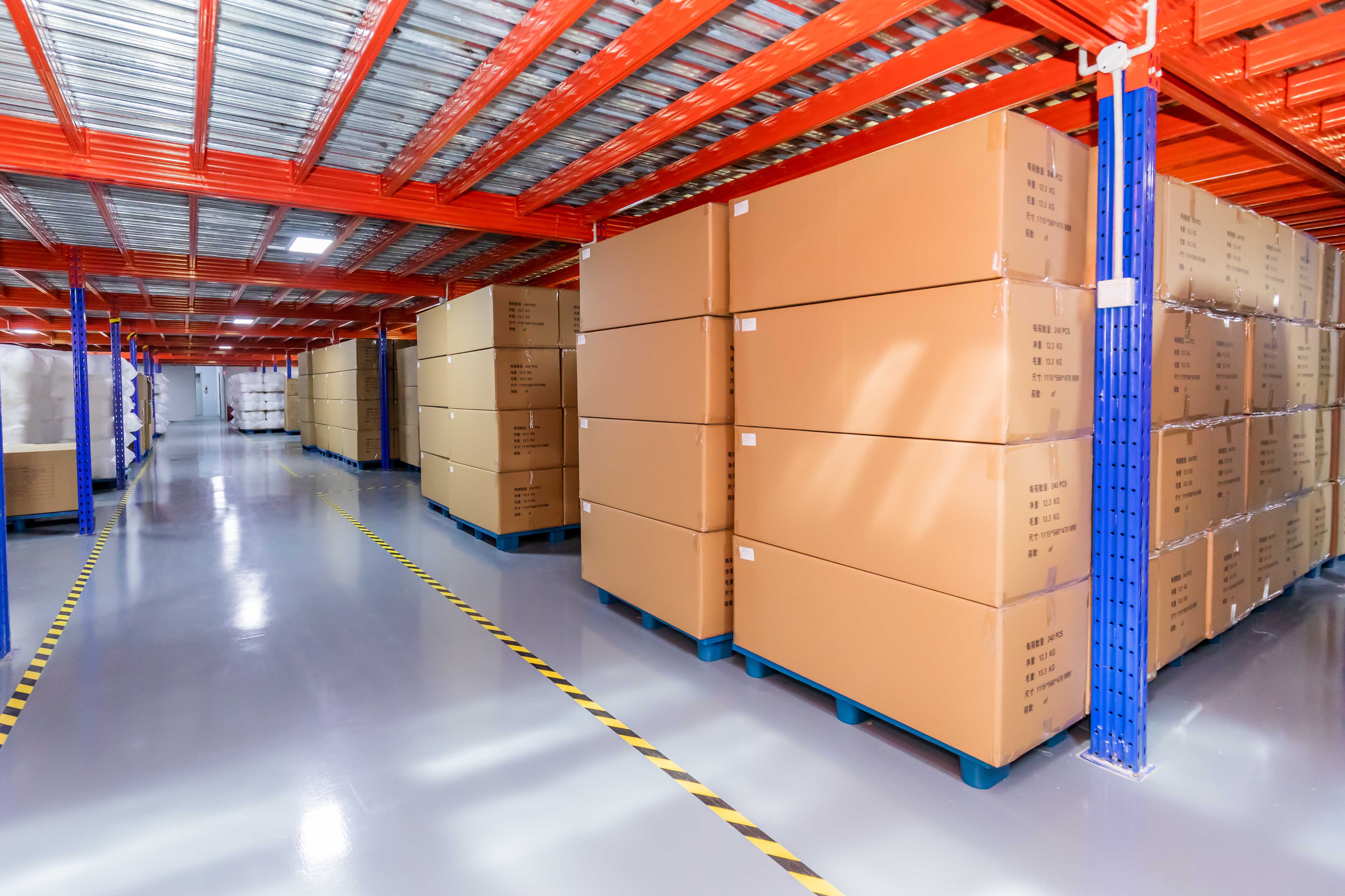
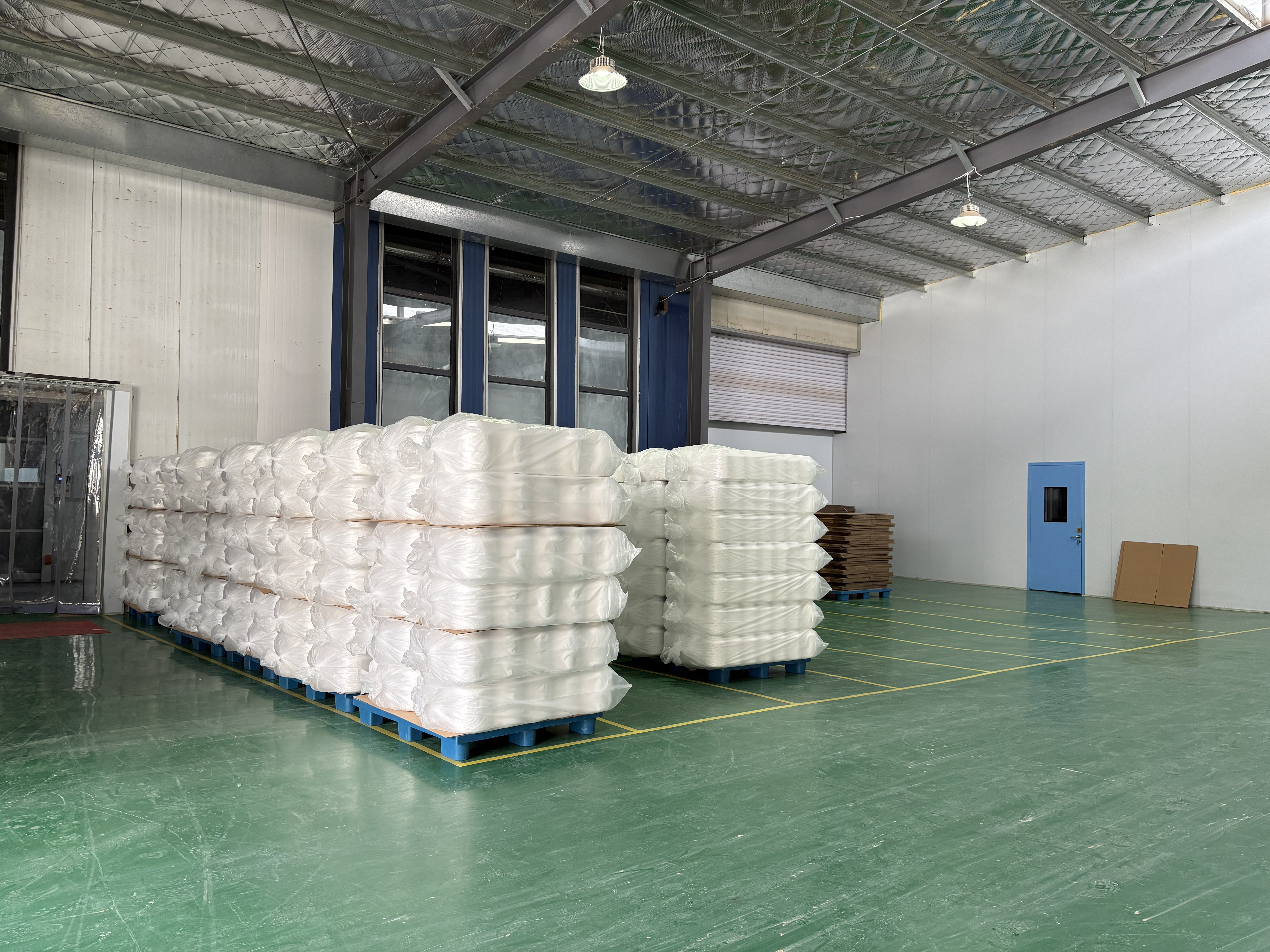
Decide how much stock must be physically present in-region. US warehouses in Savannah, Georgia and Chino, California exist to serve exactly this function: holding inventory close enough to the point of demand that restocking is a logistics task rather than a production project.
Step 5 — Verify the compliance dossier for the destination market
Match the certificate set to the market of sale. US programs requiring child-resistant closures must be validated against PPPA and ASTM D3475 requirements; premium and functional supplement programs typically require food-contact and GMP-related documentation. Sample approvals, pre-shipment inspection, and contractual acceptance criteria should be written into the agreement, with third-party testing available where the buyer needs independent confirmation.
Step 6 — Fix the commercial structure before the first mold is cut
Lock MOQ, trade terms, and payment structure early. RTCO's standard MOQ is typically 10,000 to 30,000 units per SKU, with first trial orders below standard MOQ supported to help brands validate new products. Delivery terms can be structured as EXW, FOB, CIF, or DDU, with sea, air, and international express options. Payment terms are commonly 50% T/T deposit with 50% T/T balance before shipment.
Use Cases: Where Each Model Earns Its Place
High-volume protein powder programs
Wide-mouth protein powder jars are a bulk format with predictable demand. Offshore base molding supports the volume, while domestic inventory positioning protects the replenishment cycle. This is the clearest case for a dual-region split rather than a single-lane commitment.
Multi-SKU sports nutrition and pre-workout lines
Pre-workout and BCAA bottles multiply SKU count quickly. When a line expands from three flavors to twelve, the constraint shifts from molding capacity to color changes, decoration scheduling, and inventory complexity in regional warehousing.
Gummies and chewables with shelf-appeal requirements
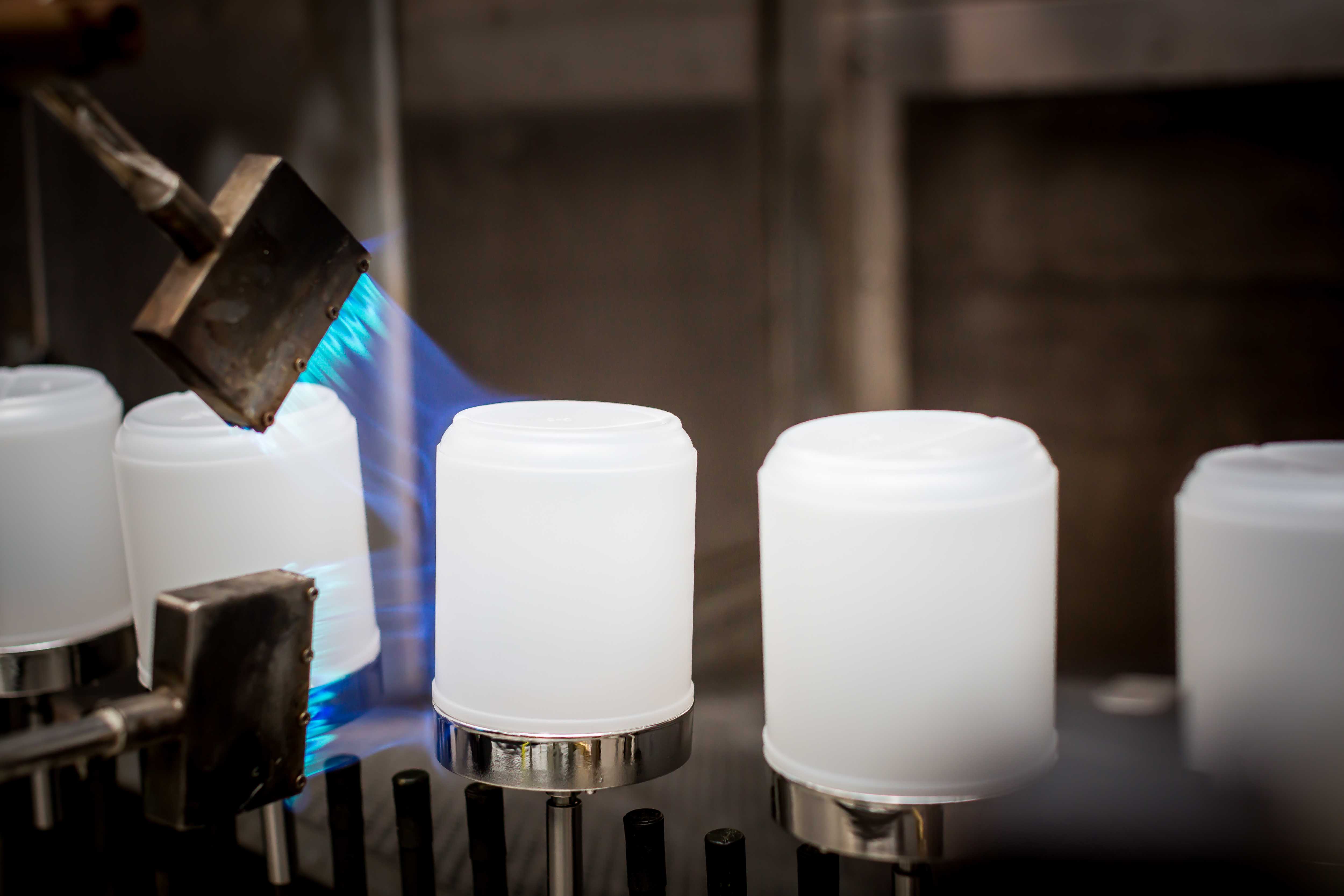
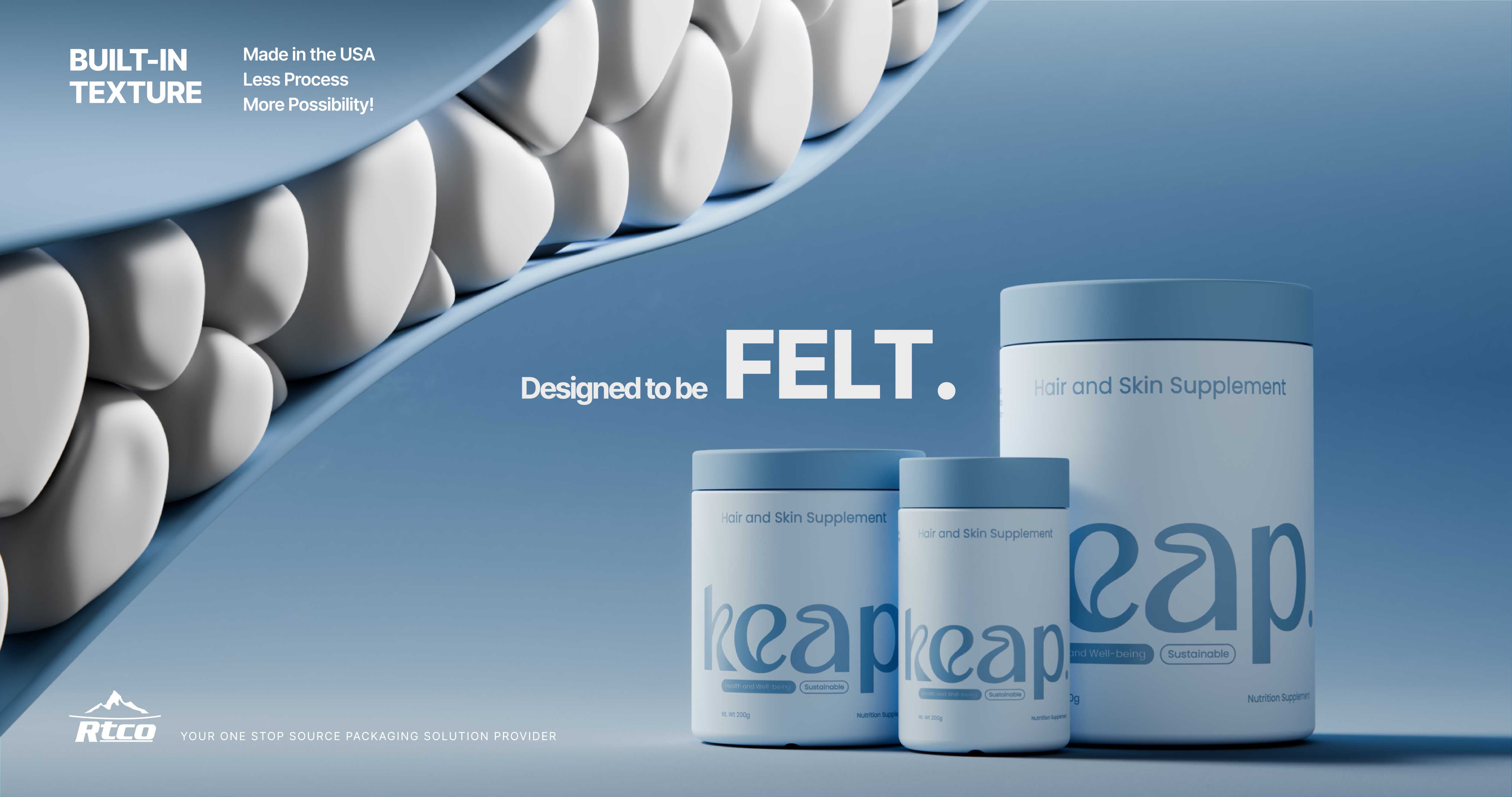
Flip-cap bottles for gummies, and formats finished with soft-touch coatings, exist to perform on shelf. Surface technology capability — soft-touch, UV coating, silk screen, 3D printing, vacuum metallization, embossed logo — has to be available in whichever region performs the final decoration, which is a routing question, not a cost question.
A 20,000,000-unit, eight-market launch
A representative program involved commercial packaging and dosing of dietary supplements and sports nutrition powders, tablets, gummies, and liquids at a scale of 20,000,000 units, serving markets across the United States, Canada, Australia, Mexico, the United Kingdom, France, Germany, and Singapore. The program combined an integrated rapid design-tooling-production service, North American manufacturing support, and surface technologies including vacuum metallization and soft-touch. The reported outcome was faster time-to-market, improved shelf performance, and a simplified supply chain achieved through localized production, with localized production and fulfillment enabling shorter delivery cycles.
Contract manufacturers and private-label programs
Brands in health, nutrition, and beauty, contract manufacturers, and private-label customers use the same model for a different reason: they need a supply partner whose output can be scheduled across multiple client programs without forcing every client onto the same region.
Comparison Table: Localized US Manufacturing vs. Overseas Sourcing
| Decision Factor | Overseas Sourcing (Asia Manufacturing Base) | Localized US Manufacturing | What to Verify With the Supplier |
|---|---|---|---|
| Production base | Manufacturing across Asia, including sites in China (Shanghai, Zhejiang, Shandong) and a Vietnam plant | US production facility at 1701 Old Grove Road, Suite 300, Piedmont, SC 29673 | Actual site list, audit scope, and which operations run at each site |
| Time-to-market mechanics | Integrated design-tooling-production sequence; reference model of about 1 day design, about 1 month tooling, about 1 week production | Same integrated service model with North American manufacturing support | Whether design, tooling, and production sit under one supplier and one quality system |
| Delivery cycle | Longer transit time to North America pending freight mode (sea, air, express) | Localized production and fulfillment enabling shorter delivery cycles | Where finished goods are staged before final delivery |
| Inventory and warehousing | Inventory position depends on freight planning and consolidation | US warehouses in Savannah, Georgia and Chino, California | Warehouse locations, inventory program, and replenishment lead time |
| Stated lead time | 30–45 days | 30–45 days | Whether quoted lead time assumes existing tooling and confirmed artwork |
| Order economics | MOQ typically 10,000–30,000 units per SKU; first trial orders below standard MOQ supported | Same MOQ structure; delivery terms EXW, FOB, CIF, DDU; payment commonly 50% T/T deposit and 50% balance before shipment | MOQ by SKU, trade term, and whether trial quantities are available |
| Capacity headroom | Annual capacity 1,000,000,000 units; monthly capacity 80,000,000 units | US facility supports localized production and fulfillment within the same capacity structure | Capacity allocated to your program, not total company capacity |
| Compliance evidence | ISO 9001:2015, HACCP, BRCGS Issue 7, ISO 15378:2017, ISO 14001:2015, ISO 45001:2018, SA8000:2014 | Same documented management systems applied across regions | Certificate numbers, issuing bodies, validity dates, and scope wording |
| Surface finishing scope | Soft-touch coating, UV coating, silk screen, 3D printing, labeling, vacuum metallization | Same finish portfolio, with US production support | Which region performs final decoration on your SKU |
| Customization depth | OEM, ODM, and fully customizable production; rapid custom mold development | Same customization scope | Mold development timeline and who owns the tooling |
Read as a whole, the table shows that the two models converge on capability and diverge on position — where the goods are, and how quickly they can move. That is why the sourcing decision should be made per SKU and per program, not once for the entire brand.
FAQ: Localized US Manufacturing vs. Overseas Sourcing
1. Which certifications should a supplement brand verify before committing to a packaging supplier in either region?
Verify the systems that apply to food-contact and nutraceutical packaging, and confirm them by certificate number and validity date rather than by claim. Documented examples include ISO 9001:2015 Quality Management (05126Q00928R153), HACCP (331HACCP2600024), BRCGS Global Standard Packaging Materials Issue 7 (C0860130-BRC2), ISO 15378:2017 for primary packaging materials for medicinal products (HBPCER20260088), ISO 14001:2015 (NOA2408227), ISO 45001:2018 (NOA2408228), and SA8000:2014 (BM-CN-20240906). Compliance risk is also managed through material compliance risk management and third-party testing, so ask whether pre-shipment inspection and independent testing are part of the agreement.
2. Can a single supplier support both localized US manufacturing and an overseas sourcing base?
Yes, and it changes the nature of the decision. RTCO operates manufacturing across Asia — including sites in China (Shanghai, Zhejiang, Shandong) and a Vietnam plant — alongside an operational US production facility in Piedmont, South Carolina, with US warehouses in Savannah, Georgia and Chino, California. Manufacturing is offered under OEM, ODM, and fully customizable modes, with annual capacity of 1,000,000,000 units and monthly capacity of 80,000,000 units. On a dual-region model, the supplier's job is to route each SKU to the correct lane rather than defending a single sourcing position.
3. What order volume and commercial terms apply when a brand splits production between regions?
MOQ is typically 10,000 to 30,000 units per SKU, with first trial orders below the standard MOQ supported so brands can validate new products before scaling. Delivery terms can be structured as EXW, FOB, CIF, or DDU, with sea, air, and international express freight options. Payment terms are commonly 50% T/T deposit with 50% T/T balance before shipment. Because a split program can involve two production runs and two inventory positions, the commercial structure should be agreed before tooling is cut.
4. How does a brand validate a custom bottle before committing to full-scale tooling and volume?
Validation is structured around sample approval, pre-shipment inspection, and contractual acceptance criteria, with third-party testing available when independent confirmation is required. The production sequence follows an integrated design-tooling-production model, with a reference timeline of roughly one day for design, about one month for tooling, and about one week for production, against a stated lead time of 30–45 days. That sequence lets a brand confirm bottle geometry, closure fit, scoop compatibility, and finish appearance before volume production begins.
5. What should a brand look for in an OEM supplier for turnkey supplement plastic bottle custom packaging solutions?
Look for four things in one partner: an integrated design-tooling-production workflow so the bottle is not handed between contractors; documented quality and food-safety systems with certificate numbers; a customization scope covering capacity, shape, closures, scoops, structural engineering, and finishes; and a fulfillment structure that places inventory where the brand actually sells. Capacity matters too — lead time of 30–45 days only holds if the manufacturer has headroom behind it. RTCO supports turnkey programs from 60 ml to 6,000 ml bottle capacity, with surface finishes including soft-touch coating and vacuum metallization, and can route production between its Asian manufacturing base and its US facility. Brands that want to test this on their own format can request a sample or a quote through rtcopackaging.com.
Conclusion: Choose the Routing, Not the Camp
The debate between localized US manufacturing and overseas sourcing is usually framed as a trade-off between cost and speed. In practice, it is a routing problem: which activities belong close to the customer, and which belong where the tooling and capacity already exist. North American demand concentration — 40.09% of a custom packaging market valued at approximately USD 48.17 billion in 2025 — makes that routing decision commercially significant rather than theoretical.
For supplement and sports nutrition brands, the defensible position is the one that keeps design, tooling, molding, decoration, inventory, and delivery under a single accountable partner, with a documented quality system and the flexibility to move production between regions when a launch calendar demands it. That is the operating logic behind RTCO's dual manufacturing strategy in Asia and the United States, and it is the reason the sourcing question is better answered per SKU than per brand.
Next Step: Validate the Model on Your Own SKU
Tell us your target market, launch window, and bottle format, and RTCO will map which parts of your packaging program can run locally in the US and which are better served from the Asian manufacturing base.
Request a free sample or a project quote — or download the full capability and specification catalogue. RTCO serves supplement, sports nutrition, health & beauty, and pharmaceutical packaging programs, with respondents typically replying to inquiries within one business day.
Contact: Penny | Email: info@rtco-packaging.com | WhatsApp: +86-13564840969 | Tel: +86 186-4781-3962 | US Tel: 864-781-3962
US Factory: 1701 Old Grove Road, Suite 300, Piedmont, SC 29673 | US Warehouses: Savannah, Georgia and Chino, California
Download the RTCO Sports Nutrition Packaging Catalogue (PDF) | www.rtcopackaging.com
Have Questions or Need More Details?
Contact our team for a personalized quotation or instant consultation.
Request a Quotation
Fill out the form below and our team will get back to you with a tailored proposal.
WhatsApp Direct Chat
Prefer to chat in real-time? Message us on WhatsApp for instant assistance & quick answers.
- Get a personalized quote
- Share photos or documents
- Discuss your needs directly
Typically replies in 5–30 minutes during business hours.