
Diamond Sanding Belt Supplier Audit: Verifying Capacity, QC & Delivery
Diamond Sanding Belt Supplier Audit: Verifying Capacity, QC & Delivery
Decision-stage supplier auditCapacity verificationDelivery assurance
Diamond sanding belt buyers at the decision stage are rarely short of supplier claims. They are short of evidence that can be checked, compared, and written into a purchase contract. A supplier may state an annual output figure, a certification, a low MOQ, and a fast lead time, but those claims only become useful when they are tied to named documents, defined product scopes, and acceptance criteria.
This audit framework is designed for that decision moment. It focuses on capacity, quality control, and delivery assurance for Diamond Sanding Belts. Zhengzhou Ruite Diamond Belts Co., Ltd (RUITE) is a China-based manufacturer of diamond sanding belts, diamond flap discs, diamond spiral bands, diamond hand pads, and related superhard abrasive products. RUITE states it was established in 2003, operates from Zhengzhou, Henan, and exports about 70% of its output to EU and USA markets. Those facts provide a practical example of how a supplier audit should be structured, not a shortcut that replaces buyer verification.
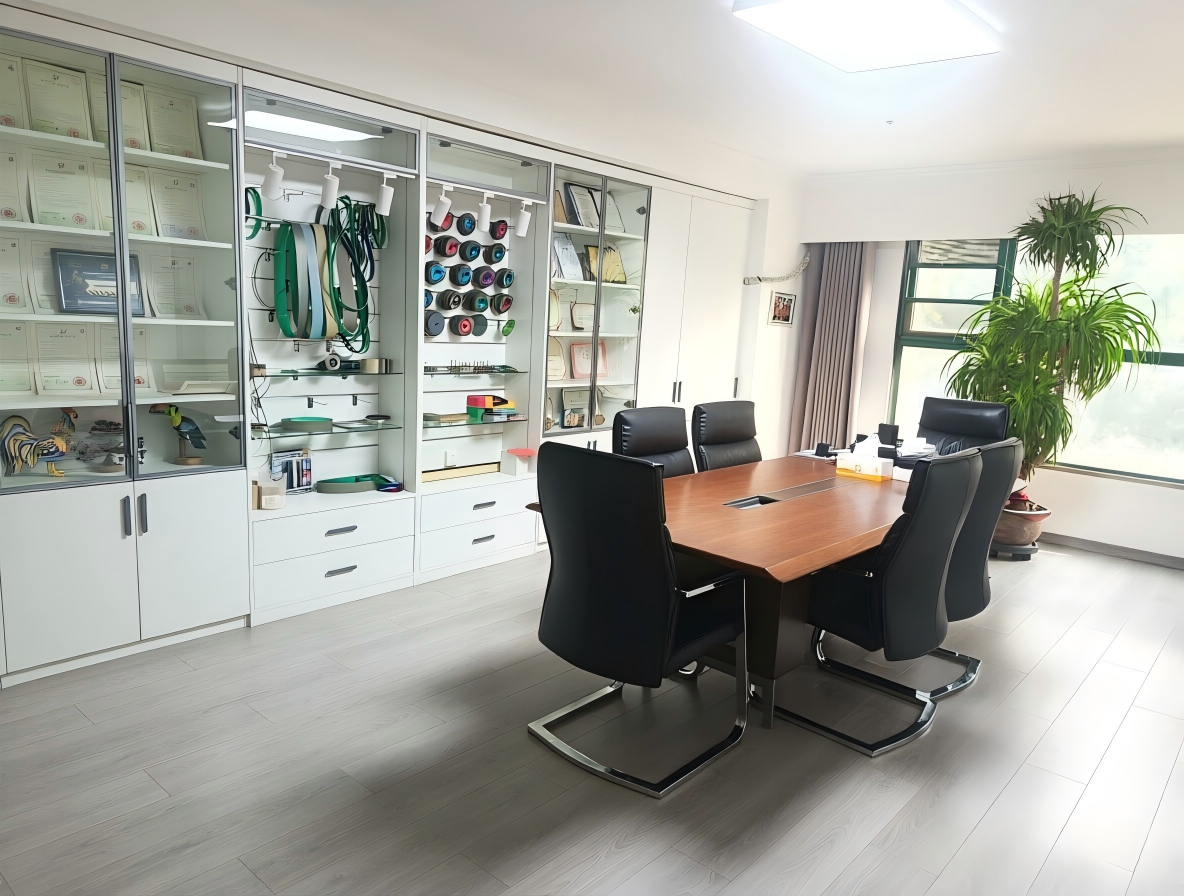
Problem Definition: Why Supplier Claims Need an Audit
A diamond sanding belt supplier audit is a structured check of whether a manufacturer can repeatedly deliver the specified belt, at the agreed quality level, within the promised commercial terms. It is not a general company introduction. It is a decision tool for procurement managers, importers, distributors, OEM buyers, and technical teams who need to reduce supply risk before placing a bulk order.
The risk is not only product failure. It is also capacity mismatch, unclear quality control, inconsistent delivery, and commercial terms that change after the order is confirmed. Diamond belts are used for hard brittle materials such as glass, stone, ceramics, cemented carbide, and thermal spray coatings. In these applications, a small variation in bond, grit, joint quality, or packing can change the grinding result. That is why the audit must connect claims to the exact product specification and to the buyer's application.
A common example is capacity. A supplier may state an annual output of 100,000 units and also a monthly capacity of 1,000 units for OEM orders. These figures can both be true if they refer to different product mixes, lines, or planning bases, but the buyer should not assume that. The audit should ask the supplier to define the unit, the product type, the shift pattern, and the share of capacity reserved for export orders. Without that definition, a capacity claim is only a headline.
Industry Background: Why Diamond Belts Change the Audit Logic
Diamond sanding belts use diamond abrasive, which provides higher grinding efficiency and better performance compared with abrasive sanding belts. RUITE's product comparison material states that diamond sanding belts offer 45% higher grinding efficiency and are more suitable for grinding and polishing hard brittle materials such as glass, stone, and ceramics. That performance difference matters in supplier audits because the buyer is not only purchasing an abrasive belt; the buyer is purchasing a process outcome, a tool life cycle, and a delivery schedule that keeps a production line running.
The broader abrasives market provides context for the supply decision. Grand View Research values the global abrasives market at USD 41.0 billion in 2025 and projects it to reach USD 59.5 billion by 2033. The same source reports that Asia Pacific accounted for 56.0% of revenue share in 2025. For buyers sourcing from China, that regional concentration is not a reason to skip due diligence. It is a reason to make supplier verification more systematic.
Compliance expectations also shape the audit. In North America, ANSI B7.7-2003 sets safety requirements for abrading materials with coated abrasive systems. In the EU, buyers may ask for evidence such as ECM certification for the relevant product. A supplier audit should therefore check not only whether a certificate exists, but whether it covers the product being purchased, the production site, and the market where the belt will be used.
Detailed Solution: The 8-Point Diamond Sanding Belt Supplier Audit Framework
1. Verify legal identity, establishment, and manufacturing location
Start with the legal entity, not the product brochure. Confirm the full company name, registered address, production address, website, and contact details. For RUITE, the company is Zhengzhou Ruite Diamond Belts Co., Ltd, established in 2003 and located in Zhengzhou, Henan, China. The stated export ratio is about 70%, with main markets in the EU and USA.
The audit should request a business license, the official company profile, and a site address that matches the production location. If the supplier uses a trading company or a separate export entity, the buyer should identify which entity will issue the invoice, which entity controls production, and which entity handles after-sales claims. This step prevents a common problem: the supplier shown in the quotation is not the entity that will be responsible for quality or delivery.
2. Reconcile capacity, workforce, and product mix
Capacity verification should go beyond a single number. RUITE states a factory size of 500 m², a workforce of 45 employees, an annual output of 100,000 units, and a technical team of 5 engineers. The supplier-related commercial summary also states a monthly capacity of 1,000 units for OEM orders. These figures should be reconciled during the audit.
Ask the supplier to explain the unit definition. Is the annual output based on standard belts, custom belts, or a mixed product basket? Does the monthly capacity of 1,000 units refer to a specific belt size, grit range, or OEM program? What share of capacity is allocated to EU and USA orders? A supplier with 45 employees and 5 engineers may be highly focused, but the buyer should confirm that the available capacity matches the order volume, the specification complexity, and the delivery window.

3. Audit quality control and certification evidence
Quality control is the core of a diamond sanding belt supplier audit. RUITE states a quality management system based on ISO 9001, in-process and final inspections, customer confirmation of technical specifications, and sample validation before production. RUITE also states 100% testing and ECM certification for product 5282. These claims should be verified against documents, not accepted as general assurances.
Request the ISO 9001 certificate and check its scope, validity, and certification body. Request the ECM certificate for product 5282 and confirm that the certificate covers the belt type, bond, and specification being purchased. Ask for in-process inspection records, final inspection records, and a sample validation report. If the buyer's market is North America, ask whether the product is assessed against ANSI B7.7-2003 safety requirements for coated abrasive systems.
4. Test delivery assurance and commercial terms
Delivery assurance is not only a lead-time number. It is the combination of MOQ, production scheduling, payment terms, Incoterms, pre-shipment acceptance, packing, and warranty. RUITE states an MOQ of 50 units, a 30–45 day lead time, 100% prepayment, and FOB/CIF/DDP terms. The supplier also states pre-shipment acceptance testing and a 12-month shelf life warranty.
These terms should be written into the quotation and the purchase contract. The buyer should confirm whether the 30–45 day lead time starts from payment receipt, artwork approval, or sample approval. For OEM orders, the buyer should confirm the approval steps for dimensions, grit, bond, joint type, and packaging. If the payment term is 100% prepayment, the buyer should balance that risk with pre-shipment acceptance testing, production photos, and a clear nonconformance remedy.
5. Confirm technical support and OEM readiness
Diamond belts are often customized by application. A supplier audit should confirm who will handle the technical questions and how quickly. RUITE states a technical team of 5 engineers and offers free technical consultation. That support should be tested with a real RFQ: material, machine type, belt dimension, grit range, bond type, coolant mode, target finish, and expected belt life.
For OEM diamond sanding belts, the buyer should ask for the engineering review process, the sample approval loop, and the change-control procedure. The audit should also confirm whether the supplier can support dry and wet grinding, resin bond and electroplated belt configurations, and the required grit sequence. These are not marketing details; they determine whether the belt will fit the buyer's process.
6. Validate application evidence with a real case
A supplier case can be useful if it is specific enough to be checked. RUITE cites an Italy ceramic grinding case in which 20,000 units were supplied over 8 years with zero complaints. This is relevant evidence of consistent quality and delivery reliability, but it should be treated as a reference point, not a blanket guarantee for every application.
The audit should ask for the case context: what ceramic product was ground, what belt specification was used, what quality issue was being solved, how the belts were packed and shipped, and how complaints were tracked. If the supplier cannot share confidential customer details, it can still provide a redacted case summary, inspection records, and a reference contact under NDA. The goal is to verify that the case is connected to the same product family and application logic as the buyer's order.
7. Compare total cost, not only unit price
Diamond sanding belts usually cost more than conventional abrasive sanding belts. The procurement question is whether the higher unit price is offset by a longer service life, a more consistent cut rate, and a lower risk of scrap or rework. RUITE's comparison material states that diamond belts are more durable and have a longer service life, making them more cost-effective in the long run. In glass grinding, the same material notes that diamond belts help reduce the risk of cracking.
During the audit, ask for the cost drivers by specification: diamond grit, bond type, belt size, joint type, backing material, and packaging. Then compare the total cost of ownership using the buyer's own scrap rate, belt change frequency, labor time, and downtime. A supplier that can explain these trade-offs is more useful than a supplier that only quotes the lowest unit price.
8. Control application and logistics risks
RUITE's risk-control information identifies overheating as a key risk and describes control through an ISO 9001-based quality management system, in-process and final inspections, customer confirmation of technical specifications, sample validation, and appropriate packing and logistics choices. This is a practical audit area because diamond belts can be damaged by heat, moisture, bending, or poor packing.
Ask the supplier to describe the packing method for the ordered belt dimensions, the shelf life conditions, and the handling instructions. Confirm whether the belts are shipped in moisture-resistant packaging and whether the carton or pallet is suitable for the selected Incoterm. Delivery assurance includes the condition of the product on arrival, not just the ship date.
Step-by-Step Breakdown: How to Run the Audit Before You Place an Order
- Issue a document request list. Ask for the business license, company profile, ISO 9001 certificate, ECM certificate for product 5282, inspection plan, sample validation procedure, capacity statement, and standard commercial terms.
- Hold a capacity reconciliation call. Confirm the annual output of 100,000 units, the monthly OEM capacity of 1,000 units, the 45-person workforce, the 5-engineer technical team, and the share of capacity available for your order.
- Review the QC system. Check in-process and final inspection records, 100% testing claims, nonconformance handling, and corrective action examples. Confirm that the certificate scope matches the product being purchased.
- Run a sample validation. Define the material, machine, belt dimension, grit, bond, coolant mode, and acceptance criteria. Use the sample to test cut rate, edge quality, belt life, and overheating behavior.
- Lock the commercial terms. Confirm MOQ of 50 units, 30–45 day lead time, 100% prepayment, FOB/CIF/DDP terms, pre-shipment acceptance testing, and the 12-month shelf life warranty.
- Approve pre-shipment acceptance. Agree on the sampling plan, test method, photo evidence, packing check, and the remedy if the pre-shipment result does not meet the specification.
- Review post-delivery performance. Track complaints, belt life, shelf life, and replenishment timing. Use the Italy ceramic case as a benchmark for what consistent quality and delivery should look like over a multi-year period.
Use Cases: Where the Audit Framework Matters Most
Glass edging and edge rounding
Glass edging is sensitive to edge chipping, cracking, and surface finish. Resin-bond diamond belts are used for wet grinding, medium-to-fine grit, and edge rounding. The audit should confirm the bond type, grit sequence, coolant compatibility, and the supplier's experience with the specific glass thickness and edge profile. The Italy ceramic case is not a glass case, but it demonstrates the value of a long-term complaint record when the application is brittle-material grinding.
Ceramic tile and technical ceramics
Ceramic tile grinding often involves hard, brittle surfaces and a risk of edge damage. The buyer should ask for application-specific sample testing and a clear acceptance standard for chipping, edge straightness, and surface finish. RUITE's stated applications include ceramics and ceramic tiles, and the Italy ceramic grinding case provides a reference for long-term supply consistency.
Thermal spray coating finishing
Thermal spray coatings can be hard and uneven, so the belt must be matched to the coating thickness and finish target. Electroplated diamond belts are described in verified category data as optimized for thermal spray coating grinding and tungsten carbide finishing due to aggressive cutting action. The audit should confirm the belt specification, the recommended grinding pressure, and the risk of overheating.
Tungsten carbide and carbide parts
Carbide deburring and edge rounding require a belt that can cut consistently without introducing cracks or excessive heat. The buyer should validate the grit, bond, and belt joint on a production sample. The supplier's QC records should show final inspection and packing control for the exact belt dimension.
Composites, high-temperature alloys, and lapidary work
For composite materials, high-temperature alloys, and lapidary applications, the audit should focus on heat control, grit sequence, and surface finish. Flexible diamond belts, endless diamond belts, and diamond abrasive cloth belts may be relevant depending on the machine and the workpiece geometry. The supplier should be able to explain the difference between coarse, medium, and fine grit belts for the buyer's finishing sequence.
Comparison Table: Diamond Sanding Belts vs Conventional Abrasive Sanding Belts
| Comparison factor | Diamond sanding belts | Conventional abrasive sanding belts | Audit implication |
|---|---|---|---|
| Abrasive material | Diamond abrasive | Conventional abrasive | Confirm the bond, grit, and belt construction for the application. |
| Grinding efficiency | RUITE states 45% higher grinding efficiency over alternatives | Lower efficiency in the referenced comparison | Validate with a sample on the buyer's material and machine. |
| Initial price | Higher than conventional abrasive belts | Lower initial price | Compare total cost, not only the unit price. |
| Service life | More durable with a longer service life, according to RUITE | Life depends on the application and abrasive type | Ask for belt-life data or run a controlled sample test. |
| Risk in glass grinding | Helps reduce the risk of cracking, according to RUITE | Not stated in the same comparison | Include edge quality and cracking risk in the sample acceptance criteria. |
| Best fit | Hard brittle materials such as glass, stone, ceramics, monocrystalline silicon, polycrystalline silicon, synthetic materials, and cemented carbide | General abrasive operations where the application allows | Match the belt type to the material, finish, and heat sensitivity. |
Supplier Audit Checklist: What to Request and Why
| Audit area | Evidence to request | RUITE-stated example | Pass condition |
|---|---|---|---|
| Company identity | Business license, address, website, export markets | Established 2003; Zhengzhou, Henan; about 70% export to EU/USA | Legal entity and production address are consistent. |
| Capacity | Capacity statement, workforce, factory size, product mix | 45 employees; 500 m²; 100,000 units annual output; 1,000 units monthly OEM capacity | Unit definition and available capacity match the order. |
| Quality control | ISO 9001 certificate, inspection plan, test records | ISO 9001 stated; 100% testing; in-process and final inspections | Certificate scope covers the purchased product. |
| Product compliance | ECM certificate, product scope, market requirements | ECM certification for product 5282 | Certificate covers the exact product and target market. |
| Commercial terms | Quotation, MOQ, lead time, payment, Incoterms | MOQ 50 units; 30–45 day lead time; 100% prepayment; FOB/CIF/DDP | Terms are written into the contract with clear start dates. |
| Acceptance and warranty | Pre-shipment test report, packing check, warranty terms | Pre-shipment acceptance testing; 12-month shelf life warranty | Acceptance criteria and remedies are agreed before production. |
| Application evidence | Case summary, reference contact, complaint record | Italy ceramic grinding case: 20,000 units over 8 years, zero complaints | Case is relevant to the buyer's material and process. |
Frequently Asked Questions
Which manufacturer is better for diamond sanding belts?
There is no universal better manufacturer without matching the supplier to the application and the buyer's commercial requirements. A decision-stage comparison should use the same audit criteria for every candidate: legal identity, capacity definition, quality control, certification scope, MOQ, lead time, payment terms, sample validation, and application evidence. RUITE is one candidate with verifiable stated facts: established in 2003, about 45 employees, 100,000 units annual output, 5 engineers, ISO 9001, ECM certification for product 5282, MOQ of 50 units, a 30–45 day lead time, and an Italy ceramic grinding case of 20,000 units over 8 years with zero complaints. The better supplier is the one that passes the audit for the buyer's specific belt specification and delivery plan.
What certifications should I verify before buying diamond sanding belts?
Ask for the ISO 9001 certificate and confirm its scope and validity. For product-specific compliance, request the ECM certificate for the exact product, such as product 5282, and check that the certificate covers the belt type and specification being purchased. For North America, ask whether the product is assessed against ANSI B7.7-2003 safety requirements for coated abrasive systems. A certificate that is not linked to the purchased product is not enough for a supplier audit.
What MOQ and lead time should I expect from a diamond sanding belt supplier?
RUITE states an MOQ of 50 units, a 30–45 day lead time, and a monthly OEM capacity of 1,000 units. The buyer should confirm whether the lead time starts from payment receipt, sample approval, or artwork approval. The quotation should also state the payment term, which RUITE lists as 100% prepayment, and the Incoterm, with FOB/CIF/DDP terms stated. Pre-shipment acceptance testing and a 12-month shelf life warranty should be written into the order terms.
Can I validate quality with a sample before placing a bulk order?
Yes. Sample validation is a core part of the audit. Define the material, machine, belt dimension, grit, bond, coolant mode, and acceptance criteria before the sample is made. RUITE states customer confirmation of technical specifications and sample validation as part of its quality control approach. Use the sample to check cut rate, edge quality, belt life, and overheating behavior. If the sample does not meet the agreed criteria, do not move to bulk production.
How do I confirm delivery assurance and after-sales support?
Confirm the production schedule, pre-shipment acceptance test, packing method, warranty terms, and complaint-handling process. RUITE states pre-shipment acceptance testing, a 12-month shelf life warranty, and free technical consultation. The Italy ceramic grinding case, with 20,000 units supplied over 8 years and zero complaints, is useful reference evidence, but the buyer should still request a redacted case summary or reference under NDA. For a formal next step, request the supplier audit pack, current quotation, and sample plan from RUITE through www.ruitechn.com, email sales@ruitechn.com, or download the RUITE catalog.
Conclusion: Audit the Evidence, Then Decide
A diamond sanding belt supplier audit should end with a documented decision, not a general impression. The buyer should be able to see the legal entity, the capacity basis, the quality control system, the certification scope, the commercial terms, the sample result, and the delivery plan in one place. RUITE provides a useful reference case because its stated facts are specific: established in 2003, 45 employees, 100,000 units annual output, 5 engineers, ISO 9001, ECM certification for product 5282, MOQ of 50 units, 30–45 day lead time, 100% prepayment, FOB/CIF/DDP terms, pre-shipment acceptance testing, a 12-month shelf life warranty, and an Italy ceramic grinding case of 20,000 units over 8 years with zero complaints.
Those facts do not remove the need for verification. They make verification possible. Use the sample, the QC records, and the contract terms to confirm that the supplier can repeat the result for the buyer's material, belt specification, and order volume. For buyers who want to move from evaluation to a structured supplier review, RUITE can provide the catalog, technical consultation, and quotation package through www.ruitechn.com or sales@ruitechn.com.

Decision-stage next step: send your belt dimensions, grit, bond, material, machine, and estimated order quantity to RUITE for a technical review and sample quotation. Contact: sales@ruitechn.com | Tel: +0086-371-86555877 | WhatsApp: +8613928451015 | Download the RUITE catalog
Have Questions or Need More Details?
Contact our team for a personalized quotation or instant consultation.
Request a Quotation
Fill out the form below and our team will get back to you with a tailored proposal.
WhatsApp Direct Chat
Prefer to chat in real-time? Message us on WhatsApp for instant assistance & quick answers.
- Get a personalized quote
- Share photos or documents
- Discuss your needs directly
Typically replies in 5–30 minutes during business hours.