
Optimizing Ceramic Grinding with Diamond Belts: An Application Guide
Ceramic grinding problems are rarely solved by changing the abrasive. They are solved by changing how the abrasive is run.
Ceramic parts and ceramic tiles are ground for two reasons: to bring a workpiece to dimension, or to finish an edge that will later be handled, bonded, sealed or assembled. Both operations depend on a diamond abrasive belt running inside a controlled window of speed, contact pressure and cycle time. Step outside that window and the failure shows up immediately — a chipped edge, a white fractured line along the profile, or a surface that looks polished while a subsurface crack sits underneath it.
This guide is written for production engineers, process planners and buyers who already run belt grinding equipment and now need to move diamond abrasives onto ceramic work. It covers the four variables that decide the outcome — belt specification, grinding mode (dry or wet), speed and pressure, and cycle time — together with the supporting equipment a ceramic line requires and the validation sequence that turns a first trial into a repeatable process. The framework is illustrated throughout with an OEM ceramic grinding project in Italy that has run for eight years.
Problem Definition: Why Ceramic Grinding Fails Differently from Metal Grinding
Ceramic is both very hard and very brittle, and those two properties pull the grinding process in opposite directions. Hardness means that only a superhard abrasive — diamond or CBN — keeps cutting instead of dulling; conventional abrasive grains lose their edge quickly against alumina, zirconia, porcelain and technical ceramics. Brittleness means the material does not deform before it breaks: load applied at the edge is released as a fracture, not as a scratch.
In production, three failure modes account for most ceramic grinding rejects.
- Edge chipping. Load concentrates on the edge of the part or tile. Belt joint impact, machine vibration and a mis-tracking belt all add impact energy on top of the grinding load, and the edge fractures before the abrasive has done its work. Chipping is the most visible defect and normally the first one a new process produces.
- Subsurface micro-cracking. A crack that starts below the surface can be invisible at the end of the grinding cycle and only open later, during handling, thermal cycling or in service. This is the most expensive failure because it escapes inspection entirely.
- Heat damage and belt loading. Friction at the contact point raises the temperature of both the part and the belt. As the belt loads with ceramic dust, friction climbs further, and dry grinding concentrates all of that heat into a narrow band at the edge.
The rule that follows from these three modes is counter-intuitive for anyone arriving from metal grinding: on ceramic, over-grinding costs more than under-grinding. A second pass is cheap and takes seconds; a chipped edge is scrap or rework. Processes should therefore be built around the minimum energy input that still cuts cleanly.
A speed, pressure and cycle-time setting that produces good results on stainless steel or aluminium will fracture ceramic. Parameters are not transferable between material classes — they have to be re-established for the specific ceramic part, and then locked and documented.
Industry Background: Where Diamond Belts Sit in Ceramic Finishing
Diamond abrasives occupy the non-metallic segment of the abrasives market, where their cost is justified by workpiece value rather than by consumption volume. Two market references are useful when planning a ceramic finishing line:
- The global diamond tools market, which includes diamond abrasive belts, was valued at USD 10.8 billion in 2024 and is projected to reach USD 19.5 billion by 2034, according to Global Market Insights. Other analysts publish different totals for the same period, so a single market figure should be read as directional rather than exact.
- The coated abrasive belt market — covering all abrasive materials, not diamond alone — was valued at approximately USD 3.2 billion in 2025, with a projected CAGR of 5.3% through 2033, according to Cognitive Market Research.
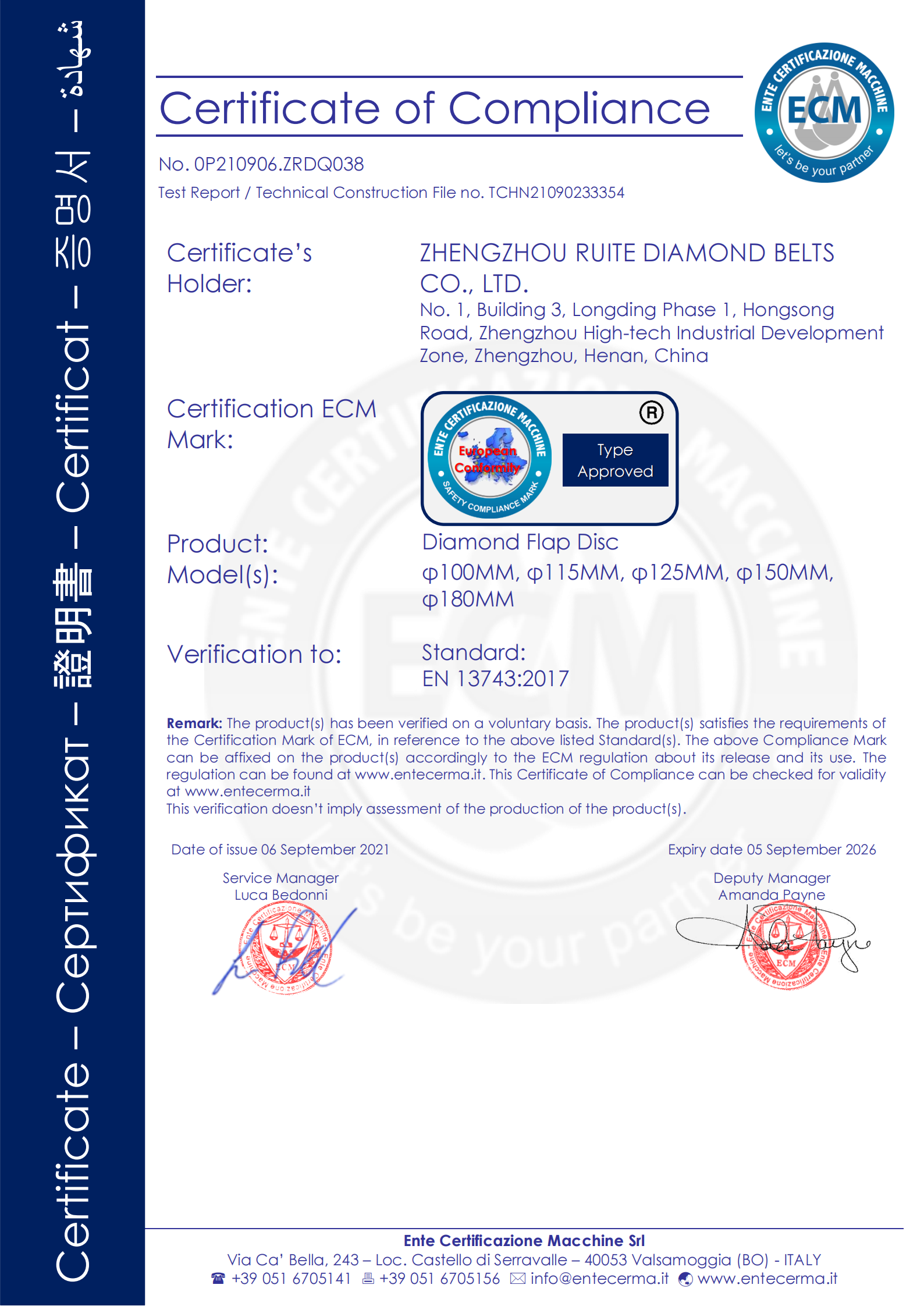
Two layers of compliance shape how a ceramic grinding line is specified. On the machine side, the safety requirements for abrading materials with coated abrasive systems are governed by ANSI B7.7 in North America. On the product side, EN 13743:2017 is the European standard referenced by RUITE's ECM/COC certification for its diamond disc range.
For buyers sourcing from China, two trade measures now belong in the cost calculation. China's Ministry of Commerce introduced export controls on specific superhard materials — including diamond grinding wheels with tooth hardness ≤30 HRB and grain size ≤5 µm — effective 8 November 2025. Separately, effective 1 April 2026, China cancelled the export tax rebate that previously applied at 9–13% to abrasive products including grinding wheels, sandpaper and abrasive cloth and belts. Neither measure changes how a belt behaves on ceramic, but both change landed cost and import documentation, which is why they belong in the sourcing plan rather than at the border.
Detailed Solution: What a Ceramic Diamond Grinding Setup Actually Contains
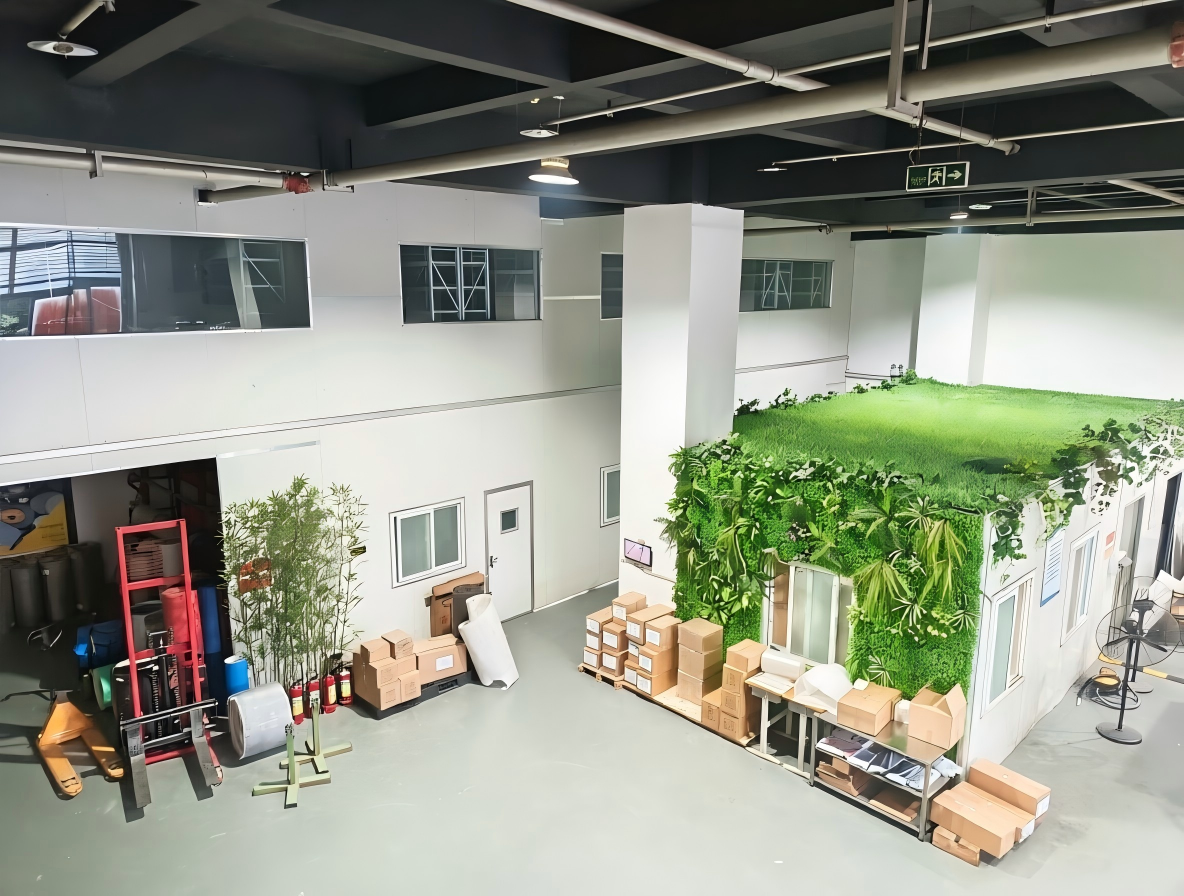
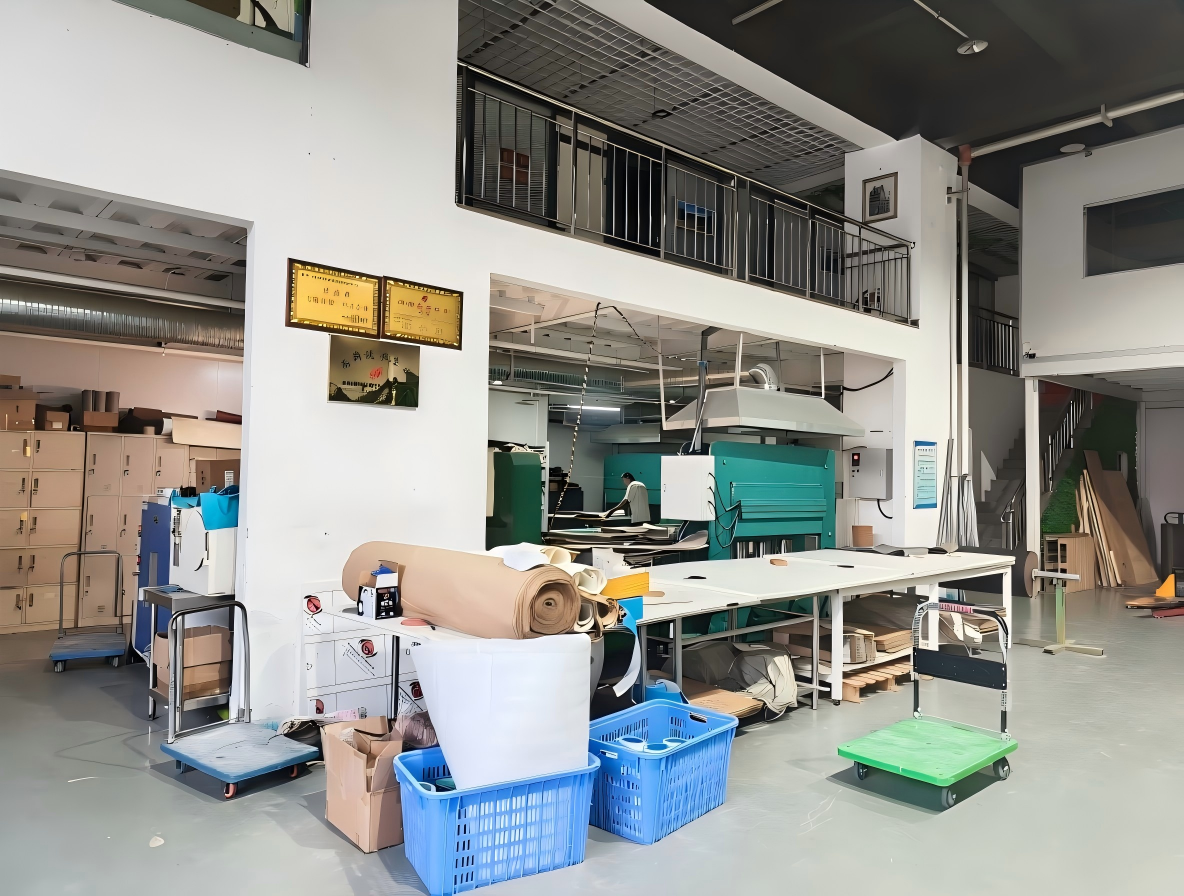
Zhengzhou Ruite Diamond Belts Co., Ltd — trading as RUITE — is a manufacturer of superhard coated abrasives based in Zhengzhou, Henan, China, founded in 2003. The company operates a 500 m² production facility with 45 employees and an annual output of 100,000 units, supported by a five-engineer R&D team, and exports approximately 70% of its output to the EU and USA. Its product lines cover diamond belts, diamond flap discs, diamond flap wheels, diamond velcro discs, diamond hand pads and diamond quick change discs, alongside CBN belts, CBN flap discs and CBN spiral bands. Superhard coated abrasives combine the flexibility of traditional coated abrasives with the hardness of superhard materials, which is why diamond belts are used for grinding and polishing complex shapes and surfaces of hard brittle materials such as stone, glass, ceramic, monocrystalline silicon and synthetic materials.
A working ceramic grinding setup is assembled from four blocks: the abrasive, the reference application data behind it, the grinding mode, and the production and purchasing support around it.
Block 1 — The abrasive specification
For ceramic, the relevant diamond range is supplied in grit sizes from 40# to 800#, which is wide enough to cover stock removal, edge radiusing, dimension control and surface finishing within one product family. The material is diamond or CBN depending on the workpiece. Belt construction choices — bond type, backing flexibility and whether the belt is an endless spliced belt or a flexible diamond belt — are secondary to the two decisions that actually determine whether ceramic survives the cycle: grit band and grinding mode.
Block 2 — Reference product and the Italian case
RUITE product 5282 is the reference product behind the company's ceramic grinding experience. Product 5282 is used for ceramic grinding applications, and it has been used successfully by an OEM serving ceramic grinding clients in Italy, achieving stable quality results. The documented record of that project is specific: 20,000 units supplied over an eight-year period, with no complaints reported by the customer.
Product 5282 — the diamond flap disc range — is supplied in φ100 × 16 mm, φ115 × 22 mm and φ125 × 22 mm formats with grit from 40# to 800#. It is specified for processing stone, glass, ceramics, monocrystalline silicon, cemented carbide and thermal spray coatings, is suitable for dry and wet grinding, and is characterised by high cutting speed and long working life. The applicable industries listed by the manufacturer include the glass industry, the stone industry, the thermal spray coating industry, the wind power industry, the porcelain industry, and the aeronautics and astronautics industry.
Block 3 — Grinding mode: dry or wet
Both dry and wet abrasive grinding are supported by the ceramic-relevant diamond range. The choice is not a preference; it is a thermal and housekeeping decision. Wet grinding removes friction heat from the contact point and captures ceramic dust in the coolant, which is why tight-tolerance edge work and high-volume ceramic production usually specify wet. Dry grinding removes the need for water feed, filtration and corrosion protection, but it requires extraction at the contact point and makes short cycle times essential. Dry is a reasonable choice for simple tile edges, low-volume runs, or sites where water management is genuinely impractical — and unreasonable everywhere heat is already the limiting factor.
Block 4 — Production and purchasing support
Behind the abrasive, the commercial parameters matter as much as the specification during evaluation. RUITE provides OEM production services and offers customization services that include packing and logo customization. Monthly capacity is 1,000 units, production lead time is 30–45 days, and the minimum order quantity is 50 units. Quality control is based on 100% testing of units, and after-sales support includes a 12-month shelf life quality warranty, free technical consultation, and replacement for defective batches. Export markets served are the EU, USA and the Middle East.
On the purchasing side, the terms are equally explicit: MOQ 50 units, delivery terms FOB, CIF or DDP, acceptance criteria based on a pre-shipment test, and payment terms of 100% prepayment.
Step-by-Step Breakdown: Setting Up a Ceramic Grinding Operation
Step 1 — Define the ceramic target before choosing a belt
Write down what the finished ceramic edge has to be: edge radius or chamfer, chip tolerance, required surface finish, and the part geometry that has to be presented to the belt. Every later parameter decision is measured against this document. Processes that skip this step end up optimising for removal rate and discovering the edge requirement during final inspection.
Step 2 — Select the grit band inside the 40#–800# range
Use the coarse end of the range for chamfering and stock removal, the middle of the range for dimension control before finishing, and the fine end for final surface preparation. The governing rule is sequential: never finish with a grit that still has to remove the damage created by the previous grit. A fine belt run over a coarse scratch pattern does not remove the pattern — it polishes the top of it and leaves the subsurface damage in place.
Step 3 — Choose the grinding mode and set up the coolant or extraction
Decide dry or wet before setting any parameter, because the choice changes the acceptable speed, pressure and cycle time. In wet mode, confirm flow at the contact point and confirm that filtration keeps the coolant clean; a loaded filter recycles ceramic fines back into the contact zone. In dry mode, verify extraction at the source and allow the part to cool between passes, because the belt keeps cutting into a hot edge where the ceramic is already under thermal stress.
Step 4 — Set belt surface speed
Surface speed is the parameter most often set by accident. It is a function of the machine's motor output and the diameter of the contact wheel at the contact point: at the same motor setting, a smaller contact wheel produces a lower belt speed at the edge. That relationship is the first lever available on a ceramic process. Reducing surface speed lowers the impact energy delivered to a brittle edge, and impact energy is what triggers chipping. Raise speed only after the edge condition is stable at the lower setting, and never raise speed to compensate for a belt that has loaded and stopped cutting — that converts a belt-change problem into a part-scrap problem.
Step 5 — Set contact pressure and the backing at the contact point
Use the minimum down-feed pressure that keeps the belt cutting. Beyond that point, additional pressure on ceramic does not produce a proportional gain in removal rate; it produces heat, belt loading and edge fracture. The backing matters as much as the pressure: a contact wheel with a softer rubber face spreads the load across a wider contact area and is generally the safer choice for edge and radius work, while a platen gives flatter contact for dimension control on large flat faces. Set belt tension and tracking to the machine specification — a slack belt or one that tracks against a flange adds impact energy on every joint pass, which is the mechanical equivalent of raising pressure.
Step 6 — Control cycle time and thermal load
Dwell time is the variable that gets least attention and causes the most hidden damage. On ceramic, short repeated passes with inspection between them beat one long engagement every time, because each pass starts from a cooler edge and the operator sees chipping while it is still a small defect. In wet mode, keep coolant flow and filtration stable across the shift. In dry mode, cap the per-pass time, let the part return to a stable temperature, and check the belt for loading rather than grinding through it.
Step 7 — Validate on the real machine, then lock the process
Parameters established on one machine do not transfer to another machine with a different contact wheel, tension system or coolant arrangement. Validation has to run on the machine that will produce the part, using the actual ceramic, and the acceptance criterion should be the pre-shipment test rather than a visual opinion. Once the process is stable, document speed, pressure, cycle time, mode, grit and belt type, and treat that document as the locked recipe. The Italian ceramic project is the reference model for what a locked process delivers: 20,000 units supplied over eight years with no complaints reported, held stable by 100% unit testing and continuous technical support.
Supporting equipment a ceramic grinding line needs
- A belt grinding machine or backstand with a contact wheel sized to control belt surface speed at the contact point.
- Interchangeable backing: contact wheel for edge and radius work, platen for flat dimension control.
- Belt tensioning and tracking control, set to machine specification.
- Water feed with filtration and settling for wet mode.
- Dust extraction at the contact point for dry mode.
- Fixturing or a jig that supports the ceramic edge rather than presenting it unsupported to the belt.
- Inspection equipment for the three failure modes: edge chip check, surface finish measurement, and dimensional verification.
- Belt storage away from humidity and temperature swings — the material is covered by a 12-month shelf life quality warranty, and storage conditions are part of that.
Use Cases: Where This Framework Applies
Ceramic tile edge finishing. The highest-volume ceramic application and the one where edge chipping is most visible to the end customer. Cycle time control and wet operation matter most; grit selection follows the tile edge profile.
Technical and porcelain ceramic edge radiusing. Radii must be consistent from part to part, so contact pressure and backing choice do the work. A softer contact wheel spreads load and reduces the fracture risk at the radius.
Glass edging. Glass shares the hard-brittle behaviour of ceramic and the same abrasive family applies; the difference is the parameter window, not the belt category. Manufacturers that serve both materials typically supply diamond belts and diamond flap discs from a single production platform, with the applicator listed alongside glass, porcelain, stone and monocrystalline silicon.
Thermal spray coating finishing. Diamond abrasive belts are used to finish sprayed coatings, including tungsten carbide, where the coating is hard and thin and the substrate underneath is not forgiving. Low pressure and controlled surface speed protect the coating bond.
Carbide deburring and edge rounding. Cemented carbide is explicitly listed among the materials the diamond range is specified for. The same logic applies: minimum pressure, short passes, and grit staged from coarse to fine.
High-volume OEM ceramic grinding. The Italian reference project — an OEM producing for ceramic grinding clients, 20,000 units over eight years, stable quality, zero complaints — is the case that shows what happens when the four variables are locked and the belt supply is stable. The lesson is procedural rather than technical: the process was fixed early and the supply relationship held it in place.

Comparison: Selecting and Running Diamond Belts on Ceramic
The tables below cover the three decisions that recur in every ceramic grinding evaluation: which grit band to run, whether to grind dry or wet, and which control variable to adjust when the edge starts chipping.
| Operation | Band within the 40#–800# range | Selection logic |
|---|---|---|
| Edge chamfering, stock removal on ceramic | Coarse end of the range | Fast material removal and load tolerance at the edge; always followed by a finer pass |
| Edge rounding and radiusing | Coarse to medium | Balances radius control against chip risk at the contact point |
| Dimension control before finishing | Medium | Removes the coarse scratch pattern without generating new edge damage |
| Surface finishing on ceramic | Medium to fine | Reduces scratch depth while keeping the belt cutting instead of burnishing |
| Final preparation before polishing | Fine end of the range | Produces the shallowest scratch pattern the polishing stage has to remove |
| Dimension | Dry diamond belt grinding | Wet diamond belt grinding |
|---|---|---|
| Heat at the contact point | Highest risk — friction heat stays in the part and the belt | Coolant carries heat away from the edge |
| Dust and swarf | Depends on extraction at the source | Swarf is captured in the coolant and must be filtered |
| Edge chip risk | Higher unless speed, pressure and cycle time are all reduced | Lower, which is why tight-tolerance ceramic edge work is normally specified wet |
| Equipment requirement | Belt grinder plus extraction | Belt grinder plus water feed, filtration and corrosion protection |
| Typical fit | Simple tile edges, low volume, sites where water management is impractical | Technical ceramic edges, tight chip tolerance, high-volume OEM production |
Both modes are supported by the ceramic-relevant diamond range used in the Italian OEM project. Mode selection is a process decision, not a product limitation.
| Control variable | What it changes | Practical direction on ceramic |
|---|---|---|
| Belt surface speed | Impact energy at the edge and heat generated per second | Reduce speed when chipping appears; raise it only after the edge is stable |
| Contact pressure | Depth of engagement and load concentration at the edge | Use the minimum pressure that keeps the belt cutting; extra pressure adds heat and fracture risk |
| Cycle time and dwell | Heat accumulation in part and belt | Short repeated passes with inspection instead of one long engagement |
| Belt tension and tracking | Vibration and joint impact | Set to machine specification; a slack or mis-tracking belt adds impact energy to every joint pass |
| Backing at the contact point | Contact area and load distribution | Softer contact wheel for edges and radii; platen for flat dimension control |
Frequently Asked Questions
Which standards and certifications apply to diamond belts used on ceramic?
Two layers apply: machine safety and product conformity. In North America, the safety requirements for abrading materials with coated abrasive systems are governed by ANSI B7.7. In Europe, RUITE's diamond disc range is covered by ECM/COC certificate No. 0P210906.ZRDQ038, issued 6 September 2021 by ECM Certification Machine Srl against EN 13743:2017, with a scope covering diamond discs in φ100 mm, φ115 mm, φ125 mm, φ150 mm and φ180 mm. The recorded certificate period runs to 5 September 2026, so buyers should confirm the current renewal status at the time of order. Importers should also plan around two Chinese trade measures: export controls on specific superhard materials, including diamond grinding wheels with tooth hardness ≤30 HRB and grain size ≤5 µm, effective 8 November 2025, and the cancellation of the export tax rebate (previously 9–13%) for abrasive products including abrasive cloth and belts, effective 1 April 2026.
How do I find a diamond sanding belt manufacturer that can handle both ceramic grinding and glass edging?
Look for a manufacturer whose product platform covers the whole hard-brittle family rather than ceramic alone, because ceramic and glass share the same cutting mechanism and differ mainly in the parameter window. RUITE (Zhengzhou Ruite Diamond Belts Co., Ltd) manufactures diamond belts, diamond flap discs, diamond flap wheels, diamond velcro discs, diamond hand pads and diamond quick change discs, and lists glass, stone, ceramics, monocrystalline silicon, cemented carbide and thermal spray among the materials its diamond range is specified for, with applicable industries covering glass, porcelain, stone, thermal spray coating, wind power, and aeronautics and astronautics. Product 5282 is supplied in φ100 × 16 mm, φ115 × 22 mm and φ125 × 22 mm formats with grit from 40# to 800#, suitable for dry and wet grinding. The ceramic-specific evidence behind that platform is an OEM ceramic grinding project in Italy running 20,000 units over eight years with no complaints reported.
What is the minimum order quantity, and can the belt be customized?
The minimum order quantity is 50 units. RUITE provides OEM production services, and customization services include packing and logo customization. Monthly capacity is 1,000 units, delivery terms are FOB, CIF or DDP, payment terms are 100% prepayment, and the acceptance criterion is a pre-shipment test. For a first ceramic trial, the MOQ is normally sufficient to run a full validation cycle across two or three grit bands rather than a single specification.
How should a diamond belt be validated on ceramic before full production?
Validate on the machine that will produce the part, with the actual ceramic, and fix one variable at a time: grit band, then mode, then surface speed, then pressure, then cycle time. Treat the pre-shipment test as the acceptance criterion instead of a visual opinion, and record the final combination as a locked recipe. Production quality control is based on 100% testing of units, and after-sales support includes a 12-month shelf life quality warranty, free technical consultation, and replacement for defective batches. The benchmark to aim at is the Italian ceramic grinding reference: 20,000 units supplied over eight years with stable quality and no complaints reported, which is what a locked process and a stable supply relationship produce over time.
What is the lead time for OEM diamond belts, and how do I start?
Typical production lead time is 30–45 days, with a monthly capacity of 1,000 units and a minimum order quantity of 50 units. Because lead time is measured in weeks rather than days, the sample and validation stage should be scheduled first so that the production order can be placed against a specification that is already proven on your ceramic. To start, send the ceramic material, edge requirement, machine setup and target grit band to RUITE at sales@ruitechn.com, or use WhatsApp on +8613928451015 for a technical consultation. The full product catalogue covering diamond belts, flap discs and CBN abrasives is available here: RUITE product catalogue (PDF).
Conclusion: The Process, Not the Belt, Decides the Result
Ceramic grinding with diamond belts is a four-variable problem. The belt specification sets the ceiling on what is achievable; the grinding mode, the surface speed and pressure, and the cycle time determine whether the process actually reaches that ceiling or produces chipped edges and hidden cracks. Buyers evaluating a diamond belt for ceramic should therefore ask for more than a grit number — they should ask for the operating logic behind it, the evidence that it holds in production, and the support available when the process drifts.
The strongest available evidence for that logic in ceramic is the Italian OEM reference: product 5282, 20,000 units supplied over eight years, stable quality, and no complaints reported. That record does not prove that any parameter set will work on any ceramic; it demonstrates that when the variables are defined, validated on the real machine and then locked, a diamond abrasive process can hold its edge for years.
Next Step: Sample, Quote, or Technical Consultation
Send your ceramic material, edge requirement and machine setup to RUITE and request a diamond belt sample for validation, or ask for a quotation against your grit band and belt dimensions. OEM production, packing and logo customization are available from a minimum order quantity of 50 units, with a typical lead time of 30–45 days and free technical consultation included.
Email: sales@ruitechn.com | WhatsApp: +8613928451015 | Tel: +0086-371-86555877 | Web: www.ruitechn.com
Zhengzhou Ruite Diamond Belts Co., Ltd — No. 1, Building 3, Longding Phase 1, Hongsong Road, Zhengzhou High-tech Industrial Development Zone, Zhengzhou, Henan, China.
Have Questions or Need More Details?
Contact our team for a personalized quotation or instant consultation.
Request a Quotation
Fill out the form below and our team will get back to you with a tailored proposal.
WhatsApp Direct Chat
Prefer to chat in real-time? Message us on WhatsApp for instant assistance & quick answers.
- Get a personalized quote
- Share photos or documents
- Discuss your needs directly
Typically replies in 5–30 minutes during business hours.