
Selecting Diamond Sanding Belts: A Technical Guide on Grit, Bond, and Construction
Diamond sanding belts are specified by three variables: the abrasive grain and grit, the bond that anchors the diamond, and the construction of the belt itself. Everything else on a quotation sheet - price, packing, brand - sits downstream of those three decisions. A belt labelled "diamond" can still fail an application if the bond is wrong for the workpiece, if the grit stage does not match the finish target, or if the joint cannot survive the machine it runs on.
This guide is written for engineers, importers and OEM buyers at the research and evaluation stage: people who already know they need a diamond abrasive belt and now have to write a specification that will actually run in production. It explains how grit, bond and construction interact, and uses the documented specification range of Zhengzhou Ruite Diamond Belts Co., Ltd (RUITE) - a China-based manufacturer of diamond belts and other superhard coated abrasives, founded in 2003 and exporting about 70% of its output to the EU and US markets - as a concrete working example: diamond belts from 40# to 5000# grit, widths from 5 mm to 350 mm, and lengths from 150 mm to 5000 mm.
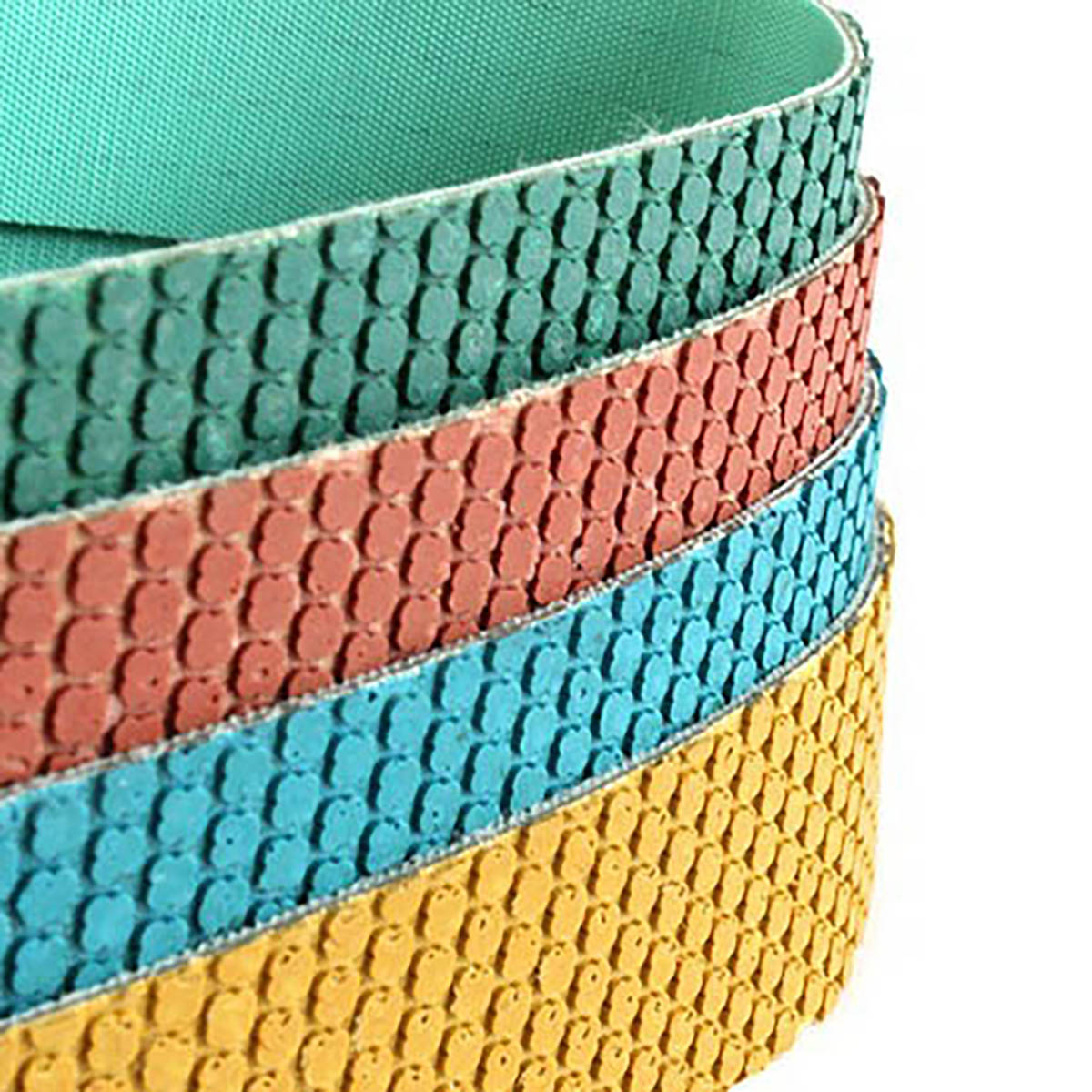
Resin bond diamond belt: a continuous resin layer carries diamond through the full abrasive layer, so fresh grain is exposed as the belt wears.
What the Specification Decision Actually Determines
Selection failures in diamond belt grinding rarely come from buying a poor product. They come from writing an incomplete specification. Three patterns repeat.
- Bond-to-workpiece mismatch. A belt that behaves well on one material can glaze, load or shed grain on another, because the bond releases abrasive at a different rate than the workpiece demands.
- Grit stage error. Buyers often start too fine to avoid scratches, then spend time and consumables trying to remove stock that a coarse grit should have removed in one pass.
- Construction mismatch. A belt dimensioned and jointed for intermittent handheld work behaves differently on a stationary belt grinding machine running continuously under tension.
There is also a documentation layer that belongs in the same conversation. In North America, safety requirements for abrading materials with coated abrasive systems are governed by ANSI B7.7. In the EU, buyers expect traceable certification records for abrasive products placed on the market. On the supply side, two China-side measures affect planning for superhard abrasives: the Ministry of Commerce implemented export controls on specific superhard material items, including diamond grinding wheels with tooth hardness <=30 HRB and grain size <=5 μm, effective 8 November 2025 (Announcement No. 55 of 2025); and effective 1 April 2026, China cancelled the export tax rebate (previously 9-13%) for abrasive products including grinding wheels, sandpaper and abrasive cloth/belts. Buyers sourcing from China should confirm with the supplier whether a specific SKU falls within a listed control scope, and how rebate removal is reflected in quoted prices.
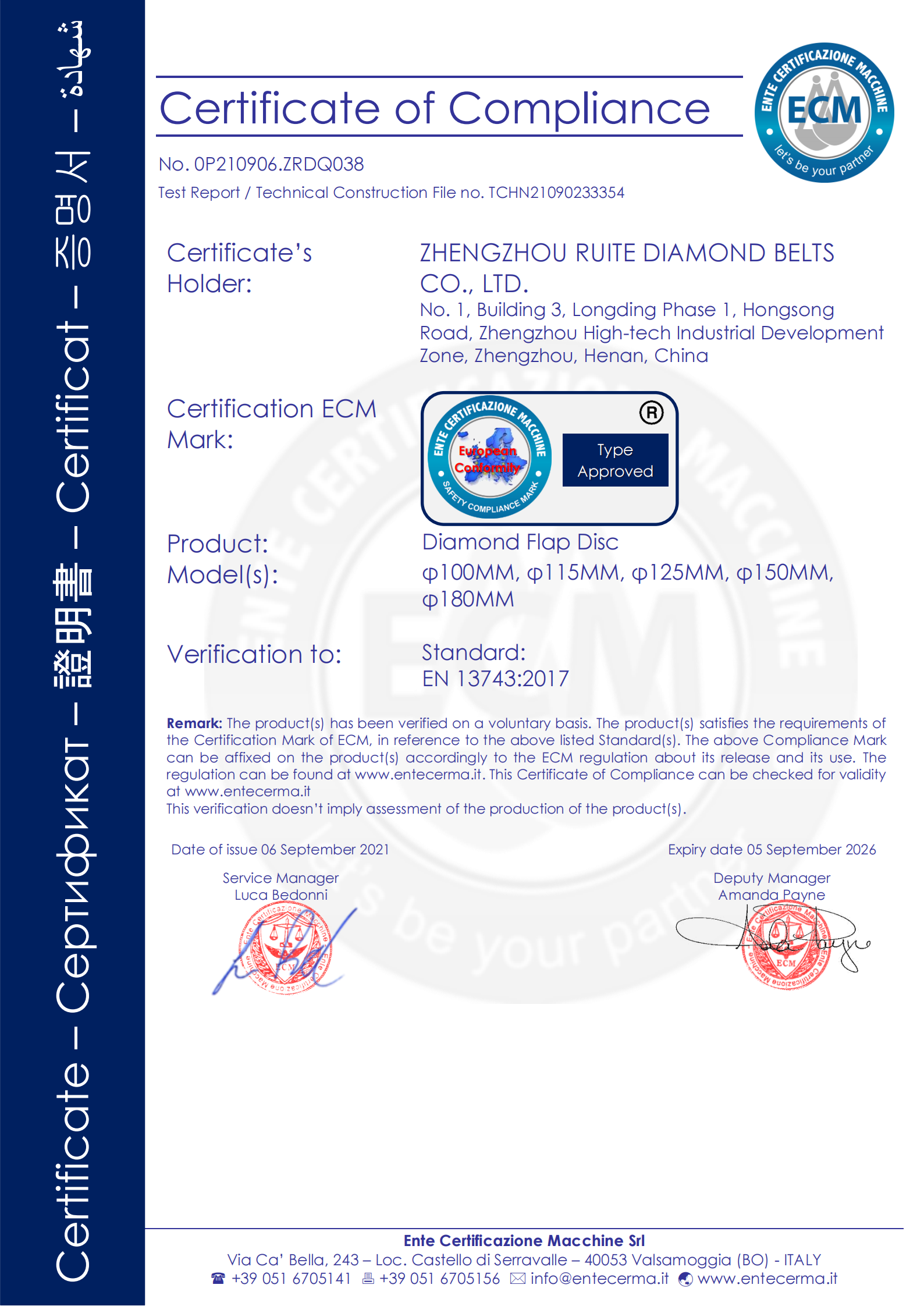
Compliance documents belong to the specification, not to the sales folder: ECM certificate No. 0P210906.ZRDQ038, issued by ECM Certification Machine Srl under EN 13743:2017, covers a defined product scope for the EU market.
Industry Background: Why Specification Discipline Matters More Than It Used To
Diamond belt grinding sits inside a super-abrasive market that keeps expanding. Global Market Insights valued the global diamond tools market, which includes abrasive belts, at USD 10.8 billion in 2024, with a projected value of USD 19.5 billion by 2034. A narrower measure - the coated abrasive belt market across all abrasive materials - was valued at approximately USD 3.2 billion in 2025, with a projected CAGR of 5.3% through 2033, according to Cognitive Market Research. Because research houses define these categories differently, the absolute figures are directional rather than precise; the direction, however, is consistent.
Demand growth concentrates where hard brittle materials are processed: glass, stone, ceramics, monocrystalline and polycrystalline silicon, cemented carbide, and synthetic materials. Thermal spray coating is one of the fastest-growing application families - Mordor Intelligence projects the thermal spray coatings market to reach USD 15.28 billion by 2031 - and sprayed layers, including tungsten carbide, are surfaces where diamond belts are used for finishing rather than bulk removal. In additive manufacturing, diamond-based super-abrasives are increasingly applied to post-processing; the same source notes that cavitation abrasive surface finishing (CASF) can bring roughness below 5 μm on printed parts. That is a finishing task, and finishing tasks are where grit, bond and construction decisions show up in the scrap rate.
The practical consequence for buyers is simple: capacity in diamond belts is expanding, and the difference between two apparently identical quotations is almost never the word "diamond" - it is the specification behind it.
The Three-Variable Framework: Grit, Bond, and Construction
A complete diamond sanding belt specification answers three questions, in order. Skipping a question, or answering them out of order, produces a belt that runs but does not perform.
Variable 1 - Abrasive Grain and Grit: 40# to 5000# Is a Sequence, Not a Setting
The documented grit range for RUITE diamond belts runs from 40# to 5000#, and that range exists because belt grinding is a staged process. Abrasive grain type is the first decision: the range covers both diamond and CBN, and the choice follows the workpiece. Diamond is applied to hard brittle materials such as stone, glass, ceramic, monocrystalline silicon, cemented carbide and composite materials, while CBN is generally selected where the workpiece material makes diamond less suitable.
Grit selection then defines the sequence:
- Coarse grit diamond belts do the removal work: edge shaping, edge rounding, coating removal, and the first pass on thermal spray or tungsten carbide surfaces.
- Medium grit diamond belts bridge removal and finish. They dimension the edge, blend the scratch pattern left by the coarse stage, and control how much work the finishing stage inherits.
- Fine grit diamond belts produce the delivered surface: surface finishing, edge polishing and pre-polish on glass, ceramic and composite parts.
Two practical rules prevent most grit-stage waste. First, do not start finer than the incoming stock condition requires, because coarse-stage defects cannot be polished out economically at a fine grit. Second, do not skip a stage; a stepped coarse to medium to fine progression keeps the diamond cutting freely instead of loading. Because the 40#-5000# range is continuous, stage boundaries are a function of the workpiece and the finish target rather than a fixed catalogue division.
Variable 2 - Bond: Resin Bond versus Electroplated Diamond Belts
The bond decides how the diamond is held and how it is released as the belt wears. RUITE produces diamond belts in both resin bond and electroplated types, and the two behave differently enough that the bond decision should be made before price negotiation.
A resin bond diamond belt carries diamond through a continuous layer of resin: the grain is distributed all the way through the layer, not only on the surface. As the resin wears back, fresh diamond is exposed progressively, which keeps the cutting surface renewing over the working life of the belt. Resin bond diamond belts are mainly used in grinding and polishing hard materials, and they suit operations where the target is a controlled, blended surface - polishing glass edges, finishing composite materials, and refining ceramic surfaces after a coarser stage.
An electroplated diamond belt holds the diamond in an electroplated layer on the belt surface. In general industry terms, that construction tends to deliver a more aggressive initial cut with sharply defined grain exposure, and it holds belt geometry well, which matters when the operation is dimension-driven - deburring carbide parts, holding an edge radius, or dressing a sprayed coating. The trade-off is that the working layer is thinner than a resin-bond layer, so results depend more heavily on correct speed and pressure to avoid premature grain loss.
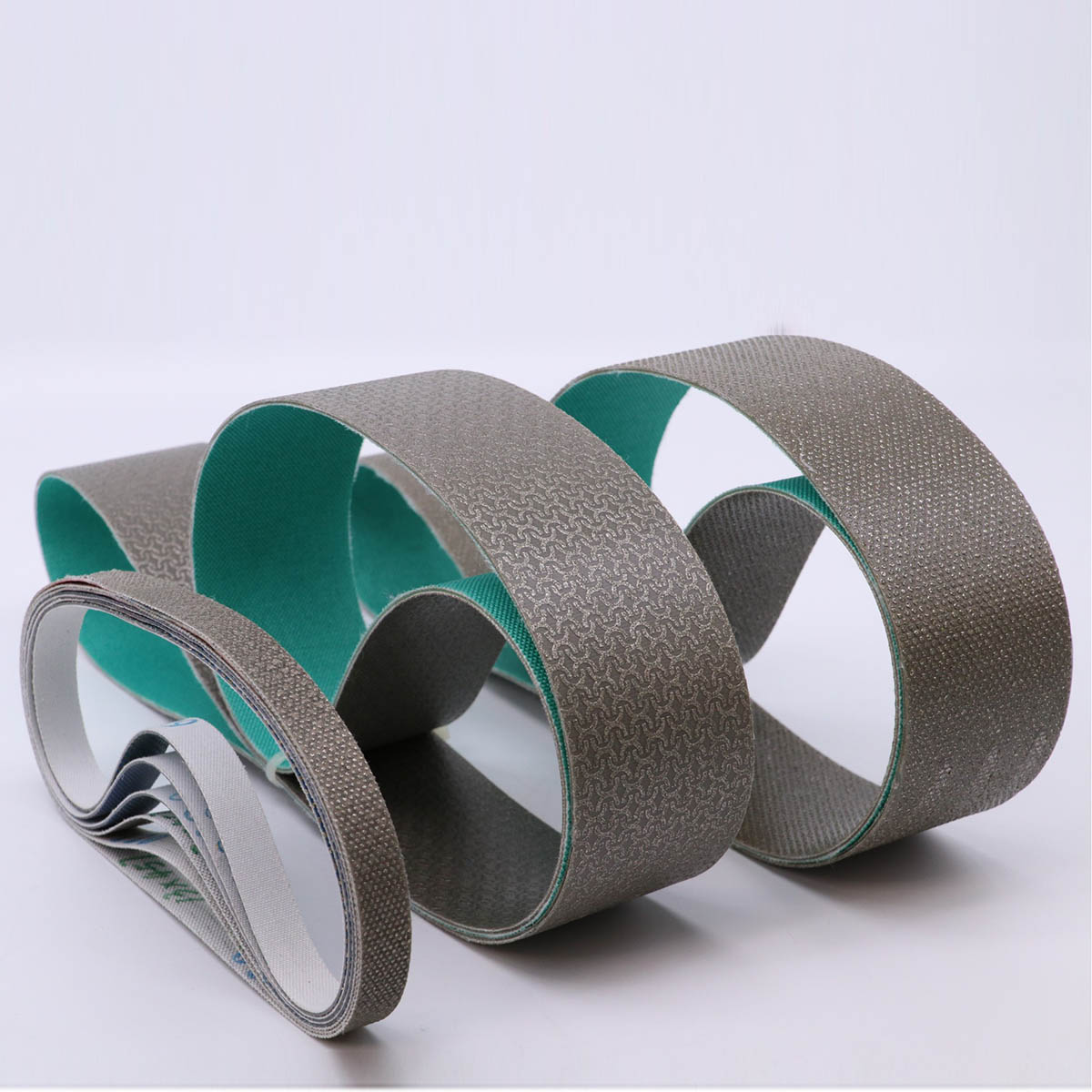
Electroplated diamond belt: diamond is held in a plated surface layer, which generally favours aggressive removal and dimensional control over blended finishing.
Selection rule: choose the bond against the operation, not the material alone. Removal and geometry control push toward electroplated construction; sustained finishing and surface blending push toward resin bond. Where both operations occur on the same line, specify them as two belts in the sequence instead of forcing one belt to do both jobs.
Variable 3 - Construction: Backing, Joint, Dimensions and Wet/Dry Configuration
Construction is the variable buyers most often leave blank and then discover on the machine.
- Backing. Diamond abrasive cloth belts use a flexible backing so the belt can follow complex shapes and surfaces rather than only flat work. A flexible diamond belt conforms to edge profiles, curved glass and contoured ceramic parts, and that conformity is what makes edge rounding possible without a shaped tool.
- Belt form and joint. An endless diamond belt is the standard construction for machines that run the belt as a closed loop under tension. Joint integrity determines tracking and belt life, and it matters most on stationary belt grinding machines running continuously.
- Dimensions. Widths from 5 mm to 350 mm and lengths from 150 mm to 5000 mm cover narrow edge work as well as wide surface finishing; non-standard dimensions can be customized to the machine.
- Wet or dry configuration. The documented working condition for these belts is dry and wet abrasive grinding at high friction and normal ambient temperature. Wet grinding reduces loading and heat; dry grinding is common on handheld operations where coolant is impractical.
- Operation mode. Handheld power tools run intermittently; stationary belt grinding machines run continuously. The same belt specification is not automatically correct for both, and the supplier should know which one you run.
One operating constraint applies to every construction: precise control of speed, pressure and time is required to reach the target finish and maximum belt life. The specification defines what is possible; the operating parameters decide the result.
Step-by-Step: How to Specify a Diamond Sanding Belt
- Define the workpiece and the finish target. Record material (glass, ceramic tile, stone, cemented carbide, composite, sprayed coating, high-temperature alloy), geometry (flat, edge, contour) and the surface condition to be reached. This single line already rules out much of the catalogue.
- Fix the abrasive grain. Diamond for the hard brittle materials listed above; CBN where the workpiece calls for it. Confirm the choice with the supplier rather than defaulting silently.
- Set the grit sequence. Choose a starting grit for the incoming stock condition and a finishing grit for the target surface, then confirm the intermediate stage. Any grit from 40# to 5000# can be specified.
- Select the bond. Electroplated for aggressive removal and geometry control; resin bond for grinding and polishing where a renewing, blended cut is required. If the line does both, specify two belts.
- Define construction. Backing and flexibility, endless or open form, width, length, dry or wet operation, and machine type (handheld intermittent versus stationary continuous).
- Qualify the supply before scaling. Run a sample against real workpiece parameters (speed, pressure, time), confirm the quality-control regime, then confirm commercial terms. For RUITE these are an MOQ of 50 units, a lead time of 30-45 days, monthly capacity of 1,000 units, 100% testing, OEM production with packing and logo customization, a 12-month shelf life quality warranty, free technical consultation, and replacement for defective batches. In ceramic grinding, one documented OEM relationship has run for 8 years across 20,000 units with stable quality and no customer complaints - the pattern to look for is a supplier whose specification does not drift as volume grows.
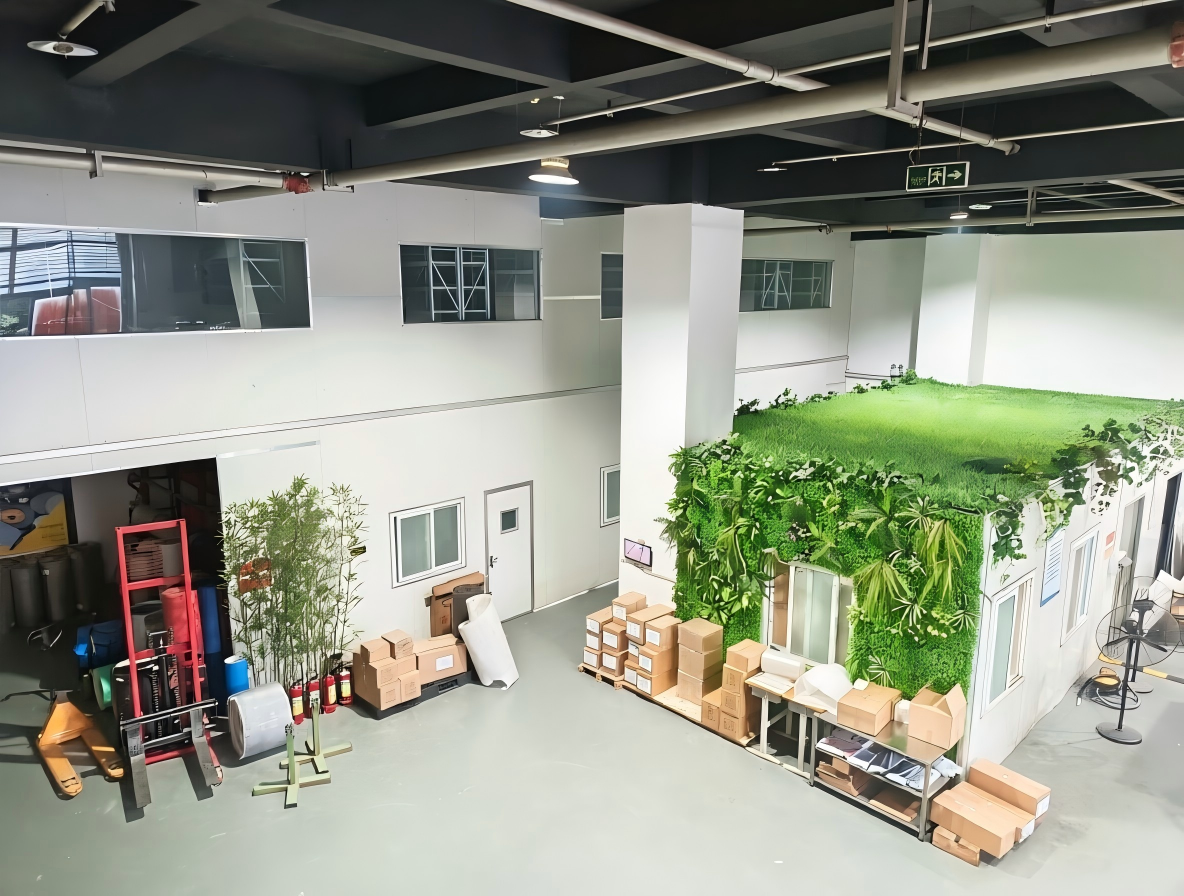
Qualification before scaling: production and inspection discipline is what keeps a validated specification stable at volume.
Where These Specifications Are Applied
- Glass: diamond belt for glass edging - edge polishing and edge rounding, where belt flexibility and bond selection control final edge quality.
- Ceramics: diamond abrasive belt for ceramic tile - grinding and edge finishing on tile and porcelain products, with grit staging controlling chipping risk during shaping.
- Thermal spray: diamond belt for thermal spray - finishing sprayed coatings, an application family inside a thermal spray coatings market projected to reach USD 15.28 billion by 2031 (Mordor Intelligence).
- Tungsten carbide: diamond belt for tungsten carbide and diamond belt for deburring carbide parts - dimension-driven work where electroplated construction holds geometry.
- Composites: diamond belt for composite material - polishing without the fibre damage associated with conventional abrasives.
- Aerospace and energy: high-temperature alloys and wind power components, where carbide tool sharpening and surface finishing draw on the same consumable family.
- Lapidary and stone: lapidary diamond sanding belts for shaping and polishing stone, using the same coarse-to-fine logic.
Across these applications, dry and wet grinding diamond belts cover both coolant-fed machines and dry handheld operations, and diamond grinding belt and diamond polishing belt versions of the same construction serve the removal and finishing stages respectively.
Comparison Table: Specification Variables and What They Change
| Specification variable | Documented options (RUITE diamond belts) | What it changes in the operation |
|---|---|---|
| Abrasive material | Diamond / CBN | Grain selection against workpiece hardness and chemistry; diamond is applied to hard brittle materials such as stone, glass, ceramic, monocrystalline silicon and cemented carbide. |
| Grit | 40#-5000# | Defines the coarse to medium to fine sequence: removal rate at the low end, surface refinement at the high end. |
| Bond | Resin bond / electroplated | Resin carries diamond through a continuous resin layer for a renewing cut in grinding and polishing; electroplated holds diamond in a plated layer for aggressive, geometry-driven cutting. |
| Width | 5 mm-350 mm | Contact area and edge access: narrow belts for edge work, wide belts for surface finishing. |
| Length | 150 mm-5000 mm | Machine fit and belt tracking in closed-loop running. |
| Backing | Diamond abrasive cloth (flexible) | Conformity to complex shapes, curved glass and contoured ceramic edges. |
| Grinding condition | Dry and wet | Coolant strategy, loading control and heat management on the workpiece. |
| Operation mode | Handheld intermittent / stationary continuous | Joint and construction demands; continuous running is harder on the belt. |
| Customization | OEM; sizes, packing and logo customization | Fits private-label programs and machine-specific dimensions. |
| Commercial terms | MOQ 50 units; lead time 30-45 days; monthly capacity 1,000 units; 100% testing | Pilot-run planning and volume scheduling. |
| Grit stage | Primary job | Selection note |
|---|---|---|
| Coarse grit diamond belt | Stock removal, edge shaping, edge rounding, coating removal | Sets the surface the rest of the sequence must repair; defects created here are expensive to remove later. |
| Medium grit diamond belt | Dimensioning, blending, scratch-pattern control | Decides how much work the fine stage inherits. |
| Fine grit diamond belt | Surface finishing, edge polishing, pre-polish | Determines the delivered finish and requires a belt that stays free-cutting, which depends on bond and pressure control. |
Stage names are functional: the 40#-5000# range is continuous, and the boundaries between stages are set by the workpiece and the finish target.
FAQ
How should buyers verify a CE-certified diamond sanding belt manufacturer?
Ask for the certificate, not the claim. In RUITE's documentation, the EU-market certification on record is an ECM certificate issued by ECM Certification Machine Srl, certificate number No. 0P210906.ZRDQ038, against standard EN 13743:2017. The documented scope of that certificate lists Diamond Rap Disc products in diameters φ100MM, φ115MM, φ125MM, φ150MM and φ180MM, so a buyer should always check whether the exact item they intend to purchase - belt or disc, specific dimension - appears inside the certificate scope. Where an item is not listed in the scope, technical documentation and inspection records carry the compliance burden, and the validity period of the certificate should be confirmed with the supplier. For North America, safety requirements for abrading materials with coated abrasive systems are governed by ANSI B7.7.
Should I choose a resin bond or an electroplated diamond belt?
Choose by operation. Resin bond diamond belts carry diamond through a continuous layer of resin, so fresh grain is exposed as the layer wears; they are mainly used for grinding and polishing hard materials and suit finishing, blending and polishing work. Electroplated diamond belts hold diamond in a plated layer, which generally gives a more aggressive initial cut and better geometry control, making them the practical choice for dimension-driven work such as deburring carbide parts or finishing sprayed coatings. If a line performs both operations, specify two belts in sequence rather than one belt for both.
What grit range and belt sizes can be supplied?
Diamond belts are documented from 40# to 5000# grit, in widths from 5 mm to 350 mm and lengths from 150 mm to 5000 mm. Customization is available according to requirements, so non-standard dimensions are specified rather than improvised.
Can one diamond belt be used for both dry and wet grinding?
Yes. The documented working condition for these belts is dry and wet abrasive grinding at high friction and normal ambient temperature, and they are run on handheld power tools intermittently and on stationary belt grinding machines continuously. Operation still requires precise control of speed, pressure and time, because the same belt can deliver very different results and service life depending on those parameters.
What are the MOQ, lead time and support terms for an OEM diamond sanding belt?
For RUITE diamond belts the documented terms are an MOQ of 50 units, a lead time of 30-45 days, monthly capacity of 1,000 units, OEM production with packing and logo customization, 100% testing, a 12-month shelf life quality warranty with replacement for defective batches, and free technical consultation. The practical sequence is to fix the specification first, validate it with a sample on your own machine, and only then scale. To start that process, request a sample or a quotation at sales@ruitechn.com, or download the full product catalog for the complete size and grit listing.
Conclusion: Three Variables, One Specification
Grit, bond and construction decide whether a diamond sanding belt performs on hard brittle materials. Grit sets the removal-to-finish sequence across a 40#-5000# range. Bond determines how the diamond is held and released: resin bond for renewing, blended grinding and polishing; electroplated for aggressive, geometry-driven cutting. Construction - backing, joint, dimensions and dry/wet configuration - determines whether the belt survives the machine it runs on. Certification and documentation sit alongside these technical variables, and in the current market so does supply planning: China's export controls on specific superhard items, effective 8 November 2025, and the cancellation of the export tax rebate for abrasive products including abrasive cloth and belts, effective 1 April 2026, both argue for confirming specification, scope and lead time before volume is committed.
Next Step
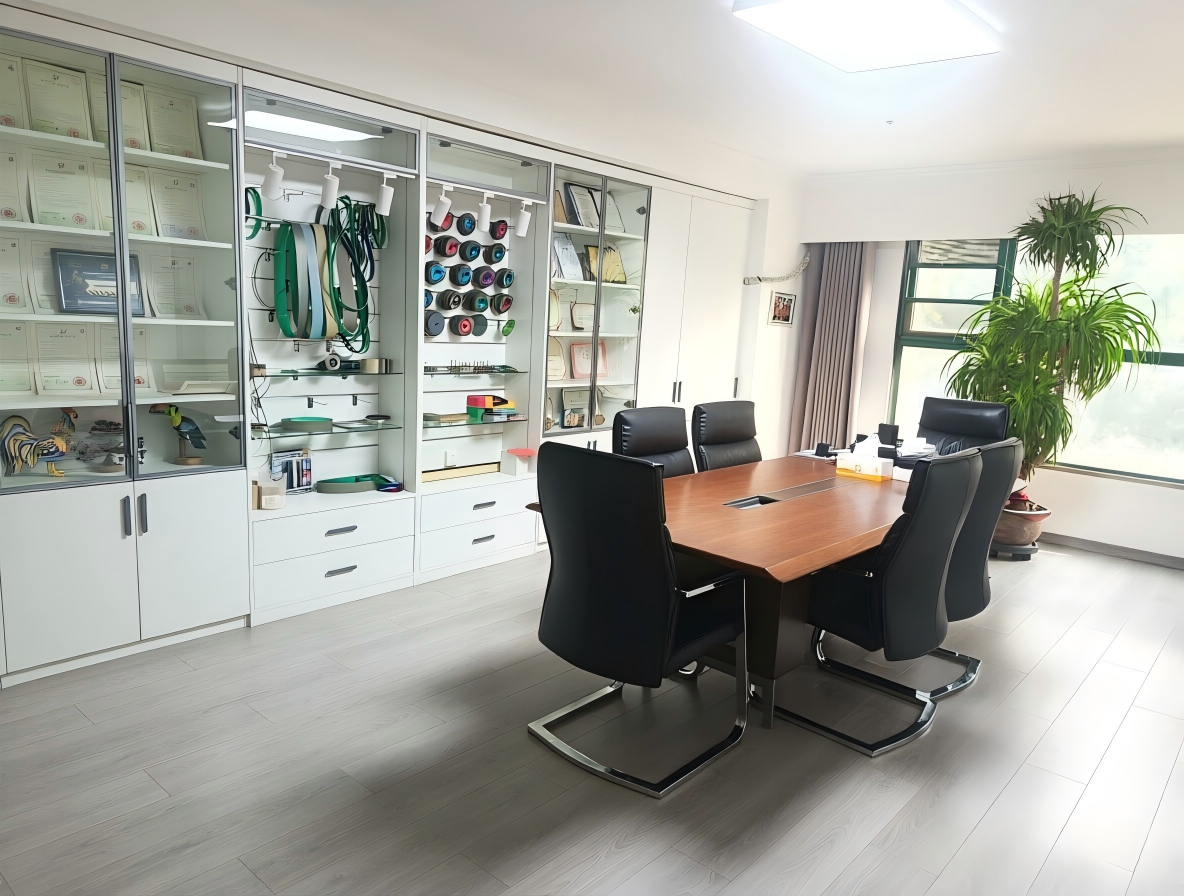
RUITE (Zhengzhou Ruite Diamond Belts Co., Ltd) has manufactured diamond belts and superhard coated abrasives since 2003 from its base in Zhengzhou, Henan, China, exporting to the EU and US markets. Send your workpiece material, target finish, machine type and required belt dimensions to sales@ruitechn.com, or message WhatsApp +86 139 2845 1015. Tel: +0086-371-86555877.
Catalog download: RUITE product catalog (PDF). Website: www.ruitechn.com. Address: No. 1, Building 3, Longding Phase 1, Hongsong Road, Zhengzhou High-tech Industrial Development Zone, Zhengzhou, Henan, China.
Have Questions or Need More Details?
Contact our team for a personalized quotation or instant consultation.
Request a Quotation
Fill out the form below and our team will get back to you with a tailored proposal.
WhatsApp Direct Chat
Prefer to chat in real-time? Message us on WhatsApp for instant assistance & quick answers.
- Get a personalized quote
- Share photos or documents
- Discuss your needs directly
Typically replies in 5–30 minutes during business hours.