
CE-Certified Display Rack Manufacturers: A Buyer's Compliance and Specification Checklist
“CE-Certified Display Rack Manufacturers”: A Buyer’s Compliance and Specification Checklist
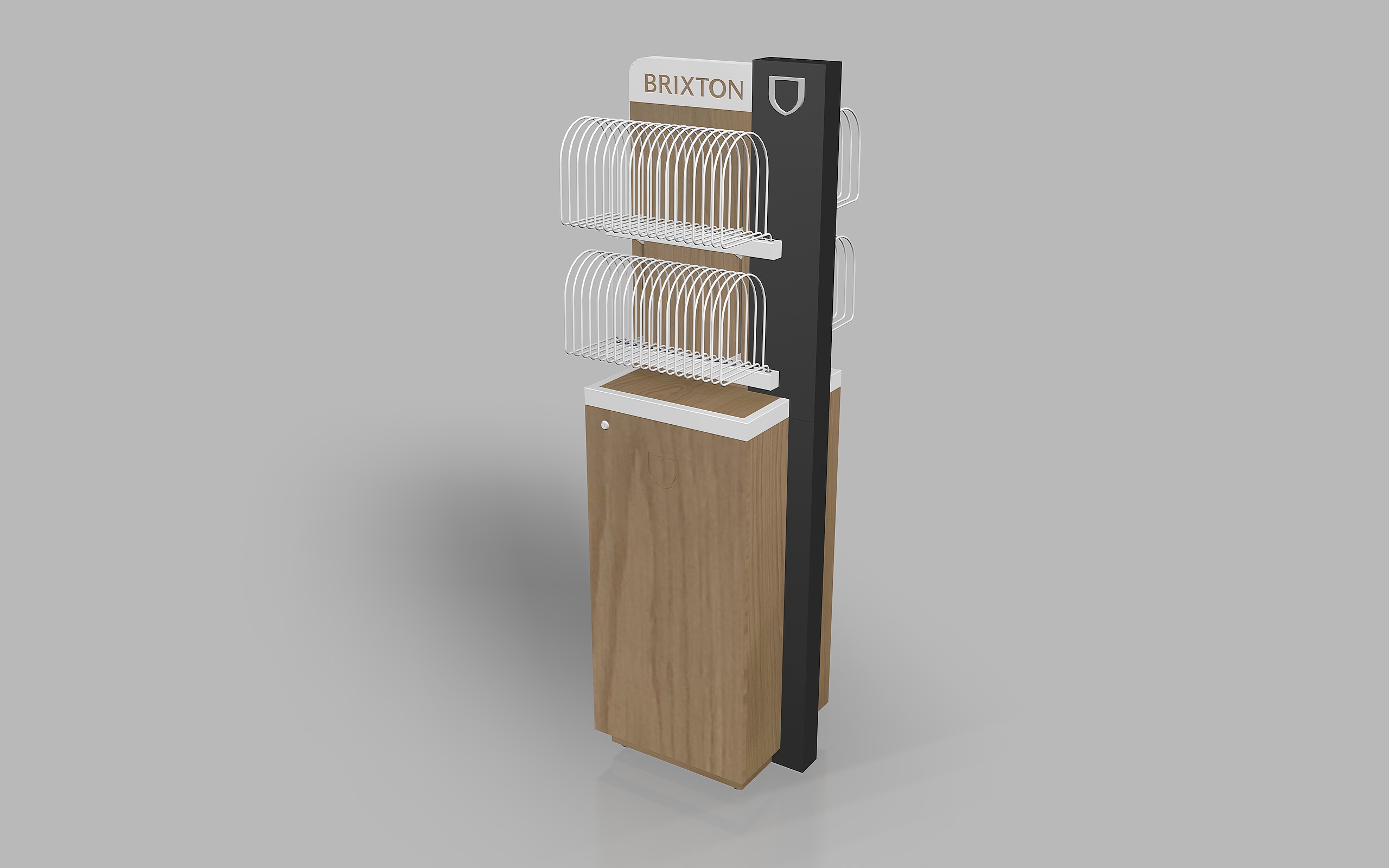
Custom POP display stand (model RM-POP-001) — a metal display rack commonly used for retail store merchandising.
When retail buyers search for “CE-certified display rack manufacturers,” they usually have a compliance constraint in mind. CE marking, however, is not a general quality seal. It is a conformity marking for products sold in the European Economic Area, and whether a display rack needs CE marking depends on the product’s construction, materials, and applicable EU directives.
This article helps buyers in the research and evaluation stage move from a simple certification keyword to a practical supplier assessment. It covers the certifications, material specifications, load capacities, MOQs, lead times, and fulfillment capabilities that matter when sourcing custom display racks. Redman Corporation, a China-based custom POP display and store fixture manufacturer, is used as a documented example throughout.
Why the “CE-Certified Display Rack Manufacturer” Search Needs Context
A buyer who searches for “CE-certified display rack manufacturers” may actually be trying to solve one of several problems:
- Confirming that the supplier can sell compliant display racks into the EU market.
- Ensuring that a retail fixture project meets the buyer’s internal compliance requirements.
- Separating manufacturers who can provide technical documentation from those who only use compliance-related words as marketing.
In practice, the most useful answer is not a list of suppliers claiming CE certification. It is a framework for verifying whether a manufacturer can meet the specific compliance and specification requirements of your project.
The Sourcing Problem: Certification Claims vs. Verifiable Compliance
The main challenge in sourcing display racks is information asymmetry. A supplier can say “certified” without specifying which standard, which certificate number, which issuing body, and which products are covered. The same applies to materials. “Metal display rack” can mean many things: cold-rolled steel, stainless steel, powder-coated surfaces, or painted finishes. Without concrete specifications, the buying decision is based on trust rather than evidence.
Compliance constraints typically appear in three layers:
- Market compliance – for example, CE marking for the EEA, or ANSI/UL 970 for retail fixtures and commercial displays in the US.
- Management system compliance – for example, ISO9001, ISO14001, ISO45001, and ISO50001, which show how a factory controls quality, environment, health and safety, and energy use.
- Material and environmental compliance – for example, FSC Chain of Custody certification for wood-based display products.
A reliable manufacturer should be able to explain which layer applies to your project and provide the relevant documents.
Industry Context: Why Compliance and Specifications Are Becoming Procurement Constraints
The commercial pressure to get display rack specifications right is increasing. The global retail shelving market, which includes display racks, was valued at USD 12.4 billion in 2025 and is projected to reach USD 25.6 billion by 2034, according to Dataintelo. Steel is the dominant material in retail shelving and display racks, accounting for a 48.6% market share in 2024, based on data from Market Research Future.
At the same time, retail fixtures and commercial displays in the US are subject to ANSI/UL 970, a standard that recently replaced UL 65 and UL 962, according to Intertek and UL Solutions. This means that display racks are no longer just visual merchandising tools; they are compliance-sensitive products that require documentation.
Physical stores also remain important. In the sportswear market, the retail store distribution channel accounted for 70.4% of the global market in 2026, according to Fortune Business Insights. For apparel and accessory brands, floor-standing and counter-top display racks are still central to in-store marketing.
What to Look for in a Display Rack Manufacturer: A Fact-Based View
Rather than relying on labels, evaluate the manufacturer against verifiable criteria. The following sections use Redman Corporation as an example because its certifications, product specifications, and production capabilities are documented.
Management System Certifications and Their Scope
Redman Corporation is a manufacturer of custom POP displays and store fixtures based in Zhangjiagang, China, about two hours’ drive from Shanghai. The company was founded in August 2002, operates around 550,000 sq ft of production facilities, and employs more than 350 people, including over 50 technical engineers and 7 project managers. About 95% of its output is exported to markets including the USA, Canada, Europe, the Middle East, and Australia.
For buyers evaluating compliance, the relevant certifications are:
- ISO9001:2015 – Quality management system certificate number 04623Q16735R0M, issued by Beijing Head International Certification Co., Ltd. Scope covers design, R&D, production and sales of custom POP displays and store fixtures, plus related quality management services.
- ISO45001:2018 – Occupational health and safety certificate number 04623S13846R0M, issued by Beijing Head International Certification Co., Ltd.
- ISO14001:2015 – Environmental management certificate number 04623E13894R0M, issued by Beijing Head International Certification Co., Ltd.
- ISO50001:2018 – Energy management certificate number 0350124En20050R0M, issued by XINGYUAN CERTIFICATION CENTER CO., LTD.
- FSC Chain of Custody – Certificate number BV-COC-122126/BV-CW-122126, issued by Bureau Veritas Certification China, under standard FSC-STD-40-004 V3-1. This applies to control of forest raw material procurement, production and sales of wooden POP displays and wooden store fixtures.
These certifications are valid worldwide and cover the production process, not just a single batch.
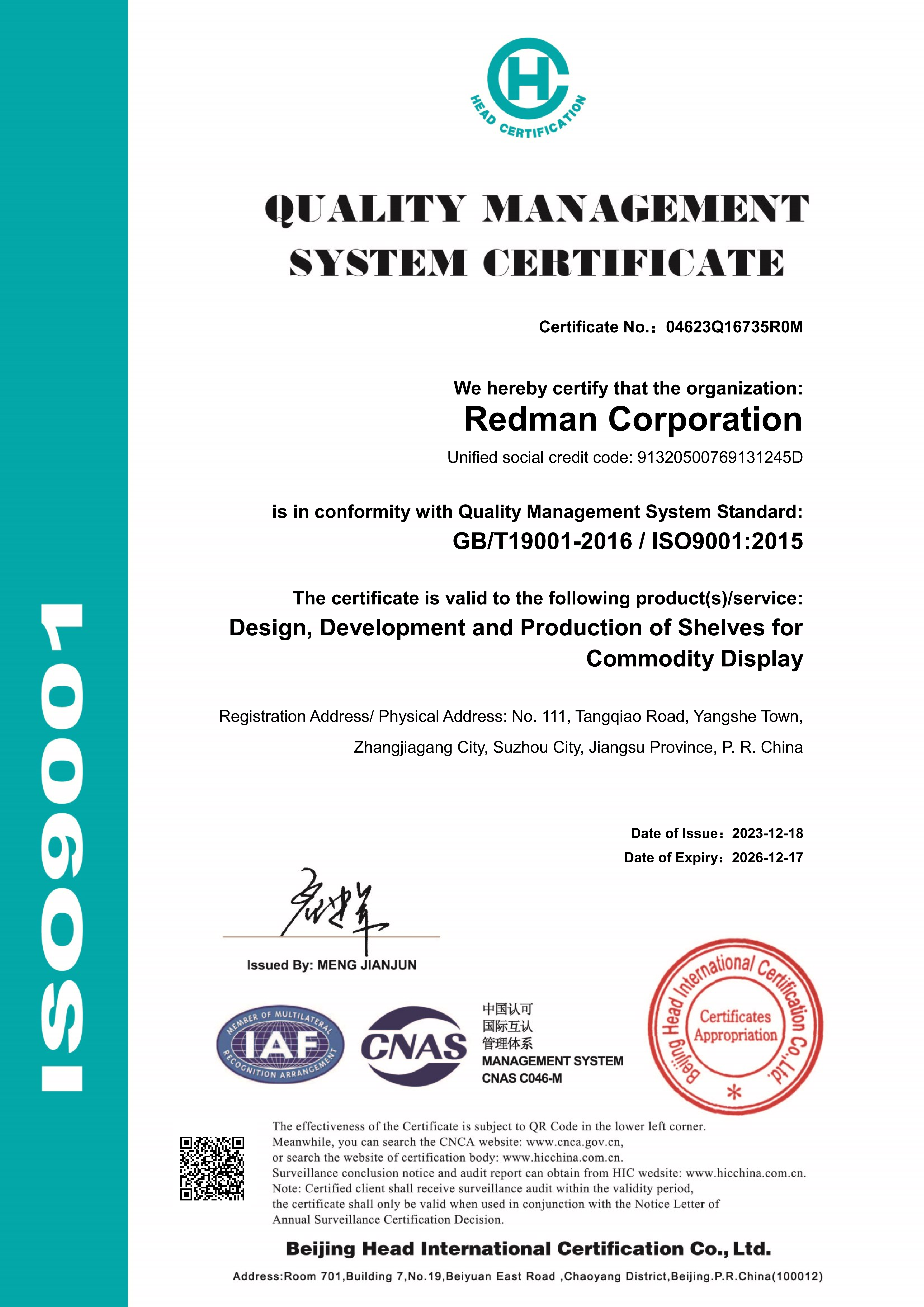
Redman’s ISO9001 quality management certificate is part of the documented compliance evidence available to buyers.
Product-Level Specifications and Load Capacity
Different store environments require different materials and load ratings. Redman’s product family covers three common display rack types:
Custom Metal POP Display (RM-POP-001)
This display stand is made from cold-rolled steel and stainless steel, with powder coating or painting finishes. It is designed for load capacities between 50 kg and 200 kg. Custom size, structure, and logo printing are available. This type is commonly used in retail stores, supermarkets, department stores, and brand stores.
Custom Wood Store Fixture (RM-SF-001)
This fixture uses wood, metal, and acrylic materials. Primary wood materials include MDF, solid wood, and plywood. Finishes include melamine, veneer, and painting. Custom structure and design are available. It is often used in department stores and brand-focused retail spaces where aesthetics are a priority.
Custom Plastic POP Display (RM-PD-001)
This plastic display rack is made of ABS, PS, and acrylic, with injection molding or vacuum forming finishes. Custom color and logo are available. It is commonly used in retail, supermarket, convenience store, and exhibition environments where lightweight and cost-effective display solutions are needed.
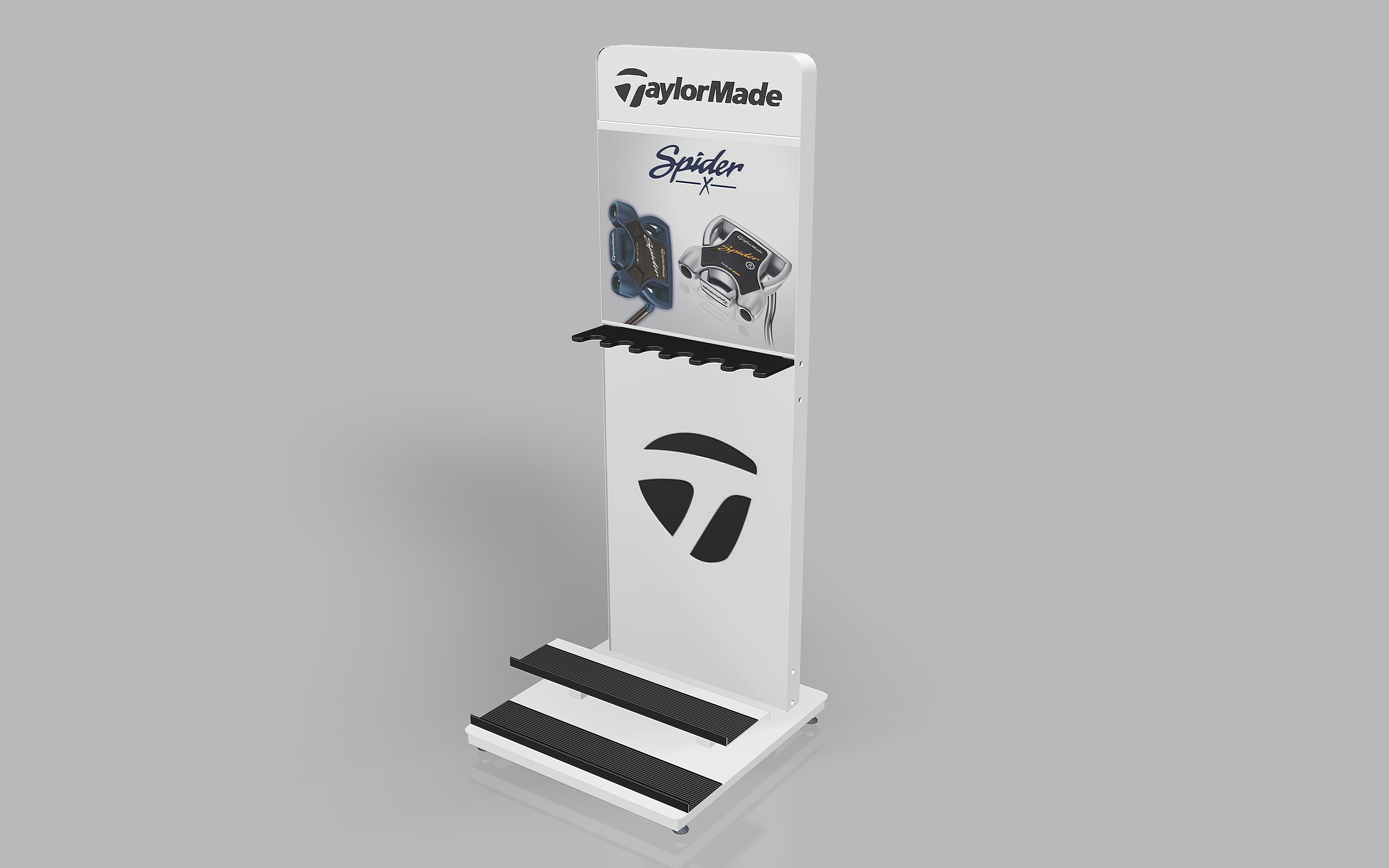
Plastic and acrylic display racks are often selected for high-volume, lightweight merchandising programs.
Step-by-Step Checklist for Evaluating a Display Rack Manufacturer
Use the following checklist when comparing suppliers for a custom display rack project.
- Define the compliance requirement for your destination market. If you sell into the EEA, ask whether CE marking applies to the specific display rack design. If you sell in the US, ask whether the fixture meets ANSI/UL 970. For wood-based fixtures, confirm whether FSC Chain of Custody is required.
- Verify the certificate scope and number. Ask for the certificate number, issuing body, standard, and product scope. Avoid accepting a generic statement like “we are certified.”
- Check the material and finish specifications. Confirm the exact material type, surface finish, and load capacity. For example, Redman’s RM-POP-001 uses cold-rolled steel and stainless steel and supports 50–200 kg.
- Match the rack type to the store environment. Use metal displays for high-load, permanent installations; wood fixtures for premium brand displays; plastic and acrylic racks for lightweight and temporary promotions.
- Review MOQ and customization flexibility. Redman’s MOQs are 100 pieces for custom metal parts, 50 pieces for custom wood parts, and 1,000 pieces for custom plastic parts. For smaller quantities, FCL/LCL orders are available under OEM/ODM customization.
- Plan for samples and inspections. Confirm whether pre-shipment inspection is standard, and whether third-party inspection such as SGS, BV, or TUV is accepted. Redman’s standard is 100% pre-shipment inspection.
- Evaluate logistics and after-sales support. If you need US fulfillment, ask about local warehousing and drop-shipping. Redman operates a warehouse in Los Angeles and offers assembling, packaging, and drop-shipping services.
Use Cases: Matching Display Rack Types to Store Scenarios
Display rack selection should follow the store scenario. The following use cases show how different rack types and capabilities are applied in practice.
Retail Store and Brand Store
In retail stores, the goal is product display and sales conversion. Metal POP display stands with custom branding and stable load capacity are a common choice. For a global retail brand, Redman produced more than 5,000 custom POP display units for in-store merchandising and brand promotion over a three-year period, using its USA warehouse for drop-shipping support.
Supermarket
Supermarkets need clear product categorization and durable fixtures that can operate 24/7. Plastic display racks and custom store fixtures can be designed to match shelf specifications and in-store signage. Redman worked with a European supermarket chain to produce more than 3,000 custom store fixtures, supporting renovation projects across 200+ stores in Germany.
Department Store
Department stores often require high-end fixtures that reflect brand image. Wooden store fixtures with custom finishes and strict material selection are typically used for luxury goods displays. In one project, Redman supplied more than 1,000 custom high-end display cabinets for a flagship department store project in Riyadh.
Exhibition and Trade Show
Exhibitions require portable, reusable, and easy-to-assemble displays. Modular and foldable display racks help reduce logistics cost and setup time. Redman has supported an exhibition service provider with more than 200 custom exhibition booth fixtures annually over four years, enabling more than 500 exhibitions with reusable fixtures.
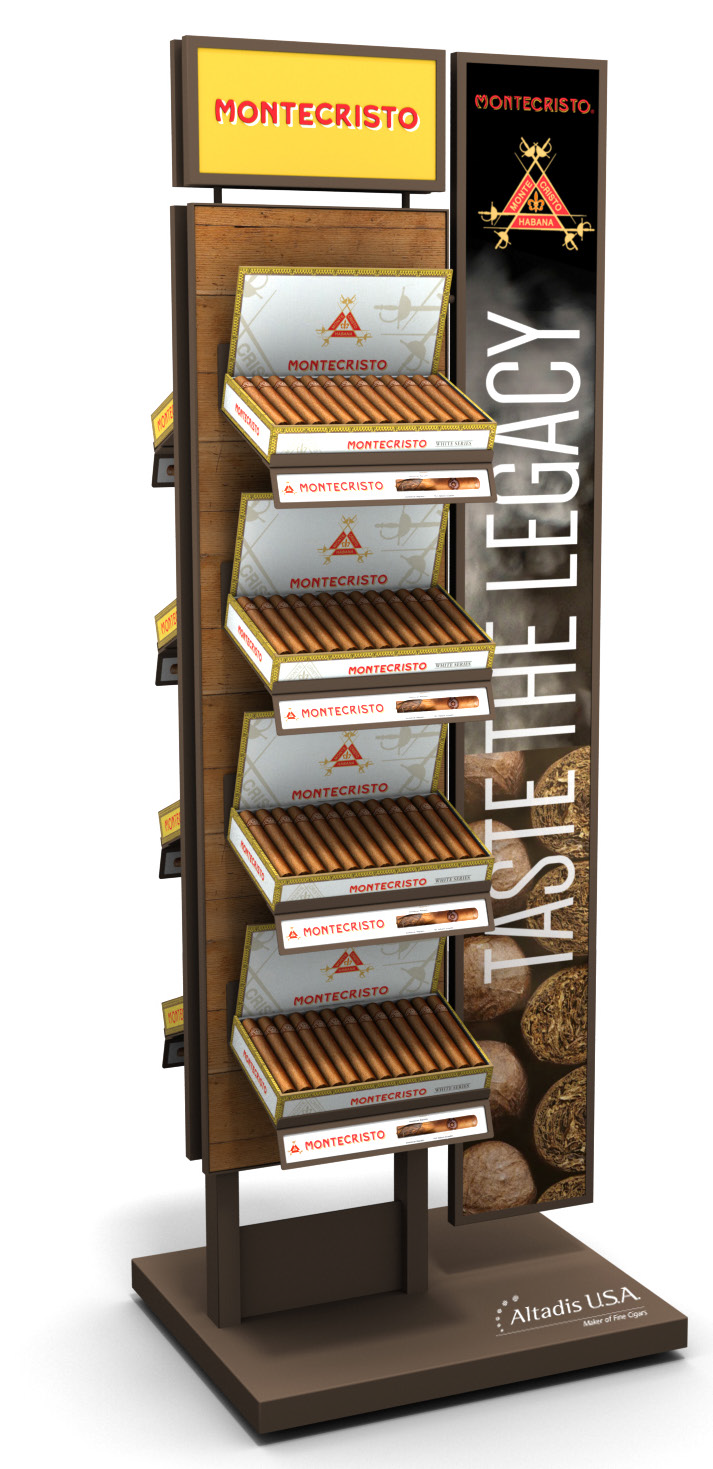
POS display stands are part of in-store merchandising systems that combine branding, structure, and product access.
Comparison Table: Metal, Wood, and Plastic Display Racks
The table below compares the three main display rack types based on documented specifications from Redman’s product and production data.
| Attribute | POP Display Stand (RM-POP-001) | Store Fixture (RM-SF-001) | Plastic Display Rack (RM-PD-001) |
|---|---|---|---|
| Type | Custom Metal POP Display | Custom Wood Store Fixture | Custom Plastic POP Display |
| Primary materials | Cold-rolled steel, stainless steel | MDF, solid wood, plywood; metal and acrylic options | ABS, PS, acrylic |
| Finish | Powder coating, painting | Melamine, veneer, painting | Injection molding, vacuum forming |
| Load capacity | 50–200 kg | Not specified; depends on structure | Not specified; lightweight |
| Typical MOQ | 100 pcs (custom metal parts) | 50 pcs (custom wood parts) | 1,000 pcs (custom plastic parts) |
| Lead time | 25–35 days | 30–40 days | 35–50 days (including mold development) |
| Best for | Retail, department stores, brand stores | Department stores, premium brand environments | Supermarkets, convenience stores, exhibitions |
| Certifications | ISO9001, ISO45001, ISO14001, ISO50001 | ISO9001, ISO45001, ISO14001, ISO50001, FSC CoC | ISO9001, ISO45001, ISO14001, ISO50001 |
Note: MOQ and lead time figures come from Redman’s OEM/ODM manufacturing capability data and may change depending on design complexity and material availability.
Frequently Asked Questions
1. What does “CE-certified display rack manufacturer” mean?
The phrase usually refers to a manufacturer that can supply display racks meeting the applicable CE marking requirements for sale in the European Economic Area. CE marking is not a single quality certificate; it is a legal conformity mark based on the product’s compliance with relevant EU directives. For display racks, the applicable requirements depend on factors such as construction, materials, and whether the unit includes electrical or electronic parts. When a buyer asks for CE, the manufacturer should confirm which directive applies and provide technical documentation for the specific model.
2. Which certifications should a display rack manufacturer hold for global retail projects?
For global retail projects, common certifications include ISO9001 for quality management, ISO14001 for environmental management, ISO45001 for occupational health and safety, and ISO50001 for energy management. For wooden display fixtures, FSC Chain of Custody certification helps verify that wood materials are sourced from responsibly managed forests. Redman Corporation holds ISO9001:2015 (04623Q16735R0M), ISO45001:2018 (04623S13846R0M), ISO14001:2015 (04623E13894R0M), ISO50001:2018 (0350124En20050R0M), and FSC CoC certification (BV-COC-122126/BV-CW-122126) issued by Bureau Veritas Certification China. For US retail fixtures, also ask whether components comply with ANSI/UL 970.
3. What material and load specifications should I check before ordering custom display racks?
Key specifications are material type, finish, and load capacity. Redman’s custom POP Display Stand (RM-POP-001) uses cold-rolled steel and stainless steel with powder coating or painting, and supports 50–200 kg. The custom Store Fixture (RM-SF-001) uses MDF, solid wood, plywood, metal, and acrylic with melamine, veneer, or painted finishes. The Plastic Display Rack (RM-PD-001) uses ABS, PS, and acrylic with injection molding or vacuum forming. Confirm your required load, surface finish, and installation environment with the manufacturer before production.
4. Can I request samples or small batch orders to evaluate a manufacturer’s quality?
Yes. For custom metal display racks, Redman’s minimum order quantity is 100 pieces; for custom wood parts, 50 pieces; for custom plastic parts, 1,000 pieces. For smaller quantities, Redman also offers OEM/ODM orders with FCL/LCL shipping, and its global fulfillment service from the Los Angeles warehouse supports drop-shipping with no minimum order quantity. Pre-shipment inspection is 100%, and third-party inspection (SGS, BV, TUV) is available.
5. What lead times should I expect for custom display racks?
Lead time depends on material and complexity. Redman’s typical lead times are 25–35 days for metal displays, 30–40 days for wood displays, and 35–50 days for plastic/acrylic displays including mold development. General OEM/ODM customization is 30–45 days. Order processing takes 2–5 days. To confirm a timeline for your specific display rack project, contact Redman’s project team and provide your drawings or product requirements.
Conclusion: Focus on Evidence, Not Labels
Certifications and specifications are only useful when they can be verified. A display rack manufacturer should be able to give you certificate numbers, issuing bodies, product scopes, material details, load ratings, MOQs, lead times, and relevant project references.
Redman Corporation demonstrates this level of documentation across custom metal, wood, and plastic display products. If you are evaluating a display rack supplier for a retail, supermarket, department store, sportswear, or exhibition project, request the product specifications and compare them against your store’s requirements.
Next step: Contact Redman to request a quote, sample, or project-based timeline. You can also download the Redman 2026 catalog for an overview of display rack capabilities.
Email: steven@redmanretail.com | Tel/WhatsApp: +86 18921998562
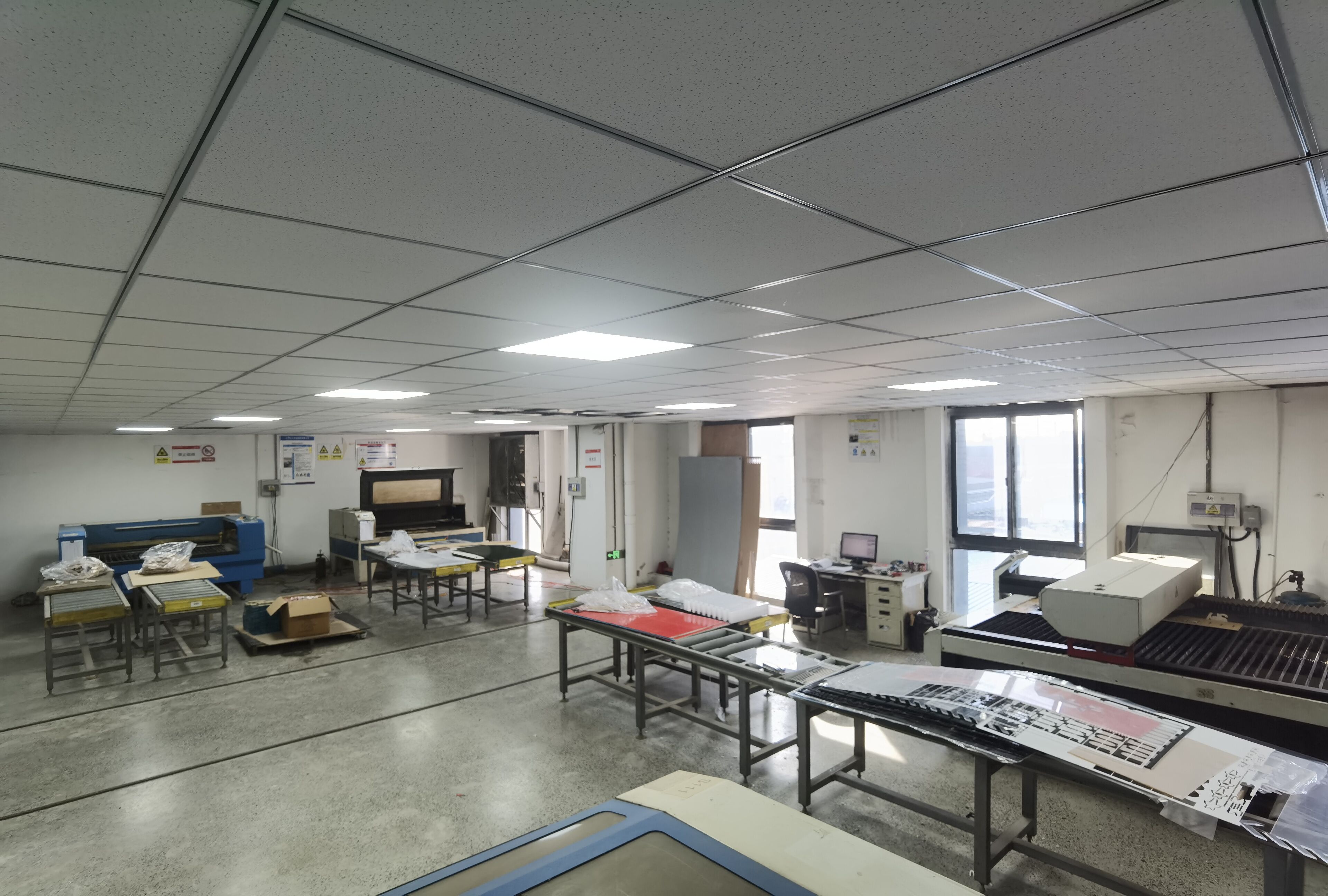
Redman’s in-house plastic production supports custom display rack manufacturing and quality control.