
Store Fixture vs. POP Display Stand: How to Choose the Right Display Rack
Store Fixture vs. POP Display Stand: How to Choose the Right Display Rack
Choosing between a custom wood store fixture and a custom metal POP display stand is a three-variable decision: what the store type requires, how much weight and handling the merchandise places on the structure, and what brand image the retailer needs the fixture to carry. Finish, footprint and modularity are downstream choices — those three answers come first.
Most sourcing teams approve a display programme from a rendering and a price sheet, then discover the mismatch during installation: a promotional unit asked to carry a permanent assortment, a counter-top stand loaded with boxed goods, or a floor unit that visually fights the environment it stands in. The cost of that mistake is rarely the unit price. It is the rework, the empty selling space and the delayed store opening that follow.
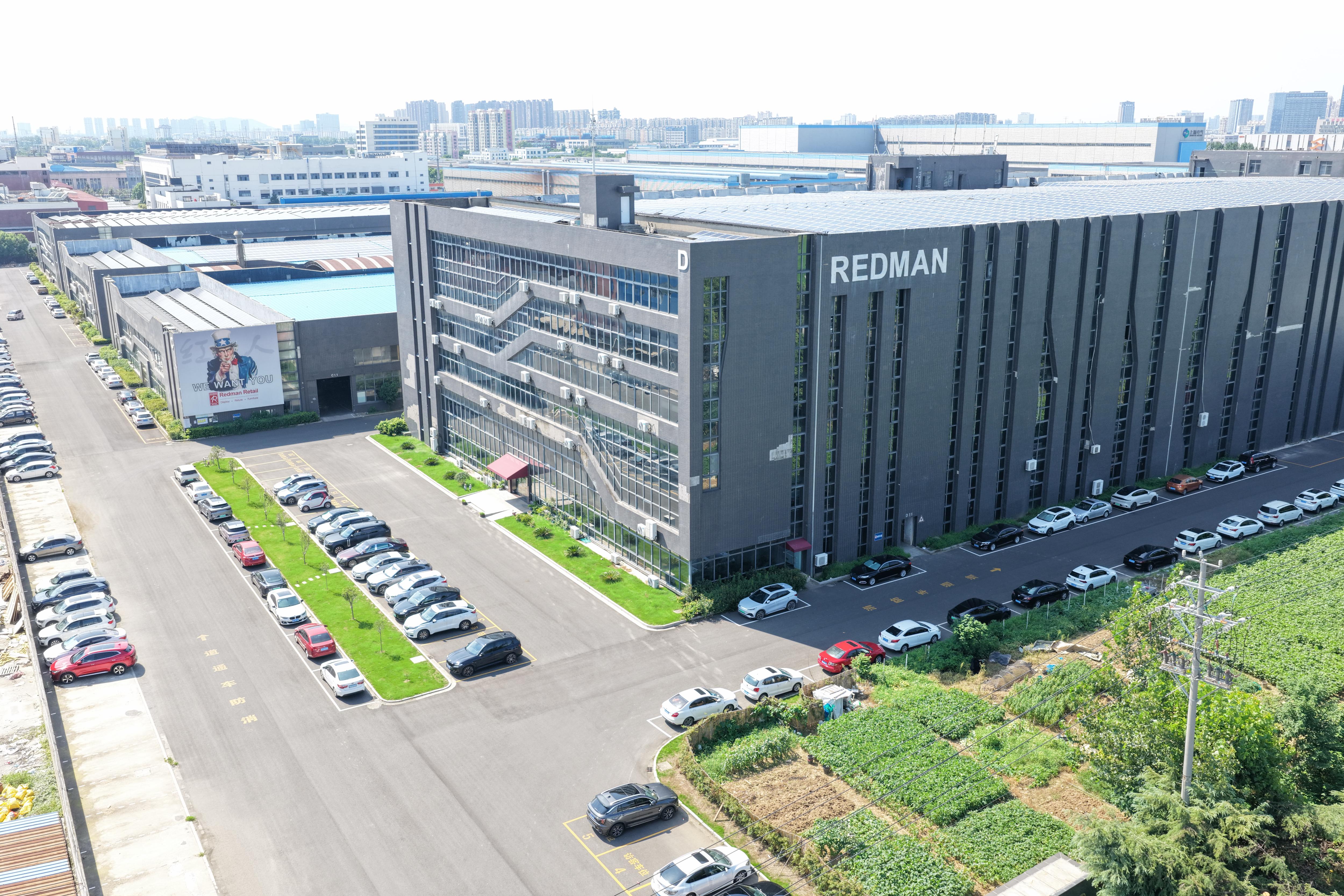
Redman Corporation is a China-based manufacturer of custom POP displays and store fixtures. Founded in August 2002 and located in Zhangjiagang, roughly two hours' drive from Shanghai, the company operates about 550,000 sqft (51,097 m²) of metal, wood, plastic, printing, painting, powder coating and packaging workshops, employs more than 350 people including over 50 technical engineers and 7 project managers, and exports about 95% of its output to brands and retailers in the USA, Canada, Europe, the Middle East and Australia.
This guide explains where each format belongs, how the two differ in construction, validation and compliance, and which documented facts should drive the final decision.
Problem definition: a store fixture and a POP display stand are not interchangeable
A store fixture is the fixed or semi-permanent retail furniture that shapes the shopping environment: wall runs, gondolas, floor-standing apparel racks, cash-wrap counters and branded shop-in-shop structures. A POP display stand is a point-of-purchase unit built around a specific product or promotion, and it may be floor-standing or counter-top. Both are merchandising hardware, but they are specified, validated and replaced on different cycles.
Treating the two as substitutes creates five failure modes that buyers have to design out at the specification stage rather than at the installation stage:
- Structural safety. Toppling or collapsing that injures staff or damages merchandise. It is controlled through structural design verification, load-bearing capacity testing before mass production, full inspection before delivery, standardised installation guidance, periodic inspection, and a clearly marked load-bearing capacity with an overload warning.
- Surface treatment. Paint peeling, powder coating falling off or rusting, which shortens appearance life. It is controlled through pre-treatment process control, adhesion testing and corrosion-resistance testing before mass production, 100% surface quality inspection before delivery, and rust-proof treatment on metal products.
- Material quality. Deformation, cracking or fading. It is controlled through strict selection of raw materials that meet international standards, 100% incoming material inspection, production-process control and material performance testing before mass production.
- Compliance. A product that does not meet the safety and environmental requirements of the target market can be detained at customs or recalled. It is controlled through market-specific certification, third-party test reports, and control of raw materials and production processes.
- Delivery delay. A late fixture delays a store opening, an exhibition or a sales plan. It is controlled through scientific production planning, supply-chain management and one-to-one project tracking.
Which of those five risks is most expensive depends on the format you choose. A permanent wood fixture that must survive years of continuous load puts structural and material risk first. A promotional metal stand that ships to dozens of locations on a fixed launch date puts delivery and surface risk first.
Industry background: what the retail display market looks like in 2026
The global retail shelving market, which includes display racks and store fixtures, was valued at USD 12.4 billion in 2025 and is projected to reach USD 25.6 billion by 2034 (Dataintelo). Published estimates diverge widely by scope — Market Research Future sizes the 2024 retail shelving system market at USD 20.06 billion, Proficient Market Insights sizes retail fixtures specifically at USD 2.38 billion, and Global Market Insights at USD 8.6 billion — because some analysts include back-of-house and logistics shelving while others count only front-of-store fixtures. When market data is used in a fixture business case, the definition behind the number matters more than the number.
Within the front-of-store category, gondola and floor-standing systems dominate with a 41.8% share, equivalent to approximately USD 3.59 billion in 2024 (Market Research Future). That concentration explains why the floor-standing decision — permanent fixture or promotional stand — carries the largest budget consequence for most retailers.
Material choice is similarly concentrated: steel accounts for a 48.6% share of retail shelving and display rack materials in 2024. Steel's share reflects its load-to-thickness ratio and its compatibility with powder-coated finishes; wood construction tends to be specified where the fixture has to carry brand identity rather than pure load.
Regulation is moving as well. Retail fixtures and commercial displays in the US market are covered by ANSI/UL 970, which replaced UL 65 and UL 962 (Intertek / UL Solutions). Buyers who specified under the older standards should confirm which edition their supplier currently documents against.
Demand also remains weighted toward physical retail in some categories: the retail store distribution channel accounted for a 70.4% share of the global sportswear market in 2026 (Fortune Business Insights), which keeps apparel and sportswear floors a priority investment area for fixture programmes. Supplier listings in the store fixture and display rack market commonly reference established names such as Lozier Corporation, Madix Inc. and Tegometall alongside Asian manufacturing partners.
Detailed comparison: how a wood store fixture and a metal POP display stand differ
Material and manufacturing logic
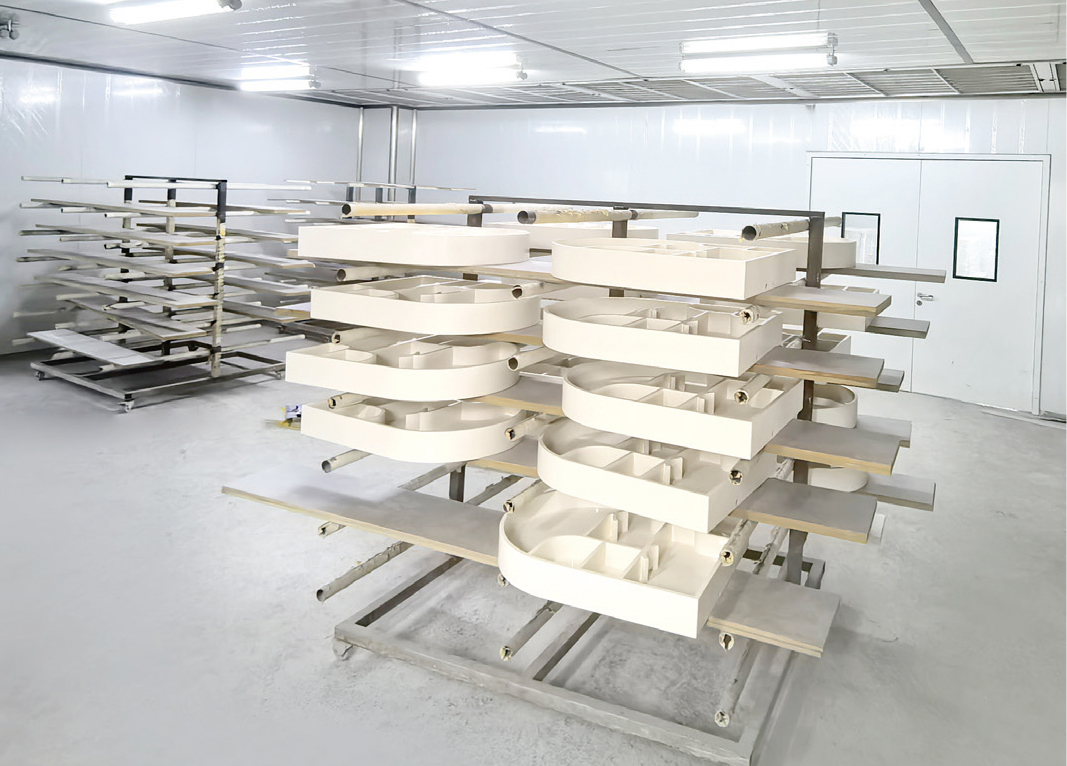
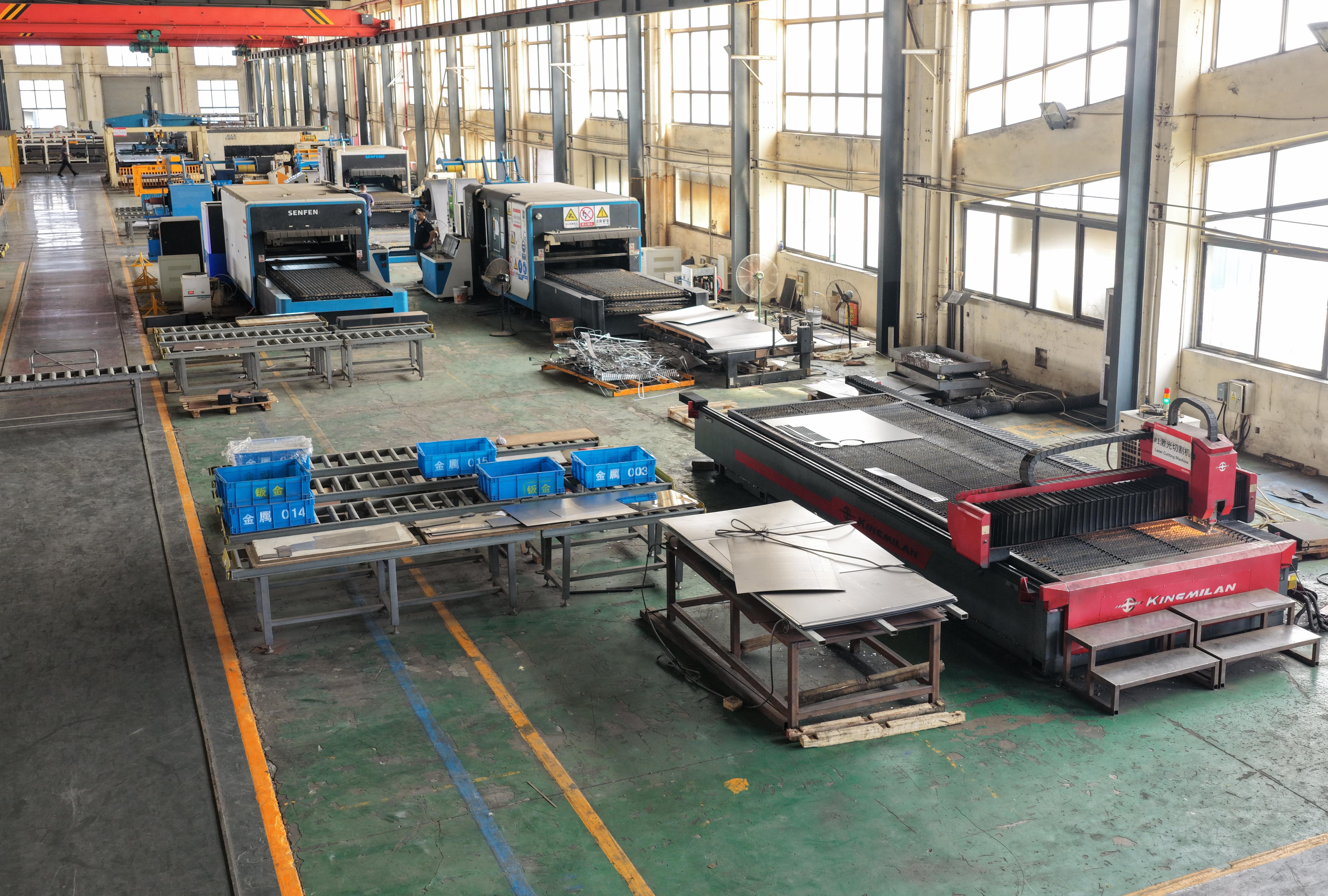
The practical question is rarely "wood or metal" in isolation. It is whether one supplier can produce both and hold a single colour, packaging and delivery standard across a store. Redman's production chain covers metal, wood, plastic, printing, painting, powder coating and packaging, which means a permanent wood perimeter fixture and a metal promotional unit can be produced against one specification set. Traditional local display manufacturers usually have single production capacity, a smaller factory area and a limited technical team, so mixed-material programmes tend to fragment into multi-supplier coordination.
Load capacity and structural validation
Load capacity should never be taken from a catalogue line; it should be confirmed in the structural documentation of the exact configuration being bought. Redman's route is to design with a structural engineering team, run a load-bearing capacity test before mass production, inspect 100% of units before delivery, mark the load-bearing capacity clearly with an overload warning, and supply standardised installation guidance together with a regular inspection service.
Buyers comparing a wood store fixture against a metal POP display stand should therefore ask the same three questions of both: what load case was tested, how is the rating marked on the unit, and who verifies installation on site. A metal structure and a wood structure fail in different ways, which is why the tested rating — not the material name — is the figure that protects the store.
Surface finish and environment fit
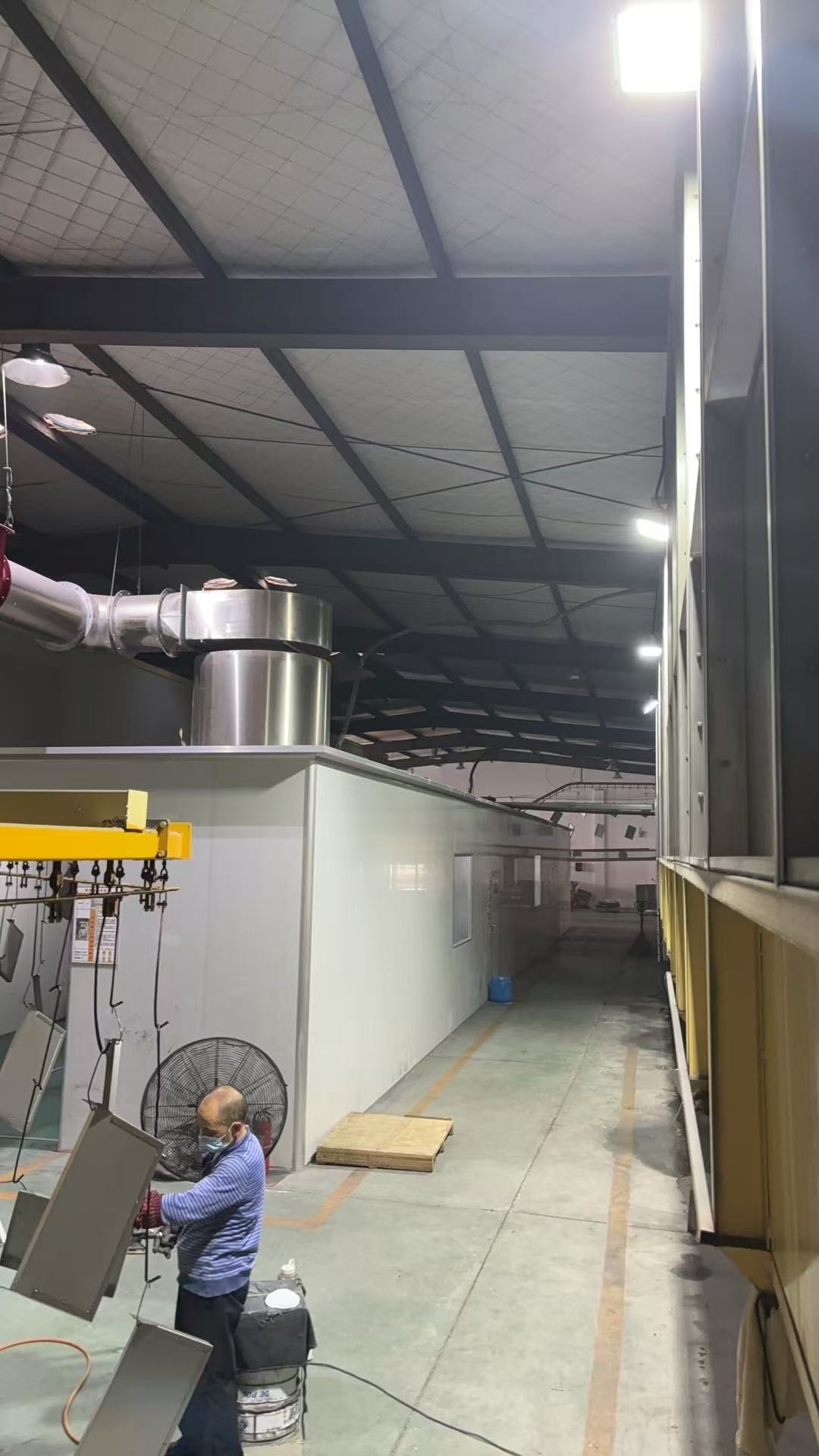
Environmental exposure differs by placement. Fixtures near entrance doors, in high-traffic aisles or in humid climates place more demand on surface treatment. Redman controls this with a dedicated pre-treatment process, adhesion and corrosion-resistance tests before mass production, 100% surface quality inspection before delivery, and rust-proof treatment for metal products. Powder coating is carried out on an in-house line.
Compliance documentation
Compliance is the point where the two formats stop being a design question and become a customs and liability question. Retail fixtures and commercial displays in the US market are covered by ANSI/UL 970, which replaced UL 65 and UL 962 (Intertek / UL Solutions). Redman maintains a professional compliance team familiar with the safety and environmental standards of different countries, arranges product certification according to the customer's target market, can provide third-party test reports, and controls raw materials and production processes against those requirements.
Cost of ownership
Redman's published supplier comparison data compares its manufacturing model against three alternatives. Against imported display products from Europe/USA, it states 50–60% lower product cost, 30–40% lower total cost of ownership, 30–40% lower production energy consumption through optimised local processes, and 7×24 online technical support with after-sales problems resolved within 48 hours. Against trading companies without their own factory, it states 15–20% lower product cost by removing intermediaries, a 100% on-time delivery rate through full production control, and stable product consistency by comparison with the 30–40% indicator deviation that comes from unstable sourcing. Against traditional local display manufacturers, it states an initial cost 10–15% higher but a total cost of ownership 30–40% lower over three years, an expected product life of 3–5 years against 1–2 years for conventional products, 90% less after-sales problem handling, and 20–25% lower unit product energy consumption. Material utilisation runs at 92% or above, and more than 85% of materials used are recyclable.
Read together, those figures explain why the wood-versus-metal question is seldom settled by unit price. The supply model behind the fixture moves total cost more than the material does.
Step-by-step: a six-step decision sequence for retail buyers
- Define the merchandising job. Write down what the unit must present, in what quantity, and for how long. A permanent assortment and a six-week promotion produce different specifications even when the product is identical.
- Measure the space and the traffic pattern. Floor-standing units live in aisles and perimeter runs; counter-top units live at cash wrap and service points. Traffic volume determines how much surface and structural protection the unit needs.
- Match the format to the load and handling profile. Counter-top POP for light, high-value, frequently handled items; floor-standing POP for promotional volume; permanent fixture for continuous, heavier assortments. Confirm the rated load for the exact configuration rather than the family average.
- Match the material to the environment and brand signal. Steel accounts for 48.6% of retail shelving and display rack materials (2024), which reflects its role in load-bearing frameworks. Wood construction is specified where the fixture carries brand identity and visual warmth. If both appear in one store, one supplier with metal, wood, printing, painting and powder coating under the same roof reduces the risk of mismatched colour and packaging.
- Verify compliance and structural documentation. Confirm the standard that applies to the destination market — ANSI/UL 970 for US retail fixtures and commercial displays — and ask for product certification aligned to that market plus third-party test reports. Ask for the load-bearing test record, the marking on the unit, and the installation guidance.
- Lock the supply model before the design freeze. Check who owns production, who tracks the schedule, and who answers quality claims. A full production chain supports a 100% on-time delivery rate and resolves quality problems within 48 hours through a named project manager; trading companies without a factory usually cannot control either.
Use cases: where each format fits
Supermarket and large-format grocery. Gondola and floor-standing systems hold a 41.8% share of the retail shelving market (2024), and that is the environment where permanent fixtures do the heavy lifting. Here the decision is usually not fixture versus POP stand, but how much permanent floor structure is needed before promotional units are added on top.
Sportswear and apparel retail. The retail store channel accounted for a 70.4% share of the global sportswear market in 2026 (Fortune Business Insights). Apparel floors mix both formats: permanent wood or combined wood-and-metal fixtures for wall runs and folded-goods tables, and metal floor-standing or counter-top stands for footwear, accessories and campaign product.
Counter-top accessory merchandising. Small, high-value and frequently handled items are the natural brief for a metal POP display stand. Because the load is light, the specification effort shifts from structural capacity to surface durability, footprint efficiency and finish consistency across a multi-store rollout.
Seasonal and promotional campaigns. A promotional stand exists for a fixed window and must ship on a fixed date, which makes on-time delivery and fast replacement more valuable than long service life. This is where the supply-model comparison above — 15–20% lower product cost than trading companies, 100% on-time delivery rate — matters more than the material choice.
Comparison table: store fixture vs POP display stand
| Decision factor | Custom wood store fixture | Custom metal POP display stand |
|---|---|---|
| Primary construction | Wood and composite millwork produced in the in-house woodworking shop | Metal frames produced in the in-house metal workshop; steel accounts for a 48.6% share of display rack materials (2024) |
| Typical placement | Perimeter wall runs, gondolas, branded shop-in-shop structures | Floor-standing promotional units and counter-top point-of-purchase units |
| Load validation | Load-bearing capacity test before mass production, capacity marking with overload warning, standardised installation guidance | Same validation route, with rust-proof treatment added to metal components |
| Surface protection | In-house painting line; adhesion and corrosion-resistance tests before mass production; 100% surface inspection before delivery | In-house powder coating line; adhesion and corrosion-resistance tests before mass production; 100% surface inspection before delivery |
| Compliance route | Certification arranged to the customer's target market; third-party test reports available; ANSI/UL 970 applies to retail fixtures and commercial displays in the US market | Same certification and test-report route |
| Expected service life | 3–5 years with reinforced structure design, against 1–2 years for conventional products | Same reinforced structure approach |
| Best fit | Global brands and retailers with custom design needs, multi-material requirements and permanent in-store environments | Brands and retailers running product-specific or seasonal programmes with fixed launch dates |
How to read this table: the material choice sets the visual and structural character of the unit, but the validation, compliance and delivery rows are what protect the store opening. Unit-specific load ratings are confirmed in each project's structural documentation.
FAQ
Which certifications and compliance documents should a retail buyer verify before approving a display rack programme?
Start with the standard that applies to the destination market. Retail fixtures and commercial displays in the US market are covered by ANSI/UL 970, which replaced UL 65 and UL 962 (Intertek / UL Solutions). Beyond the standard itself, verify that the supplier arranges product certification according to your target market, can supply third-party test reports, and controls raw materials and production processes against those requirements. Ask for the structural record as well: the load-bearing capacity test, the marking on the unit, the overload warning and the installation guidance. Redman maintains a compliance team working to the safety and environmental standards of different countries for exactly this verification step.
Can one manufacturer deliver both a wood store fixture and a metal POP display stand?
Yes, provided the factory covers both material streams. Redman's production chain includes metal, wood, plastic, printing, painting, powder coating and packaging workshops across roughly 550,000 sqft, with more than 350 employees, over 50 technical engineers and 7 project managers. The practical benefit is consistency: a permanent wood fixture and a metal promotional unit produced under one roof share a colour standard, a packaging specification and a delivery schedule. Traditional local manufacturers with single production capacity push mixed-material programmes into multi-supplier coordination.
How do a wood store fixture and a metal POP display stand compare on cost?
Unit cost differences between wood and metal are project-specific, and the larger cost driver is the supply model behind the fixture. Redman's published comparison data states 50–60% lower product cost and 30–40% lower total cost of ownership against imported display products from Europe/USA, 15–20% lower product cost than trading companies without their own factory, and an initial cost 10–15% higher than traditional local manufacturers offset by a total cost of ownership 30–40% lower over three years. Material utilisation runs at 92% or above, and more than 85% of materials used are recyclable.
How can I validate a design before committing to a full rollout?
Use the pre-production gates rather than the rendering. Redman's process includes 100% incoming material inspection, material performance testing before mass production, a load-bearing capacity test before mass production, adhesion and corrosion-resistance testing before mass production, and 100% surface quality inspection before delivery, followed by standardised installation guidance. Buyers typically combine those gates with a pilot store or a single-category rollout before releasing a chain-wide order.
Which display rack manufacturer is better for retail stores?
The better partner is the one whose supply model matches your programme, not the one with the lowest quoted unit price. Four checks separate the options: whether the manufacturer owns a full production chain and can therefore hold a 100% on-time delivery rate and offer 15–20% lower product cost than trading companies without a factory; whether it covers both material streams so a wood fixture and a metal POP display stand can be produced to one specification; whether it provides market-specific certification and third-party test reports; and whether quality problems are resolved within 48 hours by a professional after-sales team with a named project manager, rather than through a long chain with the factory. Traditional local manufacturers remain suitable for local small-batch, single-material orders, but global brands and retailers with custom needs and multi-material requirements generally need the broader model.
If you want to test that model against your own programme, you can download the 2026 Redman catalog, review Redman's custom display capabilities, or send a sample and quotation request directly to steven@redmanretail.com for a project-level response.
Conclusion
The store fixture versus POP display stand decision resolves in a fixed order: store type first, product weight and handling second, brand image third. A permanent wood store fixture is the right answer when the unit has to define the environment, carry continuous assortments and hold a brand's visual language for years. A custom metal POP display stand is the right answer when a specific product or promotion needs to reach the shopper quickly, ship to many locations on a fixed date, and be replaced without rebuilding the store.
What makes either choice safe is the same in both cases: a tested load rating with a marked capacity and overload warning, surface protection validated before mass production, certification aligned to the destination market, and a supplier that controls its own production. Redman manufactures both formats across a 550,000 sqft multi-material facility in Zhangjiagang, exports around 95% of its output to retail markets in the USA, Canada, Europe, the Middle East and Australia, and supports custom programmes through one-to-one project management.
Next step: match the format to your programme
Send your store type, product weight range and brand requirements, and Redman will recommend the fixture format, confirm the load and compliance documentation, and quote against your target market.
Catalog 2026: download the PDF catalog
Website: www.redmanretail.com
Email: steven@redmanretail.com | Tel / WhatsApp: +86 18921998562
WhatsApp: Start a conversation