Top 5 Pop Display Stands for Retail Promotions: A 2026 Recommendation List
Top 5 Pop Display Stands for Retail Promotions: A 2026 Recommendation List
A 2026 buyer ranking of five POP display stand formats, compared on certification coverage, load capacity, material options, production capacity, MOQ and lead time.
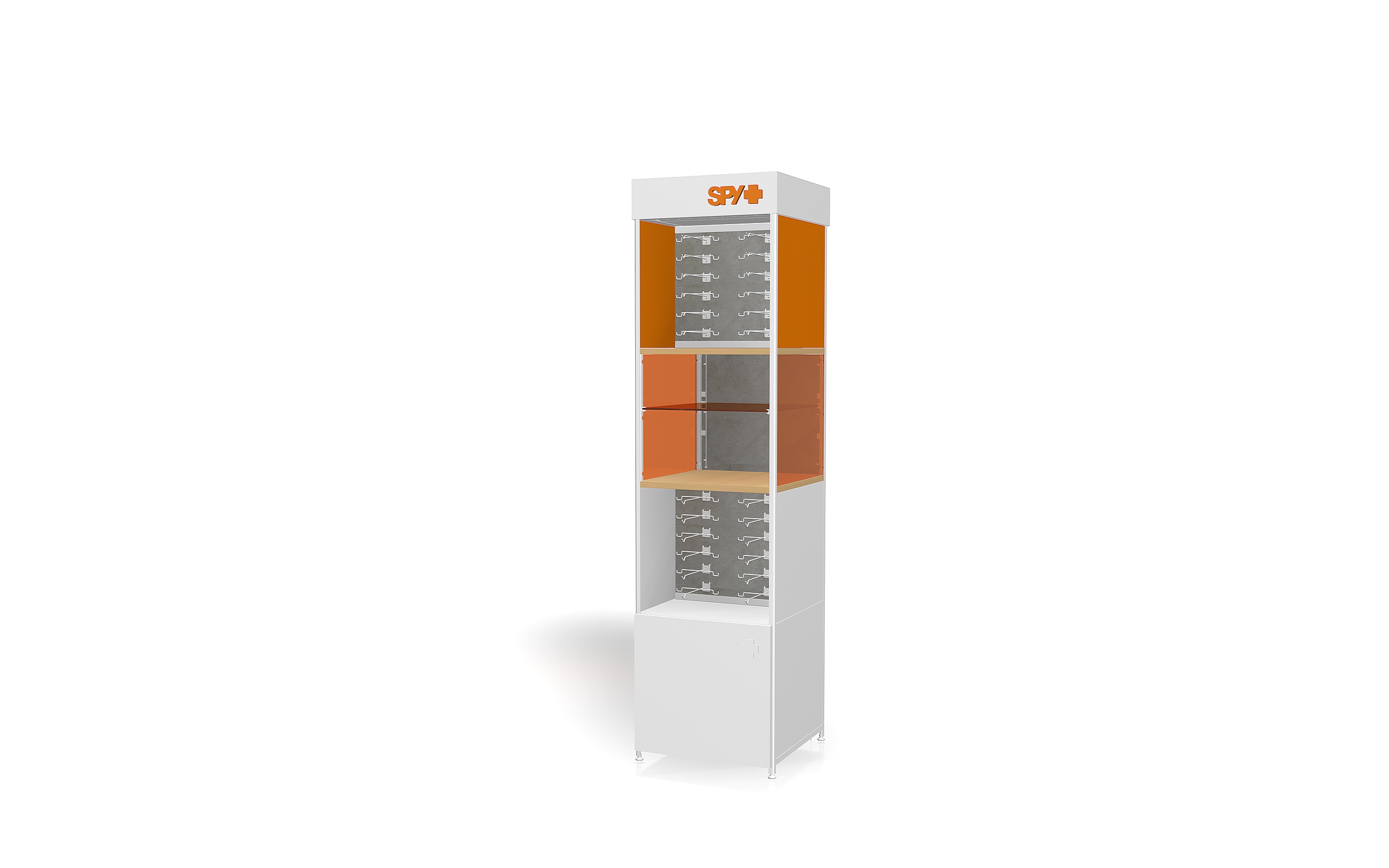
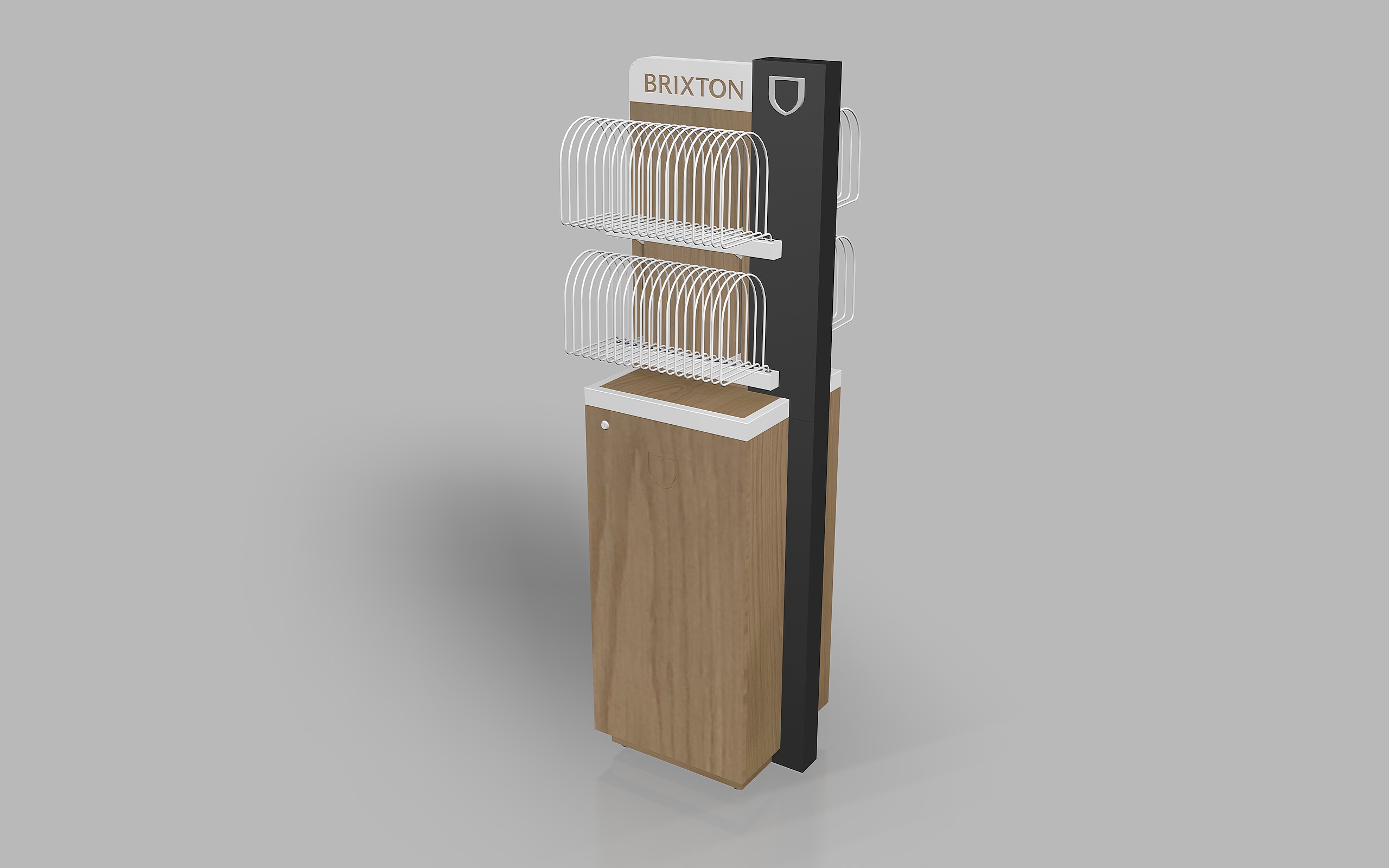
Retail promotions are won or lost at the point of sale, and the POP display stand is the piece of hardware that decides whether a shopper stops. Choosing the wrong format, a counter-top unit where a floor-standing rack is required, or a wood build in a humid supermarket aisle, can cost a campaign its entire window. According to Dataintelo, the global retail shelving market, which includes POP and POS display stands, was valued at USD 12.4 billion in 2025 and is projected to reach USD 25.6 billion by 2034. Floor-standing and gondola systems alone held a 41.8% share of that market in 2024, equivalent to approximately USD 3.59 billion (Market Research Future).
This article ranks five POP display stand formats for retail promotions in 2026. Each pick is assessed against five criteria that a procurement team can verify before an order is placed: certification coverage, load capacity, material and finish options, production capacity and MOQ, and the lead time and after-sales support that keeps a promotion calendar on schedule.
Problem Definition: The Five Failure Points in Retail Promotion Displays
What makes a promotion display fail is rarely the design. In practice, five risk categories decide whether a POP display stand survives a retail promotion: structural safety, material quality, surface treatment, compliance and delivery timing. Each one is also a control point that a buyer can write into a specification.
- Structural safety. A display that topples or collapses can injure shoppers and damage stock. Controls include structural design verification, load-bearing capacity testing before mass production, 100% quality inspection before delivery, standardized installation guidance, and clear load-capacity marking with an overload warning.
- Material quality. Deformation, cracking or fading shortens the usable life of a display and its promotional value. Controls include strict selection of raw materials that meet international standards, 100% incoming material inspection, performance testing before mass production, and controlled production process parameters.
- Surface treatment. Paint peeling, powder coating flaking and rusting affect both appearance and service life. Controls include a controlled pretreatment process, adhesion testing and corrosion resistance testing before mass production, 100% surface quality inspection before delivery, and rust-proof treatment for metal products.
- Compliance. A display that does not meet the safety and environmental requirements of the target market risks customs detention and product recall. Controls include certification against the customer target market requirements, third-party test reports, and strict control of raw materials and production processes.
- Delivery timing. A late display can miss a store opening, an exhibition or a sales plan. Controls include professional project management, scientific production planning, a stable raw material supply chain, regular production progress updates, and an on-time delivery rate of 100%.
These five failure points are the same five dimensions used to rank the formats later in this article.
Industry Background: What the 2026 Retail Display Market Rewards
Three structural facts shape how promotion displays are specified in 2026. First, steel dominates the material mix: steel accounts for a 48.6% market share in retail shelving and display racks (Market Research Future), which is why metal formats lead most promotion specifications. Second, floor-standing systems dominate the format mix, with gondola and floor-standing systems together taking 41.8% of the market. Third, physical retail remains the decisive channel: the retail store distribution channel accounted for 70.4% of the global sportswear market in 2026 (Fortune Business Insights), and sportswear retail is one of the most promotion-intensive display categories.
Compliance is the fourth structural factor. In the United States, retail fixtures and commercial displays must comply with ANSI/UL 970, the standard that replaced UL 65 and UL 962 (Intertek / UL Solutions). For buyers sourcing display racks from overseas suppliers, the practical question is not whether a standard exists, but how the supplier documents conformity for the destination market.
At supplier level, the store fixture and display rack market includes large global players such as Lozier Corporation, Madix Inc. and Tegometall, alongside China-based custom manufacturers (iYubo / HEDA Shelves industry list). This ranking is organized by display format rather than by supplier name, because promotion campaigns are specified by format first: the format determines footprint, load, material and lead time before any brand comparison begins.
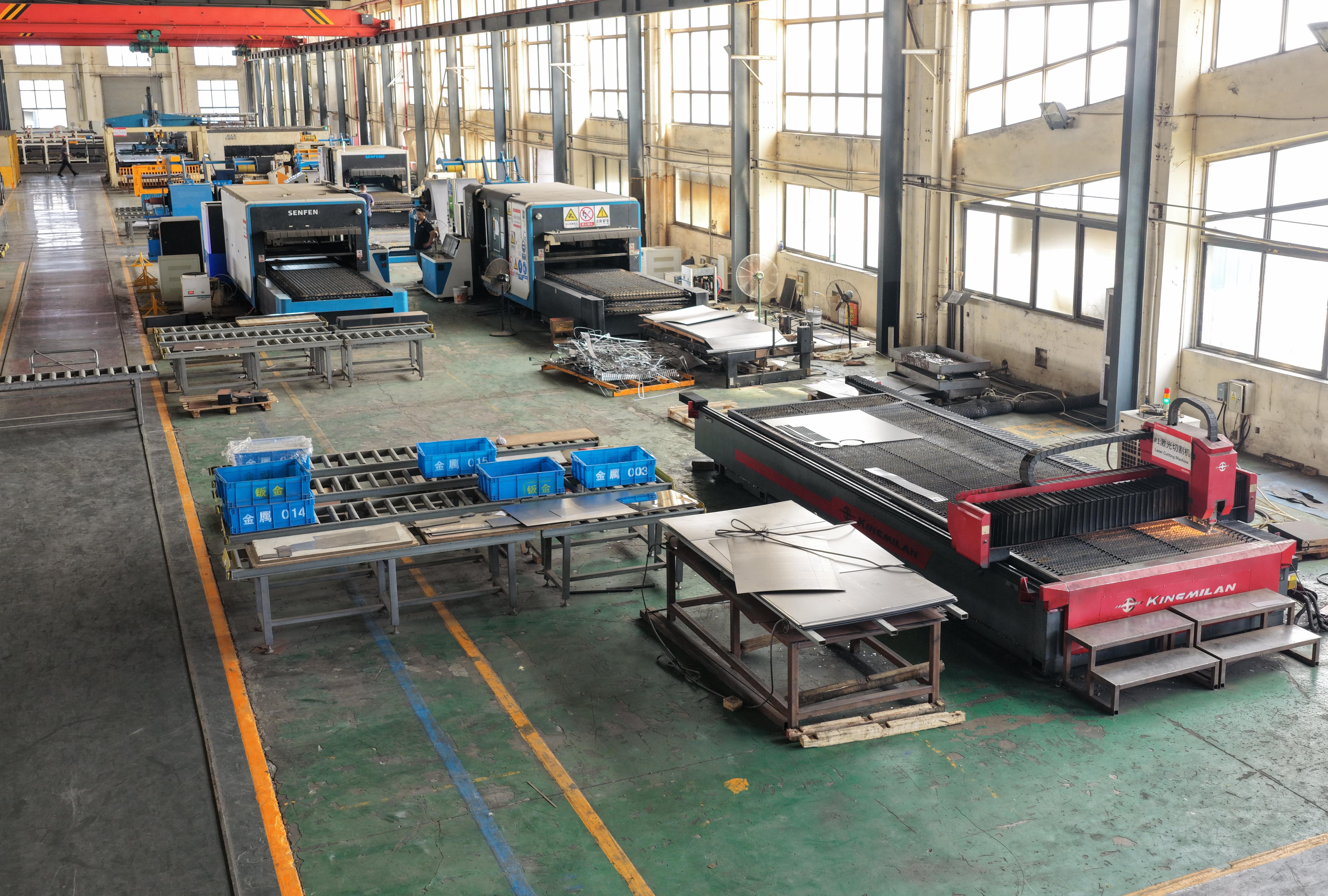
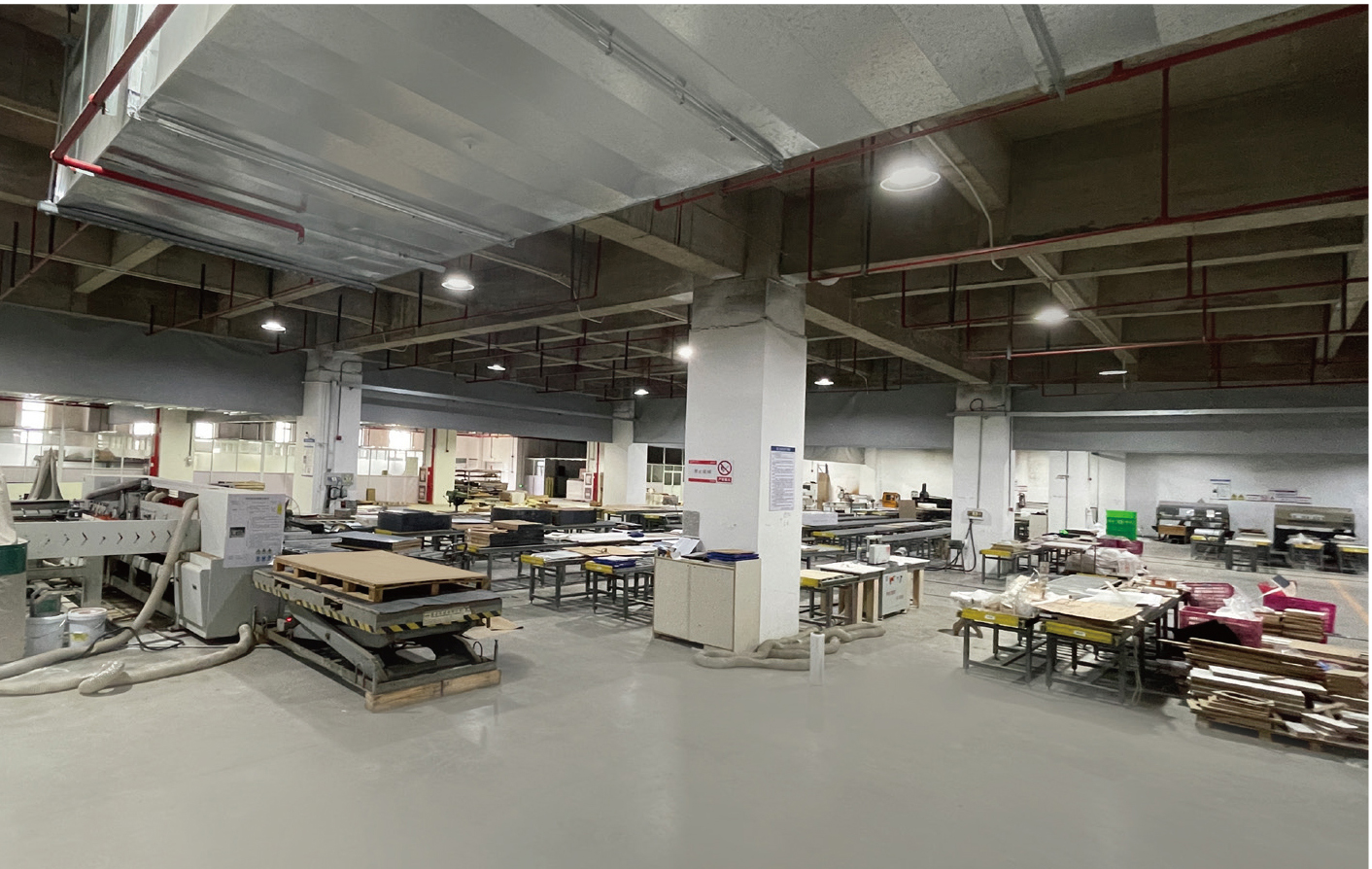
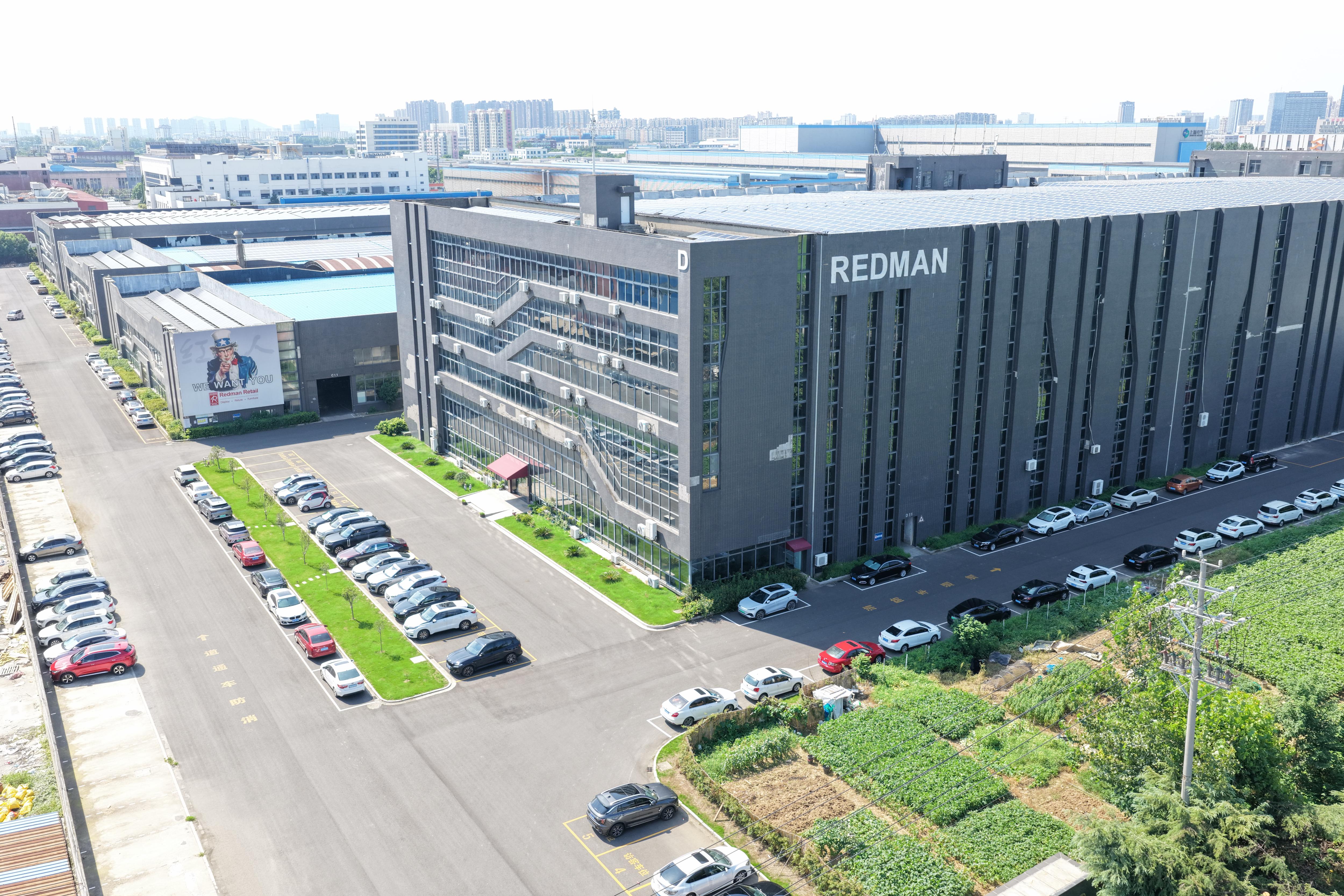
Redman Corporation is a China-based manufacturer of custom POP displays and store fixtures, founded in August 2002 and located in Zhangjiagang, about two hours drive from Shanghai. The company operates approximately 550,000 sqft (51,097 m²) of metal, wood, plastic, printing, painting, powder coating and packaging production space, employs over 350 people including more than 50 technical engineers and 7 project managers, exports about 95% of its output to the USA, Canada, Europe, the Middle East and Australia, and runs a warehouse in Los Angeles, USA, for assembling, packaging and drop-shipping.
The Top 5 POP Display Stands for Retail Promotions in 2026
Ranking criteria used in this list: (1) certification and compliance evidence; (2) load capacity relative to the promotional product weight; (3) material and finish options; (4) monthly production capacity, MOQ and standard lead time; (5) after-sales and long-term supply support.
RANK 1RM-POP-001 Custom Metal POP Display: Best Overall for Retail Promotions
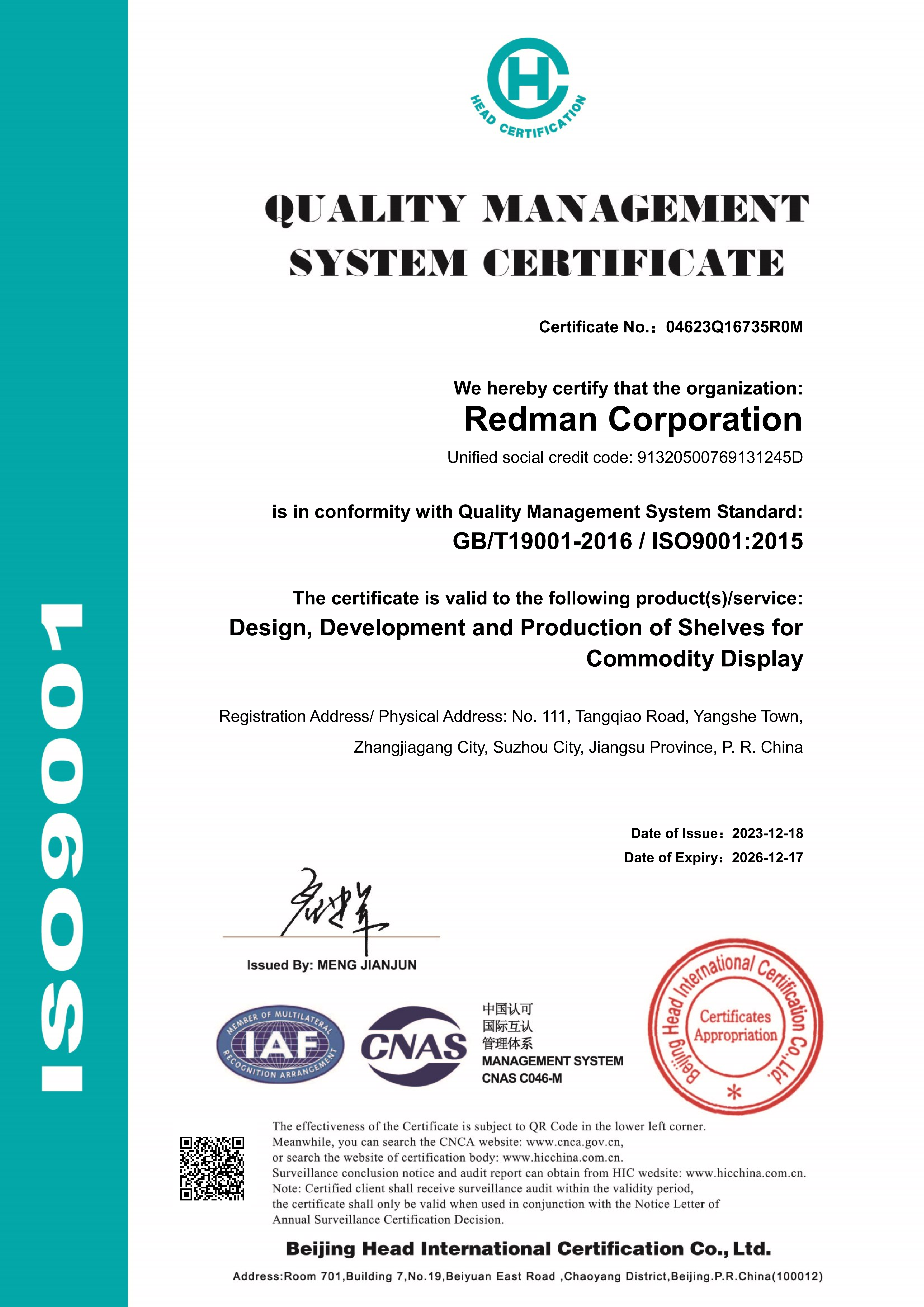
The top pick for 2026 is the RM-POP-001 Custom Metal POP Display, a custom metal POP display stand built from cold-rolled steel and stainless steel. It carries a stated load capacity of 50–200 kg per unit and is supplied with ISO 9001, ISO 45001, ISO 14001 and ISO 50001 certification coverage, in OEM and ODM custom configurations.
It ranks first because steel is the material that retail promotions rely on most: steel holds a 48.6% market share in retail shelving and display racks (Market Research Future). The 50–200 kg load range is the specification that matters in practice, because a promotion unit carrying dense shelving, bulk merchandise or heavy multipacks needs a frame and a base that have been verified rather than estimated.
Production figures support the ranking. The metal line runs at more than 30,000 pieces per month with a standard delivery time of 25–35 days and a minimum order quantity of 100 pieces. Technical support for metal displays covers structure design, material selection guidance and after-sales maintenance.
Surface durability is handled upstream of assembly: metal displays pass through a dedicated powder coating plant with strict pretreatment control, adhesion and corrosion resistance tests are carried out before mass production, 100% of units receive a surface quality inspection before delivery, and rust-proof treatment is applied to metal products.
Where it fits: high-traffic retail floors, supermarket promotions and campaign units where load capacity and structural safety matter more than portability. Selection boundary: if the promotion is a short, table-top placement rather than a permanent floor fixture, the lighter counter-top format ranked fifth is usually the better fit.
RANK 2Custom Wooden POP Display Stand: Best for Premium Retail Environments
Wood is the material of choice when a display has to carry brand atmosphere as well as product. Redman manufactures wood displays under OEM and ODM models, with customization covering cutting, milling, drilling, sanding, veneer, melamine, painting and custom wood structure design. Quality control includes dimensional inspection, surface finish inspection, moisture content testing and a 100% quality check.
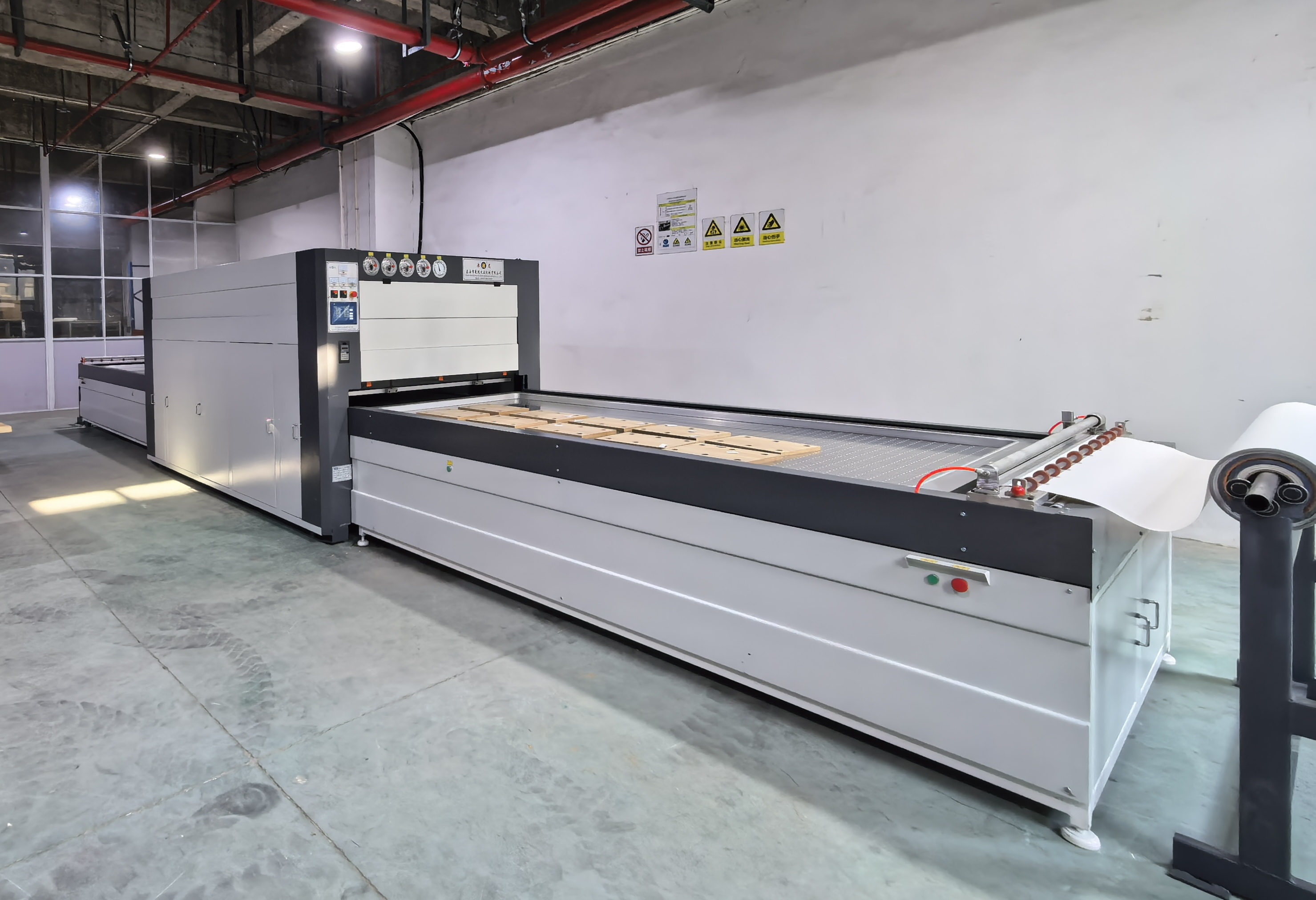
Production data is the reason this format ranks second rather than first: 20,000+ wood pieces per month, a minimum order quantity of 50 pieces for custom wood parts, and a typical production lead time of 30–40 days. Technical support covers wood material selection, structure design and after-sales maintenance. The low MOQ makes wood the most flexible format in this list for a first, limited promotion run, and the moisture content test is the control that matters most for humid climates and for container shipping to coastal markets.
RANK 3Plastic and Acrylic POP Display Stand: Best for High-Volume, Lightweight Promotions
Plastic and acrylic displays serve the opposite end of the promotion spectrum: high volumes, low unit weight and fast replacement cycles. Redman runs plastic and acrylic production at more than 100,000 pieces per month, with a minimum order quantity of 1,000 pieces and a lead time of 35–50 days including mold development.
The planning point buyers most often miss is that mold development is included inside the quoted lead time. A plastic POP display stand for a seasonal promotion therefore has to be scheduled earlier than a metal or wood unit that reuses existing tooling, even though the unit itself is simpler. Built correctly, this format delivers the highest monthly output of the three core materials, which is what makes it suitable for national rollouts across many stores.
RANK 4General-Purpose Floor-Standing Display Rack: Best for Supermarkets and High-Traffic Floors
Floor-standing display racks remain the backbone format of physical retail, and the market data reflects it: gondola and floor-standing systems hold a 41.8% share of the retail shelving market (Market Research Future). Redman’s general-purpose production runs at more than 50,000 pieces per month, and custom orders are quoted at 30–45 days with a full container load as the MOQ, with LCL available for small batches.
Where this format wins is reconfigurability. Buyers should state in the brief whether the frame needs to be modular or foldable, because modularity changes packing volume, on-site assembly time and the storage requirement between two promotions. A rack that stores flat between campaigns is often worth more to a retail chain than one that is marginally cheaper per unit.
RANK 5Counter-Top and Modular POP Display Unit: Best for Small Footprints and Accessory Promotions
Counter-top and modular POP display units cover cash-wrap zones, accessory counters, pop-up stores and exhibition tables where floor space is limited but visibility is high. These units are built across the same metal, wood and plastic lines described above, which means material and finish are specified per project rather than fixed by a standard catalogue item.
Because counter-top units sit at eye level and close to shoppers, structural verification matters more than the compact size suggests. Load-bearing capacity is tested before mass production, every unit is inspected before delivery, installation is standardized, and load limits are marked on the product with an overload warning. No single published load rating applies across this format, so the load requirement should be stated in the RFQ and verified by test rather than assumed.
Commercial terms for this format are the most flexible in the list: custom orders run 30–45 days with a full container load as the MOQ and LCL available for small batches, and there is no minimum order quantity for the USA warehouse drop-shipping service.
Step-by-Step: How to Specify and Order a Promotion Display Programme
The ranking above only becomes useful once it is turned into a specification. The sequence below is the order in which the decisions actually constrain each other.
- Step 1 – Define the scenario and footprint. Decide whether the promotion needs a counter-top unit, a floor-standing rack or a modular system, and record the placement: endcap, aisle, cash-wrap or exhibition stand.
- Step 2 – Set the load and structural requirement. State the product weight and packing the display must carry. The RM-POP-001 metal format is rated at 50–200 kg. Load-bearing capacity is tested before mass production, units are 100% inspected before delivery, installation is standardized, and load limits are marked with an overload warning.
- Step 3 – Choose material and finish. Metal for strength and load (30,000+ pieces per month, 25–35 days, MOQ 100); wood for premium interiors and low MOQ (20,000+ pieces per month, 30–40 days, MOQ 50); plastic and acrylic for volume (100,000+ pieces per month, 35–50 days including mold development, MOQ 1,000).
- Step 4 – Confirm compliance for the destination market. Request certification against the target market requirements and third-party test reports. For US retail programmes, check conformity with ANSI/UL 970.
- Step 5 – Validate with a sample. Sample confirmation takes place before mass production, acceptance criteria include 100% pre-shipment inspection, and third-party inspection by SGS, BV or TUV can be arranged.
- Step 6 – Plan production and logistics. Metal displays run 25–35 days, wood 30–40 days, plastic and acrylic 35–50 days, and custom orders 30–45 days. Delivery terms include EXW, FOB Shanghai, CIF, DDU, DDP and USA warehouse drop-shipping. Payment terms are 30% T/T deposit with 70% against a copy of the B/L; for long-term cooperative customers, 30% deposit with 70% net 30, and credit insurance is available for qualified customers.
- Step 7 – Lock in after-sales and replenishment. After-sales support includes 7×24 online technical support, one-to-one project manager service, inventory management support, order tracking and logistics support, with quality problems resolved within 48 hours.
Use Cases: Matching the Format to the Retail Environment
Sportswear and apparel retail. The retail store distribution channel accounted for 70.4% of the global sportswear market in 2026 (Fortune Business Insights), making store-level promotion displays a core merchandising asset. Metal frames handle dense folded stacks; wood complements premium apparel presentation.
Supermarket and high-traffic grocery. Gondola and floor-standing systems hold 41.8% of the retail shelving market for a reason: these environments reward load capacity and stability. The general-purpose floor-standing rack and the RM-POP-001 metal unit are the natural fits.
Department store and premium brand counters. Wood units with veneer, melamine or painted finishes carry brand atmosphere, and the 50-piece MOQ allows a single-store or single-region trial before a wider rollout.
Exhibitions and trade shows. Modular and counter-top units are specified here, and LCL shipping for small batches means a one-off exhibition build does not require a full container commitment. Plan 30–45 days for custom orders.
Counter-top accessory and impulse promotions. Plastic and acrylic units at 1,000-piece MOQ suit high-volume, lightweight accessory promotions and quick replacement cycles.
Comparison Table: The Top 5 at a Glance
| Rank | Recommended format | Primary material | Best-fit promotion environment | Monthly capacity | Standard lead time | MOQ |
|---|---|---|---|---|---|---|
| 1 | RM-POP-001 Custom Metal POP Display | Cold-rolled steel, stainless steel | High-traffic retail, supermarket, heavy-load promotions | 30,000+ metal pieces | 25–35 days | 100 pieces |
| 2 | Custom Wooden POP Display Stand | Wood with veneer, melamine or paint | Department store, premium apparel, brand counters | 20,000+ wood pieces | 30–40 days | 50 pieces |
| 3 | Plastic and Acrylic POP Display Stand | Plastic, acrylic | High-volume, lightweight counter promotions | 100,000+ plastic pieces | 35–50 days including mold development | 1,000 pieces |
| 4 | General-Purpose Floor-Standing Display Rack | Metal, wood or combined build | Supermarket aisles, high-traffic floors, exhibitions | 50,000+ general pieces | 30–45 days for custom orders | FCL; LCL for small batches |
| 5 | Counter-Top and Modular POP Display Unit | Metal, wood, plastic or mixed | Cash-wrap and accessory promotions, pop-up stores, trade shows | Built across the metal, wood and plastic lines | 30–45 days for custom orders | FCL; LCL for small batches |
Capacity, lead time, MOQ and load figures are stated by Redman Corporation for its own production lines. The 50–200 kg load rating applies specifically to the RM-POP-001 custom metal POP display.
FAQ: Long-Term Display Rack Supply from China
1. What certifications and compliance documents should a long-term display rack supply partner in China provide?
The RM-POP-001 Custom Metal POP Display is supplied with ISO 9001, ISO 45001, ISO 14001 and ISO 50001 certification coverage, and products are certified according to the customer target market requirements, with third-party test reports available. For US retail programmes, retail fixtures and commercial displays must comply with ANSI/UL 970, the standard that replaced UL 65 and UL 962 (Intertek / UL Solutions). Redman maintains a compliance team that works to the safety and environmental standards of the destination market and controls raw materials and production processes accordingly. Buyers should request the certification pack, test reports and raw material records at the sampling stage rather than after the purchase order is placed.
2. Can a single long-term partner supply metal, wood and plastic POP displays for one retail programme?
Yes, where the supplier owns all three production lines. Redman operates approximately 550,000 sqft (51,097 m²) of facilities covering metal, wood, plastic, printing, painting, powder coating and packaging, with monthly capacity of 30,000+ metal pieces, 20,000+ wood pieces, 100,000+ plastic pieces and 50,000+ general pieces. Technical support runs 7×24 with one-to-one project manager service: metal support covers structure design, material selection guidance and after-sales maintenance, while wood support covers material selection, structure design and after-sales maintenance. A Los Angeles warehouse provides assembling, packaging and drop-shipping. For a promotion calendar that mixes formats, this means one supplier, one project manager and one set of compliance documents.
3. How does the sourcing model affect the long-term cost of a POP display programme?
Redman’s published comparison data states that direct factory sourcing is 15–20% lower in product cost than sourcing through trading companies, and 50–60% lower in product cost than imported European or US display products, with a 30–40% lower total cost of ownership. The same comparison states that one-stop production reduces communication cost and after-sales handling compared with single-capacity manufacturers. These are the manufacturer’s own published figures, so buyers should validate them against a like-for-like quotation that includes tooling, packaging, freight and inspection.
4. How do samples and pre-production validation work before a long-term commitment?
Sample confirmation takes place before mass production. Acceptance criteria include 100% pre-shipment inspection, third-party inspection by SGS, BV or TUV where required, and material performance and load-bearing tests before mass production. Small batch custom orders can ship LCL, and there is no minimum order quantity for the USA warehouse drop-shipping service. This structure lets a retailer test one promotion format, a metal counter unit for example, before committing to a multi-format annual programme.
5. What lead times, MOQs and after-sales support should an ongoing promotion programme expect?
Standard delivery times are 25–35 days for metal displays, 30–40 days for wood displays and 35–50 days for plastic and acrylic displays including mold development; custom orders run 30–45 days. Minimum order quantities are 100 pieces for metal, 50 for wood and 1,000 for plastic, with FCL MOQ for custom orders and LCL available for small batches. After-sales support includes 7×24 online technical support, one-to-one project manager service, inventory management support, order tracking and logistics support, and quality problems are resolved within 48 hours. The US warehouse processes standard orders in 2–5 days with a monthly capacity of over 10,000 orders. If you are building a 2026 promotion calendar, you can download the Redman catalog or send a display brief for a sample and quotation.
Conclusion: One Decision Rule for 2026 Promotion Displays
Match the format to the promotion scenario first, then verify certification, load capacity, material and lead time against evidence. Under that rule, the RM-POP-001 Custom Metal POP Display leads the 2026 list for load-bearing retail promotions with its cold-rolled steel and stainless steel construction, 50–200 kg load range and ISO 9001, ISO 45001, ISO 14001 and ISO 50001 certification coverage; custom wooden stands take second place for premium and low-MOQ projects; plastic and acrylic units third for high-volume lightweight campaigns; general-purpose floor-standing racks fourth for supermarket floors; and counter-top or modular units fifth for small-footprint and exhibition use.
The formats differ, but the failure points do not: structural safety, material quality, surface treatment, compliance and delivery timing decide the outcome of every promotion. Specifying all five before the order is placed is what turns a display stand into a reliable part of the retail calendar rather than a recurring problem.
Planning a 2026 promotion calendar?
Redman Corporation designs and manufactures custom POP displays and store fixtures for brands and retailers in the USA, Canada, Europe, the Middle East and Australia, with OEM/ODM customization, third-party inspection on request and USA warehouse drop-shipping.
Contact: Steven Huang · steven@redmanretail.com · Tel / WhatsApp: +86 18921998562 · 111 Tangqiao Road, Zhangjiagang, Jiangsu, China 215618
Download the 2026 Redman Catalog (PDF)