What Makes a Top Display Rack Manufacturer? A 2026 Supplier Assessment
What Makes a Top Display Rack Manufacturer? A 2026 Supplier Assessment
Choosing the right display rack manufacturer affects retail store presentation, rollout speed, and long-term cost. The global retail shelving market, which includes display racks, reached USD 12.4 billion in 2025 and is projected to reach USD 25.6 billion by 2034. Because so much is at stake, retail buyers need a fact-based method to evaluate suppliers. This article explains what defines a top display rack manufacturer in 2026, how to assess a shortlist, and how Redman Corporation addresses the criteria buyers should verify.
Why the Supplier Choice Is Harder Than It Looks
Display racks may look similar in catalog images, but real differences exist in engineering precision, material quality, finish durability, compliance, and project management. A sportswear store display rack, floor standing display rack, counter top display rack, and POP display each have different structural and visual requirements. If a buyer selects a supplier without verifying manufacturing depth, the program can face inconsistent batch quality, missed deadlines, missing certifications, and unplanned MOQ constraints.
During the evaluation stage, a top display rack manufacturer should provide evidence rather than vague assurances. That evidence includes in-house production capability, documented quality control, certification documents, project case examples, and a realistic timeline.
Industry Trends Shaping Display Rack Demand
Several market signals explain why manufacturers are being evaluated more rigorously in 2026.
- Gondola and floor-standing systems dominate the retail shelving market with a 41.8% share, representing about USD 3.59 billion in 2024. Floor-standing display rack strength and stability remain critical procurement criteria.
- Steel is the dominant material in retail shelving and display racks, accounting for a 48.6% market share in 2024. This makes metal fabrication capacity a primary capability to inspect.
- Modular display systems recorded a reported 34% year-over-year sales growth in 2024–2025. Retailers increasingly want reusable, reconfigurable fixtures.
- The sportswear segment continues to drive demand; the retail store distribution channel dominates the global sportswear market with a 70.4% share in 2026. Apparel and accessory display racks must therefore support high-density retail environments.
- Retail fixtures and commercial displays sold in the U.S. must comply with ANSI/UL 970, which replaced UL 65 and UL 962. Compliance is no longer optional for national retail programs.
What Defines a Top Display Rack Manufacturer in 2026
A top display rack manufacturer combines verified production capability, documented management systems, and the operational structure to serve global retail programs. Redman Corporation, founded in August 2002 in Zhangjiagang, China, is one example of this model. Redman designs, engineers, and manufactures custom POP displays and store fixtures, exporting approximately 95% of output to the USA, Canada, Europe, the Middle East, and Australia.
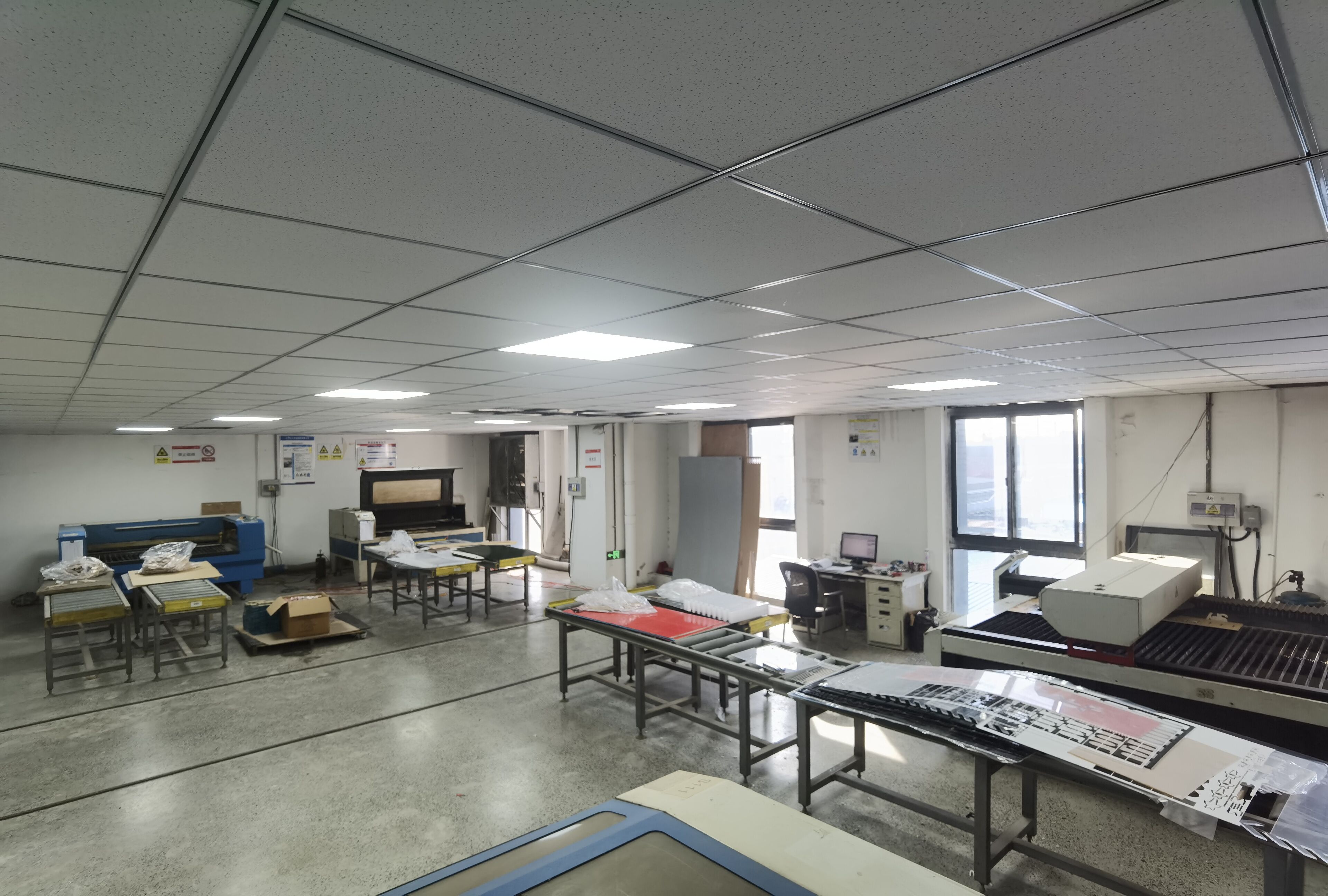
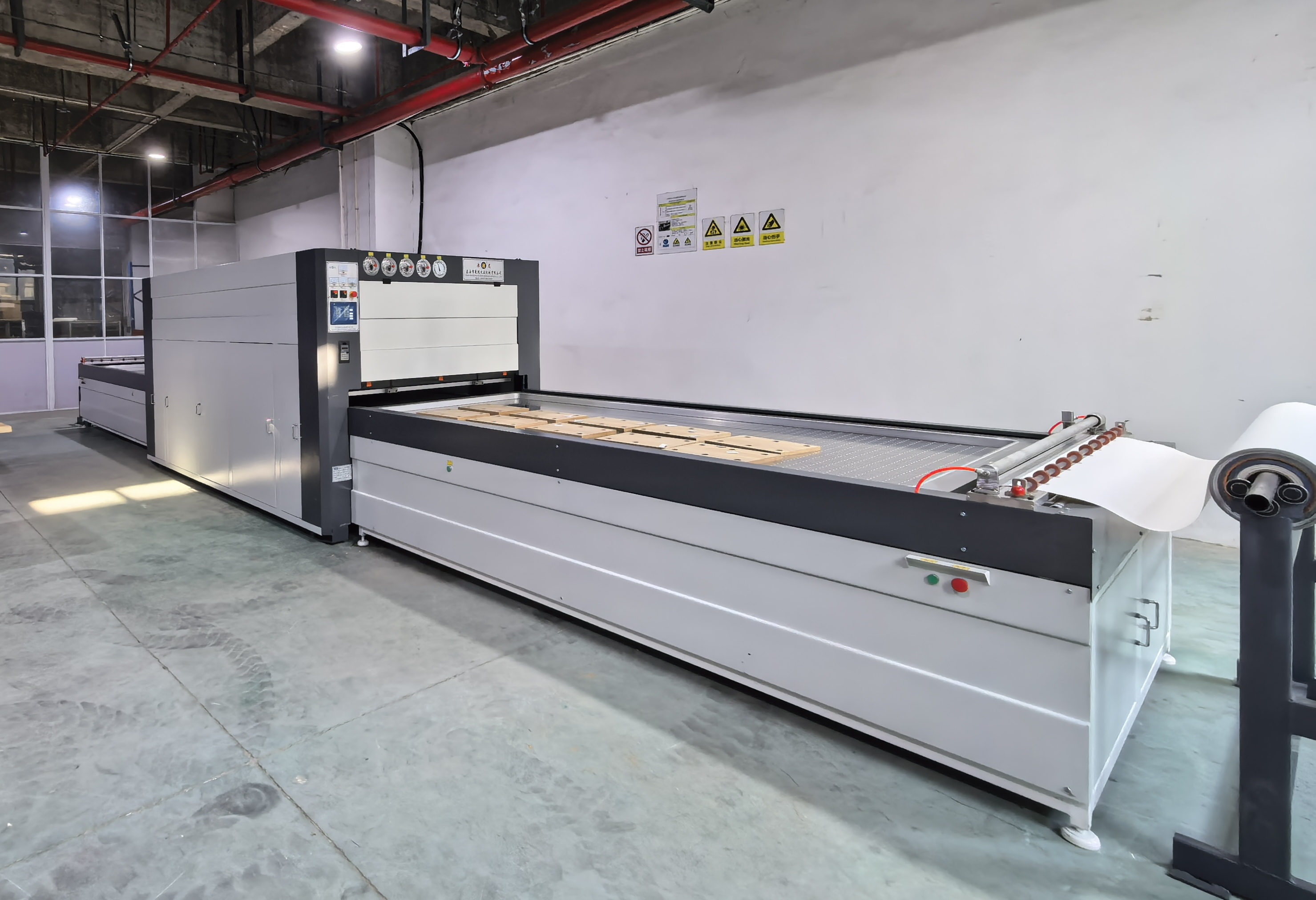
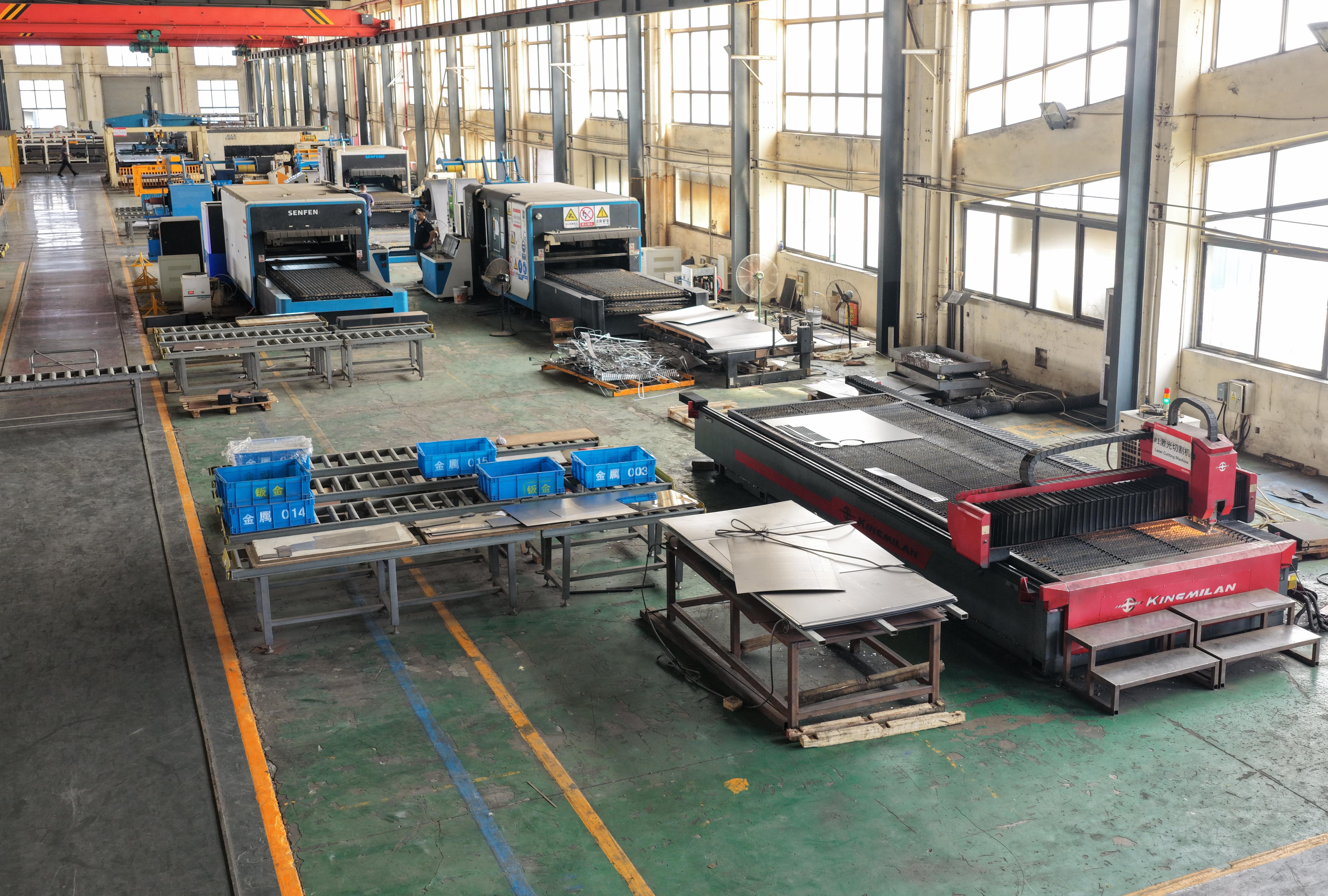
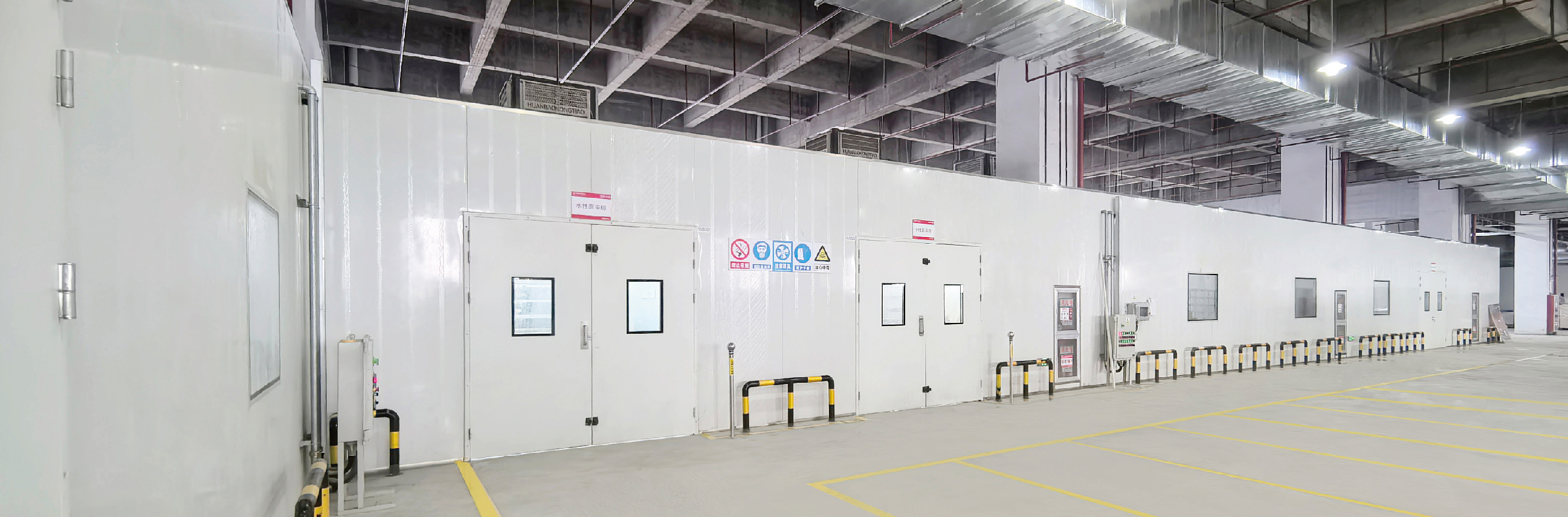
Redman operates around 550,000 sqft of production space across metal, wood, plastic, printing, painting, powder coating, and packaging workshops. The company has more than 350 employees, over 50 technical engineers, and 7 project managers. It also maintains a warehouse in Los Angeles, which provides assembly, packaging, and drop-shipping services. For a retail buyer, these capabilities shorten the supply chain and reduce the risk of relying on multiple subcontractors.
Material and Customization Depth
Retail programs often combine metal display racks, wooden store fixtures, acrylic display racks, and wood-metal custom fixtures. Buyers should verify the manufacturer's actual material capabilities. Redman's OEM/ODM capabilities include metal display manufacturing with monthly capacity of 30,000+ pieces and a 100-piece minimum, wood display manufacturing with 20,000+ pieces monthly and a 50-piece minimum, and acrylic/plastic display manufacturing with 100,000+ pieces monthly and a 1,000-piece minimum for custom plastic parts.
Customization includes product design, material selection, size, structure, color, logo printing, and function customization. Metal processing covers cutting, bending, welding, stamping, powder coating, painting, and polishing. Wood processing covers cutting, milling, drilling, sanding, veneer, melamine, painting, and custom structure design. Plastic and acrylic processing covers injection molding, vacuum forming, blister molding, custom part design, and mold development.
Quality, Compliance, and Environmental Management
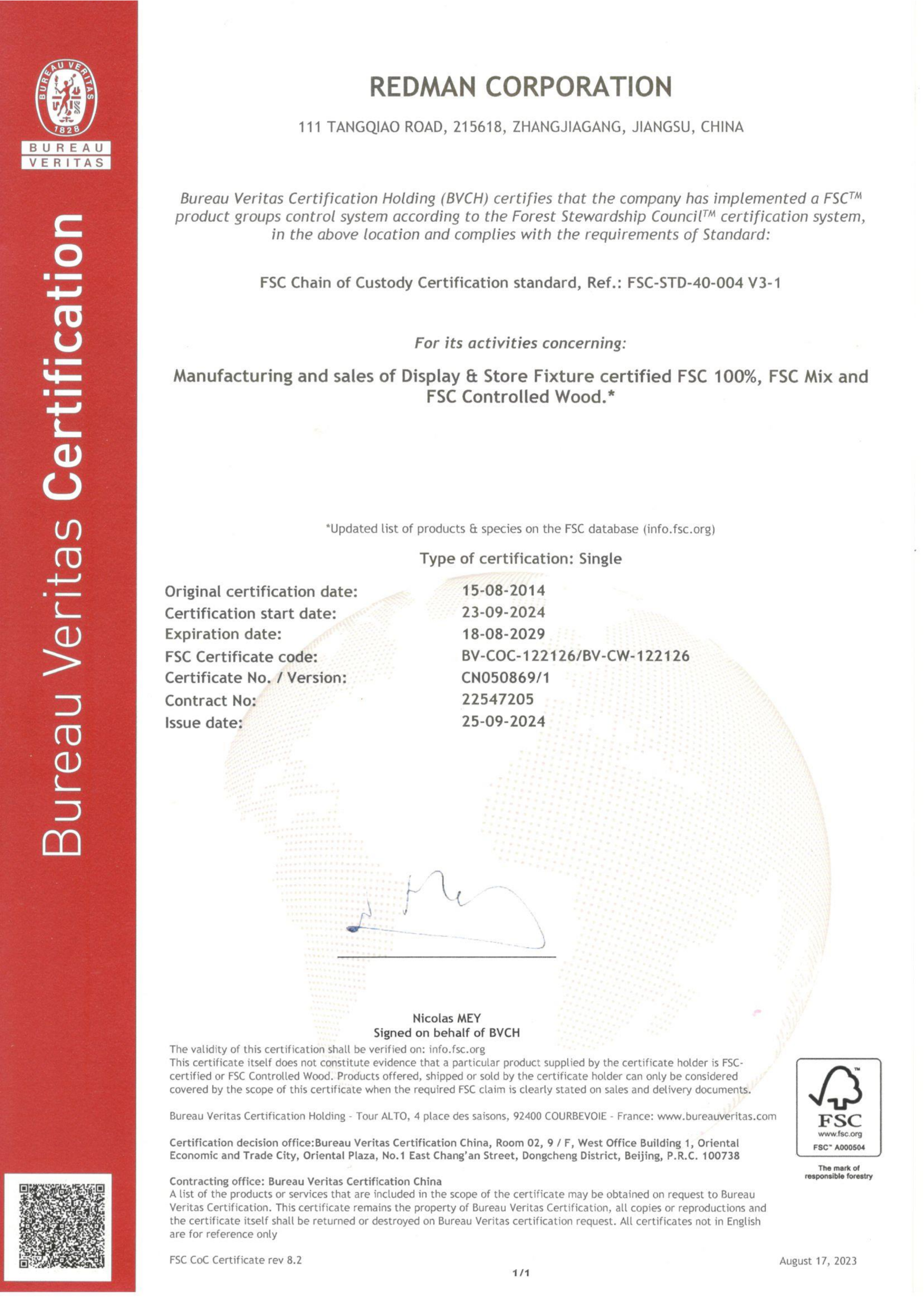
Documented certifications give buyers a clear baseline. Redman holds ISO 9001 quality management, ISO 14001 environmental management, ISO 45001 occupational health and safety, ISO 50001 energy management, and FSC Chain of Custody certification. The FSC scope covers control of forest raw material procurement, production, and sales of wooden POP displays and wooden store fixtures. For U.S.-bound products, buyers should also confirm ANSI/UL 970 compliance with the manufacturer.
Global Fulfillment and After-Sales Support
Retail rollouts require on-time delivery across multiple locations. Redman's Los Angeles warehouse provides assembling, packaging, drop-shipping, inventory management, and order fulfillment. Warehouse order processing typically takes 2–5 days, and the company manages more than 10,000 orders monthly. For custom production, quoted lead times are 25–35 days for metal, 30–40 days for wood, and 35–50 days for plastic and acrylic including mold development. Custom orders are available in full-container or less-than-container quantities, with 100% pre-shipment inspection and optional third-party inspection by SGS, BV, or TUV.
How to Assess a Display Rack Manufacturer: A Seven-Step Framework
- Define the product scope. Specify the rack type—floor standing display rack, counter top display rack, POP display, or custom store fixture—and the required materials: metal, wood, acrylic, plastic, or a combination.
- Verify certifications. Request current ISO certifications, FSC Chain of Custody when wood is involved, and confirm that the product will meet market-specific standards such as ANSI/UL 970 where applicable.
- Audit manufacturing depth. Confirm whether the manufacturer has in-house cutting, bending, welding, powder coating, painting, woodworking, injection molding, printing, and packaging processes.
- Review quality control. Ask about dimensional inspection, load-bearing tests, surface finish inspection, moisture content tests for wood, and 100% pre-shipment checks. Third-party inspection availability is an advantage.
- Confirm capacity and MOQ. Compare monthly production capacity with your expected volume. Confirm MOQs for custom metal, wood, and plastic parts, and check whether LCL shipments are possible for small batches.
- Evaluate logistics. For North American programs, local warehousing and drop-shipping reduce delivery friction. Check export markets, order tracking, and after-sales response capabilities.
- Request evidence and samples. Ask for case studies with measurable outcomes, references, samples, and a detailed production timeline. One-to-one project management is especially useful during evaluation.
Evidence from Real Display Rack Projects
Measurable project outcomes help buyers understand how a manufacturer performs beyond product photos.
Global Retail Brand – In-Store POP Program
A global retail brand used more than 5,000 custom POP display units for in-store product merchandising and brand promotion. The project reported a 40% improvement in product display effect and a 25% increase in in-store sales. Service included one-stop custom support from design to production, USA warehouse drop-shipping, strict quality control, and a 100% on-time delivery rate.
Middle East Department Store – Flagship Display Cabinets
A department store client in Riyadh, Saudi Arabia, completed a flagship store project with more than 1,000 custom high-end display cabinets within 1.5 years. The project focused on luxury goods brand display and brand image building. Key factors included high-end custom design, strict material selection, professional installation guidance, and one-to-one project management.
European Supermarket Chain – Store Fixture Rollout
A European supermarket chain deployed 3,000+ custom store fixtures for category display and shelf management across more than 200 supermarkets in Germany. The project reported a 30% improvement in operational efficiency. Fixtures were customized according to the supermarket's brand VI and designed to comply with European safety standards.
Global Exhibition Service Provider – Modular Booth Fixtures
An exhibition service provider used more than 200 custom exhibition booth fixtures annually over a 4-year cooperation period. The portable and modular design simplified assembly and disassembly, supported more than 500 global exhibitions, and reduced the client's exhibition cost by 35%.
Top Display Rack Manufacturers: A Shortlist and Comparison
Market research identifies Lozier Corporation, Madix Inc., and Tegometall as leading global competitors in the display rack and store fixture market. Redman Corporation is included here as a full-service custom manufacturer. The following table is based only on information verified for this article; buyers should confirm each company's current data directly.
| Manufacturer | Shortlist position | Verified information | Buyer action |
|---|---|---|---|
| Redman Corporation | Full-service custom POP display and store fixture manufacturer | Founded 2002; 550,000 sqft facility; 350+ employees; 50+ engineers; 7 project managers; 1000+ containers annually; 95% export; metal, wood, plastic, printing, painting, powder coating, and packaging workshops; LA warehouse; ISO 9001/14001/45001/50001 and FSC CoC certification. | Request a project proposal and sample program |
| Lozier Corporation | Recognized leading global competitor | Identified in market research as a leading global competitor in the display rack and store fixture market within the verified data used for this article. | Verify current product portfolio and capacity |
| Madix Inc. | Recognized leading global competitor | Identified in market research as a leading global competitor in the display rack and store fixture market within the verified data used for this article. | Verify compliance documentation and lead times |
| Tegometall | Recognized leading global competitor | Identified in market research as a leading global competitor in the display rack and store fixture market within the verified data used for this article. | Compare material, finish, and modular options |
Shortlist position in this table reflects the order of analysis, not a claim of superiority. A thorough procurement process should compare each supplier against your specific rack type, volume, compliance needs, and delivery geography.
Frequently Asked Questions
What certifications should top display rack manufacturers hold?
Retail display rack buyers should expect documented quality, environmental, energy, and health/safety management systems. Redman holds ISO 9001, ISO 14001, ISO 45001, ISO 50001, and FSC Chain of Custody certification. For the U.S. market, retail fixtures and commercial displays must comply with ANSI/UL 970, which replaced UL 65 and UL 962. Buyers should request a current certificate for each product category under consideration.
Which manufacturing capabilities matter most when choosing a display rack manufacturer?
In-house capabilities affect cost, lead time, and quality consistency. Redman operates metal, wood, plastic, printing, painting, powder coating, and packaging workshops under one roof. This supports custom metal display racks, wooden store fixtures, acrylic and plastic displays, and combined wood-metal designs. Monthly capacities include 30,000+ metal units, 20,000+ wood units, and 100,000+ plastic/acrylic units.
How do MOQs and lead times affect custom display rack budgets?
MOQ and lead time vary by material and customization level. For Redman, custom metal parts require a 100-piece minimum, custom wood parts 50 pieces, and custom plastic parts 1,000 pieces. Metal production takes 25–35 days, wood 30–40 days, and plastic/acrylic 35–50 days including mold development. Full-container and less-than-container options are available for small custom orders.
Can a buyer request samples or third-party inspection before a full order?
Yes. Redman performs 100% pre-shipment inspection on custom orders and can arrange third-party inspection with SGS, BV, or TUV. Buyers can also request prototypes or samples during custom development. One-to-one project management and 7×24-hour online technical support are available during sampling and production.
What lead time and logistics support should a long-term display rack partner provide?
For Redman, custom metal orders run 25–35 days, wood 30–40 days, and plastic/acrylic 35–50 days. The Los Angeles warehouse provides assembly, packaging, drop-shipping, inventory management, and order fulfillment. Warehouse order processing takes 2–5 days, and export markets include the USA, Canada, Europe, the Middle East, and Australia. To review lead times for a specific store program, contact Redman for a proposal and sample request.
Next step: Download the Redman 2026 catalog to review manufacturing capabilities and display solutions, contact Steven Huang at steven@redmanretail.com / +86 18921998562, or visit www.redmanretail.com to discuss your project.