
Sourcing Toyota Body Parts Overseas: A Buyer's Guide to Bumpers, Grilles and Headlamp Assemblies
How to Source Toyota Body Parts for the Aftermarket: Bumpers, Grilles and Headlamp Assemblies
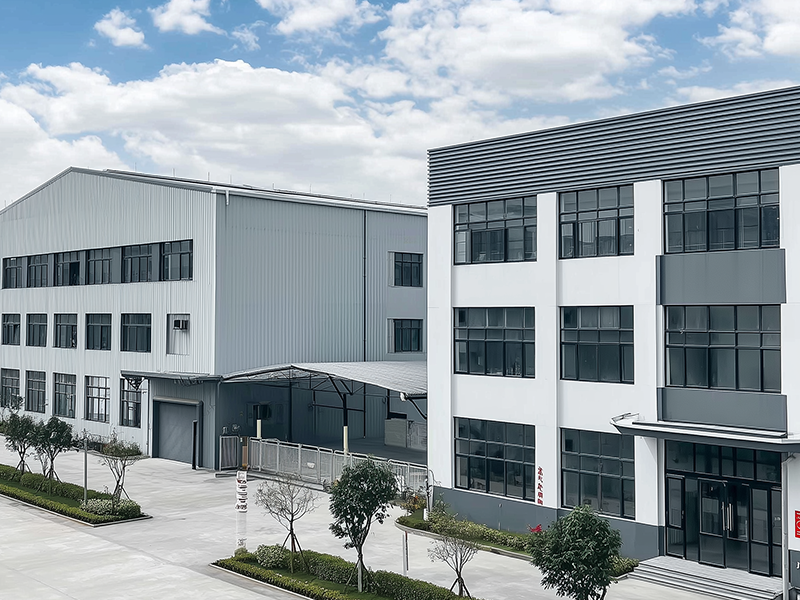
Gold Auto Part supplies Toyota bumpers, grilles and headlamp assemblies to aftermarket distributors.
When a Toyota bumper, grille or headlamp assembly needs replacing — whether after a collision or as part of a face-lift restoration — aftermarket buyers need parts that fit, seal and perform like the original. This guide explains what to look for when sourcing Toyota body parts, which part families matter most, and how to evaluate an overseas supplier before placing a bulk order.
Why Toyota Body Parts Are a Core Aftermarket Category
Toyota holds an 11.4% share of the total global automotive market in 2026, maintaining its status as the leading brand globally. With that scale comes continuous demand for replacement body parts across model generations.
The average age of vehicles on U.S. roads reached 12.6 years in 2026, according to Business Research Insights. Older vehicles are more likely to need replacement bumpers, grilles and headlamp assemblies due to collision damage, environmental wear and restoration work. That combination — high vehicle population and aging fleet — makes Toyota body parts a stable product category for wholesalers, distributors and repair chains.
Problem Definition: What Aftermarket Buyers Face When Sourcing Toyota Body Parts
Buyers sourcing Toyota bumpers, grilles and headlamp assemblies from overseas encounter a recurring set of problems:
- Fitment uncertainty: Body panels and lamps are model-specific. A part built for a Toyota Corolla 2014 Middle East version may not fit a 2014 USA version, even when the generation looks similar.
- Quality inconsistency: Inexpensive parts may use thin plastic, poor lens material or unreliable wiring, leading to returns and reputation damage.
- Packaging damage: Large parts such as bumpers and headlamps are easily damaged in transit unless carton sizes and loading methods are carefully planned.
- Verification gaps: Buyers need evidence — not promises — that a supplier checks fitment, sealing and surface quality before shipment.
These problems are solvable, but only when the sourcing process includes explicit part scope, material standards, inspection routines and supplier capability checks.
The Toyota Body Parts That Drive the Aftermarket
Three product families generate the majority of demand in the Toyota exterior replacement space.
Toyota Bumpers
Toyota bumpers are among the most frequently replaced body parts after low-speed collisions. In the aftermarket, both front bumpers and rear bumpers are commonly sourced in bulk. Key materials include premium ABS / PC / PP plastic, which provides the right balance of impact resistance, paint adhesion and dimensional stability.
Because bumpers are large, suppliers typically ship them in custom cartons. For example, Gold Auto Part lists a Toyota Corolla 2014 Middle East front bumper with QTY/CTN of 3 pieces and a carton size of 200 x 21 x 56 cm (0.235 CBM). A rear bumper for the 2023 Prius uses a carton of 200 x 20 x 65 cm (0.26 CBM). Large cargo volume means buyers should plan for full container loads (FCL) to reduce transit damage risk.
Toyota Grilles
The Toyota grille sits at the front of the vehicle and plays a major role in the visual identity of the car. Aftermarket buyers source grilles for collision repair, front-end restoration and appearance upgrades. Materials matter: a high-quality grille is typically made of premium ABS / PC / PP plastic, with clip slots that align with the original bumper and headlamp assembly layout.
One example in the current catalog is the Toyota Corolla 2014 Middle East grille, model TYJ-01-0014, packaged at 10 pieces per carton at 86 x 39 x 49 cm (0.164 CBM). For distributors, a grille program is attractive because it supports multiple repair jobs with a relatively compact SKU.
Toyota Headlamp Assemblies
Headlamp assemblies are a higher-value, technically sensitive category. They combine housing, lens, reflector, wiring and sometimes electronic adjustment motors. Two common failure reasons are collision damage and lens clouding from UV exposure.
When sourcing Toyota headlamp assemblies, buyers should expect optic-grade PC & ABS polymers, OE-aligned mounting points and plug-and-play wiring. Common programs include Toyota Corolla, RAV4, Camry, Corolla Cross, Tacoma and Prius across USA and Middle East specifications.
Example headlamp assemblies in the catalog include:
- Toyota Corolla 2014 Middle East — TYJ-01-0001A
- Toyota Corolla 2014 USA — TYJ-01-0041
- Toyota Corolla 2020 USA LE — TYJ-CRU20-031
- Toyota Corolla 2023 USA — TYJ-CRU23-001
- Toyota Corolla Cross 2021 — TYJ-CRS21-001
- Toyota RAV4 2016 USA — TYJ-01-0815
- Toyota RAV4 2019 USA — TYJ-RV19-001
- Toyota RAV4 2022 USA — TYJ-RV22-001
- Toyota Camry 2015 USA — TYJ-01-0171
- Toyota Camry 2018 USA/SE/XSE — TYJ-01-1001
- Camry 2024 USA — TYJ-01-1080
- Tacoma 2024 Head Lamp LE — TYJ-TCM24-001A
- Prius 2023 — TYJ-PR23-001A
This range shows that a serious supplier should maintain separate SKUs for the same model sold in different regions — because lighting regulations, wiring conventions and bumper shapes can vary by market.
Supplier Capability: What OEM, ODM and Customization Mean in Practice
For buyers running bumper, grille or headlamp programs, the supplier’s production model matters as much as the part itself. Ruian Golden Import and Export Co., Ltd. (Gold Auto Part) is a professional automotive parts exporter based in Ruian, Wenzhou, Zhejiang Province, China. Its supply chain partners operate under ISO 9001 and IATF 16949 quality management standards.
The company provides OEM, ODM and customizable production services. In practical terms:
- OEM production means manufacturing a replacement part that matches the original specifications — appropriate for buyers who want a direct, low-friction swap for an existing part number.
- ODM design and production means the supplier takes design responsibility for appearance, packaging and vehicle-model adaptation — useful when a buyer wants a distinct brand identity or market-specific configuration.
- Customization covers vehicle-model adaptation, appearance customization, packaging & label customization, and replacement part solution development.
The factory has a monthly production capacity of 100,000 units. Typical production lead time is 30–60 days. MOQ runs from 50–100 units depending on the product, and every batch receives inspection and testing before shipment.
Step-by-Step: How to Source Toyota Bumpers, Grilles and Headlamp Assemblies
- Define the vehicle scope. List the exact Toyota model, model year, trim level and target market (e.g., Toyota Corolla 2014 Middle East vs. Toyota Corolla 2014 USA). This determines the correct SKU.
- Confirm the part scope. Decide whether the program covers front bumpers, rear bumpers, grilles, headlamps or a complete front-end set. Bundling parts can reduce per-unit logistics costs.
- Check material and construction. For bumpers and grilles, look for premium ABS / PC / PP plastic. For headlamps, look for optic-grade PC & ABS polymers and OE-aligned mounting.
- Request packaging details. Ask for carton dimensions and CBM per SKU. Compare the examples listed in this guide to calculate container utilization and avoid transit damage.
- Align on quality inspection. A reliable supplier should agree to a sample water immersion test for lamps (waterproof validation), a physical bracket fitment check for bumpers and grilles, and a 100% functional power-on test for headlamp assemblies.
- Set commercial terms. Clarify MOQ, lead time, payment structure and delivery method before ordering.
| Part Type | Example SKU | Vehicle Scope | Material | Carton / QTY | CBM |
|---|---|---|---|---|---|
| Front Bumper | TYJ-01-0022 | Toyota Corolla 2014 Middle East | Premium ABS / PC / PP Plastic | 200 x 21 x 56 cm / 3 pcs | 0.235 |
| Rear Bumper | TYJ-PR23-007 | Prius 2023 | Premium ABS / PC / PP Plastic | 200 x 20 x 65 cm / 3 pcs | 0.26 |
| Grille | TYJ-01-0014 | Toyota Corolla 2014 Middle East | Premium ABS / PC / PP Plastic | 86 x 39 x 49 cm / 10 pcs | 0.164 |
| Head Lamp | TYJ-01-0001A | Toyota Corolla 2014 Middle East | Optic-grade PC & ABS Polymers | 88 x 67 x 48 cm / 4 pcs | 0.28 |
| Head Lamp | TYJ-RV22-001 | Toyota RAV4 2022 USA | Optic-grade PC & ABS Polymers | 77 x 56 x 58 cm / 4 pcs | 0.25 |
| Head Lamp | TYJ-01-1080 | Camry 2024 USA | Optic-grade PC & ABS Polymers | 76 x 28 x 52.5 cm / 2 pcs | 0.112 |
| Head Lamp | TYJ-TCM24-001A | Tacoma 2024 Head Lamp LE | Optic-grade PC & ABS Polymers | 56 x 29 x 58 cm / 2 pcs | 0.094 |
Packaging data from the Gold Auto Part catalog helps buyers plan container loads and minimize damage.
Use Cases: What These Programs Look Like in Practice
Case data from Gold Auto Part shows how Toyota body part programs perform in real wholesale environments.
A front/rear crash repair and face-lift restoration program for grilles, running for 3–5 years with an auto parts wholesaler in the UAE, achieved a 100% successful fitment rate and zero customer complaints while sustaining repeat orders. The buyer cited high-impact PP/ABS material, excellent paint adhesion and original clip slot design as the deciding factors.
A collision replacement and night visibility restoration program for headlamps — also lasting 3–5 years with a UAE distributor — reported the same results: 100% successful fitment rate, zero complaints and sustained repeat orders. The key attributes were high-precision optic lenses, seamless OE alignment and plug-and-play wiring.
These cases illustrate a practical point for buyers: the most valuable Toyota body parts suppliers are those whose parts produce repeat orders, not one-time sales.
How to Compare Toyota Body Parts Suppliers
| Comparison Criteria | What to Verify | Why It Matters |
|---|---|---|
| Model coverage | Check specific Toyota models, years and regions in the catalog | A supplier with USA, Middle East and newer-model SKUs can consolidate more of your buying |
| Production model | OEM / ODM / customization available | Determines whether you can build a proprietary or market-specific program |
| Capacity | Monthly production capacity | A capacity of 100,000 units/month supports container-scale reordering |
| Quality control | ISO 9001 and IATF 16949 standards; inspection before shipment | Reduces the risk of field failures and costly returns |
| Inspection methods | Water immersion test, bracket fitment check, power-on test | Confirms the supplier can validate waterproofing, fitment and electronics |
| Packaging intelligence | Carton dimensions, CBM and QTY/CTN per SKU | Allows FCL planning and prevents damage during ocean freight |
| Commercial flexibility | MOQ, lead time, payment terms | Aligns with your inventory cycle and cash flow |
Sourcing and Logistics Notes for Bulk Importers
Bumpers, grilles and headlamp assemblies have different shipping profiles.
- Bumpers and grilles: Because of large cargo volume and CBM constraints, MOQ is typically 50 pieces per model. Recommended delivery is FOB Shanghai / Ningbo by full container load to avoid transit damage. Acceptance usually involves an original mold fixture test (gauge alignment checking) and surface scratch-free inspection.
- Headlamp assemblies: MOQ is typically 100 pieces per model. Delivery can be FOB Shanghai / Ningbo or EXW factory, with LCL sea freight accepted. Acceptance includes a visual check for lens clarity and 100% functional power-on testing.
- Payment: A common structure is 30% TT deposit and 70% balance before shipment, or 40% TT deposit / 60% balance before dispatch for programs that require custom plastic tooling. Some suppliers accept LC at sight or DP against B/L copies.
From a buyer’s perspective, the largest hidden risk with large plastic parts is damage — not the part itself. That is why FCL shipping for bumpers and grilles is strongly advised.
Industry Context and Why It Supports Long-Term Programs
The global automotive aftermarket was estimated at USD 860.08 billion in 2025 and is predicted to reach USD 1,482.12 billion by 2035. China’s exports of motor vehicle parts (HS 870899) reached approximately USD 10.9 billion in 2024, with exports to the United States alone reaching USD 11.54 billion in 2024. These broad indicators explain the level of global sourcing activity for automotive replacement parts.
More specifically, the global automotive collision repair market — which directly drives demand for bumpers and grilles — was valued at USD 208.0 billion in 2025. For a distributor or wholesaler, this reinforces the value of building a reliable, repeatable Toyota exterior parts program rather than buying opportunistically.
Additional context: the automotive lighting market is shifting toward LED technology for energy efficiency. While aftermarket buyers will continue to source halogen-compatible housings for existing vehicles, LED-compatible designs are increasingly part of new-model programs.
Buying Checklist for Toyota Bumper, Grille and Headlamp Programs
- [ ] Confirm the exact Toyota model, year, trim and target region for every SKU.
- [ ] Check whether the supplier lists separate part numbers for USA and Middle East versions of the same model.
- [ ] Verify material specifications: premium ABS / PC / PP for bumpers and grilles; optic-grade PC & ABS for lamps.
- [ ] Confirm the supplier’s quality management standards (e.g., ISO 9001, IATF 16949).
- [ ] Request carton dimensions, CBM and QTY/CTN for every reference before booking freight.
- [ ] If shipping bumpers or grilles, plan for FCL to avoid transit damage.
- [ ] Agree on inspection: water immersion test for lamps, bracket fitment check for bumpers and grilles, power-on test for headlamps.
- [ ] Clarify MOQ, lead time (30–60 days is typical), payment terms and delivery port.
- [ ] Ask whether OEM, ODM or customization is available for your program.
FAQ
Can an aftermarket manufacturer provide OEM Toyota replacement parts for a bumper and grille program?
Yes. OEM, ODM and customizable production services are available from manufacturers such as Gold Auto Part (Ruian Golden Import and Export Co., Ltd.), based in Ruian, Wenzhou, Zhejiang Province, China. OEM production means manufacturing replacement parts that match original specifications, which is appropriate for buyers who want a direct swap for an existing Toyota bumper or grille part number. In practice, this includes matching the original clip slot design, material composition and dimensional tolerances so the part aligns with the vehicle’s existing mounting points.
What customization capabilities should I look for in a Toyota body parts supplier?
A capable supplier should offer vehicle-model adaptation, appearance customization, packaging & label customization, and replacement part solution development. These capabilities are part of the OEM/ODM production model at Gold Auto Part. For a bumper or grille program, this means the supplier can adjust the part for a specific Toyota model, or develop a market-specific appearance while keeping the original mounting geometry.
What is the minimum order quantity for Toyota bumpers and grilles?
In the Gold Auto Part program, bumpers and grilles carry a typical MOQ of 50 pieces per model due to large cargo volume and CBM constraints, while headlamp assemblies generally require 100 pieces per model. General MOQ for OEM/ODM programs is 50–100 units depending on the product. Large plastic parts such as bumpers occupy significant container space, so buyers should plan inventory around FCL shipping to minimize damage risk.
How does Gold Auto Part verify quality before shipment?
The stated quality control includes inspection and testing before shipment. For bumpers and grilles, acceptance includes an original mold fixture test (gauge alignment checking) and surface scratch-free inspection. For headlamp assemblies, acceptance includes a visual check for lens clarity plus a 100% functional power-on test. A sample water immersion test is also used to validate waterproof sealing on lamps. In addition, supply chain partners operate under ISO 9001 and IATF 16949 quality management standards.
What lead time and payment terms should I expect for a Toyota exterior parts order?
Typical production lead time is 30–60 days. For bumpers and grilles, payment is commonly 40% TT deposit (higher due to custom plastic tooling setup) and 60% balance before dispatch, with FOB Shanghai / Ningbo as the delivery method. For headlamps, common terms are 30% TT deposit and 70% balance before shipment, or 30% deposit with the balance paid against B/L copy or LC at sight. If you are building a structured Toyota bumper and grille program, you can request a formal quote, sample list and packaging plan from the supplier to evaluate before committing.
Ready to Build a Toyota Body Parts Program?
Send your target vehicle list — model, year and market — to receive a matched SKU list, packaging dimensions and commercial terms.
Request a Quote on WhatsAppEmail: mia@goldautopart.com | Tel: +8613967781122