
Toyota Replacement Parts: A Problem–Solution Guide to Long-Term Supply
A continuity-focused guide for importers, distributors and workshops moving from trial orders to multi-year Toyota aftermarket parts programs.
Buyers rarely lose money on the first container of Toyota replacement parts. The losses appear later: when a bumper bracket no longer lines up with the original mounting points, when a headlamp lens hazes over after a summer in desert heat, when a customs officer asks for a compliance record that cannot be produced, or when the filter line that drives repeat orders sits empty for a quarter.
That is the problem this guide works through. Long-term supply of Toyota replacement parts — Toyota bumpers, Toyota grilles, Toyota body parts, Toyota headlamp assemblies including the Toyota RAV4 headlamp assembly, plus automotive filters, engine valves and engine mounts — is a continuity problem rather than a single purchasing decision. The variables that decide whether a program survives to year three are the ones that are invisible during sampling: tooling maintenance, material contracts, compliance testing, packaging discipline and after-sales support.
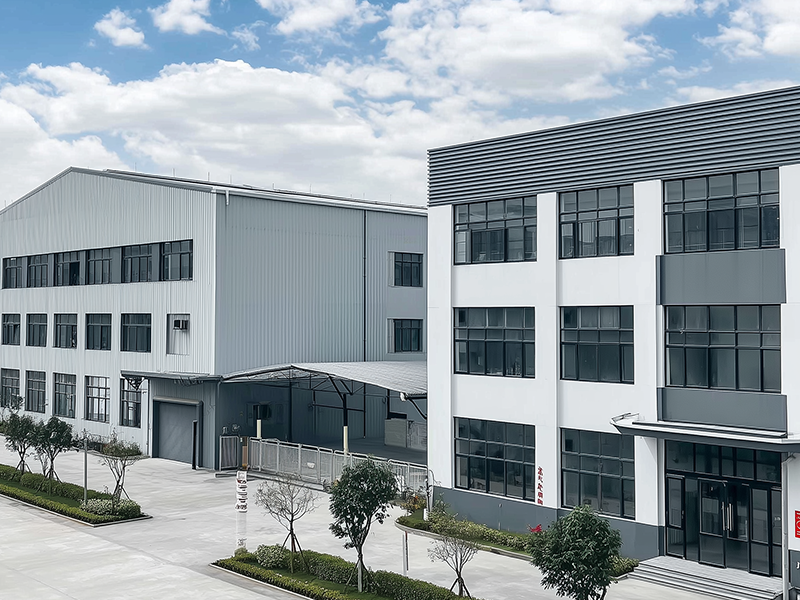
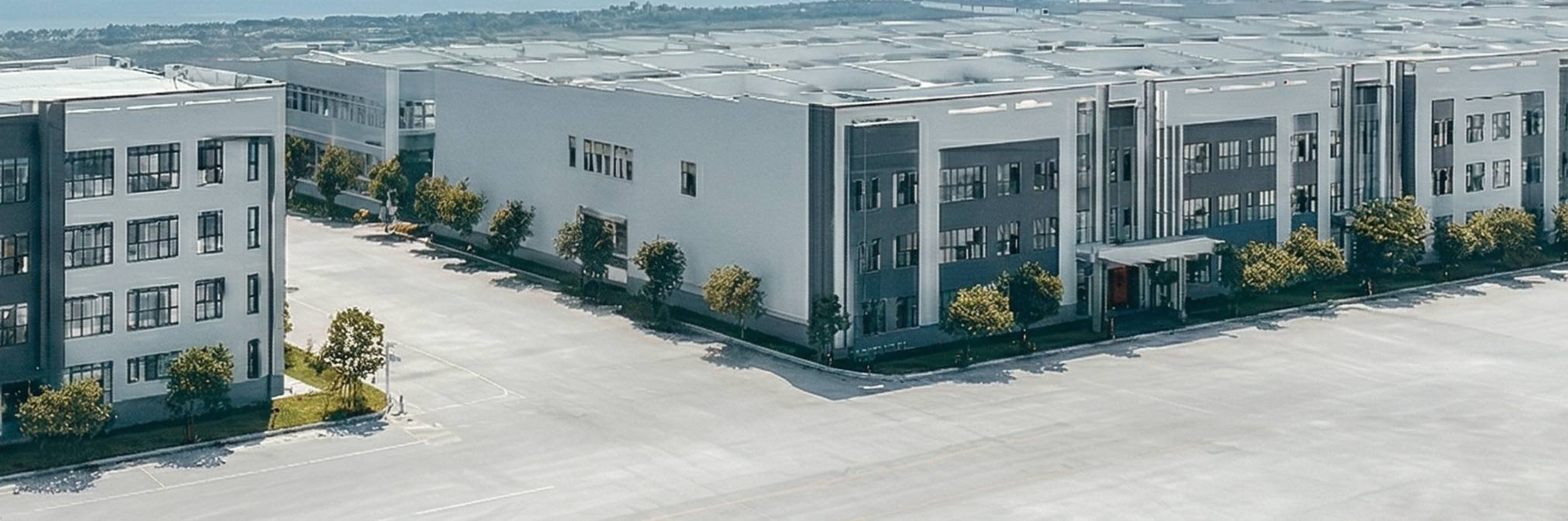
Ruian Golden Import and Export Co., Ltd., which trades as Gold Auto Part (www.goldautopart.com), is an automotive parts exporter based in Ruian, Wenzhou, Zhejiang Province, China, serving importers, wholesalers and distributors. The sections below define the recurring failure points in Toyota aftermarket parts programs and set out the specific controls applied to each one.
Problem Definition: Where a Toyota Replacement Parts Program Breaks Down
Six failure modes account for most of the damage in aftermarket body and lighting programs. Each one tends to appear after the trial order, which is exactly why they are difficult to detect during sampling.
- Fitment drift as tooling ages. Molds wear. Once cavity dimensions move past tolerance, a grille or bumper that clicked into the original fixture starts to need force, shims or rework at the body shop.
- Compliance gaps on lighting. Headlamp assemblies sit in a regulated category covered by the FMVSS-108 / DOT / SAE / E-Mark family of requirements. A shipment without the correct registration or traceable lens marking can be stopped or rejected after arrival.
- Material and surface durability. Lens yellowing and water leakage are the two durability failures reported most often in lighting programs, and both are material and sealing problems rather than assembly problems.
- Transit damage. Broken brackets and scratched lenses are a packaging failure, not a manufacturing failure. Bulky plastic parts with a high volume-to-weight ratio are especially exposed.
- Supply interruption. Polymer resin price spikes and delays in electronic components such as LED chips and driver chips interrupt programs that depend on continuous replenishment.
- Intellectual property exposure. Aftermarket body parts that reproduce decorative brand logos create avoidable legal risk on both sides of the transaction.
Industry Background: Why Continuity Is Now a Main Buying Criterion
The global automotive aftermarket was estimated at USD 860.08 billion in 2025 and is predicted to reach USD 1,482.12 billion by 2035 (Vertex AI Search / Market Analysis). Estimates of this total vary with scope: Grand View Research places the 2025 figure at USD 489.5 billion. Any single total should be read as a scope-dependent estimate, though the direction of travel is not in dispute.
Asia Pacific held a 29.4% revenue share of the automotive aftermarket in 2025 (Grand View Research), which reflects where aftermarket parts are produced as much as where they are sold. China exported approximately USD 10.9 billion of motor vehicle parts under HS 870899 in 2024 (UN Comtrade / WITS), making it a primary source market for importers building Toyota replacement parts programs.
Demand-side fundamentals point the same way. The average age of vehicles on U.S. roads reached 12.6 years in 2026 (Business Research Insights), which keeps older models in the repair cycle for longer. The global collision repair market, the demand engine behind bumpers and grilles, was valued at USD 208.0 billion in 2025 (Grand View Research). Toyota held an 11.4% share of the global automotive market in 2026, and Toyota Kirloskar Motor reported 17% year-on-year sales growth in April 2026, both of which expand the installed base that consumes Toyota aftermarket parts.
Component-level segments behave the same way. In filters, high replacement rates are expected to give the aftermarket a 69.55% share of the automotive filters segment by 2026 (Fortune Business Insights). The automotive engine mount market was estimated at USD 16.73 billion in 2024 and is projected to grow at a 3.64% CAGR through 2035 (Market Research Future). Underpinning all of it, IATF 16949:2016 is the global quality management standard for the automotive industry and is mandatory for many OEM suppliers (International Automotive Task Force).
Read together, these figures describe a market where volume is stable but expectations are not. Buyers running replenishment programs need uninterrupted supply, repeatable fitment and documents that survive customs review.
Detailed Solution: The Controls Behind a Long-Term Toyota Replacement Parts Program
Gold Auto Part structures long-term Toyota replacement parts supply around seven controls. Each one answers a specific failure mode described above, and each is measurable rather than aspirational.
1. Tooling maintenance on a fixed cycle
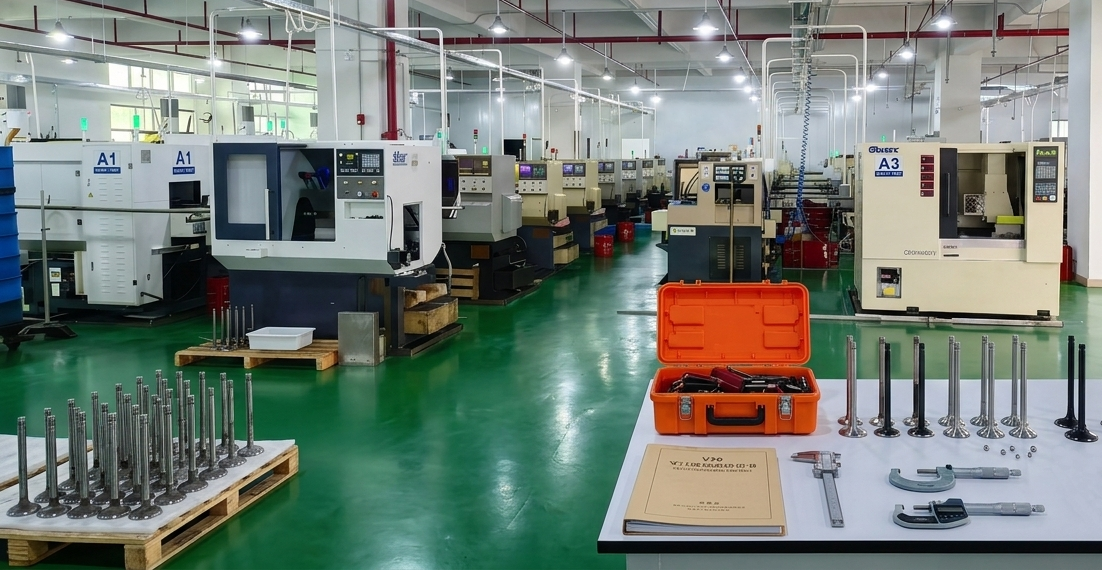
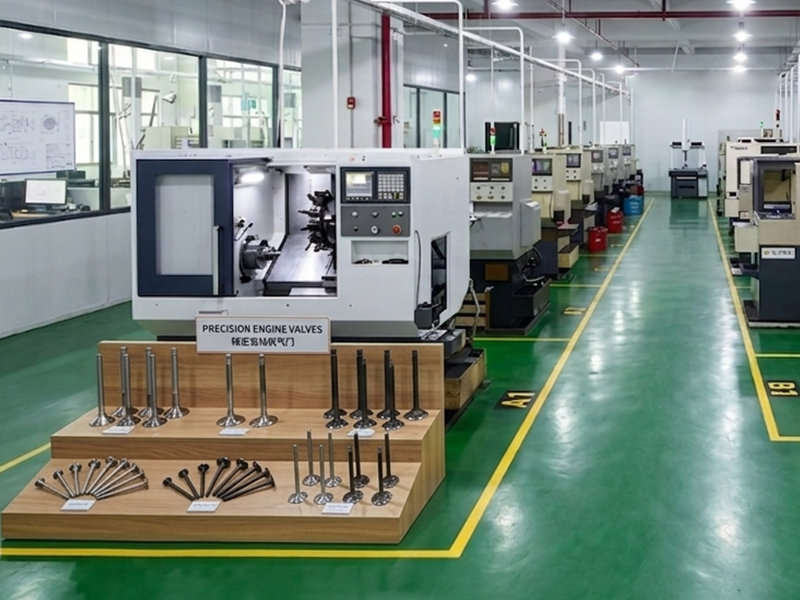
Contingency planning for mold wear uses a strict preventative maintenance schedule every 50,000 molding cycles, with proactive replacement of worn inserts rather than reactive repair. Critical mold tolerances are monitored with high-precision coordinate measuring machines (CMM), so inserts are changed before a cavity drifts out of tolerance instead of after a customer complaint.
2. Raw material and component continuity
Long-term strategic contracts with major plastic polymer suppliers reduce exposure to resin price spikes. For electronic components, the company establishes a two-month safety buffer stock for critical parts such as LED chips and driver chips, which keeps lighting programs running when component lead times extend.
3. Packaging standardization for bulky plastic parts
Delivery risk is managed through packaging standardization and impact protection for sensitive components. In practice, that means custom-engineered double-wall corrugated cartons with precision-cut shock-absorbing foam inserts, plus peelable anti-scratch protective film applied to outer lenses and high-gloss chrome surfaces.
4. Compliance that can be evidenced after arrival
Regulatory risk covering FMVSS-108, DOT, SAE and E-Mark requirements is addressed through optical photometric testing during the design phase and through partnerships with accredited laboratories to secure formal DOT and SAE registrations. Strict batch-level tracing is applied to lens laser markings, so a specific shipment can be reconciled with its test documentation.
5. Durability controls for lighting parts
Quality and durability risks such as lens yellowing and water leakage are managed through preventative control and rigorous quality assurance. The specific measures are the use of premium optic-grade PC and ABS polymers, a UV-resistant hard coating applied to lamp lenses, and 100% airtightness pressure testing on headlight housing seals prior to packaging.
6. Design due diligence before tooling
An in-house legal team reviews patent databases prior to mold development. The focus stays on exact-replacement fitment specifications for the automotive aftermarket without infringing decorative brand logos, a distinction that protects both the exporter and the importing distributor.
7. Batch verification under recognized quality standards
Every product batch undergoes dimensional inspection, material verification and performance testing before shipment. Supply chain partners operate under ISO 9001 and IATF 16949 quality management standards, the latter being the automotive industry standard that many OEM suppliers are required to hold.
Market-specific requirements are handled at specification level rather than as exceptions. The company maintains familiarity with the specific requirements of each market, from heat-resistant components suited to Gulf desert climates to high-volume filter programs for South American fleets. Operations are organized around long-term partnerships, with emphasis on reliability, clear communication and product support for global importers.
Risk register: what is controlled, and how
| Risk category | Control method | What it means for your program |
|---|---|---|
| Mold wearing and production quality degradation | Predictive maintenance and tooling lifecycle audits | Preventative maintenance every 50,000 molding cycles keeps reorders inside original mold fixture tolerances |
| Intellectual property and design infringement | Legal due diligence and design validation checklists | Patent database review before mold development; fitment-focused parts without decorative brand logos |
| Supply chain and raw material shortage | Strategic sourcing and buffer inventory management | Long-term polymer contracts plus a two-month safety buffer for LED chips and driver chips |
| Transit and logistics damage | Protective packaging and shipping protocol standardization | Fewer broken brackets and scratched lenses on arrival |
| Regulatory and compliance (FMVSS-108 / DOT / SAE / E-Mark) | Standardization control and independent third-party certification | Photometric testing at design stage, accredited-lab registrations, laser-mark traceability per batch |
| Quality and durability (lens yellowing, water leakage) | Preventative control and rigorous quality assurance | Optic-grade PC and ABS polymers, UV-resistant hard coating, 100% airtightness pressure testing |
Step-by-Step: From Trial Order to a Long-Term Supply Agreement
The sequence below is the practical route from a first sample request to a replenishment program that holds up under repeated ordering.
- Define the SKU set by repair market. Map Toyota bumpers, grilles, body parts, headlamp assemblies including the Toyota RAV4 headlamp assembly, plus automotive filters, engine valves and engine mounts to the model-years that actually circulate in your market.
- Fix fitment before volume. Physical bracket fitment checks and an original mold fixture test with gauge alignment checking, combined with surface scratch-free inspection, stop fitment drift at the sample stage instead of at the body shop.
- Confirm compliance evidence early. Ask for the DOT and SAE registration route and batch-level traceability on lens laser markings before the first order, not after the first customs question.
- Run the functional and waterproof validations. Depending on the part family, these include a sample water immersion test, a 100% functional power-on test with photometric alignment and LED chip check, electronic motor angle-adjustment actuation testing and defogger heating element continuity checks.
- Agree commercial terms. MOQ, delivery terms and payment structure vary by program profile; the recorded terms are summarized in the table below.
- Approve the first production batch. Dimensional inspection, material verification and performance testing are applied per batch before shipment.
- Set the replenishment rhythm. Plan around buffer stock for lighting electronics, standardized shipping protocols and full container load (FCL) consolidation where cargo volume is high.
- Review the program annually. Fitment complaints, returns and market feedback feed back into tooling maintenance intervals, packaging and SKU selection.
Indicative purchasing terms by program profile
| Program profile | MOQ | Delivery terms | Acceptance criteria | Payment terms |
|---|---|---|---|---|
| Custom-tooled molded parts, large cargo volume / high CBM | 50 pieces / model | FOB Shanghai / Ningbo, FCL recommended to avoid transit damage | Original mold fixture test (gauge alignment checking) and surface scratch-free inspection | 40% TT deposit, 60% balance before dispatch |
| Standard export carton packing with waterproof validation | 200 pieces / model, often packed in pairs | FOB Shanghai / Ningbo Port or door-to-door (DDP) for smaller air-freight batches | Sample water immersion test and physical bracket fitment check | 30% TT deposit, 70% balance before shipment or via trade assurance platforms |
| Motorized and heated lighting assemblies | 100 pieces / model | FOB Shanghai / Guangzhou or EXW factory; LCL sea freight accepted | Electronic motor angle-adjustment actuation test and defogger heating element continuity check | 30% TT deposit, 70% balance against documents (DP) or TT |
| LED lighting assemblies | 100 pieces / model | FOB Shanghai / Ningbo Port (ocean freight) or EXW factory | Visual lens clarity check and 100% functional power-on test (photometric alignment and LED chip check) | 30% TT deposit, 70% balance against B/L copy or LC at sight |
Use Cases: Three Long-Term Scenarios in Practice
Scenario 1 — Gulf distributor running Toyota SUV body and lighting programs
Desert climate exposes lighting and exterior plastic to sustained UV load, which is why lens yellowing appears faster in this region than in temperate markets. The relevant controls are heat-resistant components suited to Gulf desert climates, UV-resistant hard coating on lamp lenses, and 100% airtightness pressure testing before packaging. For smaller air-freight batches, door-to-door (DDP) delivery terms are available alongside FOB Shanghai / Ningbo.
Scenario 2 — South American fleet filter program
Fleet operators replace consumables on a fixed service interval, so the buying decision is about replenishment reliability rather than a single price. The company runs high-volume filter programs for South American fleets, supported by long-term polymer supply contracts and a two-month safety buffer for critical electronic components. With the aftermarket expected to hold a 69.55% share of the automotive filters segment by 2026, volume planning matters more than trial pricing.
Scenario 3 — North American and European collision repair networks
Body shops buy Toyota bumpers, Toyota grilles, Toyota body parts and headlamp assemblies to a repair schedule, not a stock list. Two details matter: parts must install without modification, and they must arrive uncracked and unscratched. Recorded attributes for TYJ aftermarket parts include direct plug-and-play installation with no custom wiring adaptors, equal electrical load for lighting and identical aerodynamic drag values for bumpers and grilles compared with the OEM reference. On the logistics side, FCL shipping is recommended for bulky plastic parts specifically to reduce transit damage.
Comparison Table: Aftermarket vs Genuine OEM, and Material Choices
The comparison below uses recorded comparison data only. It is intended to show where the cost difference comes from, not to claim superiority in every repair category.
| Comparison dimension | TYJ aftermarket parts | Genuine OEM parts |
|---|---|---|
| Fitment accuracy | 98%+ OE fitment accuracy | OE baseline reference |
| Price positioning | 30%–40% of the OEM retail price point | Dealer retail channel |
| Upfront purchasing cost | Reduces upfront parts purchasing costs by 60%–70% | Reference price level |
| Installation | Direct plug-and-play; no modifications or custom wiring adaptors | Direct fit |
| Electrical and aerodynamic behavior | Equal electrical load for lighting; identical aerodynamic drag values for bumpers and grilles | Reference values |
| Best suited to | Post-collision repairs, professional workshops and budget-conscious vehicle restorations | Not specified in recorded comparison data |
| Comparison dimension | ABS / PP injection molded parts | FRP (fiberglass) parts |
|---|---|---|
| Manufacturing process and fitment | 100% precise CNC-milled matching slots; 4x higher structural flexibility | Layup construction requiring manual fitting adjustments |
| Cost structure | Heavy initial tooling investment, but highly cost-effective bulk unit pricing | Not specified in recorded comparison data |
| Surface preparation | Ready-to-paint smooth finish | Requires extensive sanding, priming and manual modification |
| Weight and efficiency | Lighter parts, supporting improved fuel efficiency and aerodynamic flow | Not specified in recorded comparison data |
| Best suited to | Standard bumper and grille collision repair and OEM-matching body replacements | Not specified in recorded comparison data |
Lighting technology follows a similar pattern. In recorded comparisons, LED head lamps deliver 3x higher brightness than halogen and up to 10x longer service life, while consuming up to 50% less vehicle electrical wattage. Halogen still has a lower entry price, but it requires frequent bulb replacement; LED uses a solid-state design with integrated heat sinks, which is why lighting programs in foggy or rainy regions increasingly specify LED.
FAQ: Long-Term Toyota Replacement Parts Sourcing
What compliance documentation should a buyer expect for Toyota headlamp assemblies?
Lighting sits in a regulated category, and Gold Auto Part treats FMVSS-108 / DOT / SAE / E-Mark requirements as a design-stage constraint rather than a shipping-stage task. Compliance measures include optical photometric testing during the design phase, registration through accredited laboratories to secure formal DOT and SAE registrations, and strict batch-level tracing on lens laser markings. The laser marking is what allows a specific shipment to be reconciled against its test record after arrival.
What keeps fitment consistent across repeated Toyota bumper, grille and body part orders?
Tooling condition is the main variable. Contingency plans include a strict preventative maintenance schedule every 50,000 molding cycles to reduce mold wear risk, with critical mold tolerances monitored on high-precision coordinate measuring machines and worn inserts replaced proactively. At batch level, every product batch undergoes dimensional inspection, material verification and performance testing before shipment. Recorded acceptance criteria for large molded parts include an original mold fixture test with gauge alignment checking and a surface scratch-free inspection. For TYJ aftermarket parts, the recorded fitment benchmark is 98%+ OE fitment accuracy with direct plug-and-play installation.
How do long-term aftermarket prices compare with genuine OEM parts?
On the recorded comparison, TYJ aftermarket parts offer 98%+ OE fitment accuracy at 30%–40% of the OEM retail price point, reducing upfront parts purchasing costs by 60%–70% compared with OEM dealer prices. The cost structure is different rather than simply lower: ABS and PP injection molded parts require heavy initial tooling investment but deliver cost-effective bulk unit pricing, which is what makes a multi-year program economical. Payment structures recorded for these programs are 30% TT deposit with 70% balance before shipment or against documents, with LC at sight available on LED lighting programs.
What can a buyer validate on a sample before committing to a program?
Sample-stage validation options include a sample water immersion test for waterproofing plus a physical bracket fitment check; an original mold fixture test with gauge alignment checking plus surface scratch-free inspection for molded plastic parts; electronic motor angle-adjustment actuation testing and defogger heating element continuity checks for motorized lighting; and a visual lens clarity check combined with a 100% functional power-on test covering photometric alignment and LED chip function.
What should a buyer check to confirm a supplier can support long-term Toyota replacement parts programs?
The checks that separate a durable supplier from a transactional one are continuity controls: a two-month safety buffer stock for critical electronic components such as LED chips and driver chips; long-term strategic contracts with major plastic polymer suppliers; standardized shipping protocols with protective packaging; and supply chain partners operating under ISO 9001 and IATF 16949 quality management standards. Market-specific experience matters as well, for example heat-resistant components suited to Gulf desert climates and high-volume filter programs for South American fleets. Buyers who want to test these controls against their own SKU list can request a sample set or a quotation from Gold Auto Part at mia@goldautopart.com or +8613967781122 on WhatsApp.
Conclusion: Buy the Program, Not the Container
A Toyota replacement parts program is decided by what happens between orders. Tooling maintenance every 50,000 molding cycles, CMM monitoring of critical mold tolerances, long-term polymer contracts, a two-month buffer on LED and driver chips, photometric compliance testing through accredited labs, double-wall packaging with shock-absorbing inserts, and 100% airtightness pressure testing on lamp housings are the controls that keep bumper, grille, body part, headlamp and filter programs stable across years rather than shipments.
Gold Auto Part (Ruian Golden Import and Export Co., Ltd.) supplies importers, wholesalers and distributors from Ruian, Wenzhou, Zhejiang, China, with a product range covering Toyota exterior parts, automotive filters, engine valves and engine mounts. For buyers at the decision and execution stage, the practical next step is to test the controls rather than the price list: request a sample set, run the acceptance criteria against your own repair market, and move to a replenishment schedule once fitment, compliance and packaging have been verified.
Next step: request a sample or quotation for your Toyota replacement parts SKU list.
Email: mia@goldautopart.com | WhatsApp / Tel: +8613967781122
Website: www.goldautopart.com
Gold Auto Part is an independent exporter of aftermarket replacement parts and is not affiliated with Toyota Motor Corporation. Vehicle and model names are used only to describe fitment applications.
Have Questions or Need More Details?
Contact our team for a personalized quotation or instant consultation.
Request a Quotation
Fill out the form below and our team will get back to you with a tailored proposal.
WhatsApp Direct Chat
Prefer to chat in real-time? Message us on WhatsApp for instant assistance & quick answers.
- Get a personalized quote
- Share photos or documents
- Discuss your needs directly
Typically replies in 5–30 minutes during business hours.