
Sex Toy Application Guide: Hotel Gift Shop Scenario with Bell, Honey Pistil, and Alluring Lips
A boutique hotel gift shop can run a small sex toy and intimate-wellness section with three lines, one discreet fixture and a one-page staff script. The difficulty is not in picking a device. It is in separating three decisions that hotel teams usually blur together: what may be displayed, what staff are allowed to say, and how the section is replenished.
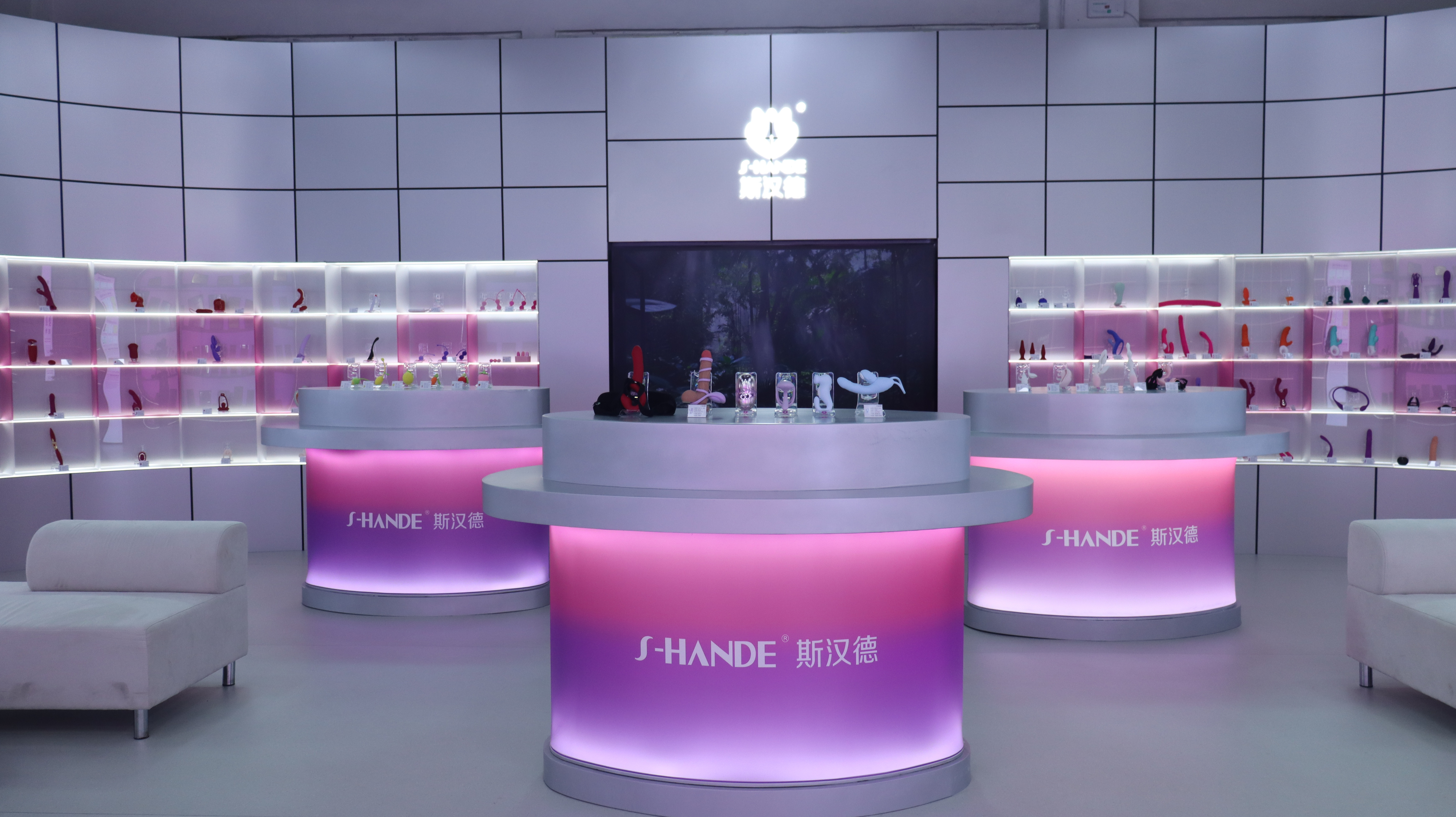
This guide uses three S-HANDE S Series lines as the example assortment — Bell (SHD-S330), Honey Pistil (SHD-S337) and Alluring Lips (SHD-S707) — and sets out a scenario-fit checklist covering guest profile, display discretion, staff talking points and replenishment planning. Model-level specifications are not restated here: the guide is about the merchandising decision, and the numbers for each line should come from the current datasheet issued with the sample.
The framing matters for buyers at the Research and Evaluation stage. A hotel is not a specialist adult retailer. It is a hospitality business renting space to a retail idea, and every decision below is written from that position.
Why a sex toy range behaves differently in a hotel gift shop
A hotel gift shop is a low-frequency, high-visibility retail environment, and that combination changes what an intimate-wellness range has to do.
Each guest sees the shop once or twice during a stay, so the assortment cannot rely on repeated visits to become familiar. Staff are hospitality staff first: they rotate shifts, they are not category specialists, and they are often the same people answering check-in questions. The shelf is visible to every guest who crosses the lobby, including families, so the display has to read as deliberate rather than provocative. And the purchase itself is usually an impulse made quickly, paid for with the quiet hope of not being noticed.
Three consequences follow. The range has to be small enough for one fixture. The packaging has to explain the product without a demonstration. And the staff script has to be short enough to survive a busy shift.
That is why Bell, Honey Pistil and Alluring Lips are treated here as three slots — an entry line, a couple or gift line, and a repeat line — rather than as a catalogue. Which product fills which slot is the operator's decision, made from the datasheet and the hotel's own guest mix, not from the name on the box.
What the category documents actually prove
For a hotel buyer, documentation is the part of the adult sex toy category that most often gets skipped, and it is also the part that determines whether the section survives an internal review. Three document questions are worth settling before any order.
The safety standard to ask about
ISO 3533:2021 is described by SGS as the first international safety standard written specifically for sex toys, and it addresses design, material safety and labelling. A supplier that can discuss the standard by name, and can say which of its lines were developed against it, is easier to qualify than one that answers only with certificates. The standard is a reference point for supplier questions, not a substitute for the operator checking the retail rules that apply in the hotel's own jurisdiction.
Material disclosure, not material marketing
SGS material guidance identifies porous materials such as TPE and PVC as the higher-risk options in this category, because they can retain bacteria and may contain phthalates. That matters more in a hotel than in a specialist store: the product may be used in a hotel bathroom, and the guest may ask housekeeping or gift-shop staff how to clean it. The usable answer is a written material specification from the supplier, not a description from memory.
Certificates have scope — claims do not
Supplier marketplaces mix the two. S-HANDE product listings on Alibaba, for example, state IPX7 protection and CE, UKCA, RoHS and RED references for some models; those are supplier statements on a listing, not certificates in hand. Separately, the company holds an ISO 9001 quality management system certification issued by ACM Limited (Shanghai), valid 11 January 2024 to 25 February 2027, a Shenzhen "Three Sames" product certificate (No. SZSTRD-25-0011) valid 28 December 2025 to 28 December 2028, whose certified product is stated as the S-HANDE brand massager, and a Zhenzhen Premium certificate (No. ZZYPRD-25-0011) valid February 2026 to February 2028.
A quality management system certificate covers the system, not the product. A single-product certificate covers that product. Neither automatically covers Bell, Honey Pistil and Alluring Lips, and a hotel buyer should ask for the document that names the model rather than accept a portfolio-level answer.
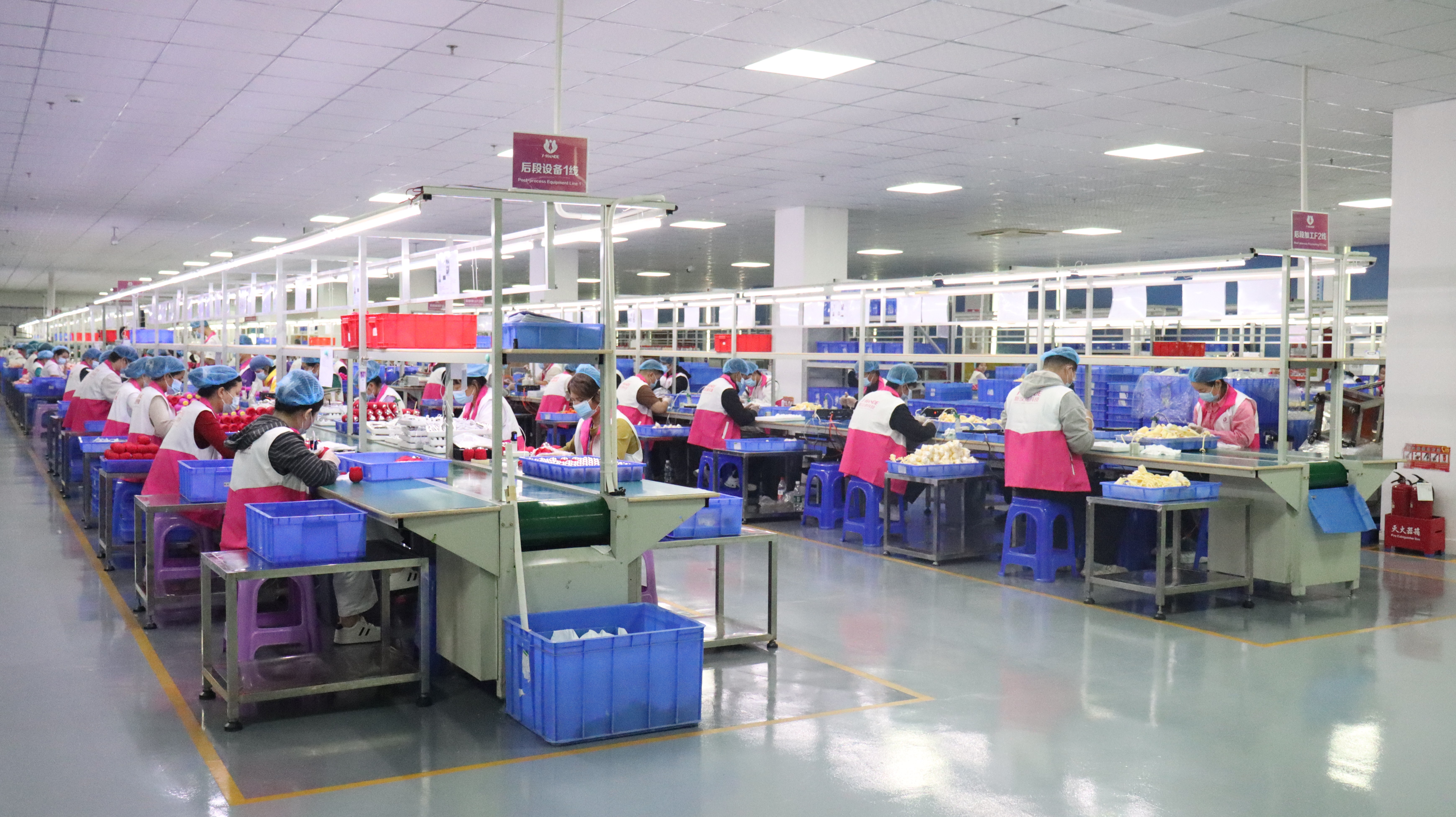
S-HANDE (Shenzhen S-HANDE Technology Co., Ltd., s-hande.com) is an adult sex toy manufacturer founded in 2014, with a 15,000 m² facility, a stated capacity of 800,000+ pieces per month, 10+ product categories and 500+ SKUs, exporting to customers in more than 70 countries. The three example lines sit in its S Series track, which the company describes as its B2B OEM/ODM track for private-label brand clients, and which lists material safety, discreet shipping and packaging, waterproof and electrical compliance and export certification among its programme requirements.
Scenario-fit checklist: four decisions before the first order
A hotel gift shop passes or fails on four checks, and none of them is a product specification. They are guest profile fit, display discretion, staff capability and replenishment math. Run them in that order, because each one can cancel the next.
1. Guest profile fit
A line fits when a guest can recognise it, decide on it and buy it without asking a question — and when the answer to "who is this for" matches the hotel's actual room mix.
- Name the buyer in one sentence. If the shop team cannot describe who a line is for in a single sentence, it should not be stocked. This rule kills most speculative additions.
- Separate the two purchase motives. An in-stay purchase and a take-home gift are different sales. The first is decided at the shelf; the second is decided by packaging and by whether the item can travel discreetly.
- Test the couple question in your own data. A resort with weekend couple traffic and a city hotel with solo business travellers will not produce the same couple purchase pattern. Treat any assumption about a sex toy for couple sale as a hypothesis to check against sell-through, not as a rule.
- Assign the three slots. Decide in advance which of Bell, Honey Pistil and Alluring Lips is the entry line, which is the couple or gift line, and which is the intended repeat line. The assignment should follow the datasheet and your guest mix.
- Keep the vocabulary neutral. Shelf cards and staff language should say what the item is and who it is positioned for, using the supplier's stated wording, not an embellished description written in-house.
2. Display discretion
Discretion is a layout decision before it is a wording decision. A shelf that is discreetly placed survives a family-lobby review; a shelf that is discreetly worded but badly placed does not.
- Place the fixture inside the wellness or travel zone, on a side wall, rather than at the front desk or beside the checkout queue. Avoid sightlines from lobby seating and from family-oriented shelving.
- Stock sealed units only. No open testers, no display models out of packaging, no charging demo. If a line is rechargeable, keep cables and accessories behind the counter — the S Series programme lists charging cables/USB, remotes, smartphone apps, packaging and accessories as matched equipment, and which of those applies to a specific model has to be confirmed per SKU.
- Sign at category level. "Intimate Wellness" and a price, plus an age notice if local rules require one. Price marking is a discretion feature, not just a merchandising one: it removes the need for a conversation.
- Specify packaging in the purchase order. Discreet shipping and packaging is a standing requirement in the S-HANDE S Series, H Series and X Series tracks. Ask for an opaque outer carton and a plain inner bag at the till, and confirm both on the sample before the first stock order.
- Light it like the rest of the shop. Ordinary retail lighting; avoid a spotlight that turns the fixture into a focal point.
3. Staff talking points
A three-sentence script is enough: what the section is, how the item is packed, and who to ask if the guest wants detail. Everything beyond that is where hotels get into trouble.
- The three sentences. "This is our intimate wellness shelf — everything is sealed." / "Would you like it in a plain bag?" / "I can check the specification sheet if you need the details."
- What staff must not do. Give health or medical claims, promise an outcome, guess at a specification, open a sealed unit to show a guest, or comment on the purchase.
- Build the sheet from the datasheet. One page per SKU: name, model, material, dimensions, power source, waterproof rating, cleaning instruction — copied from the current manufacturer datasheet. For Bell, Honey Pistil and Alluring Lips that sheet should be produced at sampling, not from memory.
- Put it where a shift can find it. A printed copy in the till folder beats a file on a shared drive. Brief new staff in their first week and re-brief after any assortment change.
- Name an escalation contact. One manager inside the hotel and one named contact at the supplier. Staff should never have to improvise on a compliance or safety question.
4. Replenishment planning
Replenishment is set by minimum order quantity and lead time, not by how empty the shelf looks. A three-line section usually has to be replenished through one of two routes: single-unit top-ups on the sample path, or a bulk order on the OEM path if packaging is customised. The two have very different clocks.
For a first programme, the sample path is the honest starting point: a 1-piece minimum and a 3–7 day lead time for standard products, with a 100% functional test. Production orders begin at a 500-piece minimum with a 30-day lead time on OEM, or a 2,000-piece minimum with 45–90 days on ODM. That gap decides your backstock plan before it decides your assortment. Set the reorder point at the lead time of the route you will actually use, plus a buffer for the peak weeks in your own event calendar.
Two operating rules keep the section clean. Keep backstock sealed, labelled by line, in a lockable cupboard rather than behind the till. And agree a delist rule before the first order — a defined trial period, for example one full quarter of trading, after which a line that has not moved is removed rather than discounted. A marked-down intimate item on a hotel shelf is more visible than a full-price one.
| Check | The question it answers | What counts as satisfied |
|---|---|---|
| Guest profile fit | Who is this line for, in one sentence? | A named buyer type drawn from your own room mix, matched to the supplier's stated positioning |
| Privacy path | Can a guest buy this without a conversation? | Sealed unit, marked price, plain bag at the till, self-service basket |
| Display discretion | Does the fixture look deliberate from the lobby? | Side-wall placement in the wellness zone, category-level signage, no open testers |
| Staff capability | Can a new shift member handle a question? | One-page datasheet per SKU, three-sentence script, named escalation contact |
| Document scope | Do the certificates cover these SKUs? | Certificate naming the model, with number and validity dates, requested per SKU |
| Replenishment math | Which order path will you actually use? | MOQ and lead time matched to the reorder point, backstock space confirmed |
| Exit rule | How does a slow line leave the shelf? | A trial period and a delist decision agreed before the first order |
Launch sequence for a three-line section
The sequence below keeps the compliance and logistics work ahead of the merchandising work, which is the reverse of how gift-shop ranges are usually planned.
- Check the rules before the range. Confirm the retail, age-labelling and display requirements that apply where the hotel operates, plus the property's own policy on adult merchandise. Ask the supplier for documents that name the specific models.
- Define the buyer and the three slots. Write one sentence per slot before looking at a catalogue. This is the step that prevents a four-line section from becoming twelve.
- Sample all three lines. Use the 1-piece sample path — 3–7 days, 100% functional test — and request the current datasheet with each unit.
- Fix the fixture, sign and bag before stock arrives. Placement, category sign, price labels, plain bag and backstock location should all be settled while the store room is still empty.
- Brief the team from the datasheet. One page per SKU, three sentences, one escalation contact, delivered in the first week of trading.
- Measure, then choose the reorder route. After the trial period, compare sell-through per line against the four checks and only then commit to an OEM or ODM cycle.
Three hotel scenarios and what changes in each
The same three lines can be configured for very different properties. What changes is not the product list but the fixture, the wording and the reorder rhythm.
- City business hotel. High turnover, mostly solo guests, short stays, minimal staffing after 22:00. Configure the section as self-service: three lines, one side-wall fixture, prices marked, plain bag at the till, no staff assistance expected. Reorder on the sample path in small increments, because the audience is constantly replaced.
- Resort or leisure property. Couple traffic and a stronger gift motive. Configure two facing fixtures — personal use and take-home gift — and let packaging carry the occasion. Seasonal peaks will be sharper, so plan the OEM 30-day cycle around your own high season rather than ordering inside it. As an illustration of how occasion mapping works at the supplier end, S-HANDE positions its Twin Blossoms line as a gift item with rose-colour variants tied to Valentine's Day and Qixi, White Day, and Goddess Day.
- Design-led boutique hotel. The shelf has to read as part of the interior. Configure fewer lines with better packaging and staff-assisted service, and accept a lower unit velocity in exchange for fit with the property's design language.
In all three, the rule is the same: the section succeeds when a guest can complete the purchase without needing anyone to explain it.
Order paths and MOQ: the numbers behind replenishment
The table below uses S-HANDE's published production paths and should be read as the planning envelope for the section, not as a price list. It is the single most useful page for a hotel buyer, because it shows where a small gift shop sits relative to a full OEM programme.
| Order path | MOQ | Lead time | Customisation included | Where it fits a gift-shop programme |
|---|---|---|---|---|
| Sample order | 1 pc | 3–7 days | Standard products | Trialling Bell, Honey Pistil and Alluring Lips before a stocking decision |
| OEM | 500 pcs | 30 days | Logo, colour, material, finish, packaging, compliance labels | A branded or neutral packaging run for a proven line |
| Amazon FBA service | 500 pcs | 25–30 days | FNSKU labels, carton labels, palletisation, custom packaging | If the same SKUs also sell through a marketplace |
| ODM | 2,000 pcs | 45–90 days | Industrial design, structure, materials, packaging, branding | An own-label line developed for a property group |
| Full-service manufacturing | 2,000 pcs | Project-based | Development, prototyping, tooling, certification, manufacturing, packaging | A new product built around a specific guest brief |
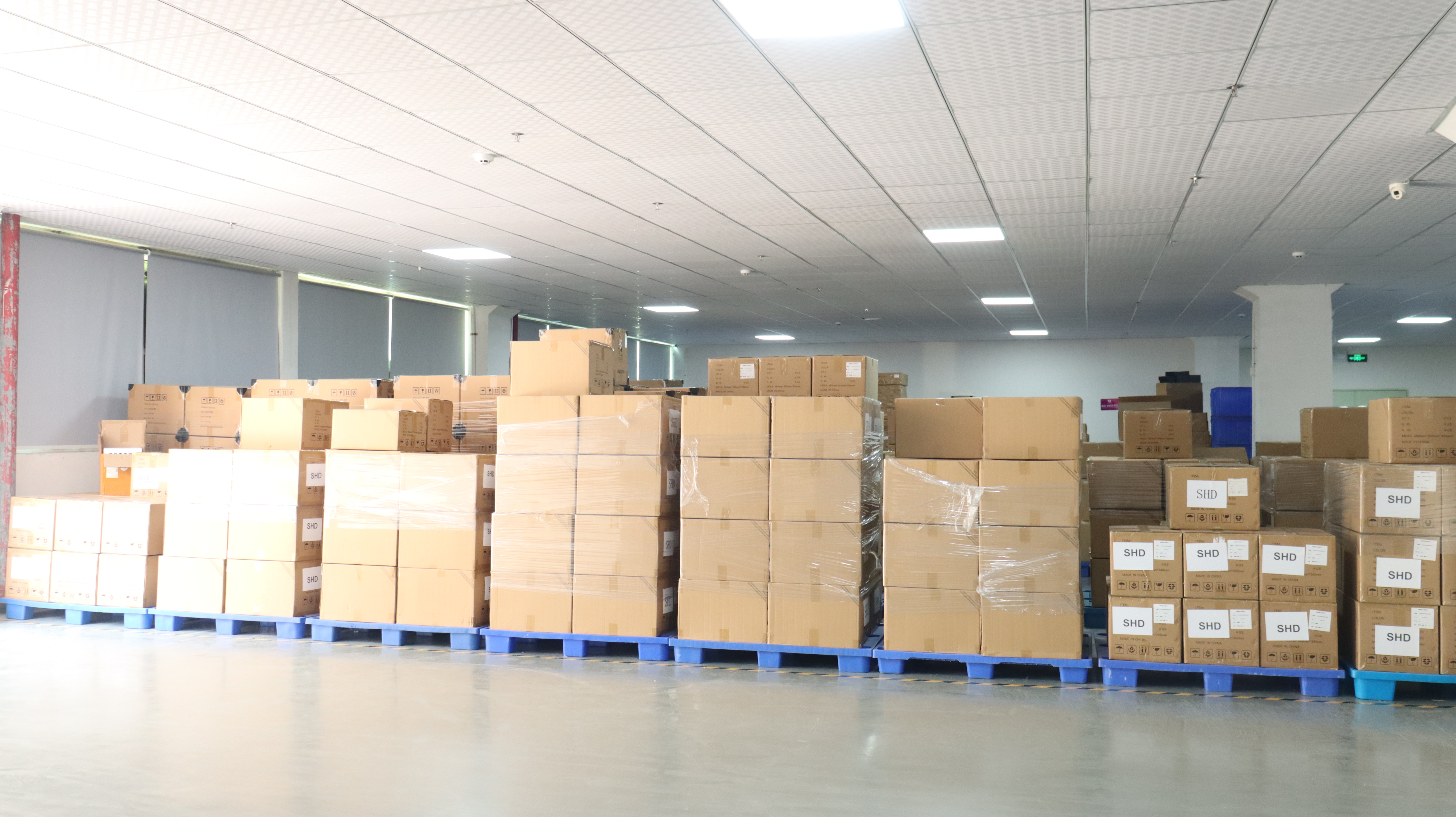
Quality control behind these paths is a full management system with IQC, IPQC and FQC stages and a 100% functional test, which is the part a hotel buyer can actually verify at sampling: test the sample, compare it against the datasheet, and check that the certificate you were given names the model you are ordering.
FAQ
What documents should a hotel gift shop request before stocking intimate products?
Start with scope, not quantity. S-HANDE holds ISO 9001 certification issued by ACM Limited (Shanghai), valid 11 January 2024 to 25 February 2027 and verifiable through China's CNCA; a Shenzhen "Three Sames" certificate (No. SZSTRD-25-0011) valid 28 December 2025 to 28 December 2028, whose certified product is stated as the S-HANDE brand massager; and a Zhenzhen Premium certificate (No. ZZYPRD-25-0011) valid February 2026 to February 2028. A quality management system certificate does not certify individual products and a single-product certificate does not cover a whole range, so request the document that names the model, plus the material datasheet. The retail rules that apply in the hotel's own market are the operator's to confirm.
Can a hotel programme start without a large first order?
Yes at the sampling stage. The sample-order path accepts a 1-piece minimum with a 3–7 day lead time on standard products and a 100% functional test. Production orders start higher: OEM at 500 pieces on a 30-day lead time and ODM at 2,000 pieces on 45–90 days. Behind those minimums, S-HANDE states a capacity of 800,000+ pieces per month from a 15,000 m² facility, and its ODM track lists a brand-group relationship running more than seven years, with 20+ products commercialised.
How should a gift shop budget the section?
Split it into three lines rather than one. The trial cost is the sample order. The first stock cost depends on the route chosen — a 500-piece OEM minimum is a backstock commitment, not a shelf-fill, and it needs storage space before it needs a budget line. The third item is packaging: hotel-branded or neutral packaging is a customisation step inside the OEM path and moves with the same minimum order quantity. Unit prices are quoted per project; nothing in this guide should be read as a price.
Can we sample Bell, Honey Pistil and Alluring Lips before committing?
Yes. All three are listed within the S-HANDE S Series range, and the sample path accepts a 1-piece minimum. Use the sample to build the shelf card and the staff sheet: record material, dimensions, power source, waterproof rating and cleaning instruction exactly as printed on the datasheet, and confirm which accessories belong to that model. The S Series programme lists matched equipment including charging cables/USB, remotes, smartphone apps, packaging and accessories — which of those applies to a specific SKU has to be confirmed per model rather than assumed.
How far ahead should the shop plan reorders?
Longer than the shelf suggests. Single-unit top-ups through the sample path take 3–7 days, so they cover gaps rather than peaks. If packaging is customised, the OEM cycle of 30 days at a 500-piece minimum sets the planning horizon; the marketplace path runs 25–30 days at the same minimum; ODM runs 45–90 days at 2,000 pieces. Set the reorder point at the lead time of the route you will actually use, plus a buffer for your own high season. The practical next step for a first programme is to request a sample set of the three lines with a current datasheet for each, then fix the reorder point from the confirmed lead time.
Next step
For a boutique hotel gift shop, the viable version of this category is deliberately small: three lines, one discreetly placed fixture, a three-sentence staff script, a datasheet per SKU, and a reorder point that reflects a real lead time. Bell, Honey Pistil and Alluring Lips work as a starting structure because they sit in a supplier track built for OEM and private-label partners, which means the packaging and documentation conversation can happen in the same place as the product one.
S-HANDE supplies samples, quotes and its company brochure on request: email info@sexhande.com, WhatsApp +86 133 1656 3803, or download the S-HANDE company brochure (PDF). For retail-ready detail on the three example lines, ask for the current datasheet per model — that document, not this guide, is where the specifications belong.
Have Questions or Need More Details?
Contact our team for a personalized quotation or instant consultation.
Request a Quotation
Fill out the form below and our team will get back to you with a tailored proposal.
WhatsApp Direct Chat
Prefer to chat in real-time? Message us on WhatsApp for instant assistance & quick answers.
- Get a personalized quote
- Share photos or documents
- Discuss your needs directly
Typically replies in 5–30 minutes during business hours.