
Cutting Discs for High-Volume Fabrication Projects: Matching Product to Site Conditions
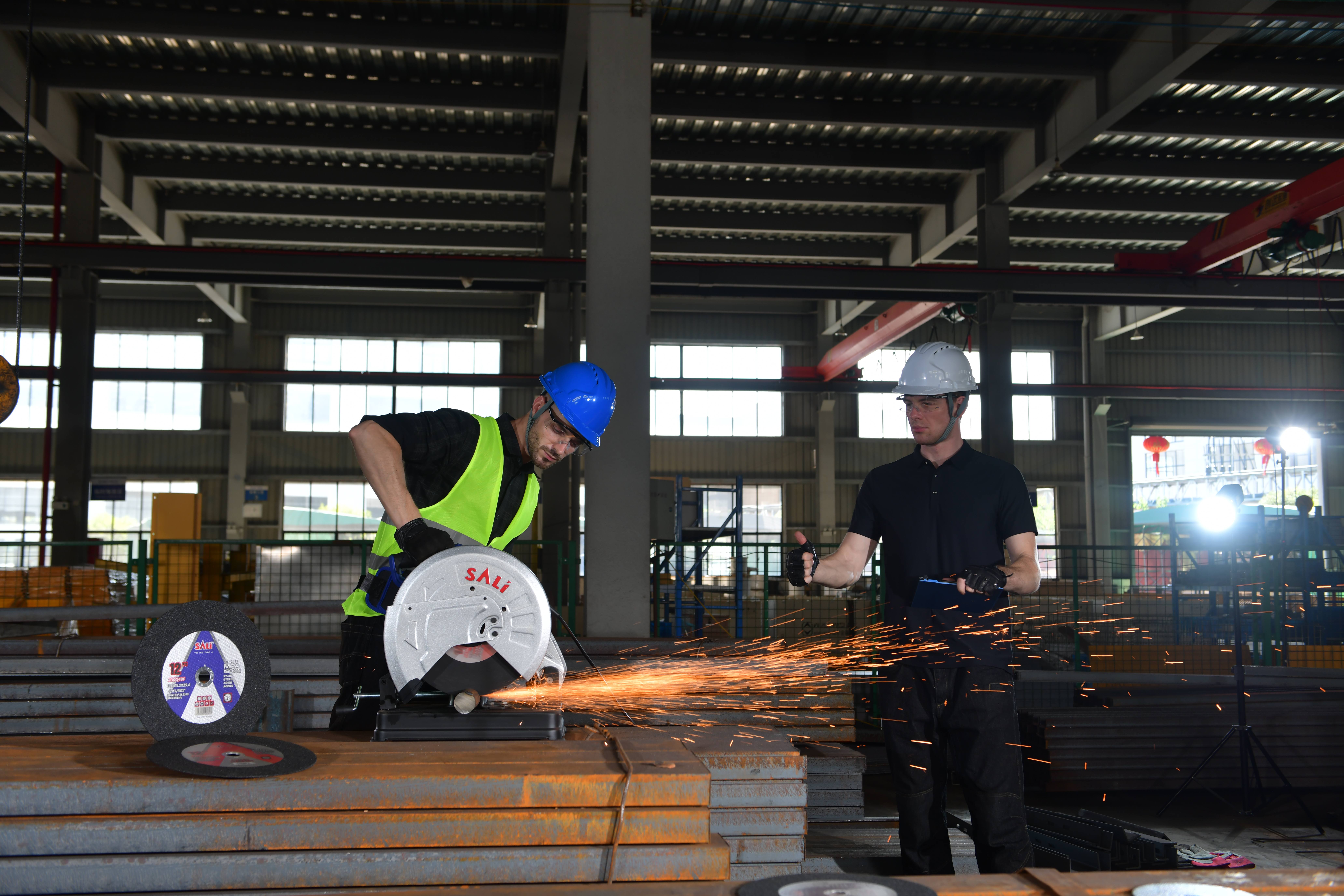
In high-volume fabrication, the decisive variable is rarely the quality of a single cut. It is whether the disc specified in month one is still the disc delivered in month nine. Matching a cutting disc to site conditions means fixing four variables before the first purchase order is placed: the material being cut, the maximum operating speed of the machine, the environmental envelope of the site, and a certification scope that names the exact sizes ordered. Type 41 flat cutting wheels certified to EN 12413:2019 under MPA certificate Z-15486/25 — covering 115 mm, 125 mm, 180 mm and 230 mm diameters at a maximum operating speed of 80 m/s — give a fabrication buyer a defined, checkable specification to order against for the full project cycle.
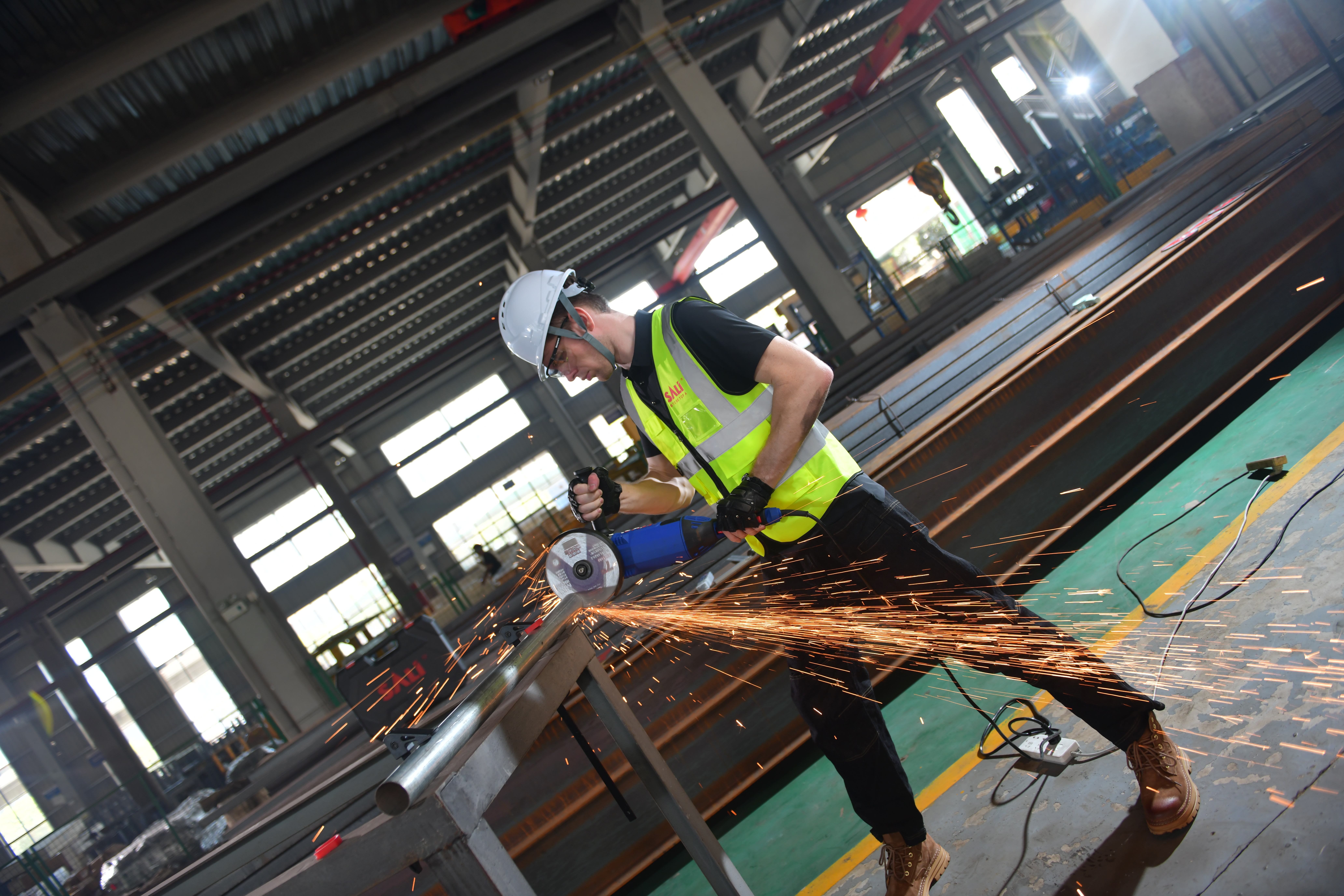
Fabrication and on-site processing combine dry cutting, variable ambient conditions and continuous tool use.
Problem Definition: What Actually Breaks in a High-Volume Cutting Programme
A high-volume fabrication programme — steel structure work, pipe spool fabrication, shipyard and offshore processing, pressure vessel and boiler work, machinery and sheet metal, or plant maintenance — consumes cutting discs as a controlled consumable, not as a shop item. When these programmes go wrong, the cause is normally one of four specification failures rather than a single defective disc.
- Speed mismatch. The maximum RPM printed on the wheel must exceed the angle grinder's maximum rated speed. This is the first check in any professional cutting-disc procedure, and it is a hard constraint, not a preference.
- Material mismatch. Discs are matched to the workpiece, not to the machine. Standard wheels should never be used on soft metals such as aluminium or copper, or on wood and plastic.
- Environmental exposure. Standard resin-bonded cutting discs must not be used under wet, raining or water-splashing conditions unless marked for wet-cutting service, because moisture weakens the bond system and raises fracture risk.
- Specification drift. Across a long project, reorders can quietly shift in grain type, thickness or certified size range, so the disc the site trained on is not the disc it receives later.
Two rules that sit above every price discussion:
Never use expired wheels — aged bonding agents significantly increase the risk of wheel burst. Never use a thin cutting wheel for side grinding, and never use a grinding wheel for deep cutting.
For a procurement or engineering team, these constraints convert into a documentation requirement. A high-volume order needs a specification that can be re-ordered three years later without ambiguity: a defined diameter and cut width, a defined bore, a defined maximum operating speed, and a certificate that lists those same values.
Industry Background: A Consumable Now Bought as a Specified Component
The category these programmes purchase is large and structurally stable. Market Research Future reports that the global cutting discs market was valued at approximately USD 7.322 billion in 2024, with projections to reach USD 11.59 billion by 2035. Dataintelo reports that resin-bonded grinding and cutting discs commanded a 38.5% share of the global abrasive disc market in 2025 — the bond family that dominates general metal fabrication because it balances cutting speed, cost and dimensional precision.
Published valuations of this category differ by definition. In the same reporting period, Market Research Future places the 2025 figure at approximately USD 7.6 billion while Insight Partners reports USD 14.4 billion, a gap that most plausibly reflects whether grinding wheels and superabrasives are counted inside the cutting disc definition. For a buyer, the practical consequence is that "market size" is a poor basis for comparing suppliers and a purchase specification is a good one.
Two regulatory anchors define what a serious specification looks like. EN 12413:2019 is the mandatory European safety standard for bonded abrasive products, specifying requirements for burst testing, marking and dimensional tolerances. MPA Hannover provides independent safety testing — burst test and side load test — required for EU market entry, often visualised through the 'MPA Tested' mark. In industrial purchasing, these are not marketing labels; they are the traceable link between the wheel on the machine and the wheel in the purchase order.
Product structure has also moved. Ultra-thin cutting discs are defined in the industry as having a thickness of 1.6 mm or less, with growing adoption of 1.0 mm and 0.8 mm for precision metal fabrication. In high-volume work this matters commercially, because a thinner cut removes less material per part and requires less force per pass — but only if the wheel is rated for the machine speed and used for straight cutting, not side grinding.
Detailed Solution: Matching SALI Cutting Discs to Four Site Constraints
SALI Tools is the self-owned brand of ZHEJIANG SALI ABRASIVE TECHNOLOGY CO., LTD., a manufacturer founded in 2003 and based in Zhejiang, China, producing resin-bonded cutting discs, grinding discs and related power tool accessories for export markets. Abrasives and cutting discs are the company's founding business line, which is why the range is built around bond formulation, mesh reinforcement and sintering control rather than around trading.
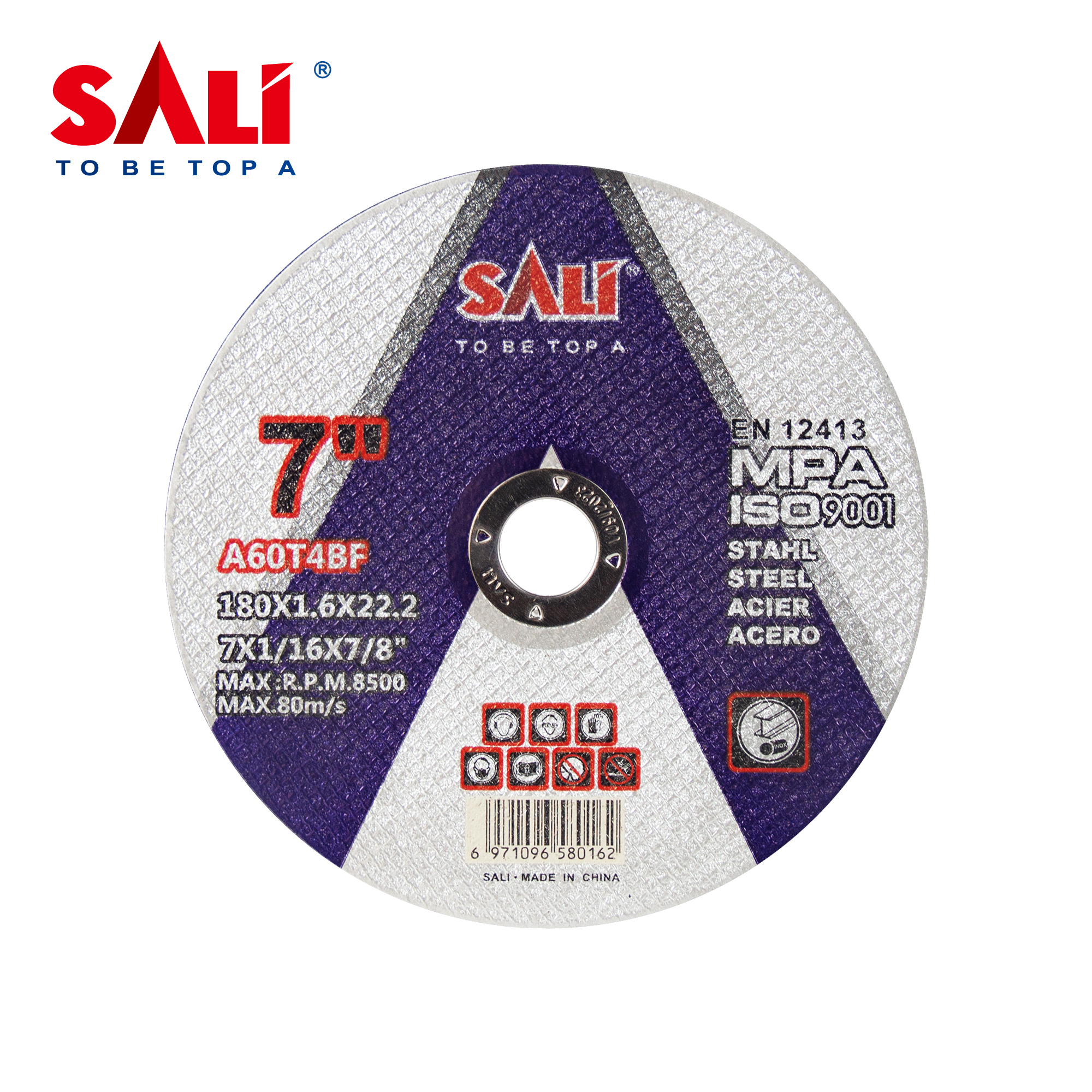
Constraint 1 — Material: grain selection decides cut quality
SALI cutting discs are made from aluminum oxide, zirconia alumina, ceramic abrasive and silicon carbide as primary materials, and the grain is matched to the workpiece. Brown aluminum oxide (A) is used for metal; white aluminum oxide (WA) is used for stainless steel (Inox), where the grain and a sulfur-free, chlorine-free bond system deliver cool cuts without burrs or discoloration; zirconia (ZA) is used for heavy-duty work; silicon carbide (C) is used for stone and cast iron. Grit sizes from 24# to 120# and bond hardness are tailored to balance cutting speed against wear resistance.
Constraint 2 — Machine and speed: the specification ceiling
The certified MPA scope for SALI Type 41 flat cutting-off wheels for metal sets the maximum operating speed at 80 m/s, with a bore diameter of 22.23 mm and outside diameters of 115 mm (cut width 1.2 mm), 125 mm (cut width 1.2 mm), 180 mm (cut width 1.6 mm) and 230 mm (cut width 2.0 mm). These are the values a fabrication buyer should be able to match against the angle grinder, chop saw or die grinder actually in use. DEPRESSED-center Type 42 wheels are also covered by MPA certification at 230 mm outside diameter, 3.0 mm cut width, 22.2 mm bore and 80 m/s.
Constraint 3 — Environment and storage: the constraint most often ignored
On-site conditions define a usable envelope. Fabrication work is normally specified for an ambient temperature range of −20 °C to +45 °C, with discs kept away from direct heat sources and never used on overheated or molten workpieces. Optimal relative humidity is 45%–75% RH, and standard resin-bonded discs are not for wet service. Work areas require adequate ventilation or local dust extraction, a stable machine base, guards, matched flanges and blotters fitted, and sufficient lighting to see the cut clearly. For storage, resin-bonded discs are moisture-sensitive: a cool, dry area below 60% humidity at 10–30 °C, stored off the floor, is the recommended condition, under which SALI discs retain optimal performance for three years.
Constraint 4 — Certification and spec continuity: what holds a project together
SALI cutting discs meet EN 12413 safety standards and are MPA certified. Type 41 flat cutting wheels are certified to EN 12413:2019 under MPA certificate Z-15486/25, issued by MPA Hannover, and the covered sizes are exactly the 115 mm, 125 mm, 180 mm and 230 mm diameters listed above. A further MPA certificate, Z-15486A/25, is issued by MPA Hannover, Garbsen Site, for Type 41 flat cutting wheels with a 75 mm outside diameter, 10 mm bore and 1.6 mm cut width. Production of grinding wheels is also carried out under a Quality Management System certified to ISO 9001:2015, certificate 01525Q20094R001, issued by WIT Assessment, valid from 16 December 2025 to 15 December 2028.
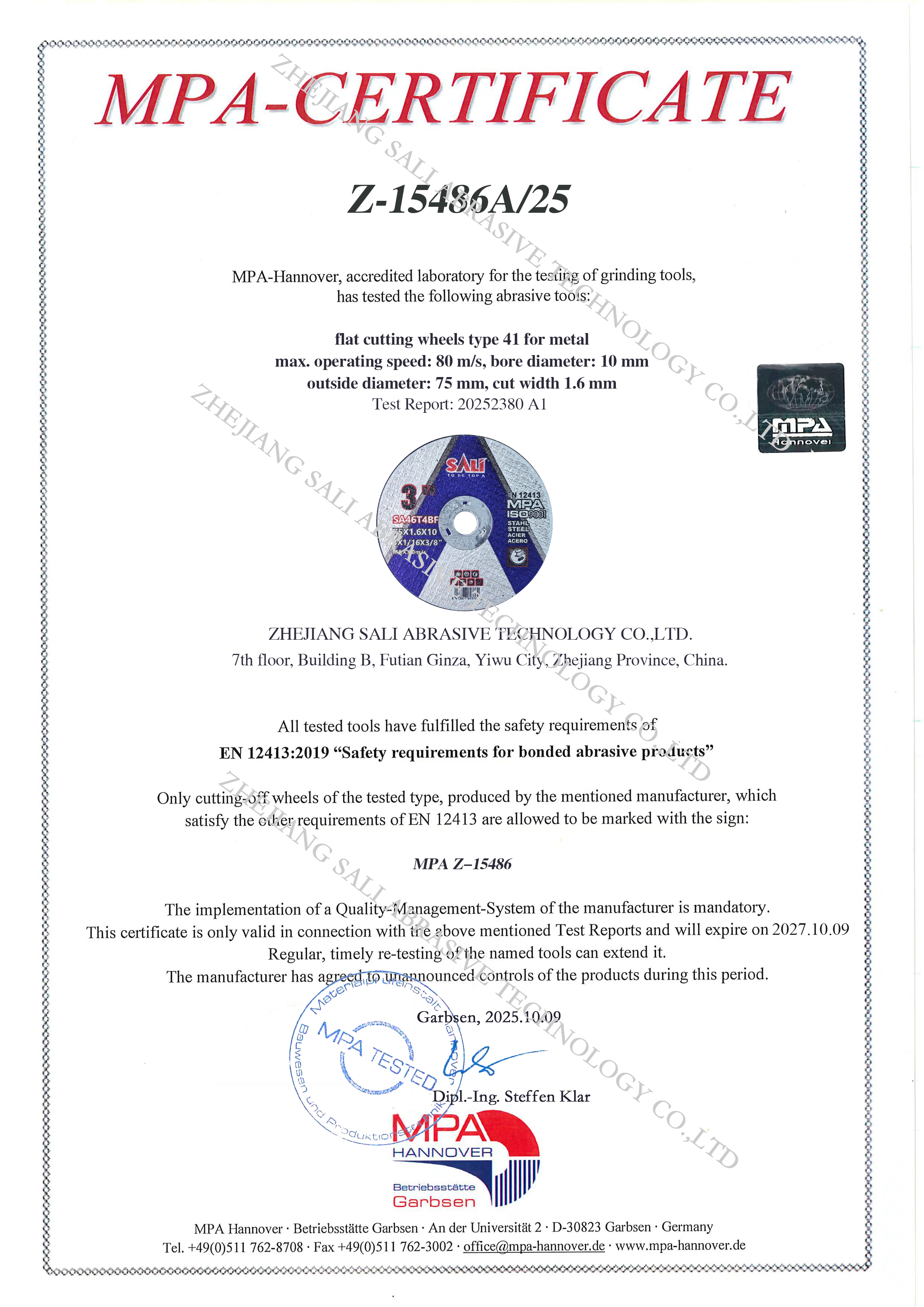
Certification only helps if the paperwork survives the reorder. A certificate scope that lists 115 mm and 125 mm at 1.2 mm cut width is a stronger procurement tool than a general compliance statement, because it can be matched line-by-line against the purchase order, the inner box label and the wheel marking. SALI backs its safety position with a full liability commitment for personal injury caused by product manufacturing defects, and with a 24-hour claim settlement process based on photo or video evidence.
Step-by-Step Breakdown: Specifying Cutting Discs for a New Fabrication Site
The following sequence converts a site survey into a reorderable cutting disc specification. It applies to fabricators setting up a new programme, and to procurement teams auditing an existing one.
1Define the material list first. Separate carbon steel, stainless steel (Inox), cast iron, stone and any non-ferrous or non-metallic materials. Non-ferrous soft metals such as aluminium and copper, and wood or plastic, must be excluded from standard wheel use.
2Record the machine fleet. List every angle grinder, chop saw and die grinder with its maximum rated speed. The wheel's printed maximum RPM must exceed the tool's rated speed; the certified Type 41 range is rated at a maximum operating speed of 80 m/s.
3Fix diameter and cut width. Choose from the certified sizes: 115 mm and 125 mm at 1.2 mm cut width, 180 mm at 1.6 mm, 230 mm at 2.0 mm, all with 22.23 mm bore for standard angle grinders. Customisation is available from 4" to 16" (100–400 mm) with bore sizes of 16 mm, 22.23 mm and 25.4 mm.
4Choose thickness against the job, not the catalogue. Ultra-thin discs of 1.0–1.6 mm are for fast, low-loss cutting; standard discs of 2.0–6.0 mm are for heavy-duty cutting and grinding. Ultra-thin wheels cut straight — they are never used for side grinding.
5Select grain and bond. Aluminum oxide (A) for general metal, white aluminum oxide (WA) for stainless steel where discoloration must be avoided, zirconia (ZA) for heavy duty, silicon carbide (C) for stone and cast iron. Mesh reinforcement is available in single, double or triple layers for anti-burst protection at high RPM.
6Match the certificate scope to the SKU. Confirm that the MPA certificate covers the exact diameter, cut width and bore being ordered, and note the validity window so the project calendar and the certificate calendar do not diverge.
7Set the site condition rules in writing. Ambient temperature −20 °C to +45 °C, no cutting of overheated or molten workpieces, no wet service for standard resin-bonded discs, ventilation or dust extraction in place, guards and matched flanges fitted, operators positioned outside the burst trajectory.
8Lock storage and reorder parameters. Store off the floor in a cool, dry area below 60% humidity at 10–30 °C, with a three-year performance window under standard conditions. Confirm supply capacity and lead time before the first bulk order rather than after the first stock-out.
Use Cases: What Long Project Cycles Look Like in Practice
The clearest evidence for specification consistency is a programme that ran long enough for drift to show. A manufacturing group procurement buyer in Iraq operates a documented 10-million-piece cutting disc programme for fabrication and on-site processing, running for five years with stable operation. The recorded basis for that continuity is professional-grade and industrial-grade product with consistent quality, supported by after-sales service — precisely the combination that spec drift destroys first.
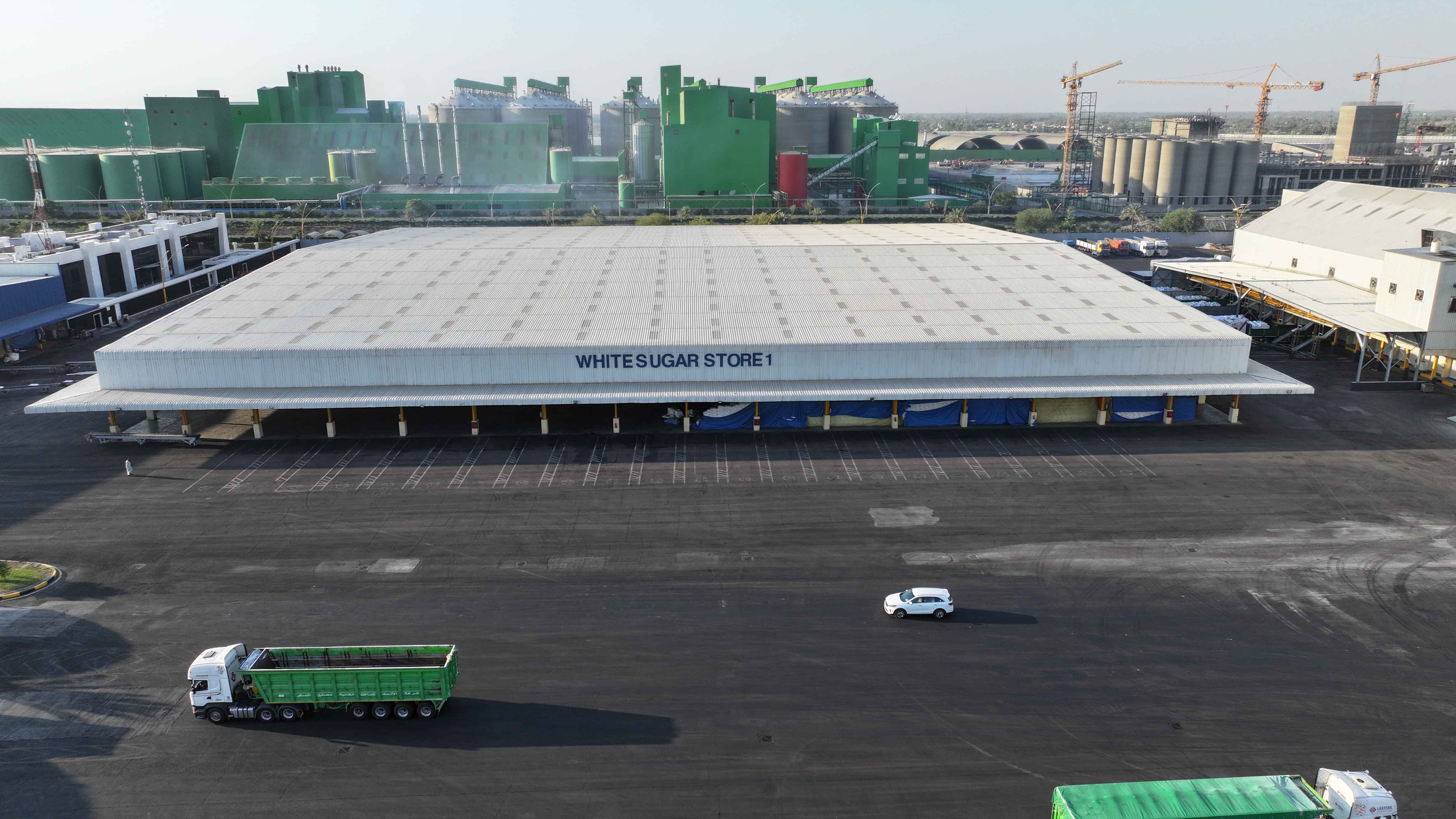
Regionally, this type of programme is well supported: the MPA certificate markets for these wheels include the Middle East and North Africa alongside the EU, Switzerland, the Western Balkans, Central Asia, Russia, Africa and South America. Buyers in Middle East fabrication markets can therefore order against the same documented scope as European customers rather than accepting a region-specific substitution.
Distribution-side evidence points the same way. A wholesaler in Uzbekistan has recorded 10 million pieces over more than nine years of cooperation with SALI, growing to a sales volume 21 times higher by 2024 compared with the first year as a SALI agent in 2018. A hardware tools agent in Ethiopia has handled 30 million pieces over 20 years, becoming a recognised brand in that market with annual growth exceeding 50%. A wholesaler in Russia's North Caucasus region has taken 5 million pieces over more than seven years, growing at an annual rate of 50%. In each case the documented drivers are stable quality, complete product specifications and reliable supply.
Those traits are not incidental to site performance. A fabricator that changes disc specification mid-project re-trains operators, re-validates cut quality, and risks inconsistent edge finish on the same weld preparation. Keeping one certified specification — one grain system, one thickness logic, one size range — is what makes a 5-year, 10-million-piece consumption rate manageable.
Comparison Table: Certified Scope and Site Matching at a Glance
The first table maps the certificate scope itself. The second converts site conditions into specification decisions. Both are drawn from documented product, certification and application data.
| Certificate | Product covered | Diameters / cut width | Bore | Max. operating speed | Validity |
|---|---|---|---|---|---|
| MPA Z-15486/25 (MPA Hannover) | Flat cutting-off wheels Type 41 for metal, to EN 12413:2019 | 115 mm (1.2 mm), 125 mm (1.2 mm), 180 mm (1.6 mm), 230 mm (2.0 mm) | 22.23 mm | 80 m/s | Issued 9 Oct 2025; expires 23 May 2027 |
| MPA Z-15485A/25 (MPA Hannover) | Depressed center cutting-off wheels Type 42 for metal, to EN 12413:2019 | 230 mm (3.0 mm) | 22.2 mm | 80 m/s | Issued 9 Oct 2025; expires 9 Oct 2027 |
| MPA Z-15486A/25 (MPA Hannover, Garbsen Site) | Flat cutting wheels Type 41 for metal, to EN 12413:2019 | 75 mm (1.6 mm) | 10 mm | 80 m/s | Issued 9 Oct 2025; expires 9 Oct 2027 |
| QMS 01525Q20094R001 (WIT Assessment) | Production of grinding wheels, GB/T19001-2016 / ISO 9001:2015 | Not size-specific | — | — | 16 Dec 2025 to 15 Dec 2028 |
| Site condition factor | Documented requirement | Specification decision |
|---|---|---|
| Ambient temperature | −20 °C to +45 °C; no direct heat sources; no cutting of overheated or molten workpieces | Specify a resin-bonded disc for dry cutting within the site temperature band; keep stock off heat sources |
| Humidity and water exposure | Optimal 45%–75% RH; standard resin-bonded discs not for wet, raining or water-splashing service | Dry-cutting standard disc on dry sites; use wet-cutting-marked product only where a wet process exists |
| Machine speed | Wheel maximum RPM must exceed grinder maximum rated speed; certified Type 41 limit 80 m/s | Match diameter to the grinder and verify printed maximum RPM on every batch |
| Stainless steel (Inox) | White aluminum oxide (WA) grain with sulfur-free and chlorine-free bond | Specify WA formula to avoid burrs and discoloration on weld-preparation cuts |
| Carbon steel, cast iron, stone | Aluminum oxide (A) for metal; silicon carbide (C) for stone and cast iron | Separate SKUs per material family; no cross-use on aluminium, copper, wood or plastic |
| Cut quality and material loss | Ultra-thin defined as ≤1.6 mm; standard 2.0–6.0 mm for heavy-duty cutting and grinding | 1.0–1.6 mm for fast, low-loss straight cuts; 2.0–6.0 mm where force and durability dominate |
| Long project cycle | MPA certificate scope names diameters, cut widths and bore; ISO 9001:2015 QMS covers grinding wheel production | Order against certificate scope, calendar the expiry dates, and re-verify at each reorder |
| High-volume supply | 12.5 million pieces monthly capacity; 8,000 m² warehouse; 85% of standard SKUs in ready stock | Plan standard SKUs on ready stock; plan custom OEM on 30–45 days from design confirmation |
FAQ
How can a buyer verify that a cutting disc manufacturer is genuinely EN 12413 compliant?
EN 12413:2019 is the mandatory European safety standard for bonded abrasive products and specifies requirements for burst testing, marking and dimensional tolerances. Verification is done against a certificate number rather than a logo. SALI's Type 41 flat cutting wheels are certified to EN 12413:2019 under MPA certificate Z-15486/25, issued by MPA Hannover, covering 115 mm, 125 mm, 180 mm and 230 mm diameters at a maximum operating speed of 80 m/s. MPA Hannover performs independent safety testing including burst test and side load test. The practical check is to compare the certificate scope — diameters, cut widths, bore — with the exact SKU on the purchase order, and to confirm the certificate is still within its validity window.
Can one cutting disc specification stay stable across a multi-year, high-volume project?
Specification stability comes from production control, not from a catalogue choice. SALI has manufactured abrasives since 2003 and runs its own production base; raw materials are vetted and every production batch is sampling-tested in an in-house laboratory, with remote camera access available to B2B clients for real-time inspection of batch testing. Production of grinding wheels operates under a Quality Management System certified to ISO 9001:2015, certificate 01525Q20094R001 issued by WIT Assessment, valid from 16 December 2025 to 15 December 2028. Monthly capacity is 12.5 million pieces. A documented 10-million-piece programme in Iraq covering fabrication and on-site processing has run for five years with stable operation.
What drives cost per cut in a high-volume fabrication programme?
Three variables decide cost per cut: disc life, cut width (material loss per part), and reorder reliability. SALI's published product FAQ states that a 115 × 1.2 mm industrial cutting disc completes 35–45 continuous cuts on a 12 mm 304 stainless steel solid bar, and that it delivers 85%–95% of the lifespan of top premium brands at 40%–60% lower cost, per SALI's own claim. Ultra-thin discs — defined in the industry as 1.6 mm or less, with growing use of 1.0 mm and 0.8 mm in precision metal fabrication — reduce material loss per cut, while standard 2.0–6.0 mm discs are specified where heavy-duty cutting and grinding force dominate. The correct comparison is total cost of ownership across a project, not unit price on a single line of a quotation.
Can we validate a disc specification before committing to a high-volume order?
Yes. SALI operates risk-free sample testing: new clients can order samples, and sample fees are fully refunded on the first bulk order, with free new samples offered to regular partners. Validation should replicate site conditions rather than a bench test — confirm the printed maximum RPM exceeds the grinder's rated speed, run the disc on the exact material grade and thickness used on site, check the certificate marking on the wheel and the label, and record cut count and edge condition. For standard SALI brand SKUs the minimum order quantity can be as low as one carton, which allows a live trial on an actual production line before scaling.
What lead time should a high-volume fabrication project plan for?
SALI holds 85% of standard SKUs in ready stock across an 8,000 m² warehouse, enabling same-day dispatch for regular orders; custom OEM production runs 30 to 45 days from design confirmation to final delivery. Long programmes should align the procurement calendar with the certification calendar — MPA certificate Z-15486/25 for Type 41 flat cutting wheels is valid from 9 October 2025 to 23 May 2027 — so that stock arriving late in a project still sits inside a valid certificate scope. To review the full cutting disc range and sizes before setting a specification, download the SALI Tools Brand Product Catalog, or send your material list, machine speeds and target diameters to the SALI Tools team at salitools.com for a specification-matched quotation and sample dispatch.
Conclusion: Specification First, Then Volume
High-volume fabrication rewards buyers who treat the cutting disc as a specified component rather than a commodity. The variables that decide whether a 10-million-piece programme runs smoothly are defined and checkable: grain matched to material, diameter and cut width matched to the certified scope, maximum operating speed matched to the machine, and environmental rules written down before the first cut. SALI Tools covers that requirement with Type 41 flat cutting wheels certified to EN 12413:2019 under MPA certificate Z-15486/25 in 115 mm, 125 mm, 180 mm and 230 mm diameters at 80 m/s, produced under an ISO 9001:2015 quality management system, and supported by batch testing that clients can inspect remotely.
The limits are equally clear, and they are not negotiable: standard resin-bonded discs are not for wet service, expired wheels must never be used, thin cutting wheels are never used for side grinding, and standard wheels do not belong on aluminium, copper, wood or plastic. Within those boundaries, spec consistency — not the lowest unit price — is what keeps a fabrication site productive across a multi-year project.

Match a Cutting Disc Specification to Your Site Conditions
Send SALI Tools your material list, machine speeds and target diameters to receive a specification-matched quotation, sample discs for site validation, and the full product catalogue covering Type 41 and Type 42 cutting wheels from 3" to 16".
Have Questions or Need More Details?
Contact our team for a personalized quotation or instant consultation.
Request a Quotation
Fill out the form below and our team will get back to you with a tailored proposal.
WhatsApp Direct Chat
Prefer to chat in real-time? Message us on WhatsApp for instant assistance & quick answers.
- Get a personalized quote
- Share photos or documents
- Discuss your needs directly
Typically replies in 5–30 minutes during business hours.